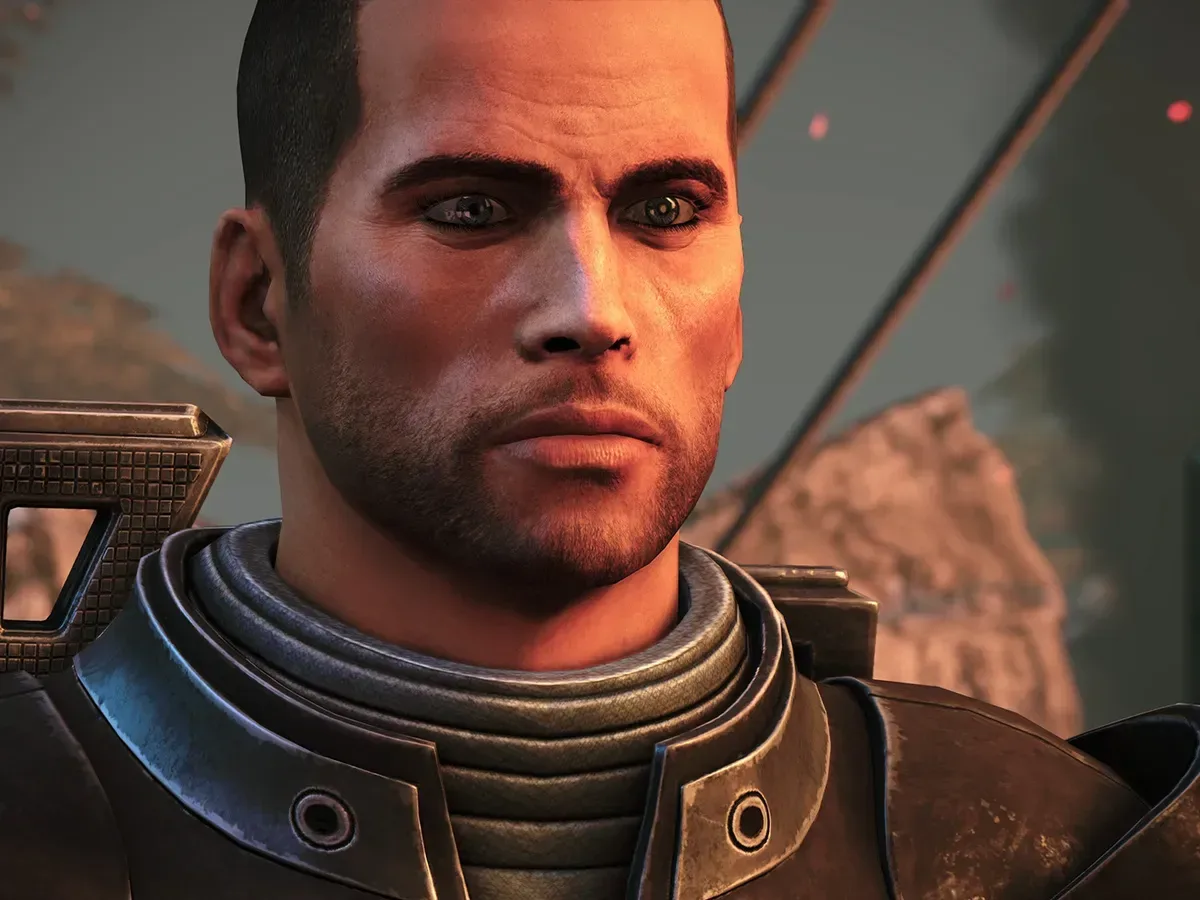
BioWare is closing, and the next Mass Effect will not continue beyond early development. The decision, disclosed by EA on October 21 as part of a wider restructuring of studios and projects, has landed with particular force because it joins two losses that fans had hoped would never be connected: the end of a studio with more than 30 years of history and the end, for now, of a return to one of gaming’s defining science-fiction role-playing universes.
EA said a small BioWare team had been working in early development on Mass Effect, but that it would not move forward. The company also said it would close BioWare and its Edmonton workspace. Cam Weber, EA’s president and chief studios officer, and David Tinson, its president and COO, described BioWare as a studio that helped shape the role-playing genre, while saying the decision was not taken lightly.
Those are the confirmed facts at the center of a reaction that has been immediate, emotional, and often furious. Online discussion has included tributes to the studio’s games, grief for staff facing an abrupt transition, anger at EA, and calls for the company’s major RPG properties to be allowed a future elsewhere. None of those requests establishes that an intellectual-property sale is planned. At present, the confirmed development is much starker: BioWare is closing, and the next Mass Effect project has stopped.
For additional detail on the restructuring and reported role cuts, read EA’s BioWare closure and Mass Effect cancellation plan.
Why the response has been so personal
BioWare’s games earned attachment not simply through recognizable settings or long-running franchises, but through a particular kind of player participation. Role-playing games, or RPGs, put players in the position of making choices within a character-driven story. Players may decide how a protagonist responds, which allies receive trust, and what values guide major decisions. The format can make a fictional world feel less like a story observed from a distance and more like a story partly authored by the person holding the controller.
BioWare itself emphasized that bond in its farewell message. The studio said it had been a home for storytellers and developers, but also for the players who made its worlds their own through debate, decisions, and relationships with characters. That framing helps explain why many reactions have read more like responses to a personal loss than a conventional disappointment over a cancelled product.
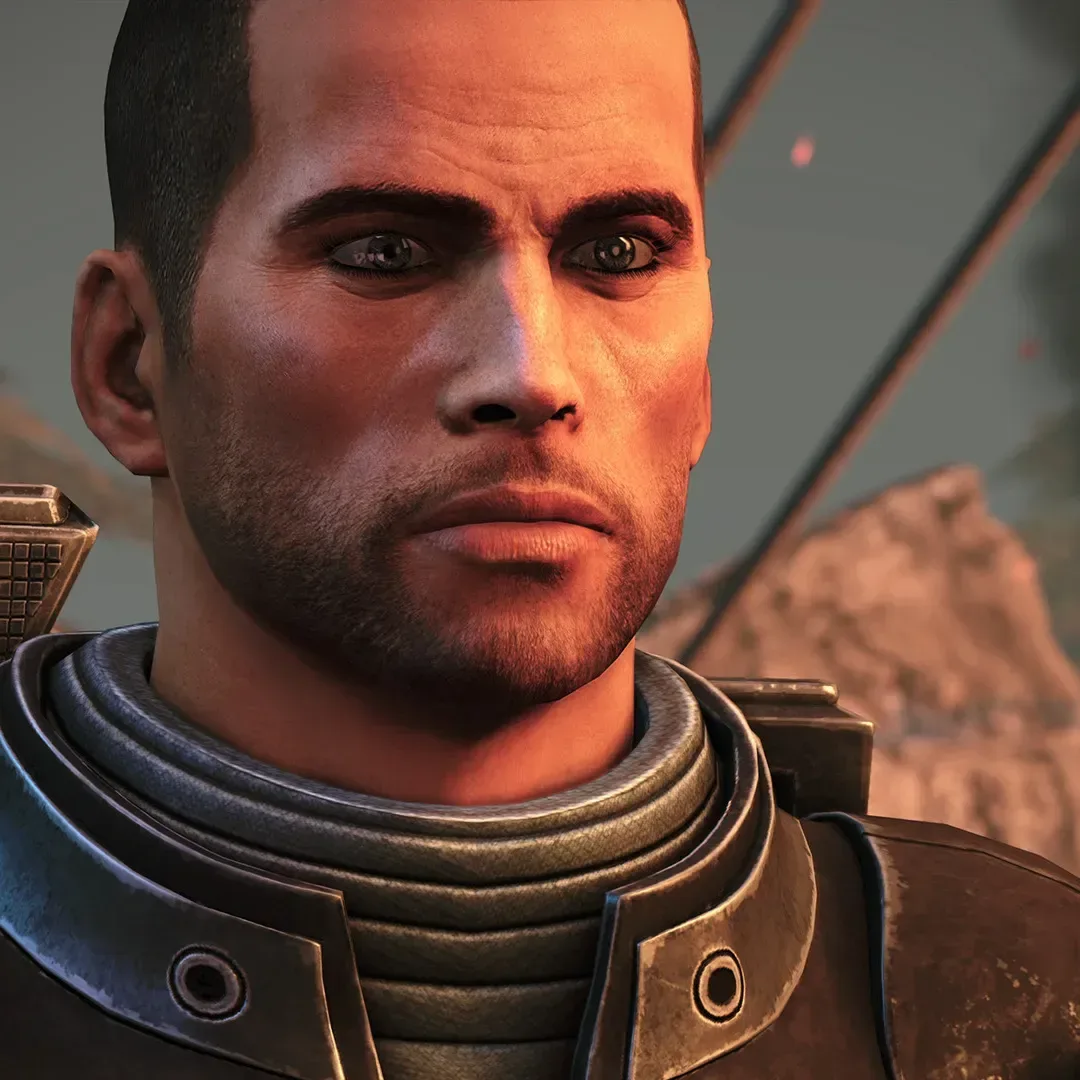
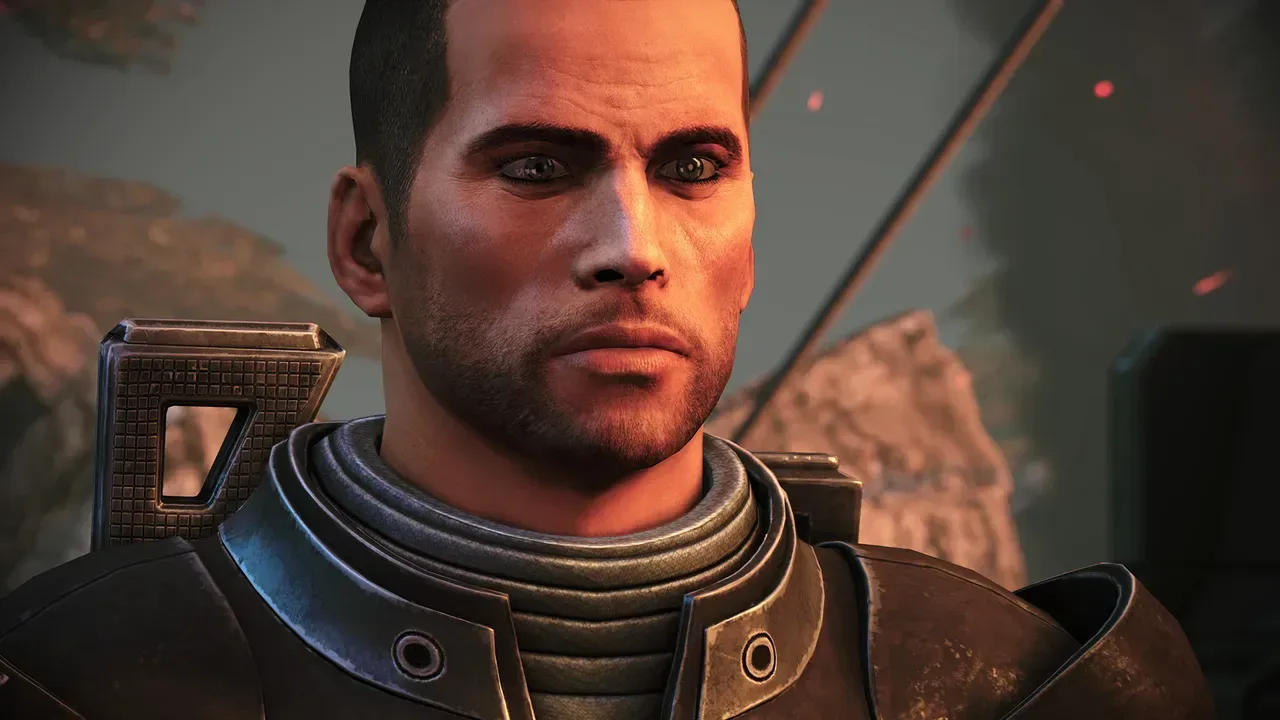
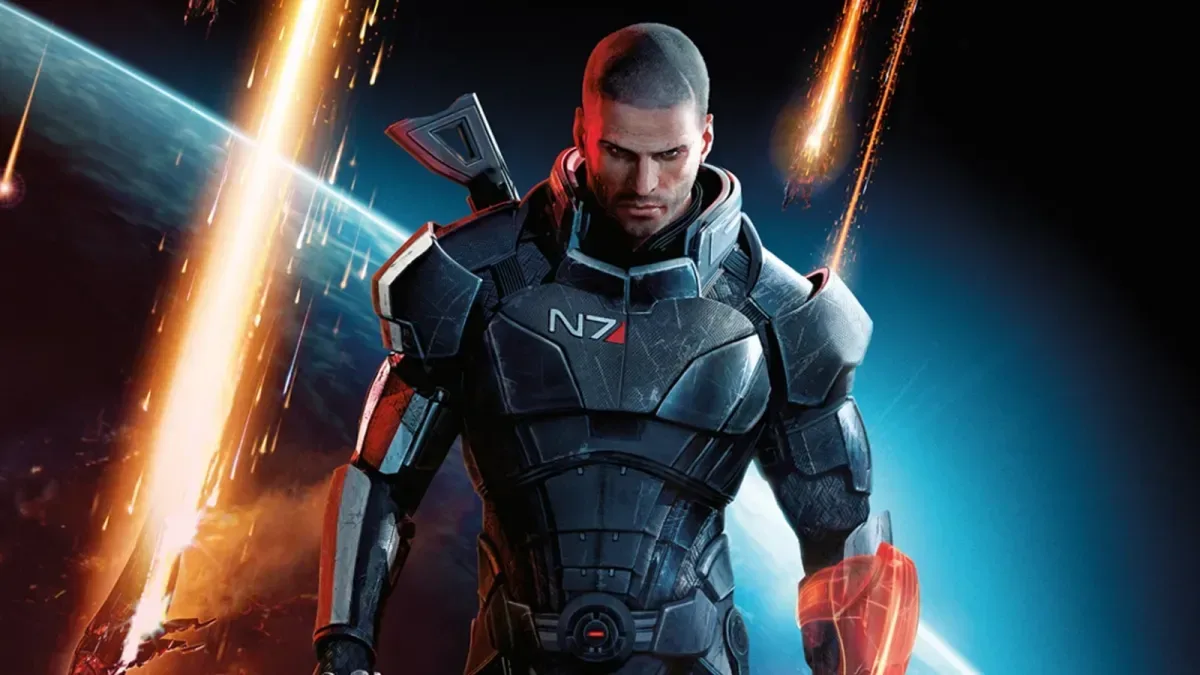
Fans have described the original Mass Effect trilogy as a formative series and expressed disbelief that the franchise’s planned next chapter is no longer proceeding. Some pointed to N7 Day—the annual fan celebration associated with Mass Effect—as an occasion they had anticipated with renewed hope. Others focused less on a future game and more on what the closure means for the people who made the previous ones.
There is a crucial distinction here. A cancelled game is an unreleased project that will no longer be developed in its current form. A studio closure affects the people, workplace, and accumulated working relationships that developed games in the first place. Fans may reasonably mourn both, but the latter is not merely a change to a release calendar. It is a disruption to careers and to a creative institution.
Related coverage includes BioWare Closes as EA Cancels Next Mass Effect Project, Prompting Industry-Wide Grief.
Early development means there was no finished game to preserve
EA specifically characterized the new Mass Effect work as early development. That term matters. Early development generally describes a stage before a project reaches full production, when teams may be exploring direction, systems, story concepts, technology, staffing, or other foundations. It does not indicate that a game is close to release, nor does it establish what features, characters, platforms, or narrative it would have contained.
As a result, readers should be careful about treating community hopes or assumptions as details from an unfinished game. The public information does not establish a release date, gameplay structure, cast, setting, or the amount of material completed. The cancellation ends an intended project, but it does not provide a blueprint for the game that might have been.
That uncertainty is part of why the news has generated so much speculation. Fans of a series built around choice naturally want to know whether any concepts will resurface, whether another team could continue the universe, or whether the property might be sold. But no such next step has been confirmed. The reaction is real; the desired solutions remain requests rather than announced plans.
Developers remember BioWare’s influence beyond its own catalog
The response has not been limited to players. Developers and industry figures have also spoken about BioWare’s long-term influence, with their comments placing the studio in a broader creative network rather than treating it only as the maker of a few famous releases.
Michal Nowakowski, co-CEO of CD Projekt Red, recalled a relationship that began when BioWare games were localized and sold in Poland, the Czech Republic, and Slovakia. Localization is the process of adapting a game for a particular language or region; it can involve translated text, cultural adaptation, and other work intended to make a title accessible to a local audience. Nowakowski also said BioWare lent its engine for the first Witcher game, shared knowledge, and offered CD Projekt Red space at its E3 booth.
A game engine is a set of software tools and technology used to build a game: it can support areas such as rendering visuals, managing game logic, loading environments, and handling interaction. Lending an engine and sharing practical knowledge are concrete examples of how a studio’s impact can travel outside its own released work. In remembering BioWare, Nowakowski’s statement focused both on that cooperation and on the employees affected by the closure.
Brian Fargo, head of inXile and founder of Interplay Entertainment, similarly recalled BioWare’s earlier period as a small studio that made Shattered Steel for Interplay. He pointed to the promise he saw in the team before it went on to create Baldur’s Gate and become a major name in RPGs. The memory is a reminder that a studio’s legacy is not a fixed museum piece. It is built through projects, partnerships, talent, and risks taken before the work becomes legendary in retrospect.
A legacy that cannot be reduced to an IP label
Much of the public reaction has centered on Mass Effect and Dragon Age, understandably: they are the settings fans know and want to see continue. Calls for EA to sell its IPs have therefore become a visible theme. IP, short for intellectual property, refers in this context to the legally controlled fictional settings, names, characters, and related creative assets associated with a franchise.
Still, the closure raises a harder issue than whether a recognizable IP could someday be used again. A franchise can retain a name and a legal owner, but a studio is made of people and working practices. The writers, artists, designers, programmers, producers, support staff, and many other specialists who contribute to a game are not interchangeable with the brand on a box or store page. A potential future for a setting would not erase the immediate effect of a studio closing or restore the particular organization that created earlier work.
That does not make fan interest in these worlds misplaced. It shows why the news hurts: players care about continuity in fictional universes, while the studio’s history points to the human collaboration that made those universes meaningful. The two concerns overlap, but they are not the same.
Mike Gamble, an executive producer on Mass Effect at BioWare, thanked fans for their support over his 17 years at the studio. BioWare’s own statement also placed its focus on supporting its team through the transition. Those messages direct attention to the people facing the most immediate consequences, even as public debate naturally turns toward franchises and corporate choices.
EA’s wider business shift is part of the context
The BioWare closure arrives during a turbulent year for EA. In August, the company went private through a $55 billion acquisition by an investor group comprising Saudi Arabia’s Public Investment Fund, Silver Lake, and Affinity Partners. Reporting on that deal indicated that expectations around artificial intelligence reducing operating costs were connected to the investors’ approach to managing the debt associated with the transaction.
It would be a mistake to claim, without further evidence, that AI expectations alone caused BioWare’s closure or the Mass Effect cancellation. The available information does not establish such a direct causal chain. It does, however, provide relevant business context for why players and developers are viewing this week’s restructuring as more than an isolated studio decision.
Operating costs are the ongoing expenses of running a business, such as staff, facilities, technology, and day-to-day operations. When a company or investor group expects automation or AI tools to reduce those costs, that can become part of wider conversations about how creative work is organized and valued. In this case, the reported expectation is especially sensitive because the affected studio was identified so strongly with storytelling, characters, player choice, and long-term world-building.
EA’s stated rationale referred to focusing on larger opportunities. That is corporate language for allocating resources toward selected priorities. What it does not do is settle the cultural question now being argued across the games community: what is lost when a company’s portfolio strategy ends work at a studio whose reputation was built on the kinds of RPGs players still want?
What can be said with certainty now
The immediate facts are limited but consequential. EA has announced the closure of BioWare and its Edmonton workspace. Early development on the next Mass Effect will not continue. BioWare, after more than three decades, has issued a farewell statement centered on its people and its players. Fans and prominent developers have responded with sadness, anger, gratitude, and concern for those affected.
What remains uncertain is equally important. There is no confirmed plan for another studio to take over Mass Effect; no confirmed sale of Mass Effect or Dragon Age; and no public basis for describing an unfinished sequel’s contents. The wish to keep these worlds alive is widespread, but it should not be confused with an announced path forward.
For now, the loudest and clearest response is a recognition of BioWare’s reach. Its work mattered to players who carried choices and characters with them for years, and to developers who remember a studio willing to share tools, knowledge, and opportunities. The cancellation of a new game is the headline. The closure of the community that made those games is why it has become an industry-wide moment of grief.