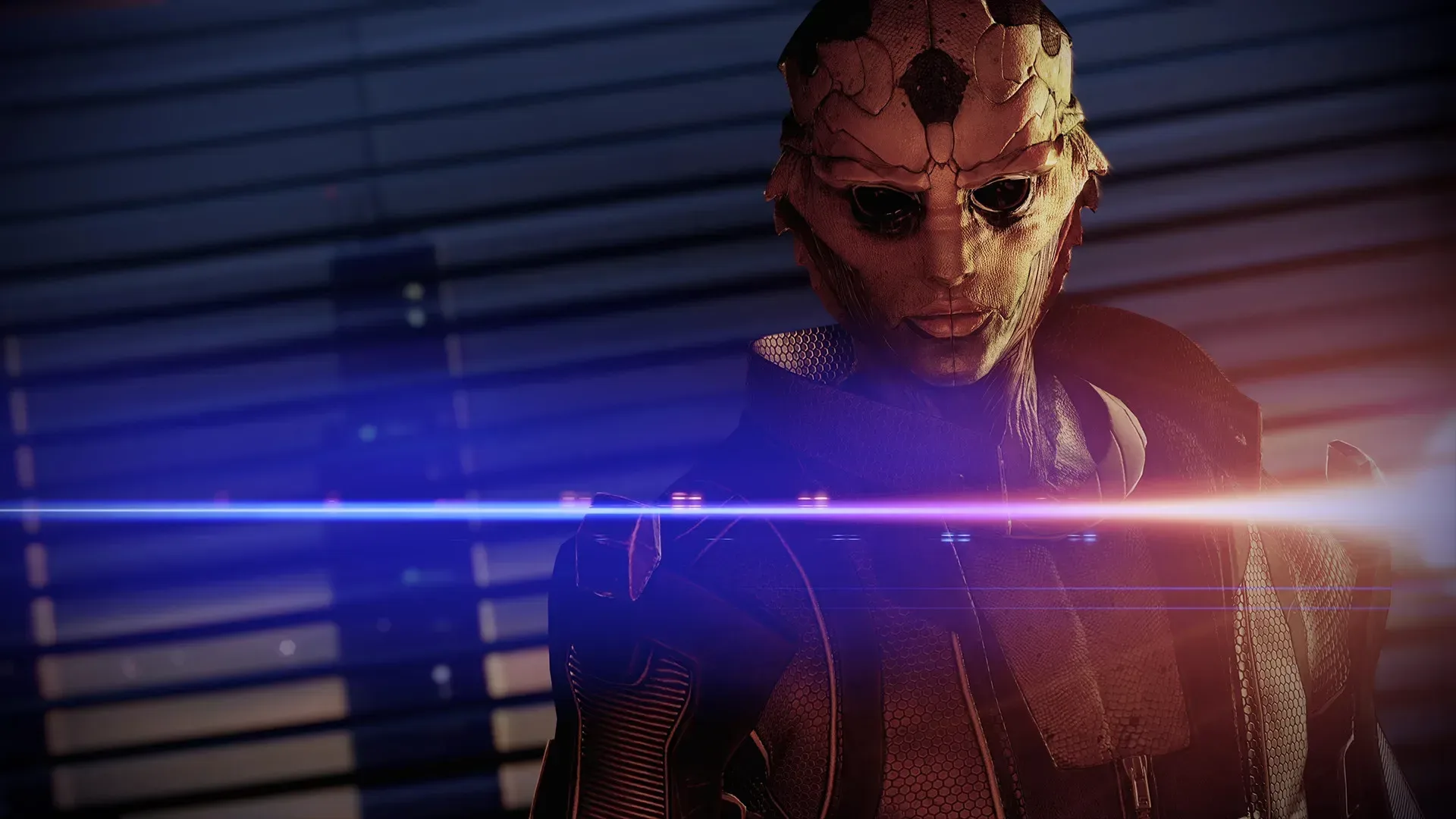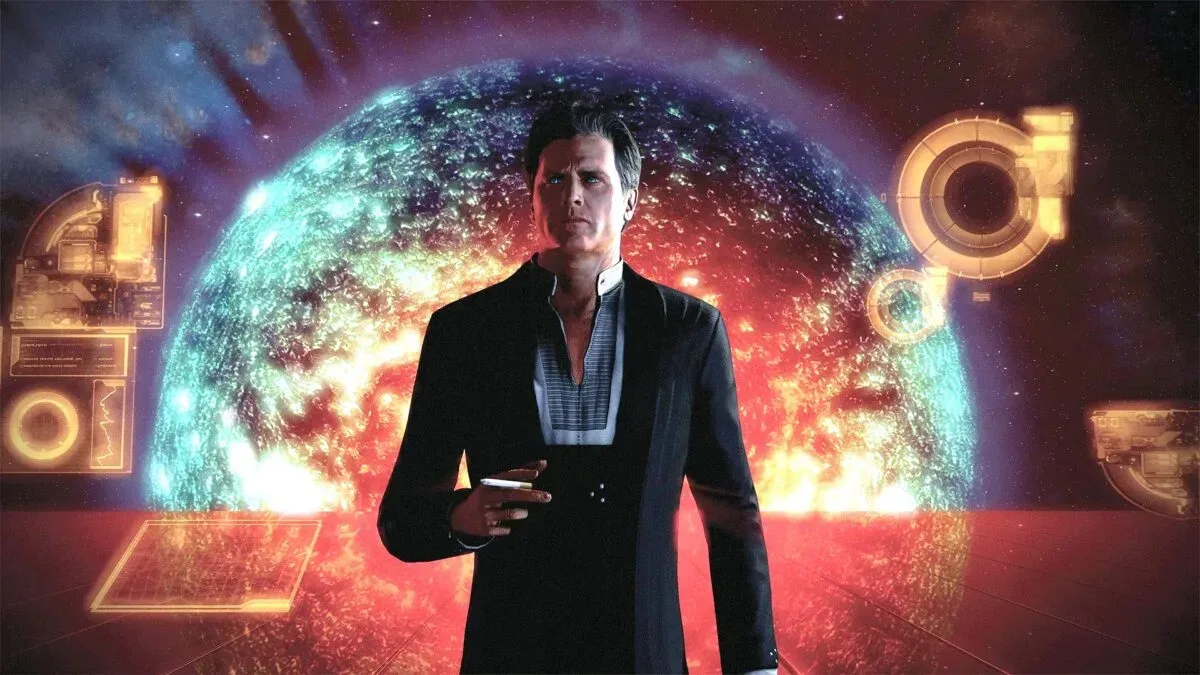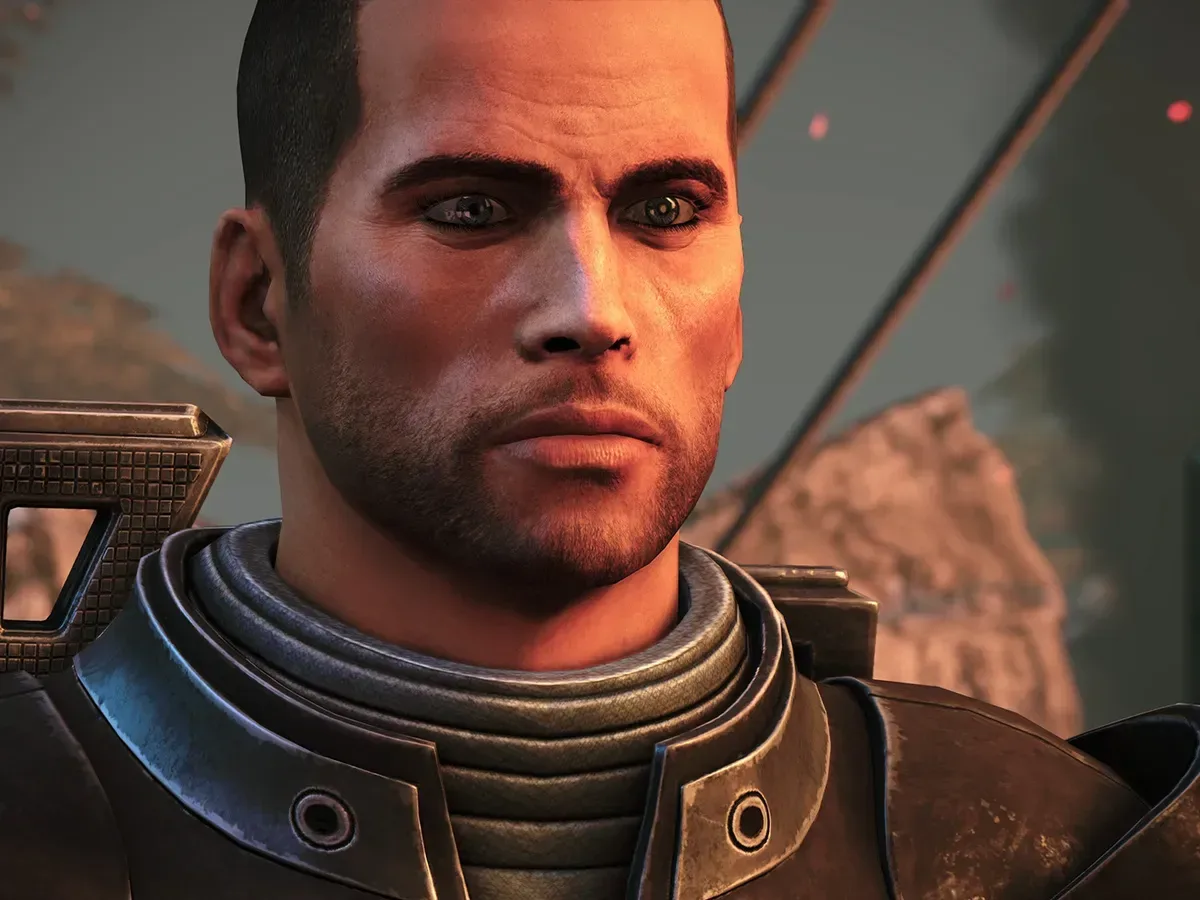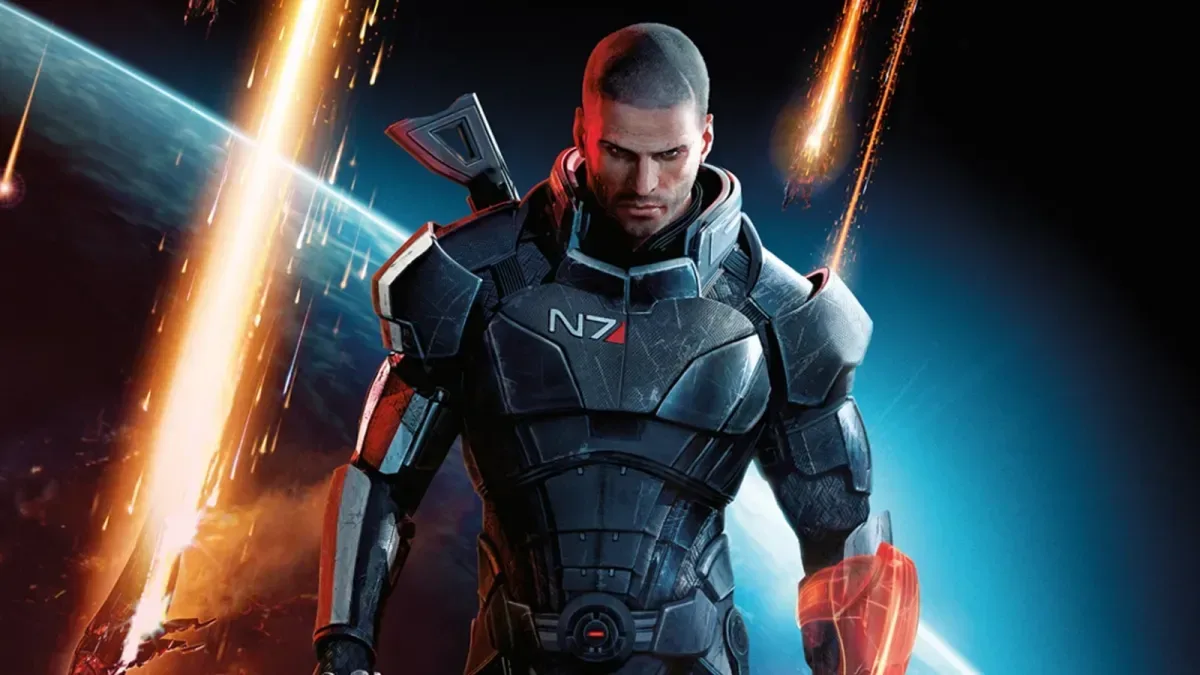
Electronic Arts plans to close BioWare, the long-running role-playing studio behind Baldur’s Gate, Neverwinter Nights, Star Wars: Knights of the Old Republic, Dragon Age, Mass Effect and Anthem. The decision is part of a wider reduction expected to affect roughly 400 positions, or about three percent of EA’s overall workforce.
The closure also ends early development on the next Mass Effect. EA said a small BioWare team had been working on the project, but that it will not move ahead. The company plans to shut the studio and its Edmonton workspace; roughly 50 BioWare positions are included in the reported cuts.
It is an extraordinary development for a studio whose name became closely associated with character-led Western RPGs, branching decisions, party dynamics and stories designed to make the player’s choices feel consequential. BioWare’s catalogue spans different eras, settings and platforms, but its central appeal was remarkably consistent: build a world full of people worth arguing with, trusting, disappointing or falling in love with, then give the player a meaningful role inside it.
What EA says is changing
In a message to employees, EA leaders David Tinson and Cam Weber said the company had reviewed its business and would cut projects while putting greater attention on larger opportunities. In practical terms, BioWare’s closure is not an isolated creative decision. It is part of a portfolio shift: EA is concentrating resources on franchises and categories it has identified as continuing priorities.
Those continuing areas include EA Sports titles, shooters such as Apex Legends, Star Wars projects including the next Jedi game, a new Iron Man game, further Battlefield plans and a Respawn-DICE collaboration. Development on Skate is set to continue with a smaller team. A planned The Sims project, meanwhile, is expected to be paused in favor of another initiative.
That makes the immediate consequence for players unusually clear. There is no next BioWare-made Mass Effect on EA’s active path. There is also no suggestion that another studio has inherited the project. The announcement concerns an early-development team whose work will not proceed, rather than a finished or near-finished game being removed from a release calendar.
Early development is the stage in which a game’s broad creative direction, design foundations and production plan are still being established. Cancellation at that point can mean fewer public-facing details exist than fans might expect. It also means that speculation about a plot, protagonist, release window, gameplay systems or which prior ending it might follow has no current official future to attach to.
For a closer look at the broader prioritization behind the decision, see EA’s portfolio plan for Battlefield, Apex, sports and Mass Effect.
Related coverage includes EA to Close BioWare and Cancel Next Mass Effect as Layoffs Hit Hundreds.
Why BioWare’s legacy carries unusual weight
Closing any game studio is consequential for the people who work there. BioWare’s closure also carries a distinct cultural impact because its games helped establish a particularly recognizable RPG language.
An RPG, or role-playing game, generally asks players to inhabit a character and develop that character through narrative decisions, abilities, relationships or all of the above. BioWare became especially identified with the companion-driven version of that formula. Companions are not merely combat helpers: they are recurring characters with views, histories and reactions, often positioned at the center of a game’s emotional stakes. Players debate them, assess their loyalties and remember the choices that shaped a relationship long after the credits.
That is why lists of BioWare titles only partly explain the studio’s influence. Its work ranged from early adventures shaped by Dungeons & Dragons traditions to major console RPGs such as Knights of the Old Republic, Mass Effect and Dragon Age. Yet the common thread was a commitment to scenes in which dialogue, allegiance and moral tension were as important to the experience as combat or exploration.
The phrase “choices matter” is used loosely in games, but in this context it refers to an approach that invites the player to make decisions and treats them as part of the story’s identity. The exact scale of those consequences can vary, but the player’s investment comes from weighing an option before knowing precisely what it will cost. BioWare helped make that form of player authorship central to blockbuster Western RPG expectations.
Its influence remains visible in the enduring appeal of companion-focused stories and decisions designed to be discussed rather than simply solved. That is not a claim that one studio invented every aspect of role-playing games. It is a recognition that BioWare made the format accessible and memorable for an enormous audience across several landmark series.
A legacy that includes difficult years
The studio’s record was not uniformly smooth. Mass Effect: Andromeda and Anthem received a cooler response from many fans than BioWare’s best-known earlier releases. Dragon Age: The Veilguard, BioWare’s most recent and final game, was received more positively by critics, but followed a lengthy and troubled development process.
Reports over the years also described internal difficulties around the production of these large RPGs. One recurring term, “BioWare magic,” became shorthand for the belief that projects could come together late in development despite complications earlier in the process. The phrase has a romantic sound, but it points to a demanding and risky production pattern: relying on a late-stage turnaround is not the same as having a stable plan from the beginning.
That distinction matters when discussing the studio’s history fairly. BioWare created games that inspired intense attachment, but the people who made those games did not operate in a vacuum. Ambitious RPGs require enormous coordination across writing, art, design, audio, engineering, quality assurance and production. The public often encounters a beloved character or an unforgettable decision; development teams carry the harder work of turning that ambition into a shippable game. The closure is therefore not only the end of a label with famous franchises attached. It affects people with specialized creative and technical experience at a moment when industry job cuts have become alarmingly familiar.
Ownership, investment and the strategy question
The restructuring follows EA’s acquisition earlier this year by investor groups including Silver Lake, Affinity Partners and Saudi Arabia’s Public Investment Fund, a transaction that took the former public company private. At the time, EA chairman and CEO Andrew Wilson said the new partners shared the company’s vision and ambitions, with an intention to invest boldly, accelerate innovation and build for a global audience.
The current decisions show what a sharper allocation of resources can look like. EA is preserving work across several large, recognizable lines—sports, shooters, Star Wars and Battlefield—while ending a studio and a sequel project associated with one of the company’s most respected RPG legacies. The company’s stated focus is on bigger opportunities; whether that strategy delivers the intended results will be judged over time by the games that emerge, the teams that remain, and the audience response.
It would be premature to draw conclusions beyond the facts currently available. The supplied information does not detail every individual role affected, identify future destinations for BioWare staff or explain what will happen to every element of BioWare’s existing game catalogue. It does, however, establish the essential point: EA has decided not to continue the next Mass Effect project and intends to close BioWare’s Edmonton studio.
What fans can take from the announcement
For fans, the most concrete takeaway is that the next Mass Effect is no longer moving forward at BioWare. It is understandable that this news will prompt questions about the futures of Mass Effect and Dragon Age as properties, but no new plans for either series are established here beyond the end of the early Mass Effect work.
BioWare’s own message focused on the people navigating the transition and on the games players made their own. That emphasis fits the studio’s history. Its worlds mattered because audiences did more than consume them: they debated decisions, championed characters and treated personal playthroughs as stories worth revisiting.
BioWare’s final legacy cannot be reduced to a single cancellation, a single difficult project, or even an impressive list of releases. It rests in the connection between developers’ work and the communities that gave those fictional choices, friendships and rivalries a life beyond the screen. The studio’s closure ends a major chapter in RPG development. The games, the characters and the arguments over what players chose to do in them remain.