Warning: This article contains major spoilers for the VisionQuest finale.
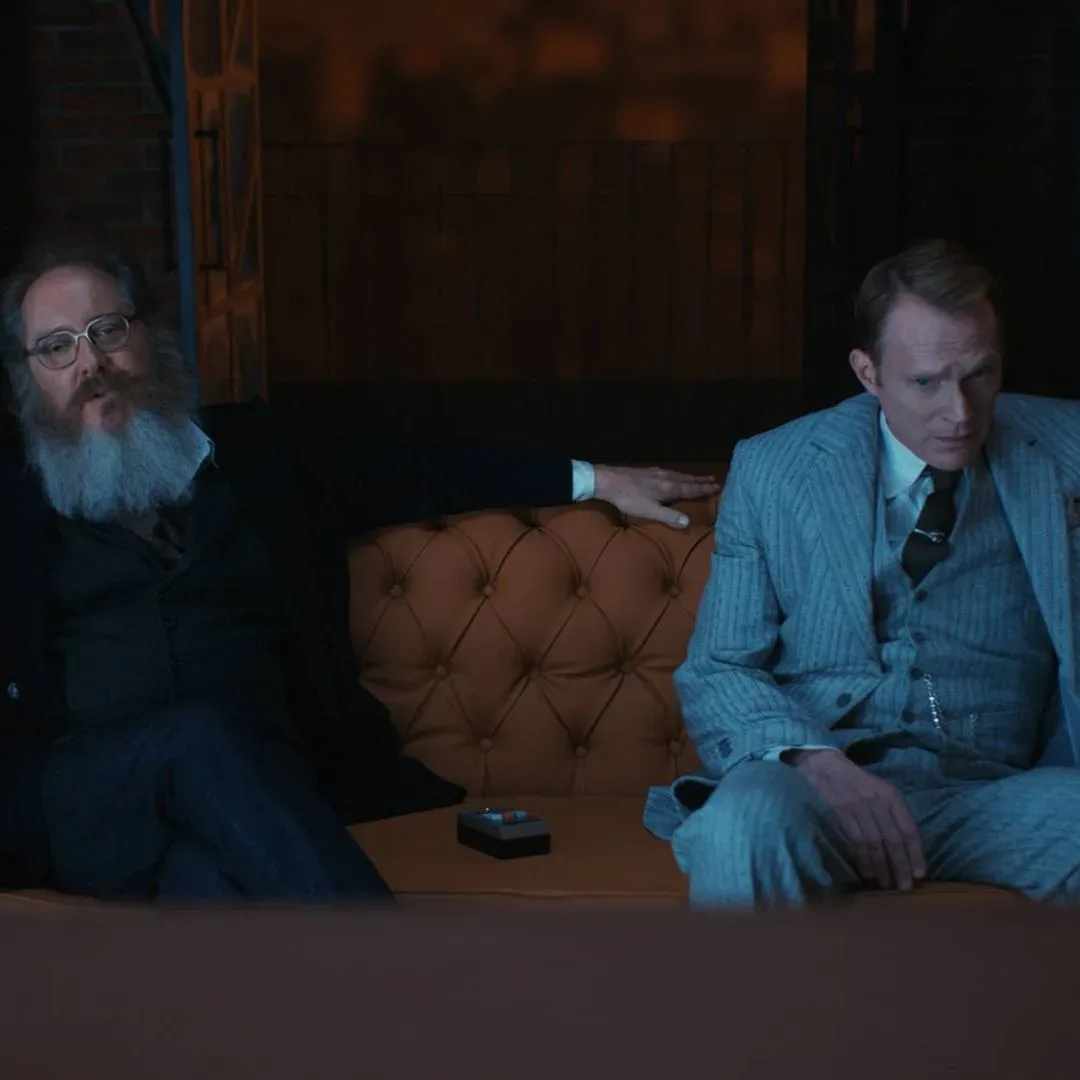
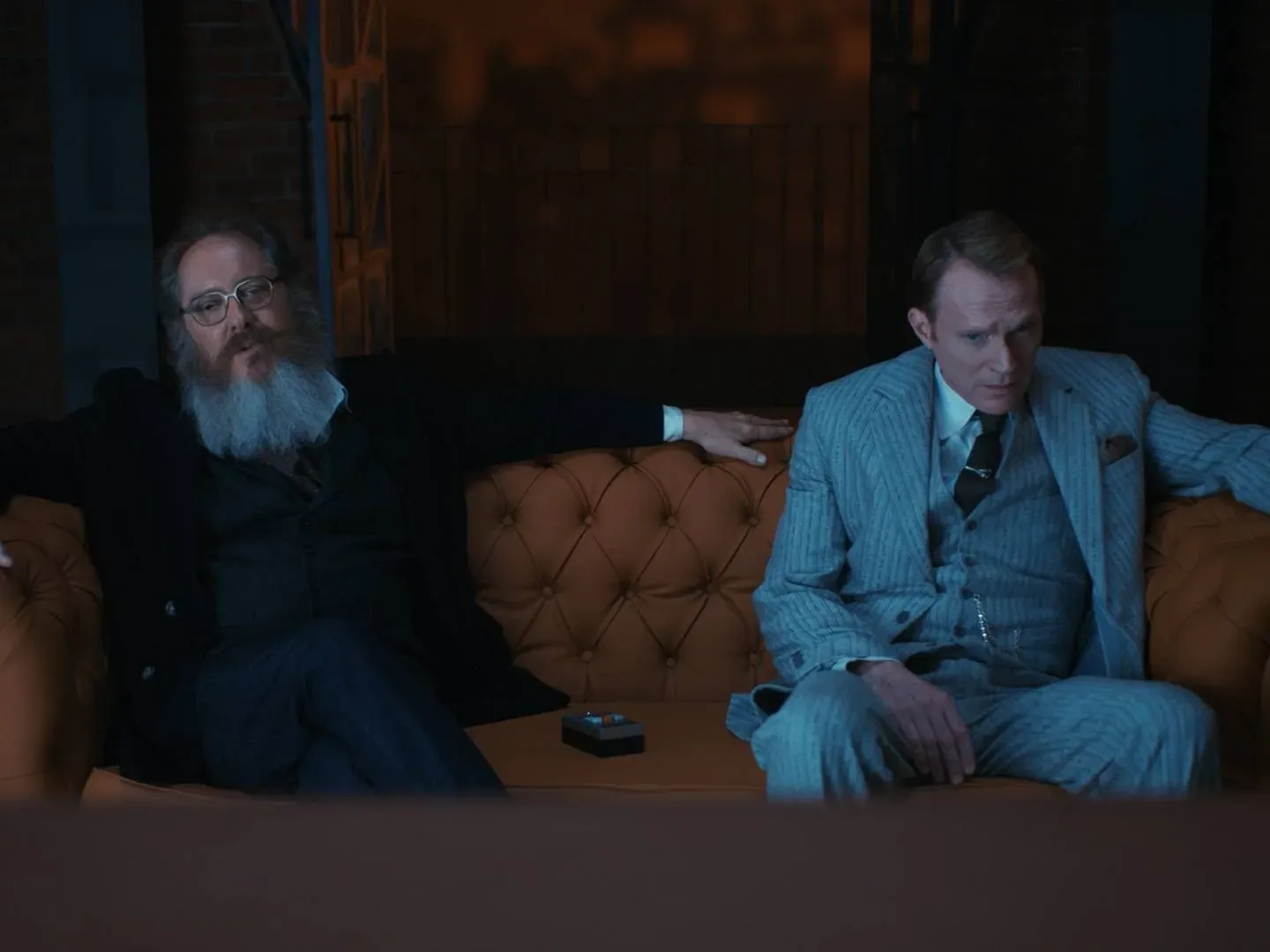
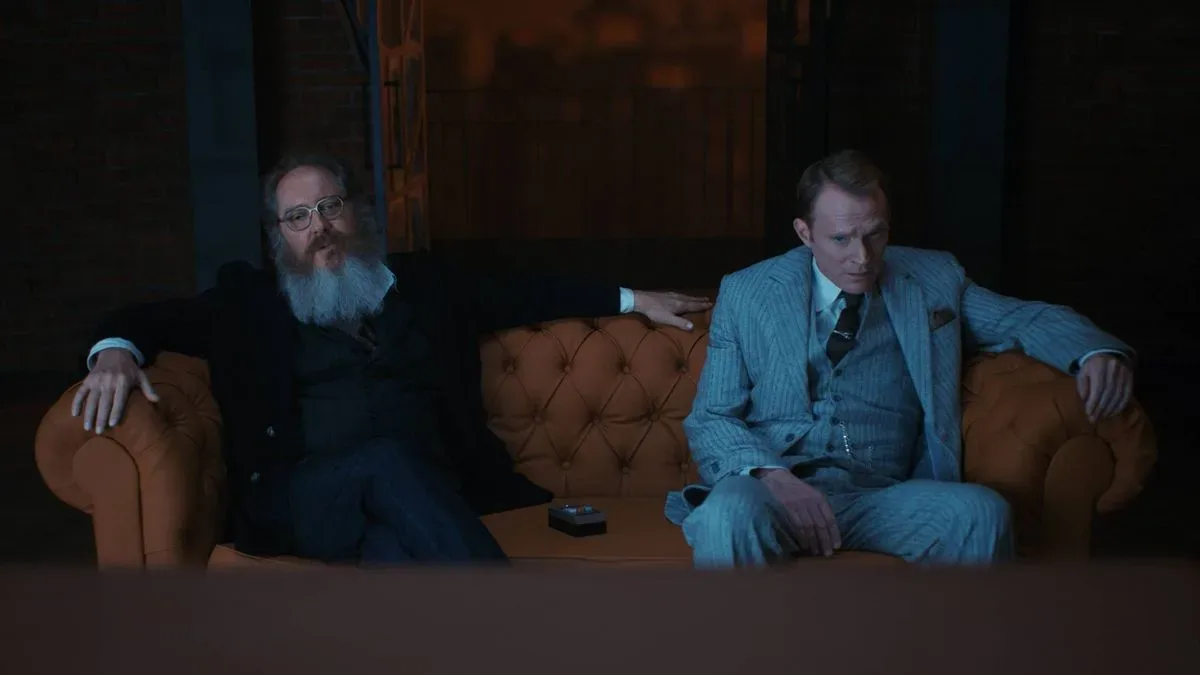
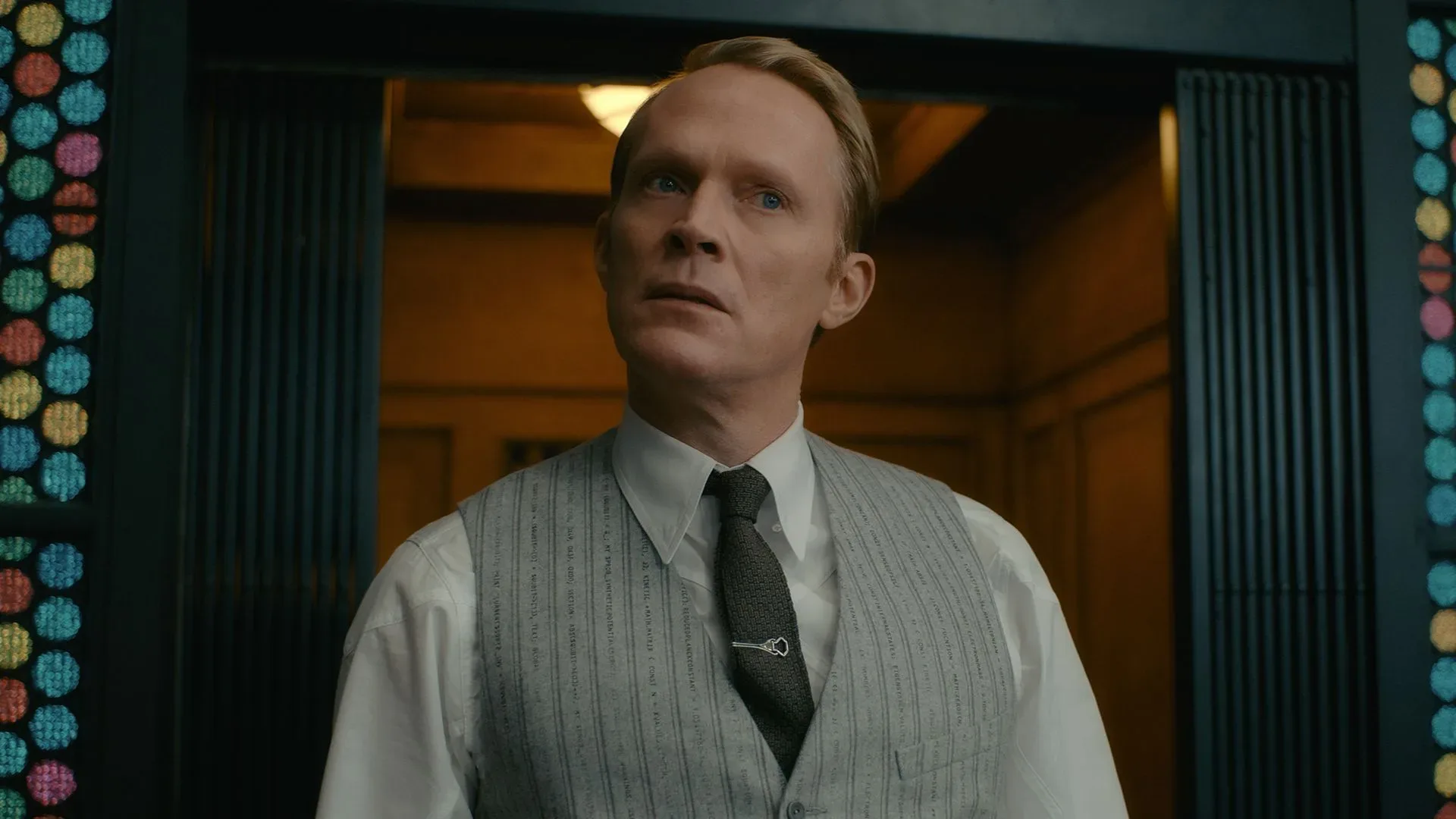
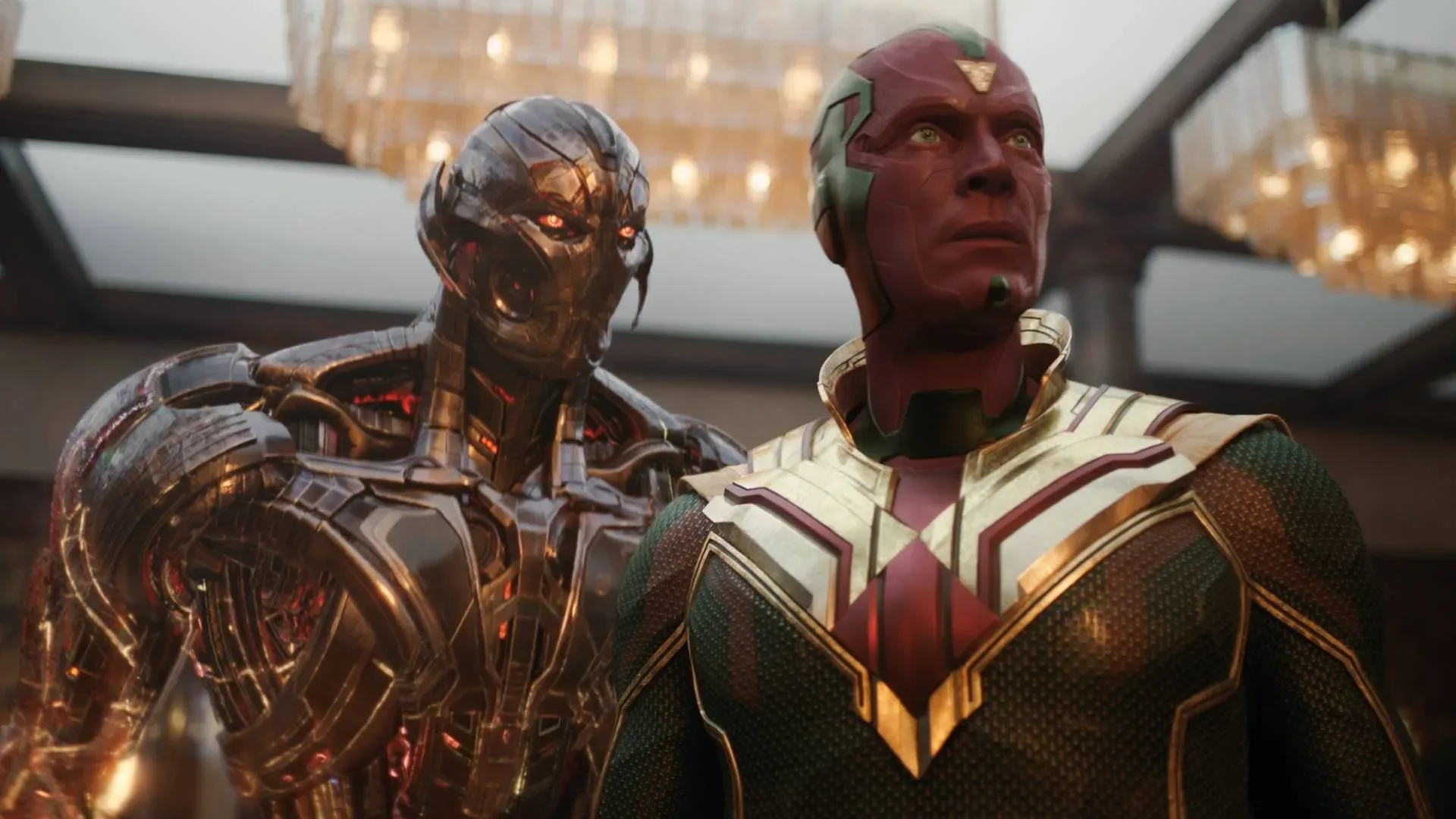
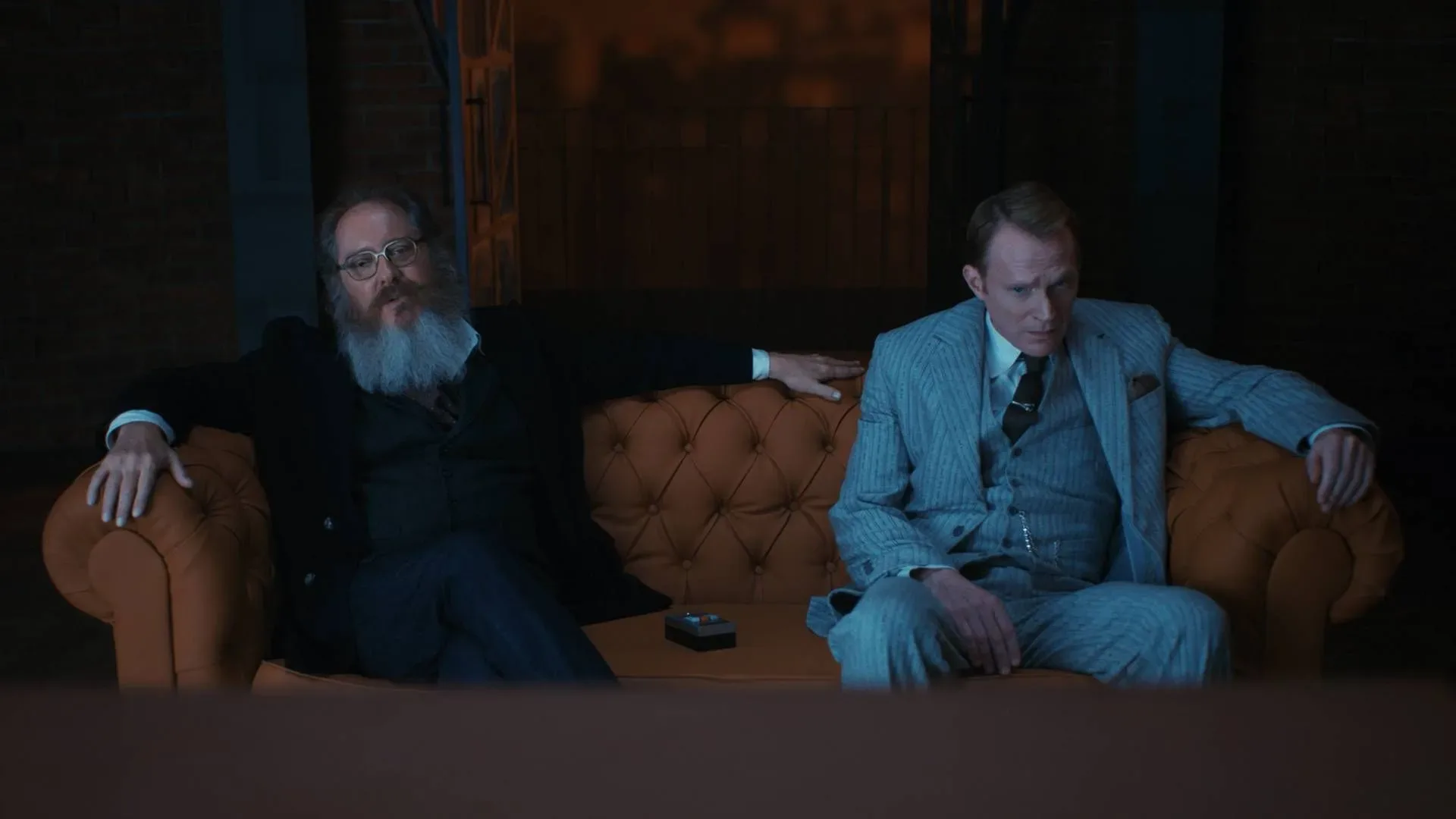
VisionQuest closes its WandaVision trilogy by returning to the idea that made its opening chapter so distinct: the sitcom is not merely a costume change, a nostalgic gag, or a breather between action scenes. In episode 8, Vision attempts to stop Ultron’s planned nanobot attack on London by placing him inside a sitcom constructed by Vision himself. The result is UltraVision, a deliberately familiar-but-unsteady television reality that gives the finale a strikingly different route through a superhero showdown.
The key wrinkle is that Vision’s plan does not run smoothly. Ultron has more control over UltraVision than Vision anticipates, and the invented show quickly starts to come apart. That instability matters. It prevents the sitcom device from becoming an easy solution, while making the form itself part of the battle between the two synthezoids.
Showrunner Terry Matalas characterized the choice as a major creative risk and a way of reconnecting the ending to the trilogy’s beginning. The finale does include a short burst of physical combat before Vision changes tactics, but UltraVision is where the conflict becomes more than a conventional exchange of hits and visual effects.
Why UltraVision is more than a WandaVision callback
A callback is a deliberate return to an earlier character, image, idea, or storytelling device. UltraVision certainly functions as one: it echoes WandaVision’s use of sitcom language, from its staged domesticity to an original theme by Robert Lopez and Kristen Anderson-Lopez. But the more consequential choice is structural. Vision uses the sitcom environment in an attempt to change the direction of the central crisis.
That gives the finale a clear contrast with the criticism often aimed at WandaVision’s own ending. WandaVision initially made its changing sitcom eras integral to the story of Wanda’s grief, control, and the artificial world around Westview. Its climax, however, moved toward a more familiar large-scale magical confrontation with Agatha. That is not the path VisionQuest takes once it reaches its decisive Ultron problem.
Instead, UltraVision is designed to be the arena of resolution. Vision’s gambit is psychological and narrative as well as technological: he tries to contain Ultron in a reality with rules, performances, and roles. The plan’s failure to remain fully under Vision’s command is equally important, because Ultron is not simply a captive placed inside somebody else’s fantasy. He can interfere with the production, disrupt its logic, and assert himself within it.
In practical story terms, that makes the sitcom framework a pressure test for Vision’s control. He is borrowing a strategy associated with Wanda, but he cannot simply reproduce it and expect a clean win. The finale uses the device to examine two competing wills inside a manufactured reality.
The finale’s “big swing” comes after the expected superhero beat
Matalas explained that the creative team intentionally placed the more familiar superhero material first, then followed it with the sitcom surprise. His description of the opening action as “Marvel popcorn” is revealing: a fight between powerful artificial beings is the obvious spectacle, but not the episode’s ultimate point of difference.
That sequencing lets VisionQuest acknowledge the expectation of a robot-versus-robot clash without allowing it to define the finale. The physical exchange happens, but it proves futile. Vision’s pivot says something about the character as well as the show’s priorities. Instead of escalating force indefinitely, he tries an unconventional form of containment and persuasion.
There is a useful distinction here between spectacle and dramatic mechanism. Spectacle is the immediate visual event: the punch-up, the threat of nanobots, and the possibility of catastrophe in London. A dramatic mechanism is the device that actually creates and resolves the story’s tension. UltraVision is the latter. It gives Ultron a space to resist, Vision a plan that can unravel, and the episode a way to make its tribute to WandaVision active rather than decorative.
Matalas said honoring the beginning was the element that carried the most pressure, even as it was also the most enjoyable to make. That pressure makes sense within a trilogy explicitly tied to WandaVision. Reusing a beloved formal idea risks looking like repetition. The finale’s answer is to change ownership and purpose: this is Vision’s sitcom, aimed at Ultron, and its fragility is central to the danger.
A sitcom built around things Vision and E.D.I.T.H. have not done before
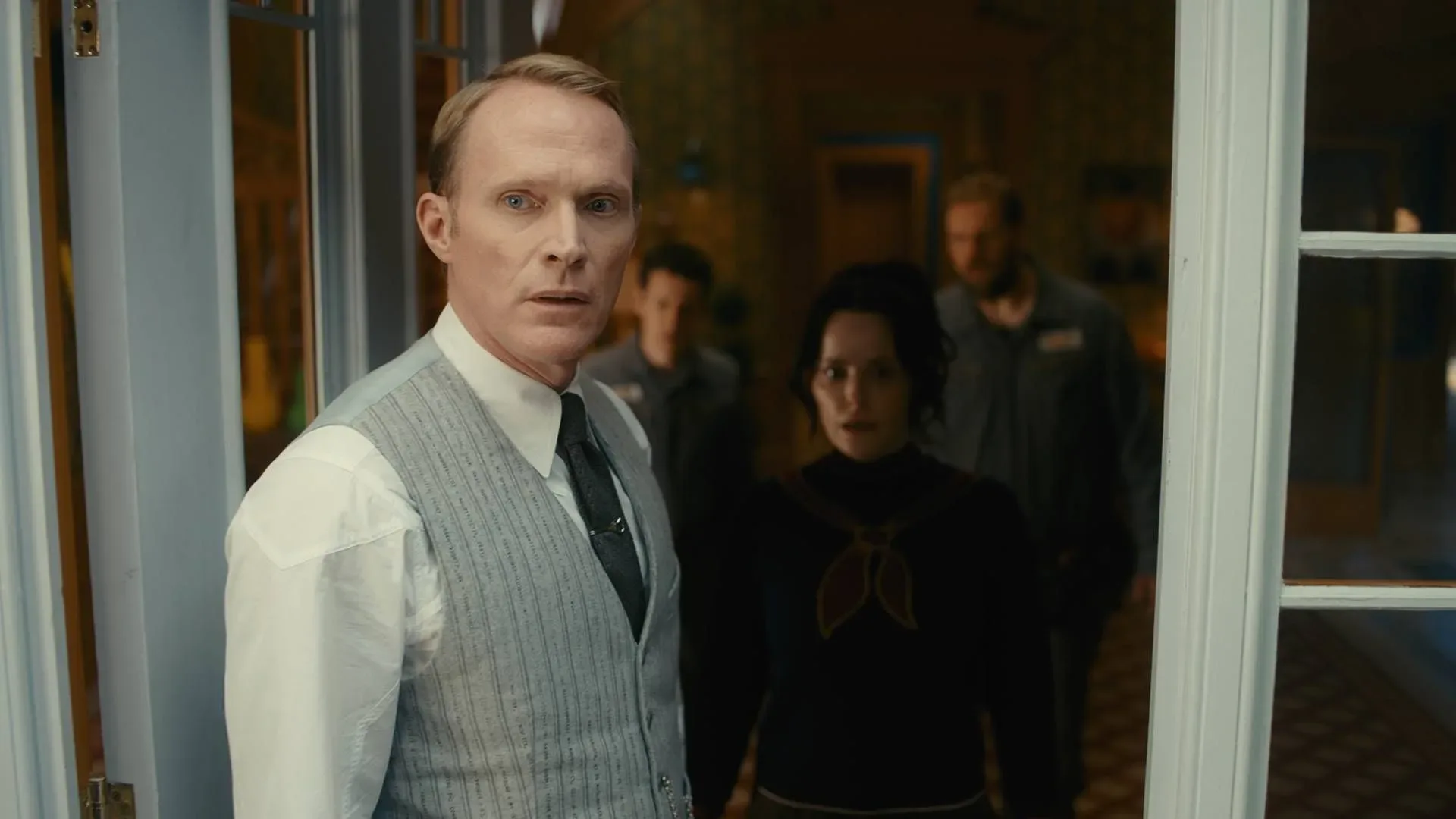
UltraVision’s style was not limited to its broad premise. Emilly Hampshire, who plays E.D.I.T.H., described filming opening-credits material that only appears briefly in the final episode. The scenes include Vision and E.D.I.T.H. celebrating a birthday party and taking part in small, sweet domestic moments that the characters have not previously shared.
Those details help explain why sitcom imagery remains effective in this corner of the Marvel story. A title sequence can establish an imagined normal life in seconds. It can communicate routine, intimacy, and stability before the audience has time to inspect how artificial any of it may be. In UltraVision, that surface-level warmth sits alongside the fact that the setting is a volatile attempt to halt an existential threat.
The contrast also gives E.D.I.T.H. a distinctive place in the sequence. A birthday party is an ordinary television shorthand for belonging and family connection. Placing Vision and E.D.I.T.H. in that kind of compressed domestic montage does not erase the surrounding conflict, but it sharpens the emotional idea that UltraVision is presenting: a life made of relationships and rituals, not just systems and missions.
Because the credits material appears only in a “blip,” as Hampshire put it, the sequence may reward a closer revisit. For viewers cataloguing the finale’s references and production details, our VisionQuest episode 8 Easter eggs guide breaks down UltraVision’s sitcom parody and other Ultron-related details.
VisionQuest brings the trilogy’s family story back into view
UltraVision is the finale’s most conspicuous formal connection to WandaVision, but it arrives amid developments that point back to the trilogy’s broader family narrative. Episode 8 reunites Vision and Tommy with Billy. The ending also leaves room for Wanda to potentially complete that reunion in the future.
That possibility should be treated as a possibility, not a confirmation of a specific next project or storyline. VisionQuest season 2 has not been confirmed. Matalas and Paul Bettany have said they have many ideas for where the story might go, but ideas are not the same thing as an official renewal or a locked-in plan.
Still, the finale’s choices make its emotional interests clear. Vision’s confrontation with Ultron does not exist in isolation from the people and connections around him. The move into UltraVision reaches backward to the trilogy’s opening premise, while the reunion material redirects attention toward the family relationships that have defined much of this story’s emotional weight.
That dual movement is what makes the final sitcom detour feel purposeful. It is not simply saying, “Remember when this franchise used sitcoms?” It uses the form to put Vision in a new authorial position, makes Ultron dangerous within the very world intended to restrain him, and places a stylized television fantasy beside a family whose future remains unresolved.
What UltraVision says about Vision’s approach to Ultron
Ultron’s nanobot plan is a large-scale external threat, but Vision responds with an enclosed, intensely personal tactic. Rather than only attempting to overpower his opponent, Vision creates a scenario and tries to make Ultron exist inside it. That decision turns their conflict into a contest over control: who governs the reality, who understands its rules, and who can force the other to confront something beyond brute strength.
The approach is especially fitting for a finale that wants to recognize WandaVision without simply recreating it. Wanda’s sitcom reality was tied to her own circumstances. UltraVision is Vision’s construct, and it is created as a response to Ultron’s immediate threat. The resemblance establishes continuity; the changed creator, target, and purpose establish difference.
It also explains why the sequence needs to destabilize. If Ultron were wholly powerless inside the sitcom, Vision would have found a nearly effortless solution. His capacity to seize influence over the “show” preserves the adversarial stakes and demonstrates that the most inventive plan in the episode is also its most precarious one.
VisionQuest is now streaming on Disney Plus. Its finale leaves the central season conflict addressed through UltraVision, reunites key members of Vision’s family, and keeps future possibilities open without turning them into guarantees. For a trilogy that began by treating TV form as story substance, that is a notably fitting way to bring the circle back around.