Early storyboard art from Zach Cregger’s Resident Evil film prompted online speculation that generative AI had been used in the production process. Storyboard artist Simeon Wilkins has directly disputed that claim, stating that the drawings in question were made by hand.
Wilkins shared a selection of the work on X alongside an unequivocal response: “Not an ounce of AI here — all hand-drawn!” The post identifies the images as storyboard work he completed with Cregger for the film.
The clarification matters because the images that circulated were early planning materials, not necessarily artwork intended to resemble a polished illustration, a visual-effects shot, or a final frame from the finished movie. Roughness, shorthand and unconventional-looking figures can all be normal traits of storyboards, yet those same qualities are increasingly being interpreted through the lens of the current AI debate.
What storyboards are actually for
A storyboard is a sequence of drawings used to map out how a scene may play on screen before filming or final post-production work. They can communicate framing, camera movement, character placement, pacing, action beats and transitions. Their job is clarity for a production team, not the finished-image sheen viewers might expect from promotional art or animation.
That distinction is central to this episode. A storyboard artist may draw quickly and economically, prioritizing the angle of a hallway, the direction a character runs, or the timing of a sudden reveal over detailed anatomy, lighting, textures and backgrounds. Individual panels can look strange when stripped from their scene order and context. They are pieces of a filmmaking blueprint.
There is no single universal storyboard style. Some boards are more detailed; others use deliberately loose marks. That range makes visual assumptions especially unreliable when a few isolated images are posted online without an explanation of where they fit in the process.
Wilkins’ statement is the relevant direct account attached to these particular drawings. It is a denial of AI use for the storyboard samples he showed, rather than a broad technical audit of every department or asset associated with the movie. Keeping that scope clear is important: the rumor concerned the leaked or shared storyboard imagery, and the artist who made that work says it was hand-drawn.
Why AI accusations now move so quickly
Generative AI has become a major point of concern across creative industries, particularly when audiences cannot tell how an image was made. That concern is understandable: authorship, consent, employment and transparency are meaningful questions. But identifying a production method from a single low-resolution image is a much harder task than it can appear in a fast-moving social feed.
Related coverage includes Resident Evil Storyboard Artist Denies AI Claims, Says Early Movie Art Was Drawn by Hand.
In this case, the available explanation is more mundane and more production-specific. Viewers unfamiliar with the visual language of storyboarding encountered loose preliminary art and some concluded it resembled AI output. Wilkins’ response puts an artist’s name and a direct authorship claim behind the work.
That does not mean people should stop asking thoughtful questions about how creative work is produced. It does mean accusations should be proportionate to the evidence available. A rough drawing is not, by itself, proof of an AI workflow. For film audiences, checking whether an artist, studio or production has addressed a disputed asset is more useful than treating style alone as a definitive test.
Questions around AI are also becoming part of the wider conversation about how entertainment reaches fans. YouTube’s continuing AI push and creator-facing changes illustrate how the technology debate is not confined to one film or one type of visual material. The Resident Evil discussion, however, is specifically about preliminary storyboard drawings whose credited artist says they were manually created.
A film already under close fan scrutiny
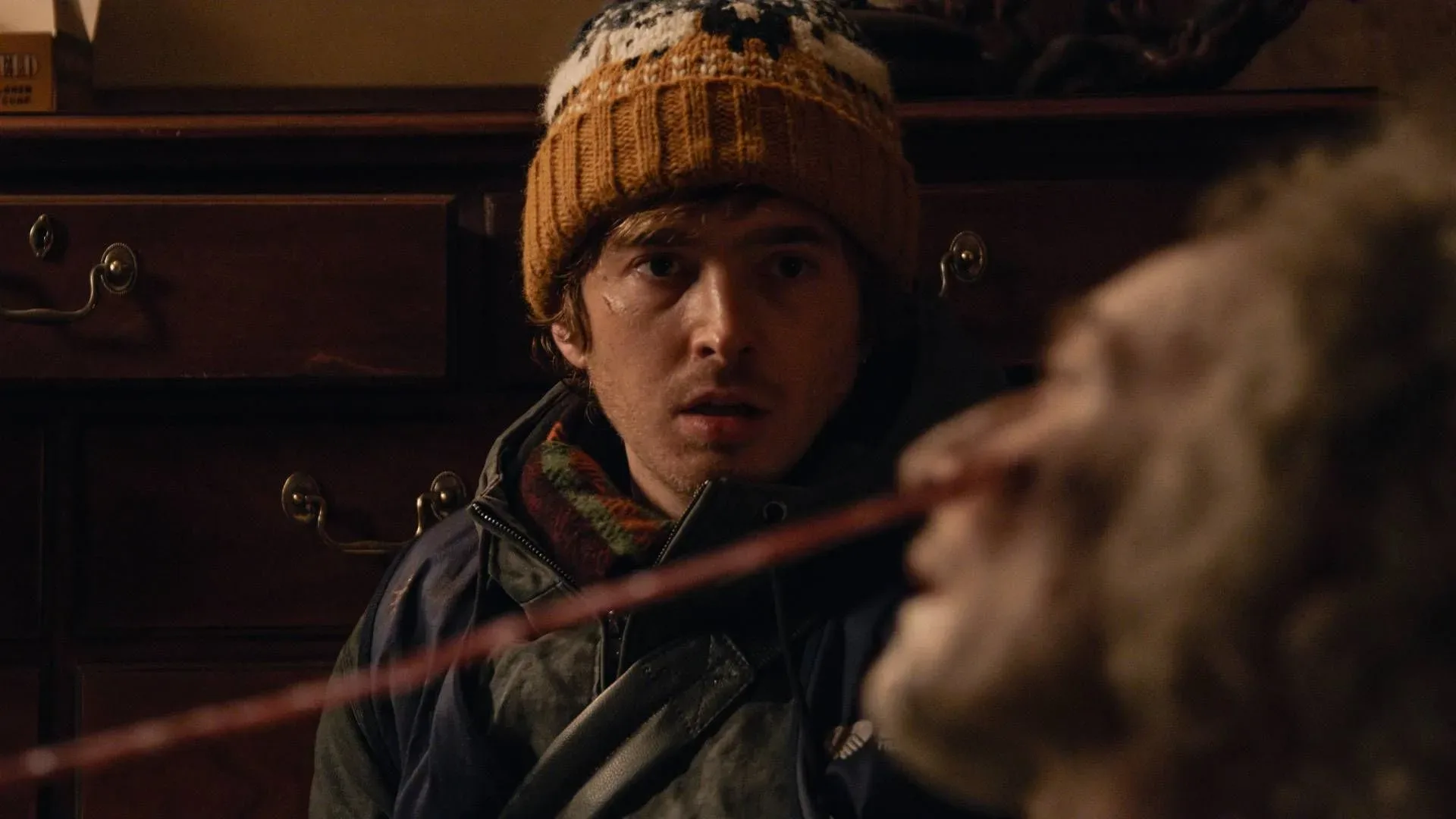
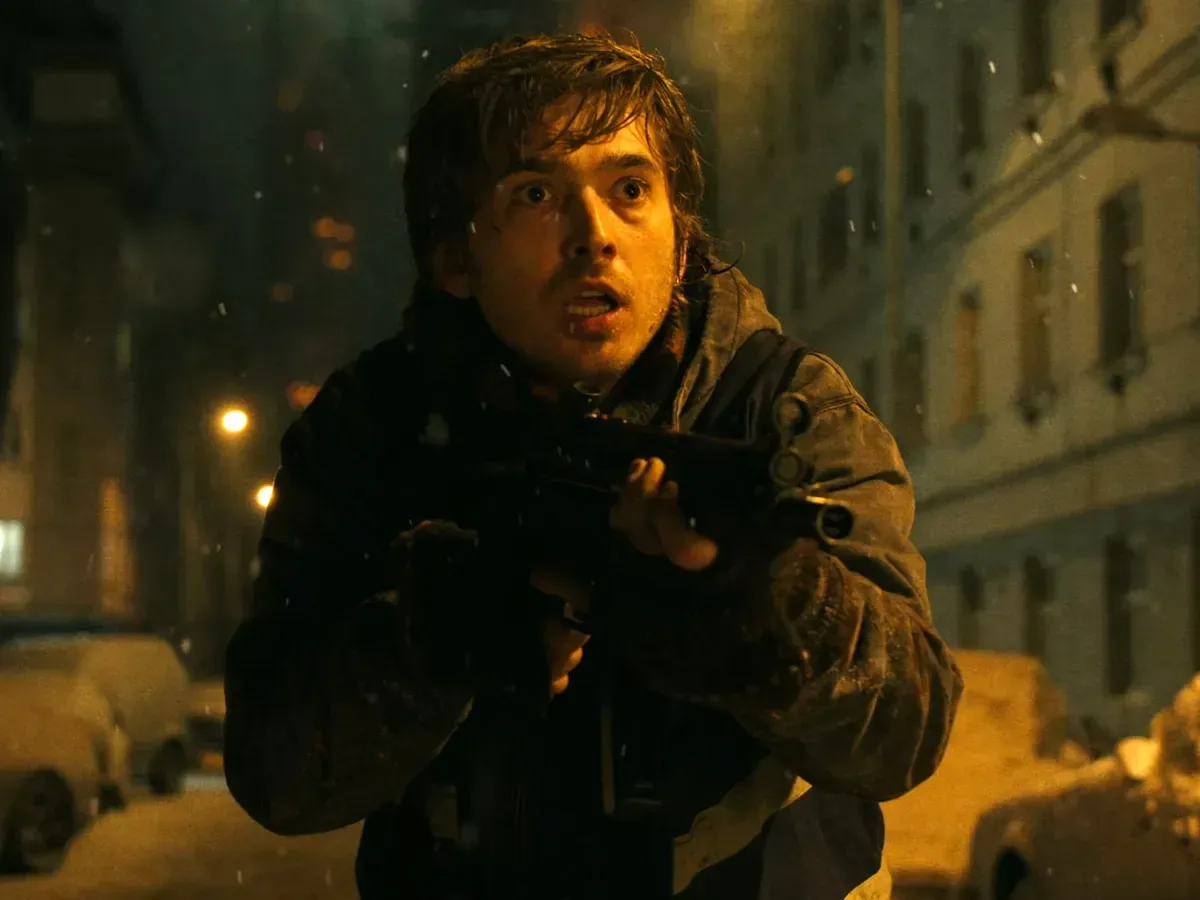
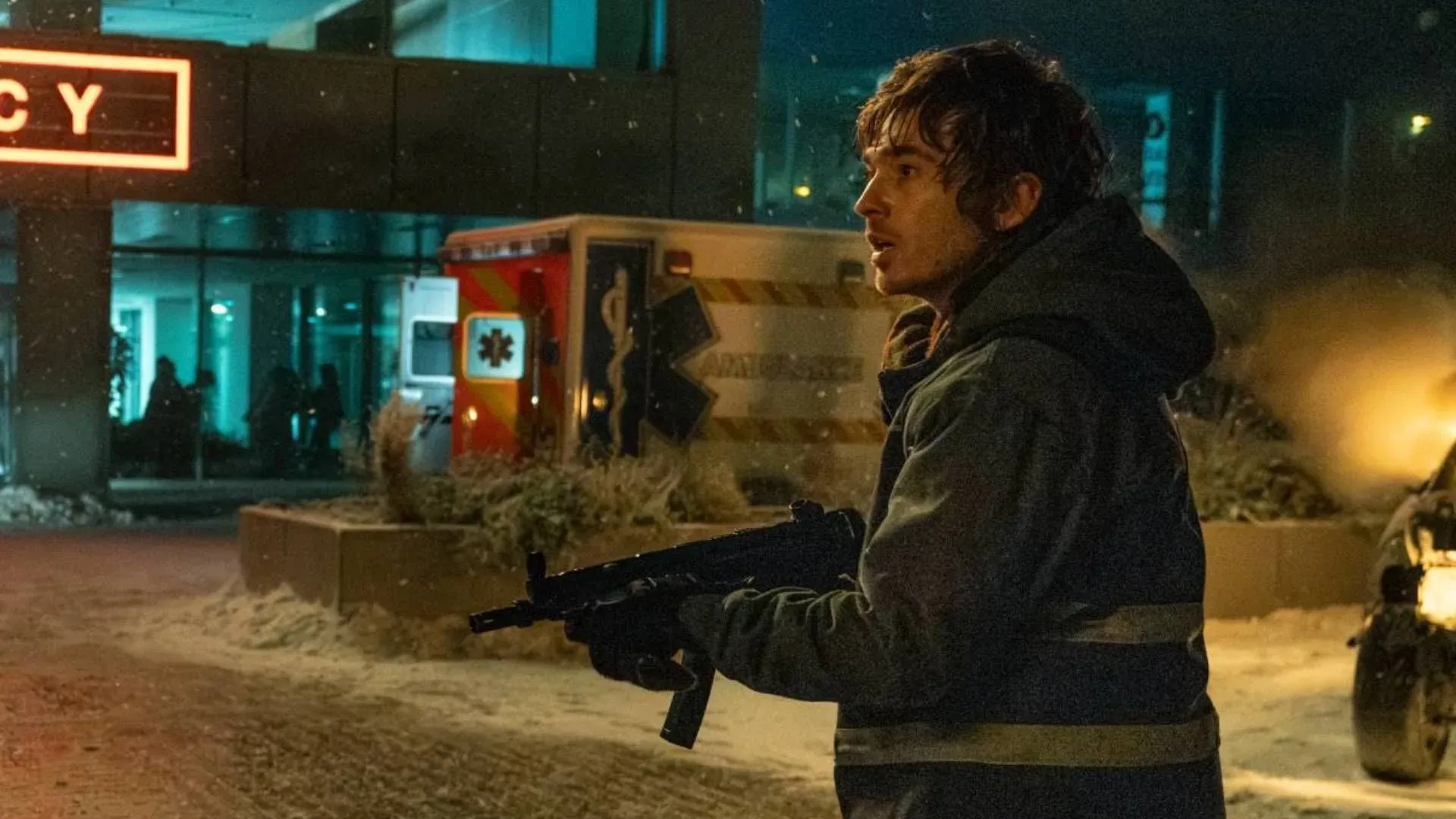
The hand-drawn clarification arrives as Cregger’s take on Resident Evil continues to attract unusually close attention from franchise fans. The movie does not adapt one individual game. Instead, it is set at the same time as Resident Evil 2 while following an original protagonist, Bryan, played by Austin Abrams.
Bryan is a medical courier assigned to deliver a package to Raccoon City General Hospital on what is supposed to be his final job of the night. The trip becomes a confrontation with a zombie apocalypse. That premise connects the film to a recognizable setting in the series while leaving room for a new character’s perspective.
The choice not to center Leon, one of the franchise’s most prominent characters, had already created resistance among some fans. For adaptations of long-running games, a new lead can be read in two very different ways: as an opportunity to explore familiar lore without repeating a game’s exact plot, or as a departure from the characters audiences most want to see. The reaction to this film shows both instincts are active in the Resident Evil community.
Its commercial and audience response has nonetheless been strong in the evidence available. The film has a 95% Rotten Tomatoes score and earned $100 million internationally during its opening weekend. Those figures do not settle debates about adaptation choices, but they show that the project has reached a substantial audience despite the arguments around its direction and now its storyboards.
What the clarification changes — and what it does not
Wilkins’ post resolves the narrow authorship question around his shared samples as far as the artist’s own statement can: he says they are all hand-drawn. It does not require audiences to enjoy every creative decision in the movie, nor does it end a broader industry discussion about artificial intelligence. It simply separates one specific allegation from the work’s stated origin.
That is useful context for a franchise whose adaptation has been examined from every angle. The storyboards are evidence of a familiar pre-production craft: artists visualizing scenes before a film is assembled. Calling attention to the human labor behind them also gives proper credit to a role that is usually invisible once a movie reaches theaters.
For viewers, the practical takeaway is straightforward. Storyboard panels should be read as production tools, not as final stills and not as conclusive evidence of a particular technology. If questions arise around a creative asset, a named artist’s direct explanation has more weight than assumptions based on a few images circulating without their original context.
Resident Evil is now in theaters.