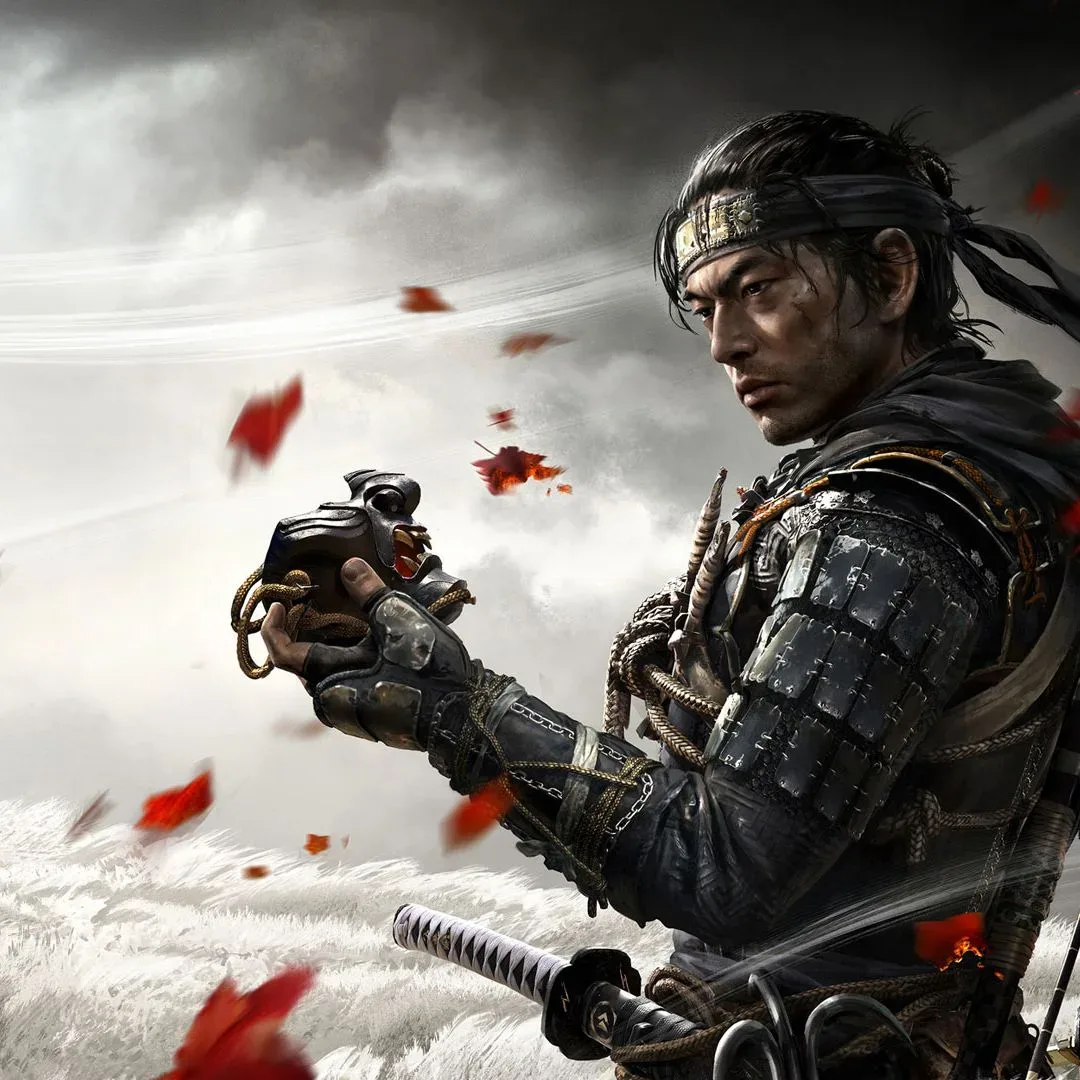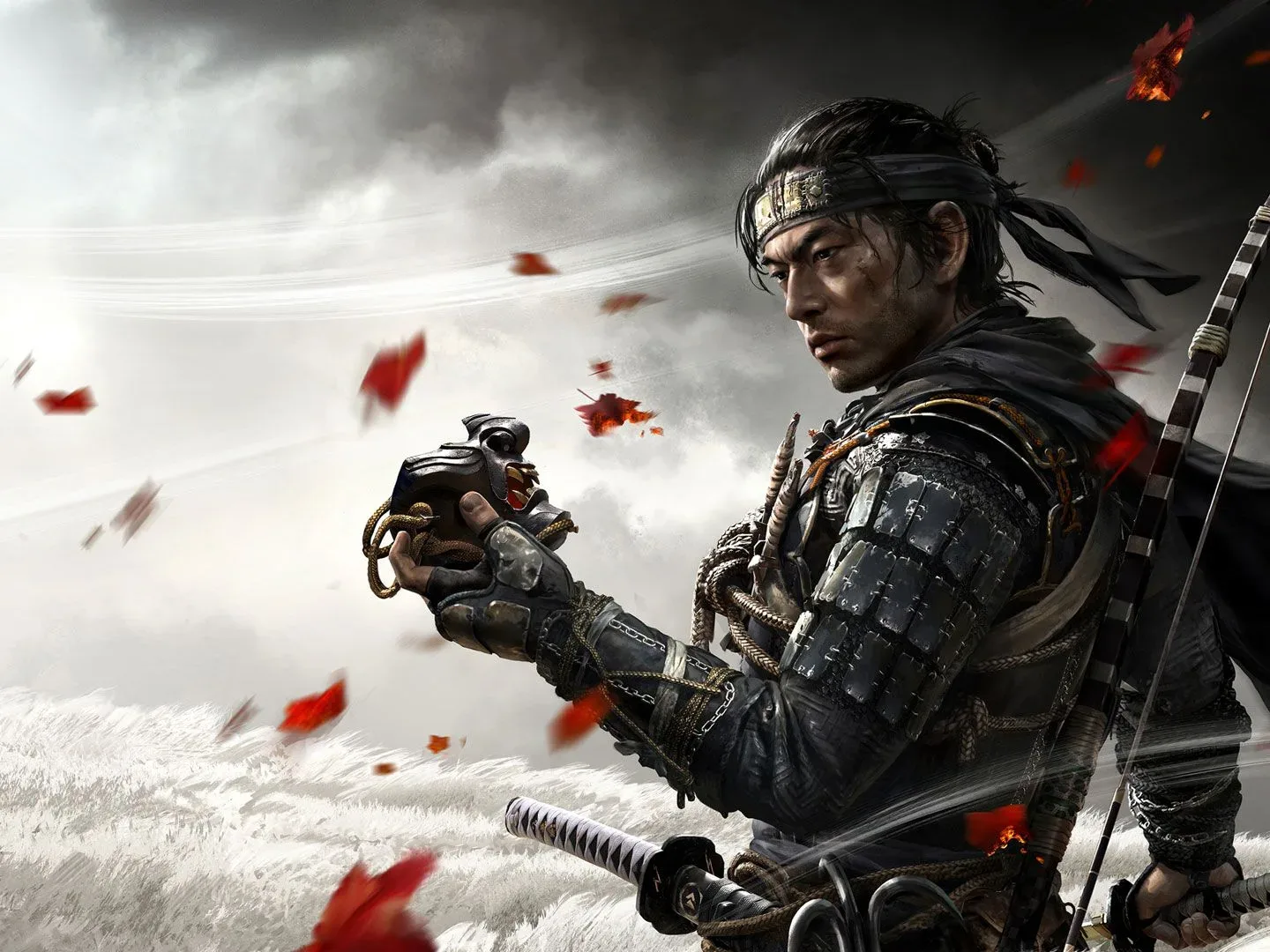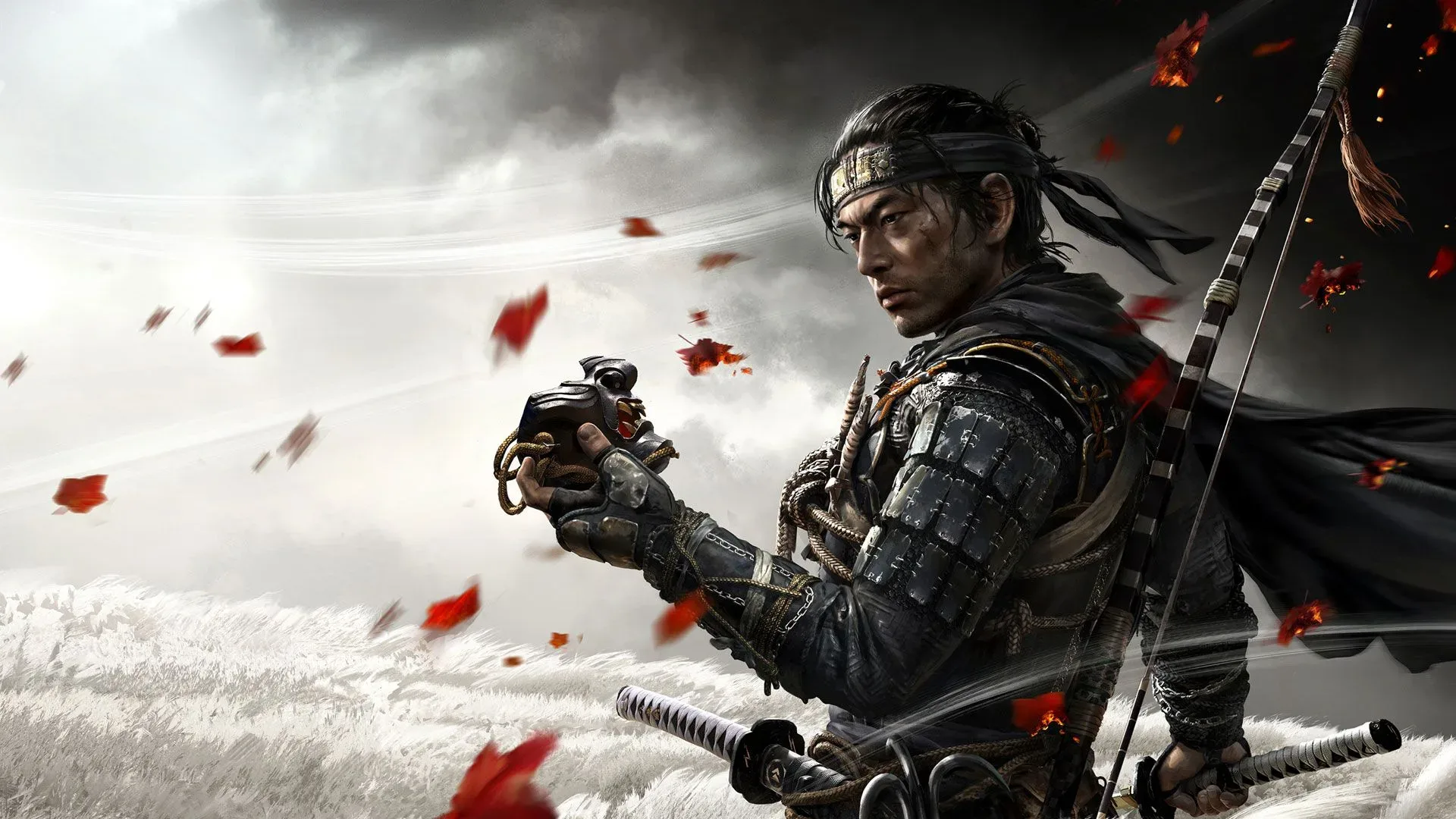
Ghost of Tsushima Legends, the anime based on the game’s supernatural multiplayer mode, is now expected in 2028. The revised window moves the project beyond its previously stated 2027 target, while also delivering the first notable casting update in some time: Mayumi Saco and Shinya Fukumatsu have joined the production.
Neither actor’s role has been disclosed. That makes the casting announcement more of a promising silhouette in the fog than a plot reveal, but Saco’s involvement has a particularly direct connection to the games. In the Japanese-language version of 2020’s Ghost of Tsushima, she played Tomoe, the archer and onetime ally whose story becomes one of the game’s more morally complicated threads.
The anime remains a distinct proposition from a simple retelling of Jin Sakai’s journey. It is explicitly tied to Legends, the fantastical mode built around Japanese mythology, which gives the creative team room to pursue a heightened, supernatural story rather than being bound to the main game’s revenge narrative.
A later date, but a clearer sign the project is moving
The move from 2027 to 2028 is modest in calendar terms, but it will inevitably feel longer to players who have had little concrete information since the show was announced in January 2025. No episode count, characters, story outline, release platform details beyond its involvement with Crunchyroll, or premiere date have been confirmed in the supplied information.
What is confirmed is that Takanobu Mizuno will direct the series. Mizuno previously directed an installment of Star Wars: Visions, an anthology project that gave anime creators space to put their own visual and storytelling signatures on a major genre franchise. That experience is relevant to Legends: the mode is not merely a side quest collection, but a deliberately stylized take on the world of Ghost of Tsushima.
For viewers, the practical takeaway is simple: 2028 is the current target, not a firm day-and-date promise. A release window names a broad intended period; it does not confirm that the series will arrive at the start, middle, or end of that year. Until a more precise date is announced, expectations should be set accordingly.
Why the Legends angle matters
The original Ghost of Tsushima is an open-world adventure released in 2020. It follows Jin Sakai on Tsushima during feudal times, with his personal quest for revenge serving as the central dramatic drive. The world, combat, and historical setting provide the franchise’s recognizable foundation, but Legends points the adaptation toward a different register.
In this context, “mode” means a separate way to play within the game’s larger package. Where the core adventure is centered on Jin and his struggle, Legends is described as fantastical and rooted in Japanese mythology. That distinction is important because it changes what “faithful” could mean for the anime. Faithfulness need not require retracing the central campaign beat by beat. It can instead mean carrying over the game’s atmosphere, weaponry, mythic vocabulary, and dramatic sense of place while telling a story designed for animation.
Related coverage includes Ghost of Tsushima Legends Anime Moves to 2028, Adds Game Voice Actor.
That is also why the project has been characterized as an anime-styled way to experience the game. The established premise already permits more overtly mythic imagery than an adaptation strictly confined to Jin’s campaign might. It provides a natural canvas for a series that can embrace the supernatural without pretending it is simply another chapter of the original open-world storyline.
There is still a substantial gap between that premise and specifics. The available information does not identify a protagonist, confirm whether familiar game characters will appear, or say that Saco will reprise Tomoe. Her prior role is meaningful context, not proof of the character’s return. Likewise, Fukumatsu’s character remains unknown.
Mayumi Saco’s casting creates a welcome thread back to the game
Saco is the announcement’s most immediately recognizable performer for players familiar with the Japanese voice track. Tomoe’s presence in the original game gave the story a character whose loyalties and actions could not be reduced to a clean hero-or-villain label. That history makes Saco’s addition an appealing point of continuity, even though the new role has not been announced.
It is worth being precise about what this casting does and does not establish:
- Confirmed: Mayumi Saco and Shinya Fukumatsu are joining the anime’s cast.
- Confirmed: Saco portrayed Tomoe in the Japanese version of the 2020 game.
- Not confirmed: which characters either actor will voice.
- Not confirmed: that Tomoe will appear in the series.
- Not confirmed: whether the anime will connect its narrative directly to Jin Sakai’s campaign.
That separation matters with video-game adaptations. A performer returning to a franchise can signal continuity, but it can also reflect a production drawing on talent familiar with the property while creating entirely new roles. Until official character details arrive, the most accurate reading is that the series has added a game-connected voice actor, not that it has announced a returning character.
The franchise has continued to expand beyond Jin Sakai
The 2028 anime will arrive after another major chapter in the game series. Ghost of Yotei, released in 2024, introduced a new lead, Atsu. Her story follows a katana-wielding protagonist hunting the Yotei Six after her parents’ murder.
That progression helps explain why a Legends-focused anime need not be constrained by one protagonist or one version of the setting. The franchise has already made room for a new central character in Ghost of Yotei, while the anime is drawing from the mythology-oriented part of the earlier game. The common link is the broader world and its themes, not a requirement that every project center the same hero.
For fans tracking game adaptations more broadly, the project is another example of a property being translated through a different medium by leaning into the part of its identity that best suits that medium. Animation can render an exaggerated mythic world especially well, while a game can build its identity through player movement, exploration, and combat. Neither approach is automatically a substitute for the other. The anime’s challenge will be to make its supernatural setting and characters compelling on their own terms.
That challenge is also what makes Mizuno’s directing role noteworthy. The provided details do not reveal animation techniques, episode format, or the final visual design, so it would be premature to predict what the show will look like. But a director with experience on an anime anthology tied to an established genre brand is a sensible fit for a project tasked with translating a beloved game world into a fresh animated form. Players with an eye on other stylized swordplay games may also be interested in the long development legacy behind Phantom Blade Zero.
What to watch for next
The major remaining questions are story, characters, and timing. A named cast role would clarify whether the production is assembling an original group of Legends warriors, adapting familiar figures, or mixing both approaches. A trailer or key visual could establish how strongly the show embraces the mode’s supernatural identity. And a specific date would turn 2028 from a distant target into a practical countdown.
For now, the update offers a mixture of delay and forward momentum. The wait has grown by a year, but the series has a director, a stated creative direction, and two newly named cast members. Most importantly, its Legends focus remains an indication that this is intended to be more than a scene-for-scene replay of a game campaign. The anime has time to prove what that choice can deliver.