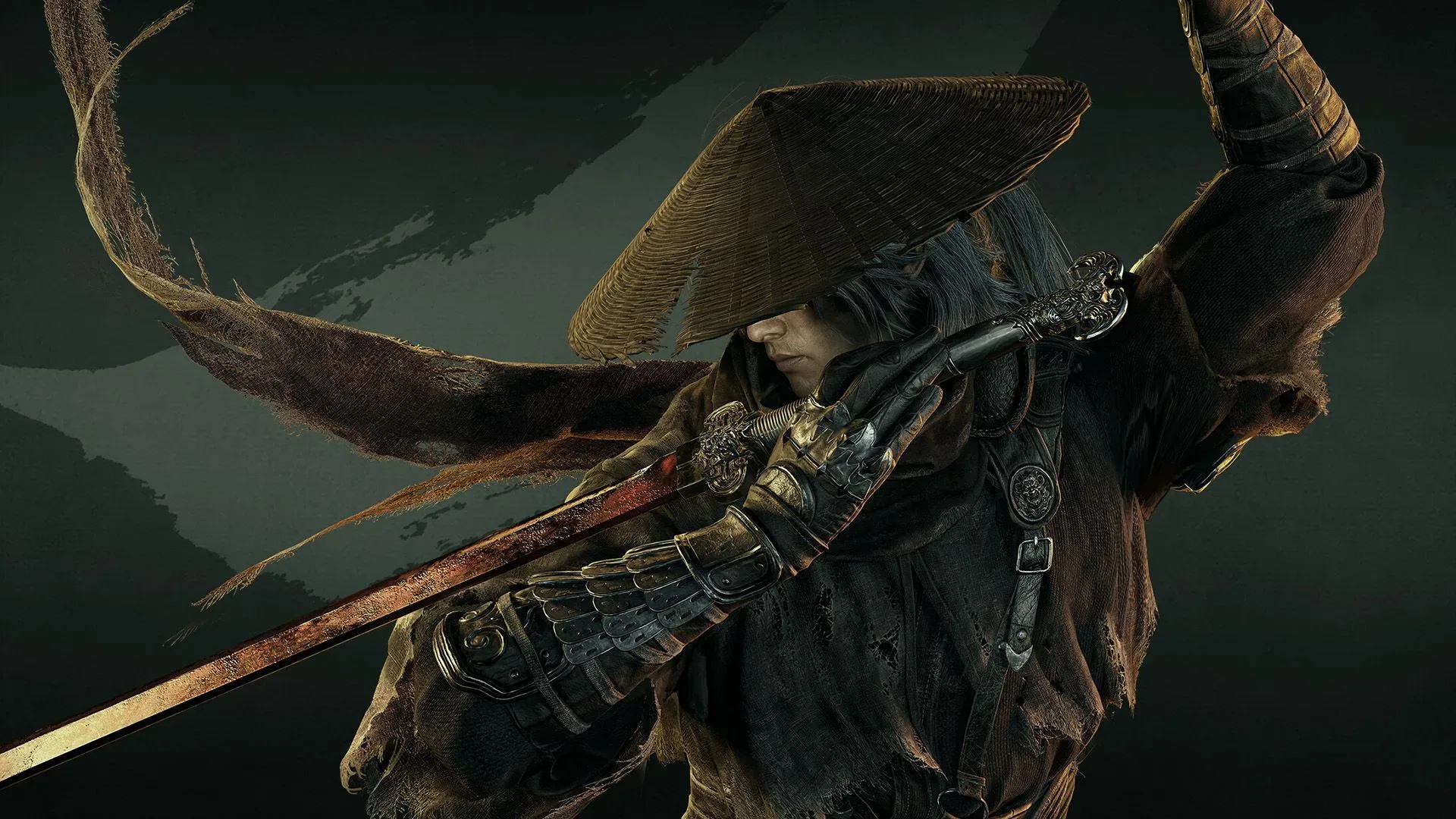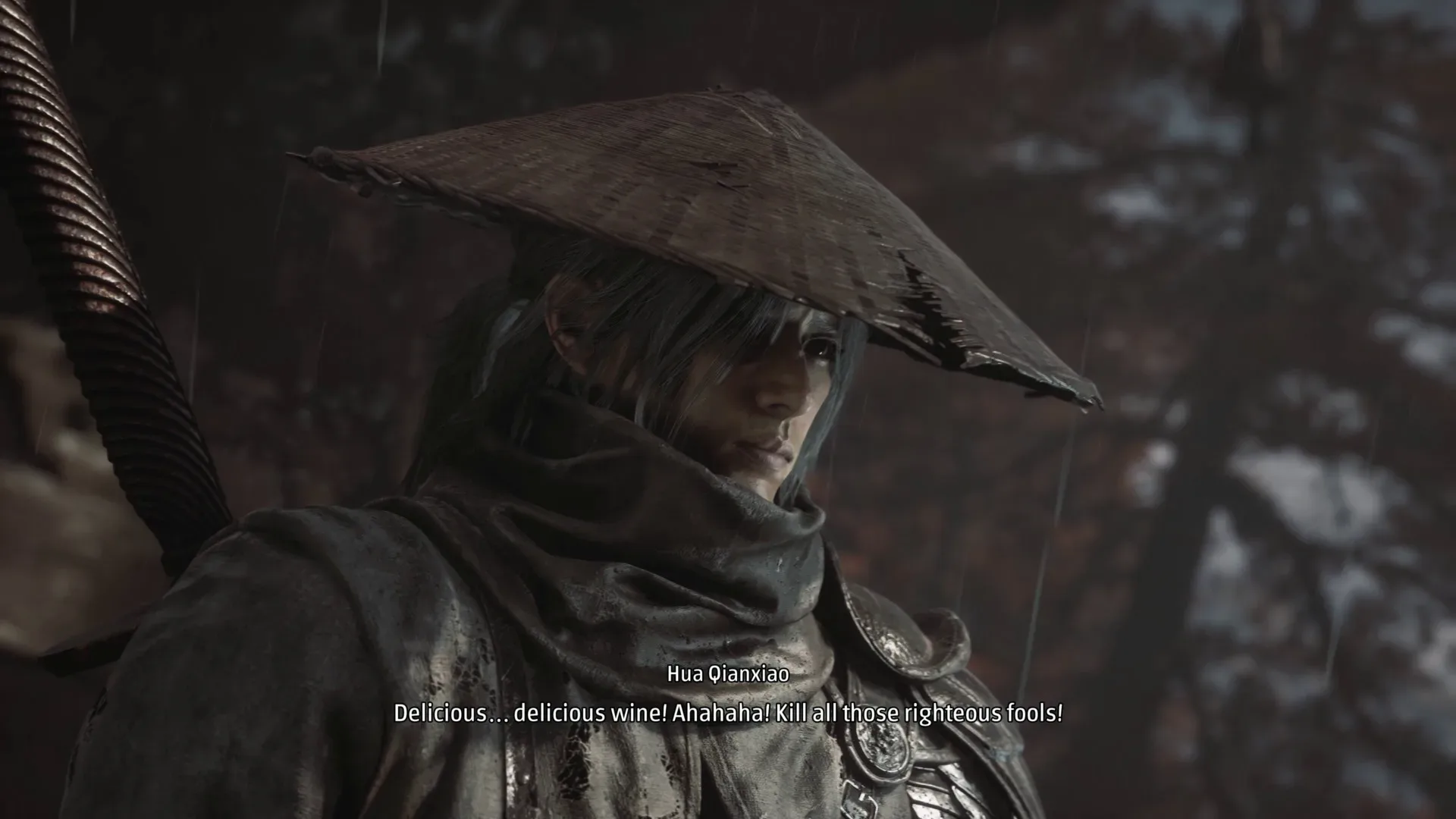
Phantom Blade Zero did not begin as a sudden big-budget arrival. Its roots reach back more than 15 years through the Rainblood series: a lineage that includes rough-edged turn-based RPGs, a 2D hack-and-slash, mobile games, and a returning protagonist named Soul. That history makes the upcoming 3D action game more interesting than a simple attempt to follow the modern Soulslike boom. It is a dramatic reinvention of an existing world, while retaining recurring imagery, characters and a fixation on a hero running out of time.
The scale of that reinvention is striking. Early Rainblood releases from 2010 and 2011 were turn-based RPGs. The first reached Western players through a fan translation apparently approved by S-Game chief executive Qiwei “Soulframe” Liang, while the later games remained much less visible outside China. In 2013, Rain Blood Chronicles: Mirage took the series in another direction as a Unity-based 2D brawler that came to Steam and consoles. Its Xbox and PlayStation editions now appear to be delisted.
Those games may not resemble Phantom Blade Zero mechanically, but they established a visual and thematic foundation. They share a dark, distorted take on the Ming Dynasty, grim environments cut through with crimson weapons, and Soul as a central figure. The new game has a far larger production footprint, but it is not abandoning the series’ identity wholesale. Instead, it is translating that identity into a faster, more cinematic combat language.
From small Rainblood projects to a large-scale action game
After Mirage, S-Game released three mobile titles exclusive to China. The studio announced Phantom Blade Zero, a high-budget 3D action game, in May 2023. Phantom Blade: Executioners, a 2D beat ’em up, followed that November on PS4, PS5 and mobile, though its console versions also appear to have been removed from storefronts.
The franchise’s growth was supported by substantial financing. S-Game had completed funding rounds involving NetEase and ZhenFund before Liang said in a 2021 open letter that the studio had recently completed financing worth hundreds of millions of dollars from Tencent. The funding was intended for two large-scale action RPGs across five years. Phantom Blade Zero appears to be one of those projects; the other, called Stellar Saga, has not reappeared publicly.
That financial backdrop helps explain the leap in fidelity, scope and talent attached to the project. Donnie Yen portrays Mó Yuan and reportedly consulted on the game’s action with stunt performer and choreographer Kenji Tanigaki. Still, a large budget and a notable martial-arts star are not automatic proof of a great game. The more meaningful question is whether the new scale serves a combat system with a clear purpose rather than merely making an old property look more expensive.
So far, the most persuasive part of Phantom Blade Zero appears to be its willingness to separate its action design from the most restrictive habits associated with Soulslike games. It uses familiar ingredients—blocking, parries, difficult bosses, interconnected routes and a ruined world—but its moment-to-moment fighting aims for forward motion instead of cautious stamina management.
Combat that treats stamina as an evasive resource
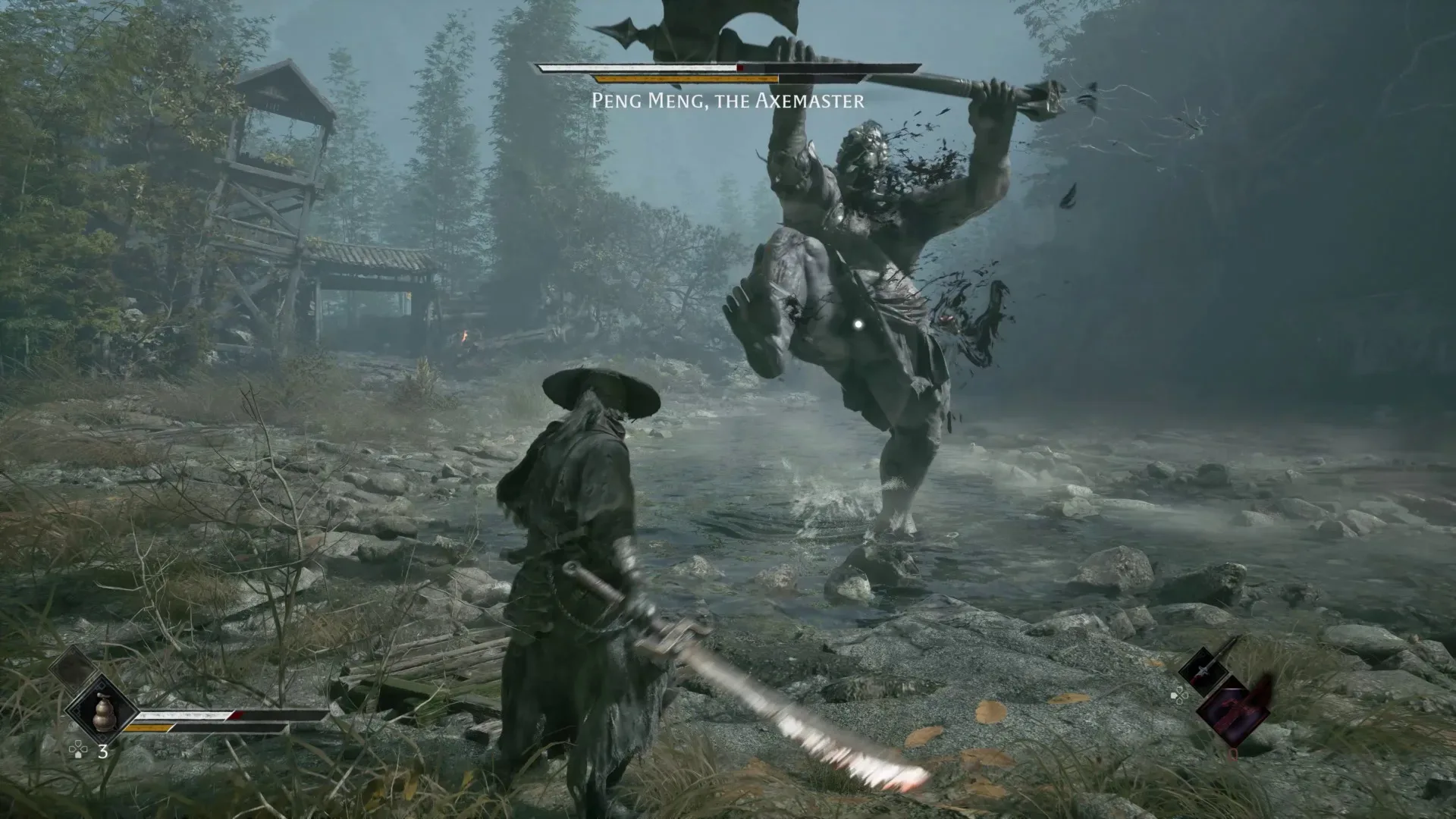
The game has been compared on the surface to Chinese-developed action games influenced by FromSoftware’s work, including Black Myth: Wukong and Wuchang: Fallen Feathers. But the available details suggest a different blend: the stagger-focused sword exchanges associated with Sekiro, combined with the expressive combos and weapon variety of Devil May Cry.
Related coverage includes Phantom Blade Zero's 15-Year Journey Shows in Its Ambitious Action Design.
Stagger is a combat state in which an enemy is disrupted or opened up after absorbing enough pressure, clashes or well-timed defensive actions. Games built around stagger commonly reward players for reading attack patterns, standing their ground, and converting a brief opening into major damage. It is a natural fit for weapon duels, but it can become frustrating when every offensive action also drains the resource needed to escape.
Phantom Blade Zero approaches that problem differently. Stamina reportedly is not spent on ordinary attacks or successful blocks. Instead, dodging and unsuccessful attempts to block particular color-coded attacks consume it. The practical effect is important: attacking does not inherently empty the player’s ability to respond. A player can press an assault, react with a block when needed, and reserve stamina largely for repositioning or dealing with threats that cannot be handled through a normal guard.
There is another crucial detail. Light attacks do not appear to lock out every subsequent input. If a swing has begun and an enemy is about to land a hit, the player can interrupt into a block. This is often described as reducing animation commitment: an attack animation does not leave the character helpless simply because the button was pressed a moment too early. That should make the combat less about waiting for perfectly safe turns and more about maintaining rhythm under pressure.
It is a design that suits wuxia-inspired action especially well. Wuxia is a martial-arts fiction tradition often defined by agile movement, heightened skill and dramatic weapon encounters. The game’s apparent ambition is not simply to put wuxia costumes and swords inside a familiar Soulslike framework, but to make the flow and speed associated with that genre dictate the system itself.
Fifty-five weapons, but not necessarily fifty-five answers
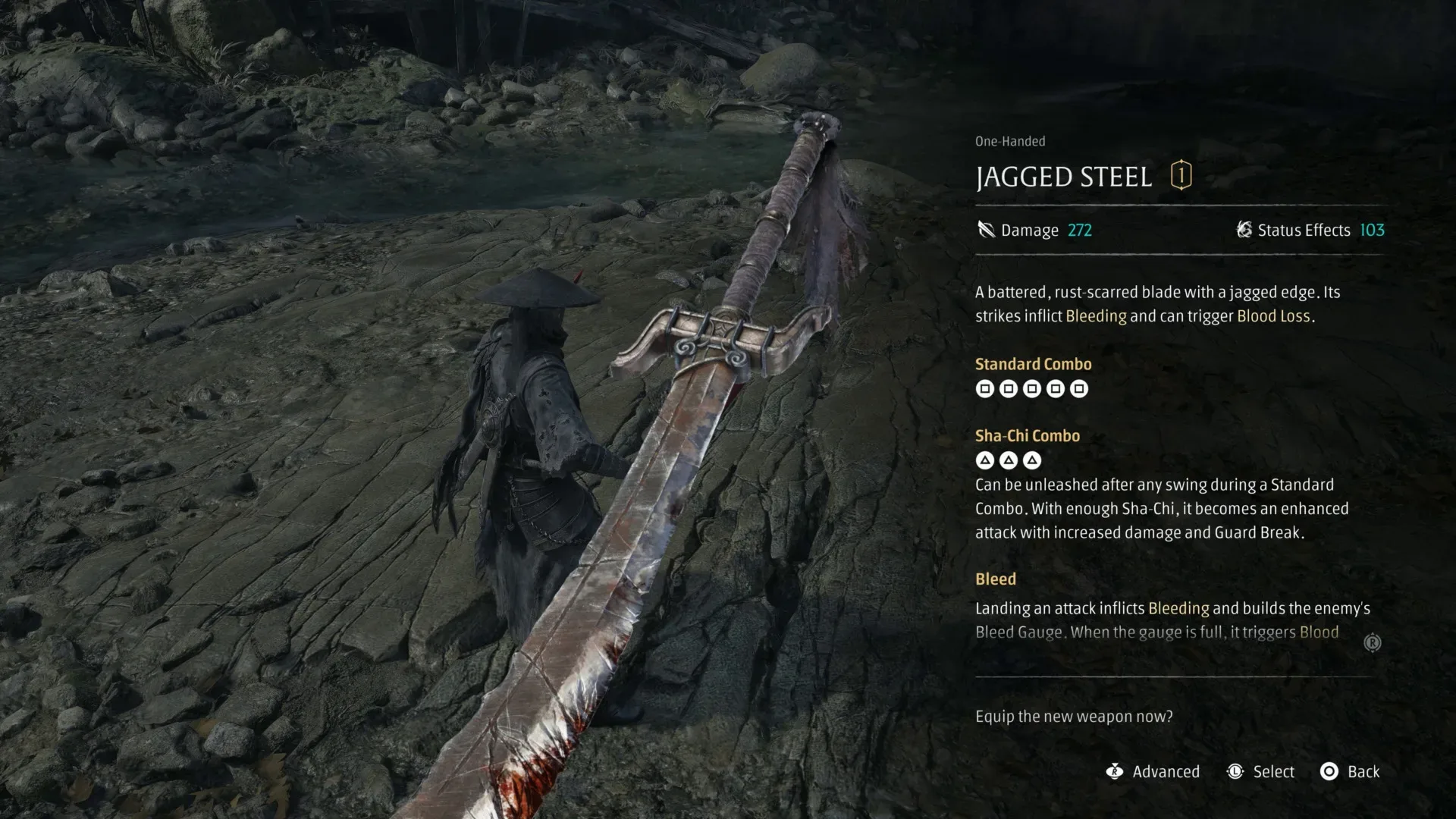
The weapon list is extensive: 30 primary weapons, each with its own moveset and properties, plus 25 secondary weapons. Secondary tools include axes with heavy charge attacks and mini-cannons that trade speed for ranged pressure. Players can carry two primary weapons at once, swapping between them normally with the D-pad or incorporating a switch into a combo with the left trigger.
That latter option is not merely visual flourish. A combo-linked weapon change reportedly deals significant damage and stagger, but it has a cooldown. In other words, it is a powerful tactical resource rather than a move to use on every sequence. A long sword may be ideal for controlling a particular boss or maintaining an established attack rhythm; changing to dual blades can offer a burst of damage but may not be the correct choice at that exact moment.
This is where broad weapon counts can become meaningful. The number alone does not tell players whether every option is distinct, balanced or useful. What matters is whether a weapon change creates a decision: preserve the current tool and its advantages, or spend a limited opening on a higher-impact transition. The reported cooldown suggests that the system is trying to give weapon switching a strategic cost rather than treating it as a constant style toggle.
Standard-enemy encounters seem particularly well suited to this more aggressive philosophy. Groups can encourage a push-forward approach built around offense, blocks and rapid recovery. Boss encounters introduce more conventional Soulslike discipline, however, with attack-pattern recognition, parries, sword clashes and certain unblockable moves that must be avoided outright.
That creates a potential tension. The normal combat loop appears to reward getting close, sustaining pressure and reacting quickly. Bosses that repeatedly force distance and positioning could slow that momentum. This does not make the boss design inherently flawed—varied demands can prevent a combat system becoming one-note—but it will be worth watching how consistently these major fights support the game’s strongest idea: aggressive, responsive wuxia action.
An interconnected world drawn in ink
Although its combat may be less conventionally Soulslike than expected, its world structure openly draws from that tradition. S-Game has described the map design as Soulslike-inspired. Rather than relying on a conventional, highly literal game map, the game uses hand-painted, ink-wash-style area charts created on Xuan paper and scanned into the game.
That choice has both aesthetic and practical implications. A detailed map can reduce uncertainty by precisely marking streets, doors and objectives. A more abstract chart instead asks players to orient themselves using memorable landmarks and the spatial relationships between locations. It complements an interconnected world, meaning areas loop back, open shortcuts and reconnect in ways that can make a place feel like a coherent physical region rather than a row of isolated levels.
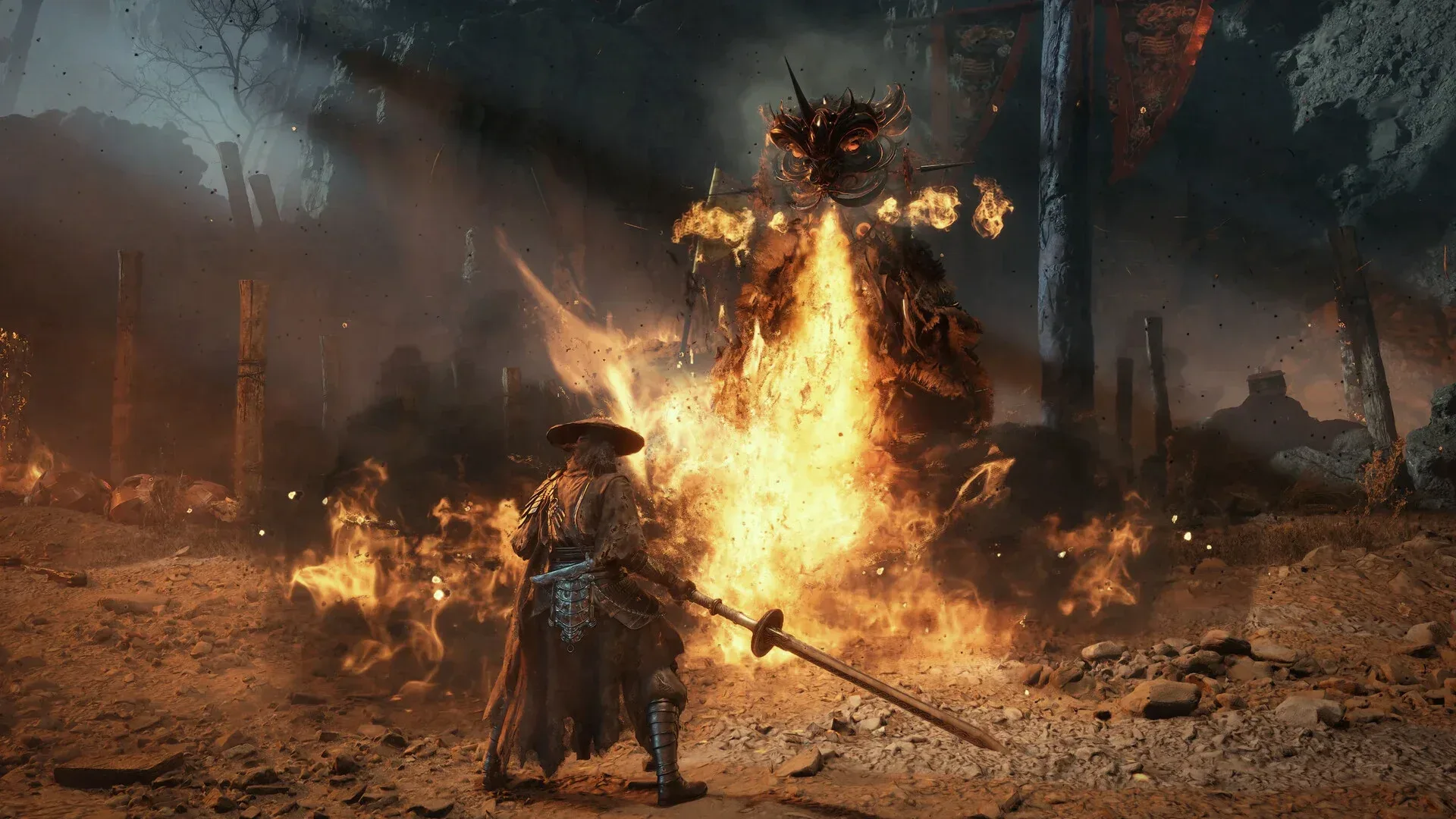
The setting also uses familiar dark-fantasy material with its own visual twist. This version of the Ming Dynasty is afflicted by decay and plague, with muted environments emphasizing a region in decline. But bursts of steampunk industrialization and ramshackle mechanized corruption differentiate its creatures from the more routine fantasy image of monsters warped by an unspecified magical blight. The result, on paper, is a world where the grotesque has a material, human-made quality.
Soul’s countdown could be the story’s sharpest hook
Soul, the protagonist of the earlier Rainblood games, once again has only a limited number of days to live. In the first Rainblood, his heart had been pierced by a cursed blade. Phantom Blade Zero appears to revisit at least parts of that premise, though the exact relationship between the stories remains unclear.
On three difficulty levels, the countdown is narrative only. An extra-hard setting goes further: each death in battle costs Soul one day. This is a rare example of a narrative premise becoming a mechanical rule. Rather than simply telling players that time is short, it gives failure a thematic consequence.
It could also substantially alter the game’s mood for the players willing to choose that mode. Death in difficult action games is usually part of learning, with repeated attempts encouraged. Losing a day turns each defeat into a more tangible cost. Whether that feels exciting or overly punitive will depend on the total number of days available and how the rest of the progression is structured—details that are not yet clear.
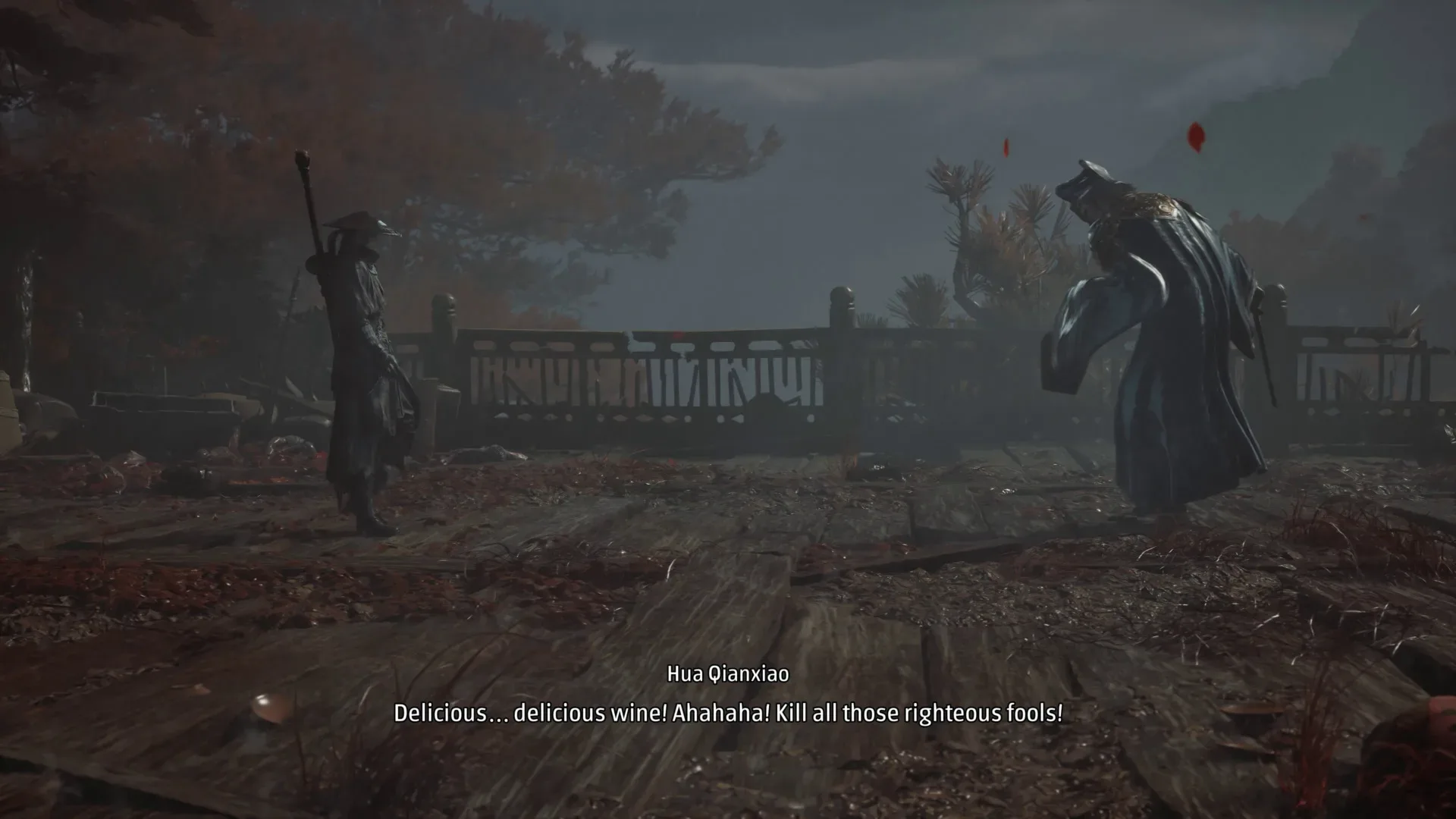
Outside the clock, the narrative impressions so far are more reserved. The revenge story and supporting characters have not made as strong a case as the fighting and atmosphere, with much of the dialogue leaning on broad statements about darkness, honor and personal codes. Mó Yuan stands out largely because of Yen’s presence, but celebrity casting alone cannot give a character dramatic weight.
Promise, pressure and a long road to release
Phantom Blade Zero has an unusual burden: it is simultaneously the continuation of a niche, long-running series and a showcase for a studio’s huge increase in resources. Its strongest reported feature is not the scale of its presentation, but the clarity of its combat rules. Attacks and successful blocks preserve stamina; dodges and failed responses to specified threats do not. Weapon switching delivers power but demands judgment. Defensive reactions can interrupt a poorly timed light attack. Those are concrete choices that support an identifiable style.
The studio now has the resources to make those ideas lavish, but it still has to preserve the rough individuality that made the early Rainblood games memorable. Bigger worlds, famous collaborators and expensive production can broaden a game’s reach; they cannot replace a distinct voice. That tension—between polished ambition and the odd, dark character of a 15-year-old passion project—is what makes Phantom Blade Zero one of the more intriguing action games on the horizon.
It is also a reminder that a studio’s growth can change more than a game’s visuals. Larger productions bring higher expectations and different creative pressures, a subject reflected in this look at how a beloved studio can fracture. For S-Game, the looming test is whether the precision and intensity of Phantom Blade Zero’s action can carry the weight of its expanded ambitions.