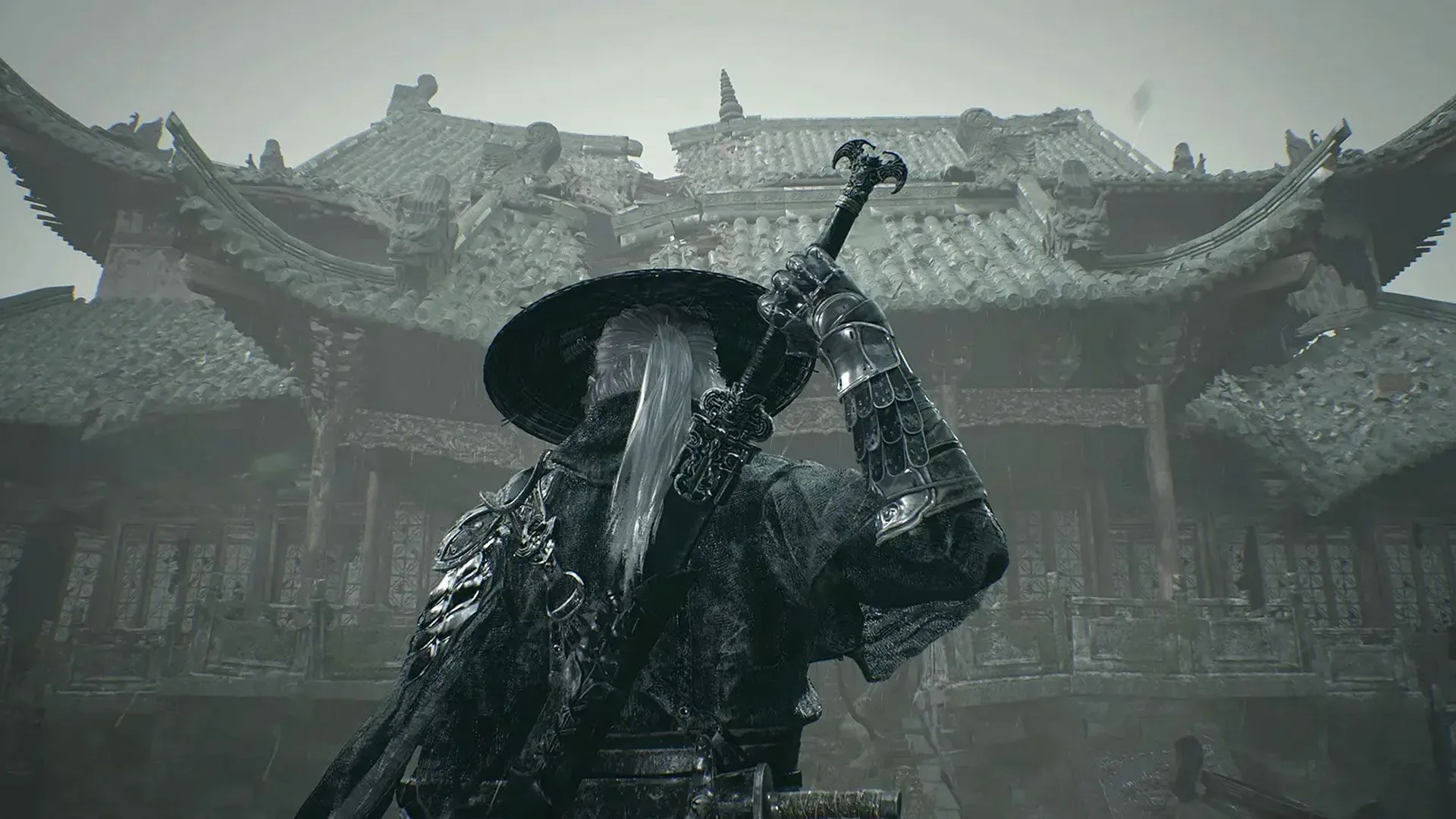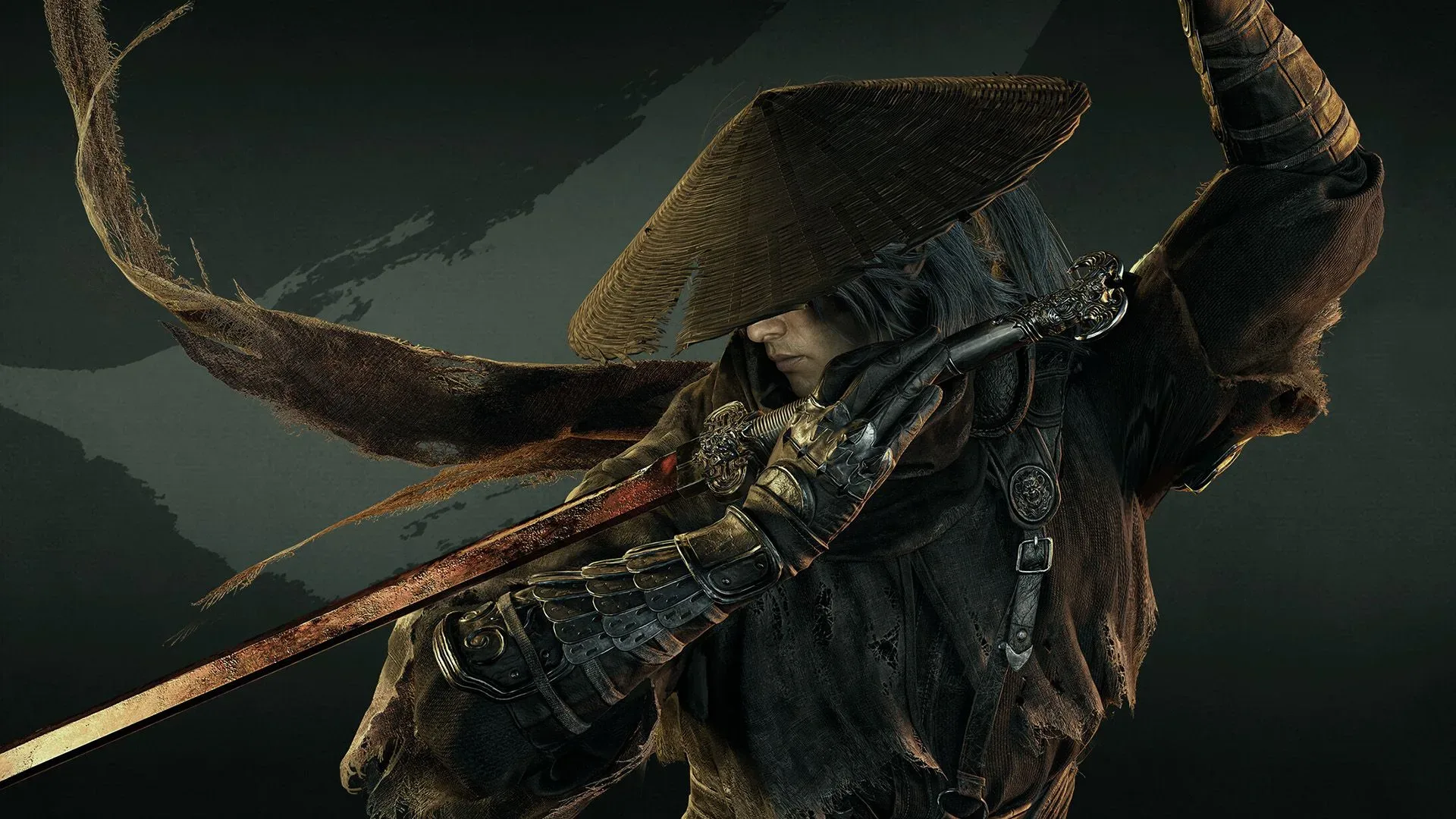
Phantom Blade Zero arrives on PlayStation 5, Xbox Series X/S and PC on October 28, with early critical reaction largely focused on a simple point: S-Game’s action RPG appears to understand why players come to this kind of game. The broad consensus is that its fast, martial-arts-inspired combat is stylish, responsive and consistently rewarding, even if its story and technical finish have received more qualified praise.
The game was first shown at the May 2023 PlayStation Showcase and has carried considerable expectation ever since. Its first wave of reviews puts it at an 88 Metacritic average at the time of writing, a figure that may change as additional reviews are published. That score is only a snapshot, but the substance of the reaction is unusually consistent: reviewers repeatedly highlight the fight design, the distinct identity of its weapons and a difficulty curve that keeps tension high without always demanding a prolonged war of attrition.
A combat game first—and reviewers think that is its strength
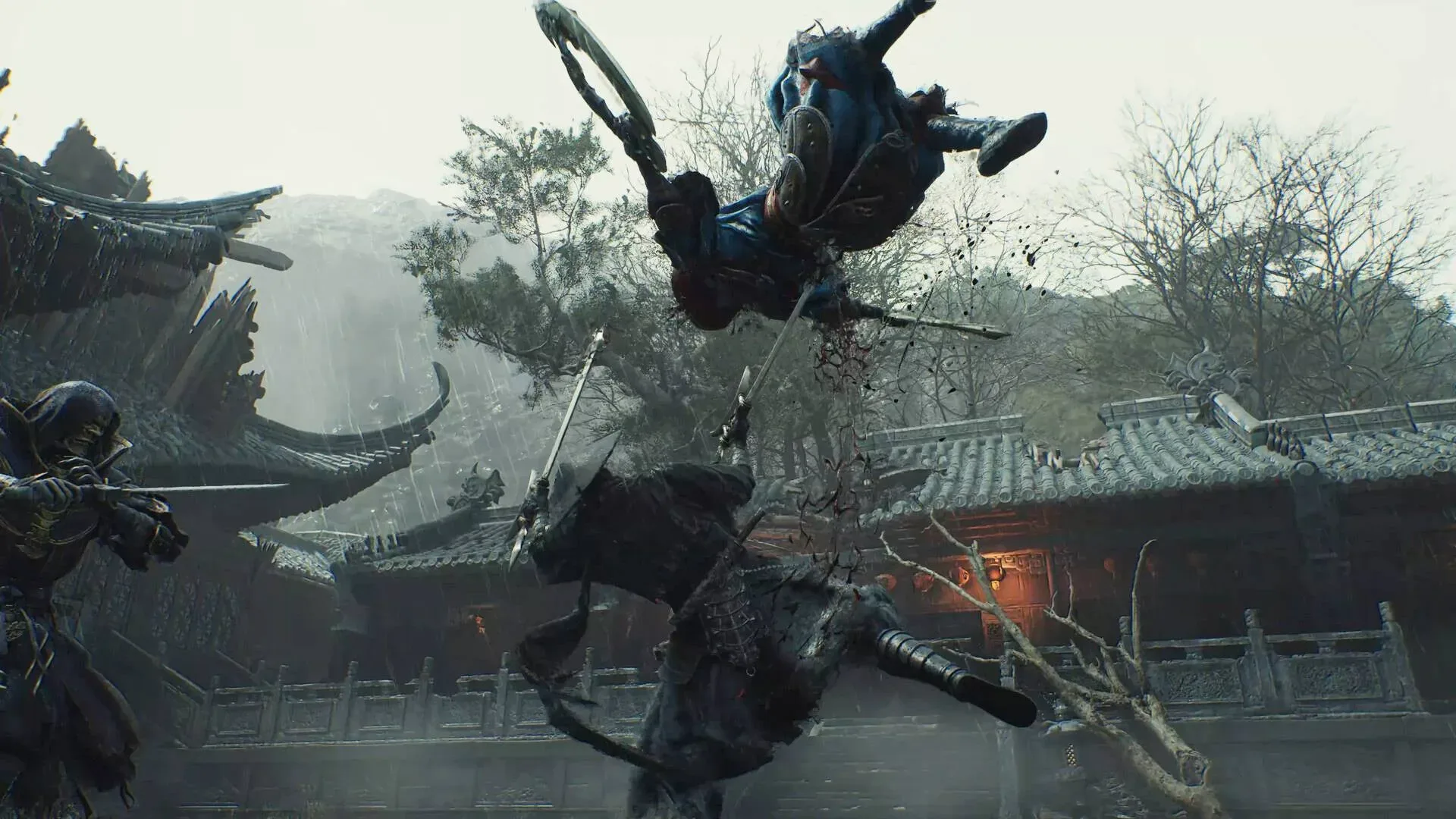
Phantom Blade Zero is described as an action RPG, but early impressions place its combat rather than its role-playing systems at the center of the experience. This is not simply about dealing damage quickly. Players are expected to read enemy attacks, evade particular threats and deflect others, then capitalize when an opponent’s guard is broken.
That makes two terms especially important. A parry is a precisely timed defensive response that turns an enemy strike against them, while a dodge moves the player out of harm’s way. Early accounts indicate that the game assigns clear importance to both: red attacks need to be avoided, and blue attacks are best met with parries. Successful defense contributes to breaking an enemy’s guard, opening a punishment window for heavier attacks.
In practical terms, that means the game seems designed around active defense. Button-mashing may get players through lesser encounters, but bosses appear to ask them to learn visual cues, choose the proper response and seize brief moments of advantage. The comparison most often drawn is to the sharp, rhythm-conscious back-and-forth associated with modern parry-led action games, but the emphasis here is on a faster, more overtly cinematic martial-arts presentation.
That presentation matters. Reviewers describe movement and attacks that deliberately exceed the restrained feel expected of many third-person action games. The appeal is less about realism than the sensation of starring in an extravagant martial-arts sequence: impossible-looking attacks are not merely cutscene flourishes, but moves integrated into the player’s toolset.
For players who enjoy the satisfaction of recognizing an attack pattern and answering it cleanly, the reports are encouraging. For those who dislike games built around dodging and parrying under pressure, the same reports offer a useful warning. The combat is praised precisely because those mechanics are fundamental rather than optional.
Thirty weapons could make experimentation more than a menu exercise
The most promising detail in the early coverage may be Phantom Blade Zero’s arsenal. The game includes 30 collectible, upgradable weapons, and players can equip two at a time. More importantly, reviewers say the weapons do not merely alter damage numbers or attack speed around the edges. Each is said to have its own moveset and abilities, making a newly acquired weapon feel closer to picking a different fighter in a fighting game.
Related coverage includes Phantom Blade Zero Early Reviews Praise Its Combat, Weapons and Carefully Tuned Challenge.
That distinction is substantial. In an action game, a moveset is the collection of attacks, follow-ups, special actions and movement options tied to a weapon or character. If weapons really have sharply different movesets, swapping one out could reshape how players approach an encounter instead of functioning as a minor statistical upgrade.
The two-weapon loadout also suggests an emphasis on adaptation. One weapon may suit a player’s preference for a given boss or enemy type, while another could provide an alternate rhythm or answer when a first approach is not working. The available evidence does not establish every detail of how swapping functions in battle, so expectations should stop there. Still, the early emphasis on distinctive weapon identities gives the system more weight than a basic loot checklist.
Upgrades add a progression layer to that experimentation. Players will apparently be improving both Soul and the weapons they choose to carry, while quests, secrets and substantial map exploration provide reasons to keep looking beyond the critical route. One account describes reaching the final boss after roughly 30 to 35 hours while still having an entire region left unexplored. That is a useful indication of scope, though it should not be treated as a universal completion-time estimate; playtime varies dramatically with exploration, side content and difficulty.
Challenging, but perhaps less punishing than its reputation suggests
Phantom Blade Zero has sometimes been framed alongside games known for punishing combat, but early reviews complicate any assumption that it is a strict endurance test. One reviewer completed the campaign on the highest difficulty and reported beating most major bosses in only a few attempts, including a notable number on the first try. Rather than seeing that as a failure of challenge, the assessment characterized the balance as unusually well judged: danger remains present, but the player is allowed to feel powerful and capable.
That is an important design choice. Difficulty is not only about how often a player dies. A well-tuned challenge can preserve uncertainty while supplying the information, defensive options and damage opportunities needed for a successful first or second attempt. When a boss feels threatening but the player can still understand why their choices work, victory can feel earned without becoming exhausting.
Not everyone regarded the tuning as ideal. Some reviewers felt the game can be overly forgiving, particularly because bosses with multiple phases have checkpoints. A multi-phase boss changes its behavior as the fight progresses, often adding attacks or becoming more aggressive. A phase checkpoint means a defeat after reaching a later stage may not force the player to replay the whole encounter from the beginning. That lowers repetition and frustration, but it can also soften the pressure that some action-game enthusiasts value.
There is no universally correct answer here. Players who have little patience for repeating an already-mastered opening phase may welcome those checkpoints. Those seeking a more severe boss-rush experience may find the game’s generosity removes some of the intended stakes. The encouraging part is that the criticism stems from a recognizable preference, not a claim that the combat lacks depth.
The fiction has intrigue, but the story remains partly obscured
The early picture of the narrative is less complete than the picture of combat. Review restrictions have kept detailed story discussion limited, and the available feedback suggests that the central betrayal-and-revenge framework is familiar rather than startling. At the same time, the setting has received more positive attention.
Phantom Blade Zero’s world includes warriors altered into cyborgs through procedures intended to enhance their abilities and their connection to mystical energy called Sha-Chi. Power, honor and treachery appear to be core concerns, set against a wider world where people are suffering and some characters are still trying to do good.
That does not establish whether the eventual plot will deliver a major twist or an exceptional character arc. It does suggest, however, that the game’s “kungfupunk” identity has more to it than a marketing label. The fiction blends martial-arts stylization, technological alteration and mystical power, providing a specific backdrop for its elaborate combat. One early assessment found the story sincere and the setting distinctive even without calling the narrative itself groundbreaking.
There is also evidence of replay or continued-exploration potential. At least one reviewer encountered an abrupt, unsatisfying bad ending, then immediately returned to the map to investigate missed quests, secrets and regions. It is not yet clear what conditions determine that ending or whether all players will experience the same route, so players should avoid treating it as a complete explanation of the game’s ending structure. But it does reinforce the suggestion that exploration can remain meaningful after the first credits roll.
Technical polish is the remaining question
The strongest cautions in early coverage concern polish rather than the game’s central combat systems. Reported issues include glitchy level geometry and occasional frame-rate problems. Frame rate refers to how many images a game displays each second; instability can make motion look uneven and can be particularly noticeable in a game where timing a dodge or parry is central to success.
A significant pre-release patch may have improved some of those problems. The key word is may: patch status and performance can differ by platform, game mode and individual circumstance, and early reviews were completed under conditions that may not exactly match the version available at launch. It would be sensible for buyers especially sensitive to performance consistency to check platform-specific reports after release rather than assuming every concern has been eliminated.
Even with those caveats, the visual response has been positive. The game is being recognized as a particularly impressive-looking Unreal Engine release, with the same visual flair that informs its combat. The potential tension is obvious: lavish presentation raises expectations for smooth performance, and a parry-focused action game has less room than a slower genre for technical stutters.
What the early verdict means for prospective players
Phantom Blade Zero does not appear to be trying to overturn action games wholesale. Instead, it looks like a confident synthesis of ideas the genre’s audience already values: precise defense, expressive weapons, demanding bosses, cinematic movement and a setting built to support theatrical fights. The early reviews argue that it succeeds because these elements are tuned with care, not because it abandons familiar foundations.
Its best fit is likely players looking for a combat-led adventure where weapon choice changes the feel of play and boss encounters reward attention rather than pure persistence. Those interested in a radical narrative reinvention, or those who strongly avoid parry-and-dodge systems, should calibrate expectations. Likewise, prospective buyers worried about glitches or frame pacing should keep an eye on post-launch technical reporting.
For now, the clearest early takeaway is that S-Game’s first triple-A project has made a persuasive case on its most important battlefield: the moment-to-moment act of fighting. For more on where its initial aggregate stands beside other recent action releases, see our look at Phantom Blade Zero’s early review-score comparisons.