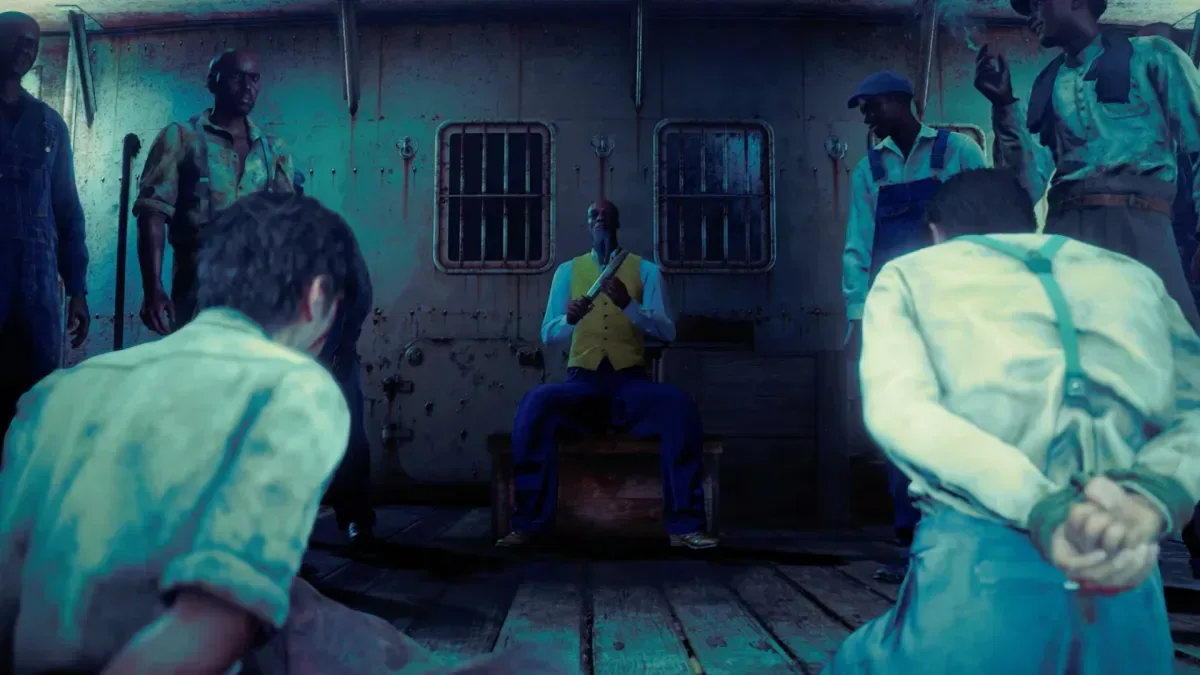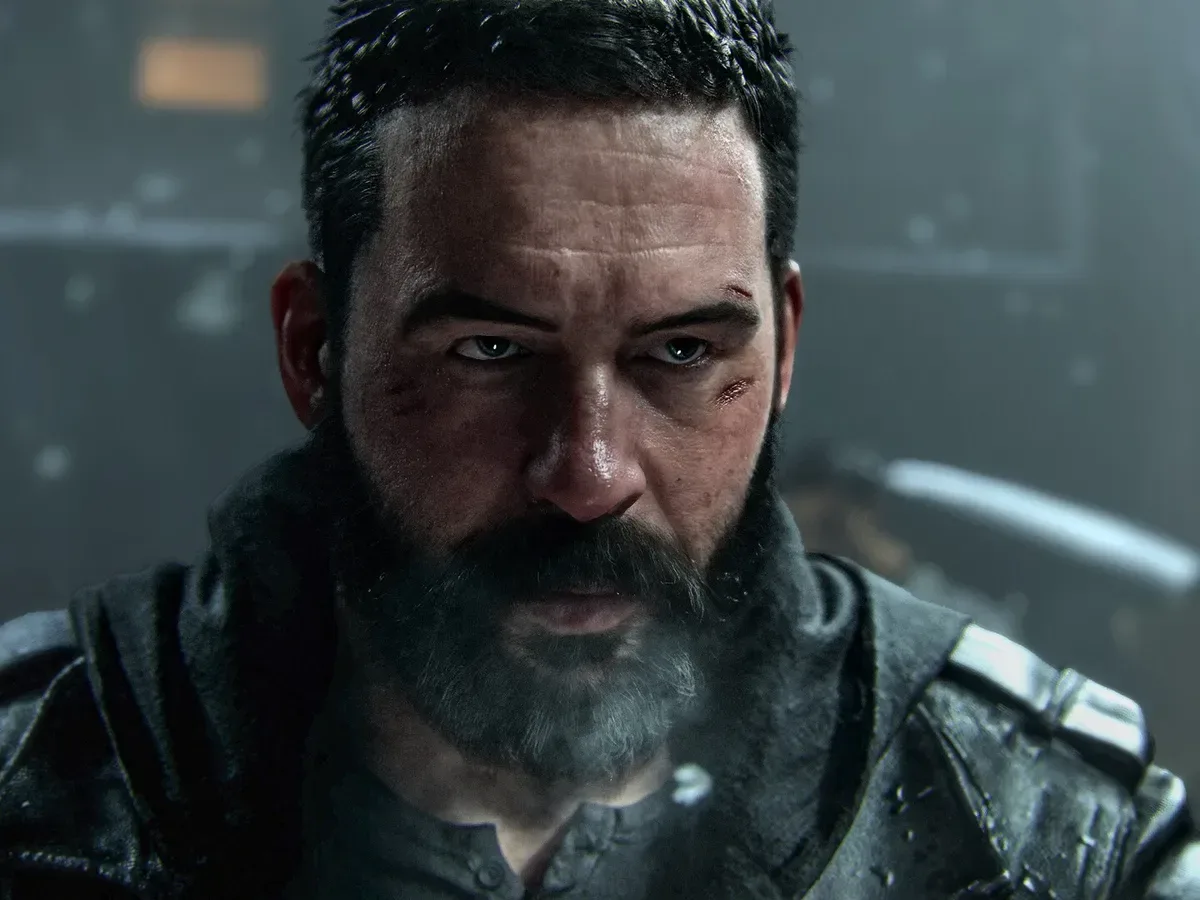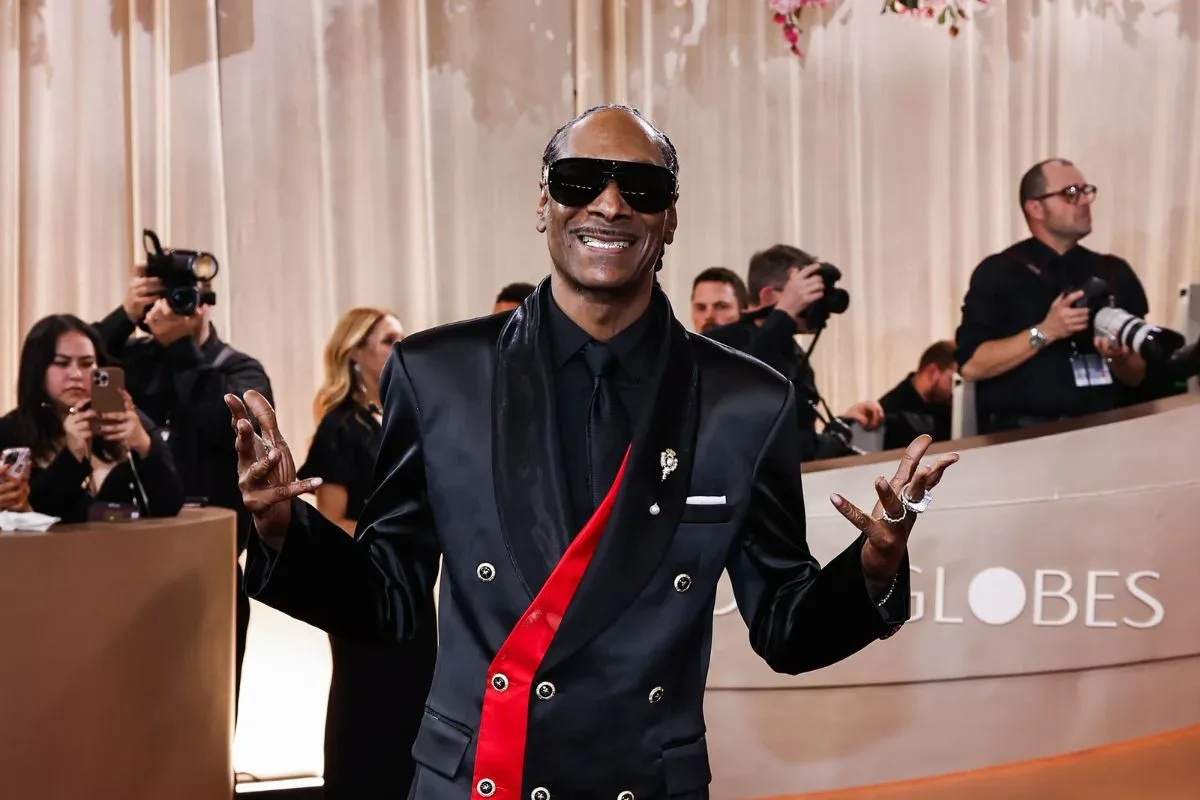
Stranger Than Heaven is opening its long, five-city story with a notably intimate pairing: Snoop Dogg’s Orpheus, a smuggler travelling by ship, and Makoto Daito, a young boy seeking a route to his mother’s homeland. The new Act 1: Kokura Story Trailer sets that relationship in 1915 Japan and frames Orpheus not simply as a famous face in the cast, but as a mentor who sees a musician beginning to emerge.
In the footage, Orpheus helps Makoto turn difficult feelings into a song. The lesson is tied to a verse about exclusion and the search for somewhere to belong, placing Makoto’s personal history at the center of the scene rather than treating music as background decoration. For a game whose story spans 1915 to 1965, that opening focus matters: it establishes music as a language through which its lead can process displacement, identity and ambition.
SEGA has set Stranger Than Heaven for release on January 15, 2027, for PlayStation 5, Xbox Series X/S and PC. The Kokura trailer is the first of several planned story trailers focused on the game’s different eras.
Orpheus and Makoto begin the journey in Kokura
Makoto arrives in Japan after secretly boarding Orpheus’ ship. His first destination is Kokura in Fukuoka, where the story’s opening act unfolds. The circumstances make Orpheus an especially consequential guide. Makoto is not merely a newcomer getting directions; he is entering a country tied to his family history after losing both of his parents.
Makoto has an American father and Japanese mother and was raised in the United States. Having experienced racism and then lost his parents, he travels toward his mother’s homeland looking for the safety and sense of home that have escaped him. That premise supplies clear emotional stakes to the trailer’s writing exercise. When Makoto is encouraged to turn emotion into lyrics, the song is rooted in events the character has already endured.
Orpheus also has practical reasons to work with Makoto. Makoto’s Japanese helps the pair as they navigate their shared situation, while Orpheus recognizes a separate talent in the boy’s musical ability. The result is a mentor relationship with two layers: Makoto can help Orpheus communicate and move through Japan, and Orpheus can help Makoto develop an artistic voice.
The setup gives Snoop Dogg’s role more dramatic definition than a simple cameo. Orpheus is a smuggler, but the trailer positions him as someone who guides Makoto through the earliest stage of a much larger life. The music lesson also links the performer’s casting to a story purpose: Orpheus is teaching a young singer how to find words and rhythm for experiences that are otherwise hard to articulate.
Why the rap lesson matters to the wider story
It would be easy to describe the scene solely as an anachronistic novelty: Snoop Dogg teaching rap in a game set in 1915. But the available story details point to a more functional use of the moment. Makoto’s song concerns rejection and the desire to belong, two ideas that directly reflect his background and his decision to leave the United States for Japan.
Related coverage includes Snoop Dogg’s Orpheus Mentors Makoto in Stranger Than Heaven Trailer.
In that context, rap is presented as a form of self-expression rather than a detached period flourish. A verse allows Makoto to shape scattered experience into a statement of his own. The trailer’s lesson connects emotional honesty to songwriting, suggesting that music will be one of the ways the game explores who Makoto is and who he becomes.
Mentorship, in this case, means more than one character teaching another a skill. Orpheus offers Makoto a method for communicating feelings that the boy may not yet know how to express. That is especially meaningful for a protagonist caught between countries and coping with loss. It also gives the relationship a plausible foundation before Makoto moves toward a career in show business.
The game later follows Makoto into that entertainment world, but its opening makes the creative path personal first. He begins as a child trying to find stability, and the trailer indicates that song becomes one tool for dealing with a life shaped by alienation. Whether Orpheus remains a constant presence across the game’s decades is not established, but his role in the first act is clear: he helps Makoto find a voice.
Music is part of the gameplay, not only the narrative
The story trailer’s emphasis on songwriting fits features already described for Makoto’s journey. As a young singer, he can collect sounds from the environment and use them when creating songs. Those sounds can come from trains, ordinary street activity and even fights.
This is worth separating into two related ideas. Environmental sound collection is the act of gathering audio from the world around the character. In Stranger Than Heaven, the supplied examples suggest that Makoto can draw material from both routine city life and more violent encounters. Song creation is the next step: using those gathered sounds to make music.
The feature could make the setting feel active in a way that conventional dialogue or cutscenes alone cannot. A train, a street or a conflict is not just scenery if its sounds can become part of a track. That does not confirm exactly how deep the composition system will be, what limits it will have, or how it feeds into progression. Still, the stated concept makes a direct connection between Makoto’s surroundings and his art.
Players will also be able to build a show by selecting a band and setlist, then shaping its lighting and staging. A setlist is the planned sequence of songs for a performance. Staging refers to the presentation around that performance, including how the show is arranged visually. Together, those options indicate that the game’s music component continues beyond writing a song and into presenting it before an audience.
That distinction is important for the story. Makoto’s rise in show business is not presented as a single abstract plot beat. The available details connect it to activities involving sound gathering, songwriting and show planning. The game does not yet have to reveal every interface or system for its thematic throughline to be apparent: Makoto absorbs the world around him, turns it into music, then uses that music onstage.
For players, the practical implication is that attention to the world’s audio may be as relevant as attention to its characters and locations. The confirmed examples cover trains, streets and fights, so Stranger Than Heaven appears interested in treating sound as something worth noticing and repurposing. It is a striking fit for a protagonist whose ability to make meaning from his surroundings is central to his journey.
A relationship with Yu Shinjo changes the stakes
Makoto’s voyage also introduces Yu Shinjo, who becomes both a friend and rival. Their relationship develops around sharply different aims. Makoto wants to survive and find a place where he belongs. Yu wants to reshape Japan.
Those goals eventually pull the two apart. Later, however, they reunite as partners in show business. The arc creates a useful contrast with Orpheus and Makoto’s early alliance. Orpheus is a mentor helping Makoto establish his voice; Yu is a peer whose connection to Makoto contains competition as well as friendship.
That rivalry is likely to give the show-business material more weight than a simple tale of success. Makoto and Yu are not only two performers or business partners. They begin with competing visions, separate, and eventually work together despite that history. The game’s broad timeline leaves ample room for their changing bond to develop across its eras, though the specific events that lead to their partnership have not been detailed.
Makoto’s creative rise also runs alongside clashes with crime groups. This places the show-business path within a more dangerous world and reinforces why Orpheus’ background as a smuggler may be relevant beyond the ship journey. However, the details currently establish only that these criminal conflicts occur during Makoto’s path; they do not explain which groups are involved, their motivations or how they intersect with the performance systems.
A cast shaped by music connections
Snoop Dogg is not the only real-world music figure connected to Stranger Than Heaven. Another character, Amaru, is associated with Tupac Shakur. Studio head Masayoshi Yokoyama said that Tupac’s name arose during discussions with Snoop Dogg about another casting role. The studio then sought approval from Tupac’s family and estate before proceeding.
Amaru’s presence is notable because it places two names with a well-known real-life connection into the game’s cast, while keeping the information framed around characters within Stranger Than Heaven’s fictional story. Cordell Broadus, Snoop Dogg’s son, also has a role in the game.
The announced casting and the Kokura trailer point in the same direction: music is not being treated as a superficial association. The story starts with Makoto learning how to convert feeling into verse, later gives him systems for building songs and live shows, and includes a cast shaped in part by figures with deep ties to rap. None of that guarantees the exact scope of the game’s music or performance mechanics, but it does make the creative arc one of its clearest announced pillars.
What is confirmed—and what remains to be seen
- Confirmed: Stranger Than Heaven begins in 1915, with Kokura, Fukuoka serving as Makoto’s first stop in Japan.
- Confirmed: The story spans 1915 to 1965 and covers five cities.
- Confirmed: Snoop Dogg plays Orpheus, a smuggler who mentors Makoto and recognizes his musical talent.
- Confirmed: Makoto can gather sounds from trains, streets and fights to make songs, and players can organize elements of a live show.
- Confirmed: Makoto and Yu Shinjo begin as friends and rivals, split over their goals, and later become show-business partners.
- Not yet detailed: The full structure of song creation, the degree of player control over performances, and how criminal conflicts affect the music-focused portions of the game.
- Not yet detailed: The later eras, which are expected to receive their own story trailers.
For now, the Act 1 trailer gives Stranger Than Heaven a strong human starting point. Before the five-city saga reaches its later decades, it begins with a boy on a ship, a new country ahead of him, and a mentor asking him to put his feelings into a song. The approach suggests that Makoto’s route to show business will not be separate from his search for belonging; it will grow directly out of it.
Stranger Than Heaven arrives January 15, 2027, on PS5, Xbox Series X/S and PC. Players who are weighing where to play can also keep an eye on platform-side technical developments, including the unusual challenges around running PS5 games on Xbox Series X through PS5X, though Stranger Than Heaven itself is officially planned for both current PlayStation and Xbox consoles.