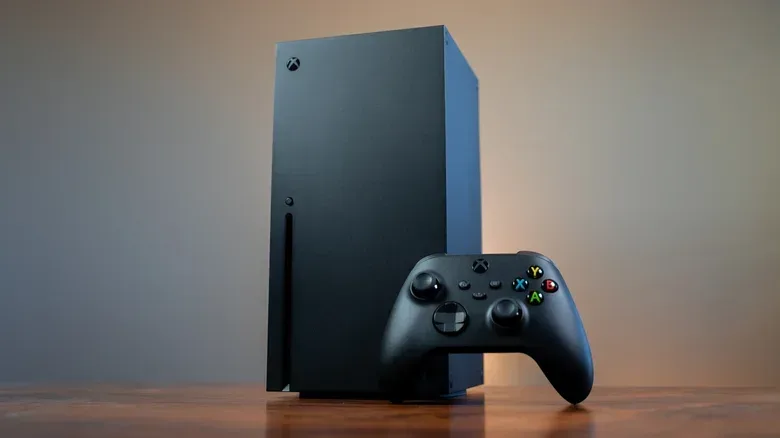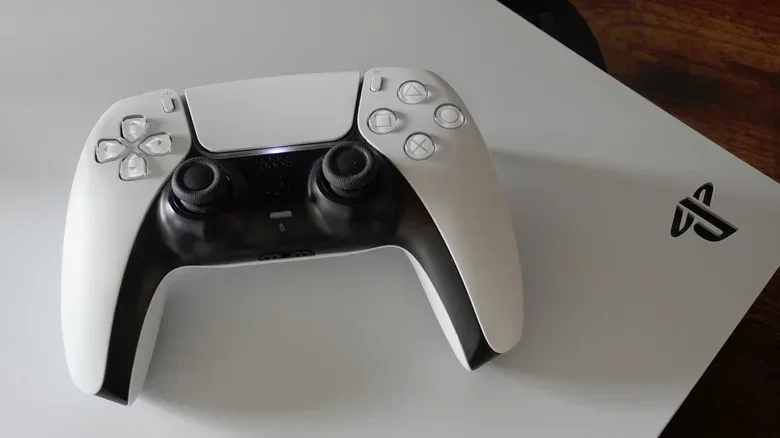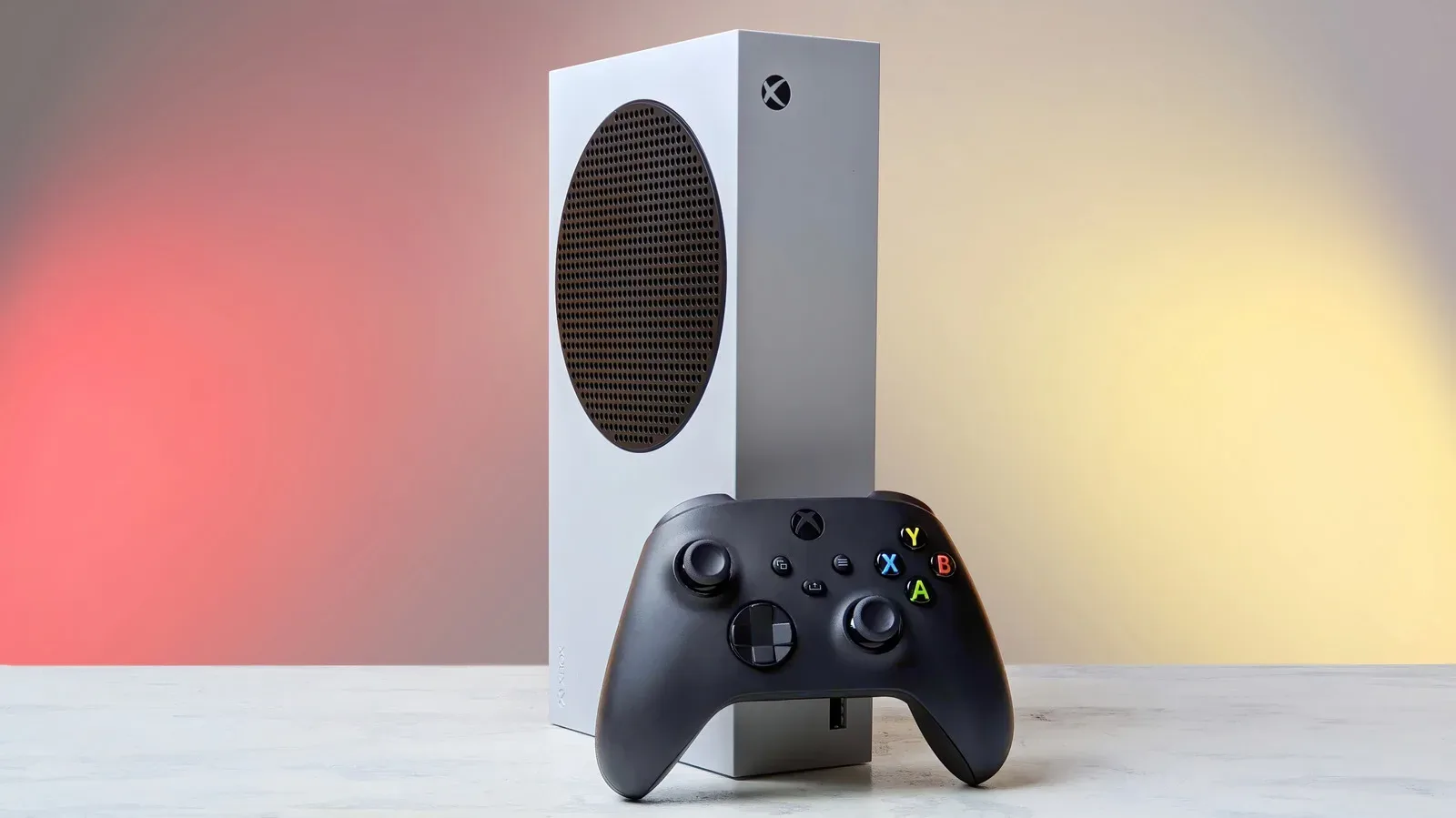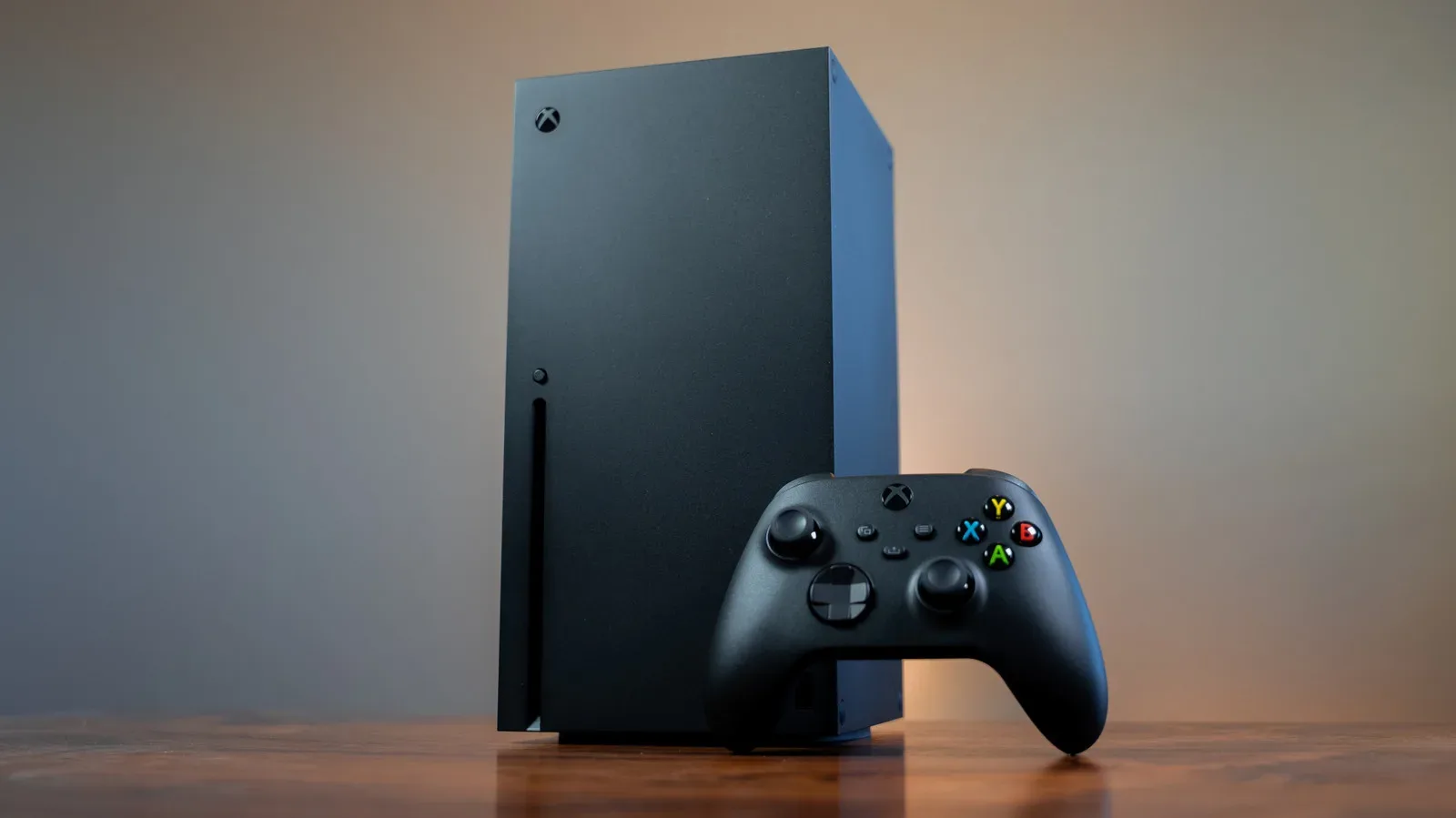
An Xbox Series X running a PlayStation 5 version of Quake II sounds like the sort of console-war headline that arrives wearing a fake moustache. Yet developer Devran Cosmo Uenal has shown exactly that through PS5X, an Xbox Series X port of the open-source PS5 emulator KytyPS5. In footage published September 8, Quake II boots and is played using an Xbox controller.
That is a legitimate technical milestone, even if the real-world implications need a very large asterisk. PS5X currently operates only in the Series X’s official Developer Mode, has no public download, and faces a strict Microsoft memory allocation that prevents it from becoming a useful way to play most modern PS5 games. Four PS5 builds are reported to run at present: GEX Trilogy, Hellboy: Web of Wyrd, Marvel Cosmic Invasion, and Quake II. They all support Xbox controller input, while sound support varies.
In other words: this is not an Xbox suddenly becoming an all-purpose PS5. It is an early emulator research effort demonstrating that closely related console hardware can still be separated by substantial software, graphics-API, memory, and platform-policy barriers.
Why the Series X can even attempt this
The PlayStation 5 and Xbox Series X have important hardware similarities. Each uses an AMD-based design with eight Zen 2 CPU cores, RDNA 2 graphics technology, and 16GB of GDDR6 memory. PS5 software also targets x86-64, the processor architecture used by modern PCs.
Those facts matter because an emulator does not always have to imitate every physical component of the machine it is targeting. KytyPS5 can execute PS5-targeted code on the host CPU rather than painstakingly reproducing a completely foreign processor architecture in software. The project describes its approach as a compatibility layer; “translator” is also a useful plain-English description.
A compatibility layer is software that converts a program’s requests into commands a different environment can act on. It does not mean the original system and host system are interchangeable. Games still expect particular operating-system behavior, graphics services, memory layouts, libraries, and hardware responses. Those expectations must be supplied or translated correctly. That is why similar CPU and GPU foundations can make a project plausible without making it simple.
The graphics side illustrates the issue. KytyPS5 translates PS5 graphics commands and recompiles shaders for Vulkan on PC. A shader is a small program used for visual tasks such as lighting, materials, and other rendering effects. Recompiling them means adapting those programs for the graphics interface available on the host machine.
PC builds of KytyPS5 require Vulkan 1.3-capable graphics hardware. Xbox Developer Mode supports DirectX 11 and DirectX 12 rather than Vulkan. So PS5X requires another translation step: Vulkan-oriented work from the PC project must be adapted to DirectX before the Xbox port can use it. Uenal has said AI was involved in the development work, but the key practical point is that PS5X cannot automatically absorb every improvement made to KytyPS5’s PC renderer. Those changes require additional porting and testing.
Related coverage includes PS5X Gets PS5 Games Running on Xbox Series X, With Major Limits.
The demonstrated games are a proof of concept, not a compatibility list to shop around
PS5X has reportedly run the PS5 versions of four games, with Quake II estimated at roughly 25 to 45 frames per second in the available footage. Frame rate, usually expressed in frames per second or fps, measures how many distinct images are displayed each second. A range that wide is a reminder that an in-development emulator demonstration should not be read as a performance guarantee.
More significantly, the four identified games are also available on other platforms. There is no evidence here that PS5X has run a PS5 exclusive. That distinction is important: demonstrating booting and playability in selected releases is not the same thing as showing broad compatibility, stable performance, or a path to games that otherwise cannot be played on Xbox.
The PC side is moving too, but it remains very early. KytyPS5 has reportedly reached in-game states across a range of PS5 titles on PC. A separate user demonstration showed Marvel’s Wolverine reaching its main menu slowly on a system with an NVIDIA RTX 5090, though no gameplay was shown and it is unclear whether the clip used the standard emulator build. Reaching a title screen or main menu is useful progress for emulator developers, but it is not evidence that a game is playable from beginning to end.
PS5X has an extra hurdle beyond ordinary emulator development. Any relevant PC-side progress needs a DirectX-compatible implementation for Xbox, then has to fit within Developer Mode’s much tighter memory allocation. The Xbox port is therefore not simply waiting for PC emulation to mature; it also has its own engineering constraints.
The 5GB ceiling changes everything
The defining limitation is memory. Microsoft documentation caps games in Xbox Developer Mode at 5GB of memory and apps at 1GB. Software requesting more than the permitted allocation fails. A retail Xbox Series X game, by comparison, can use 13.5GB of the console’s 16GB memory pool, with the balance reserved for the operating system.
That leaves PS5X with roughly 37 percent of the memory available to a normal retail Series X game. It explains why the hardware comparison between the two consoles is only part of the story. Both systems may have 16GB of GDDR6 overall, but PS5X cannot access memory as though it were a standard Xbox game.
For contemporary games, memory holds far more than a save file and a menu background. It is needed for active game code, textures, geometry, sound, loaded level data, rendering buffers, and other resources. An emulator also has overhead because it must translate or reproduce the behavior the original game expects. A 5GB cap is consequently a major constraint for modern current-generation releases, even before performance and compatibility are considered.
Microsoft can lift the limitation when software is running through the Visual Studio debugger, a development setup intended for testing code. That is not a consumer-facing workaround. For regular players, there is no ordinary route around the cap, and any suggestion otherwise should be treated with particular care.
Developer Mode is not retail Xbox mode
Developer Mode is an official environment designed for people developing and testing software. It is separate from the normal retail mode used to launch purchased Xbox games. A console set to Developer Mode cannot load retail games until the owner switches it back.
This separation matters because Microsoft blocked emulators in normal Xbox retail mode in 2023 under a store policy prohibiting products that emulate a game system. Reports later indicated that players using workarounds faced 15-day suspensions. For people using console emulators such as Dolphin for PS2 or GameCube-era software, Developer Mode became the remaining official Xbox environment in which that type of work could operate.
PS5X therefore does not change the platform’s retail policy. It exists in the restricted developer context, where its usefulness is curtailed by the memory budget and mode-switching requirement. That makes it exciting for emulator research and architecture enthusiasts, but much less meaningful as a day-to-day feature for Series X owners.
Legality, preservation claims, and the scam problem
Uenal describes PS5X as a research project aimed at running PS5 homebrew and game backups in Developer Mode. He says it does not ship with PS5 firmware or decryption keys. KytyPS5 documentation directs users toward legally obtained game files.
That boundary is more than boilerplate. Emulator projects can face severe legal scrutiny when they are associated with circumventing copy protection. The Switch emulator Yuzu shut down in 2024 as part of a settlement with Nintendo that included a $2.4 million payment. Technical interest in emulation does not erase the importance of how game files, system software, and protected keys are obtained and used.
There is also an immediate security concern for anyone searching for experimental emulation software. The PS3 emulator RPCS3 identifies KytyPS5 and SharpEmu as the two active open-source PS5 emulators that can boot games, and warns of scam websites impersonating legitimate projects. Malware is reportedly being circulated under similar-looking names, including “PCS5X.” A dramatic claim that a download turns an Xbox into a PS5 should be treated as a red flag, especially when PS5X itself has not been publicly released.
The sensible practical takeaway is straightforward: do not download random executables, “Xbox installer” packages, firmware bundles, or key files claiming to be PS5X. A lack of public access is not an invitation to hunt for unofficial mirrors; it is a reason to assume purported downloads are unverified at best and dangerous at worst.
What PS5X actually proves
PS5X proves that a PS5-emulation project can be adapted far enough to boot and play selected PS5 builds on an Xbox Series X under Developer Mode. That is a notable accomplishment, particularly because it bridges a Vulkan-focused PC emulation effort to a DirectX-only Xbox development environment.
It does not prove that Series X owners can expect PS5 games to become broadly playable on their consoles. The project has limited compatibility, no public release, variable functionality across its small list of games, a 5GB developer-mode allocation, and no retail-mode path. The strongest PC developments do not instantly solve those Xbox-specific problems either.
For now, PS5X is best understood as a fascinating technical curio with a difficult future rather than an emerging cross-console service. It also lands amid wider discussion about preservation, reverse engineering, and AI’s effect on technical game communities; that larger tension surfaced recently when decomp.dev shut down while citing fractures in the collaborative side of game decompilation. In PS5X’s case, the achievement is real, but the practical limits are equally real—and, at least today, much more decisive.