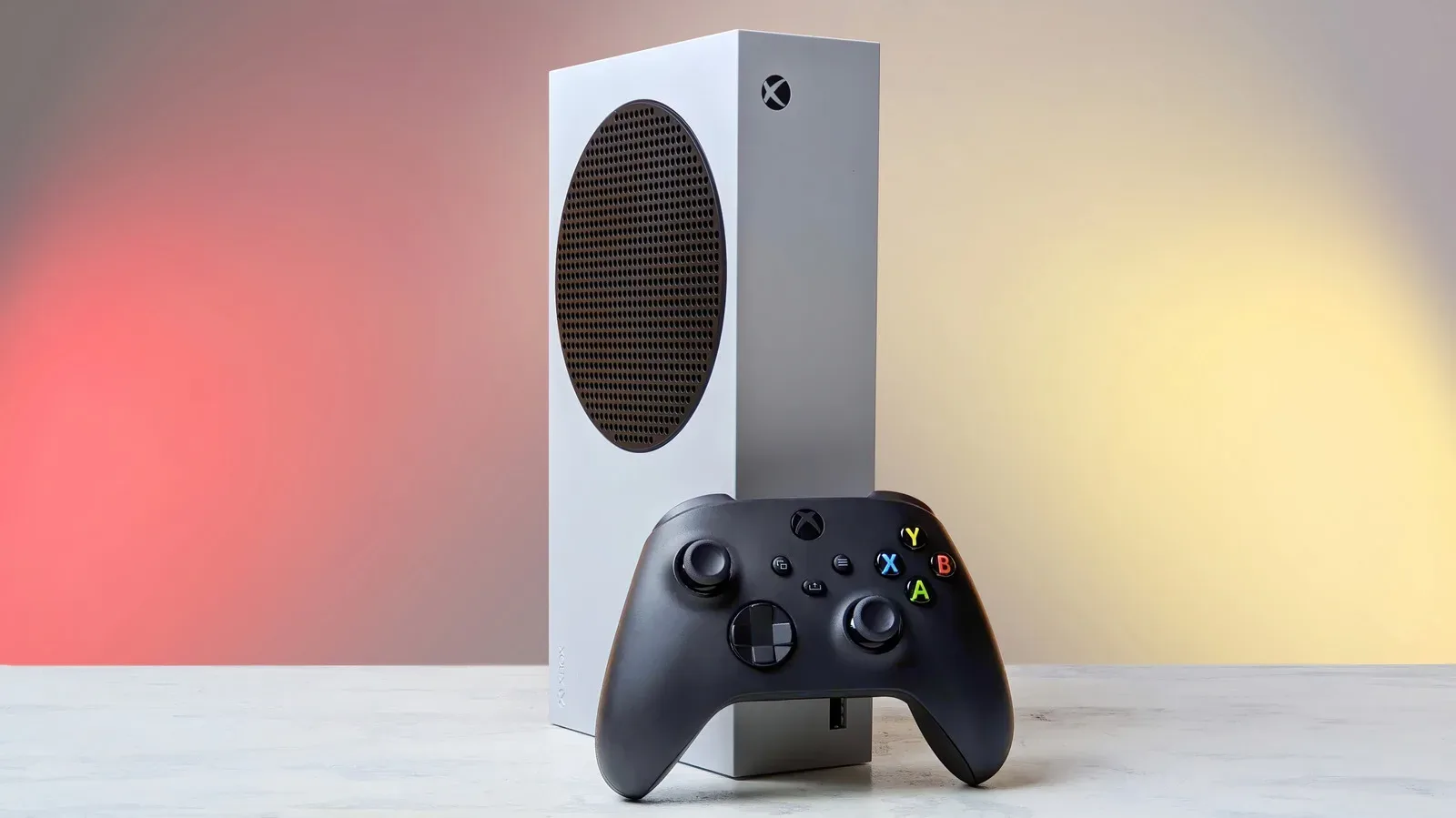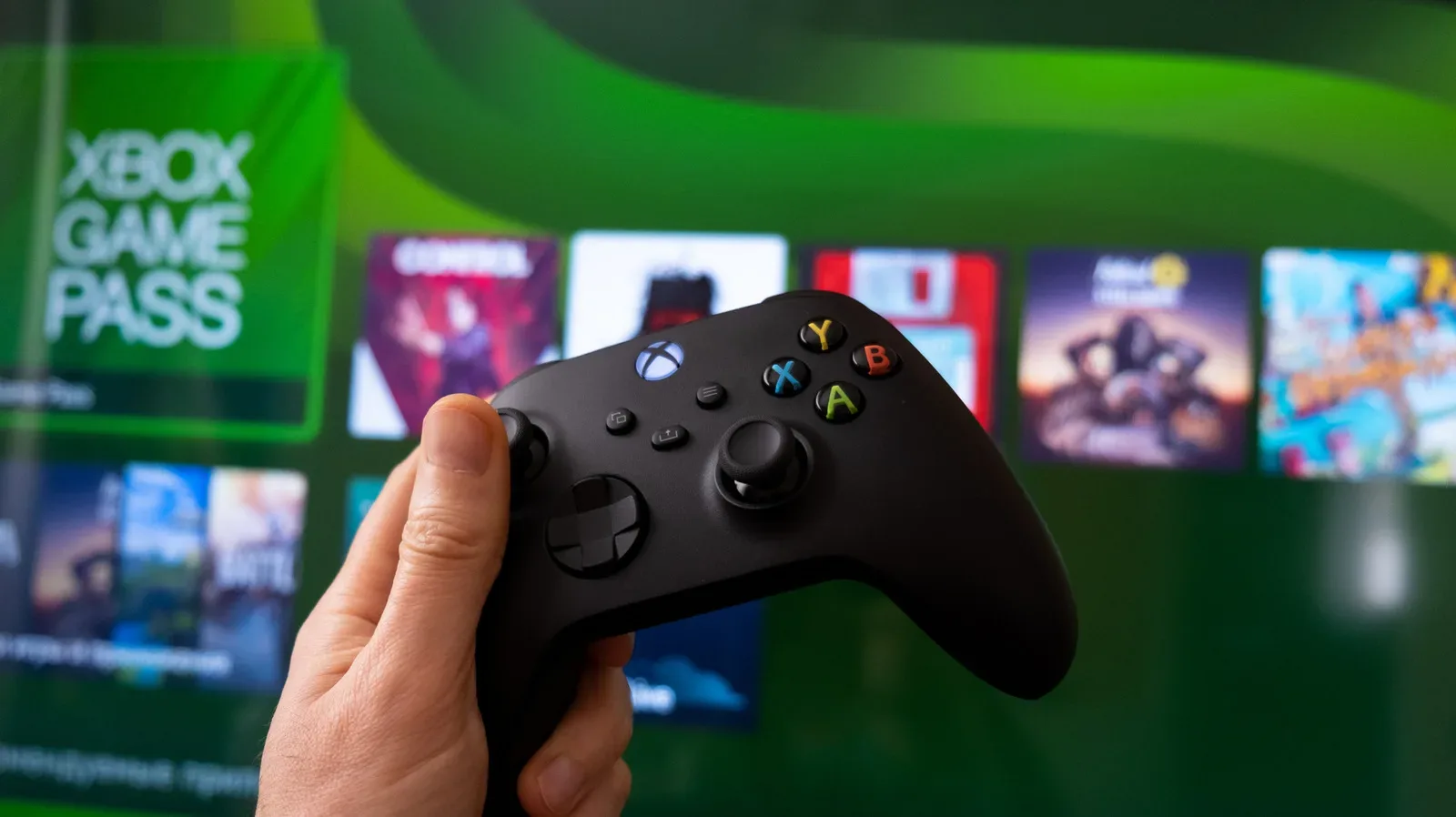
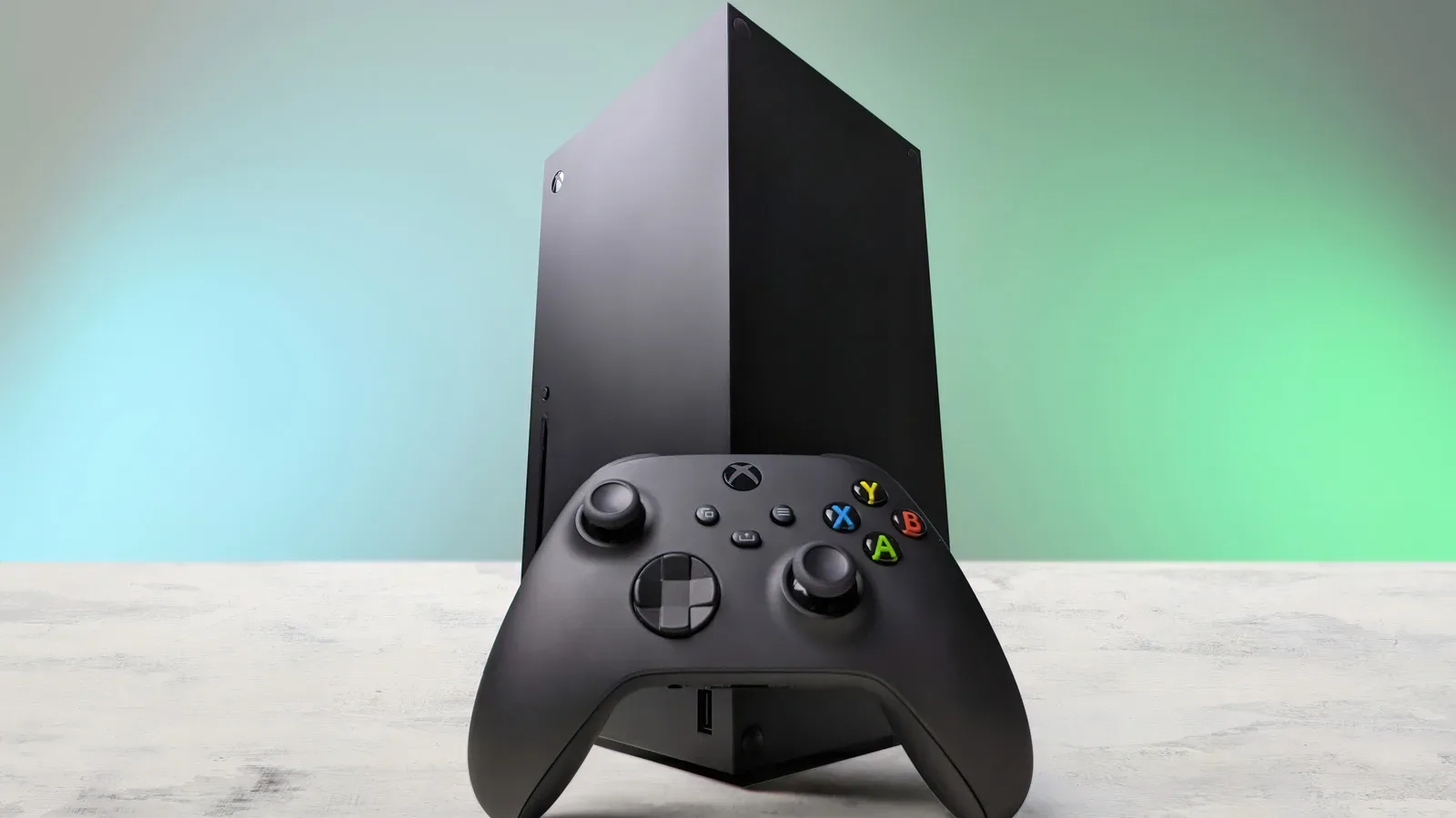
Console generations are usually sold on what comes next: a sharper image, a faster drive, a new controller feature, and a slate of games that supposedly make last year’s hardware feel ancient. But backward compatibility argues for a less glamorous, more player-friendly idea: a new console should not make a library you already own feel disposable.
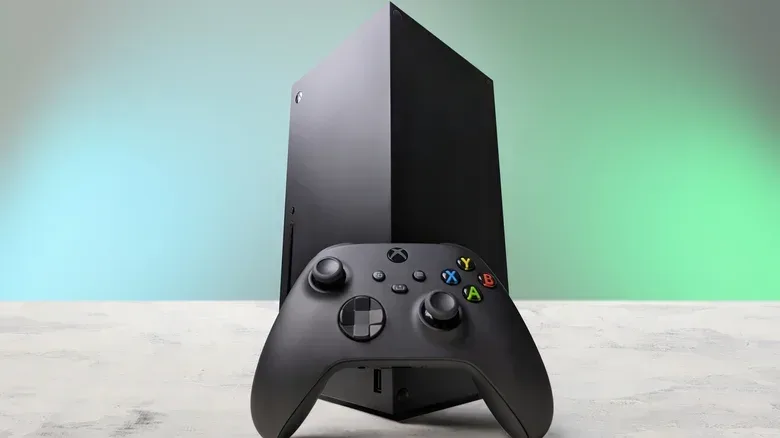
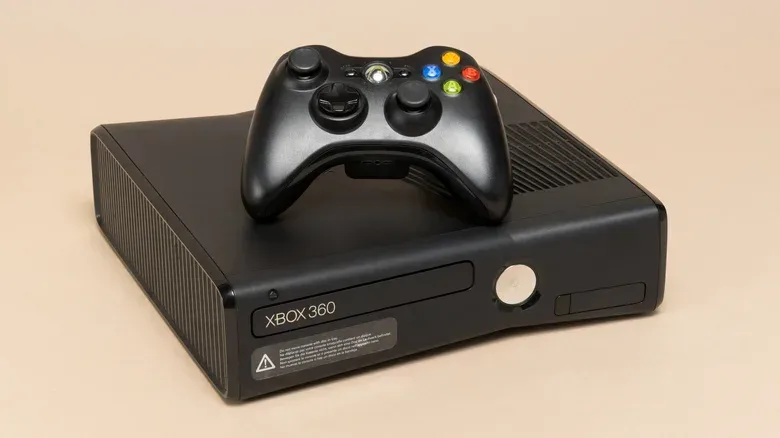
That is where Xbox retains a substantial advantage over PlayStation. Microsoft’s current ecosystem supports selected games from the original Xbox, Xbox 360 and Xbox One generations on newer Xbox hardware, with access not dependent on maintaining a Game Pass subscription. The catalog is weighted toward Xbox 360 and Xbox One releases, but it is still described as approaching 4,000 games. That is an enormous range of software to carry forward across a hardware transition.
PS5 support is much narrower in practice. It is built around PS4 compatibility, while access to games from the first three PlayStation generations is generally routed through PS4 re-releases, individually purchased classics, or the PlayStation Plus Classics Catalog. The catalog is tied to PlayStation Plus Premium, listed at $20 per month or $160 per year. There are routes to older games on PS5, then, but they are not equivalent to treating an established physical and digital library as a straightforward continuation.
The difference matters well beyond a feature-comparison checklist. Backward compatibility affects what a console costs to enjoy, whether old purchases continue to have value, and how easily players can revisit a favorite without digging out aging hardware. It also shapes game preservation: a title that remains readily playable on a current system is far less likely to vanish from ordinary use.
Backward compatibility is a library promise
At its simplest, backward compatibility means newer hardware can run software designed for an older system. That can involve native support for closely related hardware, software emulation, or a combination of approaches. Emulation is the process of reproducing an older machine’s behavior in software so that its games can run elsewhere. It sounds simple when reduced to a menu option, but a commercial implementation has to meet a higher bar than merely launching a game.
A platform holder must account for performance, graphics behavior, controller functions, user-interface requirements and features that may have depended on old hardware or online services. A game that boots but contains visual errors, performs poorly or lacks expected functionality is not a convincing retail product. That is why unofficial PC emulation and official console support should not be treated as the same thing, even when the former demonstrates that an older system can be approximated on modern hardware.
Xbox’s advantage is therefore not that every game from every prior Microsoft console works. It does not. The strength is the breadth of the supported selection and the fact that it reaches back across three earlier Xbox families. A player with Xbox 360 or Xbox One purchases has a meaningful chance of finding them in the current ecosystem, and original Xbox games are part of that story too.
That proposition gives a new Xbox a different kind of appeal. Rather than requiring a player to begin a collection from scratch, it presents current hardware as another shelf in the same library. In an era when new releases can cost $60 to $80, the ability to return to games already owned—or to seek out older classics at lower prices—can be a real value proposition.
Related coverage includes Xbox Backward Compatibility Still Gives Microsoft an Edge Over PS5.
PS5 access to older games is more conditional
PlayStation’s position is not one of total absence. PS5 players can play PS4 games, and older PlayStation material remains available through re-releases and the PlayStation Plus Classics Catalog. Someone interested in selected classic releases can buy titles individually or subscribe to PlayStation Plus Premium for the catalog.
But that is a curated and sometimes subscription-centered path, not broad system-level continuity with PS1, PS2 and PS3 libraries. The practical question for a player is not merely, “Are old PlayStation games available somewhere?” It is, “Can I easily play the particular game I already bought, on the machine I now own?” On that question, the PS5’s answer is less comprehensive.
This divide traces back to design choices made before PS5 launched. Sony prioritized newer technology, including the DualSense controller and the move to SSD storage, and chose to concentrate compatibility on PS4. SSD storage, or solid-state storage, uses flash memory rather than the moving parts of a traditional hard drive. It is a major part of how contemporary consoles reduce loading times and organize game data. The DualSense likewise represents a new input direction for PlayStation. Those choices may help define the current-generation experience, but new technical priorities do not automatically solve the challenge of running multiple older architectures.
There is a trade-off here. Building around a more modern platform can create useful new capabilities, while engineering, validating and supporting a large archive of legacy software takes work. Still, the player-facing outcome is clear: PlayStation owners seeking older games may encounter re-releases, selected catalog additions and subscription decisions where Xbox owners more often encounter direct compatibility for supported prior purchases.
Why the distinction matters to budgets and preservation
Backward compatibility is often described as nostalgia, and nostalgia is undeniably part of its appeal. But the more durable argument is financial and practical. A player who owns dozens of compatible older games has less pressure to immediately buy a stack of brand-new releases. A new console can be useful on day one because its owner already has games to play.
It also broadens the definition of a console’s value. Raw processing power, exclusives and controller features are easy to market. Library continuity is quieter, but it can be more important over years of ownership. Games that are several generations old can remain part of a household’s regular rotation instead of becoming artifacts that require legacy hardware, compatible cables and space under a television.
For Xbox, the PC connection adds another layer. Some supported Xbox games can also be played on Windows PCs. That does not eliminate the convenience of a console, but it reduces the chance that a player’s choices are locked to a single box. PC gaming has long benefited from inexpensive older software on storefronts such as Steam and GOG, even if the computers themselves can be expensive. Microsoft’s cross-device footing gives its older-game strategy a practical edge.
PlayStation’s current direction makes that contrast more pronounced. The supplied information indicates that Sony has reportedly pulled back from bringing new games to Windows, while older PS1 and PS2 games such as SSX Tricky are not broadly positioned as PC releases. That means players looking for older PlayStation experiences have fewer obvious official paths beyond the PlayStation-side catalog and re-release model.
None of this means backward compatibility alone decides a hardware purchase. Players choose platforms for friends, specific games, existing accounts, controllers and preferred services. Xbox Series X and Series S are described as trailing the Switch 2 and PS5 lineup in global console sales, so a compatibility advantage has not transformed the market order on its own. Nor should it be used to pretend that exclusives and new releases do not matter.
It does mean that Microsoft has one of the clearest answers to a basic consumer question: what happens to the games I bought before?
PC-like design could make continuity easier
There is reason to expect this conversation to remain relevant in the next console generation. Future Xbox and PlayStation hardware is widely expected to preserve the compatibility established by Series X and PS5. Modern consoles have increasingly moved away from entirely proprietary approaches and toward designs that resemble PCs more closely, using off-the-shelf or semi-custom components from companies such as AMD.
The PS5 is an example of that direction, using AMD Zen 2 architecture alongside a custom GPU. Architecture here means the underlying design and instruction framework of a processor and its surrounding system. Keeping a broadly similar foundation across generations can make it more feasible to run earlier software, because developers and platform engineers are not attempting to bridge a completely alien technical divide.
There can be a cost. A highly specialized, proprietary system can sometimes be tailored tightly around particular design goals. A more PC-like machine may constrain some possibilities for unique optimization. But compatibility, component sourcing and development familiarity are powerful counterweights. The goal is not to make consoles identical to PCs; it is to avoid making every generational leap a clean break with everything players previously bought.
That backdrop makes Sony’s pre-PS4 gap more significant. Preserving PS5 compatibility into a future PlayStation would be helpful, but it would not itself restore straightforward access to PS1, PS2 and PS3 libraries. Sony has not indicated whether it will pursue that broader restoration. Technical possibility does not settle the commercial question, especially when an official service must meet reliability and quality expectations that hobbyist emulation can sometimes tolerate less strictly.
A value-add that may get more important
Backward compatibility may become more valuable if future consoles become substantially more expensive. Rising memory prices are identified as a potential pressure point, with RAM and storage in a next PlayStation potentially costing Sony more than a buyer paid for a PS5. RAM, or random-access memory, is the fast working memory a system uses while software runs; it is distinct from long-term storage such as an SSD. If component costs rise, console makers may have less room to rely on low entry pricing as the headline attraction.
That is where existing libraries become a stronger differentiator. If a new machine approaches PC-like pricing, the buyer may reasonably expect it to do more than run a handful of new releases. They may expect years of purchases to travel with them. A platform that carries a player’s history forward can make a high upfront cost easier to justify.
Microsoft should not confuse its current lead with a permanent victory. The selection is still selective, and preserving software across future hardware changes remains difficult. Sony, meanwhile, has the opportunity to make its next platform more compelling by reducing the friction around older games rather than relying on fragmented access routes.
For now, though, the contrast is hard to ignore. Xbox offers a broad supported bridge from its original console, Xbox 360 and Xbox One eras into current hardware. PS5 offers robust PS4 continuity but a much less direct relationship with the three PlayStation generations before it. For players who see a game library as an investment rather than a temporary rental, that bridge is one of Xbox’s most persuasive features. The wider pressures around components and consumer value are also worth watching, as seen in this look at memory supply and hardware costs.