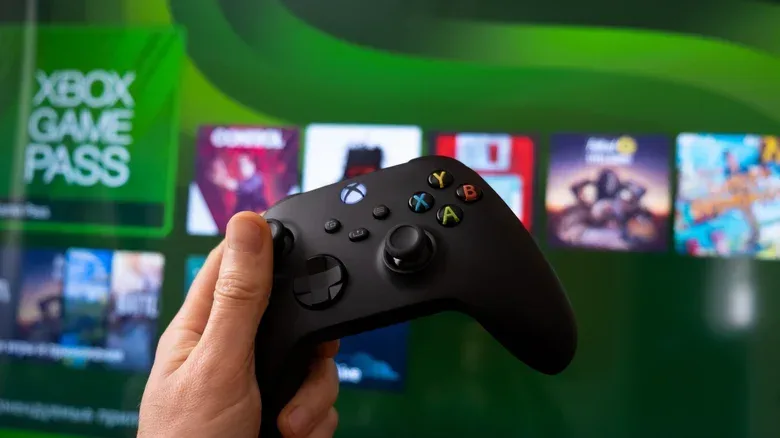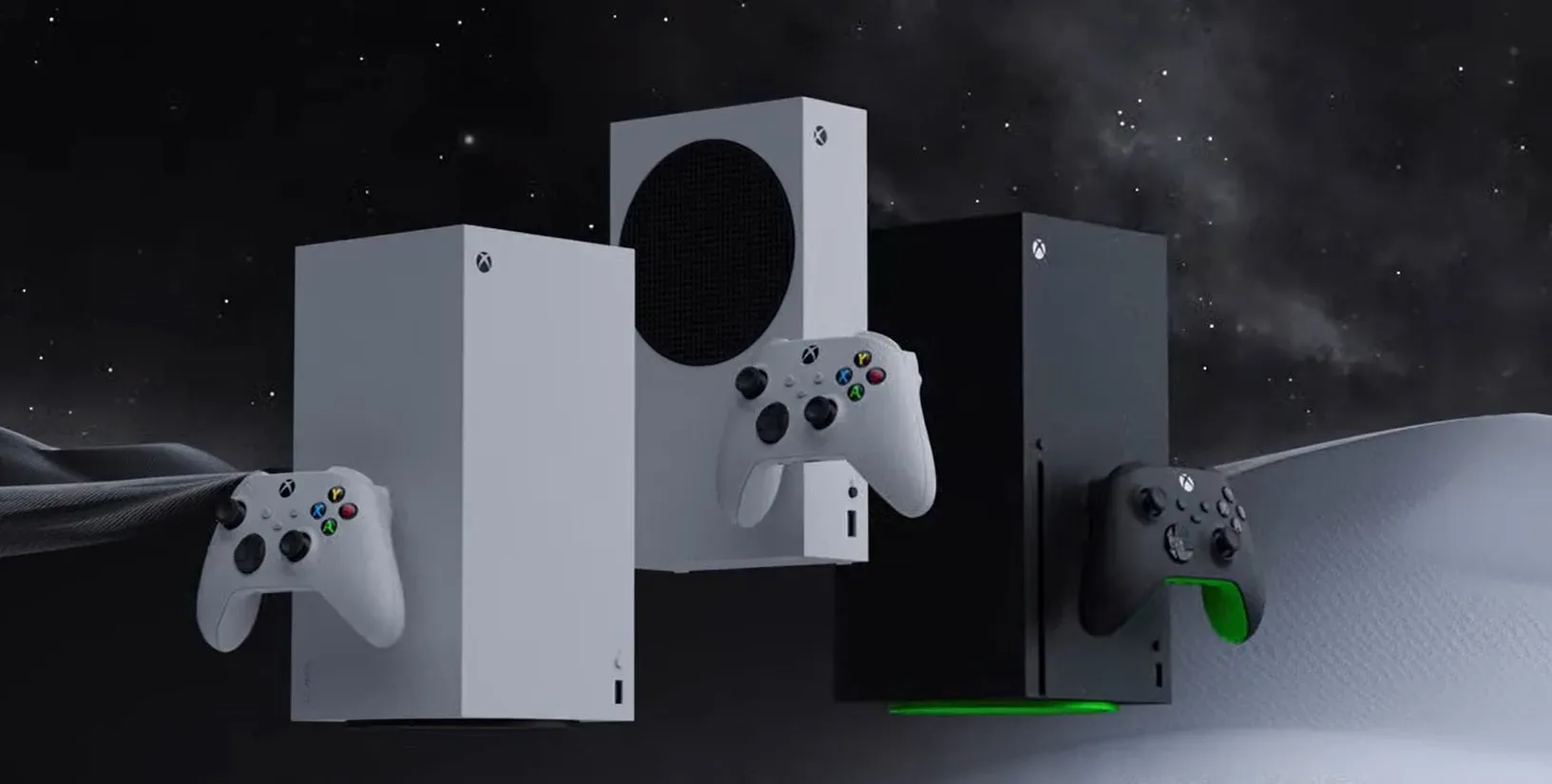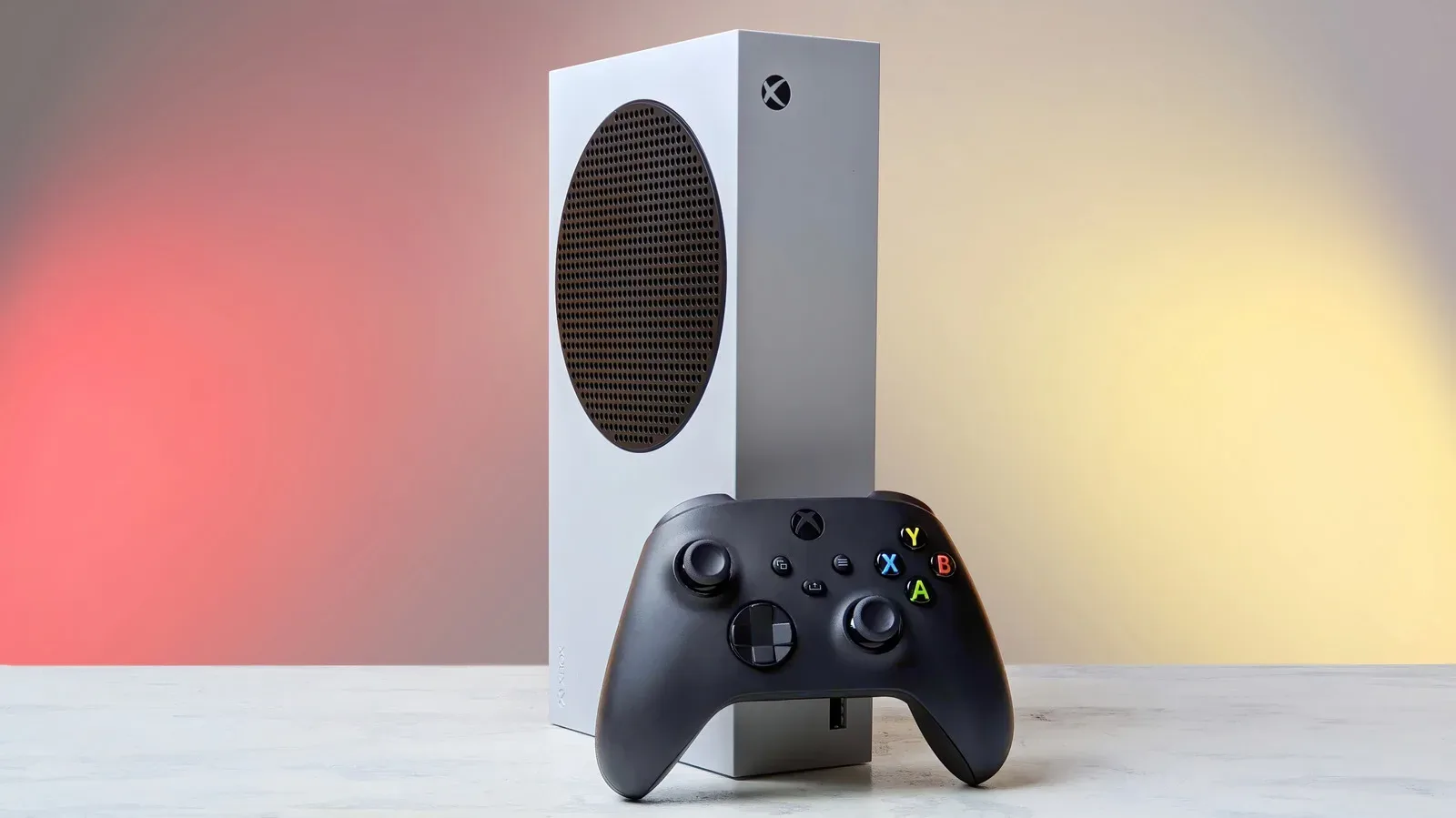
Microsoft is encouraging some Xbox Series X and Xbox Series S owners to turn an unused console into Best Buy store credit. Emails now reaching certain users ask whether they have played on their console recently and point them toward Best Buy’s trade-in program, advertising a return of up to $375.
That headline figure comes with important qualifications. It is the top listed value for a good-condition Xbox Series X, and it requires the relevant hardware: a working controller, power cord, and docking station. The return is also Best Buy store credit rather than cash, a distinction that should shape whether the offer makes sense for any individual owner.
The campaign lands during a difficult period for console hardware. Continued demand for RAM from the AI sector has put pressure on supplies, while Xbox Series X and Series S prices have risen more than once. Microsoft announced another increase in June, following a previous increase last October, alongside measures intended to ease the impact. Trade-in messaging now appears to be one visible part of that effort.
What the Best Buy offer is—and is not
Trade-in programs are built around convenience. Instead of photographing a console, writing a listing, fielding messages, arranging delivery, and dealing with a buyer, an owner can bring the hardware to a participating retailer and receive a defined credit value after its condition is assessed. Best Buy’s broad physical-store footprint in the United States also means a local trade may avoid the hassle and cost of posting a console.
That convenience has a clear tradeoff: it is unlikely to deliver the strongest possible return. A direct resale through a marketplace such as eBay can potentially produce more, especially when a seller has extra controllers or other accessories to include. But that route asks more of the seller and may involve shipping, fees, packaging, communication, and the usual uncertainty of a private transaction.
So the $375 figure should not be treated as a universal valuation for every Xbox Series X. It is a maximum trade-in offer under stated condition and accessory requirements, paid as retailer credit. A console’s actual result will depend on its condition and what accompanies it. Series S owners should likewise check the applicable offer for their particular machine rather than assuming the Series X maximum applies.
A quick way to decide which route fits
- Choose a trade-in if speed, simplicity, and avoiding shipping matter more than maximizing the return.
- Consider private resale if you are prepared to do more work in exchange for the possibility of a higher payout, particularly if you have additional accessories.
- Check the payment type first. Store credit can be useful if it will be spent at the retailer, but it is not interchangeable with cash.
- Confirm the required items and condition rules. The promoted top value is tied to a good-condition console and the specified hardware.
For owners who decide not to sell, the campaign still highlights the practical value of keeping a console in active use. Hardware does not need to be the latest purchase to be useful, particularly where a library of owned games, a current subscription, or household access is concerned. The decision is less about whether a console is “old” and more about whether it has a genuine role in someone’s gaming routine.
Why an inactive console matters to Xbox
The basic commercial logic is straightforward: an Xbox sitting unplugged in a closet cannot generate continuing software or subscription revenue. A used Xbox that finds its way to another player potentially can. That new owner may buy digital games or subscribe to Game Pass, while Microsoft retains another active device in its ecosystem.
Related coverage includes Microsoft Promotes Best Buy Xbox Trade-Ins as RAM Pressure Hits Console Supply.
This is particularly meaningful when new console stock is under strain. RAM, or random-access memory, is a component that gives systems working space for data needed while they run. Strong AI-sector demand for RAM has contributed to the current pressure described around console supply and pricing. The shortages are expected to continue into 2028, making further hardware constraints a plausible concern.
In that environment, recirculating functional machines is one way to add accessible Xbox hardware without relying solely on newly manufactured units. It does not create a new console, of course. It moves an existing one from an inactive owner to a retailer that can sell it again. But for the Xbox business, the relevant outcome is the possibility that the console returns to regular use.
There is also a consumer-facing angle. Someone no longer using a Series X or Series S can exchange it for credit rather than leave it idle, while a prospective buyer may get another route to Xbox hardware during a period of supply uncertainty. Those benefits do not erase the compromise in trade-in value, but they explain why a retailer-facilitated resale channel can appeal to both sides.
Why send owners to Best Buy?
Microsoft already has its own trade-in program and also sells refurbished consoles through its website. Directing users to Best Buy therefore appears to be about reach and friction rather than the only available resale option.
Best Buy’s physical locations provide an easy handoff for people who do not want to package and mail a console. That can make the offer accessible to a broader group of occasional or lapsed players, not just enthusiasts accustomed to navigating online resale markets or manufacturer trade-in portals. A brief email and a nearby store are a far simpler path than a multi-step listing process.
The arrangement also makes the message more practical than a general request to “sell your Xbox.” It gives owners a named destination, a visible maximum figure, and a way to act locally. Whether that represents a good deal remains personal: a buyer who values Best Buy credit and wants a fast exit may find it worthwhile; someone focused on cash and the best possible price may not.
The broader Xbox context
The trade-in push arrives as Microsoft’s multiplatform strategy has changed the conventional role of an Xbox console. The approach can put Xbox games in front of more players, but it also means a latest Xbox model may not offer the same volume of system-exclusive reasons to upgrade that some players expect from a console platform.
That makes active usage more important than simply moving a box at retail. Microsoft can benefit when a console is connected to its services and storefront, whether that machine is newly bought, refurbished, or resold after a trade-in. The campaign’s emphasis on consoles that have not been played recently fits that incentive: it identifies hardware that already exists but is not currently participating in that loop.
It also underscores how hardware shortages can change the value of the used market. When new stock is plentiful and pricing is stable, an unused console is mostly a personal storage problem. When component constraints and price increases complicate replacement purchases, used hardware can become a more important bridge between people leaving a platform and people seeking an affordable way in.
Owners considering the email should read the offer as an invitation, not an obligation. Check the trade-in terms, determine whether store credit has real value for your next purchase, make sure the necessary accessories are present, and compare that convenience against the effort of selling privately. Microsoft’s interest is clear: it would rather see a working Xbox back in circulation than gathering dust. The owner’s job is to decide whether Best Buy’s convenience is worth the gap between a quick credit and a potentially stronger resale return.
For a related look at how access and preservation shape the long life of games beyond a single hardware cycle, read GOG’s DRM-free preservation push.