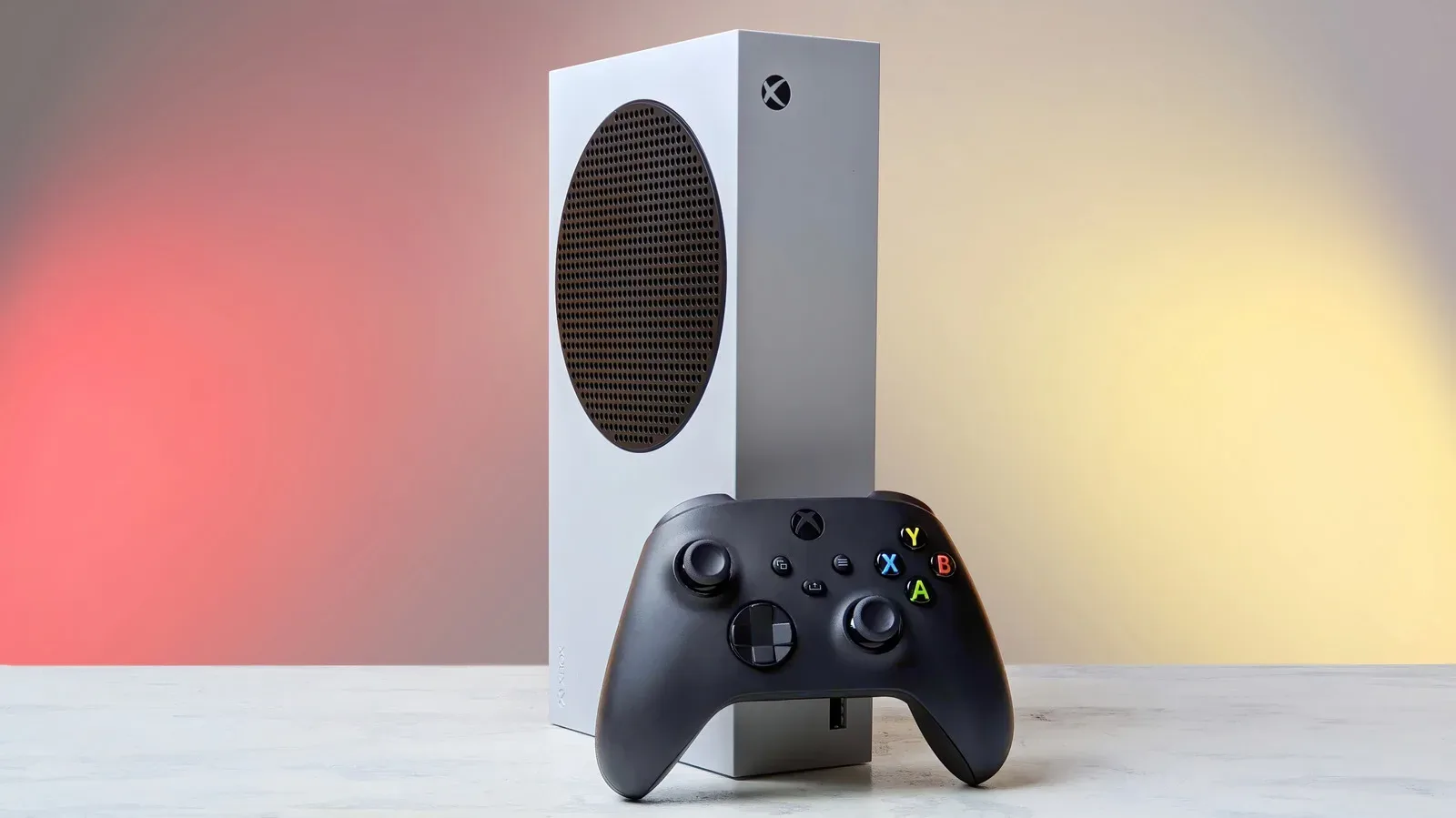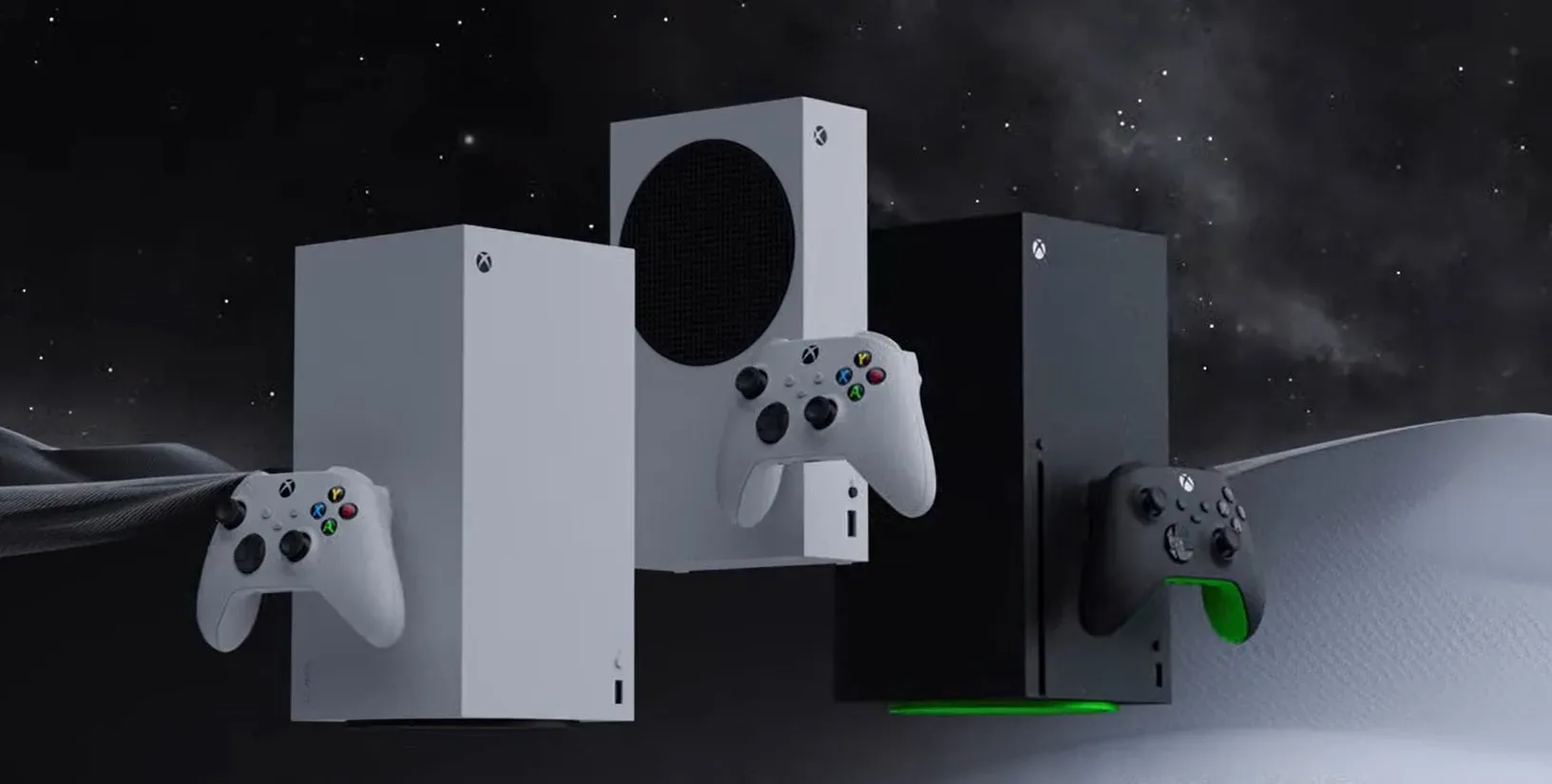
Xbox owners are sharing screenshots of an unusual reported Microsoft email: a message that asks whether they have stopped using their console and suggests trading it in at Best Buy instead. The campaign, if the screenshots accurately represent an active customer email, offers a strikingly blunt pitch for a platform holder: if a player has moved to Xbox on PC or another way to access Xbox games, perhaps the console itself should go.
The reported offer mentions trade-in values of up to $375 for an Xbox Series X and up to $200 for an Xbox Series S. “Up to” is the vital qualifier. It describes a possible maximum rather than a guaranteed payment, and the material available does not establish which console configurations, conditions, accessories, store locations, or other criteria would qualify for those figures.
Posts discussing the email have appeared across X and ResetEra, providing more than one claimed recipient rather than a single isolated screenshot. That is meaningful corroboration, but it is not the same thing as a formal confirmation of the campaign’s full scope, eligibility rules, or duration. Readers should treat the message as reported customer outreach, not as a reason to rush into handing over hardware.
What the reported email says
The reported wording opens with a question aimed at dormant-console owners: “Haven’t played on your console in a while?” It then frames the trade-in around an increasingly broad Xbox ecosystem, addressing people who may have moved to Xbox on PC or “another way to play” Xbox games.
That wording matters because it does not present the trade-in as an upgrade path to a different Xbox console. Instead, the apparent pitch is that someone who no longer needs local hardware could convert it into trade-in value at Best Buy. It is an unconventional message for a console brand, particularly because the device being surrendered carries the company’s own name.
Yet the premise is at least understandable as a piece of ecosystem marketing. A person who plays Xbox titles through a PC or another supported route can remain an Xbox customer without actively using a Series X or Series S. The email’s reported framing appears to acknowledge that reality rather than insisting the console must remain the center of a player’s relationship with Xbox.
For people who do still use their machines, the message has no inherent practical instruction to follow. An Xbox console can remain valuable as a dedicated living-room device, a way to access a personal library, or simply the place a household already plays. Recent Xbox-related releases and add-ons, including new Fallout 4 Verified Creations, are also a reminder that a player’s active interest can be tied to games and content rather than to the novelty of a new hardware purchase.
Why the email address has attracted attention
Some early skepticism focused on the sender domain visible in the screenshots: @e.xbox.com. An unfamiliar-looking address is a perfectly reasonable reason to pause. But “unfamiliar” and “fraudulent” are not interchangeable terms. The reported domain is an official Xbox subdomain, and a Microsoft employee previously described it as an official domain used by Microsoft and Xbox for communications.
Related coverage includes Xbox Owners Reportedly Receive Emails Encouraging Best Buy Console Trade-Ins.
A subdomain is the portion placed before the main domain name. In this case, “e” sits before “xbox.com.” Large organizations can use subdomains for different communication systems, services, or campaigns. That can make a legitimate address look unfamiliar even when its main domain belongs to the expected company.
That observation should not be stretched too far. A domain that looks legitimate in a screenshot is not, by itself, proof that every message claiming to come from it is safe. The key point is narrower: the reported sender format is not automatically discredited merely because it differs from the address a recipient expected to see.
Microsoft and Best Buy already have business ties
The reported trade-in push is less out of left field than it may first appear because Microsoft and Best Buy have worked together previously. In 2025, the companies partnered on an “AI That” campaign promoting Microsoft Copilot features. Microsoft also said that year that Best Buy had added Microsoft Defender for Endpoint to work with its existing Tanium endpoint-management solution.
Those examples do not prove the reported Xbox trade-in message, nor do they reveal any commercial terms behind it. They do establish that the two companies have had public business relationships in consumer marketing and technology operations. A Best Buy-oriented Xbox campaign therefore does not require the assumption that two otherwise unrelated businesses suddenly improvised a joint promotion.
What remains unknown is more important than online speculation suggests. There is no supplied evidence that Microsoft receives part of any trade-in value, that the offer is connected to a future hardware initiative, or that Best Buy has offered Microsoft a reciprocal promotional arrangement. Those are theories, not established details. The sensible reading is simply that a retailer partnership could provide a route for an Xbox-branded message about unused hardware.
How to read “up to” trade-in figures
Trade-in language is designed around a ceiling, not a promise. When an offer says “up to $375” or “up to $200,” the final amount may depend on factors that have not been detailed in the reported email excerpts. The material does not say how a particular Series X or Series S will be assessed, so consumers should not assume the headline number will apply to their own system.
Before treating a potential trade-in as a good deal, owners should establish the details directly through the retailer or their account rather than relying on a screenshot or a forwarded email. Practical questions include:
- Is the offer available for the specific console model an owner has?
- Is the stated amount a maximum value rather than the expected value?
- What condition does the device need to be in?
- Are controllers, power cables, or other included items relevant to the assessment?
- Is the value paid as cash, credit, or another form of store balance?
- Does an email-linked promotion have dates, exclusions, or location limits?
None of these questions should be answered by guesswork. They are precisely the sort of details that determine whether a headline trade-in number is useful to an individual owner. A console with personal saves, account access, or downloaded games also deserves a deliberate backup and reset plan before it changes hands; the reported campaign language does not itself explain those steps.
Verification is still the right response
The screenshots’ reported sender domain and the existing Microsoft–Best Buy relationship make the idea plausible. Plausible, however, is not a substitute for checking the actual destination of a link and the terms attached to an offer. Anyone receiving a message should avoid letting surprise or annoyance force a quick click.
A careful approach is to open official Xbox account channels or navigate independently to Best Buy rather than using a link from an unexpected email. Compare any promotion shown there with the message in the inbox. If a recipient cannot confirm the offer through those direct routes, they should not provide credentials, payment information, or device details prompted by the email.
This is particularly important because the campaign’s premise is unusual enough to lower a recipient’s guard in a different way. Conventional scams often imitate an urgent account warning or prize notification. A message saying “we think you may be done with our console” feels so odd that it can invite either instant dismissal or instant sharing. Neither reaction verifies it.
An awkward message with a clear strategic implication
The reported email has drawn mockery because console makers usually seek reasons for owners to keep their hardware engaged. But its logic is coherent if Xbox is trying to speak to customers across more than one type of device. The email reportedly tells inactive console owners that access to Xbox games can continue elsewhere, while offering a possible way to recover value from hardware that has been sitting unused.
That is different from telling every Xbox owner to sell their console. The reported copy is specifically directed at people who have not played on it “in a while” and may already have moved to PC or another Xbox gaming route. The distinction matters: an outreach effort aimed at lapsed users is not necessarily a statement about active players or the long-term value of the Series X and Series S.
Still, messaging is part of the product experience. Even a narrowly targeted email can land badly when it appears to tell customers that the hardware they bought is expendable. The online reaction shows the tension in presenting Xbox as a service and game ecosystem while also selling dedicated consoles. For now, the evidence supports a more limited takeaway: multiple users report seeing a Best Buy trade-in email with specific maximum figures, the visible sender format has a basis in official Xbox communications, and recipients should verify the precise offer before acting.