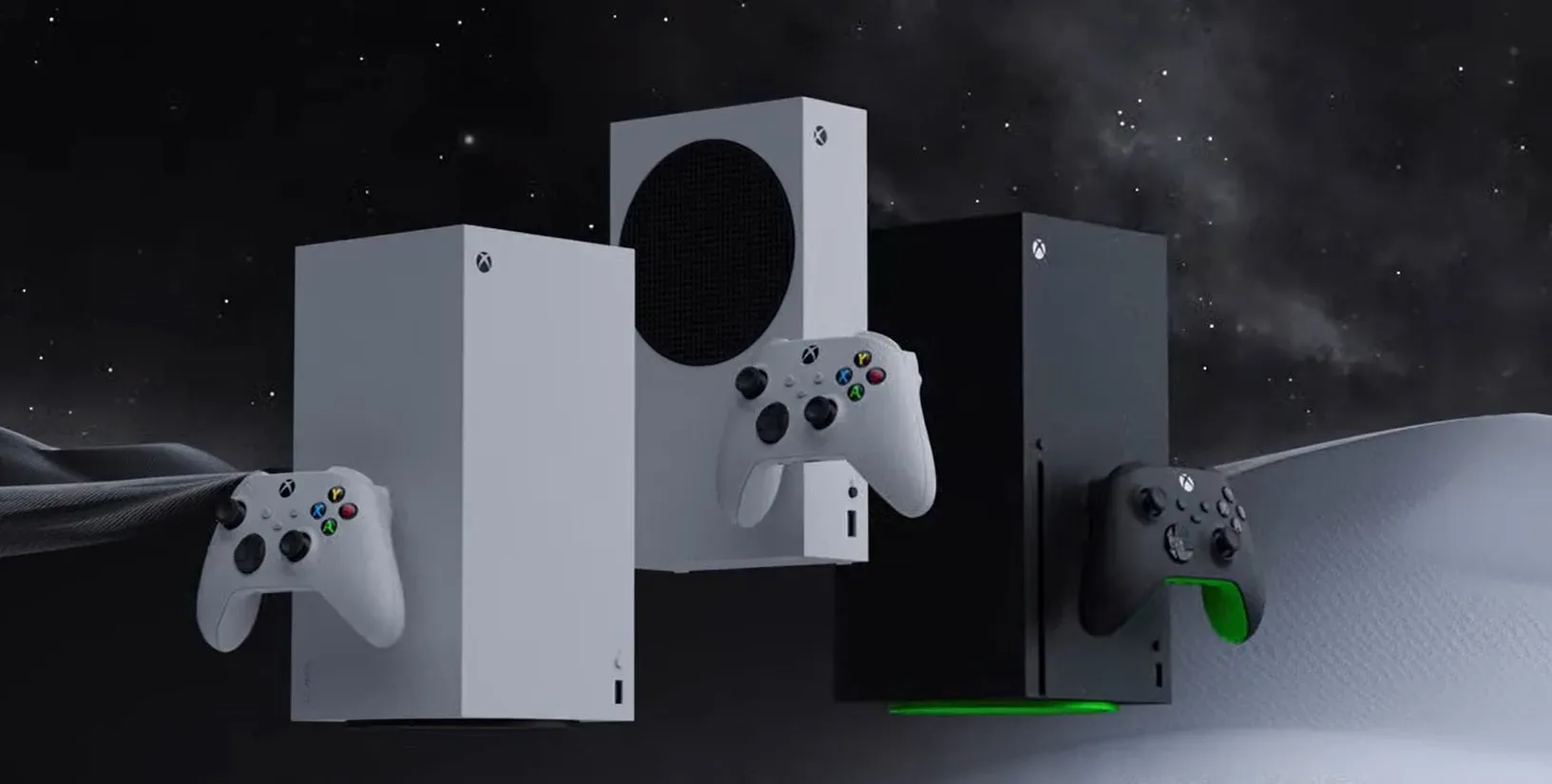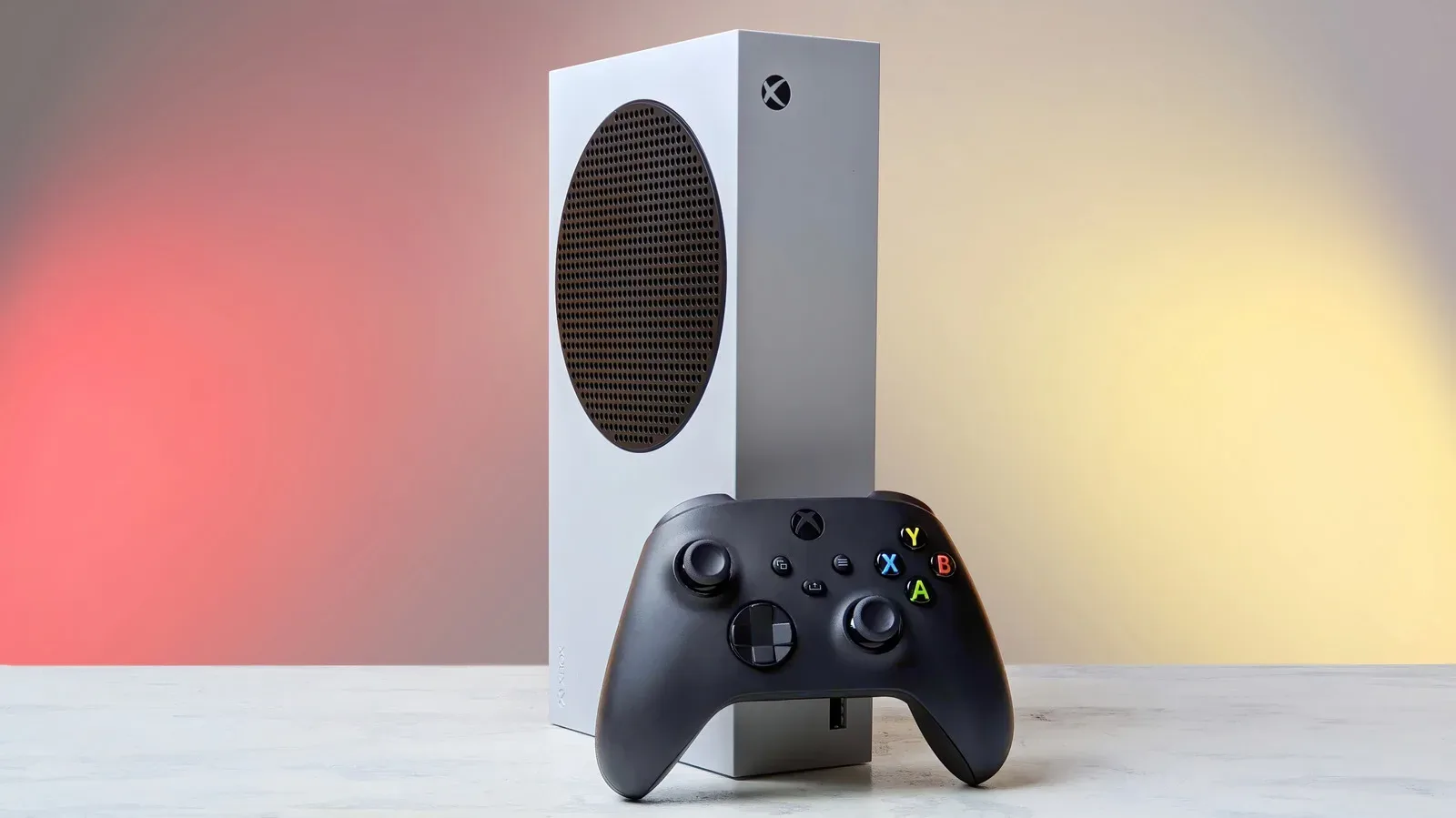
Xbox says it still has more would-be console buyers than machines available, even as hardware sales continue to face pressure. The company’s immediate response is not just to build and ship new Xbox Series X/S systems: it is also expanding a refurbishment program intended to place more usable consoles in players’ hands before the 2026 holiday season and the arrival of Grand Theft Auto 6.
Xbox CEO Asha Sharma described the situation plainly in a post on X: console sales are constrained by supply, with demand exceeding the number of consoles available. Sharma said the expanded refurbishment effort is part of the work underway, while acknowledging that substantial work remains.
It is an unusual late-generation message. The Xbox Series X/S family is now six years into its lifecycle, a point at which shoppers might expect the basic task of finding a console to be settled. But “available” is doing a lot of work in this discussion. A console can be obtainable through a major online retailer in one country while remaining scarce, inconsistently distributed, or poorly supported in another. That distinction matters when a platform holder is describing worldwide demand rather than a single storefront’s stock status.
What Xbox appears to mean by a supply constraint
For buyers in the United States, the claim can be difficult to square with everyday experience. Xbox Series X/S units can frequently be found listed as in stock on Xbox’s own site and through online retailers. Someone determined to buy one may be able to order it without a lengthy search, even if a local store does not have the preferred model sitting on a shelf.
That does not necessarily settle the broader question. Hardware supply is not simply an on/off condition. It involves where inventory is located, whether particular console models are available, whether local retail partners receive enough stock, and whether the company continues to serve a market at all. A product being easy to order in one major market does not establish that supply is adequate across every region in which Xbox competes.
The practical takeaway is that a player’s experience will depend heavily on geography. In a well-stocked market, Sharma’s comments may sound at odds with readily visible listings. In places with thin distribution or reduced Xbox support, the same comments could describe a much more tangible obstacle. Xbox has not provided a regional breakdown of the claimed gap between demand and supply here, so the scale and shape of that shortage cannot be measured from the available information.
Supply is not the same as demand
It is also important to separate two business concepts that are often bundled together. Demand is the number of potential customers who want a product at a given price and time. Supply is the number of units that can actually be offered in the relevant markets. A company can say demand is higher than supply without claiming that every customer is unable to find a console immediately. It can also be true that stock exists in some channels while the company believes it cannot meet broader global demand.
Still, the wording invites scrutiny because availability is visible to consumers in a way that manufacturing forecasts are not. A shopper sees a purchase button, a delivery estimate, or an empty shelf—not the number of units Xbox believes it could sell with different regional allocations. That disconnect is why the claim is likely to remain debated, particularly in markets where web listings appear healthy.
Related coverage includes Xbox Says Console Demand Still Outpaces Supply Ahead of GTA 6.
Why refurbished consoles are central to the plan
Microsoft’s refurbishment program is intended to add usable Xbox Series X/S systems to the pool without relying solely on newly manufactured units. In ordinary terms, refurbishment means preparing previously owned hardware for resale or renewed distribution after it has been processed and restored to a sellable condition. It is distinct from a new console coming directly from the production line.
That approach fits the company’s recent outreach to inactive Xbox owners. Some owners who had not used their consoles for a long time received an email encouraging them to trade in Xbox Series X/S hardware through retailers including Best Buy. The message was straightforward: a dormant console could be traded rather than left unused, with the offer framed as potentially meaningful after repeated price increases.
Microsoft does not receive the same direct profit from a used-console transaction that it would from selling a new unit itself. But the strategic value is in getting an Xbox device into the hands of an active player. A console that is plugged in, connected, and used can lead to later spending within the platform ecosystem, including game purchases. The forthcoming Grand Theft Auto 6 is an obvious example of the kind of high-profile release that could make a larger active hardware base particularly valuable.
Refurbishment therefore serves two potentially complementary purposes. It can improve access for players who need a console, and it can increase the number of people able to buy and play games on Xbox. It does not, however, automatically resolve every supply issue. A refurbished unit depends on consoles entering the trade-in pipeline, and that pipeline may not produce the desired mix of models or reach every country with the same speed.
- For inactive owners: a trade-in offer creates a reason to move an unused console back into circulation.
- For prospective buyers: refurbished stock could offer another route to an Xbox Series X/S where new supply is limited.
- For Xbox: a larger installed base can create future opportunities for game and platform spending.
- For retailers: trade-ins give physical and online stores inventory to process and resell, though availability will vary by location.
Whether the program materially changes holiday availability will depend on execution rather than the existence of the plan alone: how many consoles are collected, how quickly they can be refurbished, and where they are ultimately distributed. None of those operational details have been specified.
The memory pressure behind the hardware problem
The broader supply concern is linked to an AI-fueled RAM crisis that has affected hardware planning. RAM, or random-access memory, is fast working memory used by devices to hold data while it is actively needed. It is a core component in modern computing hardware, including game consoles. When memory supply is disrupted or under unusual pressure, companies making complex devices can face higher costs, reduced component access, or difficult allocation decisions.
The outlook described for this supply shock is not brief: it is forecast to worsen into 2027 and potentially continue beyond that. For Xbox, that means the current Series X/S availability discussion is not only a question of a single holiday season. It can affect how the company budgets, sources parts, sets hardware strategy, and chooses the markets it can reliably supply.
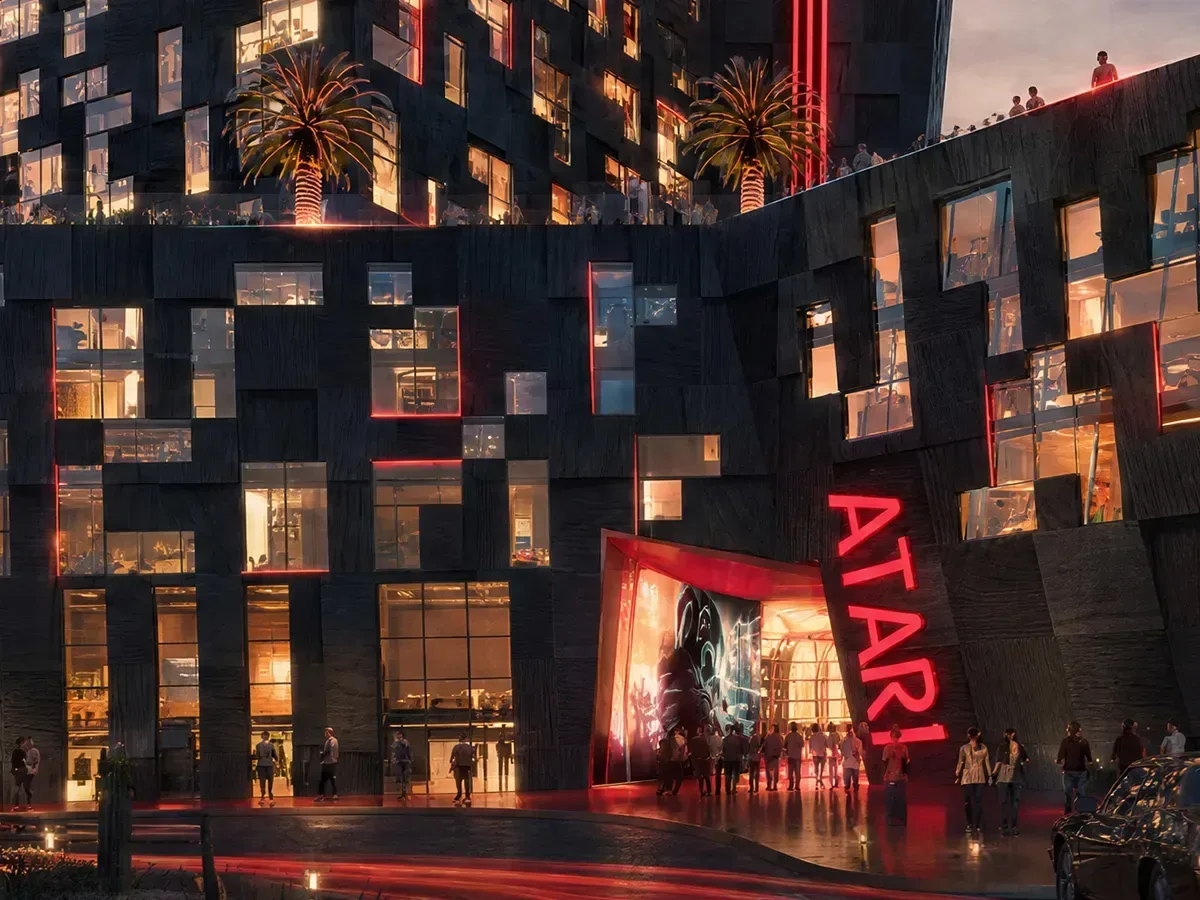
There is a bigger industry backdrop as well. Gaming hardware does not exist separately from the wider technology supply chain, and companies across that chain are building and investing for changing computing demand. Even projects outside console manufacturing illustrate the continuing scale of games-business infrastructure, such as the planned esports venue attached to the Atari Hotel project in Phoenix. For Xbox, though, the immediate concern is much less glamorous: ensuring enough components and finished machines reach players.
Grand Theft Auto 6 raises the stakes for Holiday 2026
The planned 2026 holiday push is especially consequential because it is tied to the launch window for Grand Theft Auto 6. Major releases can motivate buyers who have delayed a hardware purchase, revive attention around a platform, and create a burst of demand that is difficult to satisfy if stock is uneven. In that environment, a console sitting unused in one household has renewed value to a platform holder if it can be returned to active circulation elsewhere.
That does not mean refurbishment is being positioned as a replacement for new manufacturing. Sharma’s comments describe it as one avenue for getting more consoles into players’ hands. But the timing shows why Xbox is emphasizing every available route. A major game launch is more useful to a hardware ecosystem when prospective players can actually obtain compatible hardware in their market.
For consumers, the near-term implication is simple: people planning to buy an Xbox around the holiday period may want to monitor both new and refurbished options, while recognizing that the choices may differ from one region to the next. Buyers should not assume that visible online inventory in another country reflects local supply, nor assume that a refurbished program guarantees availability in every store.
Next-generation Xbox questions are already looming
Xbox’s supply challenge also extends beyond the present generation. Devices associated with the reported Project Helix initiative are said to be targeting around holiday 2028. That timetable remains reported rather than confirmed, and the available information does not establish final hardware specifications, launch plans, or pricing.
What is clear is the question facing Xbox: can it avoid repeating the supply difficulties that have weighed on the Xbox Series X/S trajectory, particularly if memory-market pressure continues? The second question is price. One recent report projected that a next-generation Xbox console could cost between $1,200 and $1,800 if Microsoft chose not to subsidize the hardware as generously as it has during previous hardware launches.
Hardware subsidization means selling a device at a price that does not fully reflect its cost, with the expectation that later sales of software, services, or other platform activity help make up the difference. It is a familiar way to make a console more attainable at launch. Choosing less subsidy could reduce the manufacturer’s upfront burden, but it could also produce a much higher price for buyers. The $1,200-to-$1,800 figure is a projection, not an announced Xbox price, and should be treated accordingly.
For now, Xbox’s concrete focus is the console generation already on shelves: find more systems, bring unused units back into circulation, and make sure players can access hardware ahead of a critical holiday release period. The claim that demand exceeds supply is open to different interpretations depending on the market, but the refurbishment push signals that Xbox sees active installed hardware—not merely newly manufactured units—as a key part of its answer.