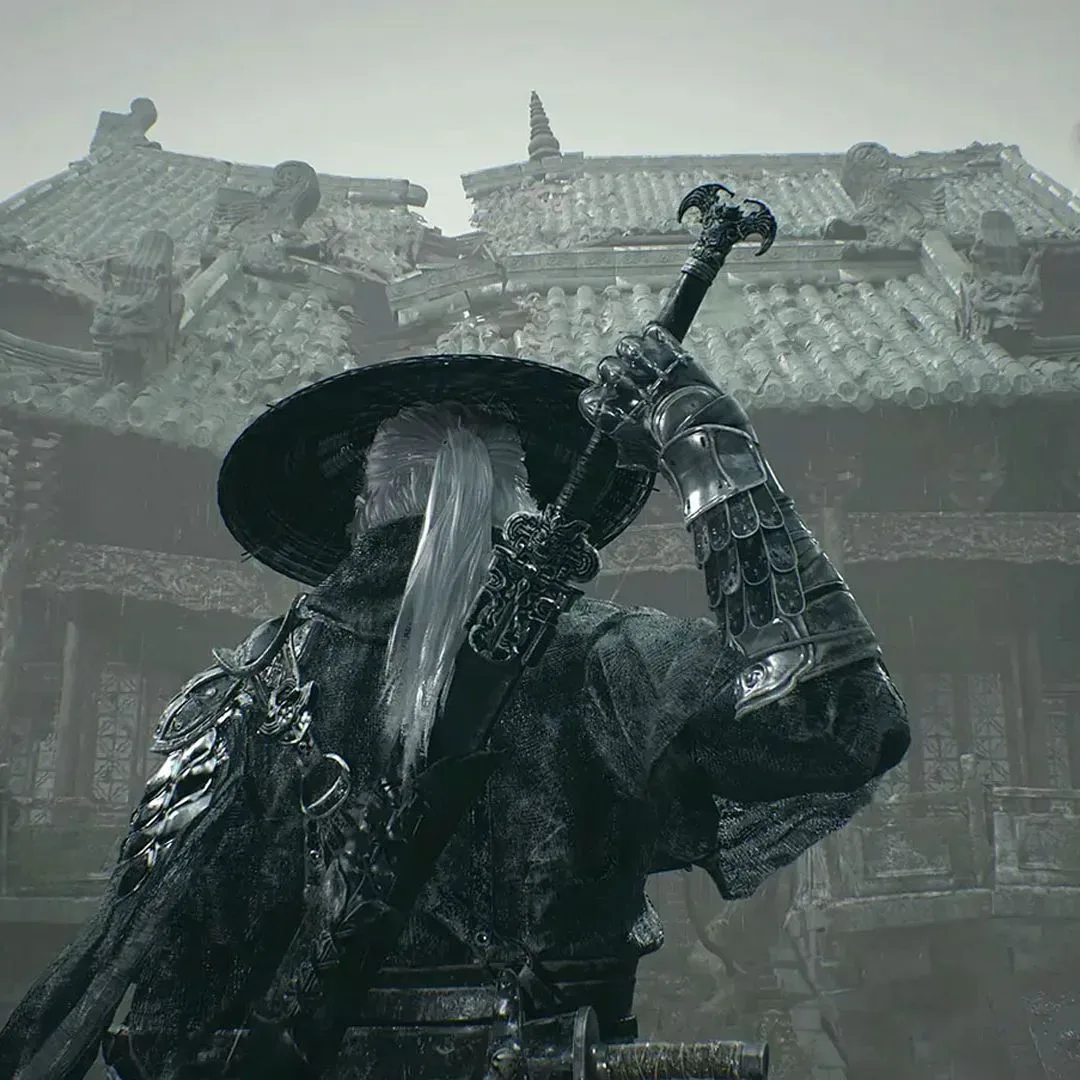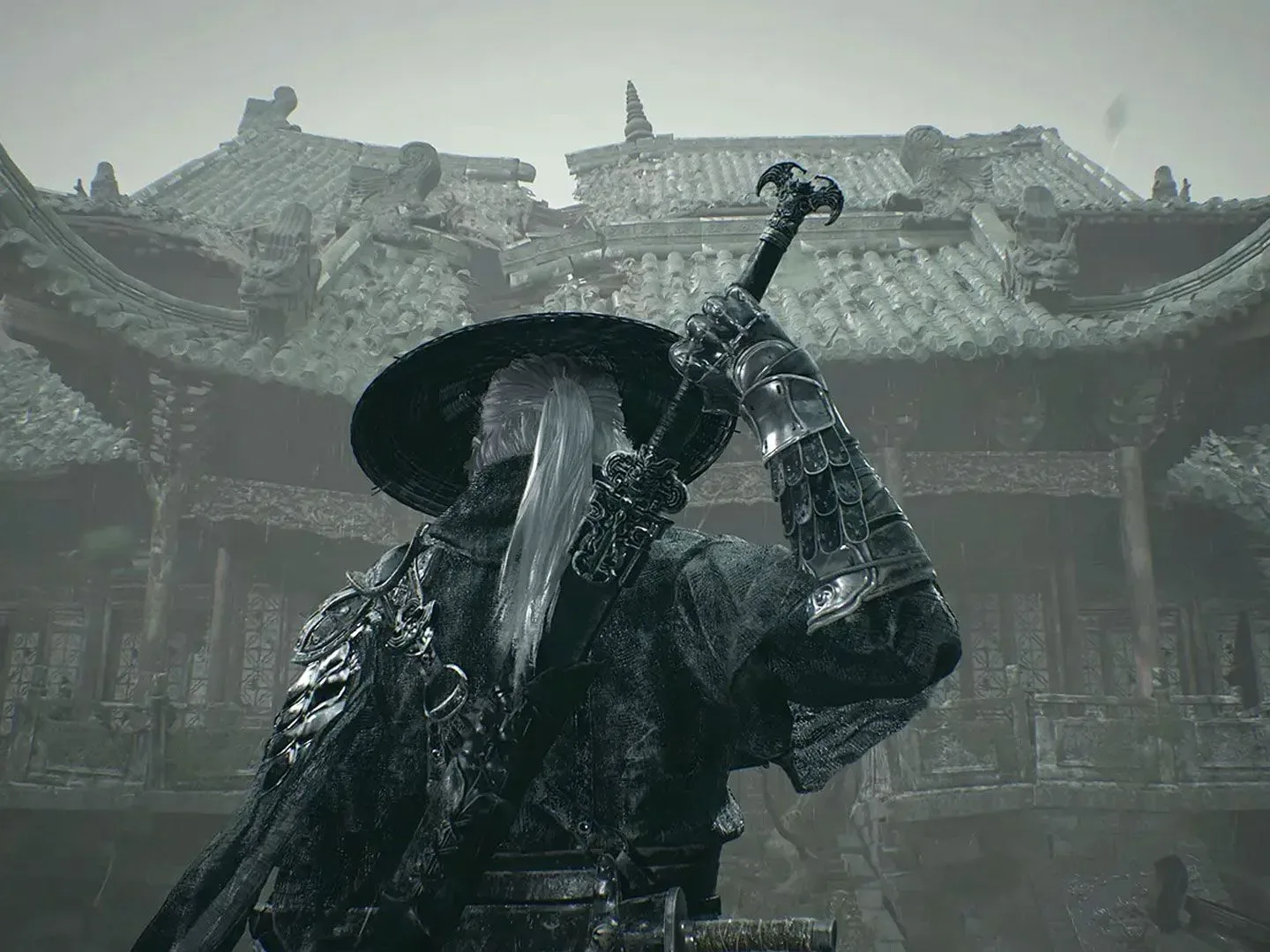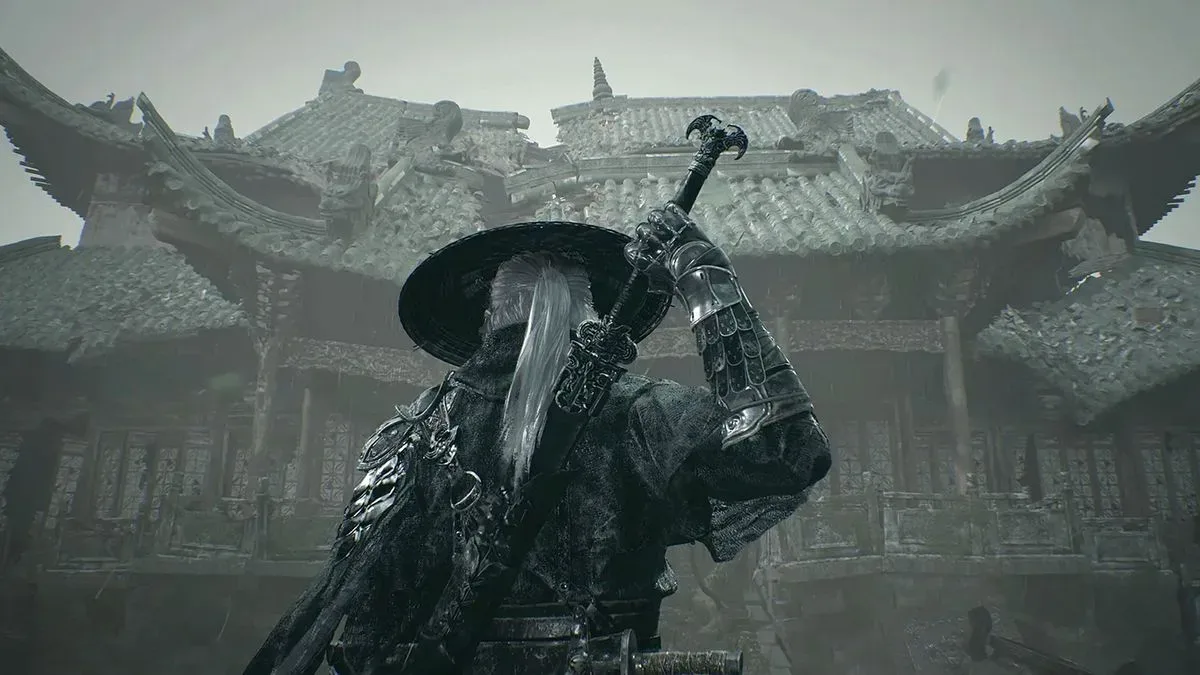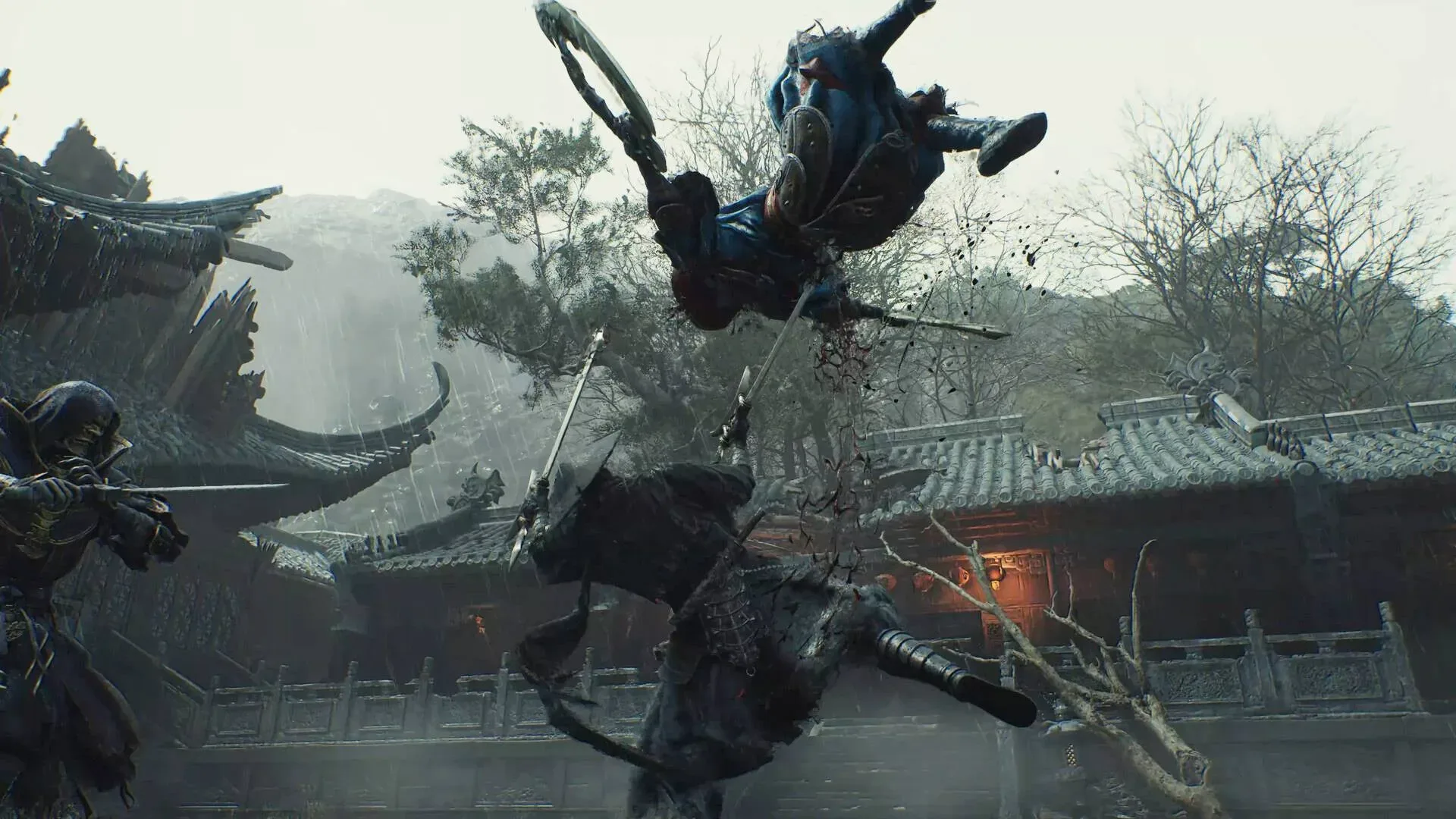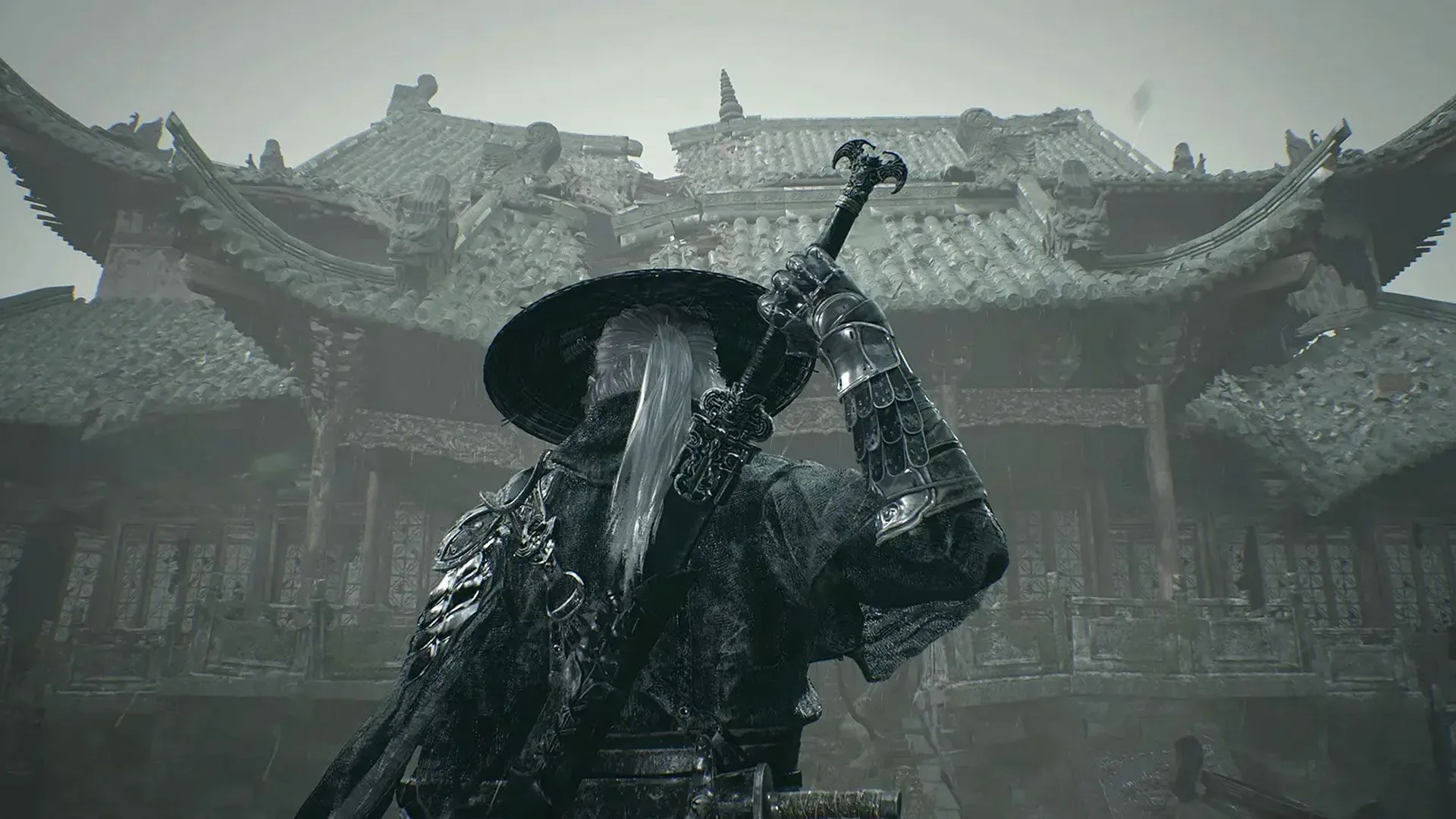
Phantom Blade Zero has joined an exceptionally busy 2026 release calendar with review averages that place it firmly in the year’s action-game conversation. The wuxia action RPG currently holds an 88 on Metacritic and a 91 on OpenCritic, two figures that are close enough to tell the same broad story: critics have responded very positively, especially to the game’s combat.
Those totals also put Phantom Blade Zero ahead of two high-profile sword-fighting contemporaries on Metacritic. Nioh 3 sits at 86, while Onimusha: Way of the Sword is at 85. That does not settle any subjective argument over which combat system players will enjoy most, but it does give Phantom Blade Zero an early statistical edge in a notably crowded field.
The practical takeaway is straightforward for anyone managing an overloaded backlog: Phantom Blade Zero has enough broad critical support to deserve attention, even amid a year already packed with major releases. The more important caveat is just as straightforward: aggregate scores are a useful starting point, not a substitute for matching a game’s particular strengths to a player’s tastes.
What the scoreboards currently say
Metacritic lists Phantom Blade Zero at 88, placing it at number 21 on its overall 2026 chart at the time of reporting. That raw placement needs context. The list includes releases such as Switch 2 versions of Elden Ring, Final Fantasy 7 Remake, and the Resident Evil remake trilogy, along with downloadable content. If the focus is narrowed to new releases rather than ports and DLC, its standing is closer to 13th.
That distinction matters because a yearly all-games chart can answer several different questions at once. A port can be an excellent release in its own right, but its place on a list does not mean it is directly comparable to a brand-new game in terms of what it adds to the year’s release slate. DLC raises a similar issue: it may be celebrated by reviewers while serving a different audience from a self-contained new game.
On OpenCritic, Phantom Blade Zero’s 91 puts it level with Forza Horizon 6 and Mina the Hollower as the second-highest-rated game of 2026 so far. The only game ahead of that group is the Trails in the Sky 2nd Chapter remake.
Neither 88 nor 91 should be treated as a permanent final number. Review aggregates can move as more reviews are added. They also use different sets of publications and different calculation methods, so a three-point gap between services does not necessarily signal a meaningful disagreement. What is meaningful here is the overlap: both services place the game in a highly rated range, rather than producing one strong result and one middling one.
How to read an aggregate without letting it play the game for you
An aggregate score is an average or weighted summary of individual critical assessments. It is useful for identifying a consensus, particularly when the individual reviews point toward a common strength. It is less useful for determining whether a specific player will love the game. Two people can agree that a game is polished and well-made, then reach entirely different conclusions about whether its combat rhythm, difficulty, pacing, or style works for them.
Related coverage includes Phantom Blade Zero Review Scores Put It Among 2026's Best Action Games.
That is especially relevant with an action RPG. “Action” indicates that immediate, real-time play is central to the experience, while “RPG” signals the broader genre label attached to the game. Those labels cover a wide range of design choices. A player looking for elaborate buildcraft, a player seeking tightly choreographed duels, and a player who mainly wants an approachable adventure may all be interested in the same game for different reasons.
The available review reaction provides one clearer signal: fights are being singled out as a major positive. One four-and-a-half-star assessment described the combat as great-feeling and smooth-flowing, and characterized Phantom Blade Zero as one of the year’s best action-adventures. Several other assessments awarded full marks, while Metacritic classified only two reviews as “Mixed.”
“Mixed” is a classification label rather than a complete explanation of a review’s reasoning. It should not be read as proof that those critics disliked the game, just as a perfect score does not guarantee every player will find it perfect. Still, a small number of mixed notices alongside multiple maximum-score reviews helps describe the present critical shape: an overwhelmingly favorable reception with some dissent, not unanimous acclaim.
Why the Nioh and Onimusha comparison is useful—and limited
Comparisons with Nioh 3 and Onimusha: Way of the Sword are inevitable because all three are prominent games associated with sword-driven action. At the level of scores, the comparison is simple. Phantom Blade Zero’s 88 exceeds Nioh 3’s 86 and Onimusha’s 85 on Metacritic.
But “ahead” should be understood narrowly. It means one aggregate currently has a higher numerical average. It does not mean Phantom Blade Zero has objectively replaced either game for every audience, nor does it tell readers which one has the visual style, mechanical emphasis, or overall structure they will prefer. Score gaps of two or three points can reflect modest differences spread across many reviews, rather than a decisive gulf in quality.
The comparison is still valuable because it establishes the level of competition. This is not Phantom Blade Zero earning favorable notices in an empty corner of the release calendar. It is doing so while other major releases have arrived in close proximity, including Onimusha: Way of the Sword, Fire Emblem: Fortune’s Weave, Ace Combat 8: Wings of Theve, and Star Wars: Galactic Racer.
For action-game fans, that abundance is both welcome and inconvenient. A strong release can easily become a “play later” game when several anticipated titles land within weeks of one another. Good review averages help with triage: they suggest which games are worth researching first. They cannot solve the more personal decision of what deserves an immediate spot at the top of a queue.
Combat is the early headline
The strongest recurring point in the available critical response is not a broad claim that Phantom Blade Zero succeeds at everything. It is combat. The positive description of fights feeling good and flowing smoothly points to something action games must get right at a foundational level: the moment-to-moment exchange between player input and on-screen response.
In practical terms, “flow” is often the word used when combat actions connect in a way that feels coherent rather than awkward or interrupted. It can refer to the transition from one move to another, the readability of a fight, the sense that players can respond to pressure, or simply the rhythm created by a game’s animation and controls. The reviews summarized here do not establish exactly which of those elements are responsible, so it would be overreach to claim details about its systems. They do establish that the overall sensation of fighting has been received well.
That is an important distinction. Many discussion points around scorecards quickly drift into claims about specific mechanics, bosses, weapons, performance, length, or platform differences. None of those conclusions follow from an 88 or a 91 alone. Players considering Phantom Blade Zero should treat the current consensus as evidence that its action is a particular draw, then seek reviews that discuss the elements they personally value before committing their limited time.
The timing also matters. With 2026 already featuring games including Mewgenics, Resident Evil Requiem, Pragmata, and Pokemon Pokopia, high marks must compete for attention rather than merely announce quality. The action-game pipeline remains busy beyond this one launch too; for a separate look at the development side of the genre, see Microsoft’s extended Arkane Lyon consultation as it seeks a Blade development partner.
A strong signal for the backlog, not a verdict
Phantom Blade Zero’s opening critical profile is hard to dismiss. An 88 Metacritic score, a 91 OpenCritic score, few mixed reviews, and repeated praise for its combat make a compelling case that it belongs among 2026’s best-received action games to date. It is also, by the current Metacritic figures, ahead of Nioh 3 and Onimusha: Way of the Sword.
The sensible interpretation is neither “the numbers have crowned an unquestioned champion” nor “scores are useless.” The numbers indicate unusually broad approval during an intensely competitive release period. For players who want smooth, well-regarded action to rise above the backlog noise, Phantom Blade Zero has made a very persuasive opening move.