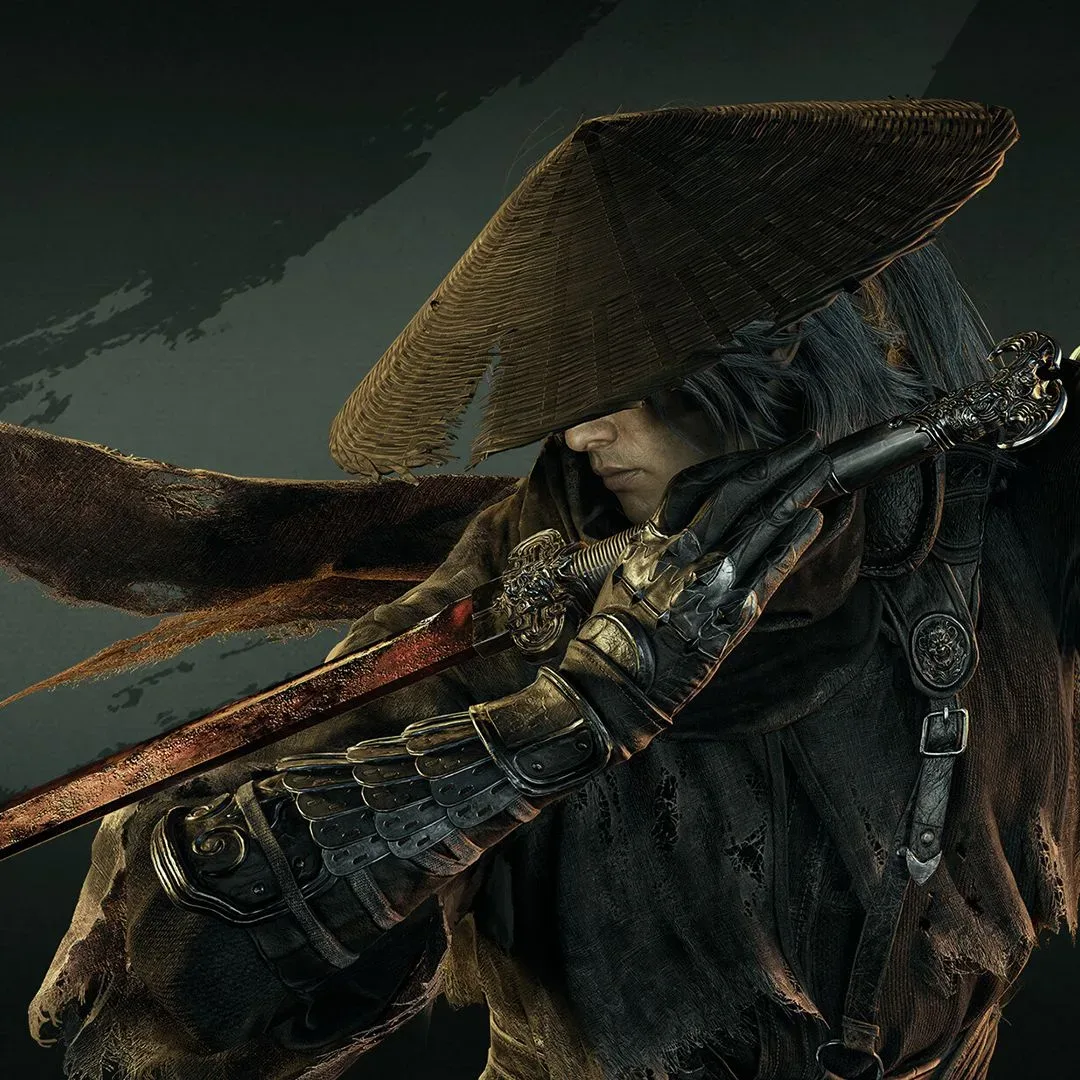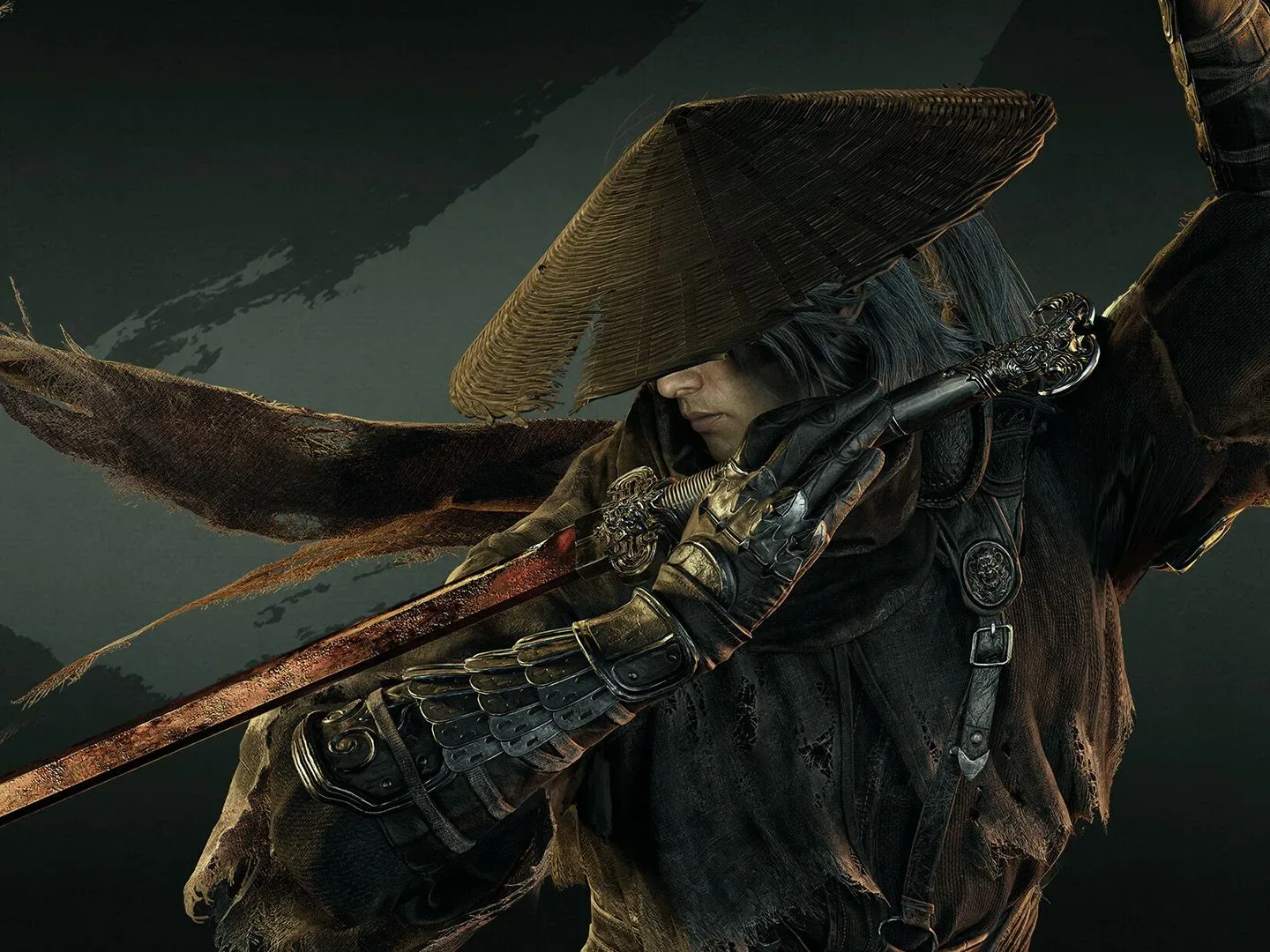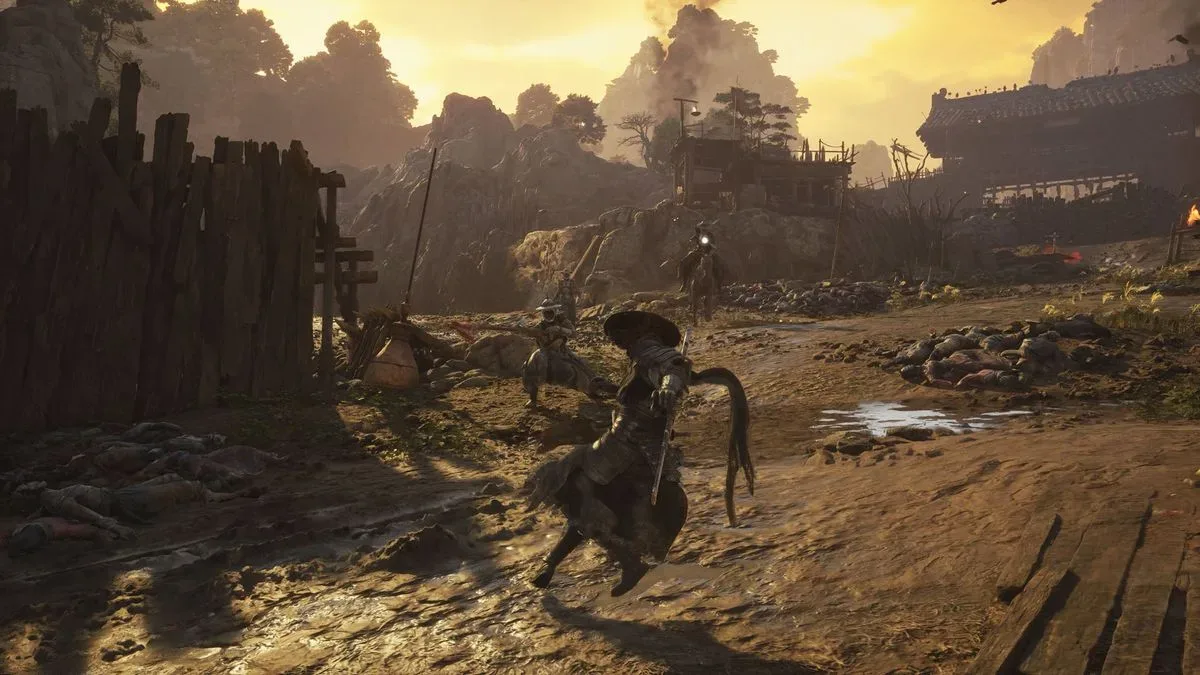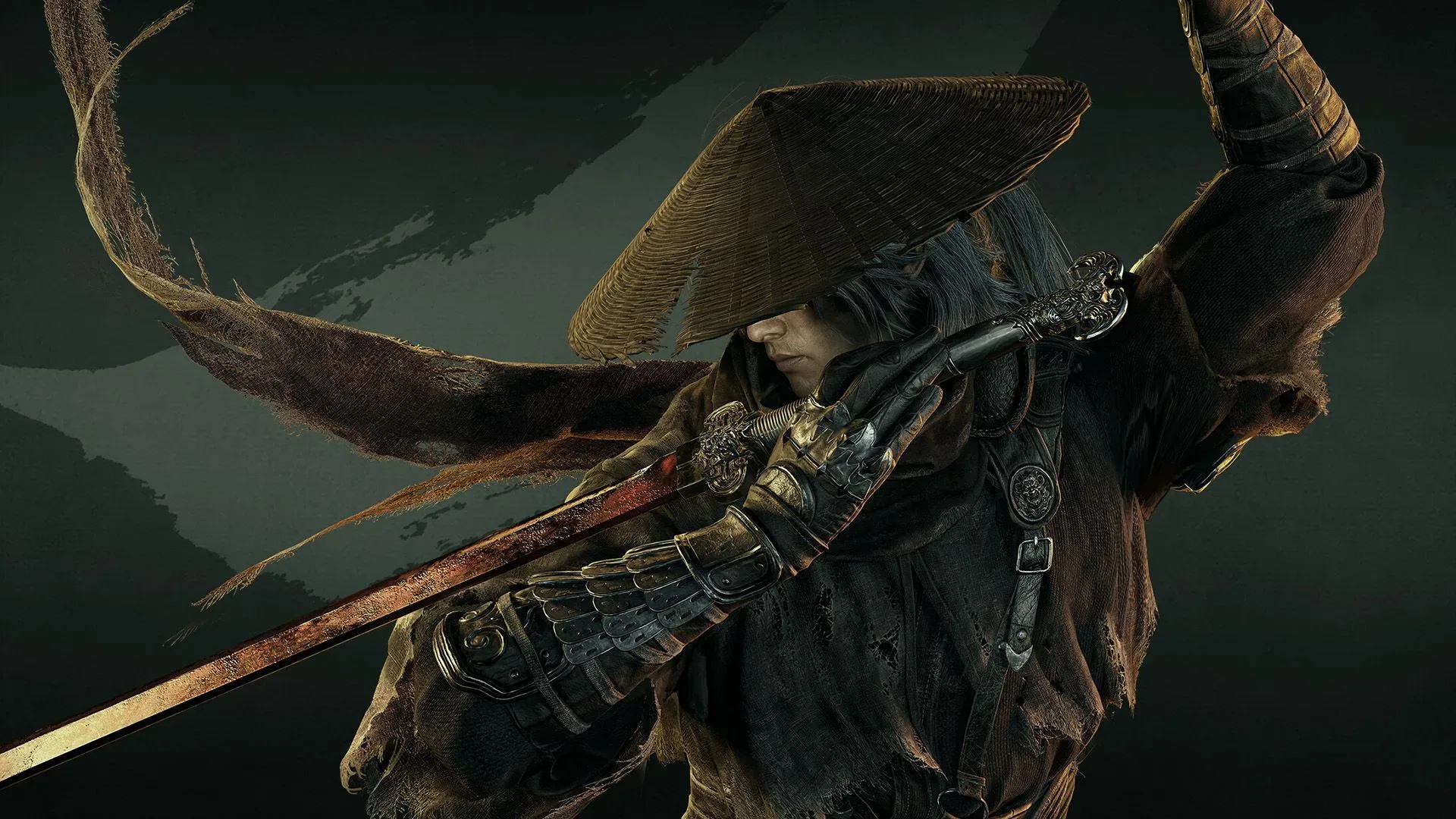
Phantom Blade Zero is shaping up as an action-RPG that knows exactly what players will compare it to, then sidesteps the most exhausting parts of that comparison. An early hands-on session presents a game with rest bells, weighty bosses, precise defensive timing and dangerous routes through hostile spaces—familiar ingredients for Soulslike fans. Yet its early normal-difficulty balance appears notably more accommodating, while its wuxia-inspired movement and weapon choreography give its fights a distinct rhythm.
Scheduled for PC and PlayStation 5 on October 29, 2026, the S-Game title follows protagonist Soul through a horror-tinged world where red thread blocks certain paths and an ethereal strand points toward the next major destination. The available slice does not establish the full scope of the game, but it does offer a useful look at its priorities: mobility, expressive weapon use, vertical environments and bosses that change expectations when a fight seems settled.
Soulslike structure, but not constant punishment
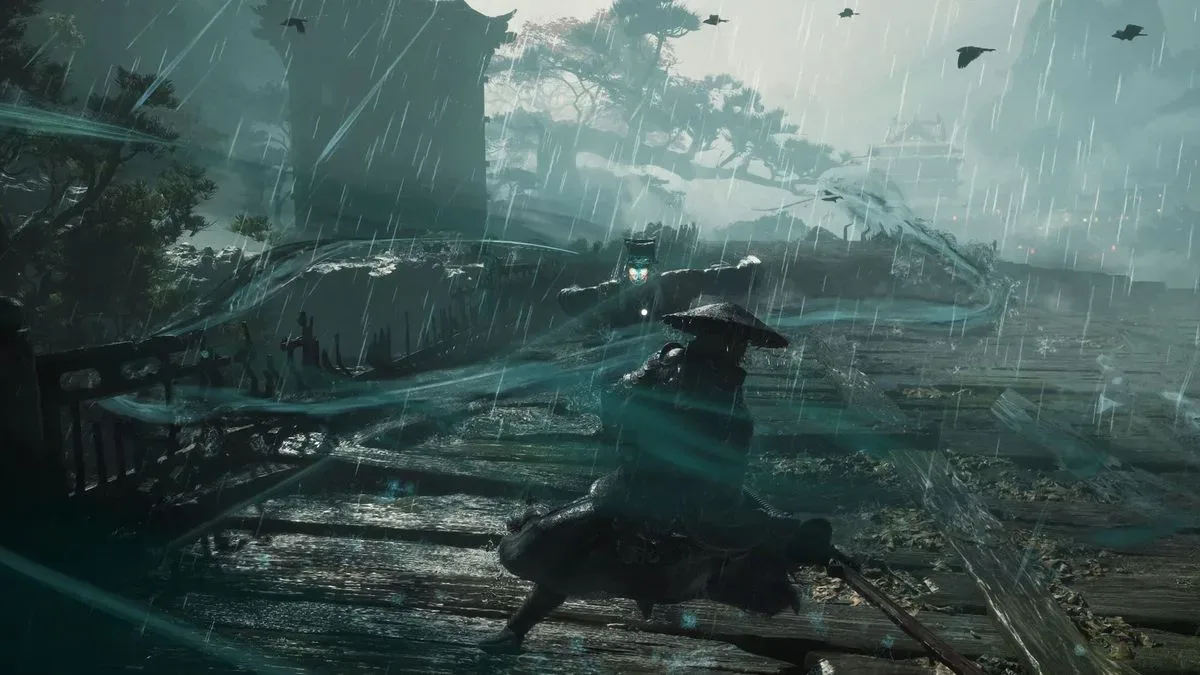
“Soulslike” is a broad player shorthand rather than a rigid genre label. It commonly suggests deliberate close-range combat, substantial danger from enemies, restorative checkpoints, boss encounters and a cost for careless play. Phantom Blade Zero appears to use some of that structure. Bells function in a familiar checkpoint role, supporting rest and fast travel, while enemy encounters reward well-timed dodges, parries and counterattacks.
The key distinction in this early material is the stated level of forgiveness. On normal difficulty, Soul can withstand several hits before healing becomes urgent, and the window for a parry is relatively generous. A parry window is the brief period in which a defensive input can successfully deflect or neutralize an incoming strike. A longer window gives players more room to read an animation and react; a shorter one places a greater demand on timing and familiarity with the opponent’s attack pattern.
That does not make the combat thoughtless. Larger enemies can still punish an overconfident approach, and a hulking humanoid wielding a rusty greatsword requires the player to evade or parry forceful swings before attacking through openings. The practical implication is promising: the game seems interested in teaching players to participate in its swordplay rather than filtering them out through immediate, repeated failure.
There is an important caveat. This impression is drawn from an early portion of the game and specifically from normal difficulty. It should not be treated as a guarantee of the final game’s difficulty curve, late-game encounters or other settings. Still, the opening’s balance suggests that “rewarding” may matter more to Phantom Blade Zero than simply being punishing.
Wuxia is more than a visual label here
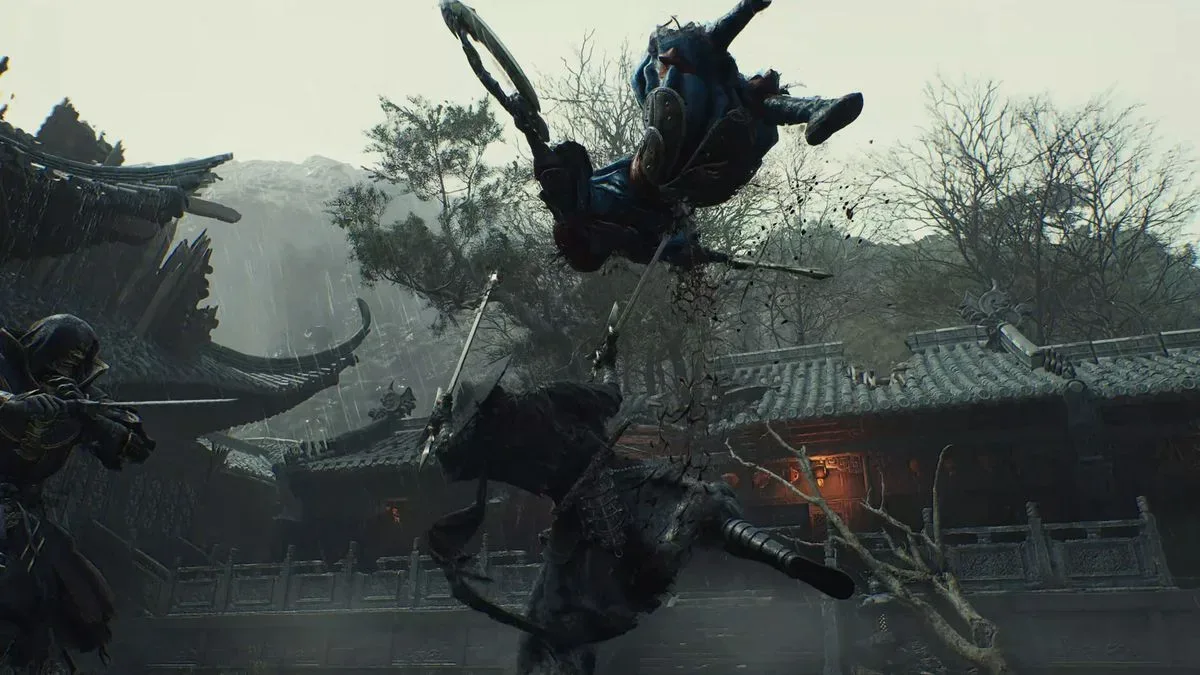
The game’s wuxia influence is immediately evident in the way characters move and fight. Wuxia is a Chinese storytelling tradition centered on martial heroes, often featuring extraordinary agility, heightened combat technique and stylized feats that stretch beyond ordinary physical realism. In Phantom Blade Zero, that influence shows up in rooftop leaps, evasive twists, wall-running and emphatic finishing moves.
That matters because the movement does not appear to sit separately from combat. The initial area sends Soul upward through a ravine via winding paths, chains, ladders and wall-running routes. Rather than presenting verticality as scenery alone, the demo uses it to shape navigation and encounters. Archers, monsters and elevated structures turn traversal into part of the pressure of moving forward.
Related coverage includes Phantom Blade Zero Preview: Wuxia Combat Gives This Action RPG Its Own Rhythm.
Vertical level design can make a compact area feel larger without requiring it to be a single uninterrupted open world. It also gives designers more opportunities to place threats above, below and across from the player, while offering alternate lines of approach and hiding spaces for upgrade materials. The early section reportedly encourages checking corners and crevices for items that improve gear, reinforcing an RPG loop built around exploration as well as combat.
After an opening fight aboard a horse-drawn carriage, Soul works through the ravine and reaches a village populated by friendly non-player characters. The transition from treacherous ascent to inhabited settlement hints at an environment with room for quieter spaces between battles. Beyond that, the evidence remains limited: the full scale, progression structure and variety of future regions have not been established by this demo alone.
Red thread points forward, while barriers hold paths back
Red thread is a recurring visual and mechanical motif in the demo. Physical walls of it block progress in some places, while an ethereal version guides Soul toward the next point of interest, frequently a boss. It is a straightforward navigational device, but one with potential thematic weight given how consistently it appears across the early route.
For players, such a guide can solve a common tension in exploration-heavy action games. The critical route remains legible, but the level can still invite detours, vertical investigation and resource hunting. Whether the red thread evolves into a more complex system—or stays a clear directional marker—is unknown. What is clear is that it helps tie progression to the demo’s central visual language rather than relying solely on menus or intrusive markers.
The first major combat discovery comes when Phantom Edge, initially used to destroy progression-blocking barriers, becomes a potent attack tool. Triggered with R2, it delivers a dramatic axe swing capable of dealing substantial damage. This is an especially effective way to introduce an ability: first establish its utility in the environment, then reveal why it belongs in the player’s offensive arsenal.
Phantom Edge seems designed to sit alongside standard weapon attacks instead of replacing them. The exact rules governing its use, including any resource costs, cooldowns, upgrades or broader move set, have not been detailed. But the boss encounter demonstrates a basic combat principle that can make action systems satisfying: equipment is more memorable when it changes decision-making in both exploration and battle.
Weapons and styles could be the game’s biggest strength
The demo points to multiple weapons and fighting styles as Soul progresses. The examples offered are agile dual daggers and a large blade wielded with a slower, more rhythmic feel. That contrast suggests a system built around player expression rather than a single mandatory combat tempo.
Weapon variety is not automatically meaningful; it needs movesets, speed, range and risk profiles that genuinely alter how players approach threats. The preview’s description indicates that Phantom Blade Zero understands this distinction at least at a conceptual level. Dual daggers favor aggression and speed, while the heavy weapon evokes composure and cadence. If the finished game supports those identities across regular encounters and bosses, players may find a style that matches their preferred pace rather than merely chasing the statistically strongest option.
The emphasis on clear animations is equally significant. Wuxia-inspired combat can be visually extravagant, but spectacle only helps gameplay when it communicates motion, spacing and danger. The reported fights pair stylish leaps and finishers with readable opportunities to dodge, parry and answer attacks. That combination is worth watching as the game nears release.
There is a useful contrast with the design concerns discussed in Street Fighter 6’s reset around keeping the series vital: combat games can pursue accessibility without abandoning depth. Phantom Blade Zero is not a fighting game, and its systems should not be treated as directly comparable, but its reportedly forgiving early parry timing follows a related idea. Welcoming players into a system can be a route to more engagement, not necessarily less challenge.
A boss that turns the arena into the threat
The preview’s standout obstacle is Flame, the Mask-Bound Lion Dance Grandmaster. Initially presented as a huge flame-wielding creature, Flame invites close-range exchanges of dodges, parries and combo retaliation. As the fight progresses, attacks ignite portions of the arena, constraining movement and changing which areas remain safe.
This is a familiar but powerful form of boss escalation. The enemy’s attack pattern is only part of the challenge; the arena increasingly becomes an active hazard. When safe footing disappears, spacing changes. A player cannot simply wait at a comfortable distance for one favored opening, because the environment itself demands relocation and forces faster decisions.
The fight then has a second phase. Following what appears to be Flame’s defeat, a faster humanoid opponent enters while still wearing the lion head. The change turns the encounter from a battle against a massive beast-like presence into a quicker martial-arts exchange. It is a smart contrast on paper: the player must shift from reading large, powerful attacks to handling a more agile combatant.
The boss was not beaten within the time available, which is itself a helpful reminder of the limits of a timed preview. There is no final judgment here on the encounter’s balance, its rewards or its place in the larger game. But the phase transition demonstrates a willingness to make boss identity do more than rest on appearance. Flame changes the practical language of the fight.
What to take from the early demo
Phantom Blade Zero currently looks most compelling not because it rejects familiar action-RPG ideas, but because it rearranges them around its own martial-arts sensibility. Bells, upgrade materials, formidable enemies and multi-stage bosses will all be recognizable to players steeped in Soulslike games. The early evidence suggests that those elements are being paired with generous initial defensive timing, fluid vertical travel and combat styles intended to look and feel sharply different from one another.
The unanswered questions are considerable. This sample does not confirm the scale of the complete world, the depth of upgrades, the breadth of weapons, the durability of its difficulty design or how later bosses build on Flame’s escalation. Nevertheless, the slice establishes a coherent identity. Its red threads lead through a world of ravines, villages, castle climbs and grotesque adversaries, but the most promising thread is the one connecting stylish wuxia movement to approachable, deliberate swordplay.
For now, PC and PS5 players have a clear release target: October 29, 2026. If the full game can sustain the demo’s mix of readable defense, kinetic traversal and varied boss concepts, Phantom Blade Zero may offer an action-RPG alternative for players who want demanding fights without a design that mistakes frustration for depth.