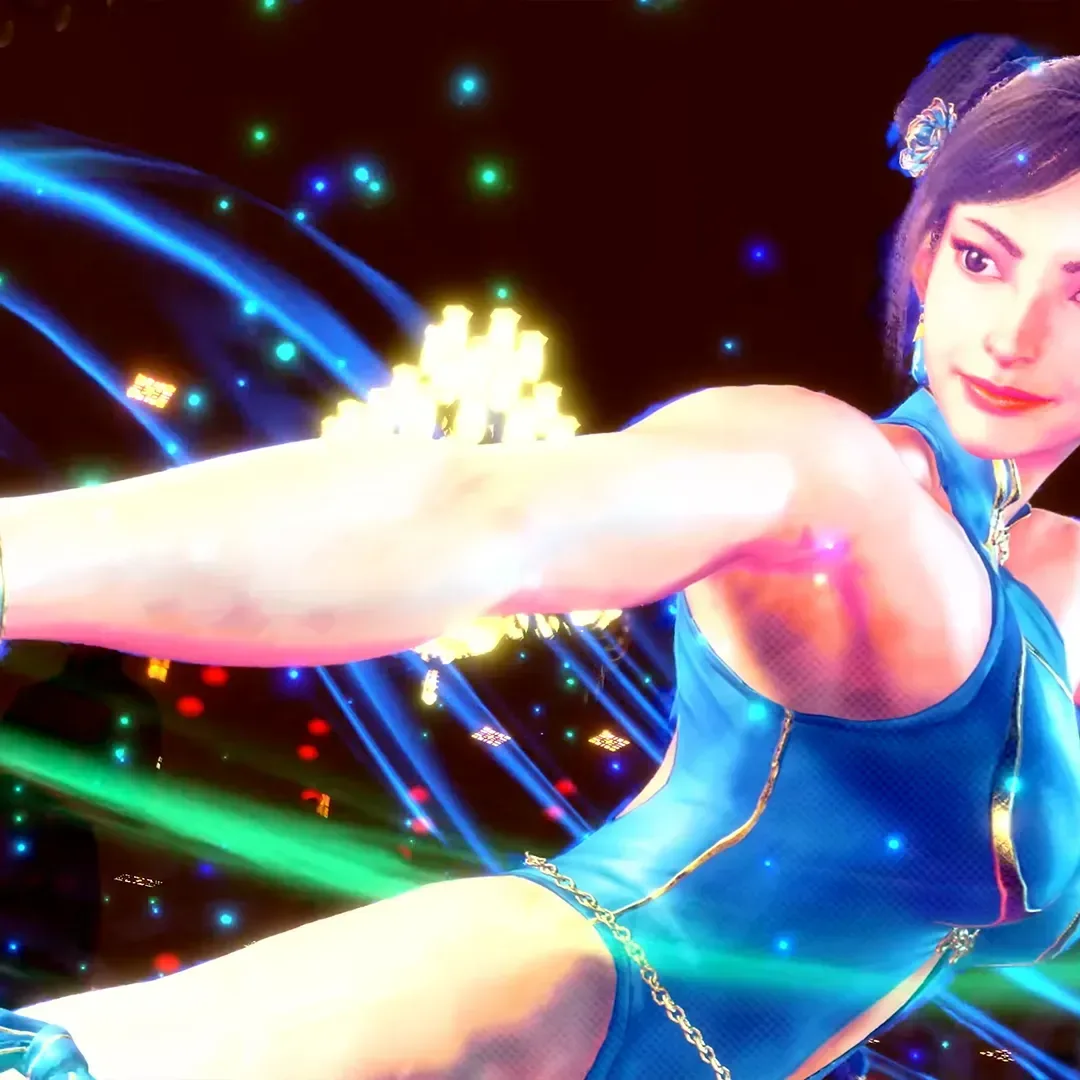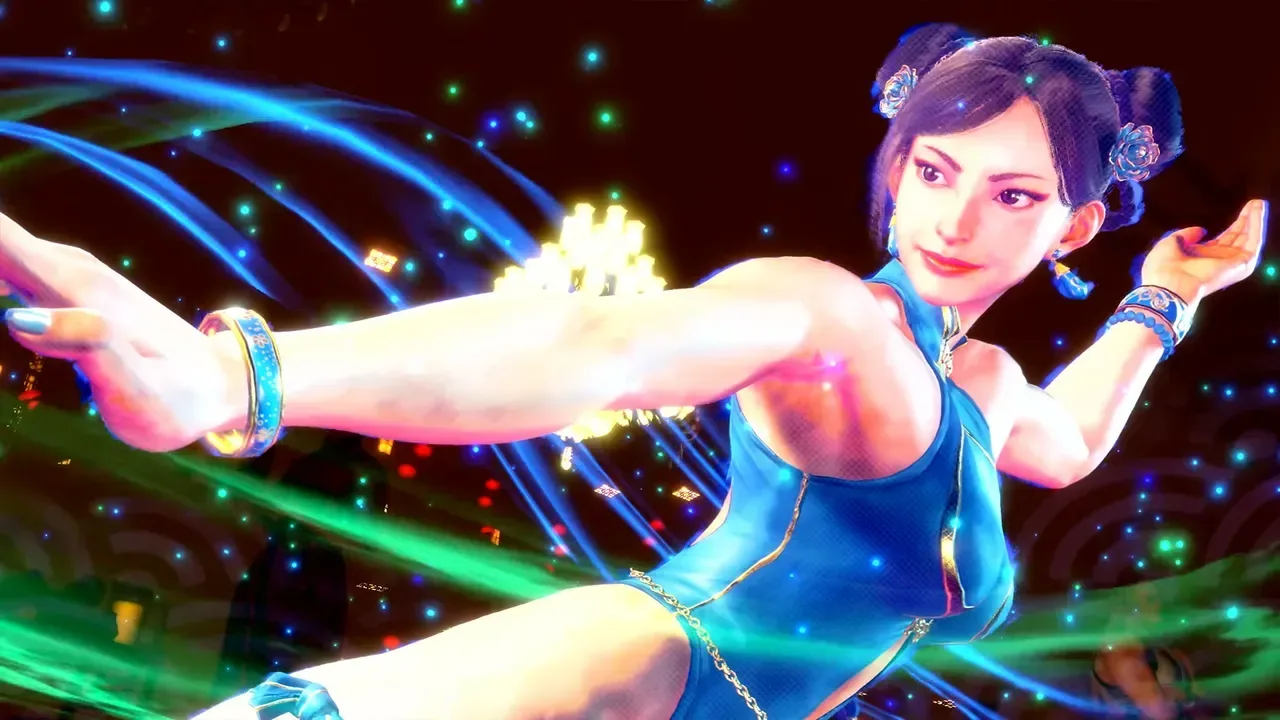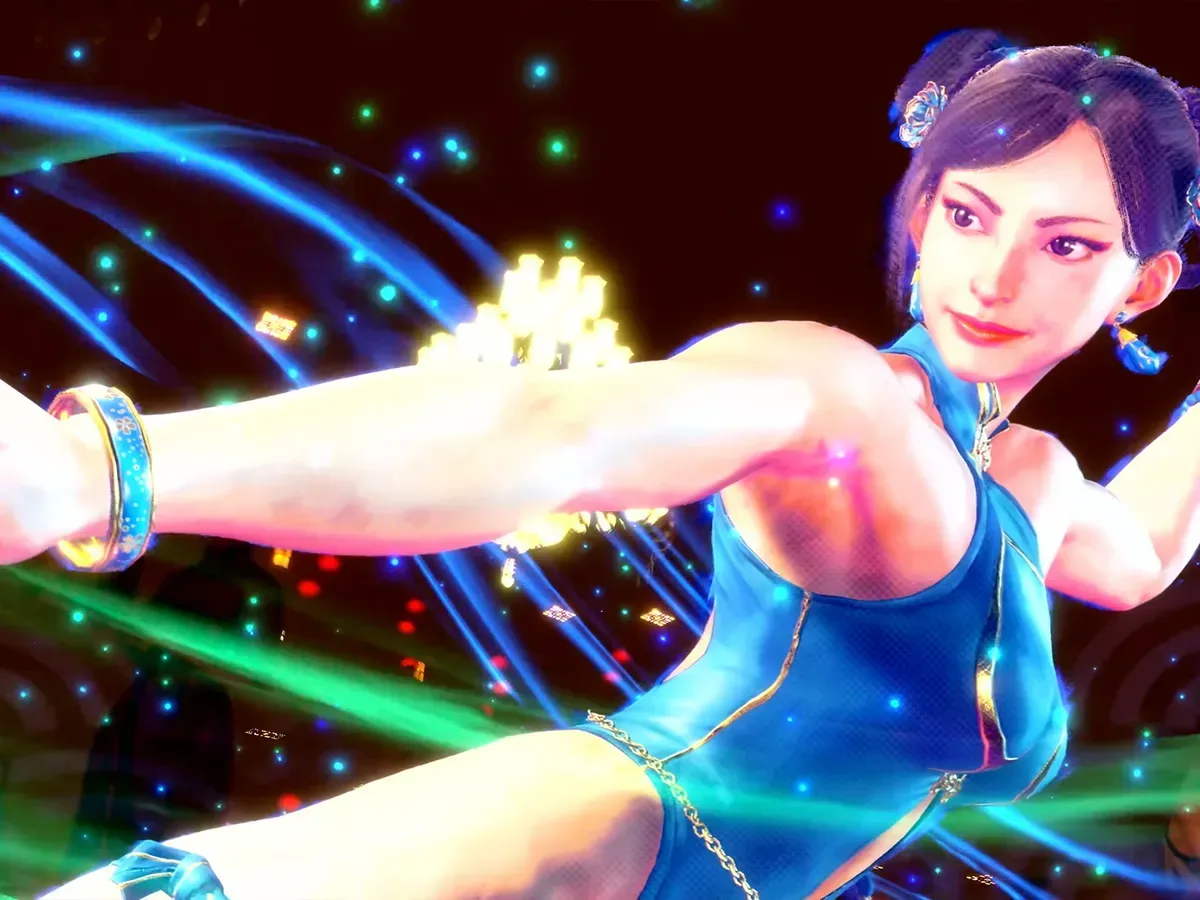
Street Fighter 6 was not simply designed as the next entry in a famous fighting-game series. Producer Shuhei Matsumoto has described it as a response to a far more fundamental problem: the possibility that Street Fighter could slowly stop mattering to the people needed to keep it alive.
Speaking about the period around Street Fighter V, Matsumoto said he and director Takayuki Nakayama concluded that leaving the series on its existing course could see the Street Fighter brand fade within roughly a decade. Their answer was not to assume that the series’ long history would automatically bring in the next generation. Instead, the team chose to approach Street Fighter 6 as though many potential players had little or no prior relationship with Street Fighter at all.
“We decided to act as if the current generation doesn’t know us,” Matsumoto said, explaining that the team needed to introduce both the characters and the act of playing the game without taking familiarity for granted.
A franchise can be recognised without being played
That distinction sits at the center of Matsumoto’s account. A long-running series can have substantial name recognition while still failing to attract active players. People may know its characters, understand that it has a competitive scene, or remember its cultural prominence, yet not actually buy, learn, or regularly play the current game.
For a game company, that gap is consequential. Recognition is useful, but it does not by itself create an active community, provide new opponents for online play, or ensure that a player base will be there for the next release. Matsumoto characterized a situation where people knew Street Fighter was around but were not participating in it as the most serious kind of danger for a game franchise.
The concern was also demographic. Matsumoto said Street Fighter V’s player base was roughly 35 to 45 years old at the time. His point was not that those players were unimportant; they were the people sustaining the series then. The issue was whether a franchise can depend on one age band indefinitely without establishing a relationship with younger players who will carry it forward.
That is a useful way to read the Street Fighter 6 strategy. The goal was not merely to recover from one disappointing release or appeal to existing fans more effectively. It was to expand the number of people for whom Street Fighter felt current, approachable, and worth playing now.
Why Street Fighter V left the team with a difficult inheritance
Street Fighter V launched in February 2016 to a troubled reception. Many players believed it arrived before it was fully ready, with notable omissions including an arcade mode and story mode. Its online experience was also widely viewed as unstable.
Related coverage includes Street Fighter 6 Team Says the Series Needed a Full Reset After Street Fighter V.
Those problems mattered beyond the individual feature list. An arcade mode and story mode offer different routes into a fighting game: one can provide repeatable solo battles, while the other can give players a reason to spend time with the cast and setting. When those entry points are absent, a game asks more of someone who is not already ready to head online or study the competitive side.
Netplay is the term commonly used for online multiplayer. In a fighting game, its reliability is especially important because matches depend on timing, immediate reactions, and confidence that both players are seeing a consistent contest. An unstable online environment can make it harder for newcomers to practice and harder for established players to treat the game as their regular competitive platform.
Matsumoto took over as Street Fighter V producer toward the end of that game’s life after Yoshinori Ono left Capcom in 2020. Along with Nakayama, he saw the issue as a threat to the whole property rather than a short-term rough patch. Their stated fear was stark: if Street Fighter remained a distant cultural reference instead of a game people actively played, its past prestige would not be enough.
The reset was an accessibility plan, not a rejection of veteran players
Calling Street Fighter 6 a reset can sound like a suggestion that a series must discard its longtime audience to grow. Matsumoto’s description points in another direction. The team wanted to stop treating accumulated familiarity as a prerequisite. That means explaining the appeal of characters, the purpose of the game’s systems, and the basics of play to people encountering Street Fighter for the first time.
It is an important difference. A veteran may arrive with years of knowledge about the cast, genre conventions, and competitive language. A newcomer may only know that Street Fighter is important, or perhaps recognise a few faces. Designing with the latter player in mind means making the first steps feel intentional rather than assuming the player will overcome confusion because of the brand’s reputation.
Matsumoto specifically identified the Modern control scheme as integral to reaching a new audience. The supplied information does not detail its precise inputs or every design rule, but its place in the strategy is clear: it was an approachable control option intended to lower the barrier to getting started.
In fighting games, controls are not a minor menu decision. They are the immediate point where curiosity becomes participation or frustration. A player who wants to try a character but feels unable to make that character do anything meaningful may leave before discovering the strategic depth that established fans value. A more approachable control path can help a player experience the rhythm of a match and begin learning from there.
That does not make accessibility synonymous with removing challenge. It means reducing unnecessary friction at the beginning. Street Fighter 6’s wider proposition was to give people more than one reason and more than one way to enter the game.
World Tour, Battle Hub and commentary broadened the front door
The team’s effort extended beyond controls. Matsumoto also pointed to World Tour, the Battle Hub, and real-time commentary from community figures including Vicious and Tasty Steve as parts of Street Fighter 6’s accessibility push.
These elements matter because they frame a fighting game as more than a sequence of ranked or casual matches. World Tour provided a mode for engaging with Street Fighter away from the immediate pressure of standard competition. That mode has since been paused for the foreseeable future, but its inclusion remains part of the original plan Matsumoto described: offer a more approachable way to encounter the world, characters, and act of play.
The Battle Hub similarly suggests that social presence was part of the design equation. For a player who sees competitive fighting games as intimidating, a communal space can make the genre feel less like a private test and more like a place where people gather around the game. Real-time commentary adds another layer of legibility, using familiar community voices to help make the action feel more like an event.
None of those features alone guarantees a thriving game. Their combined importance is that they recognize different player motivations. One person may want a guided solo experience; another may want to meet opponents; another may be drawn by the spectacle and vocabulary of the competitive scene. Street Fighter 6’s plan did not assume every prospective player would begin from the same place.
That approach also offers a practical lesson for legacy series generally. A famous name can create awareness, but awareness is not onboarding. A game still has to communicate what it is, who its characters are, and how a person can enjoy it at their own level of experience.
The measurable result: more than seven million units
The reset has produced a substantial commercial result. Street Fighter 6 had sold more than seven million lifetime units by summer 2026, placing it among Capcom’s most successful Street Fighter games. Matsumoto and Nakayama’s concern was that the series needed to be played again, not merely remembered; the sales milestone is meaningful evidence that the game reached a significantly broad audience.
The game is also described as popular in Japan and internationally, with a large player base across Steam and consoles. That multi-platform presence matters for a fighting game’s day-to-day health. The more places an active audience can be found, the greater the opportunity for the series to remain visible to players with different hardware preferences and different paths into the community.
Coverage of player activity can illustrate why sustained participation remains such a major talking point for online games; recent reporting on a Steam player-count surge for Arc Raiders likewise shows how closely audiences watch evidence that a game is being actively played. Street Fighter’s situation is different, but Matsumoto’s underlying concern is familiar: a community is not an abstract asset. It is made of people repeatedly turning up to play.
What Matsumoto’s comments clarify about Street Fighter 6
Matsumoto’s account gives a coherent explanation for why Street Fighter 6 was framed so broadly. Modern controls, a solo-oriented mode, a social hub, and live commentary were not isolated additions attached to a traditional fighter. They were parts of a stated attempt to rebuild the connection between Street Fighter and people who might otherwise regard it as an admired but distant institution.
It also clarifies that the team did not view history as a shield. Street Fighter’s reputation was valuable, but Matsumoto said the developers consciously resisted becoming overconfident about it. The series needed to introduce itself again.
That is a demanding standard for any sequel, especially one attached to an iconic name. It requires developers to respect existing players while acknowledging that cultural familiarity does not teach someone how to play, explain why a character is compelling, or make the first online session welcoming. In Street Fighter 6, the team’s answer was to build several routes into the experience and let the franchise earn new attention rather than assume it was owed.
With more than seven million units sold by summer 2026, the strategy has plainly given Street Fighter a stronger footing than the one Matsumoto feared during the Street Fighter V era. The larger takeaway is not that a legacy series should pretend its past never existed. It is that its future depends on making room for players who do not share that past.