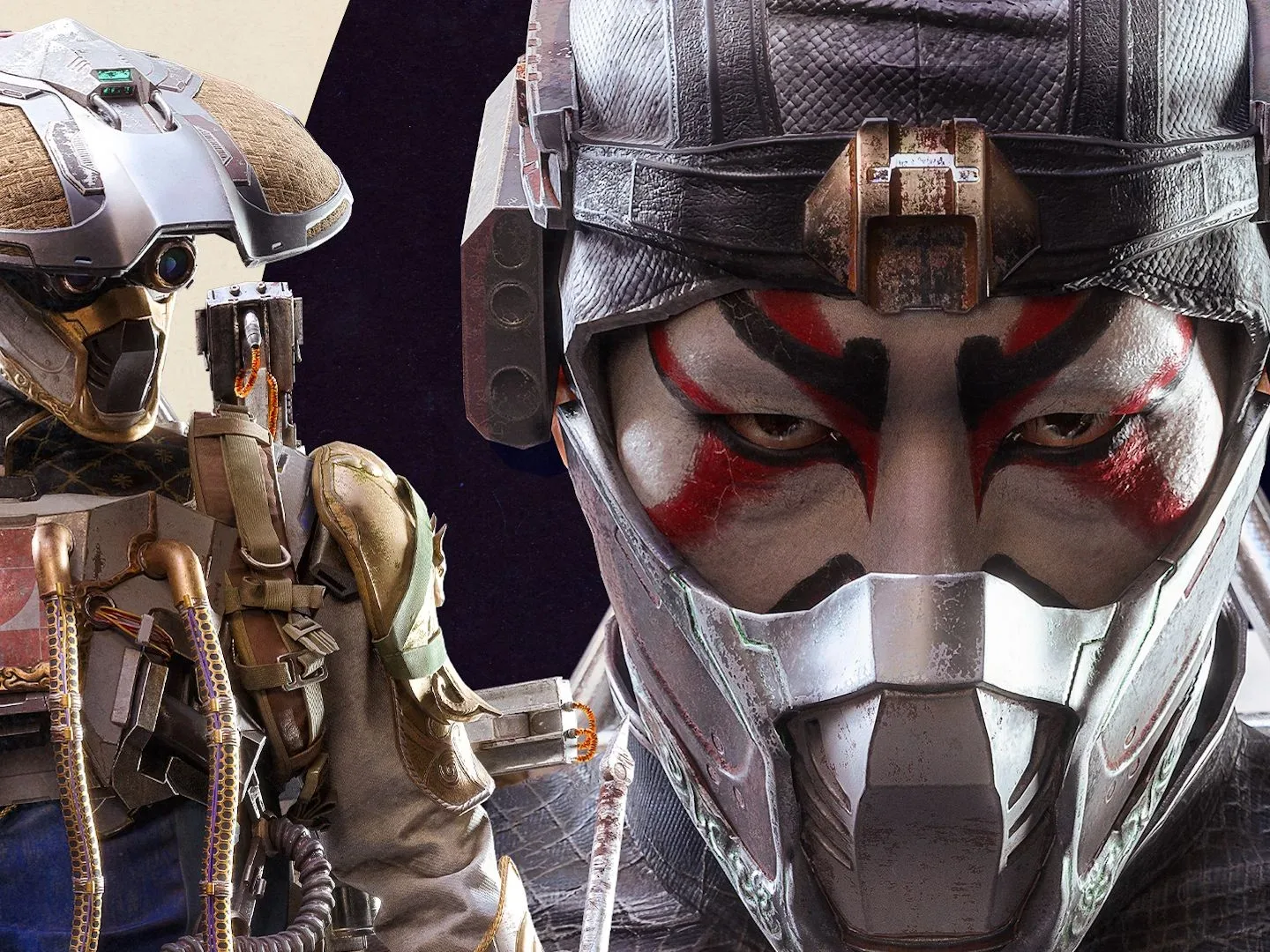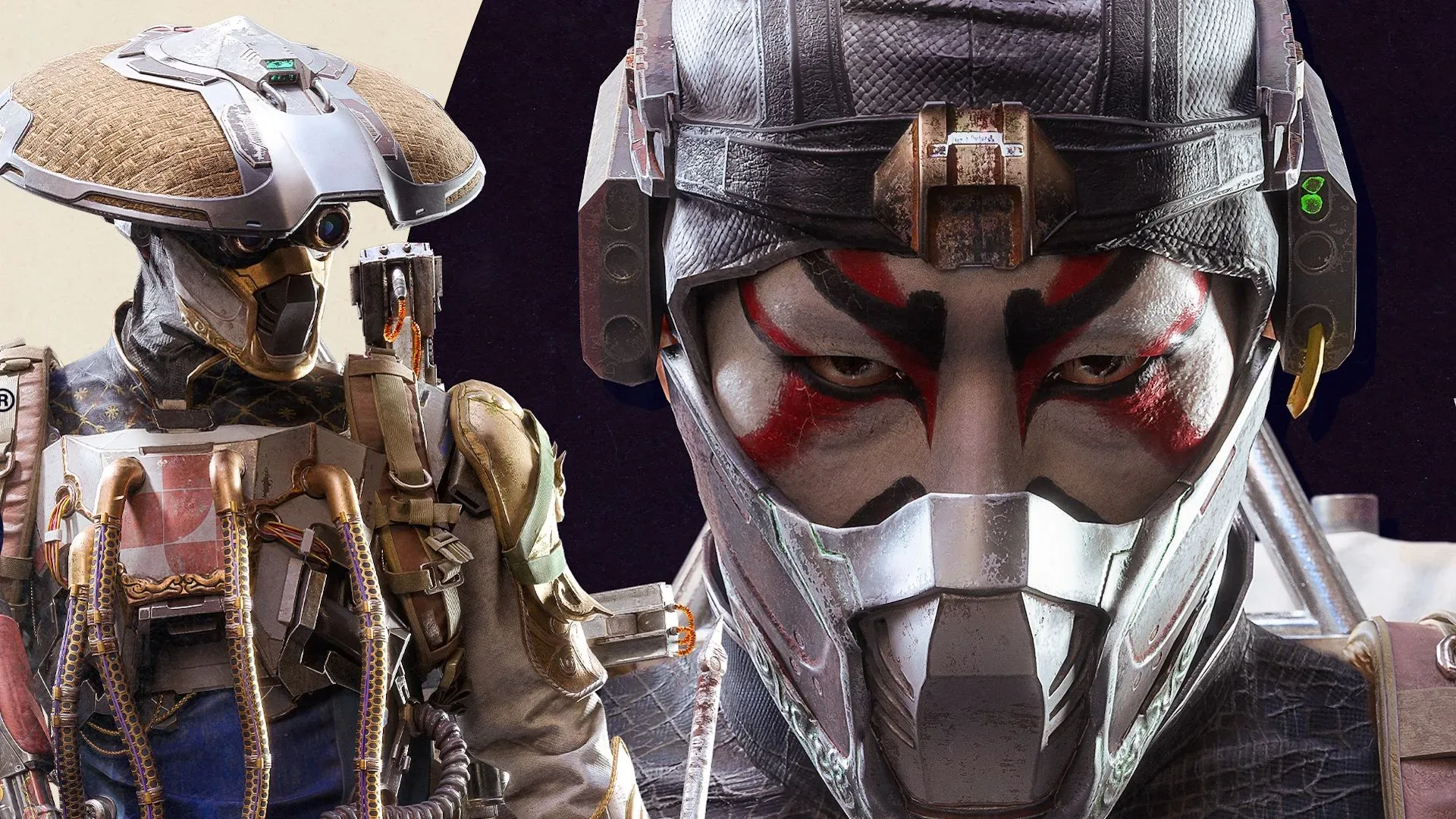
Arc Raiders has climbed back above 100,000 concurrent players on Steam for the first time since May. On October 8, its 24-hour peak reached 131,388 people playing at once, a sharp reversal from the 30,000-to-50,000 range the game had occupied for several recent months.
The immediate catalyst is clear, even if no single cause can be cleanly separated from the others. Developer Embark Studios has launched Frozen Trail, a larger update positioned internally as a kind of 2.0 moment. At the same time, Arc Raiders is available to play free through October 12 and is discounted by 50%. That is a deliberately concentrated return-to-game push: substantial new material, no-cost access for curious players, and a lower entry price for anyone who decides to stay.
The result is not a repeat of Arc Raiders’ notably large launch period, but it is still the game’s strongest Steam momentum in months. It also offers an early test of Embark’s decision to put more weight behind larger updates separated by longer stretches of relative quiet, rather than rely on a rapid sequence of smaller drops.
What the 131,388 figure actually measures
The headline number is a concurrent player count, often shortened to CCU. It means the highest number of people running and playing Arc Raiders on Steam at the same time during a defined 24-hour period. It is not the number of copies sold, the total number of players who logged in that day, or the game’s overall population across every platform.
That distinction matters especially here. Arc Raiders is a multiplatform game, while the visible figure is Steam-specific. Steam data is a useful public indicator because it provides a consistent way to compare one period with another on the same storefront. It can show a sudden rise in interest, reveal whether a game is holding an audience, and make the timing of a campaign easier to see. But it cannot establish the complete player total for Arc Raiders or precisely describe activity outside Steam.
So the responsible reading is narrower: Steam interest in Arc Raiders increased substantially around Frozen Trail’s launch. The available data does not prove how much each platform changed, how many of these players are new versus returning, or how many will continue playing after the free-access period and sale end.
Even within Steam, a peak is a snapshot rather than a verdict. The number is useful because it is far above the game’s recent baseline and because it broke the 100,000 threshold last seen in May. The next question is retention: whether Arc Raiders settles at a meaningfully higher level after the promotional window closes, or whether much of the spike was tied to the limited-time combination of an update, free access and a discount.
Frozen Trail is part of a bigger cadence experiment
Embark’s recent approach has been to focus attention on fewer, more substantial beats. That is the central business and community implication of Frozen Trail. A large update does not merely add material; it gives returning players a clear reason to reinstall and gives prospective players a simple answer to the question, “Why try it now?”
Related coverage includes Arc Raiders Surges Past 125,000 Steam Players During Frozen Trail Launch Push.
That proposition becomes stronger when the update is packaged with an accessible invitation. The free-play period lowers the commitment for people who have watched from a distance, while the 50% sale turns positive first impressions into a less expensive purchase decision. Neither tactic is unusual on its own. What stands out is the synchronization: Frozen Trail supplies the new hook, and the free trial and sale make acting on that hook easy.
Embark executive producer Aleksander Grøndal has described the launch effort as something close to a relaunch. That language is useful as framing, not because Arc Raiders has become a different game overnight, but because the campaign is intended to recapture attention at a scale beyond a routine patch. A relaunch-style moment is about visibility as much as content. It asks lapsed players to reconsider the game and makes it easier for new players to join while that conversation is active.
The strategy also carries a trade-off. Longer gaps can leave a live-service community feeling quieter in between major releases. Small, frequent updates can keep a game in regular discussion, yet may struggle to break through a crowded release calendar. Bigger drops create a better chance for a visible population surge, though they raise expectations that the content and improvements will justify the wait. Arc Raiders’ Steam rebound suggests the opening move has found an audience; it does not, on its own, settle the longer-term argument.
A small patch-note line with a large practical effect
Among the Frozen Trail changes, one line has particular appeal: players can now open the map while downed. It sounds modest, but this is the kind of quality-of-life adjustment that can matter well beyond its word count.
“Downed” generally describes a state in which a player has been incapacitated but is not fully out of the match. In that situation, being able to consult the map can help a player understand their position, communicate more clearly with teammates, and make better sense of a possible rescue or retreat. It reduces a moment of uncertainty at precisely the point when a team may need to coordinate quickly.
Quality-of-life features are not necessarily the flashy centerpieces of an update campaign, but they can be important to the everyday experience that determines whether people return. New or returning players may arrive because a major update is generating excitement; their willingness to keep playing is also shaped by friction points, usability, and whether familiar frustrations have been addressed. The map-while-downed change is a concise example of the latter category.
It also shows why patch notes can be valuable beyond a list of tweaks. A useful note explains what players can do differently. In this case, the difference is immediately legible: a downed player has more information and, potentially, more ability to participate in team decision-making. That is the kind of change players can recognize without needing a sweeping redesign to understand its value.
Why the timing helped the Steam spike
Frozen Trail launched on a Thursday, leaving Friday evening and the weekend as the next major test of the update’s pull. A weekday launch can be informative because it demonstrates demand before the typical weekend rise in available play time. If the new high holds or grows as more players have time to try the game, it would reinforce the case that the campaign has reached beyond a narrow launch-day audience.
Still, it would be premature to attribute every additional player to Frozen Trail alone. Temporary free access and a half-price promotion are powerful drivers of traffic, particularly when paired with a high-profile content update. Players may enter for different reasons: some want to inspect the new material, some want to sample the game at no cost, and some may have waited for a lower price. In practice, those motivations overlap, and that overlap is the point of the campaign.
The useful question is not which single element “deserves” the surge. It is whether the whole package gives Arc Raiders a stronger chance to convert attention into an active player base. Updates create a reason to talk about the game. Trials turn interest into participation. Discounts can turn participation into ownership. The Steam chart measures only a portion of that process, but it plainly shows that many people chose to show up at once.
Player-count discourse needs proportion
Live-service games are frequently discussed through player counts because the numbers feel concrete. They are concrete in one limited sense: a Steam concurrent peak is a real, trackable measurement. Trouble begins when a single public metric is treated as a full report card for a multiplatform game.
A high peak cannot reveal whether every player is satisfied. A lower period does not automatically establish failure. Concurrent usage changes with updates, sales, free weekends, time zones, competing releases and platform differences. It is an expression of appetite at a moment in time, not a complete explanation of a game’s health or commercial situation.
Grøndal acknowledged that falling public counts are not pleasant to see, while also stressing the need to follow through on a chosen strategy. That is a sensible distinction. Developers cannot wholly control the narrative generated by daily charts, but they can decide how to build and package updates. The Frozen Trail result gives Embark a favorable early data point for its larger-update strategy without making the metric more definitive than it is.
For players, the practical takeaway is simpler. The free-play period runs until October 12, and the 50% discount is currently part of the launch push. Anyone interested in seeing what Frozen Trail changes has a clearly defined opportunity to do so. For a broader look at how a different PC game is using a major free update to bring players back in, see Astral Ascent’s Expedition 33 crossover update.
Arc Raiders’ 131,388-player Steam peak is therefore best viewed as an encouraging opening signal rather than a final judgment. It marks a substantial month-over-month change in visible Steam activity, arrives alongside a carefully assembled relaunch-style campaign, and shows that Frozen Trail has generated attention well beyond the game’s recent range. What happens after October 12—and after the initial update-weekend excitement—will tell us more about the durability of that renewed interest.