Arc Raiders has posted its biggest Steam resurgence in months. Following the October 8 release of its Frozen Trail update and a recent free trial, Embark’s shooter reached 185,443 concurrent players on Steam over the weekend. The result is a sizeable reversal after a quieter stretch in which the game had not moved above 100,000 concurrent PC players since May and had fallen into the low 30,000s during September.
The new peak is not Arc Raiders’ all-time Steam record. That remains 481,966 concurrent players. But it is the game’s highest reported figure since March, and it illustrates the immediate impact a substantial update and low-friction opportunity to try a game can have on an established live-service audience.
Embark full-stack engineer Leon San José Larsson struck a measured tone while sharing a player-count image from the earlier 150,000 milestone. “It won’t last forever, of course,” he wrote, while also celebrating the number of players returning after almost a year. That is not a dismissal of the comeback; it is a realistic description of how concurrent-player charts tend to behave around updates, trials and other attention-driving events.
What the 185,443 figure actually measures
A concurrent player count is the number of people playing at the same time on a platform. It is useful because it shows the scale of activity available at a particular moment, especially for a multiplayer game. It does not, however, show every person who played during the day, the number of people who own the game, or activity on platforms outside Steam.
That distinction matters when reading a number as dramatic as 185,443. It demonstrates that Arc Raiders had a very large active Steam population at its peak that day. It cannot by itself establish how many individual players returned across the entire weekend, how long they stayed, or how many came specifically because of Frozen Trail rather than the free trial.
Still, the trend is unusually clear. Arc Raiders passed 125,000 concurrent Steam players on Frozen Trail’s first day, then continued upward to 185,443. Compared with September’s low-30,000 range, that is a major expansion in the number of players online at once. For people currently logging in, the practical result should be a busier game population during the surge—though player counts alone do not verify the quality of matchmaking, balance or each player’s experience.
Why updates and free trials can produce a sharp return
Live-service games are built around continued engagement rather than a single launch-window moment. Players commonly cycle in and out: they may finish what interests them, take a break, return when new material arrives, or use a free access period to decide whether the game is for them. A major patch and a free trial arriving close together can therefore serve two different audiences at once.
- Returning players have a reason to revisit the game and see what has changed with Frozen Trail.
- New or undecided players can test the game through the free trial without making the usual initial commitment.
- Existing active players benefit from a larger pool of people online at the same time.
That does not make every surge permanent, nor does it need to. A game can have a healthy recurring audience without maintaining its launch peak indefinitely. The important question is generally not whether a post-update high becomes the new floor, but whether an update successfully brings people back, gives new players a route in and leaves a sustainable population after the launch excitement cools.
Related coverage includes Arc Raiders Steam Player Count Surges to 185,443 After Frozen Trail Update.
Larsson’s comment recognizes the difference. The return of a huge audience is worth celebrating, while the expectation that every player will remain indefinitely would be unreasonable. Treating any fall from a temporary peak as proof that a game has failed is just as misleading as treating a weekend peak as proof that its long-term trajectory has been permanently transformed.
Frozen Trail has reset the conversation—for now
The key benchmark is the gap between Arc Raiders’ recent performance and its new high. Before Frozen Trail, the game had spent months below the six-figure concurrent threshold. Crossing 125,000 immediately after the update, then climbing past 185,000, puts the game back into a range it had not reached since March.
There is also plenty of space between the current rebound and the all-time record of 481,966. That does not diminish the latest result. Launch-period records are often driven by the broadest possible concentration of curiosity, coverage and newly available players. A later update’s task is different: re-engage part of that earlier base while attracting players who skipped the original rush. Measured against the low-30,000 September range, the change is substantial.
For Embark, the more revealing numbers will come after the immediate Frozen Trail and trial window. If the count settles lower than 185,443, that would fit the normal pattern of a time-limited spike. If it remains meaningfully above the pre-update baseline, that would indicate the update has expanded the game’s active Steam audience beyond a short burst. The supplied figures do not yet answer that longer-term question.
A PvE matchmaking test could be the next variable
Arc Raiders is also due to test a PvE matchmaking toggle for one week beginning the day after Larsson’s post. PvE means player versus environment: players contend with game-controlled threats rather than focusing exclusively on other players. A matchmaking toggle is a setting that changes which kind of session a player is placed into.
The test could matter because it gives players another way to approach the game. Someone interested in Arc Raiders’ world or cooperative play, but less interested in direct player-versus-player conflict, may see a PvE option as a meaningful reason to return or try the game. Larsson responded to the suggestion that PvE might drive the count higher with a hopeful, if noncommittal, “One can always hope.”
At the same time, an executive producer has acknowledged that splitting the population could be “very possible.” That concern is about player-pool fragmentation. When a multiplayer audience is divided among separate queues or modes, each queue has fewer eligible players at a given moment. Depending on how matchmaking is structured, that can affect queue times or how broadly the system must search for opponents or teammates.
It is not automatically a reason not to offer separate preferences. A mode that appeals to more people may grow the overall audience enough to offset the split. But it is a trade-off worth watching during the one-week test, particularly after a surge has brought many new and returning players online. The test should provide Embark with behavior to assess rather than merely a player-count headline.
How to read the game’s next Steam-chart movements
For players watching Arc Raiders’ momentum, a few signals will be more informative than the next single peak:
- The post-trial baseline: Once trial-driven attention fades, the level at which concurrent activity settles will show whether the event produced durable return interest.
- The PvE test’s effect: A new matchmaking preference could encourage different groups to play, but its effect on queues and overall activity cannot be assumed before the test.
- Update cadence: Frozen Trail demonstrates that a major update can rapidly bring players back. Future engagement will depend on whether similar reasons to return continue to arrive.
- Platform limits: Steam data is meaningful for the PC storefront, but it is not a complete census of Arc Raiders players everywhere.
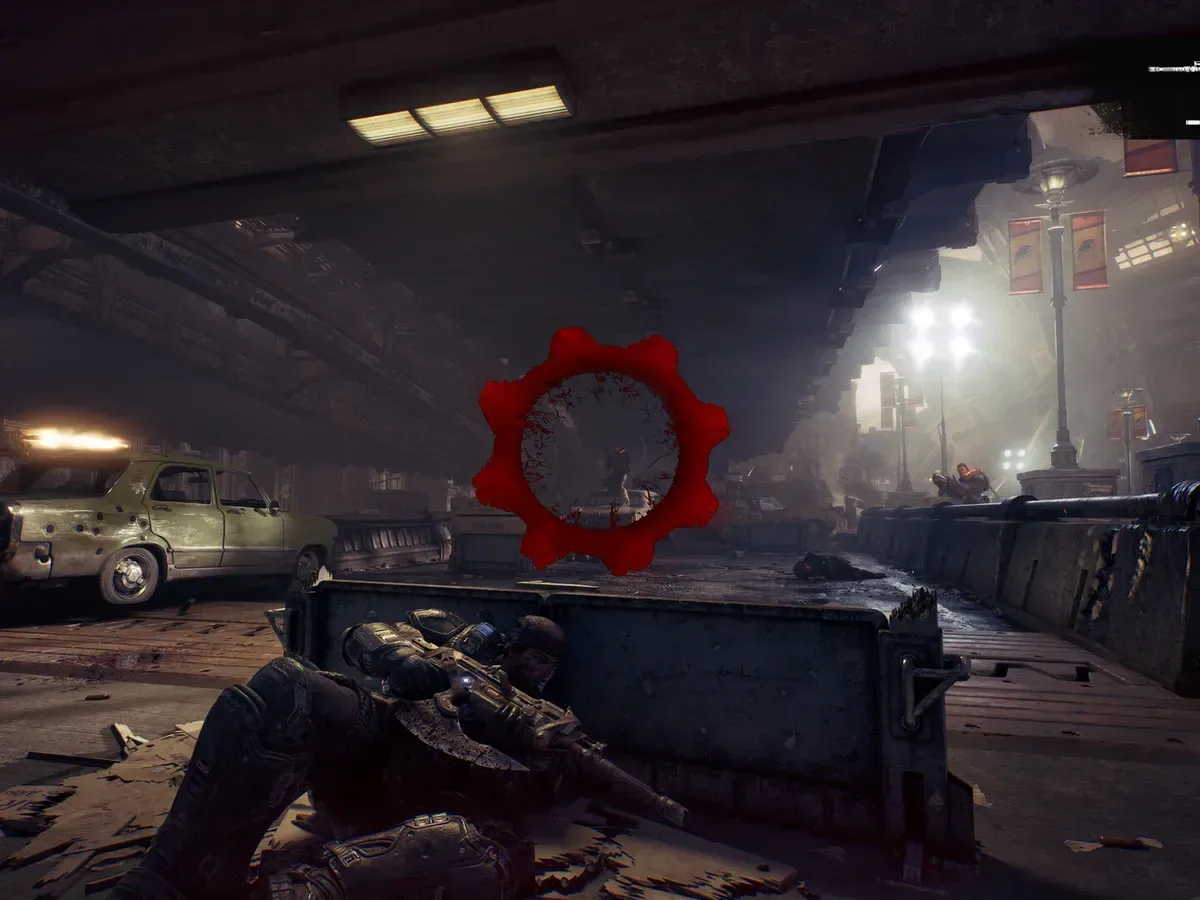
Multiplayer games also depend on dependable online service, so player demand is only one part of the picture. The broader importance of stable connected play was recently underlined by an online disruption affecting Gears of War: E-Day, a separate issue that shows why large active communities need both content and reliable access.
Not every decline is a “dead game” story
The Arc Raiders swing is a useful reminder that live-service population discussions often become too absolute. A declining chart can describe players moving on after an update cycle; a rising chart can describe an event-driven return. Neither observation alone determines whether a game has a viable community or future support.
That broader point has also surfaced around Palworld, where Pocketpair Publishing boss John “Bucky” Buckley has pushed back against “dead game” claims while the survival game continues to retain steady interest. Arc Raiders’ current jump does not make the two games identical, but the underlying lesson is familiar: audience size changes over time, and a single snapshot rarely explains a game’s health.
For now, Arc Raiders has achieved the immediate goal any live-service update wants: it has put a much larger crowd back in the game. Frozen Trail, the free trial and the approaching PvE matchmaking test have created a moment of renewed attention. Whether that becomes a higher sustained baseline is unresolved—but the latest Steam peak has already made the game’s recent downturn look far less definitive.