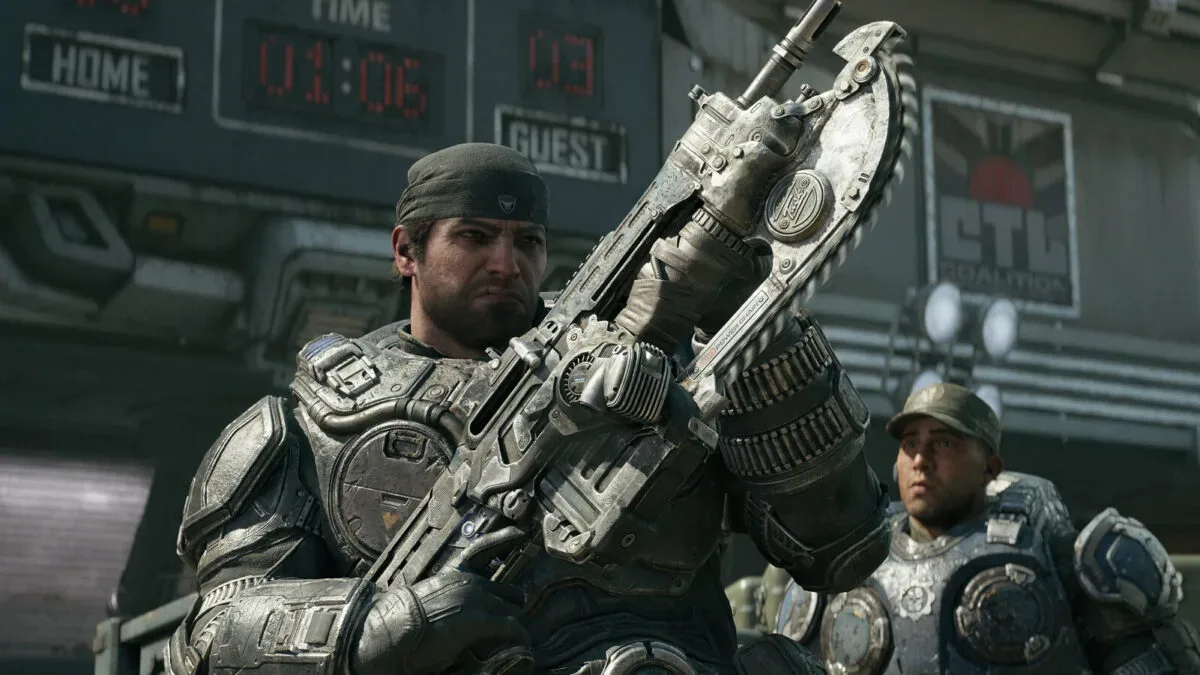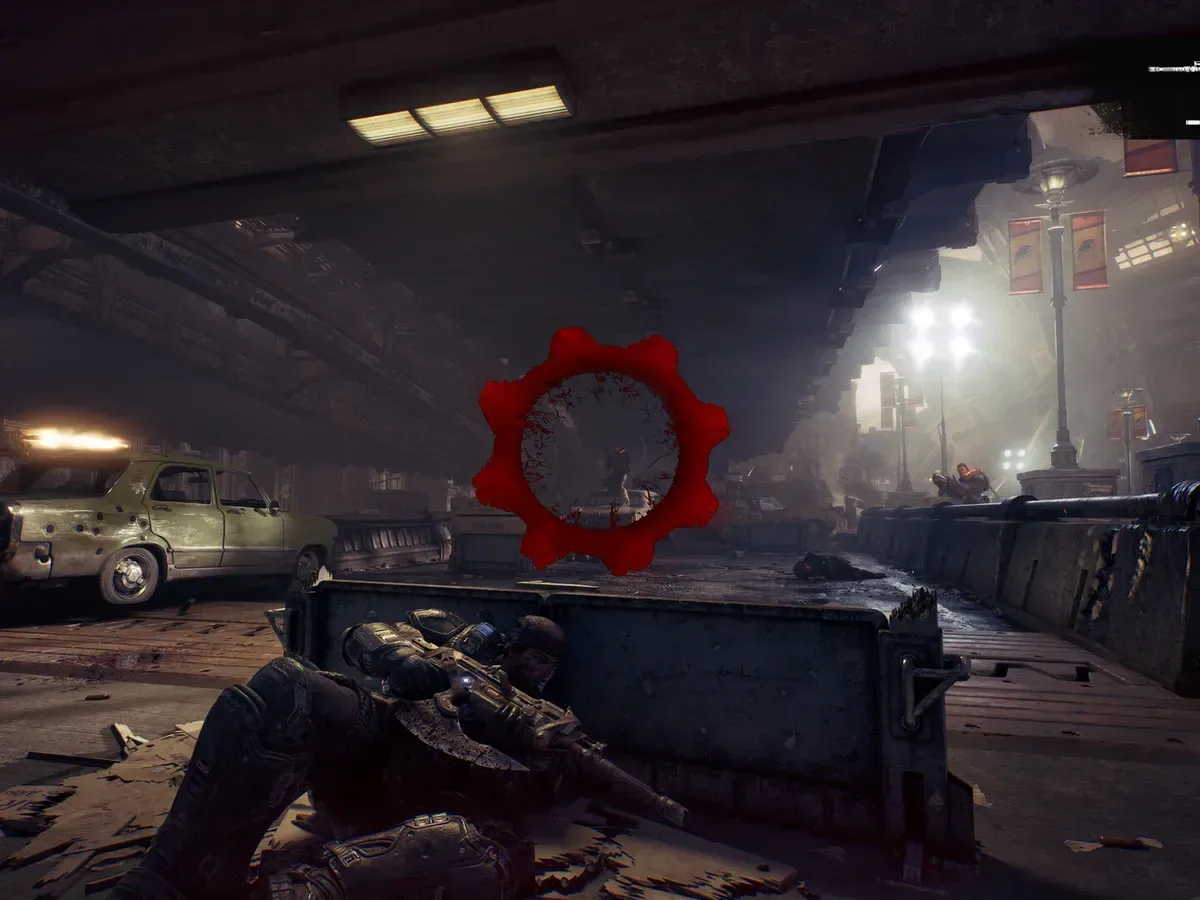
Gears of War: E-Day’s recent online disruption was the result of a distributed denial-of-service attack, The Coalition has confirmed. Players on Xbox Series X|S and PC encountered intermittent login problems and disconnections over the weekend. The developer says it has brought the immediate situation under control, although its teams remain focused on monitoring and mitigating the activity.
“Our teams are continuing to monitor and mitigate this activity. We’ll provide updates if there are any significant changes,” The Coalition said, while thanking players for their patience.
The practical headline for players is straightforward: E-Day is currently up and running. But a DDoS incident can be frustratingly inconsistent while it is happening. One player may be unable to authenticate or remain connected while another gets into a match normally, and service status can change as mitigations are put in place. A successful login at one moment is therefore not necessarily proof that every affected service has fully stabilized.
What a DDoS attack means in this case
DDoS stands for distributed denial of service. It describes an attempt to overwhelm an online service with far more traffic or connection requests than it can comfortably process. “Distributed” means that the traffic comes from many systems rather than a single connection, which can make filtering malicious activity without also affecting legitimate users more difficult.
For an online game, the visible symptoms may include failed sign-ins, dropped sessions, extended matchmaking waits, errors when connecting to social services, or trouble accessing features that need a server check. Those symptoms do not automatically identify the underlying cause by themselves; outages can also result from bugs, routine server strain or wider network problems. In this instance, however, The Coalition has specifically identified DDoS activity as the cause of the disruption.
A DDoS attack is not the same thing as a claim that player accounts, consoles, or PCs have been breached. The information available here concerns the availability of E-Day’s online services: players had trouble reaching and staying connected to them. The developer has not described a compromise of player data, nor has it linked the incident to any particular person or group.
Why players may still see isolated issues
Mitigation does not always mean a clean, instant switch from outage to perfect stability. Defending a service can involve identifying suspicious patterns, absorbing unusual traffic and adjusting protections while preserving access for genuine players. That work may continue after the worst symptoms have subsided.
If an individual player continues to have trouble while services are otherwise functioning, it is sensible to first rule out ordinary local connection issues before assuming the attack is still affecting them. Restarting the game and checking a home network connection are basic troubleshooting steps. For wired console or PC setups, making sure the Ethernet lead is properly seated and undamaged can also eliminate one mundane cause; our guide on removing a stuck Ethernet cable without damaging the port covers the connector’s retaining clip and safe handling.
Related coverage includes Gears of War: E-Day Online Services Hit by DDoS Attacks Days After Launch.
That said, players should avoid treating a local workaround as a cure for a service-side disruption. If a login service is being affected upstream, changing settings repeatedly at home may not resolve it. The Coalition has said it will issue further updates if there are significant changes, making official status communications the clearest indicator of a broader recurrence or a material change in the response.
Speculation over motive remains just that
Discussion around the attack has included theories about why E-Day may have been targeted, including claims of an ongoing online backlash over the game being described by some critics as “woke.” There is no confirmed motive in the developer’s statement. It is equally possible that no single overarching explanation will be established publicly.
That distinction matters. An attack can be real and disruptive without every widely shared theory about its organizer or objective being reliable. The verified portion of this story is limited: E-Day’s online services were hit by a DDoS attack, users experienced login and connection failures, and The Coalition says it has mitigated the problem while continuing to monitor it.
Separately, E-Day holds a “mostly positive” user-review rating on Steam. That rating reflects user reviews on that platform, not a diagnosis of the outage, a measure of console performance, or evidence for any purported motive behind the attack.
A difficult backdrop for a prominent Xbox release
The disruption comes amid intense attention on E-Day’s commercial role and on the future of its developer. An estimate from marketing analyst Rhys Elliott placed the game’s first-week sales at about 230,000 copies and characterized that opening as soft. The estimate is unofficial and is not supported by sales data released by Microsoft, so it should not be treated as a confirmed total.
The analysis accompanying that estimate suggested Game Pass could be reducing direct sales. That is a plausible issue to examine for a subscription-included release, but the supplied information does not establish a definitive cause-and-effect relationship. Copy sales and subscription access measure different forms of engagement, and no official Microsoft data has been provided here to settle how E-Day is performing across the full Xbox ecosystem.
The Coalition has also been operating amid reports of staff anxiety connected to wider Xbox cuts. Its studio head, Mike Crump, recently said the next Gears game would not take as long to make. Elsewhere, internal concerns about potential layoffs and reorganizations were reported following E-Day’s release.
Those concerns sit within a larger restructuring of Microsoft’s gaming operations. Nearly 2,000 people have been cut in the current financial year, with further reductions anticipated. Several studios have departed the business or are closing, while studio reporting lines have changed: Rare has been placed under Activision, and Obsidian under Bethesda.
E-Day’s platform-showcase role adds pressure
Gears of War: E-Day launched for Xbox Series X|S and PC rather than PlayStation 5. Crump has framed its value in terms broader than unit sales, describing success partly as showing what the Xbox platform and hardware can do. He said the ambition was for E-Day to be the best-looking game on Xbox and to demonstrate what is possible on the hardware.
That ambition helps explain why dependable online access matters beyond one bad weekend. A high-profile platform showcase is judged not only by visuals and direct sales, but also by whether players can reliably access the connected parts of the experience when they want to play. DDoS attacks are an external hostile act, not an ordinary game-development failure, but their impact still lands on players and on the game’s public perception.
For now, the key development is that the affected services have recovered and are being watched. Players encountering new disconnects or sign-in errors should distinguish between a localized network problem and a potential wider incident, while resisting unverified explanations for the original attack. The Coalition’s next significant update, if one is needed, will be the meaningful signal of any change to the situation.