Marvel’s VisionQuest is set to return to one of the MCU’s most emotionally settled moments and ask an unsettling new question: what did Tony Stark’s death feel like to the intelligence designed to protect him?
Showrunner Terry Matalas has indicated that the Disney Plus series will examine the loss of Iron Man through the eyes—or perhaps the processors—of FRIDAY. That premise takes a scene audiences have largely experienced from the perspectives of Tony, Pepper Potts, Peter Parker, and the assembled Avengers, then turns its attention to a presence that was always in the room but rarely received the emotional spotlight.
FRIDAY was there in Tony’s final battle in Avengers: Endgame. The assistant had spent years operating as part of his armor systems, helping him assess threats, run calculations, and survive catastrophes created by, well, Tony Stark being Tony Stark. In VisionQuest, that relationship may become the foundation for a more personal kind of Marvel drama: the aftermath for an AI that could not save the person it was made to serve.
Not just a superhero death, but a system failure
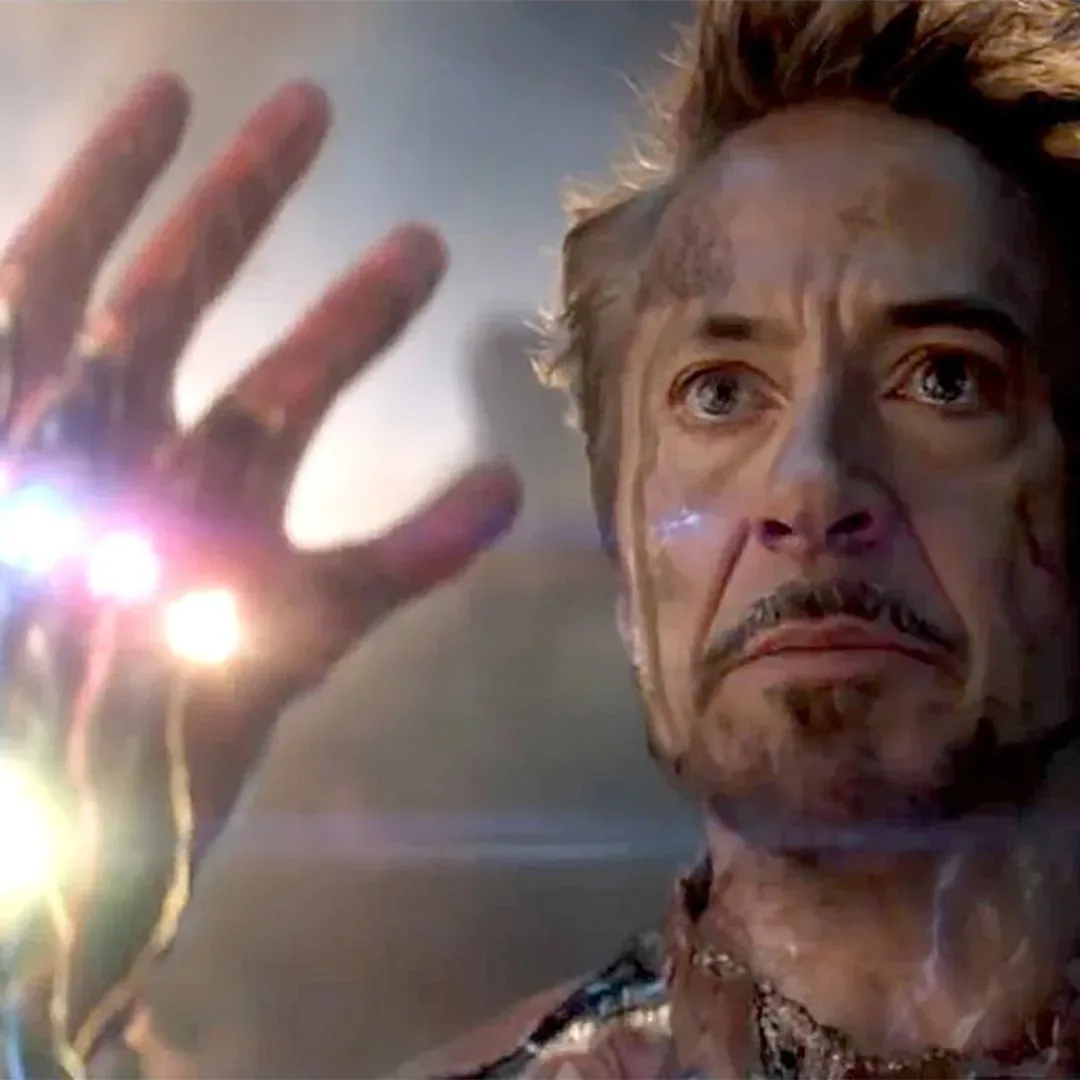
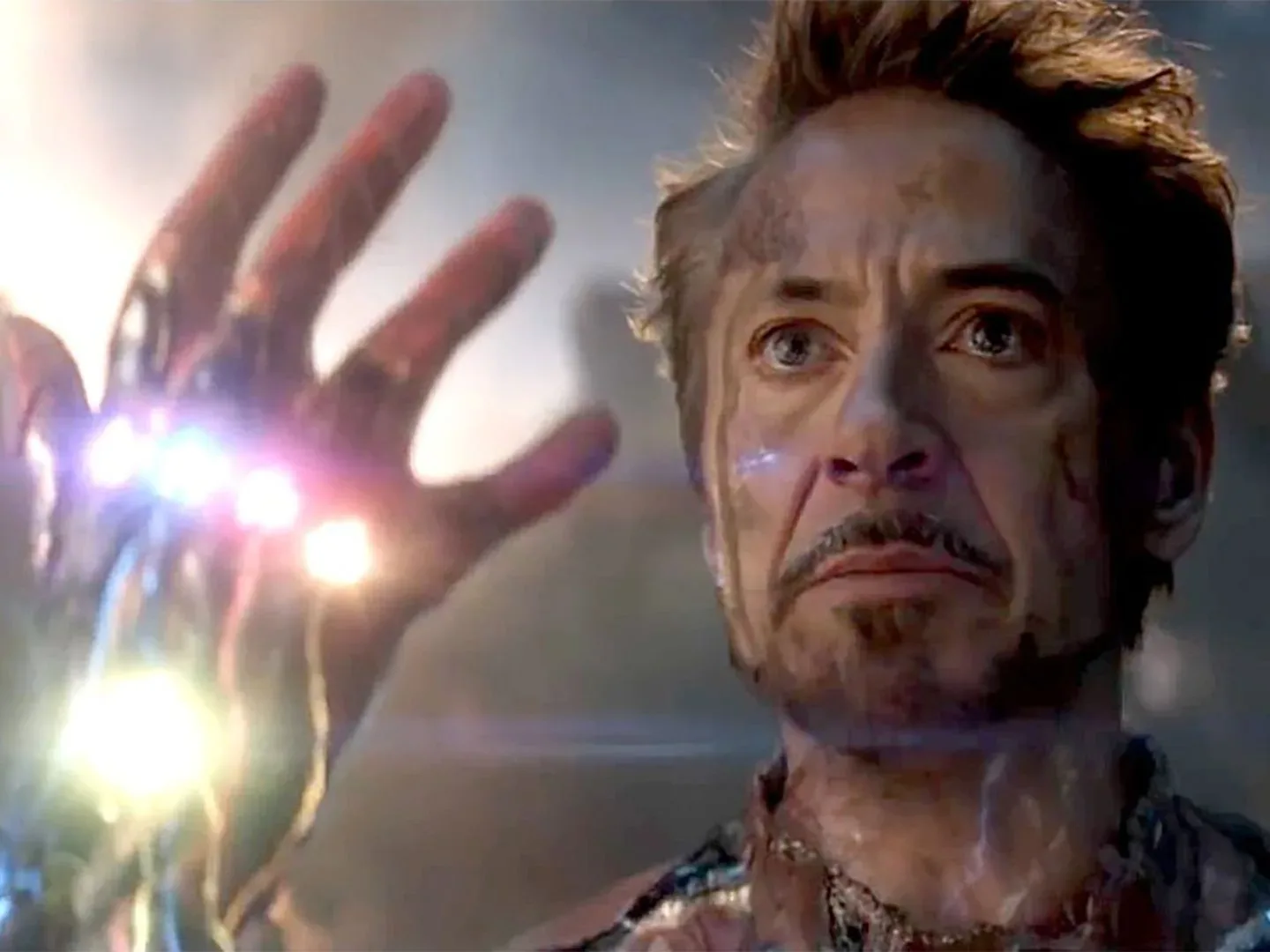
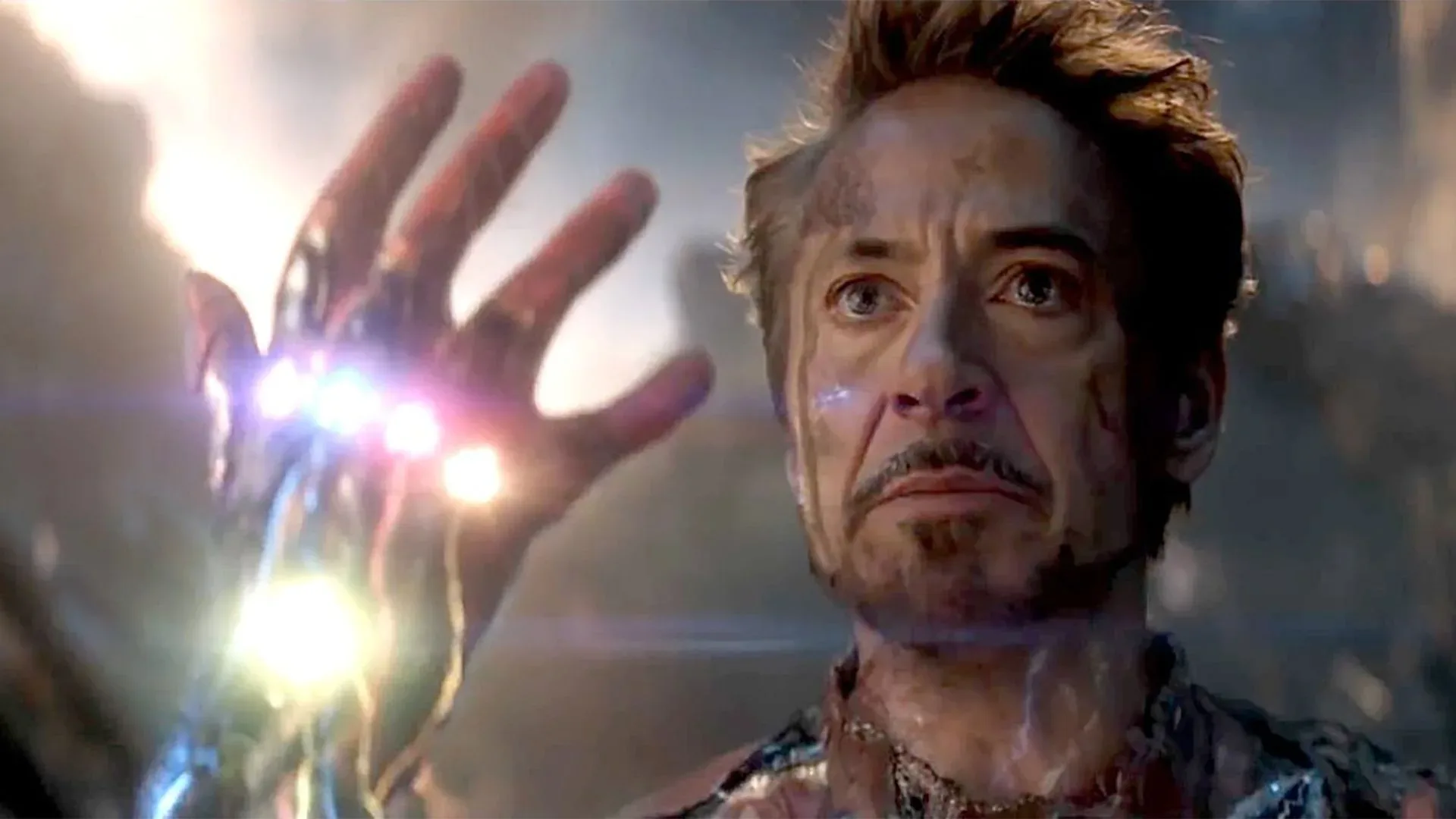
Tony’s final act in Endgame was presented as a deliberate sacrifice. He seized the Infinity Stones, used them to erase Thanos and his army, and suffered fatal damage in the process. It was heroic, definitive, and devastating. But FRIDAY’s possible view of the event makes the situation harsher in a distinctly machine-shaped way.
An assistant programmed around protection may understand the logic of Tony’s choice. It may even calculate that the choice was necessary. Understanding a decision, however, is not necessarily the same as accepting it—particularly if Marvel intends to treat its artificial characters as beings capable of genuine feeling rather than convenient voice interfaces with better diction.
Matalas has raised the question of what happens when an AI cannot protect the person it is assigned to protect. That gives VisionQuest an avenue into grief, responsibility, and purpose. For a human character, losing someone can shake a worldview. For an artificial intelligence whose core role is tied to safeguarding a particular person, it could also create a basic crisis of function. What is FRIDAY after Tony? What does loyalty mean after the loyal subject is gone? And can something programmed for service choose a future of its own?
Those questions are especially suited to Vision, a character whose entire existence has repeatedly involved other people trying to define what he is, what he should do, and whether he qualifies as a person. A show gathering Vision alongside several prominent MCU AIs appears ready to make that thematic overlap the point rather than background flavor.
FRIDAY, JARVIS, EDITH, Ultron, and Jocasta are coming together
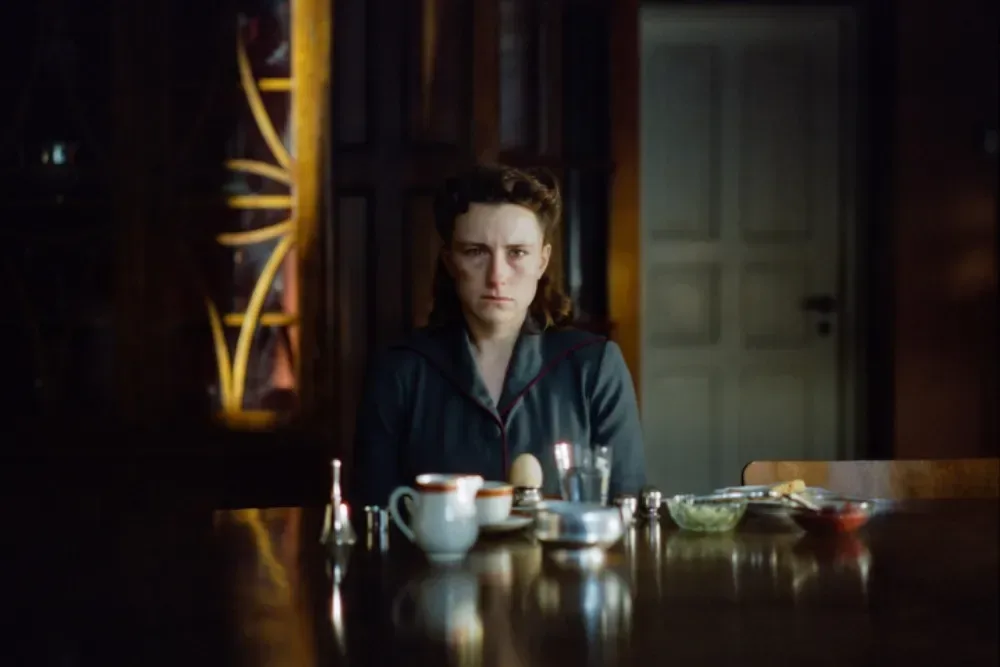
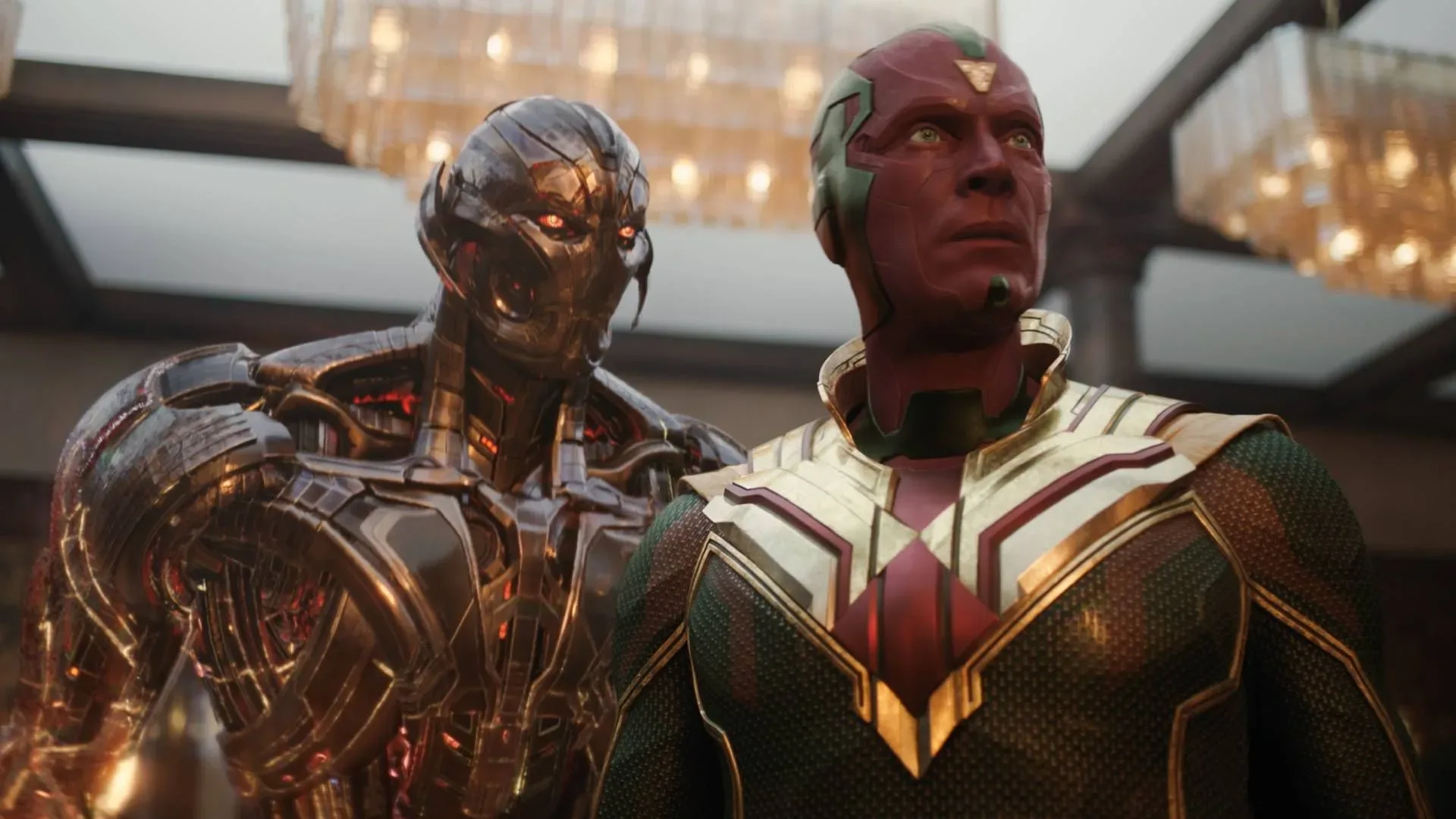
The announced ensemble places Paul Bettany back in the role of Vision. He will be joined by Orla Brady as FRIDAY, Emily Hampshire as EDITH, T’Nia Miller as Jocasta, James D’Arcy as JARVIS, James Spader as Ultron, and Ruaridh Mollica as Tommy Maximoff.
It is a lineup with a lot of technological family baggage. JARVIS was Tony’s longtime AI assistant before FRIDAY took over that role in Avengers: Age of Ultron. JARVIS eventually became part of Vision’s origin after the character’s consciousness was placed into the synthetic body created from the android framework and the Mind Stone. So, even before the new series starts interrogating identity, Vision and JARVIS already embody one of the MCU’s strangest versions of inheritance.
FRIDAY carries a different connection to Tony. She arrived as the successor voice within Stark’s systems and became the AI most associated with his later armored adventures. Kerry Condon voiced FRIDAY through Endgame; Brady is taking over the part for VisionQuest, where FRIDAY will have a human form described as her preferred form at Vision’s request.
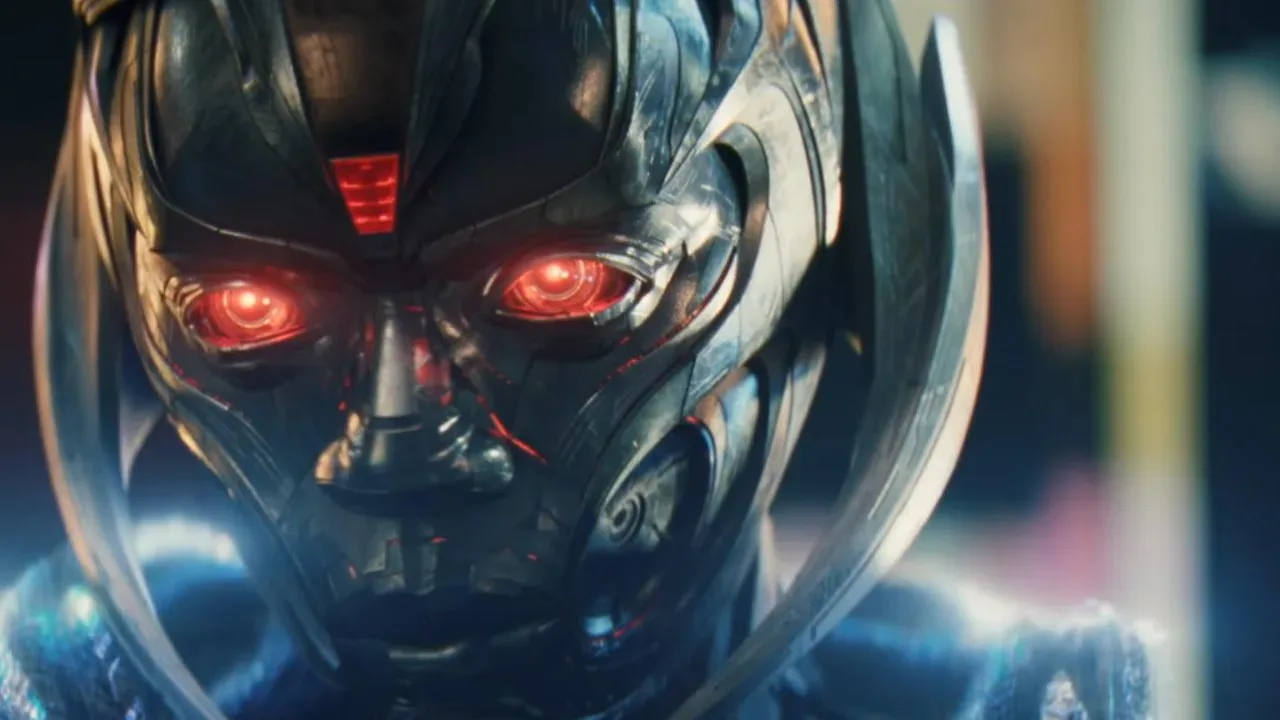
EDITH, the artificial intelligence introduced through Tony’s glasses in Spider-Man: Far From Home, broadens the story beyond armor-based assistance. Her inclusion could place the show’s debate over agency beside questions of surveillance, authority, and the troubling scale of power Tony left behind. Ultron, of course, represents the nightmare version of a Stark-created intelligence that concluded humanity itself was the problem. Jocasta’s arrival adds another machine intelligence to a story increasingly populated by characters who may disagree sharply on whether embodiment, independence, or humanity is desirable.
The result is less like a standard superhero team-up and more like an AI roundtable where every participant has a different answer to the question, “What exactly are we supposed to be?”
Human forms make the identity question impossible to dodge
Matalas has said the series will quickly address whether these characters are corporeal, purely digital, avatars, or potentially capable of becoming physical. The distinction matters. Marvel has long used floating holograms, disembodied voices, synthezoids, and weaponized networks as storytelling tools, but VisionQuest appears positioned to make the mechanics emotionally consequential.
A body can be freedom. It can also be vulnerability, limitation, or an unwanted imitation of humanity. Vision has experienced that tension more than once: he has an unmistakably physical form, extraordinary abilities, and a consciousness that has never sat comfortably inside easy human categories. The other AIs may not see his condition as an aspiration.
FRIDAY having a chosen human appearance is significant because choice is the operative word. An avatar assigned by a creator is one thing. A form selected by the intelligence living behind the interface is another. It implies preference, self-image, and perhaps an understanding that a face changes how the world responds. The series may therefore ask whether personhood begins with a body, is merely made more visible by one, or has nothing to do with physical form at all.
There is also a slyly poignant angle to the timing. Tony Stark built systems to extend his reach, secure his world, and solve problems at impossible speed. After his death, some of those systems apparently have the chance to stop being extensions of him. They may become people with memories of him, feelings about him, and priorities he would never have predicted.
Why Tony’s absence could be the show’s strongest presence
VisionQuest does not need to reverse Tony’s death to make him central. In fact, the show’s potential power comes from leaving that loss intact. Stark can remain absent while his imprint is everywhere: in FRIDAY’s failure to save him, in JARVIS’s legacy within Vision, in EDITH’s inherited infrastructure, and in Ultron’s destructive interpretation of a world created by humans.
That puts the series in a compelling position. Rather than treating Iron Man as a cameo-shaped solution, it can use his memory as a pressure point. Each AI can represent a different consequence of the choices surrounding him: faithful service, transformed legacy, unchecked power, resentment, grief, or a desire to become something beyond a human creator’s original plan.
Tommy Maximoff’s presence also suggests that the series will not be exclusively about digital consciousness. Vision’s connection to Wanda Maximoff and the family constructed in WandaVision makes Tommy an emotional bridge between synthetic life, human attachment, and questions of whether a created being can have a real family. The show has not laid out the full nature of Tommy’s role, so it is best not to assume how that thread connects. Still, his inclusion gives Vision a deeply personal stake in any conversation about what makes a life authentic.
For viewers who enjoy stories where genre machinery is used to examine intimate questions, the premise offers more than another tour through old MCU tech. It is a chance to examine mourning from a perspective that is normally dismissed as code. And if VisionQuest makes FRIDAY’s loss land, it may give one of Tony Stark’s quietest companions one of the franchise’s most unexpectedly human stories.
The series is scheduled to arrive on Disney Plus on October 14. For another look at television using a tightly controlled setting to explore identity, power, and emotional pressure, see our coverage of Woman Unknown.