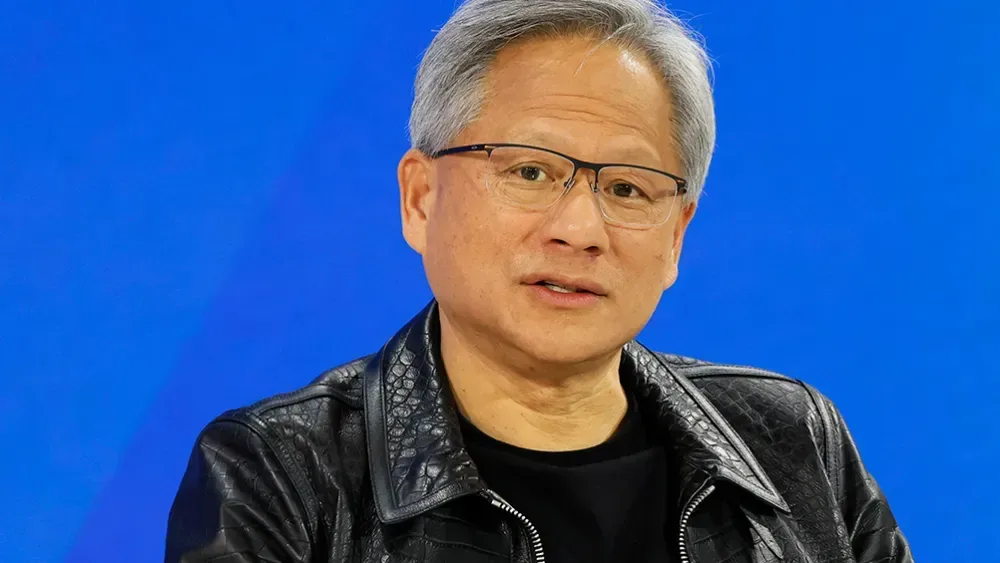
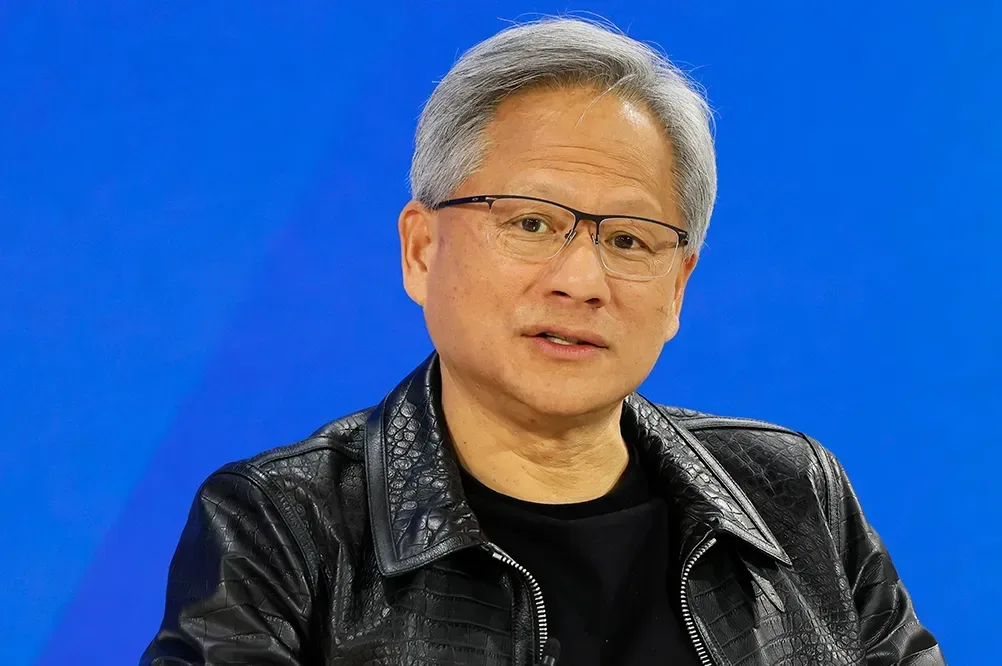
Nvidia has reinstated co-founder Jensen Huang as its CEO and president and returned him to the company’s board, ending a brief but unusually consequential leadership interruption at a business that began as a graphics-chip specialist for games and now sits at the center of AI infrastructure. The board’s decision does not close the matter surrounding Huang: Nvidia says its independent investigation will continue, and it says Huang has committed to cooperate.
For players, PC builders and the wider games business, the news is not primarily about a new graphics card or a change to a game-development tool. It is about continuity at a company whose technology remains deeply tied to the PC gaming ecosystem, alongside a governance reset that Nvidia says will include a new chief compliance officer and a national security and export-control committee.
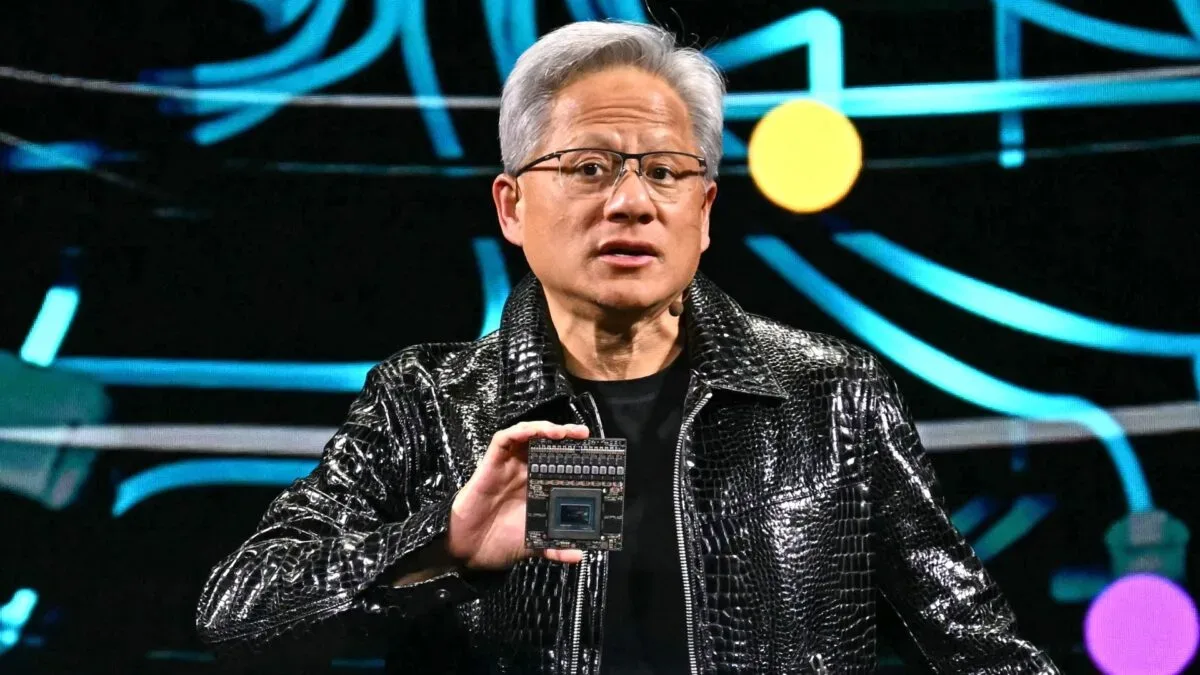
That combination matters. Nvidia’s graphics processing units, generally called GPUs, were built around graphics workloads before becoming essential pieces of hardware for many AI systems. A GPU is a processor designed to handle many calculations at once; in games, that ability helps render images and effects, while AI companies use similarly parallel computation for model training and operation. Nvidia’s current reach therefore joins two worlds that increasingly overlap: consumer PC graphics and the AI systems influencing entertainment production, software development and hardware demand.
A rapid return, with the inquiry still open
Nvidia’s board said it voted unanimously to restore Huang after discussions in which it concluded he had been candid and able to lead the company. The board also said it received input from senior levels of the U.S. government and was confident that the reinstatement did not create a national-security risk.
Huang’s return follows his resignation announced on Nov. 12, when chief financial officer and executive vice president Colette Kress became interim CEO. Harvey C. Jones, Nvidia’s board chair, had said less than a week before the reversal that the company did not intend to reinstate Huang.
The board has nevertheless kept its investigation alive. That distinction is important: reinstatement is a corporate decision about current leadership, while an independent investigation is a separate process intended to establish facts and assess whether internal standards were breached. Nvidia did not say that the inquiry had reached a final outcome.
The underlying reporting included allegations involving Huang’s personal relationships, including relationships with employees, and questions of potential conflicts of interest. Nvidia’s code of conduct warns employees against situations in which personal gain and company obligations may conflict, and it identifies personal relationships as a possible source of conflict. Those issues remain allegations and subjects of the continuing review, not findings Nvidia has announced.
The company’s new compliance structure is therefore more than a procedural footnote. A chief compliance officer is an executive responsible for helping an organization follow laws, regulations and its own policies. Nvidia says the role will support its newly created national security and export-control committee. Export controls are rules governing the transfer or sale of certain technologies across borders; for a company with globally significant computing hardware, the consequences of compliance decisions can reach far beyond one executive’s status.
Why the market reaction drew attention
Nvidia shares were up 35% at 10:30 a.m. ET Monday after Huang’s return was announced. The move illustrates the degree to which investors associate Huang with Nvidia’s direction and performance, particularly as AI demand has elevated the company’s strategic profile.
That reaction should not be read as a verdict on the unanswered questions in the investigation. Markets can react to perceived leadership stability and the avoidance of a sudden management transition. Nvidia had reported record third-quarter earnings shortly after the initial resignation announcement, yet the abrupt departure still prompted concern from analysts and technology leaders because of the company’s importance to AI computing.
For the gaming side of Nvidia’s business, continuity can be meaningful even without an immediate consumer-facing announcement. GPU roadmaps, relationships with game studios, driver support and platform strategy are long-running efforts. Major leadership uncertainty can complicate how partners, investors and customers interpret those plans. Huang’s reinstatement removes one obvious unknown, but it also puts added focus on whether the promised compliance changes become durable parts of how Nvidia operates.
From graphics chips to AI infrastructure
Huang co-founded Nvidia in 1993, when its core identity was closely tied to graphics chips for video games. That history is why the company’s corporate story continues to matter to gaming audiences even as much of the present discussion focuses on AI. Nvidia did not simply arrive in the entertainment business through generative AI; its foundation was the hardware used to draw game worlds on a screen.
The company’s later growth around chips used by leading AI businesses has altered the scale and stakes of its decisions. It has also created direct links with entertainment companies. Nvidia has investments in AI entertainment companies Higgsfield and Runway, as well as partnerships with ElevenLabs, Disney and Universal Music Group.
Those connections do not mean every AI development will flow into a game, nor do they establish a particular product plan. They do, however, show why Nvidia’s governance choices are relevant to more than desktop-component buyers. Computing tools can touch visual production, voice work, asset generation and other parts of entertainment creation. The practical question for developers and audiences is how those tools are deployed, governed and integrated—not simply whether the chips have enough raw performance.
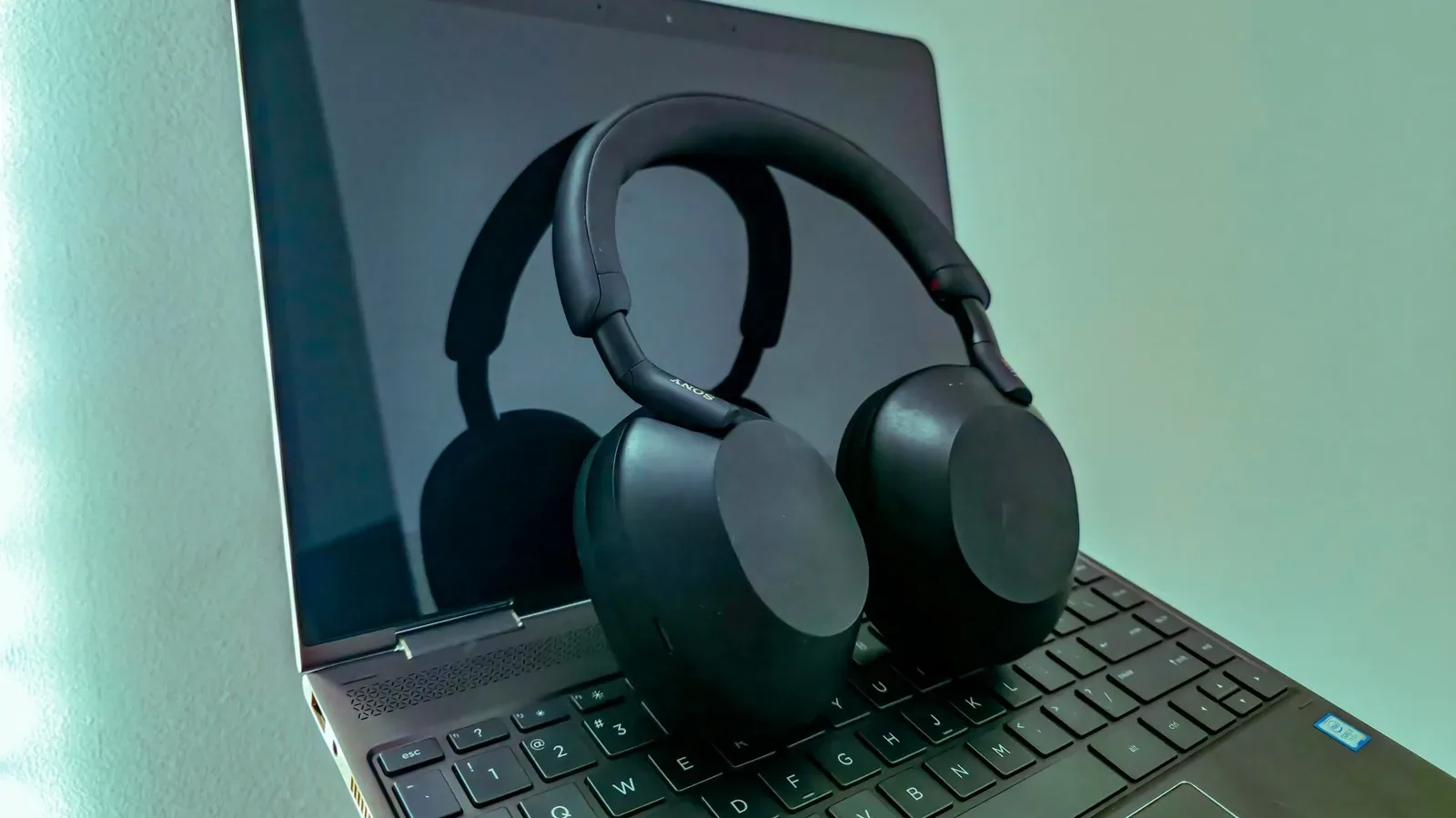
For PC players, the nearer-term Nvidia relationship remains conventional: graphics hardware and the software stack that supports it. A software stack is the layers of drivers, tools and applications through which hardware works with an operating system and a game. Even everyday PC troubleshooting depends on that chain of interaction; setting up peripherals such as headphones is a reminder that hardware capability only helps when the surrounding software behaves. For a simple example, see this guide to pairing Bluetooth headphones with a Windows 11 PC.
What Nvidia has said it will change
Nvidia’s stated response has two tracks: retain Huang as CEO and strengthen oversight. The chief compliance officer post and the national security and export-control committee are specific institutional measures, unlike a broad statement of intent. Still, the company has not provided detailed public operating rules for either in the information available here, so it would be premature to judge their effectiveness.
What can be said is that these changes recognize the company’s exposure to high-stakes compliance demands. National-security risk, export controls and conflicts of interest are distinct concepts:
- National-security risk concerns whether actions, relationships or access could threaten a country’s security interests.
- Export controls set restrictions on transferring regulated goods, software or technology to particular destinations, users or uses.
- A conflict of interest arises when someone’s personal interest could compromise, or appear to compromise, their professional responsibilities.
Keeping those categories separate helps avoid a common mistake in fast-moving corporate coverage: treating an allegation in one area as proof of a conclusion in another. Nvidia’s board says it received governmental input and found no national-security risk from the reinstatement. Its internal investigation, meanwhile, remains ongoing. The company’s own cited conduct standards speak to potential conflicts, but the board has not announced its final conclusions from the investigation.
What to watch next for the games and PC audience
The immediate change is straightforward: Huang is again leading Nvidia, and Kress is no longer serving as interim CEO. The longer-running questions are less tidy.
- The investigation’s conclusion. Nvidia has said it will continue. Any eventual statement could clarify whether the company found violations of policy and whether further action follows.
- The shape of the new compliance function. The arrival of a chief compliance officer and an export-control committee signals a more formal response. Their authority, reporting line and public disclosures will be important indicators of how substantial that response is.
- Business continuity. Nvidia’s core role in graphics and AI computing means developers, partners and PC users will be watching for signs that its technical and commercial work proceeds without disruption.
- Entertainment-facing AI relationships. Nvidia’s investments and partnerships put it inside a broader debate about how AI tools are used in creative industries. Future developments should be assessed on disclosed products, policies and agreements rather than assumed from a partnership list alone.
Huang said he was honored to return and described Nvidia’s work as part of a new industrial revolution. The board, meanwhile, has effectively made two commitments at once: preserve leadership continuity and maintain scrutiny through an ongoing independent process. For an industry built on both long-term chip development and confidence in the systems around it, that balance will remain the real story.