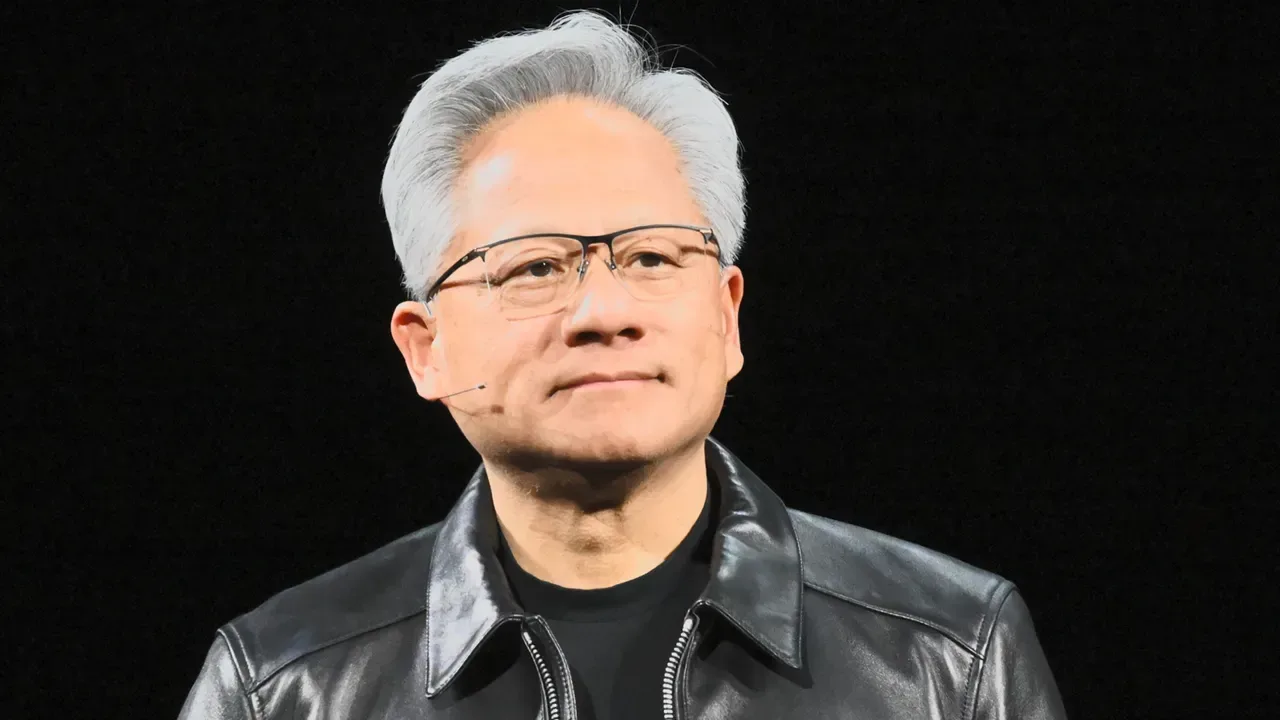
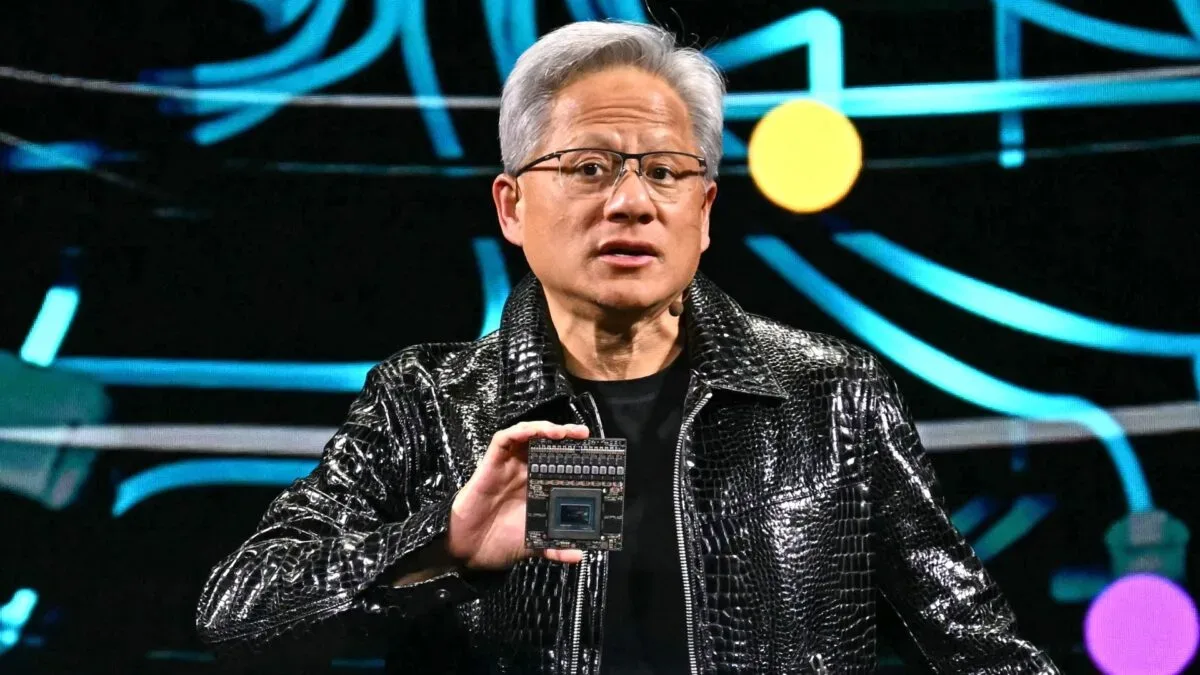
Reports circulating in November say Nvidia founder Jensen Huang may be considering an attempt to return to the company after his reported removal. The same account includes serious allegations involving Huang, employees and company-conduct standards. Those allegations, as well as the reported leadership change and any effort to reverse it, have not been independently established by the material available here and should be treated as unverified.
That uncertainty matters more than the comeback-drama framing. Nvidia is a major name in PC graphics as well as a central company in the wider AI economy, and a question over its founder’s future could touch its public identity, investor confidence and the communities that still associate its products with gaming hardware.
What is being claimed about a possible return
The account says Huang has spoken with confidants about a potential comeback and that allies may be preparing a so-called “war room” aimed at persuading Nvidia’s board and shareholders. In corporate and political communications, a war room is not a literal command center; it generally means a tightly coordinated group working on rapid messaging, strategy and responses to developments.
That description does not demonstrate that a formal campaign exists, that directors are receptive, or that Huang has taken any specific step toward returning. It only describes a reported possibility. There is no supplied confirmation from Nvidia, its board, Huang, or shareholders, and there are no details here about a board vote, an employment agreement, a succession plan or any proposed timetable.
The distinction is important because “exploring a return” can cover an enormous range of activity. It can mean informal conversations, an effort to gauge support, or a fully formed plan. The supplied information does not establish which, if any, of those stages has been reached.
The allegations require unusual care
The reported backdrop is an alleged ouster connected to accusations of multiple affairs, including allegations involving two employees, alongside claims of conduct-standard violations. The account also references an alleged relationship with an associate at Megaspeed and claims that crisis-public-relations support had been sought in anticipation of revelations.
These are grave claims about identifiable people and a company. They are allegations, not established findings in the information provided. It would be misleading to turn their repetition into certainty, infer additional conduct, or speculate about motivations, internal investigations or legal outcomes that have not been described.
The material also says Huang was reportedly feeling depleted amid the controversy and had made harsh self-critical remarks. That is secondhand characterization, not a direct public statement. It may help explain why observers are focused on whether a return is plausible, but it does not confirm a strategy or provide a reliable measure of Huang’s intentions.
Related coverage includes Jensen Huang Reportedly Exploring a Possible Return to Nvidia.
Why a founder question can become a company question
Founder-led companies often bind an executive’s image tightly to the organization’s identity. The supplied account argues that Huang’s public persona has been particularly integral to Nvidia’s brand and its recent rise. If that is the board’s challenge, the issue is bigger than whether one executive remains popular: directors must weigh continuity against standards, credibility and the company’s ability to operate without a figure who has become synonymous with its direction.
A board of directors is responsible for overseeing a company on shareholders’ behalf. That does not mean it must follow every faction, nor does it mean shareholders necessarily have a single view. It does mean that any reported attempt to restore a former leader would need to confront governance questions: what information directors have, what standards they apply, whether leadership stability is protected, and how a decision would be explained to investors and employees.
For shareholders, “pricing in” uncertainty means trying to assess how a development could affect a company’s future value before there is a complete answer. A leadership upheaval can create uncertainty even when a business remains financially strong. Conversely, strong results do not automatically settle questions about culture, oversight or who should lead.
Earnings may intensify the scrutiny, not resolve it
Nvidia is expected to release quarterly earnings this month, and the account anticipates another substantial year-over-year profit increase. Year-over-year compares a result with the equivalent period one year earlier, rather than with the immediately preceding quarter. It is often used to show whether a business has expanded or contracted over a longer interval.
There are no earnings figures in the available material, so the scale of any increase cannot be verified here. Nor can an anticipated profit rise answer the unresolved leadership reports. Still, the timing helps explain why attention is likely to stay high. Earnings are one of the regular moments when investors, analysts and the public examine not only revenue and profit but also the company’s account of risks and priorities.
A strong quarter could reinforce the view that Nvidia’s businesses are continuing to perform amid the reported turmoil. It would not, by itself, verify allegations, validate a prospective comeback campaign or determine whether the board wants Huang back. Likewise, disappointing results would not prove that the leadership reports caused them. Corporate performance and corporate governance can influence one another, but they are not interchangeable explanations.
Nvidia’s gaming relevance remains part of the story
The reported dispute is being discussed through the lens of AI, but Nvidia’s relationship with gaming is central to why a leadership story lands beyond boardrooms. The company’s graphics hardware has long been part of the PC gaming landscape. The supplied account characterizes Nvidia’s broader transformation as a move from a gaming-graphics position into a pillar of the global AI economy.
That framing should not erase the gaming side. A graphics processing unit, or GPU, is a chip designed to handle many calculations in parallel. In gaming, that capability is associated with rendering images and effects. In AI workloads, parallel processing is also valuable for the vast volumes of calculations involved in training and running certain models. The same broad category of computing hardware can therefore sit at the intersection of game performance, content creation and AI infrastructure.
For PC players, the immediate practical takeaway is modest: this reporting does not announce a new graphics card, alter a driver, change product support or establish an effect on game performance. It is a corporate-leadership story. But corporate leadership can matter over the longer term because it shapes the priorities and public accountability of companies whose hardware and software ecosystems are deeply woven into PC gaming. For a separate look at how the PC side of gaming continues to evolve, see this coverage of a Cyberpunk 2077 weather mod.
Why comparisons to famous CEO returns are limited
Observers have compared the reported possibility to the return of Steve Jobs to Apple. It is an easy shorthand because it invokes a well-known example of a founder leaving and later coming back. But the comparison has clear limits. The circumstances described around Huang involve separate, serious and unverified allegations, while every company has different directors, shareholders, internal policies and business conditions.
Historical analogy can be useful as a way to ask questions, not as evidence that the same outcome will occur. A founder return is not a template that automatically repeats. In this case, the available material does not establish whether Nvidia’s board is even considering such a move, whether the reported supporters have meaningful influence, or whether the claimed effort has progressed beyond private discussion.
What to watch without getting ahead of the facts
- Direct confirmation: Any statement from Nvidia, Huang or the board would carry more weight than unnamed accounts of discussions.
- Board action: A formal leadership decision, rather than talk of a potential campaign, would clarify whether a return is actually under consideration.
- Earnings disclosures: The upcoming quarterly report may offer a clearer view of current financial performance, though it cannot independently settle the personnel allegations.
- Specificity: Reports that identify concrete governance steps are materially different from claims that people are merely exploring options.
- Separation of issues: Claims about personal conduct, corporate oversight, financial results and product strategy should be assessed on their own evidence rather than blended into one sweeping narrative.
For now, the most defensible reading is narrow. There is a report that Huang may be discussing a return to Nvidia after a reported ouster, set against allegations that remain unverified in the supplied material. Nvidia’s expected earnings release could increase scrutiny of the company, but it is not a verdict on leadership, conduct or any alleged comeback plan.