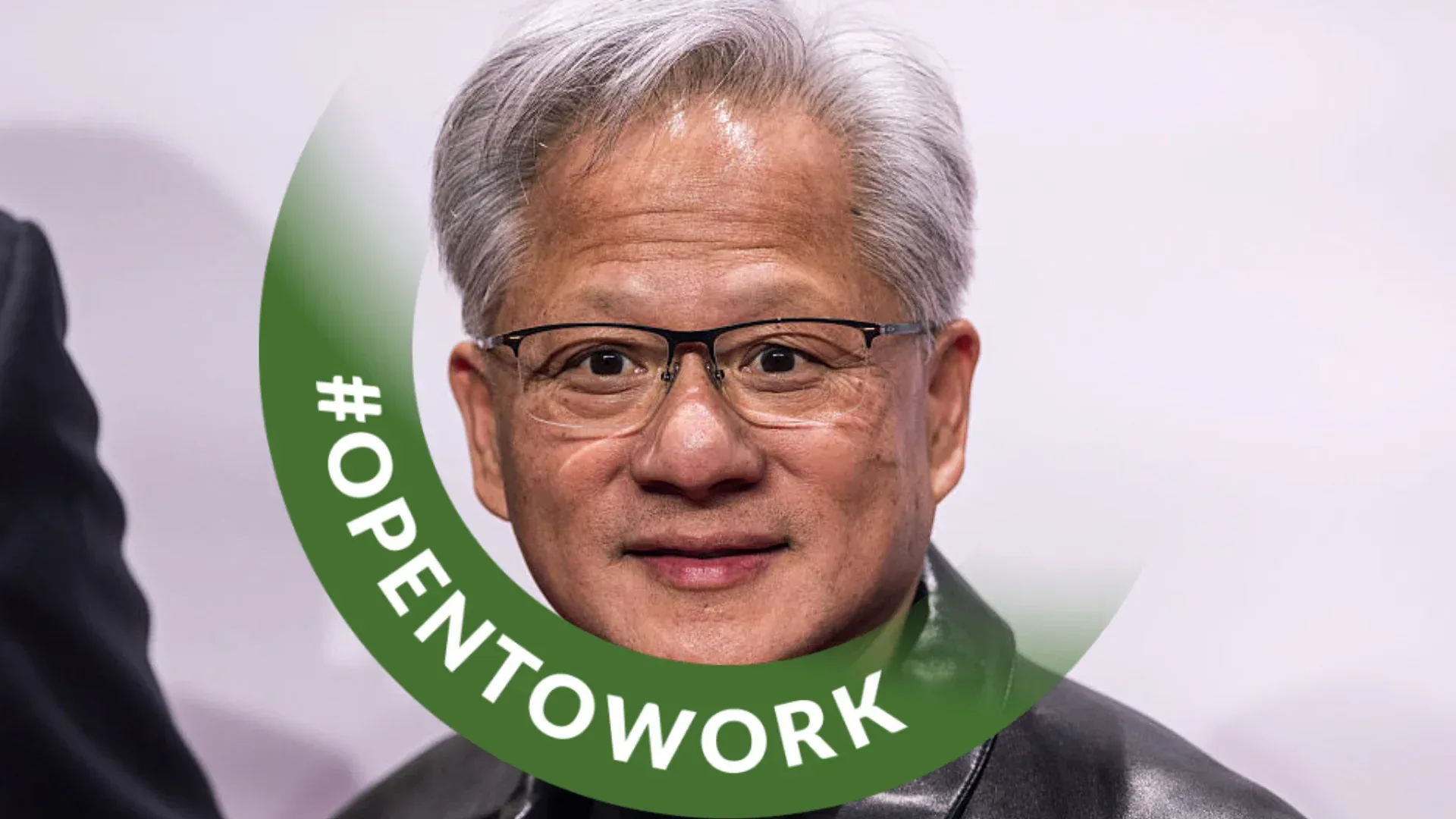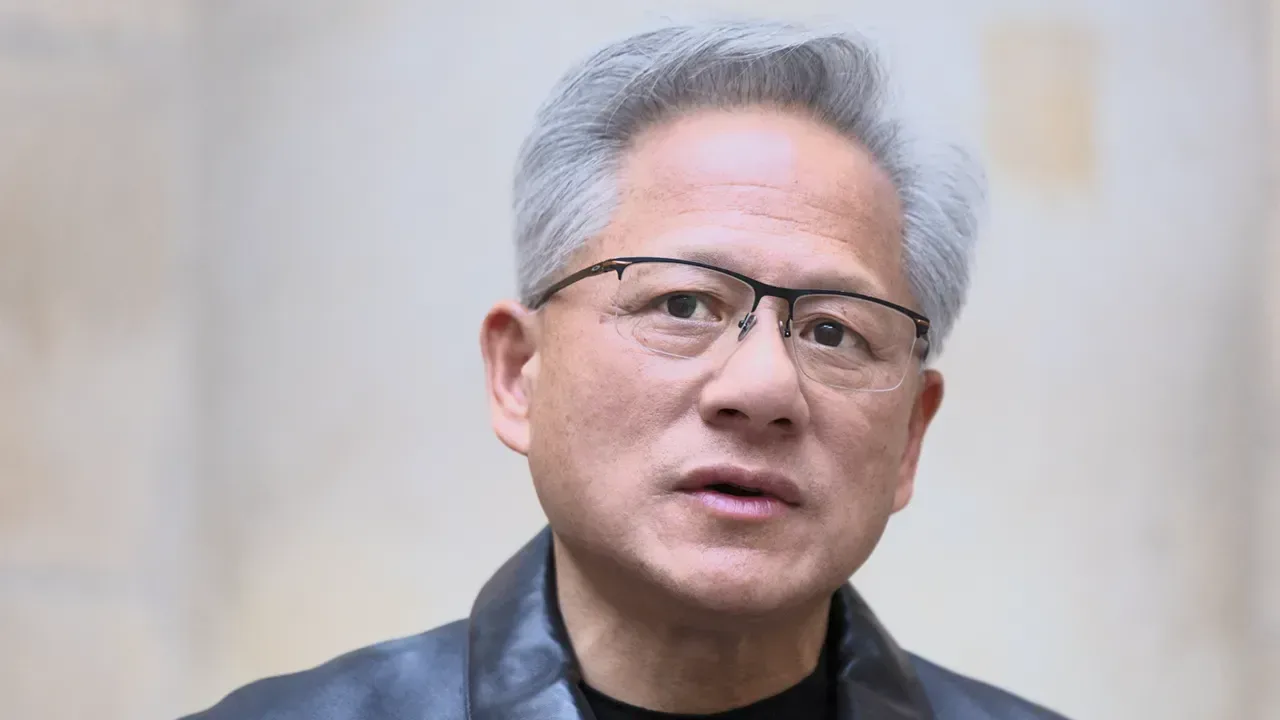

Nvidia is entering an abrupt leadership transition following the resignation of founder and longtime chief executive Jensen Huang, ending a tenure of more than 33 years. The company has named chief financial officer Colette Kress as interim CEO, a move that appears intended to provide continuity during an exceptionally unsettled week for the AI hardware giant.
The departure has unfolded alongside reports concerning Huang’s personal conduct. A new report, citing two unnamed people said to be familiar with the matter, alleges that Huang had an intimate relationship with a second Nvidia employee. The employee was not identified, and neither Huang, Nvidia nor the employee had publicly commented on that specific allegation at the time described in the available reporting.
That distinction matters. The newest claim is an allegation, not an established finding, and the supplied information does not say that an investigation has reached a conclusion regarding it. It should therefore be understood as unverified reporting rather than a settled account of events.
What is known about Nvidia’s leadership change
Huang resigned from Nvidia after more than three decades at the company he founded. The timing and speed of the transition have naturally focused attention on the surrounding reports, but the available material does not establish a definitive reason for his resignation or a direct causal link between any particular allegation and the company’s leadership decision.
Kress, Nvidia’s CFO, will take over as interim CEO. An interim CEO is a temporary top executive appointed to maintain operational leadership while a board determines the longer-term path forward. The designation can mean a company is still assessing whether to conduct a permanent executive search, promote from within, or make another leadership decision. No permanent succession plan is described in the supplied information.
For a company as prominent in AI infrastructure as Nvidia, continuity at the executive level is not simply a corporate-governance question. Nvidia’s graphics processors and related systems are central to the rapid expansion of AI computing, while the company’s performance and strategy are watched across technology, finance and gaming PC markets. In that context, placing the sitting CFO in charge provides investors and partners with a leader already familiar with the company’s finances and internal operations.
Readers following the broader intersection of AI and the games business can also see how the technology’s influence is changing development workplaces in this look at rising AI use, layoffs and long hours in game development.
The allegations and the need for careful language
The reporting describes a series of claims involving Huang. It says he had previously admitted to one affair with a woman accused of being a Chinese spy, and that Nvidia’s board opened an investigation into his conduct after that revelation. It also says another report alleged intimate interactions involving Nvidia’s vice president of healthcare.
Related coverage includes Nvidia Leadership Changes Follow New Allegation Involving Jensen Huang.
Those are serious claims, particularly because reports of relationships between a chief executive and employees can raise questions about power dynamics, disclosure obligations and workplace policy. But the evidence supplied here does not provide the policies at issue, the scope of the board inquiry, its process, its findings, or any response from the people involved in the newest allegation. It would be inappropriate to fill those gaps with assumptions.
The difference between an allegation, a company investigation and a confirmed finding is especially important in fast-moving executive-news coverage:
- An allegation is a claim that has been reported or made but has not necessarily been independently proven or adjudicated.
- An internal investigation is a company or board process used to examine claims or conduct. Opening one does not itself establish that misconduct occurred.
- A finding would indicate that an investigation or other authoritative process reached a conclusion. No finding regarding the newest allegation is included in the supplied material.
That framework does not minimize the potential significance of the reporting. It instead makes clear what can and cannot responsibly be said at this stage. The public information described here establishes that Nvidia is facing a major executive transition amid reporting about Huang’s conduct; it does not establish the truth of every individual claim or explain the full sequence of the board’s deliberations.
Why employee relationships can become a governance issue
Corporate governance refers to the structures through which a company is overseen, including its board of directors, senior leadership, controls and accountability processes. In a case involving a chief executive and an employee, the issue may extend beyond private behavior because a CEO has substantial authority over workplace culture, organizational priorities and, directly or indirectly, career opportunities.
Companies may have policies requiring disclosure of relationships where a reporting relationship, perceived favoritism or conflict of interest could exist. The supplied reporting does not specify Nvidia’s relevant policies, whether the alleged relationships involved reporting lines, or whether any rules were violated. Those details are crucial and absent. Still, the board’s reported decision to initiate an investigation after an earlier revelation shows that Nvidia treated the matter as one requiring formal oversight.
Boards are expected to act in the interests of the company and its shareholders. When allegations concern a chief executive, directors may need to determine what information must be gathered, whether outside advisers are appropriate, how to preserve fairness for everyone involved, and what must be communicated to employees and investors. None of those procedural steps should be presumed here beyond the reported existence of an investigation.
The immediate practical question for Nvidia is whether the company can demonstrate stable decision-making while the leadership change proceeds. Kress’s appointment answers only part of that question. An interim leader can steady day-to-day management, but investors, employees and business partners may still look for clarity about the board’s process and Nvidia’s longer-term executive plan.
Market reaction and the stakes for Nvidia
Nvidia’s stock price fell sharply during the week, with the company shedding hundreds of billions of dollars in value overnight, based on the supplied account. That scale underscores the attention surrounding the leadership news, though stock moves cannot be attributed to a single cause on the available information. Markets react to many inputs at once, including uncertainty about leadership, broader AI expectations and changing investor sentiment.
The appointment of Kress reportedly reassured at least some investors that Nvidia’s AI business could continue without Huang. That response is understandable: a CFO is ordinarily closely involved in financial planning, investor communications and the operational picture that markets use to assess a company. But interim leadership is not identical to resolving a succession question. The company’s next steps, including any eventual permanent CEO decision and the outcome of any governance process, may remain consequential.
For gaming audiences, Nvidia’s corporate direction has significance beyond the financial pages. The company is deeply associated with PC graphics hardware and has become even more prominent through AI computing. A change at the top therefore draws interest from people who follow GPUs, game technology and the infrastructure powering generative AI. Even so, the available reporting does not identify any changes to Nvidia products, roadmaps, services or gaming commitments.
What remains unclear
Several important points remain unresolved in the material currently available. There is no public comment described from Huang, Nvidia, the unnamed employee in the latest claim, or the other parties connected to that report. There is no stated outcome from the board investigation. There is also no indicated timeline for Kress’s interim tenure or for selection of a permanent CEO.
It is likewise unclear whether Nvidia will provide further detail about the investigation, its governance procedures or the rationale for the leadership transition. Those are separate questions, and each could affect how stakeholders interpret an already dramatic change at one of technology’s most closely watched companies.
For now, the firm has a new interim leader, its founder has stepped down, and significant claims about his conduct remain either reported as allegations or described without a publicly supplied investigative outcome. Keeping those categories distinct is essential as the story develops.