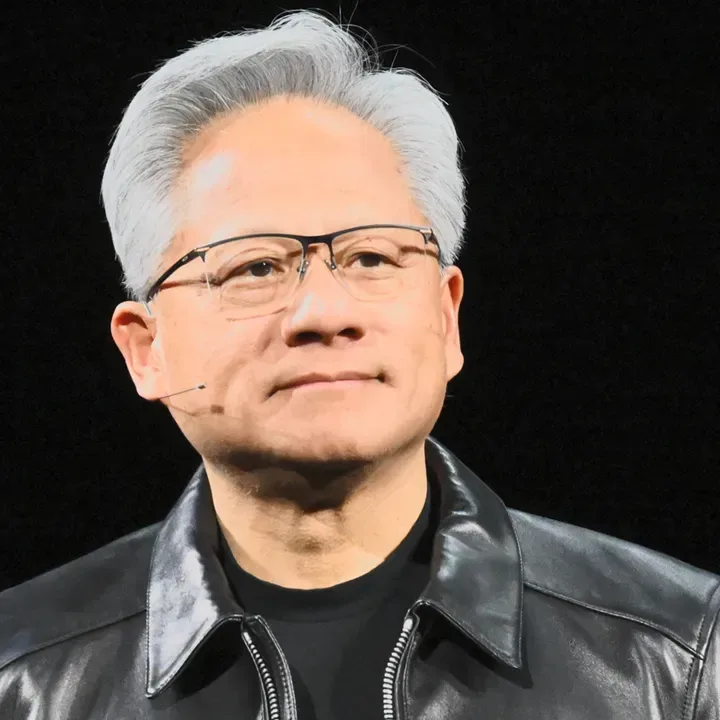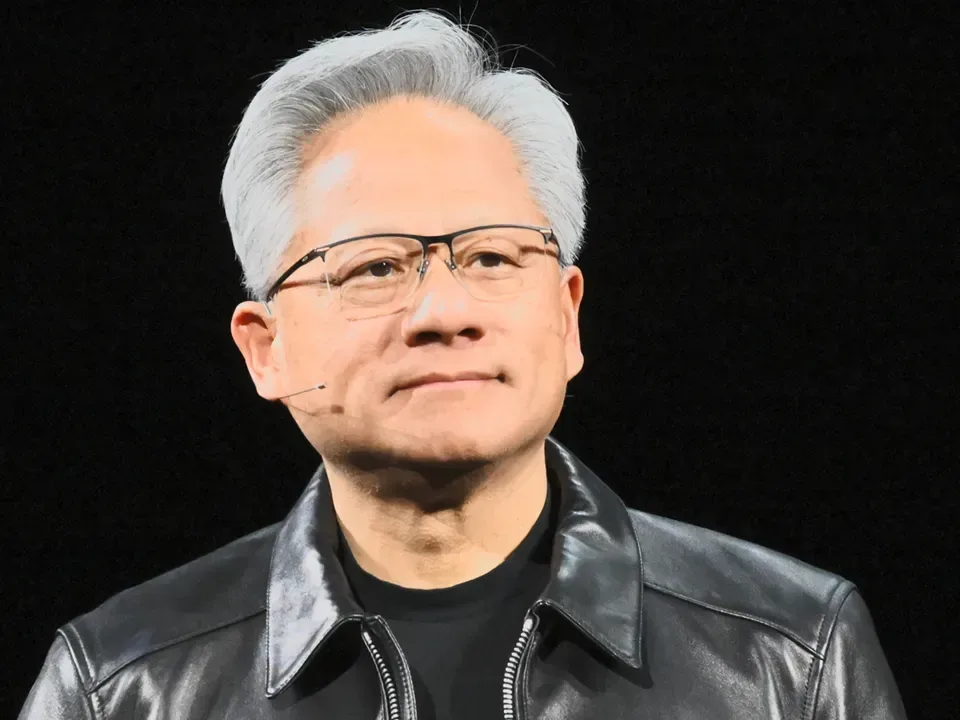
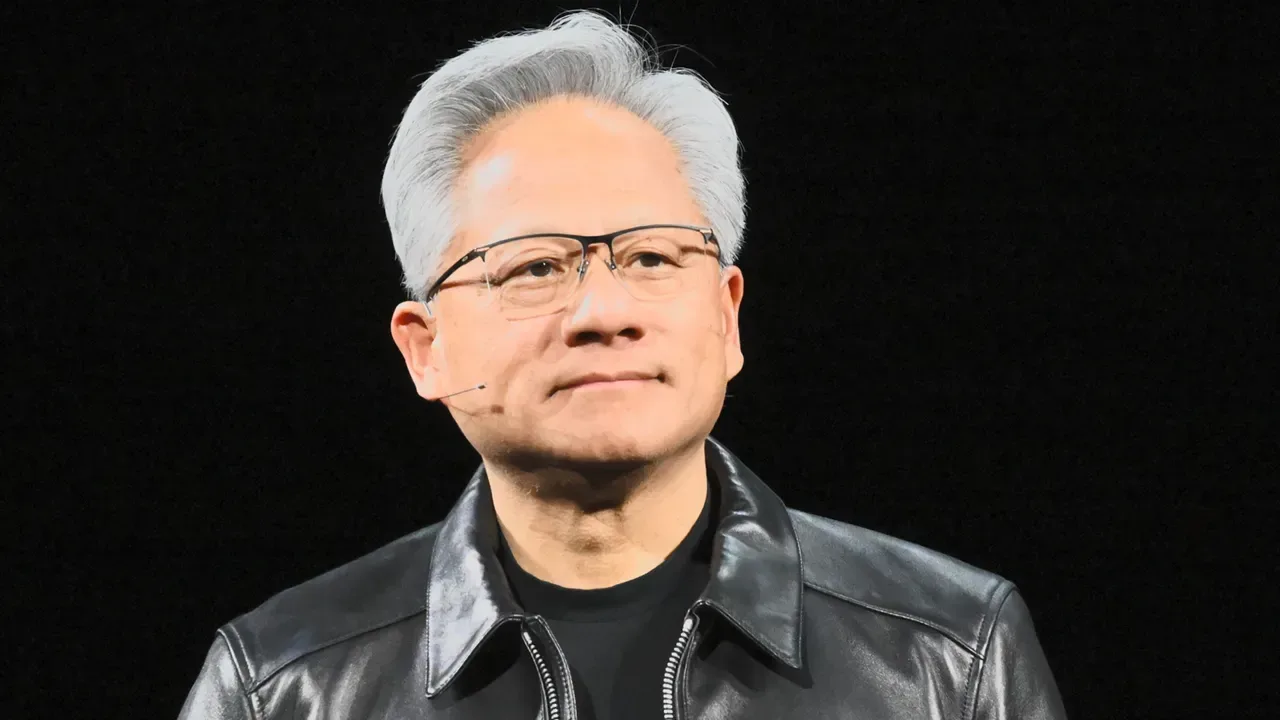
Jensen Huang is reportedly discussing a possible return to Nvidia’s chief executive role only days after resigning, creating an unusually unsettled leadership picture for the company behind GeForce graphics hardware.
The reported discussions do not amount to a confirmed reinstatement, and Nvidia’s board is simultaneously said to be pursuing a replacement. Executive vice president and chief financial officer Colette Kress is serving as interim CEO. Arm chief executive Rene Haas has reportedly been approached as a potential successor.
That leaves Nvidia with several live possibilities rather than one settled outcome: Huang could remain departed, the board could appoint a permanent new chief executive, or it could decide to bring back its former leader. For PC players, hardware buyers, developers and Nvidia’s partners, the immediate issue is not a newly announced product change. It is whether the company can maintain continuity while a major governance question remains unresolved.
What is known, and what remains unconfirmed
Nvidia’s board recently said it had opened an independent investigation into allegations involving Huang, including claims involving a person whom the U.S. government believed to be working as a Chinese government spy. Nvidia said at that point that it had no reason to believe national security or its secrets had been compromised, while adding that the investigation would examine the available information.
Separate reports also raised allegations of relationships with employees, including Kimberly Powell, Nvidia’s vice president of health care, who reportedly worked under Huang. The allegations and their full details have not been established in the supplied information. They should therefore be treated as allegations, not as settled findings.
Huang resigned as the reports emerged. The fresh reporting says he has since privately discussed a potential return with confidantes, amid support from some Nvidia employees and technology-industry figures. Elon Musk and Epic Games chief executive Tim Sweeney have publicly called for his reinstatement.
Support from influential figures is not the same thing as a board decision. The board has an independent investigation to manage, a search for a possible permanent leader underway, and a responsibility to decide whether any return would be compatible with Nvidia’s governance standards and public standing.
Why the board’s investigation matters
An independent investigation is a review designed to assess allegations outside the direct control of the executive at issue. In this case, it is particularly important because the questions described span potential workplace conduct and concerns raised around a person allegedly connected to a foreign government.
Nvidia’s statement that it had no reason to think national security or company secrets were compromised is a meaningful limitation on what is currently known. It is not, however, the same as a declaration that every allegation has been resolved. The company said it would continue examining the information available to it.
The workplace question may be no less consequential. A relationship involving a senior executive and a subordinate can raise concerns about power imbalance, conflicts of interest, reporting lines and whether professional decisions were affected or appeared to be affected. One ally advocating for Huang’s return reportedly acknowledged that an affair with a subordinate can be grounds for dismissal.
Any effort to reinstall Huang before the board has completed its process would inevitably be judged against those concerns. Conversely, a completed investigation and a clear explanation of the board’s decision-making would give employees, partners and customers more concrete information than the current swirl of reported conversations and public endorsements.
What interim leadership means for Nvidia
Kress’s role as interim CEO gives Nvidia an identified executive leader during the transition. An interim CEO is a temporary chief executive who provides operational continuity while a board determines its longer-term plan. It does not necessarily indicate that the interim leader is the preferred permanent candidate.
Kress already holds the chief financial officer role, placing her in a senior executive position during a period when confidence, oversight and communication matter. The report that Nvidia has approached Haas also indicates the board is looking beyond an internal stopgap.
A search process can serve two purposes at once. It gives the board options should it decide Huang will not return, and it creates a comparison point should Huang seek reinstatement. Neither the approach to Haas nor the reported discussions around Huang establish who will lead Nvidia permanently.
The uncertainty has practical limits. Nothing in the available information says Nvidia has altered GeForce plans, changed existing product support, revised its graphics-driver strategy, or announced a shift in how it will serve PC gamers. Readers should be wary of treating executive turmoil as proof that a particular GPU, driver update or platform commitment is changing.
Why this is relevant to GeForce users
Nvidia’s consumer-facing GeForce business is closely associated with Huang, but a company’s day-to-day product operations are broader than one executive. Hardware development, software engineering, driver support and relationships with add-in-board partners involve large teams and established processes.
Still, a leadership change at the top can matter over time because a CEO helps set priorities, represents the company externally and works with the board on long-range strategy. That is why the question has relevance beyond corporate headlines, even in the absence of any announced change for gamers.
For now, the most useful distinction is between continuity and certainty. Nvidia has continuity in the form of an interim CEO. It does not yet have certainty over its permanent leadership, because the reported return discussions, board investigation and successor search all appear to be active.
PC owners considering a purchase should avoid making assumptions based solely on speculation surrounding the chief executive position. Existing evidence here does not establish changes to products or availability. Broader gaming-setup fundamentals—such as actual system requirements, power planning and connectivity—remain more immediately useful when evaluating an upgrade. For example, the rated capacity of a battery backup or portable unit is not necessarily the energy a gaming PC can use in practice; this breakdown of 1,000Wh power-station capacity explains why.
The road back would be complicated
A return would not simply reverse a resignation. It would require a board-level decision and would unfold under the shadow of allegations that have damaged Huang’s public reputation. The reported plan by allies to build support for his return, including hopes of White House backing, underlines how consequential Huang’s leadership is viewed by some supporters. It does not remove Nvidia’s internal governance obligations.
The reported replacement outreach matters for the same reason. A board that is actively considering other leaders is not merely waiting for a former CEO to return. It is preparing for a future in which Nvidia may be led by someone else.
The next developments that would materially clarify the situation are straightforward: a board statement on the investigation, a decision about the permanent CEO role, or a formal confirmation that Huang is either returning or no longer under consideration. Until one of those occurs, the possible comeback remains a report about private talks, not an announced corporate outcome.
What to watch next
- Investigation status: Nvidia’s board began an independent review and previously said it had no reason to believe company secrets or national security were compromised.
- Board action: The board, rather than public supporters, will determine any reinstatement or permanent appointment.
- Leadership search: Kress remains interim CEO, while Haas has reportedly been approached as a possible replacement.
- Official product communication: No supplied information identifies changes to GeForce hardware, driver support or consumer product plans.
At present, the central fact is a leadership transition in motion. Huang may be weighing a return, but the investigation, reputational consequences and ongoing succession search mean that Nvidia’s eventual answer remains uncertain.