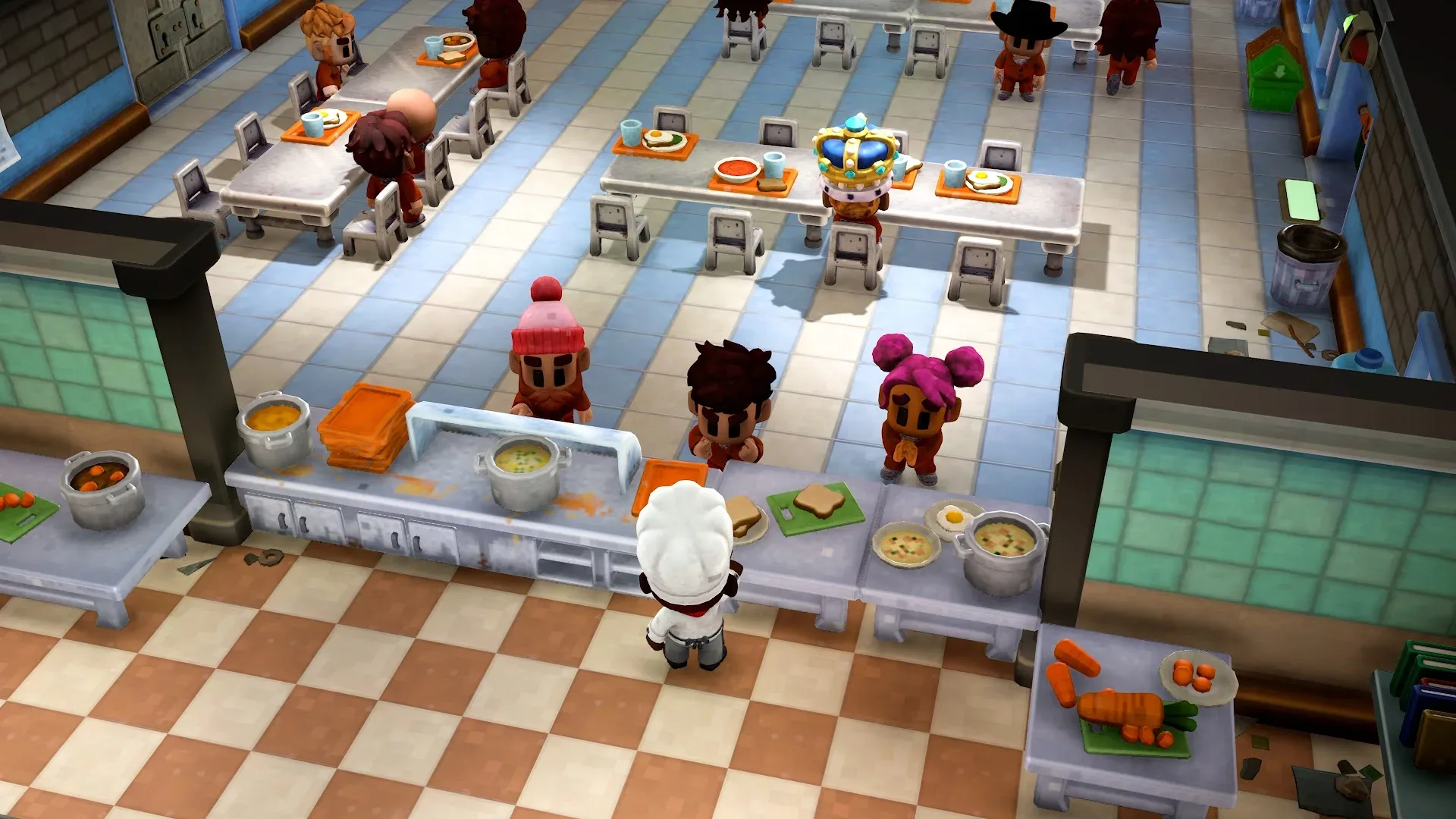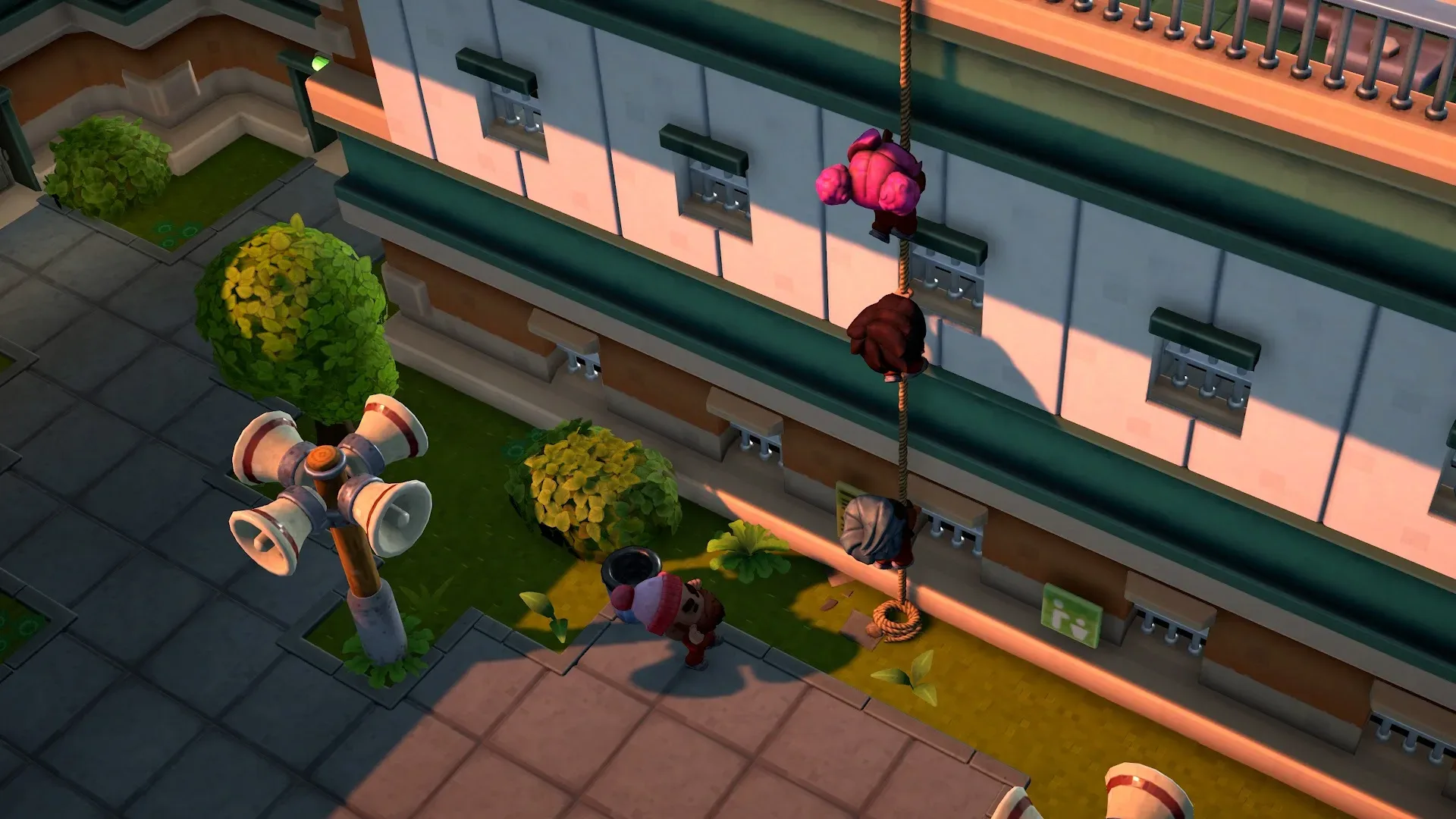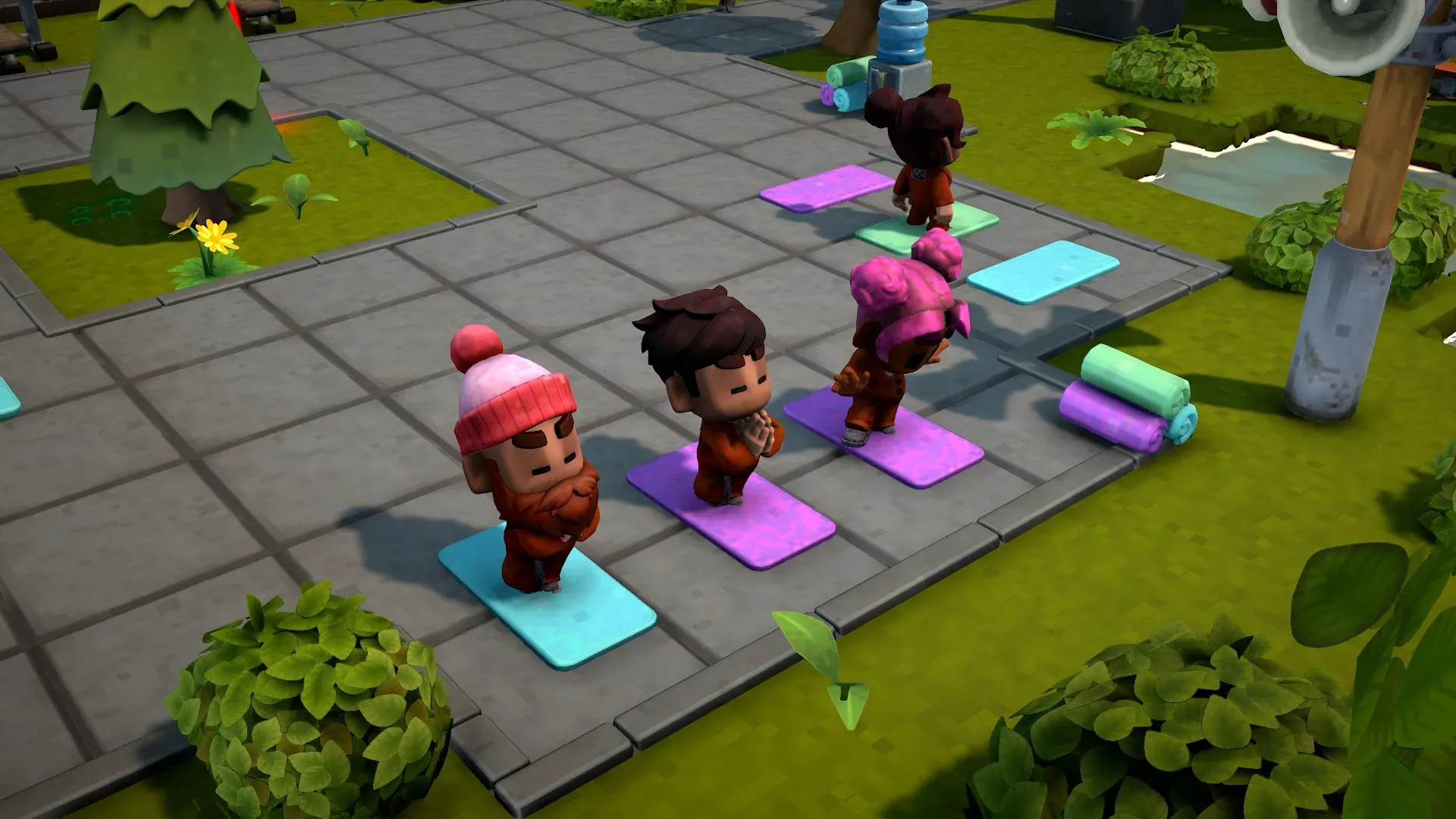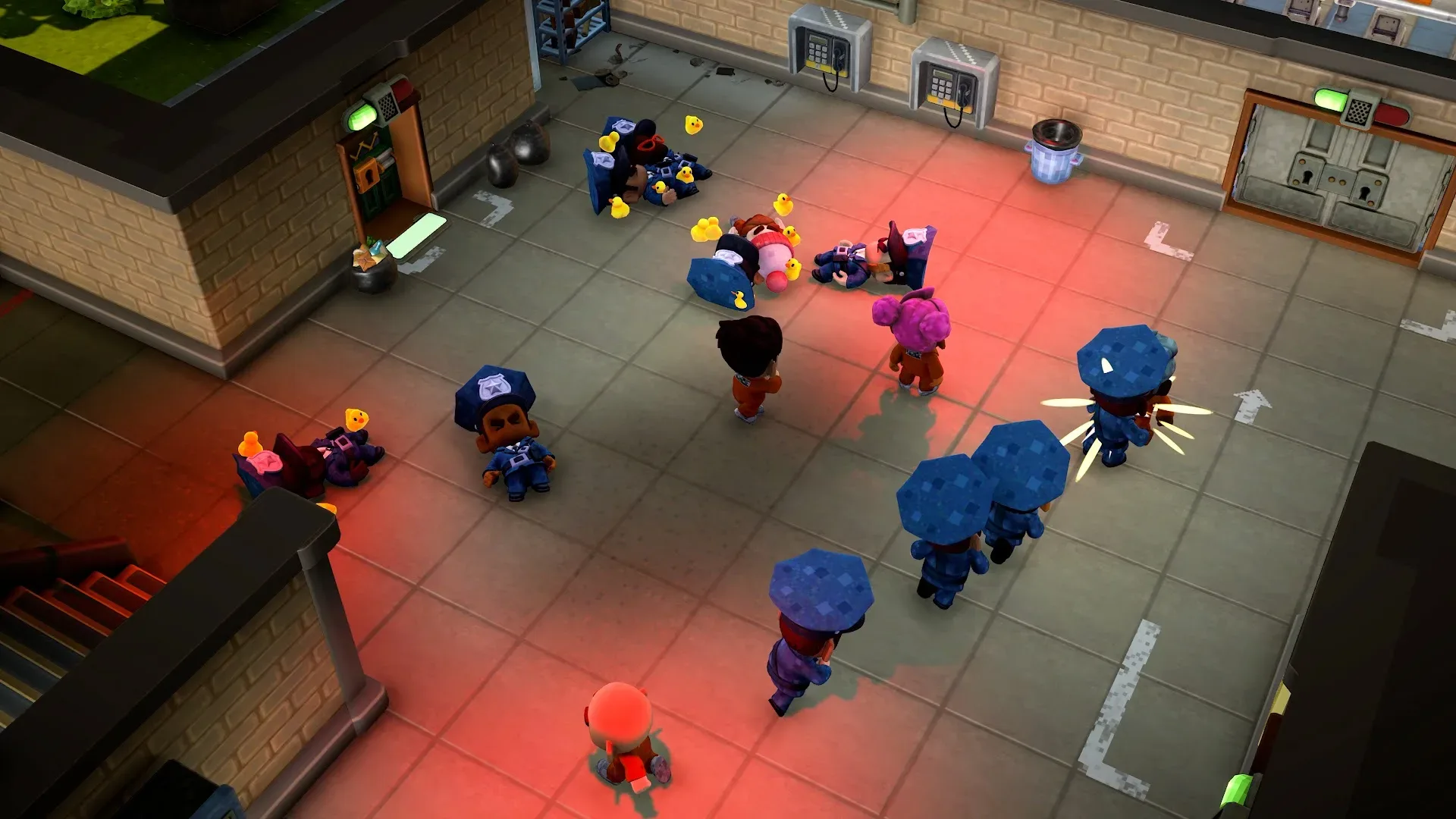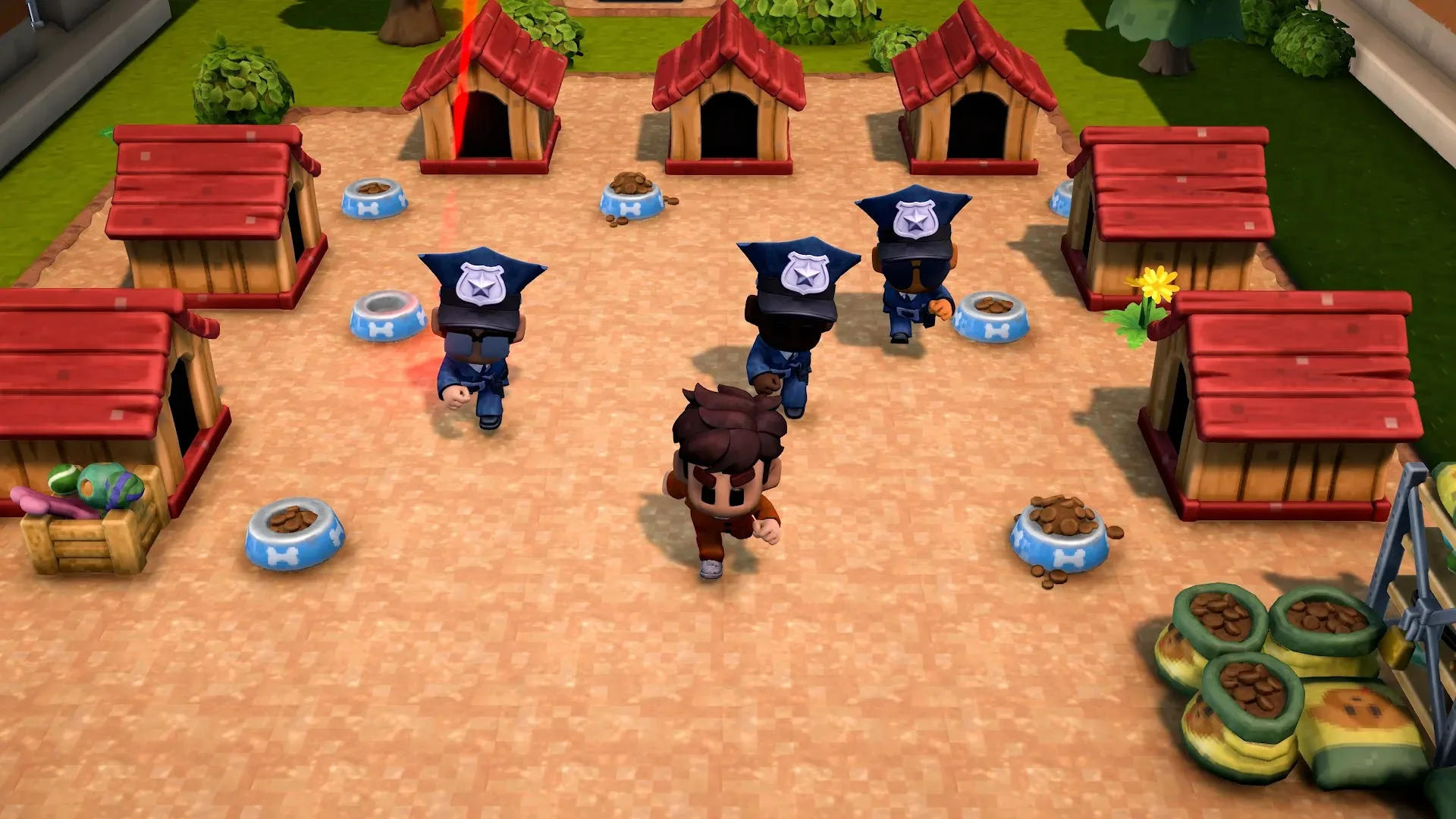
The Escapists 3 is officially on the way, with a 2027 release planned for PC and consoles. The next entry in the prison-escape sandbox series was revealed during the Triple-I Initiative Showcase, and its most immediate change is a substantial one: the series is moving into fully 3D correctional facilities.
That shift sits alongside a familiar core premise. Players will be inmates attempting to get out by studying prison life, gathering useful materials, crafting tools, moving carefully around guards and routines, and adapting when a plan goes sideways. The announcement promises five distinct prisons, more than 120 new weapons to steal or make, and several ways through each escape rather than one prescribed answer.
The headline is not simply that players can escape again; it is that they will have more room to create their own escape stories. A prison break may begin with ordinary work, trading, scavenging or a carefully timed bit of sneaking, then become something considerably less dignified once contraband, guards and improvised equipment enter the equation.
What is changing in The Escapists 3?
Fully 3D environments are the clearest evolution named so far. Previous-style escape planning depends on understanding a place as a system: who goes where, when doors are watched, which jobs create access to items, and which restrictions can be bent without attracting too much attention. A three-dimensional presentation should give those spaces a fresh perspective, but the important point is that the announced prisons are still intended to be systems for players to read and exploit.
In practical terms, a systemic prison is one governed by interacting rules instead of a single, fixed route. Guard rotations create windows of opportunity. Prison systems can be manipulated to produce an advantage. Jobs, searches and trades supply materials. Those elements potentially let a player make a plan around timing, access and resources rather than merely following a checklist.
The announcement is explicit that there is no single solution for every escape. That does not guarantee every approach will work in every circumstance, but it establishes the intended structure: experimentation is part of the game rather than an accidental detour from an optimal path. One group might prioritize stealth and schedule-watching; another might collect equipment, lean into combat, or improvise after a supposedly quiet attempt turns chaotic.
Five prisons, each with its own routines and secrets
The Escapists 3 will include five prisons. Each is described as having distinct routines, characters and secrets, which suggests the settings are meant to be more than visual backdrops. Routines matter because an escape sandbox gains tension from predictability: players observe the pattern, prepare around it and then decide when to risk breaking it.
That structure also gives the game a natural learning cycle. Early attempts can be about reconnaissance—identifying guard movements, understanding the daily schedule and discovering what activities yield useful supplies. Later attempts can turn that knowledge into a more deliberate plan. If the plan fails, the response can be revised rather than treated as a binary pass-or-fail puzzle answer.
The new 3D approach may make this observation phase especially important. A spatially richer prison can mean more routes, sightlines and places where timing matters. However, specific mechanics beyond the announced rotations, exploitable systems and prison routines have not been detailed. It is best to view 3D as a new framework for the series’ established escape-planning idea, not as confirmation of any particular stealth, traversal or combat feature that has not been named.
From rubbish to freedom: crafting, trading and jobs
Resourcefulness remains central. The feature list describes players searching, trading and completing jobs to acquire supplies, before turning what they find into a route to freedom. That is the logic behind the playful “Turn Rubbish into Freedom” label: mundane or discarded items can become useful once combined with the right plan.
Crafting here means creating a functional item from materials players have acquired, while looting means taking weapons or supplies found in the prison. The announcement says there are more than 120 new weapons to steal and craft. It does not identify the individual items or their effects, so the number should not be read as a complete breakdown of the game’s overall crafting catalogue. What it does indicate is a broad set of new tools tied to the more confrontational side of escape planning.
Weapons are only one part of the stated approach. Players are also expected to sneak, fight and improvise. Those verbs matter because they outline different responses to a problem. Sneaking is about avoiding detection. Fighting is the direct, higher-risk option. Improvising is adapting when the available supplies or timing do not support the original plan. The most interesting escape games are often built in that gap between intention and disaster, and The Escapists 3 is plainly positioning itself as a game willing to accommodate both careful planning and ridiculous recovery attempts.
Persistent skills give each inmate a specialty
The new XP and skill progression system is another major addition. Players will earn experience, unlock skills and specialize their inmate toward particular areas of escape. Crucially, that progression carries between prisons.
XP, short for experience points, is a progression currency earned through play. In this case, it is connected to skills that shape an inmate’s capabilities or playstyle. The exact skills, their requirements and how extensively they can be combined have not yet been shared. Still, the carryover is significant: time invested in developing an inmate will not be confined to a single prison.
That persistence may alter how players approach the five-prison structure. Instead of resetting completely at every new facility, an inmate can retain a developing identity. A player may prefer a character tailored toward a particular escape discipline, while another may build differently to fit a co-op group. The announcement frames this as the ability to “make your inmate your own,” though the scope of cosmetic customization versus mechanical specialization has not been specified.
There is also a strategic trade-off inherent to specialization. A highly focused build can make a player stronger at one kind of solution, but the game’s promise of multiple routes means flexibility could be valuable as well. Exactly how those choices balance out remains an open question until more details on the skills arrive.
Local split-screen and online breakouts
The Escapists 3 supports two-player local split-screen and online co-op for up to four players. Local split-screen means two people can play on the same system and display, with the screen divided so both can view their own character. Online co-op allows players to participate remotely over the internet.
Co-op is a natural match for a game based on schedules, distractions and improvised tools. One inmate can potentially draw attention while another searches for supplies, watches a route or prepares the next stage of an escape. Just as importantly, a shared plan can collapse in entertaining ways when one person gets spotted or acts too soon.
The announcement does not provide platform-by-platform multiplayer details, cross-platform support information, or a description of how progression works for all participants in a session. Those are worthwhile questions for players who intend to organize a regular crew, but they have not been answered yet. What is confirmed is the choice between couch co-op for two and online groups of up to four.
A fresh perspective, with the same escape-first foundation
Harley Homewood, General Manager at team17, characterized the series as a major success for the company and called the 3D facilities “a fresh perspective on a fan favourite.” The description fits the announced changes: the basic appeal remains the act of noticing patterns, assembling possibilities and making a break, while the new game expands the format through 3D spaces, progression and broader co-op support.
“It’s a fresh perspective on a fan favourite, and today’s announcement is just a sneak peek of what’s to come.”
For now, the confirmed picture is focused rather than exhaustive. There are five prisons to escape, distinct schedules and secrets to learn, guard rotations and other systems to manipulate, 120-plus new weapons to loot or craft, and persistent skills that travel from prison to prison. PC and consoles are confirmed for 2027, but a precise release date and named console platforms have not been provided.
Players looking ahead to the wider 2027 PC release slate can also keep an eye on LIVING HELL’s planned PC launch. The Escapists 3, meanwhile, has set out its own proposition: learn the rules of confinement well enough to turn them into a getaway plan—preferably before the guards notice what that suspicious pile of “rubbish” is becoming.