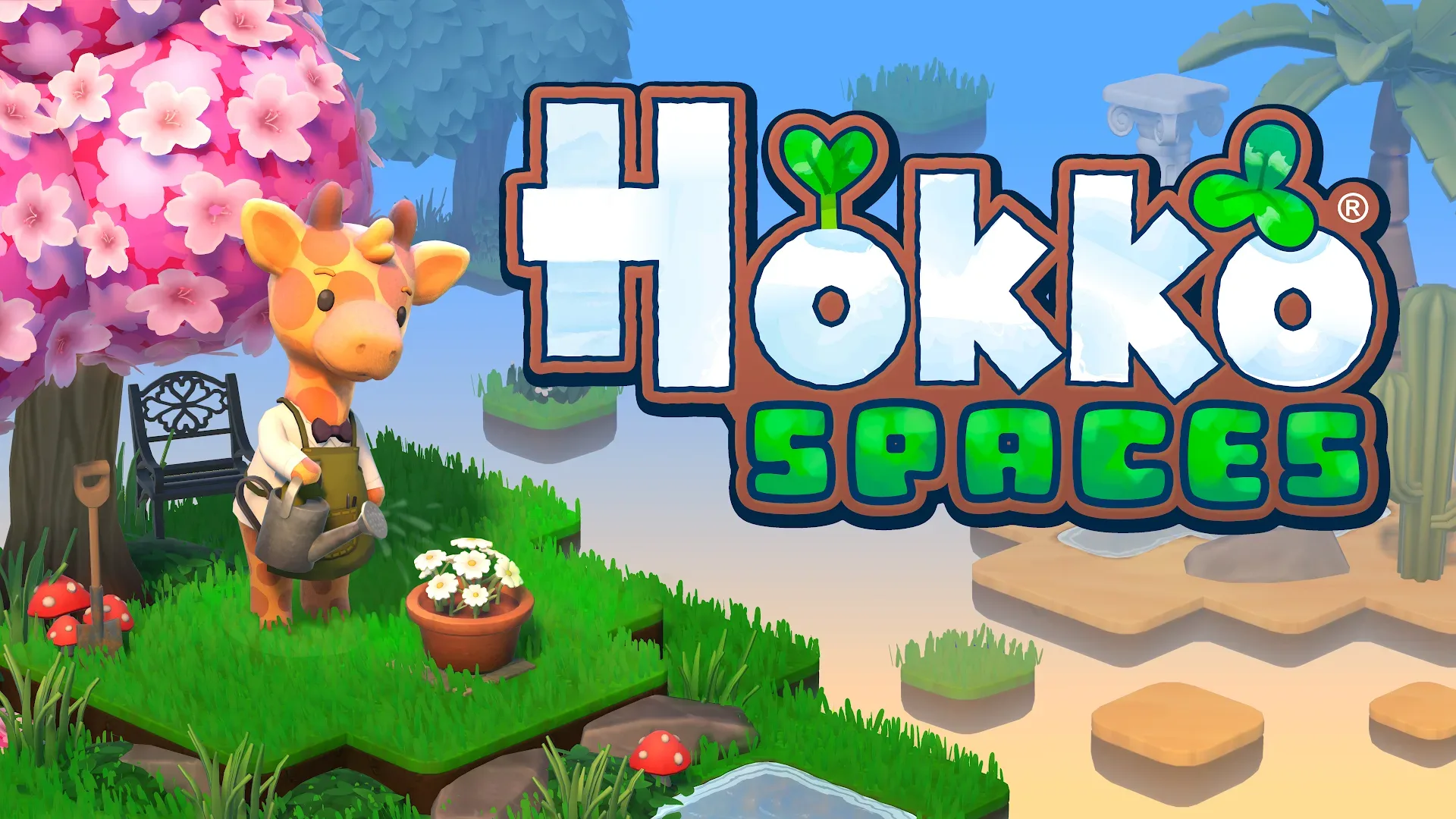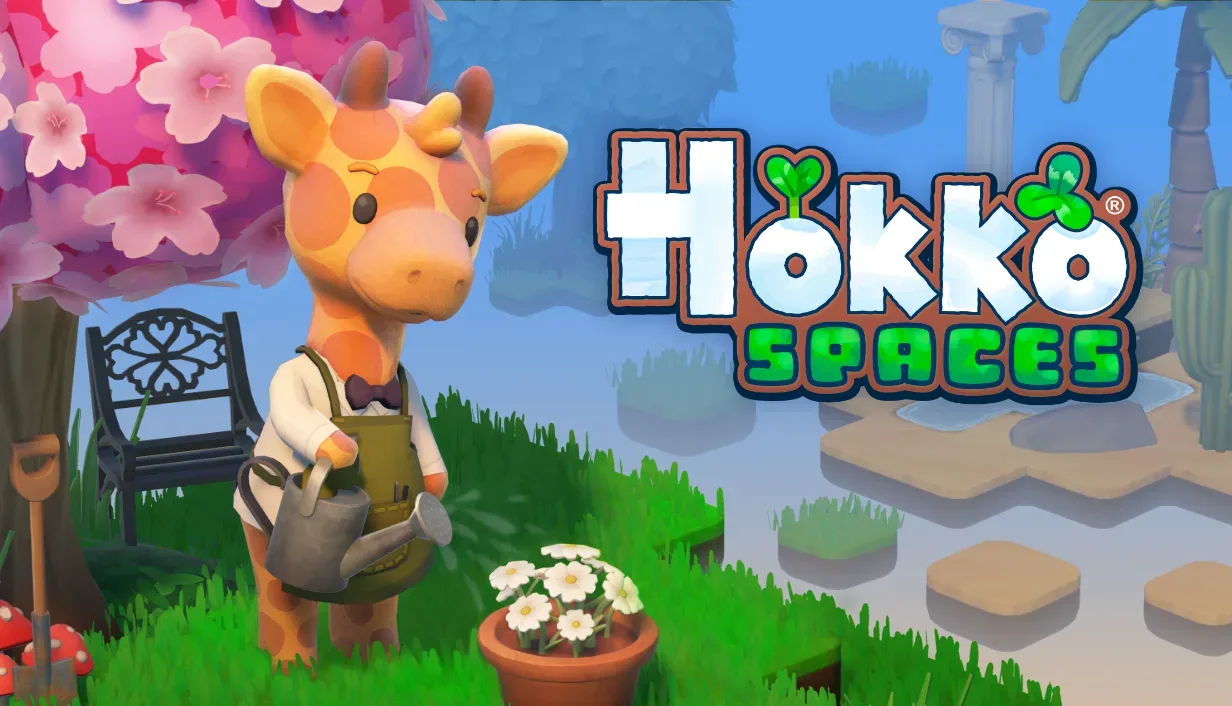
Hokko Spaces, the cosy sandbox spin-off from Team17 and Wonderscope Games, is now available for PC through Steam and Nintendo Switch. It is priced at £7.99 / $7.99 / €7.99, placing the focus squarely on a compact, creative experience rather than a sprawling life-sim commitment.
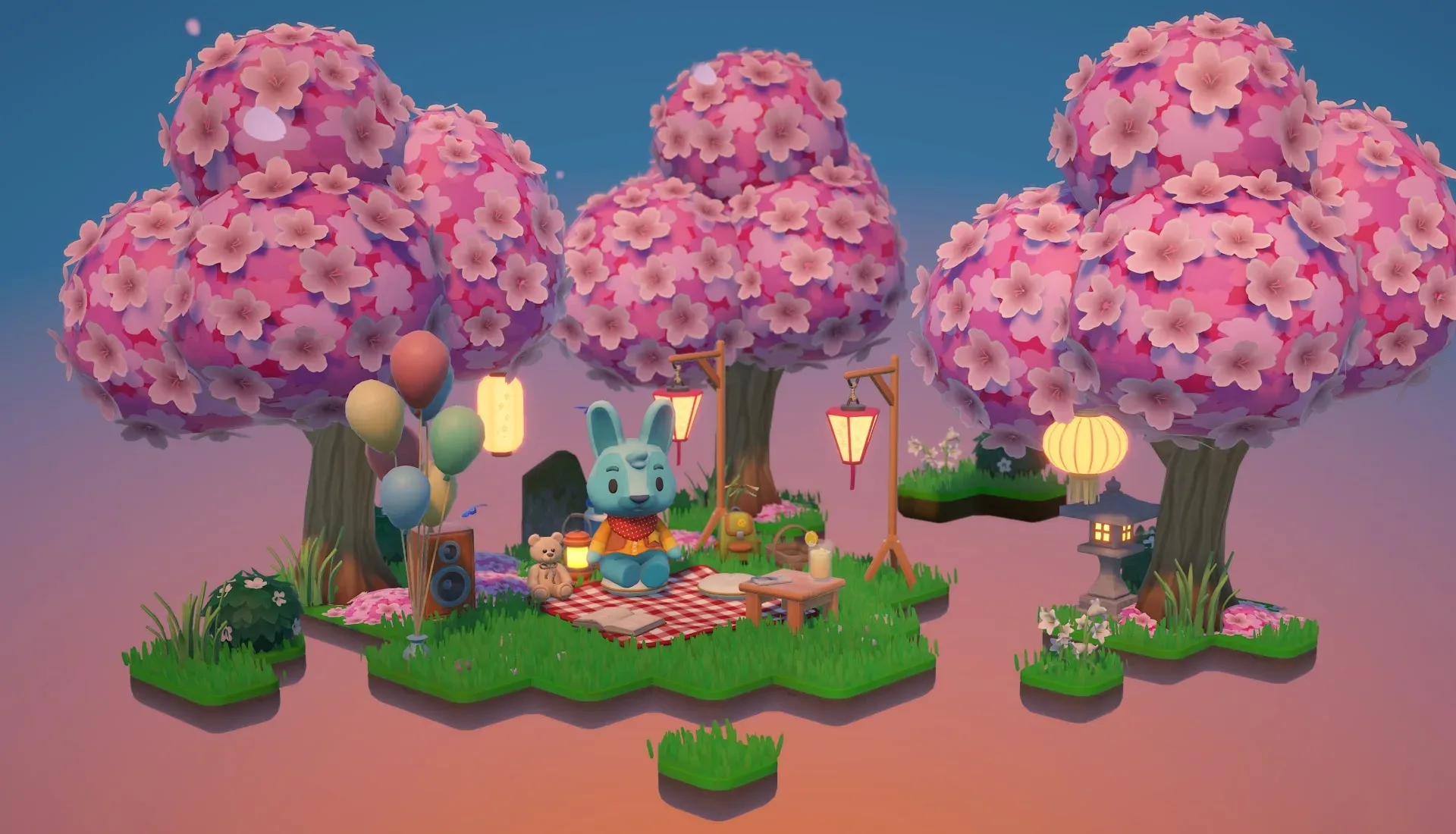
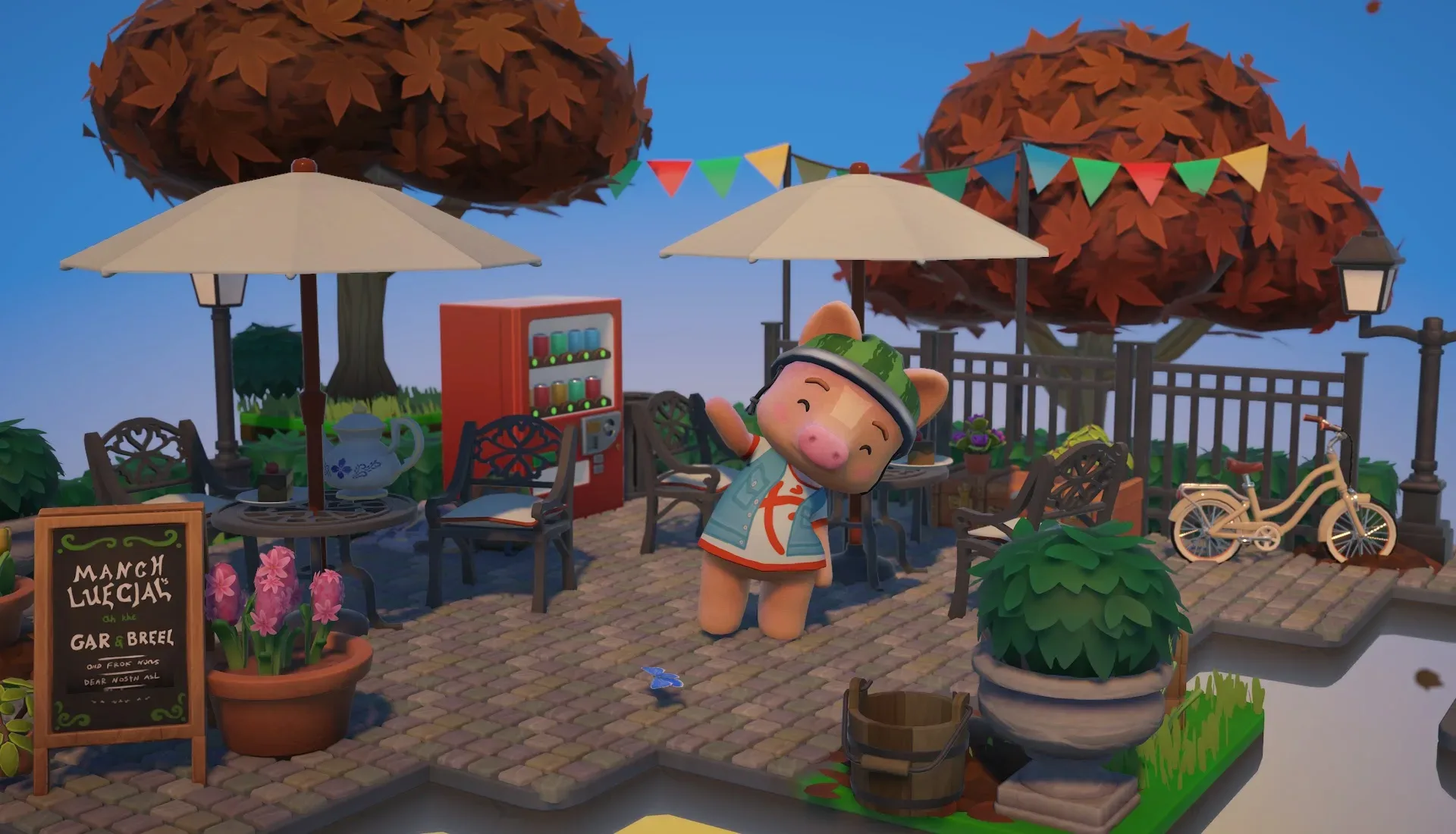
Set in the colourful visual style associated with Hokko Life, Hokko Spaces lets players build relaxing dioramas for anthropomorphic animal residents. Its stated emphasis is on atmosphere and low-pressure creativity: arranging a pleasing small scene, changing its conditions, welcoming visitors and taking a picture when everything is in the right place.
That is a distinct proposition from a progression-heavy builder. A diorama is a small, self-contained scene designed to be viewed as a composition. In game terms, that means individual decorative choices, ground textures, seasonal framing and the position of each resident can matter as much as the size of the space. The idea is not necessarily to construct the biggest settlement; it is to make a tiny setting look and feel intentional.
A building kit built around small scenes
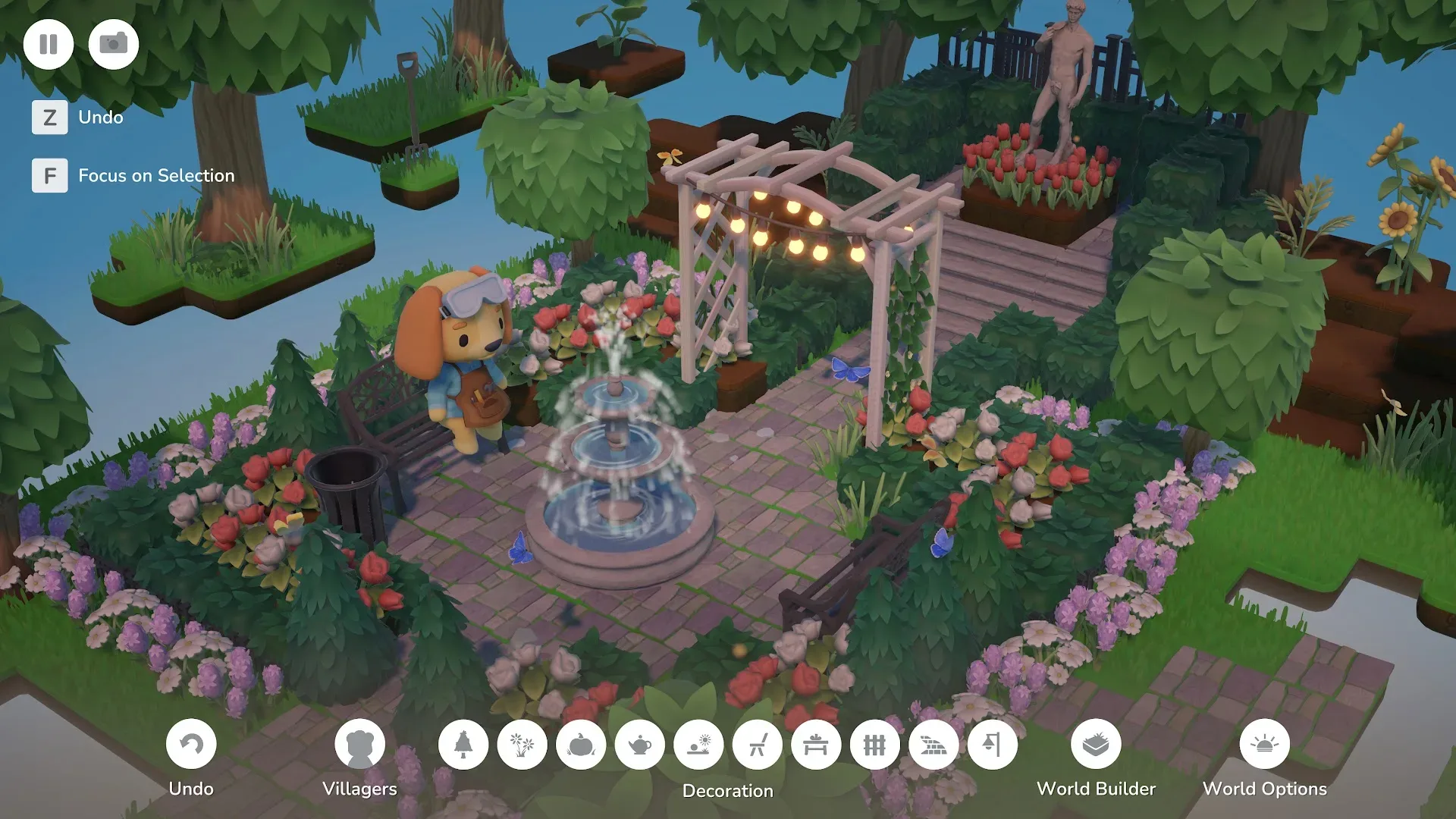
The game includes more than 300 decorative items. The confirmed selection includes campfires, benches, picnic baskets, planters, flowers and picket fences, providing the essentials for parks, gardens, campsites and similarly restful miniature environments.
Five block types are available for shaping the foundation of a diorama, including stone cobbles, grass and sand. Blocks are the surface-building pieces that determine the terrain or flooring beneath decorations. Stone cobbles could suit a path or plaza-like centrepiece, for example, while grass and sand establish different natural backdrops. The full set of five block types has not been detailed, but the announced examples point to a straightforward toolkit for giving each space a clear identity.
Players can also select from four seasons, each with two weather choices. That creates eight stated season-and-weather combinations before furniture and resident placement are even considered. The feature is particularly useful for a game based on presentation: the same bench, flowers and fencing can read as a different scene when placed against a seasonal backdrop or under a different weather condition.
The breadth here is in combinations rather than complication. More than 300 objects, several base surfaces and environmental settings should give players room to rework a favourite location without requiring elaborate systems to do so. For those who like the decorative side of simulation games but do not want a long list of daily obligations, that approach may be the appeal.
Visitors are unlocked through modest goals
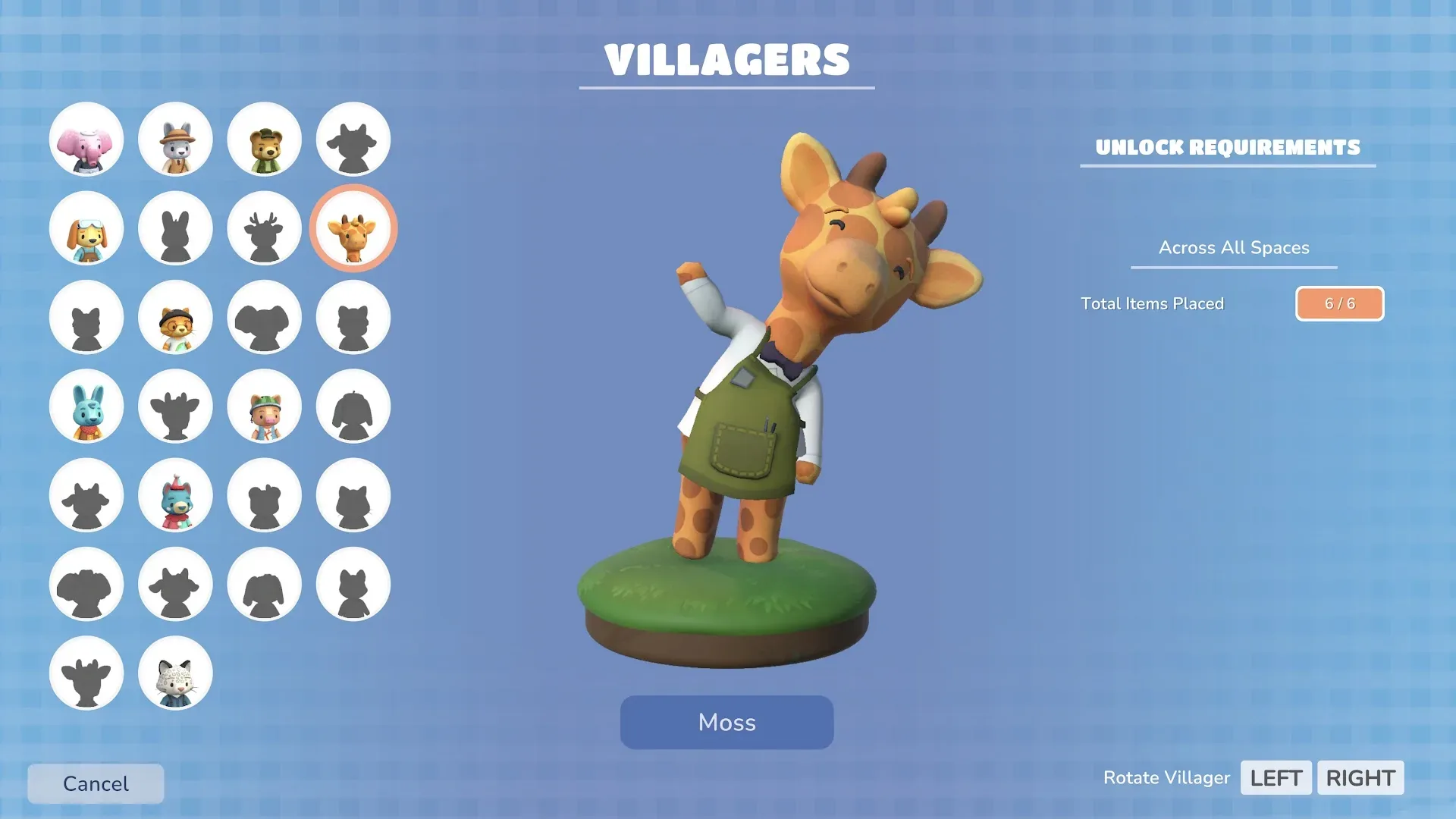
Hokko Spaces has 26 visitors to unlock. These residents are tied to deliberately accessible goals rather than demanding challenges. One listed example is destroying 20 weeds in a diorama.
Related coverage includes Hokko Spaces Launches on Steam and Nintendo Switch.
That “low-bar” structure is worth noting. Unlock systems can give a creative sandbox a reason to keep changing a scene, but they can also turn decoration into a chore when requirements become too restrictive. Here, the provided example suggests light prompts intended to encourage interaction with the diorama instead of imposing a difficult checklist. The visitors also give completed spaces a lived-in quality, rather than leaving them as empty model sets.
There is no indication that players need to optimise layouts for the unlocks. Based on the described goals, they appear to be gentle milestones that add residents as players engage with the available tools. Anyone looking for a detailed management simulation should keep that distinction in mind: the announced design is about calm construction and ambience, with modest unlock objectives supporting the loop.
Photo Mode makes sharing part of the loop
The game includes an easy-to-use Photo Mode for capturing dioramas and sharing images on social media. A Photo Mode is an in-game camera feature used to frame and save images of a player’s creation. In a game where a carefully arranged campsite or flower garden can be the main accomplishment, it is more than a bonus menu item: it is the natural endpoint of the building process.
Photo tools are especially fitting for diorama games because they let players decide what the scene is about. A wide shot can show the overall landscape, while a closer image can centre a resident beside a campfire, planter or picnic basket. Seasons and weather provide additional presentation options, so players can revisit one layout for different moods rather than rebuild it from scratch every time.
Creative games have increasingly treated shareable spaces as part of the experience, whether the building takes place in a dedicated decorating sandbox or in a larger platform. For another recent example of a block-based game space built around a familiar virtual location, see Yakuza Blocks: Like a Dragon’s Roblox recreation of Tenkaichi Street. Hokko Spaces takes a smaller-scale route, concentrating on personal, scenic arrangements rather than a recreation of an entire district.
Lei’s Beachside Pack adds a seaside theme
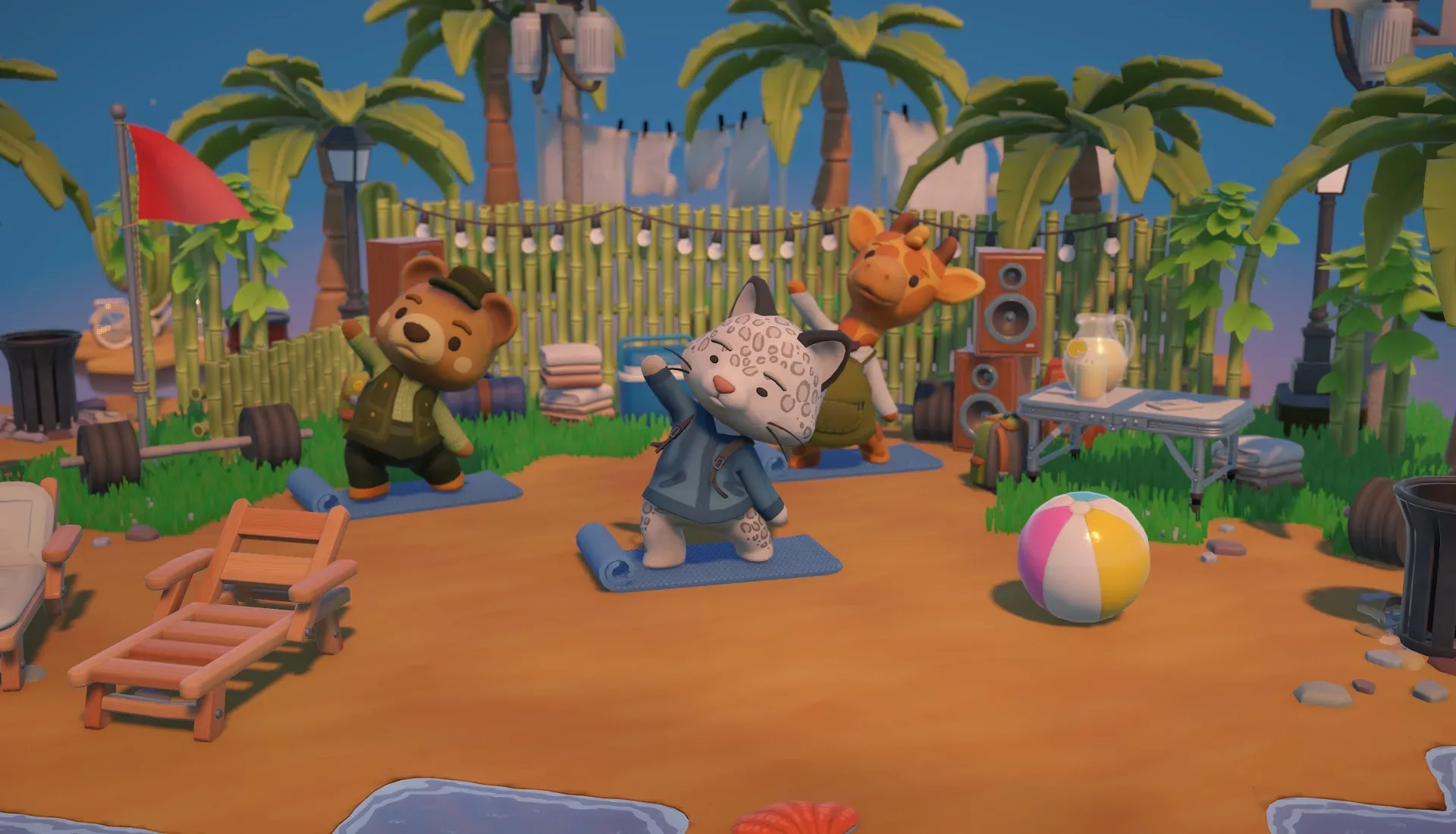
Players who want a coastal set of props can pick up Lei’s Beachside Pack, which is also available now. The DLC costs £1.99 / $1.99 / €1.99 and adds a new villager, Lei, plus beach-themed decorations. Confirmed items include rubber rings, a lifeguard chair and a boombox.
The pack’s contents make its purpose clear: it gives builders a specific visual direction for sand-based scenes. Since sand is among the announced block types, the beach furniture should slot naturally into the base game’s environment options. Lei also expands the visitor roster for owners of the add-on.
For players who intend to buy both products, Hokko Spaces: Sunshine Edition bundles the base game and Lei’s Beachside Pack for £8.99 / $8.99 / €8.99. Compared with purchasing the stated base game and DLC separately, the bundle is listed at the same price in each of the three named currencies.
What players can expect
The announced feature set positions Hokko Spaces as a focused creative break: make a small landscape, populate it with animal visitors, adjust the seasonal conditions and capture the result. Its decorative count, weather choices and unlockable characters offer structure, while the low-bar goals suggest that structure is meant to remain unobtrusive.
Steam and Nintendo Switch players can now choose between the standard edition and the Sunshine Edition. The base game is the straightforward option for anyone primarily interested in its core decoration tools, while the bundle adds Lei and a ready-made beach theme for a small additional cost.