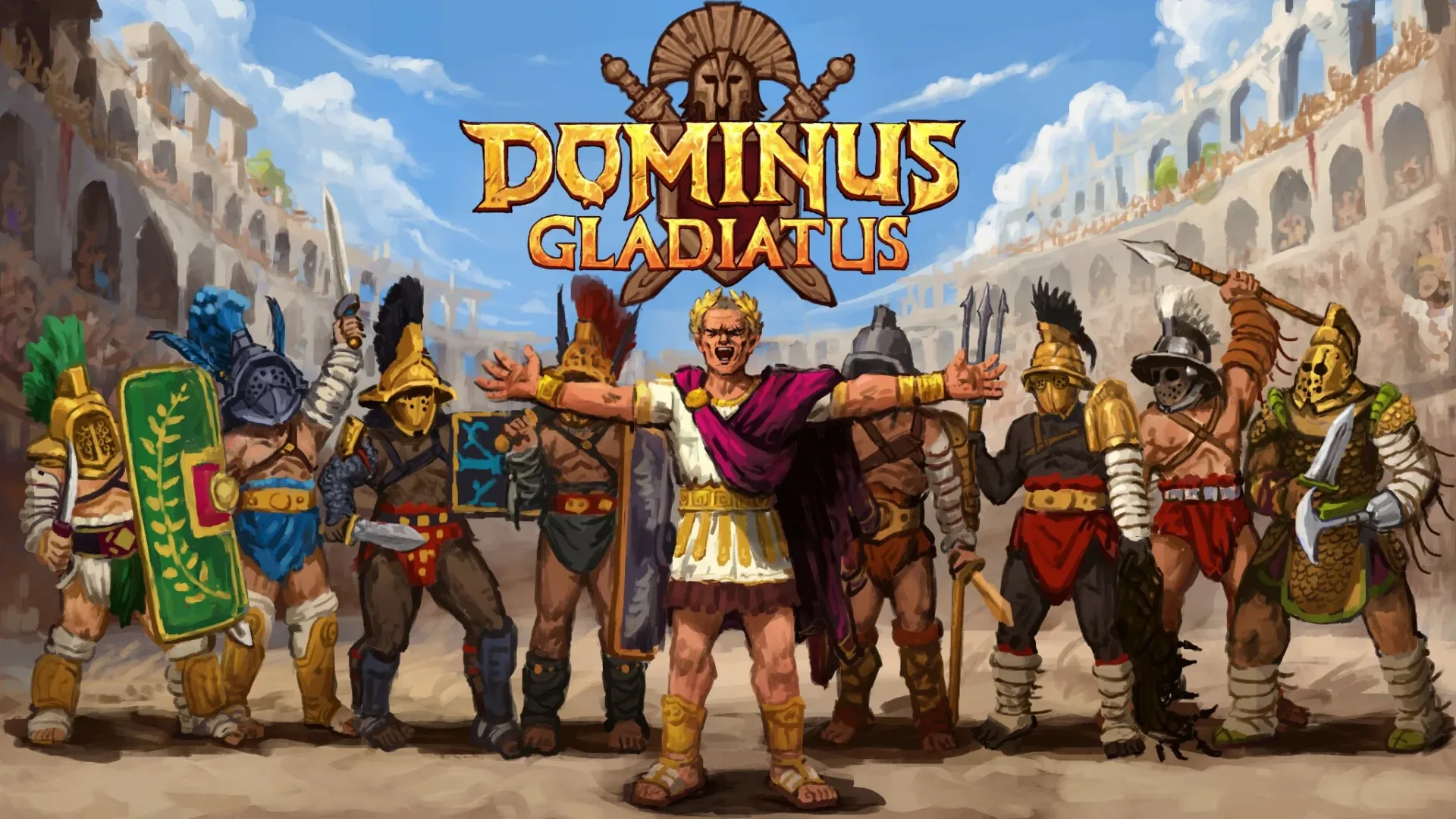
Dominus Gladiatus is scheduled to launch worldwide on November 5, 2026, bringing its Roman-themed gladiator-school management and tactical auto-battler combat to PC via Steam, PlayStation 5, Xbox Series X|S and Nintendo Switch. Brain Seal Ltd and PlayWay S.A. list the game at $19.99 USD, while a free Steam demo is already available for players who want to see how its management-and-combat loop works before release.
The premise puts players in the role of a Dominus, the leader of a gladiator school known as a Ludus. Rather than centering only on an individual arena fighter, the game frames the season as a competition among schools. The Dominus selected by the player enters the tournament circuit, while the remaining choices become rival leaders who build their own rosters and chase the championship.
A school-management game where the arena starts long before the match
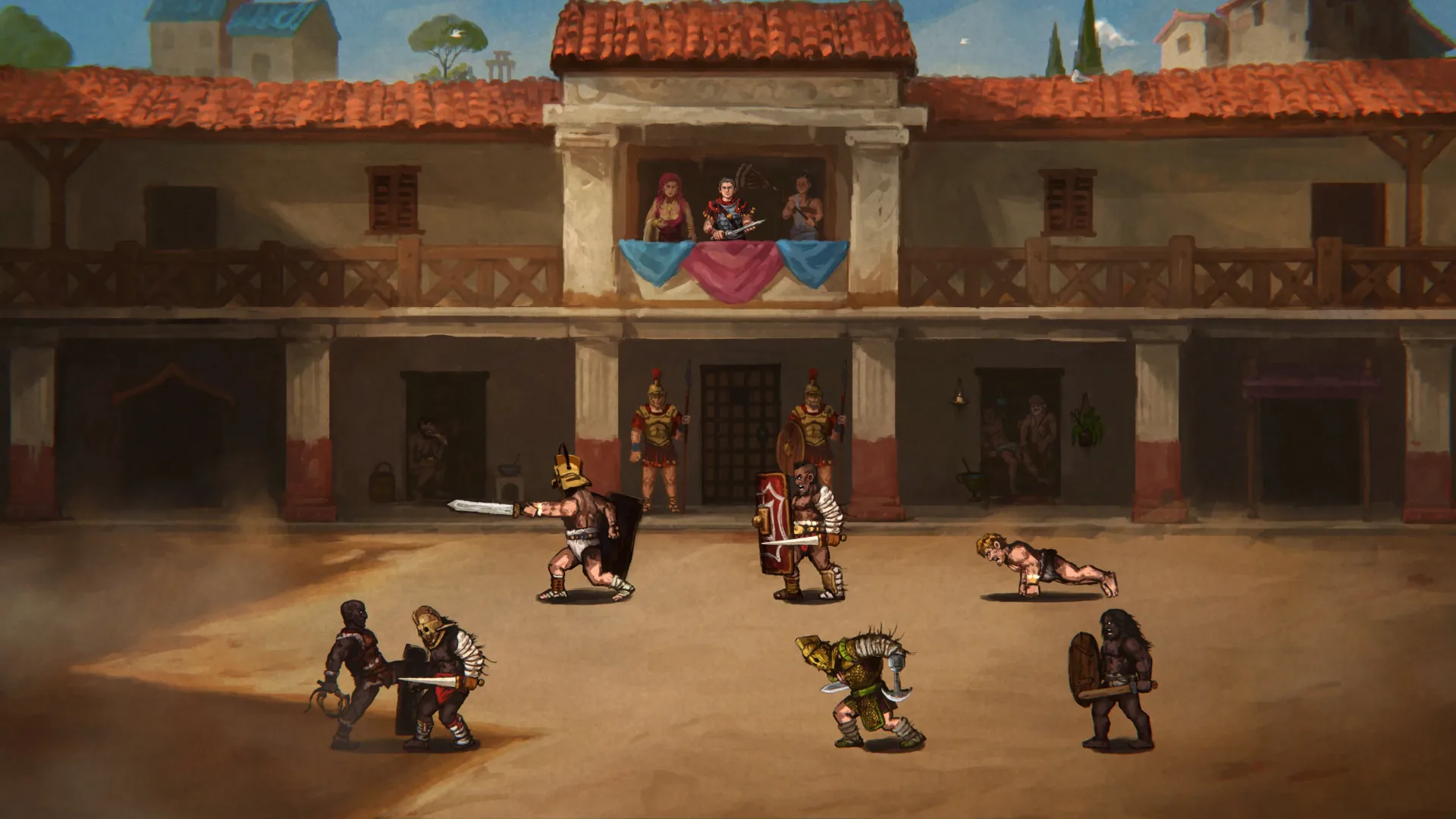
At its foundation, Dominus Gladiatus is about constructing and operating a Ludus. Players recruit gladiators, look for hidden potential among them, develop facilities and bring in staff. The stated management demands also include morale, injuries and fatigue, which means roster decisions are not presented as a simple process of hiring the strongest available fighter and endlessly sending them into battle.
That framing matters because it makes the gladiator school—not a single combatant—the central long-term asset. A promising recruit may require time, training and the right support before contributing in tournaments. A successful school must also account for the condition of its people. Injury and fatigue systems suggest that a fighter’s usefulness can change from one event to the next, while morale introduces another consideration beyond equipment and raw ability.
In practical terms, this should make preparation a central part of each tournament season. Recruiting establishes the talent pool. Training develops it. Facilities and staff expand the school’s capabilities. Then the player has to decide who is ready to fight, how they should be prepared and how much risk the broader roster can absorb. The announced feature set does not specify exact numerical systems or progression rules, so those details remain unknown, but the intended strategic tension is clear: arena results are tied to decisions made back at the Ludus.
What a Ludus means in the game’s structure
Ludus is the term used here for the gladiator school players build and manage. It is more useful to think of it as the game’s headquarters than as a decorative backdrop. The Ludus is where recruitment, training, facility expansion and staff decisions occur, and it is the place from which the tournament roster emerges.
This structure also distinguishes Dominus Gladiatus from a game focused purely on individual fights. The player’s responsibility is organizational: assembling a group, maintaining it and preparing it for a competitive season. The management layer appears designed to give each battle consequences that extend beyond the match itself, especially when fatigue and injuries have to be weighed alongside future events.
Auto-battler combat still asks for tactical decisions
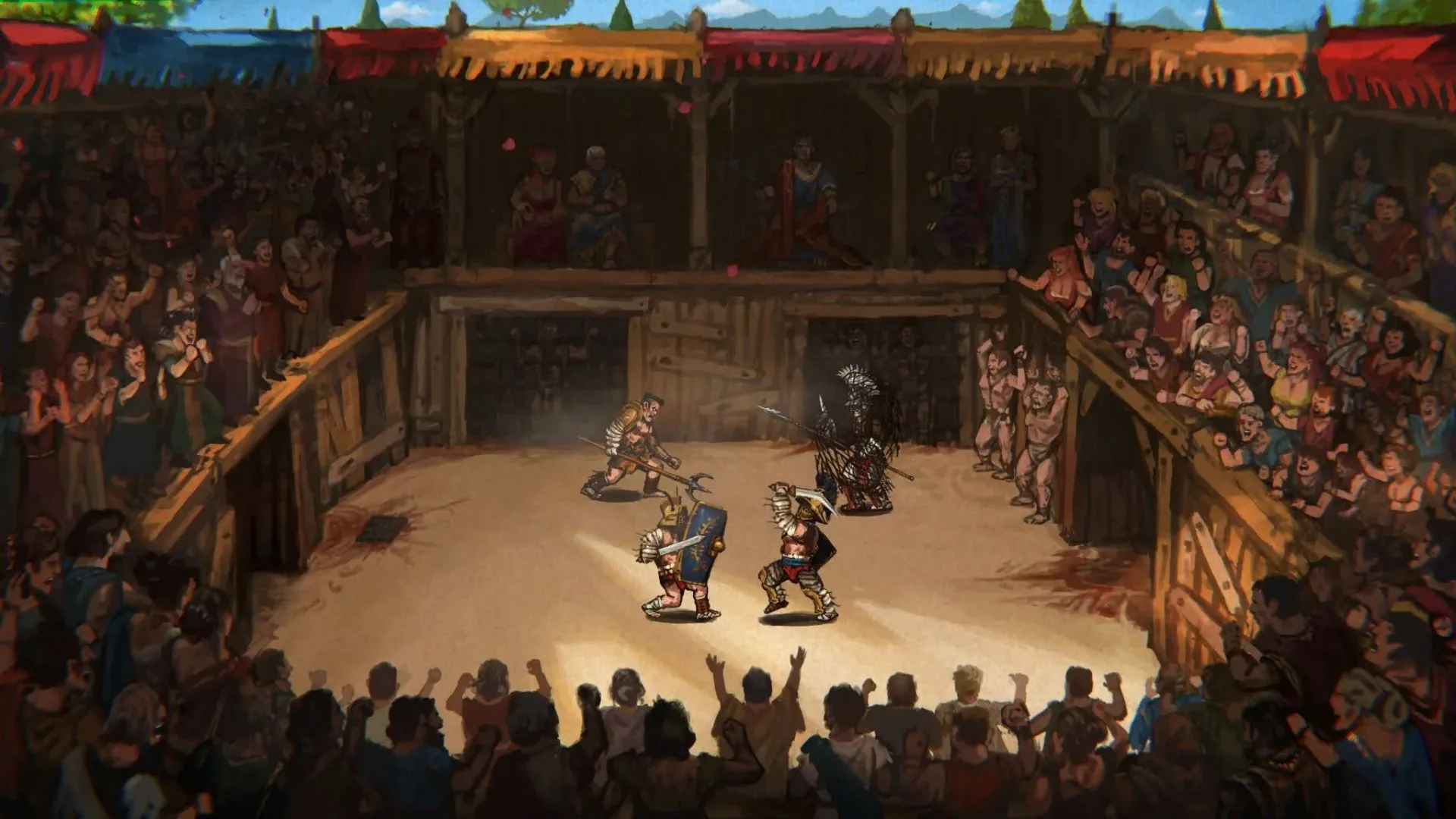
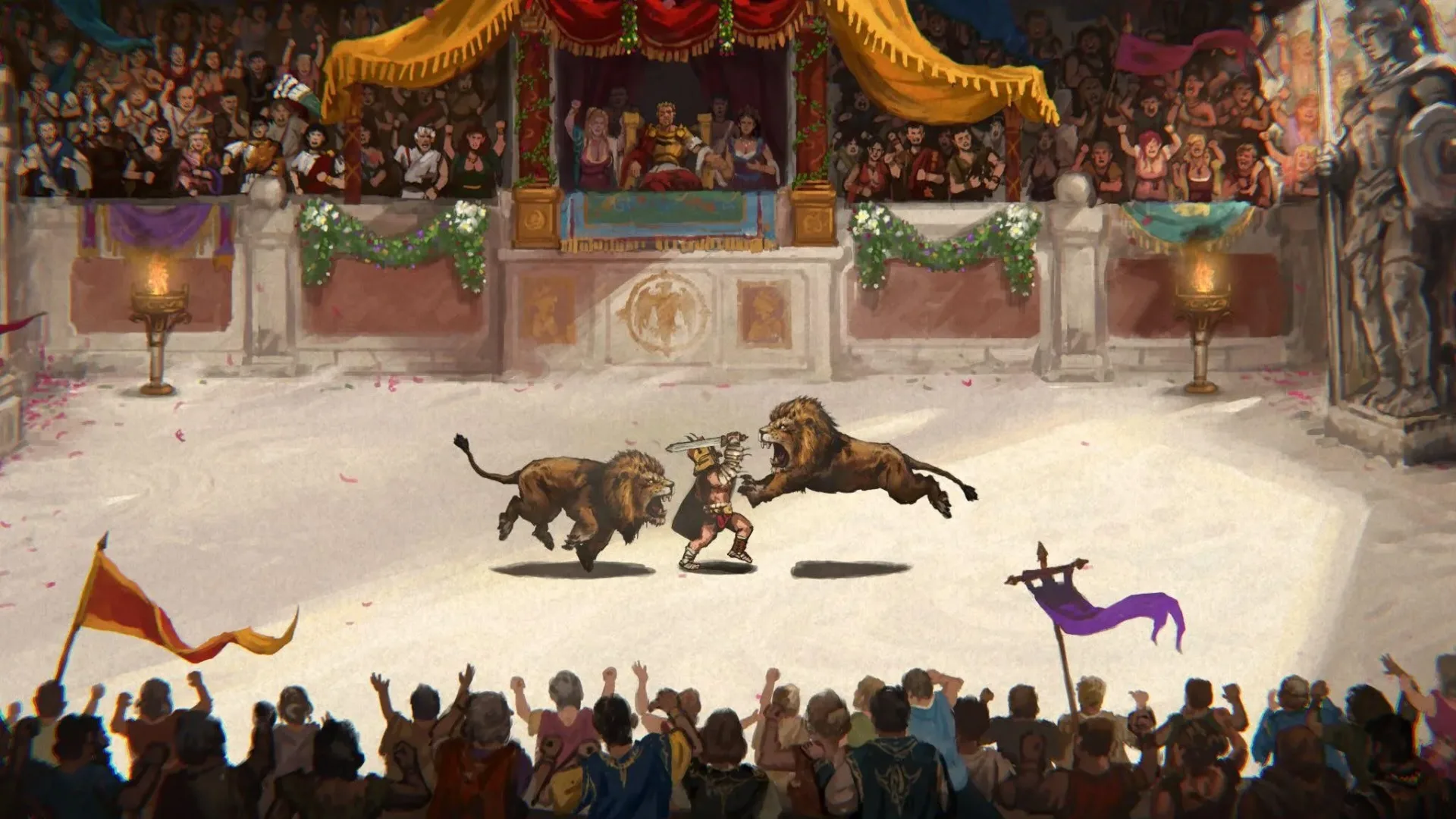
Dominus Gladiatus describes its arena action as tactical auto-battler combat. An auto-battler is a strategy format in which combatants generally carry out the fight automatically after the player makes pre-match choices. The key point is that “auto” does not necessarily mean passive. In this case, the announced decisions include choosing weapons and armor, developing abilities, setting formations and defining strategies.
Related coverage includes Dominus Gladiatus Sets November 5 Launch on PC and Consoles.
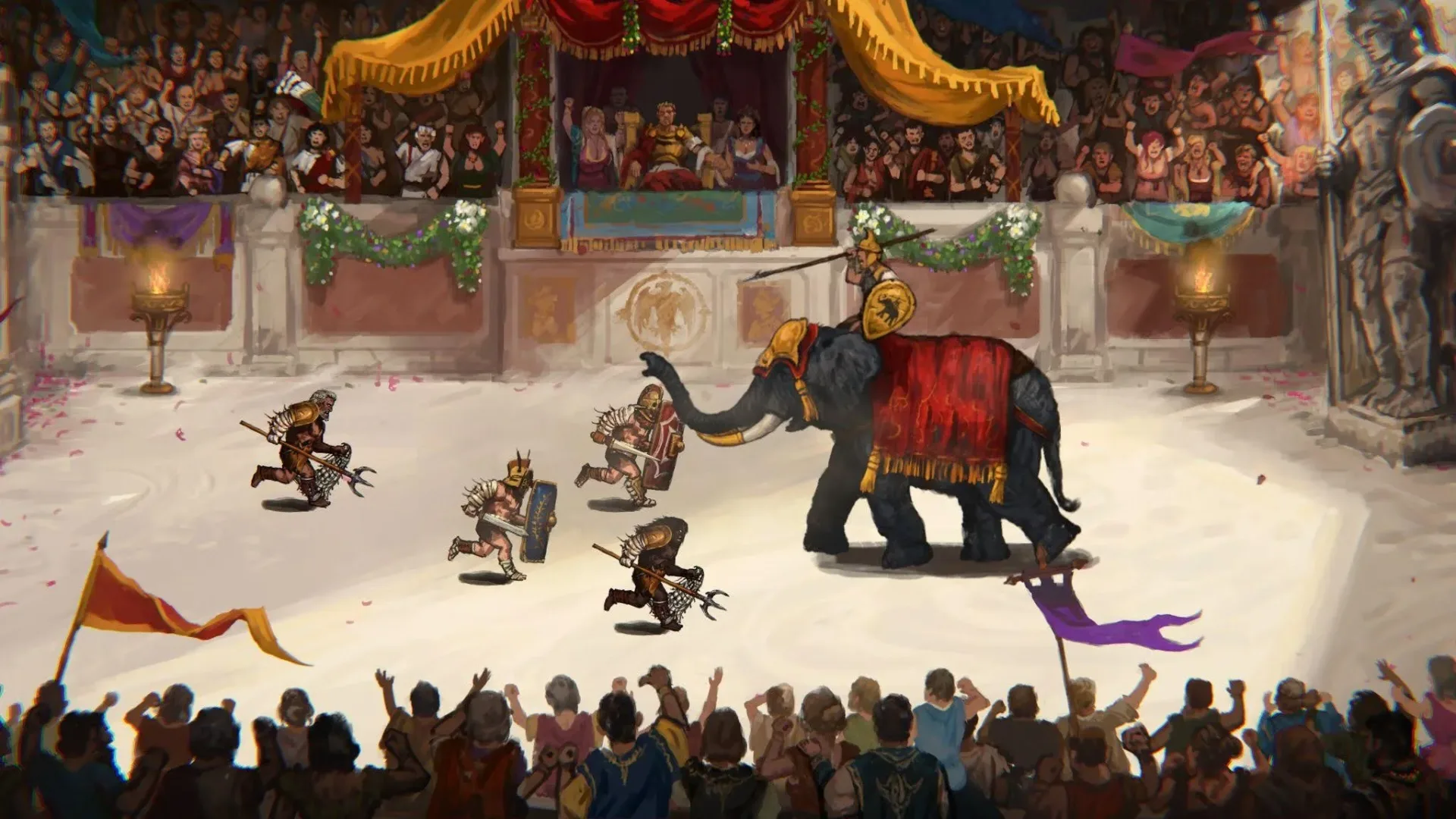
The game will include both duels and team battles. That split potentially changes the kind of planning a player needs to do. A one-on-one contest directs attention toward a single gladiator’s equipment, abilities and fighting style. A team battle introduces formation decisions, where placement and the interaction between multiple fighters can become part of the plan. The announcement does not detail battle size, specific formation types or how strategies are issued, so players should treat those as areas to examine in the demo or closer to launch.
Roman weapons, armor and fighting styles are part of the stated tactical toolkit. Equipment therefore appears to have a purpose beyond visual customization: it is one of the levers players use to shape a gladiator for an upcoming encounter. Abilities serve a similar role, while formations and strategies allow the school leader to influence how a match begins and unfolds.
For prospective players, the important expectation is that success is meant to come from matching preparation to the contest ahead. The game emphasizes choices made before the arena opens, rather than presenting combat as a reflex-driven action system. That makes roster condition, equipment selection and tactical setup closely connected systems rather than isolated menus.
Rival Domini give the season a competitive identity
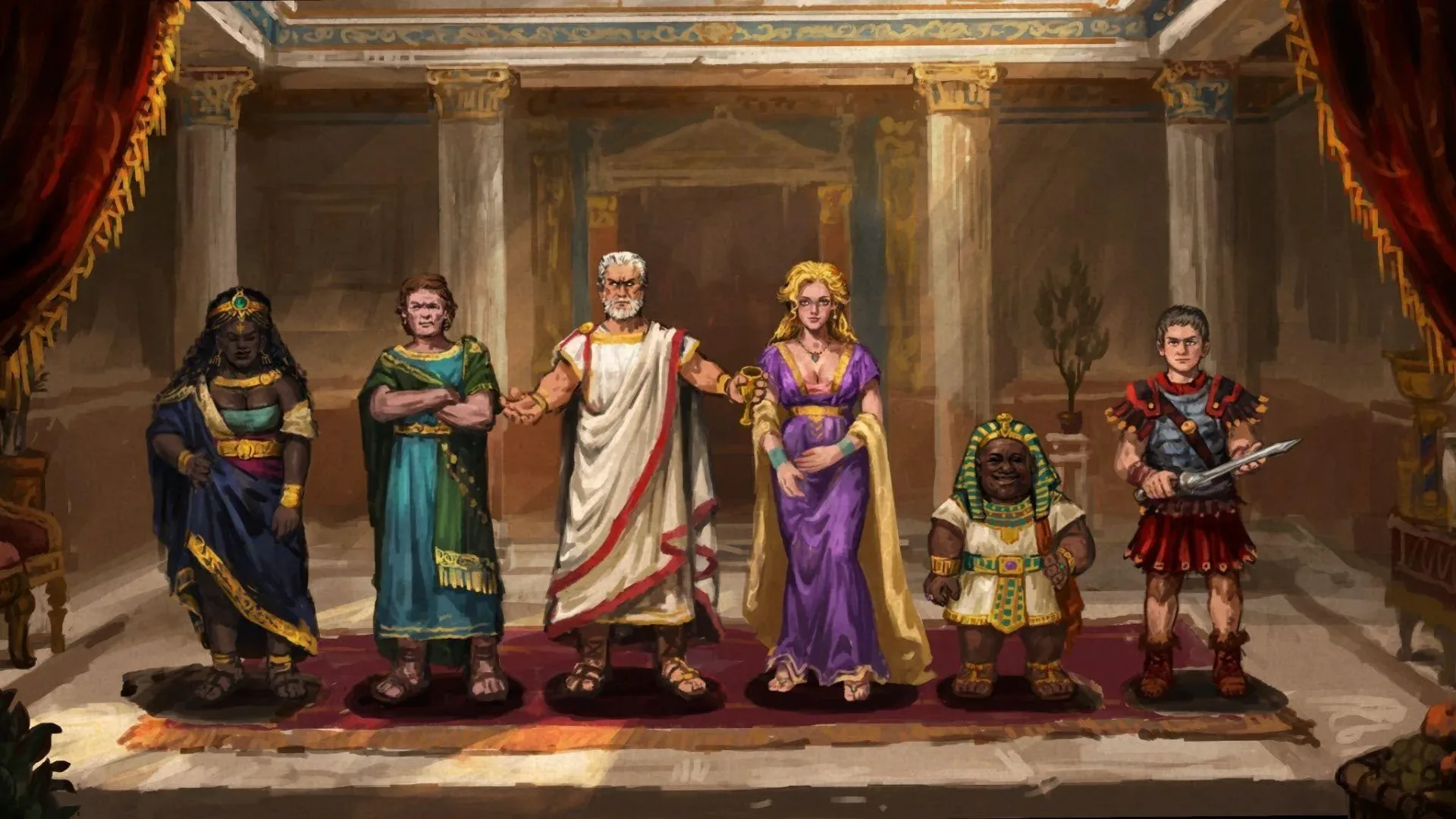
The choice of Dominus is also more than a player-avatar decision. Every Dominus not selected becomes a rival school leader. Those competitors develop their own fighters and pursue the same championship, creating a seasonal structure in which the player’s Ludus is one contender among several.
This is a meaningful design detail because rival schools are positioned as developing competitors rather than static opponents. The stated setup implies that the player is not merely clearing a sequence of unrelated matches; they are trying to build an organization capable of keeping pace with other organizations. It supports the game’s management focus: expanding a Ludus and improving fighters are not abstract upgrades, but part of an arms race within the tournament season.
There is no announced information on the number of available Domini, whether they differ mechanically, or the exact ways rival development is represented. Still, turning unchosen leaders into opponents gives the initial selection a strategic and thematic consequence. Players are choosing both their own school’s leader and, indirectly, the field of rivals they will face.
The crowd is another factor in the arena
Dominus Gladiatus also includes mechanics tied to winning the spectators’ favor. The announcement identifies crowd favor as an influence on outcomes, placing the audience alongside equipment, skills and strategy as a factor in competition.
That is notable because it gives the arena an extra objective beyond simply fielding effective fighters. Crowd systems in strategy games can reward the player for pursuing certain kinds of performance or for balancing immediate match needs against a broader popularity consideration. Exactly how favor is earned and how strongly it changes a match has not been detailed. What is confirmed is that spectators are not just background presentation: their favor is an explicit gameplay consideration.
The combination of tournament competition and crowd approval could make arena planning more layered. A setup aimed solely at the safest possible victory may not necessarily be identical to one designed to build favor, though the precise trade-offs have not been outlined. Players looking at the Steam demo may want to pay attention to how clearly those systems are communicated and whether crowd favor feeds into tactical choices, seasonal progress or both.
Platforms, price and language support
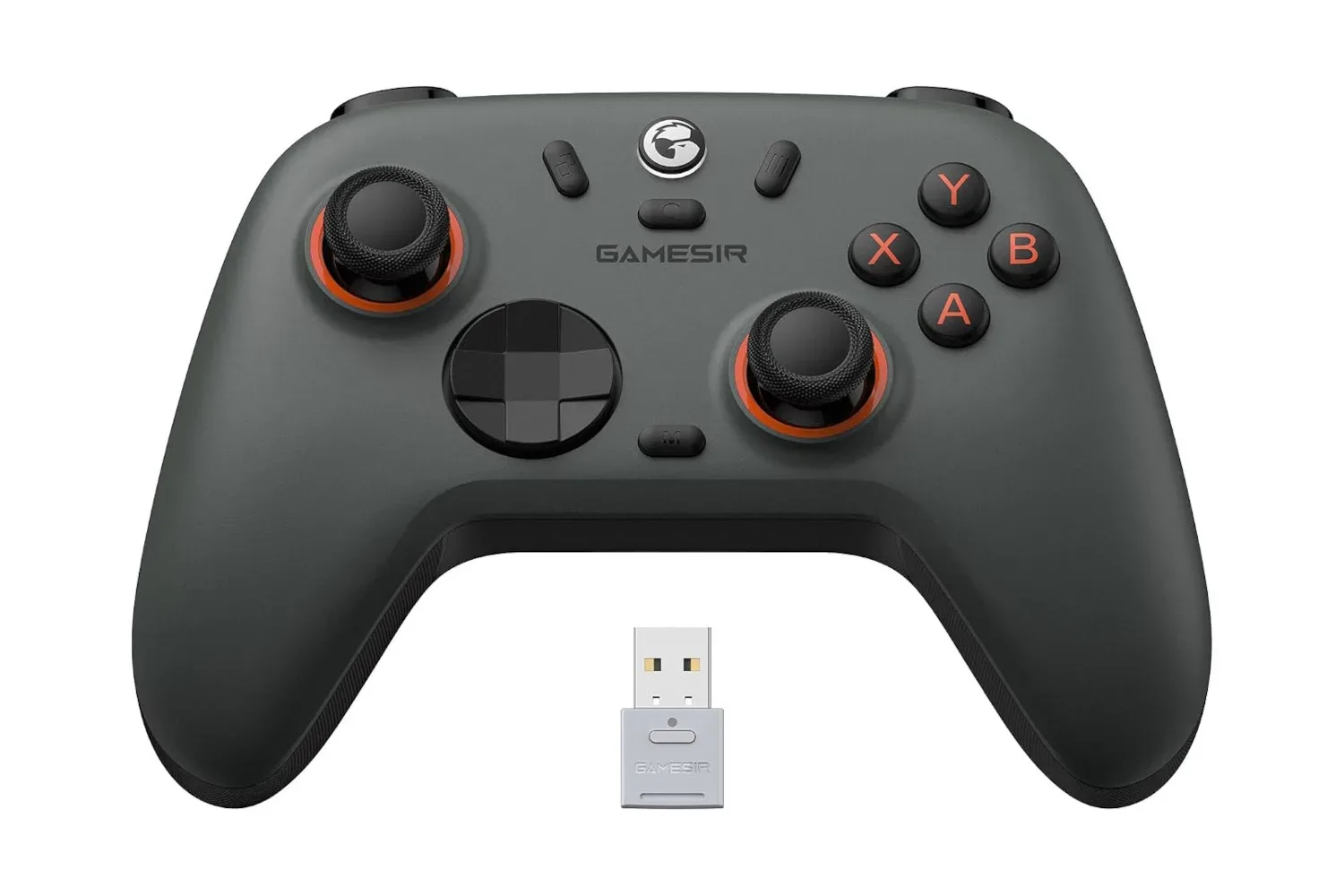
The game arrives simultaneously across PC, PS5, Xbox Series X|S and Nintendo Switch on November 5. That is a broad platform release for a management-heavy strategy game, particularly one built around menus, rosters and tactical preparation as well as automated arena battles. Players planning to use a controller across PC and Switch may also be interested in this overview of the GameSir Nova Lite 2’s PC and Switch support.
The listed price is $19.99 USD. A free demo is currently available on Steam, offering the only confirmed pre-release way to evaluate the game directly. No equivalent demo availability has been specified for the console editions.
Dominus Gladiatus supports 16 languages. The announcement does not identify those languages or state whether every text and interface element is localized to the same extent, but the number indicates a notably broad language offering for the release.
What to watch in the Steam demo
The demo is particularly useful for a game built around interconnected systems, because the central question is not simply whether its premise sounds appealing. Potential players may want to assess whether the management decisions provide understandable consequences and whether tactical preparation feels substantial before the automatic combat begins.
- Roster pressure: See how clearly morale, injuries and fatigue affect recruitment and match selection.
- Build variety: Look for meaningful differences among weapons, armor, abilities and fighting styles rather than choices that only alter presentation.
- Pre-battle control: Evaluate how much formations and strategies change the player’s approach to duels and team battles.
- Rival progression: Check how visible competing Domini and their developing schools are within the tournament season.
- Crowd favor: Pay attention to what earns spectator approval and what it changes.
Those questions are especially relevant because the game’s appeal rests on the relationship between management and combat. Building a Ludus, hiring staff and improving gladiators should ideally inform the arena plan, while the results of arena competition should make the school-management side feel consequential. Dominus Gladiatus is positioned around that loop: recruit and develop a stable of fighters, account for their condition, equip and organize them, then compete against rival schools for the championship.
With a November 5 launch date locked in, the remaining wait is short for PC, PS5, Xbox Series X|S and Switch players. The Steam demo offers an immediate look at whether this blend of Roman-themed school management, tactical planning and auto-battler contests has the strategic staying power to win its own favor with the crowd.