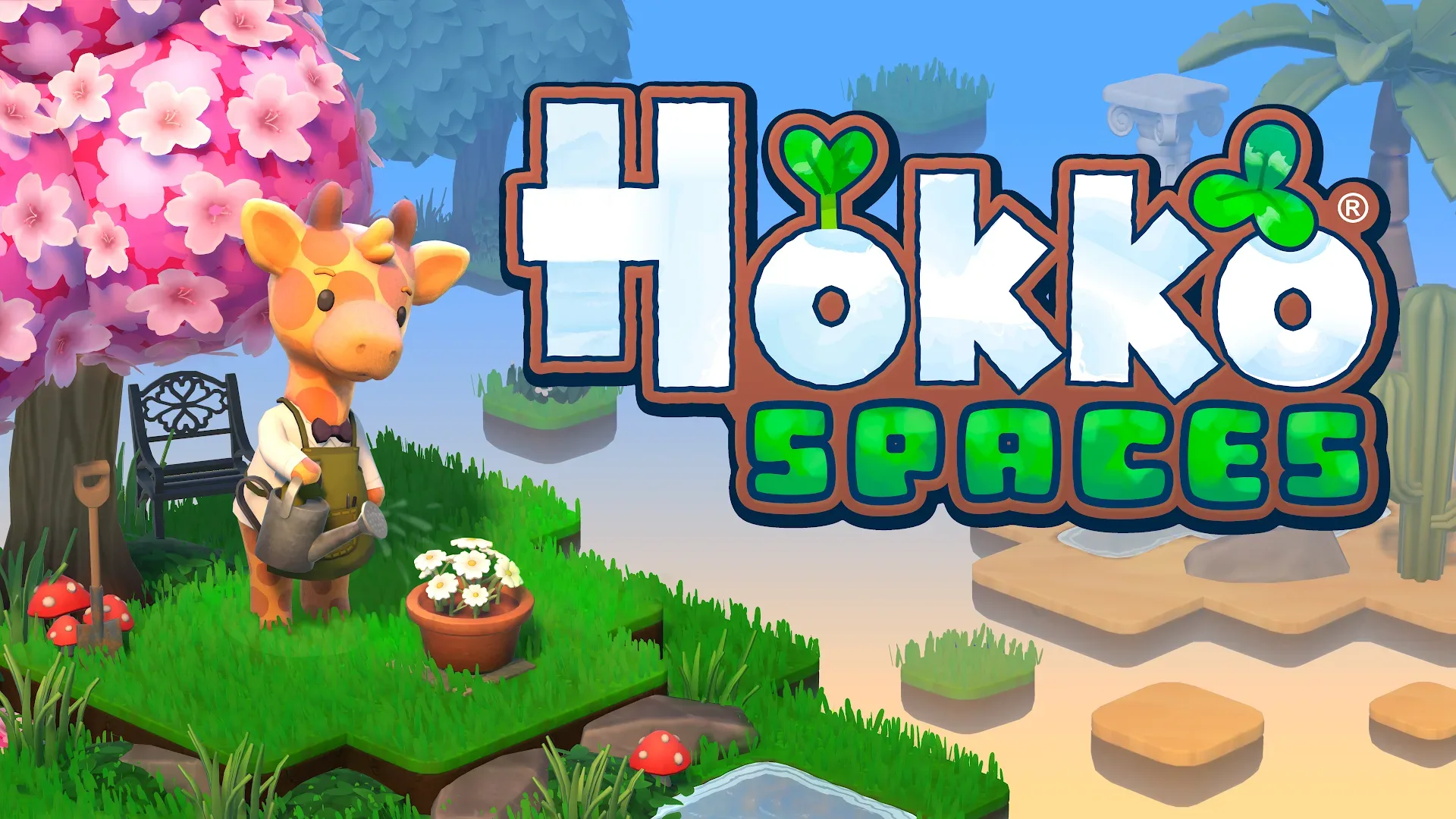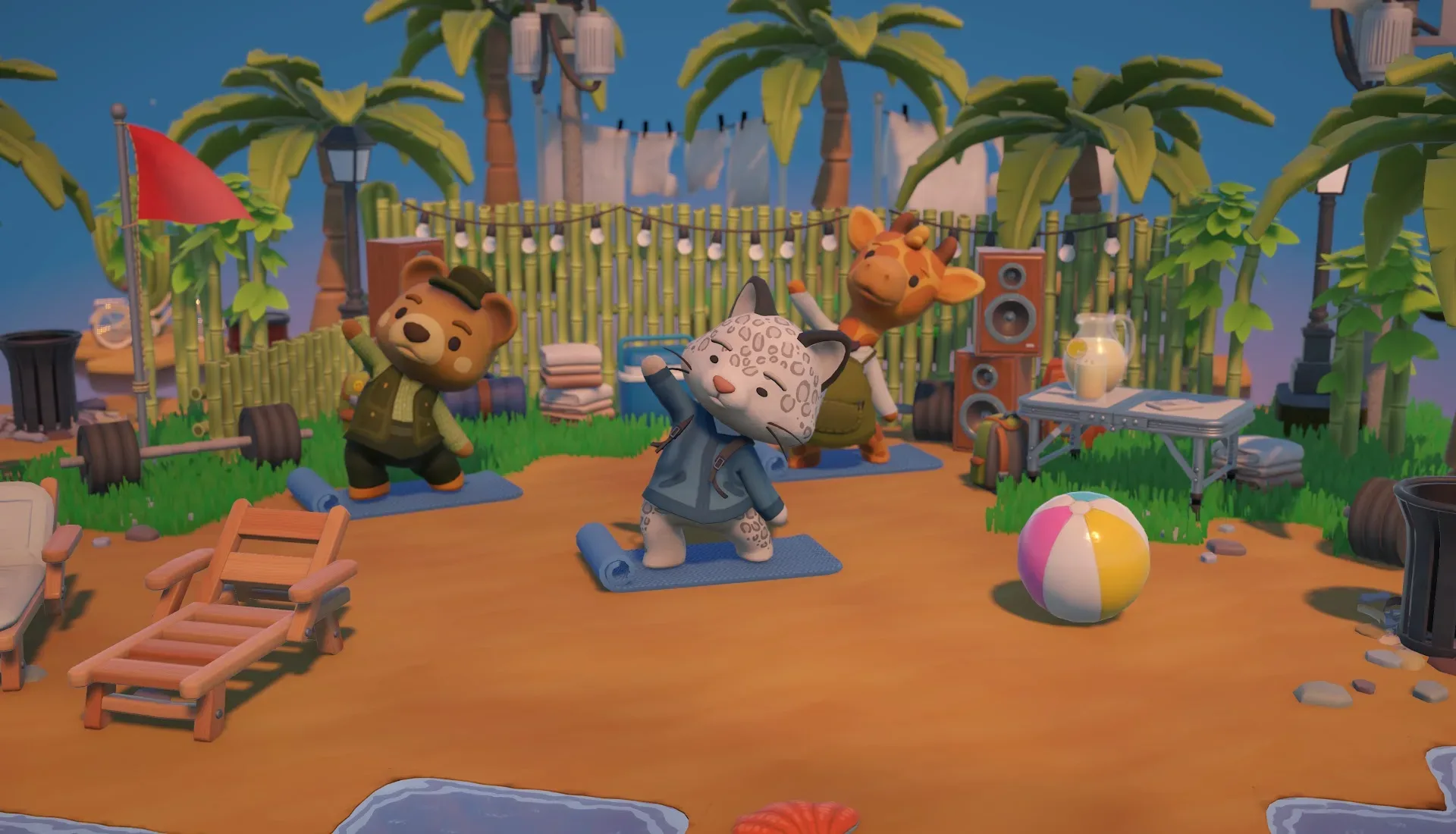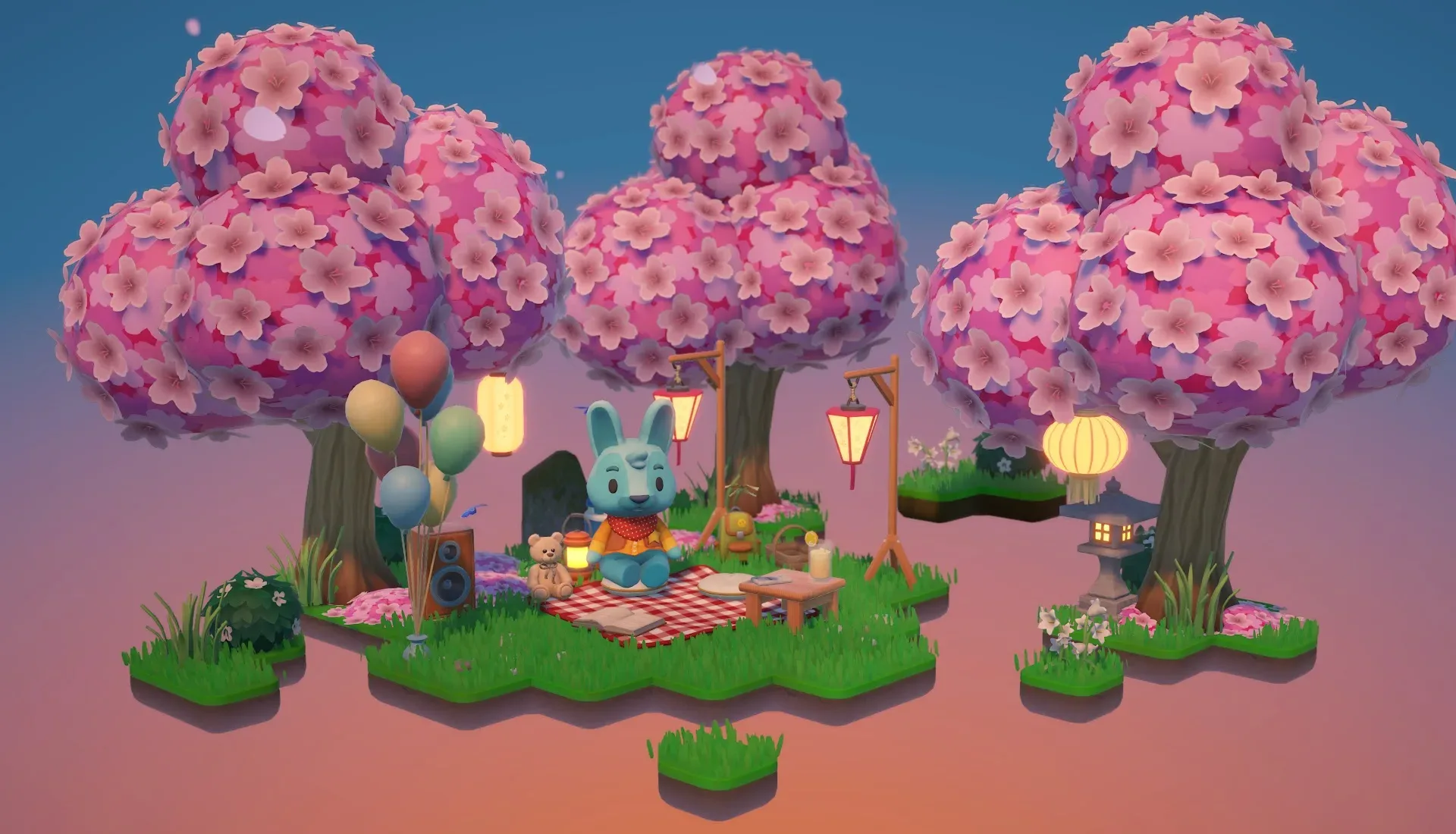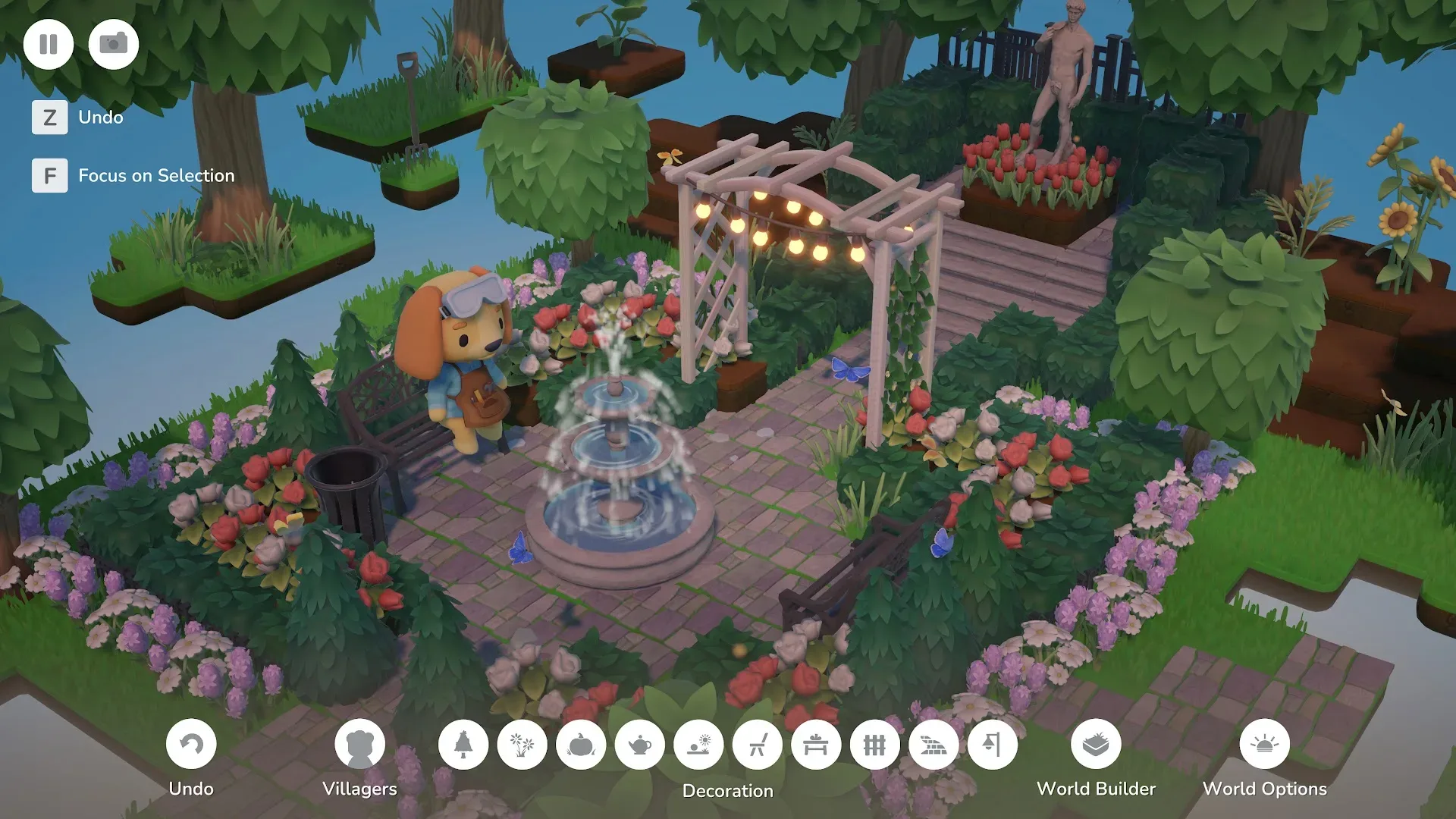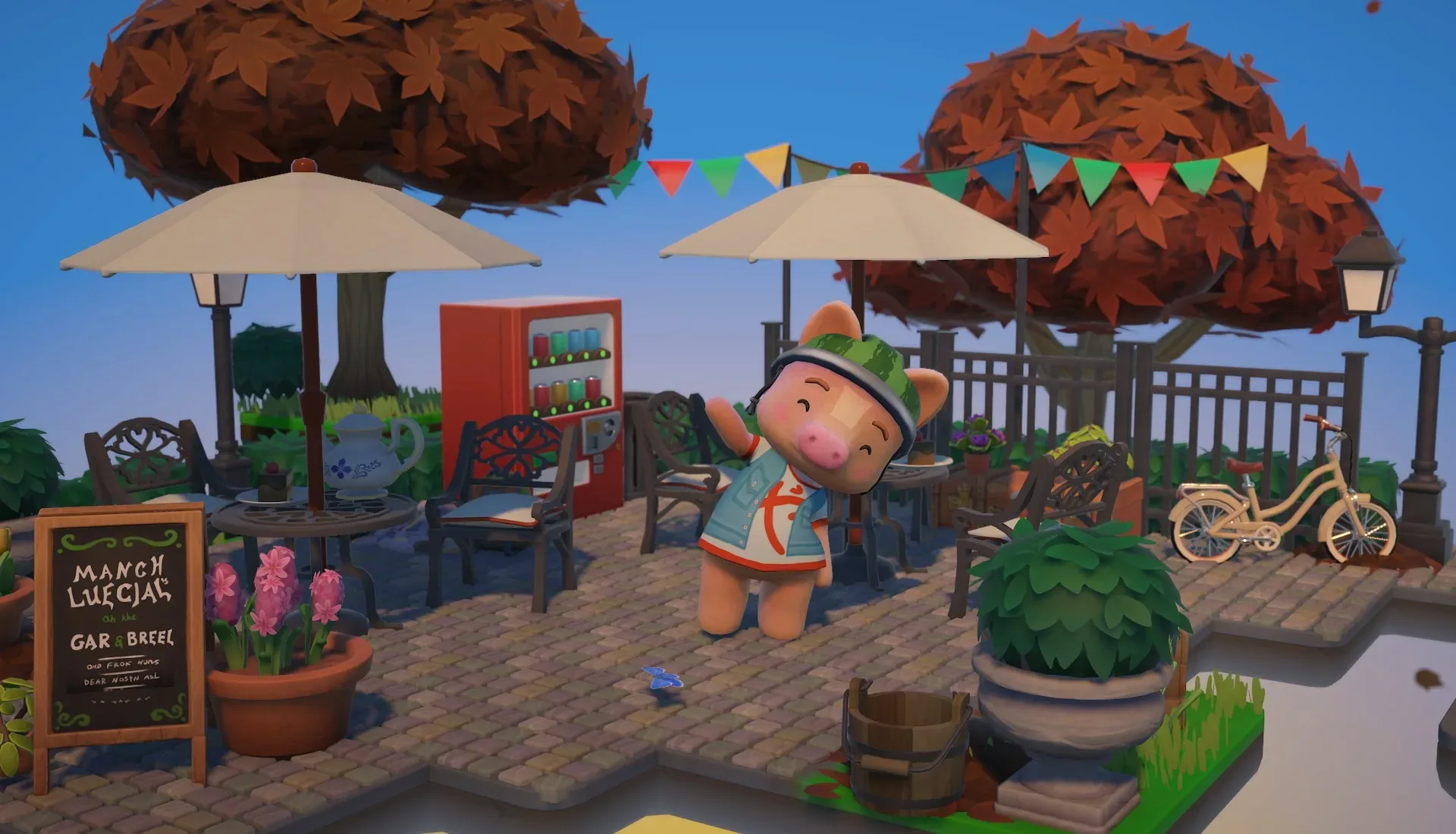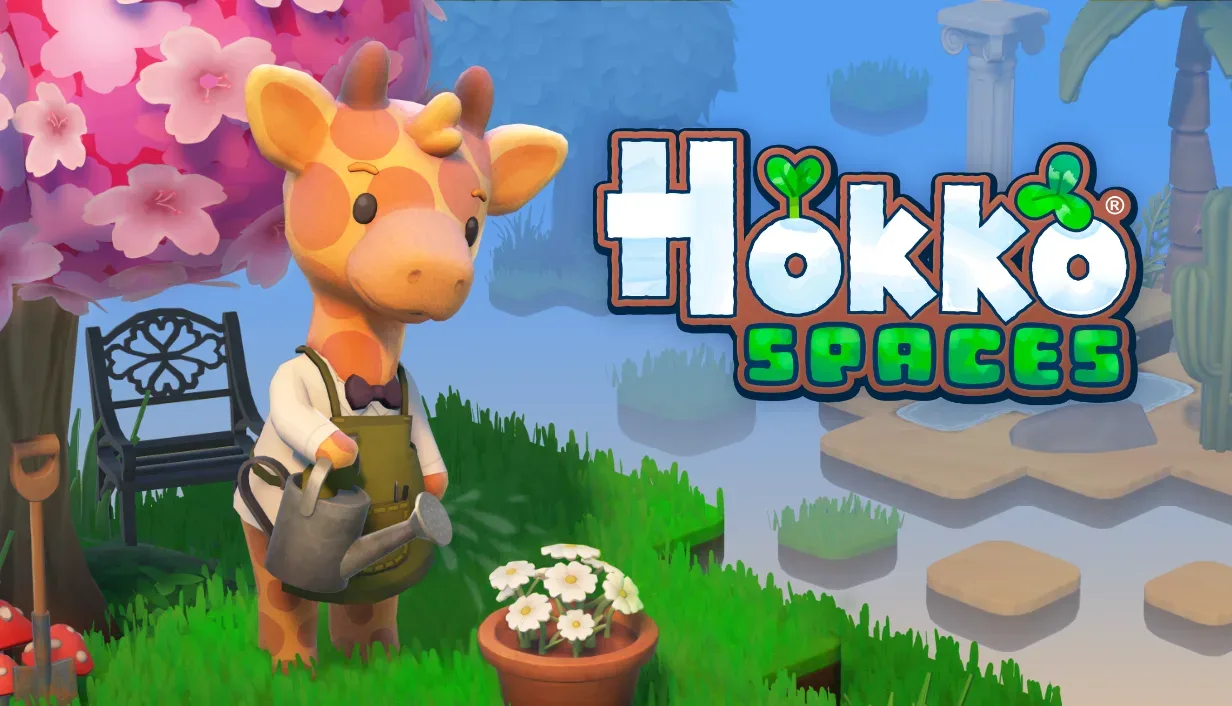
Hokko Spaces is set to launch for PC via Steam and Nintendo Switch on October 29, 2026. Set in the colorful world of Hokko Life, the new game shifts the focus to compact, customizable dioramas: small scenes that players can shape, decorate and populate with animal residents.
Rather than presenting itself as a large-scale life simulation, Hokko Spaces is positioned as a calm, casual sandbox. Its central appeal is the act of arranging a pleasant little place—then watching its visitors use it. That could mean making a garden corner, a picnic spot, a campfire gathering area or a beach-themed retreat, using a mixture of terrain blocks, furnishings, plants, characters and weather choices.
The game will be available in three purchase options at launch. The standard edition is priced at £7.99 / $7.99 / €7.99, while the Lei’s Beachside Pack DLC costs £1.99 / $1.99 / €1.99. A Hokko Spaces: Sunshine Edition, bundling the base game and the DLC, will cost £8.99 / $8.99 / €8.99.
A sandbox built around miniature scenes
A diorama is a deliberately contained scene, usually designed so that scenery, objects and characters combine to suggest a particular place or moment. In Hokko Spaces, that idea appears to be the entire framework rather than a side activity. Players are making standalone relaxing spaces for the game’s anthropomorphic animal residents, not simply dropping furniture into an already-finished town.
That distinction matters for players deciding what kind of cozy game they want. The emphasis here is on composition: choosing a ground texture, building up the environment, fitting objects together and deciding who should visit. The supplied details describe a toolset of more than 300 decorative items. Confirmed examples include:
- Campfires
- Benches
- Picnic baskets
- Planters
- A variety of flowers
- Picket fences
Those objects suggest a collection designed for outdoor scenes and layered landscaping. A bench can define a place to sit; fencing can frame a garden or path; planters and flowers can alter the mood of a space without changing its larger structure. Campfires and picnic baskets, meanwhile, give a built scene a clear social purpose. The value of a sandbox like this is less about finding a single “correct” layout and more about having enough compatible pieces to make a scene feel intentional.
Terrain, seasons and weather set the tone
Decoration is only one part of the customization. Hokko Spaces also includes five block types that can be used to mould the environment. Stone cobbles, grass and sand are among the confirmed options. These blocks provide the surface beneath the decorations, potentially helping a player distinguish a paved plaza from a garden, or a sandy shore from a more formal park.
The game will additionally let players select from all four seasons, with two weather options for each one. This is an important creative layer because season and weather are broad visual decisions: they affect the identity of an entire scene rather than just one small object in it. A player can use the same seating area or flower arrangement in different seasonal conditions to pursue a different atmosphere.
Related coverage includes Hokko Spaces Brings Diorama Building to PC and Switch on October 29.
The announcement does not specify every weather type, how seasonal choices affect individual decorations, or whether they change visitor behavior. What is clear is that they are presented as customization tools. That keeps the focus on expression and scene-making, rather than on managing a calendar or surviving changing conditions.
Animal visitors give the scenes a purpose
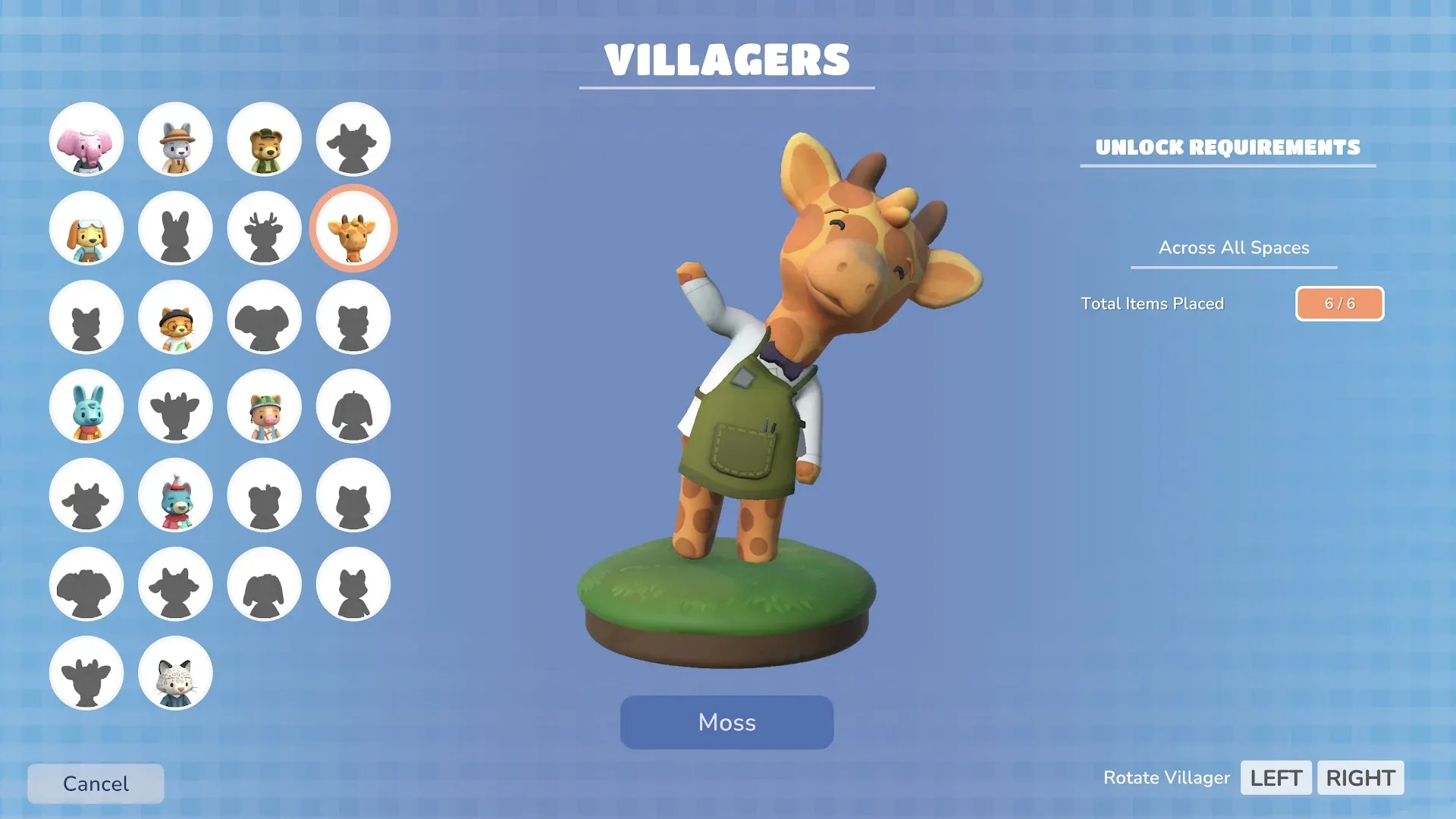
There are 26 furry visitors to unlock for use in players’ spaces. They can spend time in the areas players build, including hanging out and gardening. This is a modest but meaningful layer beyond pure decoration: the residents are intended to make the finished dioramas feel lived in.
Visitors are unlocked through low-threshold objectives. One stated example is destroying 20 weeds within a diorama. That approach sounds deliberately accessible. It asks players to engage with simple tasks in their own scenes instead of placing progression behind a demanding challenge system.
In practical terms, the visitor unlocks could give players a reason to return to a favorite layout or make a fresh one. A purely decorative sandbox can be satisfying in its own right, but light objectives offer direction for anyone who prefers some structure. At the same time, the stated goals appear intended to remain low pressure, matching the game’s relaxed premise.
What “casual sandbox” means here
The word sandbox generally refers to a game mode or design where players are given tools and flexibility instead of being led through a fixed sequence of missions. In this case, the sandbox label is supported by terrain blocks, a large decoration set, environmental settings and visitor placement or unlocking.
Casual, meanwhile, signals that the game is aiming for an approachable pace. The available details point to uncomplicated goals, visual creation and gentle resident interactions rather than high-stakes competition. Players looking for a compact creative routine may find that combination more useful than a game that makes every design choice part of an elaborate economic or quest system.
Of course, the announcement does not outline the game’s full progression loop, the limits of each diorama, or the precise way every item is obtained. Those are details worth watching for closer to release. But its current description is specific about its priorities: build a space, personalize the environment, unlock cute characters, and enjoy seeing them inhabit the result.
Photo Mode makes sharing part of the loop
Hokko Spaces will include a Photo Mode intended to let players capture their creations and share the results on social media. Photo Mode is especially fitting for a diorama-focused game. Once players have assembled a scene, framing it well can be part of the creative process—showing off a carefully placed flower bed, a visitor relaxing near a campfire, or a seasonal change in the same build.
The supplied information describes the feature as easy to use, although it does not list specific camera controls, filters, poses or editing tools. The broader implication is straightforward: creations are not only meant to be viewed from the usual game camera. Players will have a dedicated way to present them as finished images.
For PC players following the busy late-October schedule, the game lands shortly after the releases tracked in Joking Joystick’s October 15 games roundup. Its deliberately small-scale creative premise may help it stand apart from more action-oriented launches competing for attention during the same period.
Lei’s Beachside Pack adds a new villager and coastal props
The launch-day DLC, Lei’s Beachside Pack, introduces Lei, described as a cheerful new villager, alongside beach-themed decorations. Confirmed items include rubber rings, a lifeguard’s chair and a boombox.
These additions are closely aligned with the base game’s diorama idea. They are not framed as a separate story or expansion area; instead, they widen the visual vocabulary available to people who want to make a seaside scene. A lifeguard’s chair can act as a focal point, rubber rings help establish the setting quickly, and a boombox offers an extra detail for a more active social space.
Players who know they want those items and Lei from day one can buy the Sunshine Edition. At the announced prices, it costs £1 / $1 / €1 more than the base game alone, while the DLC by itself is £1.99 / $1.99 / €1.99. The bundle is therefore the lower-cost route for a buyer who intends to own both the game and the Beachside Pack at launch.
Release details at a glance
- Release date: October 29, 2026
- Platforms: PC via Steam and Nintendo Switch
- Base game price: £7.99 / $7.99 / €7.99
- Lei’s Beachside Pack DLC: £1.99 / $1.99 / €1.99
- Sunshine Edition: £8.99 / $8.99 / €8.99
- Creative tools: More than 300 decorative items, five block types, four seasons and two weather options per season
- Visitors: 26 unlockable animal characters
- Sharing: Built-in Photo Mode for capturing and posting creations
Hokko Spaces is shaping up as a focused creative offshoot for players who like the cozy setting of Hokko Life but want to spend their time designing intimate, display-ready environments. Its appeal will likely rest on how freely those 300-plus items, terrain options and environmental settings can be combined. The announced foundation is clear, however: this is a game about making a small place look welcoming—and giving a cast of animal visitors somewhere pleasant to spend the day.