a pet shop after dark, the horror point-and-click adventure about an overnight job that comes with one extremely important rule, will arrive on Nintendo Switch, PlayStation, and Xbox on November 12. The game previously launched on Steam, where its unusual puzzle design helped it build a cult following.
The premise begins with a small collection of seemingly manageable shop duties: water the plants, feed the pets, and make it through the night. The complication is that this is no ordinary pet shop. Players are warned not to turn off the lights under any circumstances, while the animals they are expected to feed may be invisible and the plants require attention of their own.
For the console edition, the game’s interactions have been reworked around an in-game virtual desktop. The release will also include new content and additional lore for players to uncover, giving returning Steam players a reason to revisit the shop alongside the game’s new console audience.
An ordinary shift with deeply unordinary chores
Point-and-click adventures are built around observation, interaction, and problem-solving rather than reflex-heavy action. In a conventional example, a player explores an environment, examines objects, collects clues, and uses discoveries to progress. a pet shop after dark uses that familiar structure for a distinctly unsettling workplace scenario.
Its listed activities make the contrast clear. Feeding a pet or watering a plant sounds routine, but invisible pets and strange plants turn simple chores into mysteries. That design places attention on the player’s interpretation of the space: what is present, what needs care, and what the game may be withholding. The instruction to keep the lights on supplies an immediate source of tension without spelling out every consequence.
The pet shop is therefore more than a backdrop. It is the central puzzle space: somewhere to explore, investigate, and repeatedly question. Horror in this format can emerge from uncertainty as much as from direct threats. A player may know the task they have been assigned, yet still have to determine how the rules work and whether following them will be enough.
The virtual desktop is a key console change
The console version’s in-game virtual desktop is more than a menu label. It is the framework through which interactions have been reimagined for Nintendo Switch, PlayStation, and Xbox. A virtual desktop generally means a simulated computer-like interface presented inside the game world, rather than asking players to interact with a real operating-system screen.
That approach is a natural fit for a point-and-click game moving to controller-focused platforms. Mouse-driven adventures often depend on clicking through objects and interface elements. A virtual desktop can organize those actions into an interface that is part of the fiction, letting the game present tasks and interactions through a deliberate in-world layer. The supplied details do not specify individual controls or the full layout, so players should not assume a particular button scheme or cursor system. What is confirmed is that the interaction model has been reconsidered for the console release rather than merely carried over unchanged.
Related coverage includes A Pet Shop After Dark Brings Its Unsettling Shift to Consoles on November 12.
It also complements the game’s interest in destabilizing the expected boundaries of an adventure game. A desktop interface suggests routine and order: windows, files, tasks, and familiar systems. In a horror setting involving invisible animals, abnormal plants, and a strict lighting rule, that sense of order can become another part of the atmosphere rather than a neutral convenience.
Crashes are part of the design, not automatically a fault
One especially notable feature is the use of intentional crashes as a game mechanic. That phrase matters because a crash normally describes a technical failure: software stops functioning or unexpectedly closes. Here, crashes are identified as an intended part of the experience.
Players approaching the game should therefore be prepared for moments that may imitate malfunction as part of its puzzle or horror language. This does not mean every technical problem should be treated as deliberate. It means the game knowingly uses the idea of a crash in its design, making uncertainty about what the software is doing part of the intended tension.
That choice sits comfortably alongside the virtual-desktop concept. A game that places a desktop-like interface inside its world has room to make interruptions, apparent errors, or disruptions feel narratively meaningful. The available information does not detail exactly when these moments occur, how players respond to them, or whether they affect progression. Still, their inclusion as a named feature signals that the game’s horror extends to its interface and presentation, not only the pet shop itself.
What the new material means for Steam players
The console release includes both new content and further lore. “Lore” generally refers to the background information that expands a fictional setting: the rules behind strange events, the history suggested by its objects and spaces, or details that place its mysteries in a broader context. In a puzzle-centered horror game, lore can reward closer exploration without necessarily giving away the solution to every question.
There is no detailed breakdown of the additional content, so it would be premature to describe it as new areas, endings, puzzles, or characters. The important confirmed point is that the console edition is not framed solely as a platform port. It has material for existing players to seek out, while the virtual-desktop revision gives the edition a distinct interaction approach.
The original Steam release developed its reputation around unconventional puzzles. That is particularly relevant for returning players, because unusual puzzle construction often makes a second pass worthwhile: players who already understand the game’s basic premise may be able to focus on details, hidden context, and the new lore rather than simply learning the rules of the shop.
The game has also received recognition at BIG Festival gamescom latam, where it was a finalist for the Innovation Award and received the WINGS Spotlight. Those honors align with the elements that distinguish its premise: it is a horror adventure that makes basic job tasks feel alien, incorporates a virtual desktop into its console interaction design, and treats apparent crashes as part of the experience.
Who should keep the lights on?
a pet shop after dark appears aimed at players interested in horror that is driven by puzzles, atmosphere, and interface experimentation. Its core loop is not described as combat-based. Instead, exploration and care-taking duties are the route into its unease, with the player asked to navigate a location whose rules are clearly not as simple as the job listing suggests.
Players who prefer every odd technical moment to be immediately explained may want to keep the intentional-crash feature in mind. Conversely, those drawn to games that turn uncertainty into part of the fiction may find that concept especially appealing. The warning about the lights, the invisible pets, and the abnormal plants all point toward a game designed to make mundane actions feel unreliable.
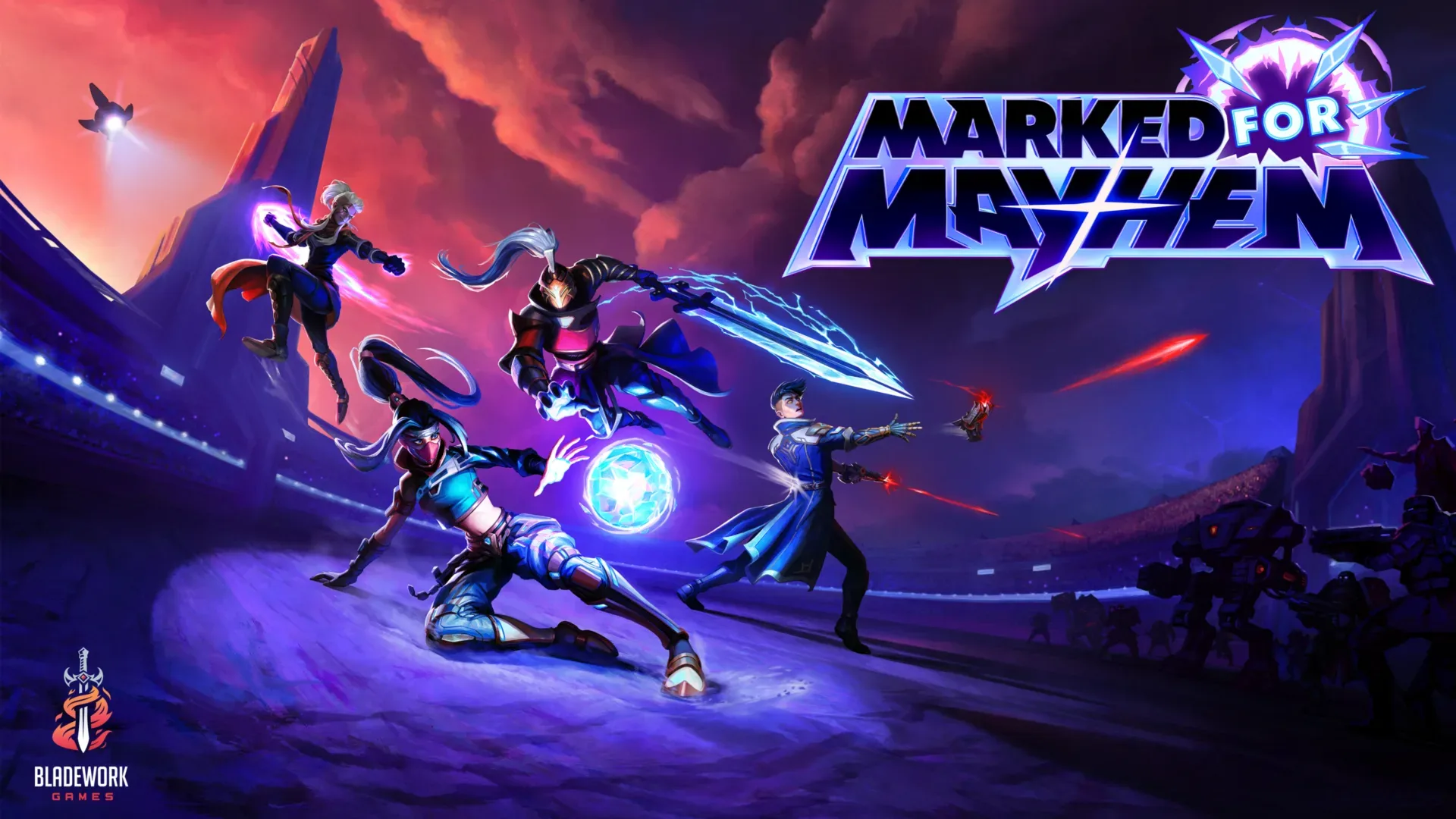
Its November 12 release on Switch, PlayStation, and Xbox broadens access beyond the existing Steam audience. For readers tracking other PC-rooted projects and their evolving ideas, Marked For Mayhem’s co-op betrayal concept is another example of an independent game putting an unusual central mechanic at the front of its pitch.
For this particular overnight shift, though, the takeaway is admirably direct: explore the pet shop, take care of what is there, solve the puzzles, and do not turn off the lights.