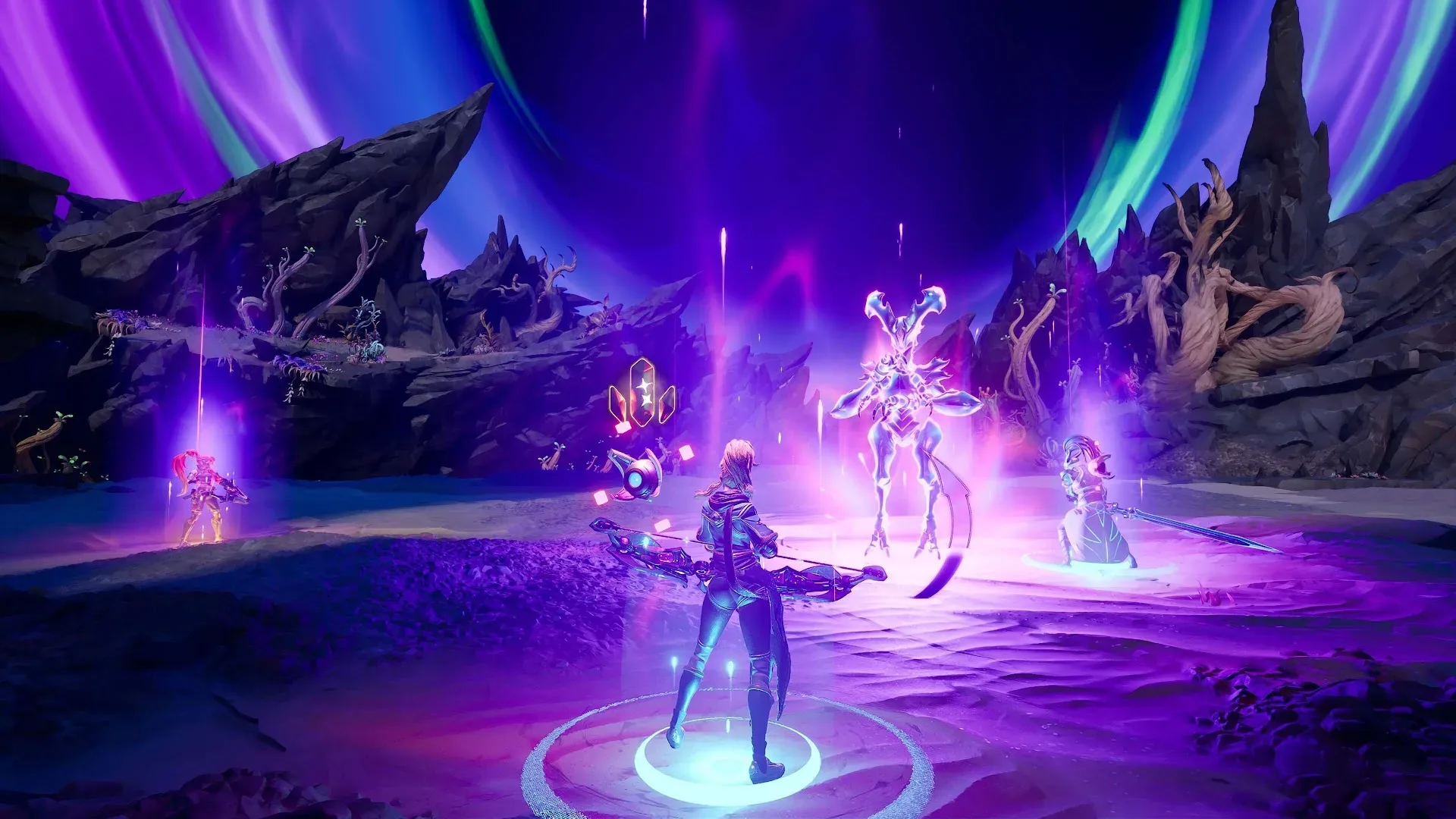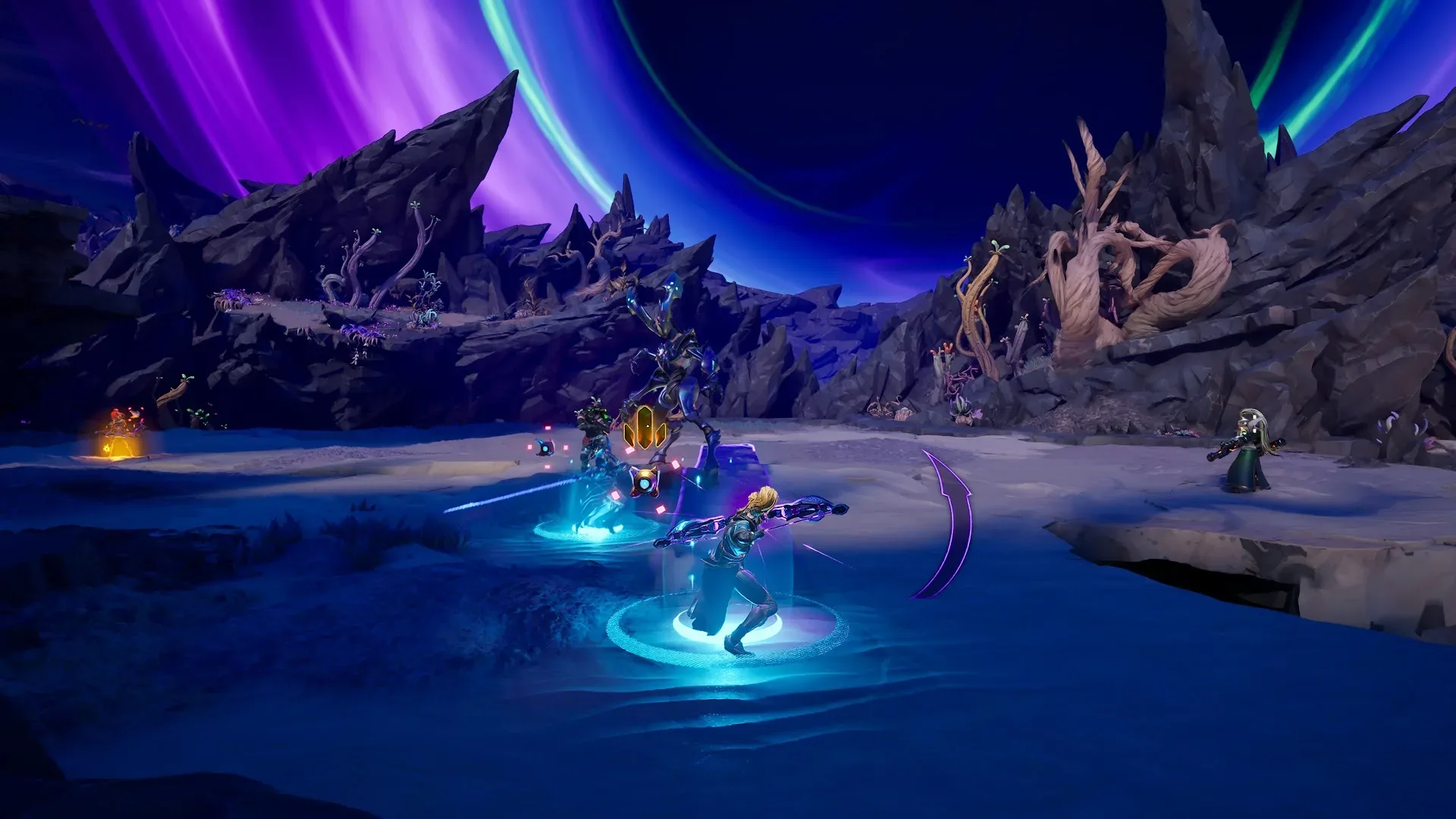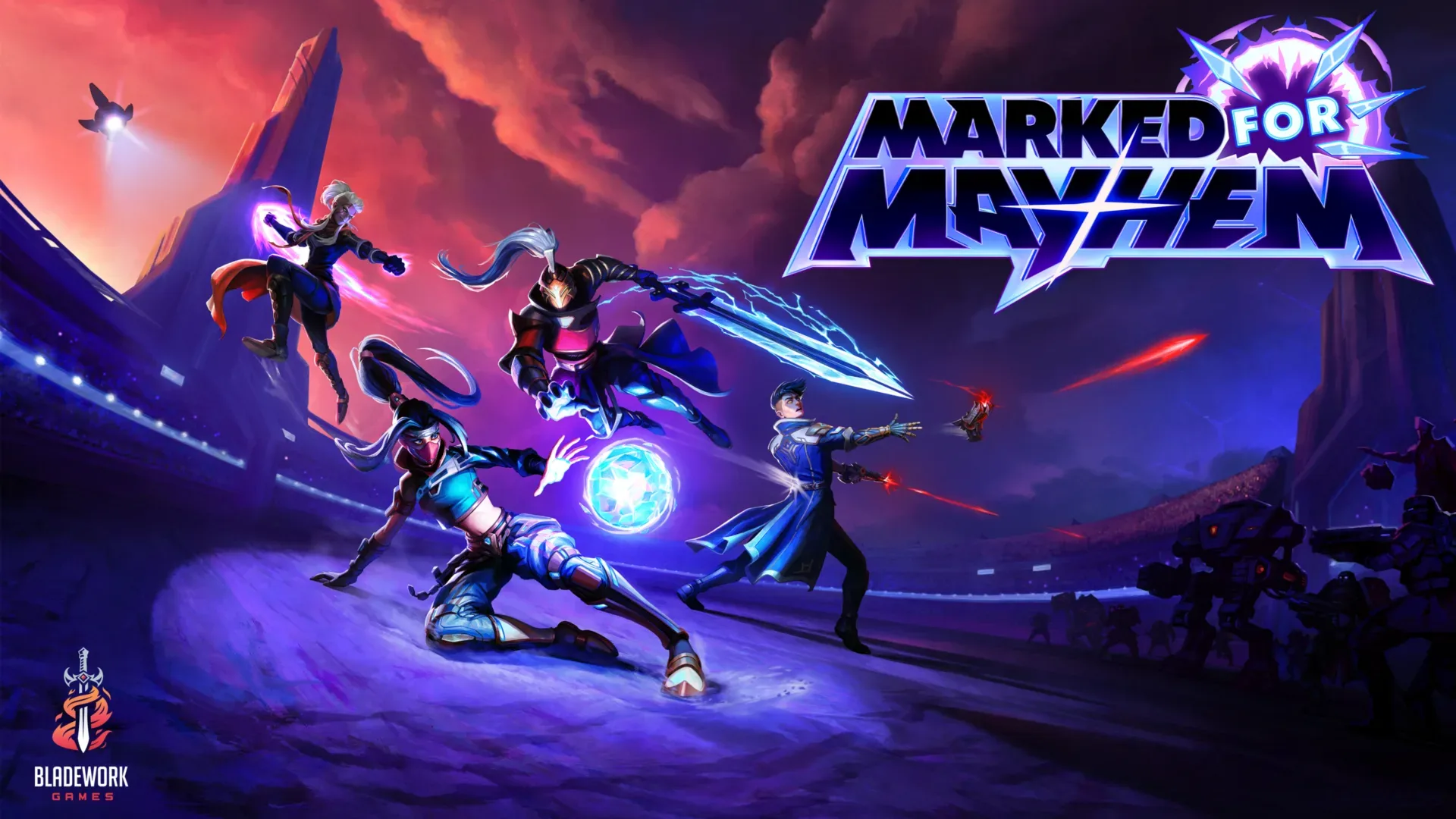
Bladework Games has released its first developer vlog for Marked For Mayhem, outlining the design of its competitive four-player action dungeon runner and confirming that its first public playtest is scheduled for November 6–8.
The central pitch is deliberately uneasy: four players, called Operators, need to cooperate through a run, but only one ultimately wins. Rather than treating competitive play as a separate mode attached to co-op missions, Marked For Mayhem is being built around the friction between those two objectives. Players may need one another to overcome the immediate challenge, while also looking for ways to improve their own standing before the run is settled.
That makes the game’s promised chaos more than a stylistic label. The developer vlog frames it as an intended result of the systems at work: shared progress, direct player-versus-player interference, traversal challenges, minigames and several routes to victory are all meant to create situations where teamwork is useful without being permanent.
A dungeon run where cooperation has an expiry date
“Competitive co-op” can mean many things, but the details supplied for Marked For Mayhem point to a clear structure. Operators work together during missions, then compete for a single victor. The tension is therefore not merely about earning a higher score after completing identical objectives. The competition is active within the run itself.
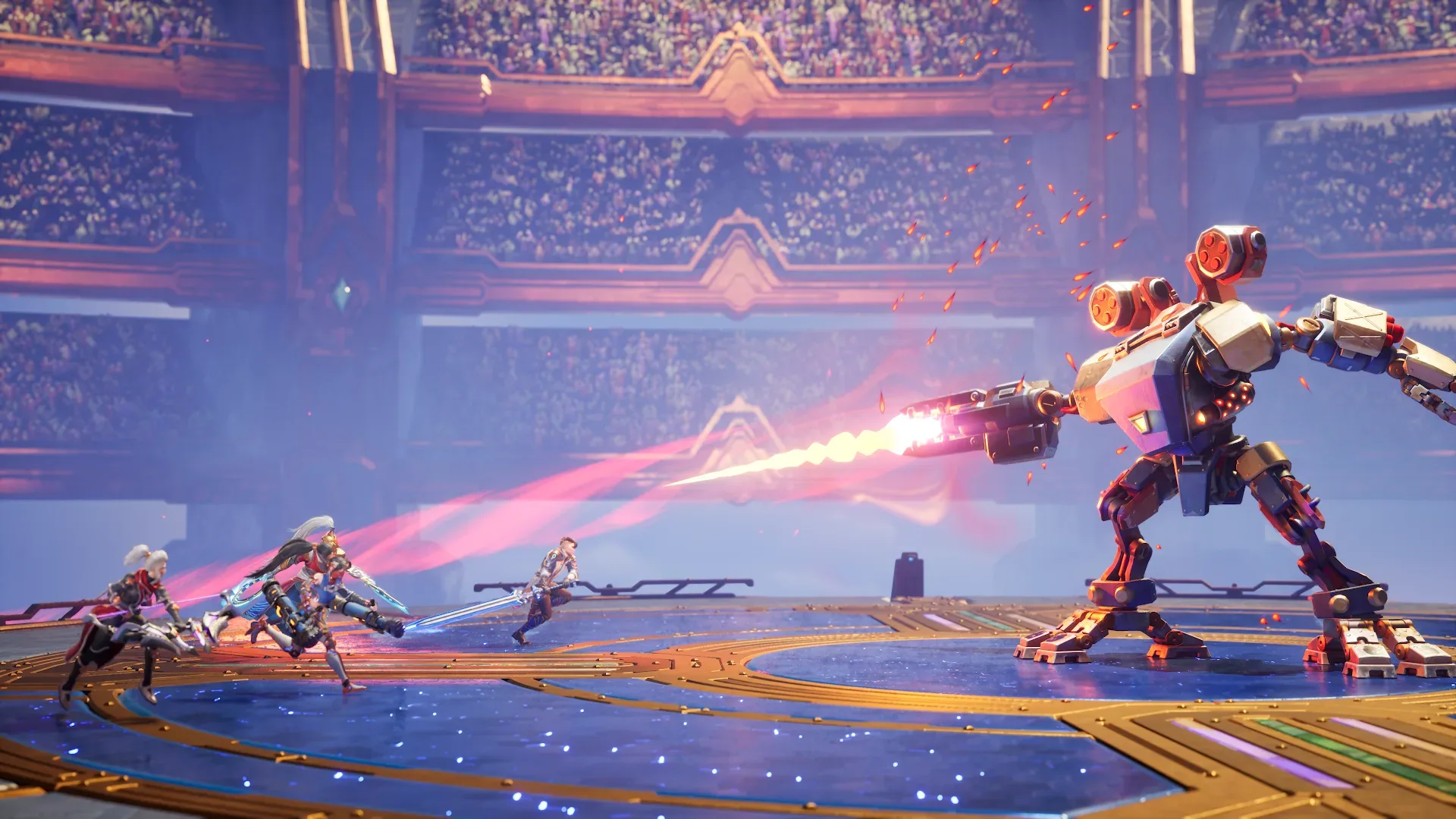
The game is structured as an interdimensional combat tournament. Rounds and chaotic challenges award medals, with those medals contributing to leaderboard progression. In practical terms, a leaderboard is a ranking system: it gives individual performance a visible competitive consequence, rather than leaving players with a vague sense of who contributed most. Medals appear to be the stated reward currency for that progress, although the vlog description does not establish every scoring rule or how individual challenges are weighted.
That distinction matters. If a team is simply trying to survive or reach an exit, the group’s best play is usually obvious: share resources, revive allies and concentrate on the common target. A medal-and-leaderboard framework can complicate that calculation. An Operator may still benefit from helping the group clear an obstacle, yet have reason to prioritize an opportunity that improves their own position.
Bladework Games also highlights multiple paths to victory. Specific win conditions have not been detailed, so it would be premature to assume exactly how those paths will interact. Still, the concept suggests that a player may not always need to pursue the same objective as every rival. That can make a four-player session harder to read, especially when the others are adapting their plans in real time.
Disruptors are the explicit PvP pressure point
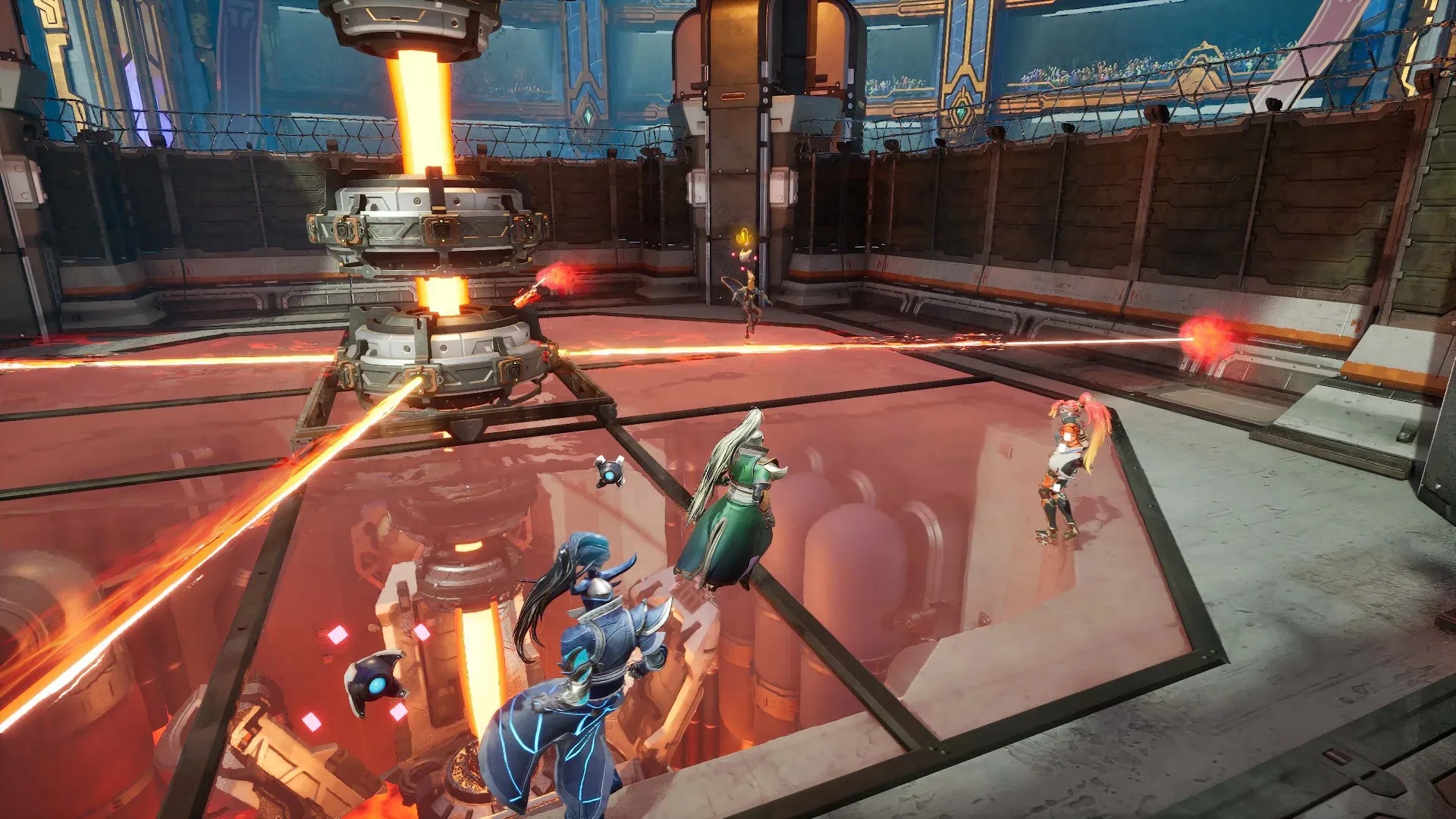
The most concrete competitive tool shown in the game’s feature outline is the Disruptor system. Disruptors can be used to steal points from other Operators and to unsettle rivals, changing the leaderboard dynamic in the process.
Related coverage includes Marked For Mayhem Dev Vlog Details Co-op Runs, PvP Disruptors and November Playtest.
In this context, PvP means player versus player: actions aimed at affecting fellow human competitors, not merely fighting computer-controlled enemies. The detail that Disruptors can take points is significant because it combines two effects. One player advances while another loses ground. That creates a more volatile contest than an ability that only grants its user a bonus.
The available information does not define the number of Disruptors, their cooldowns, their range, whether they can be countered, or the precise circumstances in which point theft is possible. Those limits will be important to the game’s eventual feel. A strong disruptive mechanic can create memorable reversals; its frequency and safeguards determine whether a late swing feels like a clever play, a risk players could anticipate, or an arbitrary setback.
For now, the important takeaway is that sabotage is an announced part of the core loop rather than an accidental side effect of competing objectives. Players should expect alliances of convenience, moments when helping a rival is necessary, and incentives to keep an eye on the standings even while handling enemies or navigation.
Traversal and minigames broaden the contest
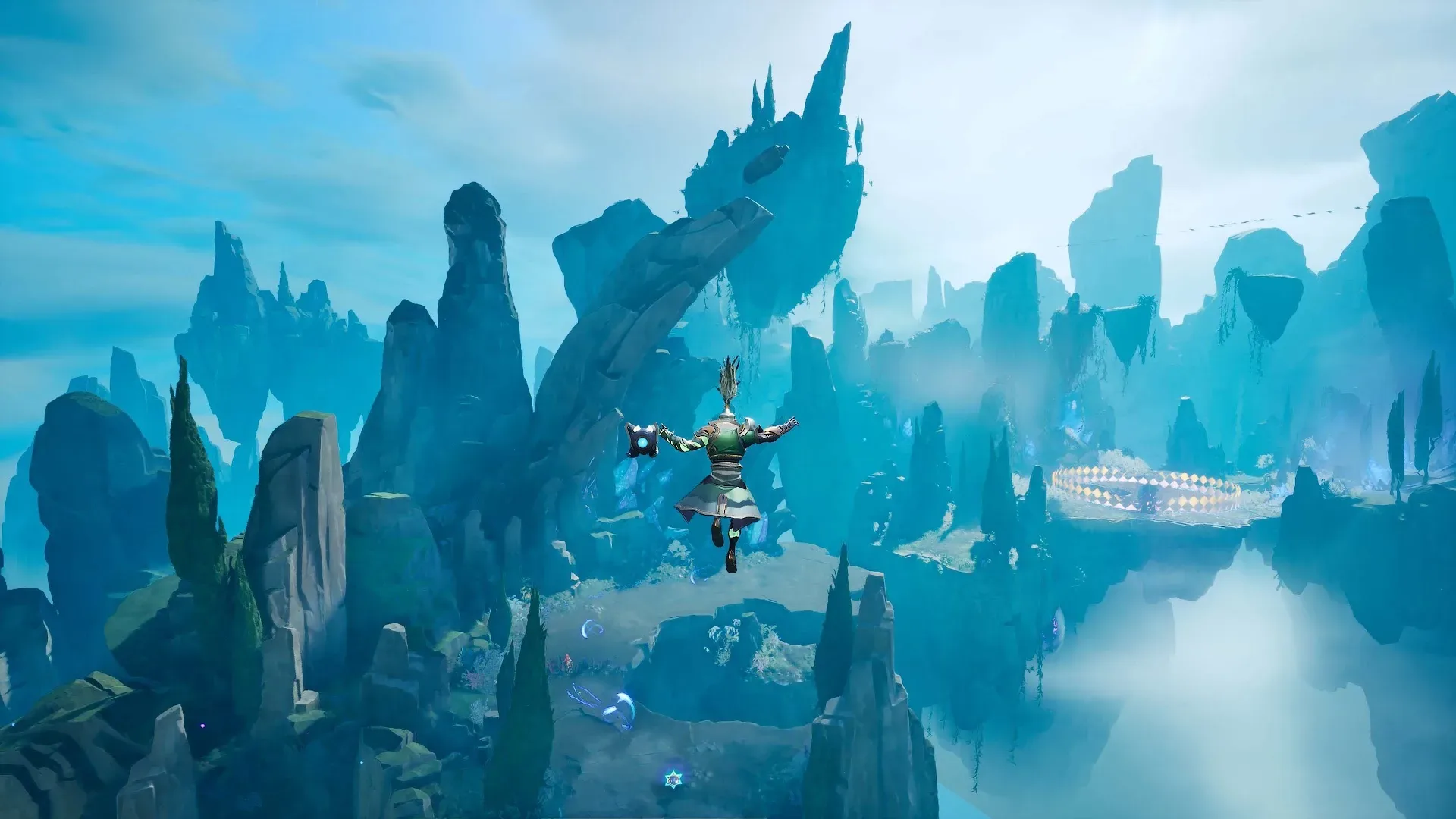
Marked For Mayhem is not described solely as a combat game. The developer vlog also calls out traversal challenges and minigames. Traversal refers to moving through the game space—crossing, climbing, navigating or otherwise overcoming environmental routes—rather than directly attacking enemies. Including such challenges can create pressure points where position and timing matter alongside combat performance.
Minigames, meanwhile, are smaller self-contained challenges within the broader run. No individual examples have been announced, so their rules remain unknown. Their presence nonetheless indicates that the tournament’s competitive rhythm is intended to move between different kinds of tasks. This can prevent every lead change from resting on raw damage output or a single preferred weapon setup.
The practical implication is that players may need a wider skill set than conventional dungeon-running alone. Fast reactions in combat may be valuable, but route choices, event awareness and the ability to handle a sudden side challenge could also influence medals and the leaderboard. Whether these elements reward individual execution, create new cooperation demands, or both is a question the playtest may begin to answer.
Build choices are meant to change during a run
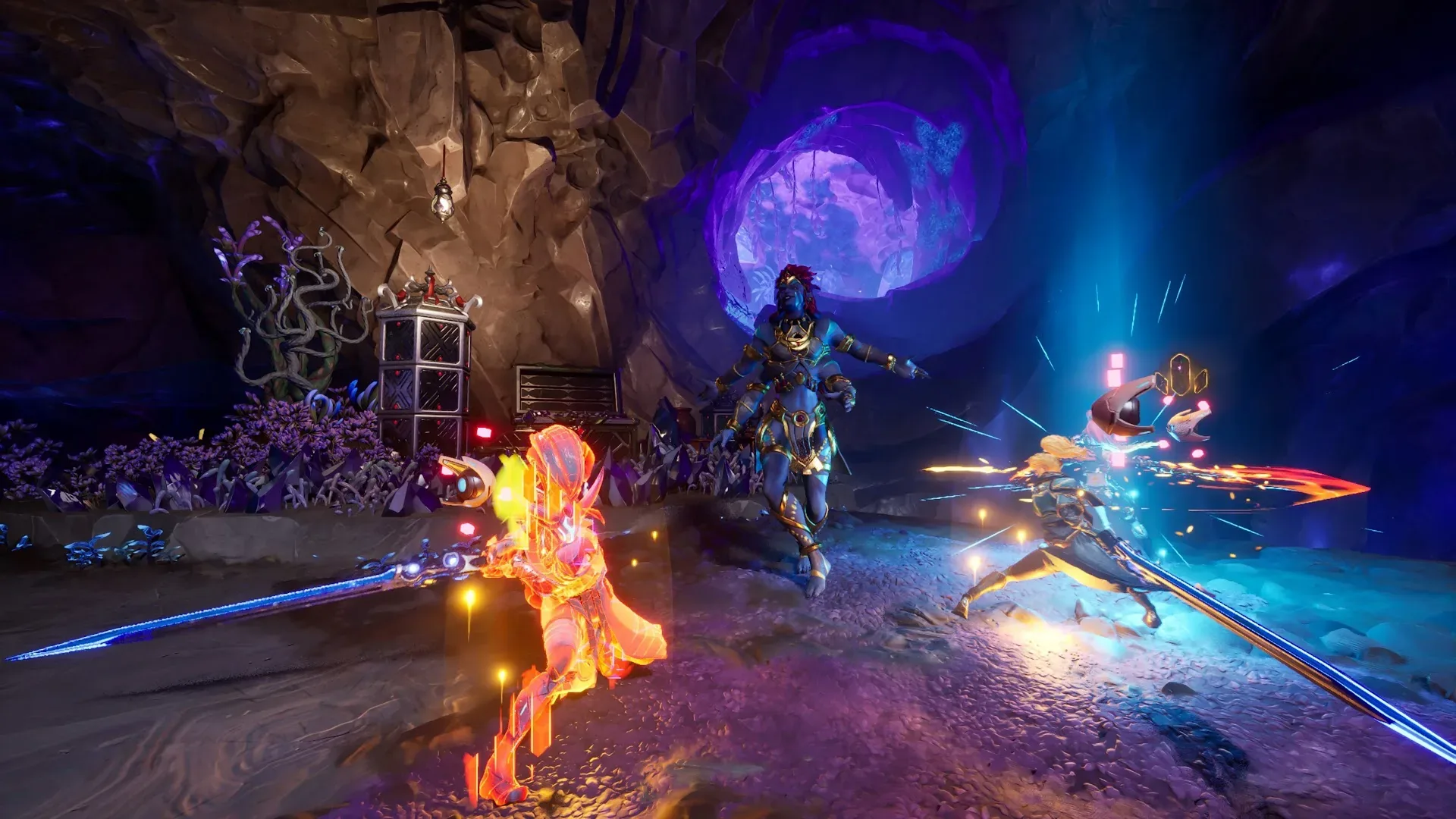
The game’s weapon and ability system is designed to let players shape a build on the fly through abilities and modifiers. A build is the combination of equipment, powers and effects a player assembles to define what their character can do. “On the fly” suggests players will make meaningful choices during the run rather than entering with a completely fixed loadout.
Modifiers are effects that alter how an ability or weapon operates. The announcement does not list specific modifiers, numbers or weapon types, so there is no basis yet for judging which combinations will be strongest. But a system built around changing builds can complement the game’s shifting social situation. A player may value a setup that helps clear a shared encounter early, then seek different advantages when medals, traversal or Disruptors become the immediate concern.
There is an obvious design challenge in tying flexible builds to competitive multiplayer: options need to feel expressive without making the tournament unreadable for opponents. The developer vlog establishes the intent to offer weapons, abilities and modifiers; the November test will be the first stated public opportunity for players to see how those choices interact under pressure.
Online competition, with friends or matchmaking
Bladework Games says Marked For Mayhem will include online matchmaking and friend-based competition. Matchmaking is the process of pairing players into online sessions, while friend-based play lets players compete alongside people they already know.
Both options fit the game’s premise. Matchmaking gives the tournament structure a route to sessions beyond a pre-arranged group. Playing with friends, by contrast, is likely to put the game’s trust-and-betrayal hook under a brighter spotlight. A well-timed Disruptor is mechanically a point-changing move, but within a familiar group it can also become the kind of moment that produces a loud argument, a rematch, or a very pointed promise of payback next round.
That is analysis of the premise, not a guarantee of how any particular match will play. The detailed rules that would shape those interactions—including team formation, scoring thresholds and matchmaking behavior—have not yet been specified.
What the November playtest can clarify
The November 6–8 public playtest is the next defined milestone for the game. It gives prospective players a scheduled window to engage with the announced systems before launch, though the available details do not state the test’s regional access, hours, content scope or sign-up process.
The most useful questions for participants will be systemic ones. How strongly does the game require cooperation before the competitive layer takes over? How visible is the leaderboard during a run? Are Disruptors rare tactical tools or a frequent source of disruption? And do traversal challenges, minigames and flexible builds offer genuinely different routes to catching a leader?
Bladework Games has said that launch will be the beginning of continued expansion for the online multiplayer experience, with plans for additional enemies, biomes, weapons, Disruptors and more. Those are plans rather than a detailed content schedule, but they underline that the studio sees the tournament as an evolving multiplayer game rather than a fixed one-and-done dungeon experience.
Players interested in the concept can wishlist Marked For Mayhem on Steam and the Epic Games Store, and the team has also directed players to its official Discord. For another example of a developer outlining systems and a future-facing multiplayer plan, see the recent Smalland 2: Lost Realms gameplay update.
For Marked For Mayhem, the clearest promise is not pure co-op and not a conventional arena battle. It is a dungeon-running contest where the person helping clear the next obstacle may also be quietly lining up the move that takes points—and the win—away from everyone else.