Panache Digital Games has released The Road to Early Access, a 30-minute documentary about the development of 1666: Amsterdam. The film tracks the project from its early beginnings through its August 25, 2026 arrival in Early Access, offering a structured look at the long process behind a game that is still being built in public.
Presented in French with English subtitles, the documentary centers on Creative Director Patrice Désilets, the formation of Panache Digital Games, and the work required to turn the studio’s idea into a playable Early Access release. It uses behind-the-scenes material and interviews with developers rather than positioning itself as a new gameplay reveal or a detailed roadmap.
Viewers can watch the documentary through the official video.
What the documentary covers
The Road to Early Access spans several distinct periods in the game’s development. The team addresses the origin of the concept, the creation of the studio, development sprints, and preparations for the game’s public reveal. It also covers the disruptions and adjustments involved in working through lockdown.
The film reaches into 2026 as well, including the team’s trip to Amsterdam and appearances at Summer Game Fest and Gamescom. Those milestones matter because they frame development as more than the work done inside a studio: bringing a game to the public also involves showing it, talking about it and preparing it for outside scrutiny before and after launch.
Its most direct value is context. A release date can make a project appear to have moved in one clean line from announcement to storefront. Development documentaries can instead show that a game is shaped by successive decisions, periods of concentrated work, and practical obstacles. In this case, Panache is explicitly using the film to trace the route taken before 1666: Amsterdam reached players.
What Early Access means for 1666: Amsterdam
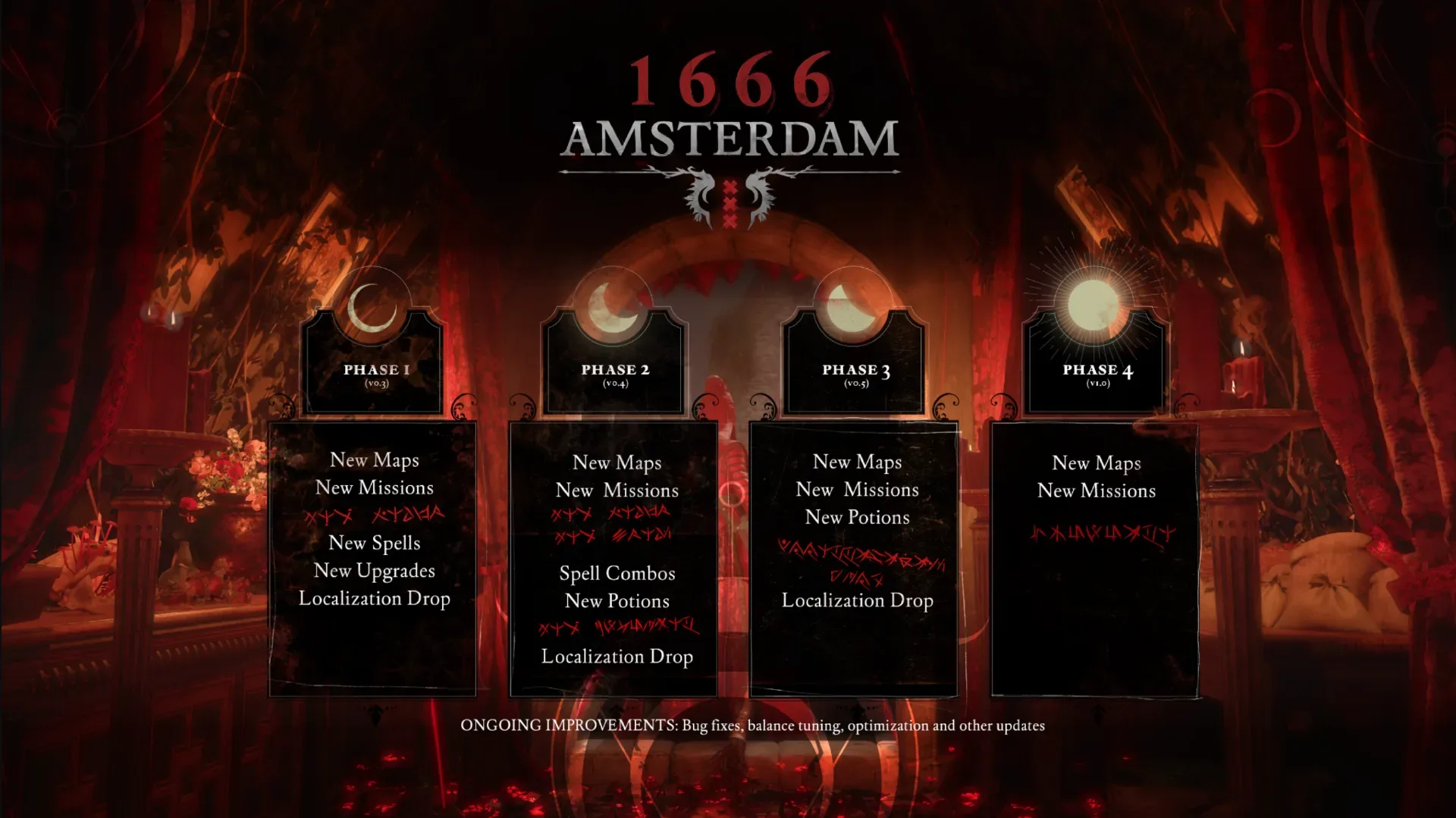
Early Access is a release model in which players can buy and play a game while its developers continue working on it. It is not simply another word for a complete launch. For 1666: Amsterdam, Panache says the game will keep evolving during Early Access, with additional content planned and player feedback intended to help refine and expand the experience.
That makes the documentary’s title particularly appropriate. The August 25 launch is an important threshold, but it is not presented as the final stop for the project. The studio’s stated plan is for feedback from the playing community to inform the game’s continued development.
Related coverage includes 1666: Amsterdam Documentary Charts the Road to Early Access.
For prospective players, that distinction sets sensible expectations. The current Early Access version is the version available to play, but it should also be understood as part of an ongoing process. New content is planned, while refinement implies the developers may adjust elements based on what they learn from players. Panache has not detailed the specific forthcoming content or changes in the information accompanying the documentary, so viewers should avoid reading a particular feature list into that broad commitment.
Early Access also changes the role of feedback. Instead of feedback only arriving after a game is fully finished, it can be considered while further work is underway. That does not guarantee any individual request will be adopted, but it establishes a pathway for player impressions to contribute to the studio’s decisions.
The supernatural Amsterdam at the center of the game
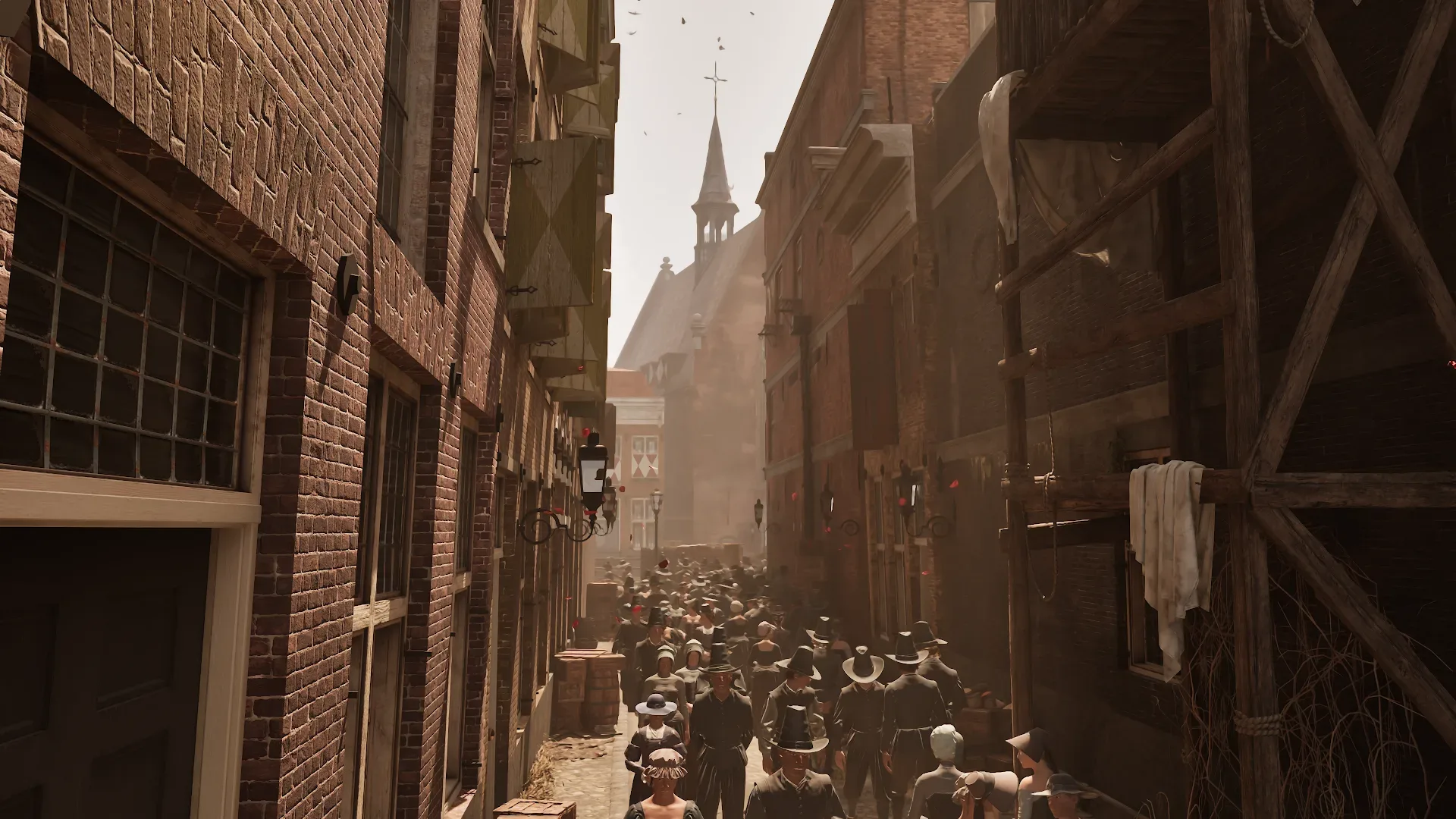
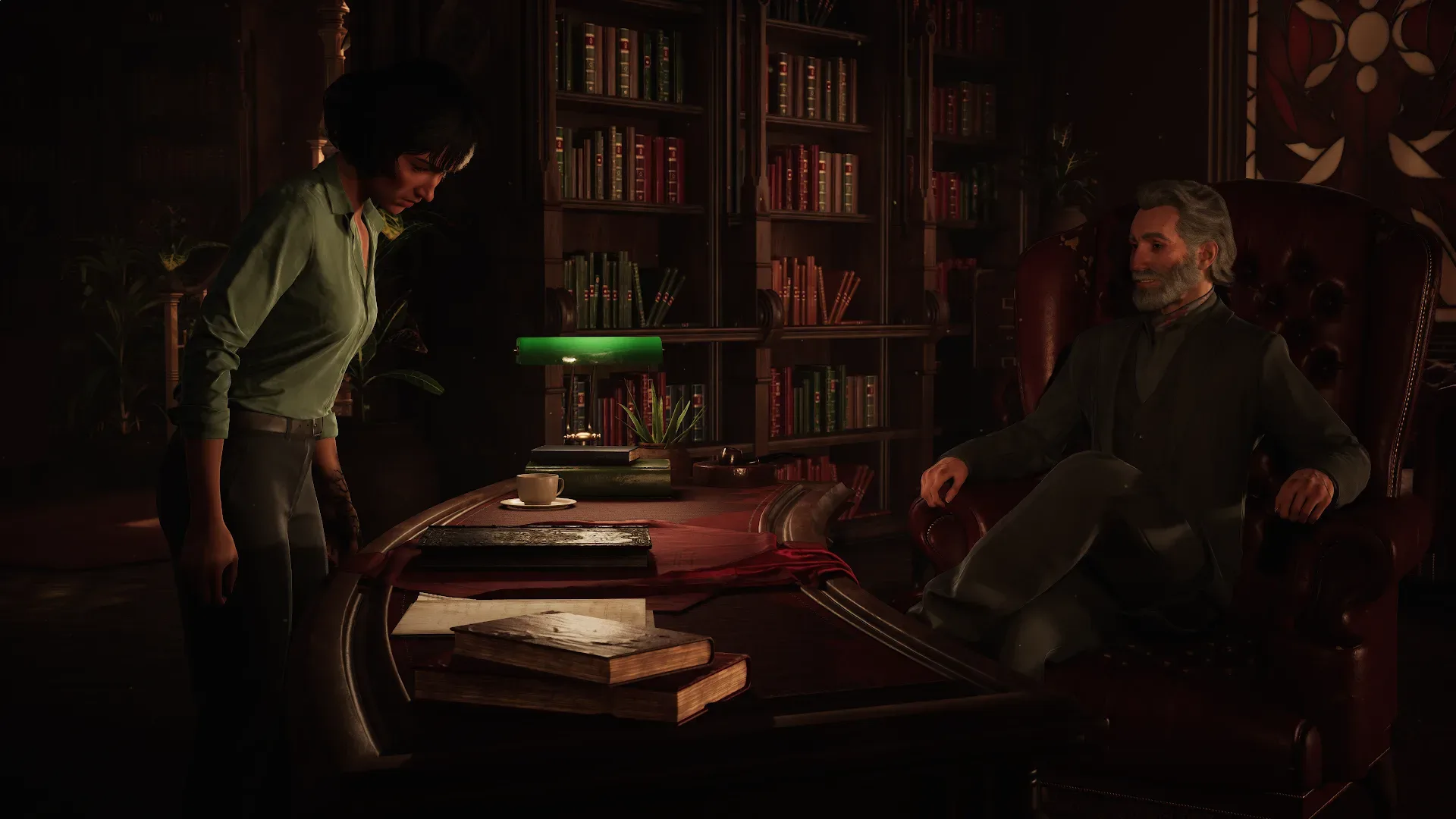
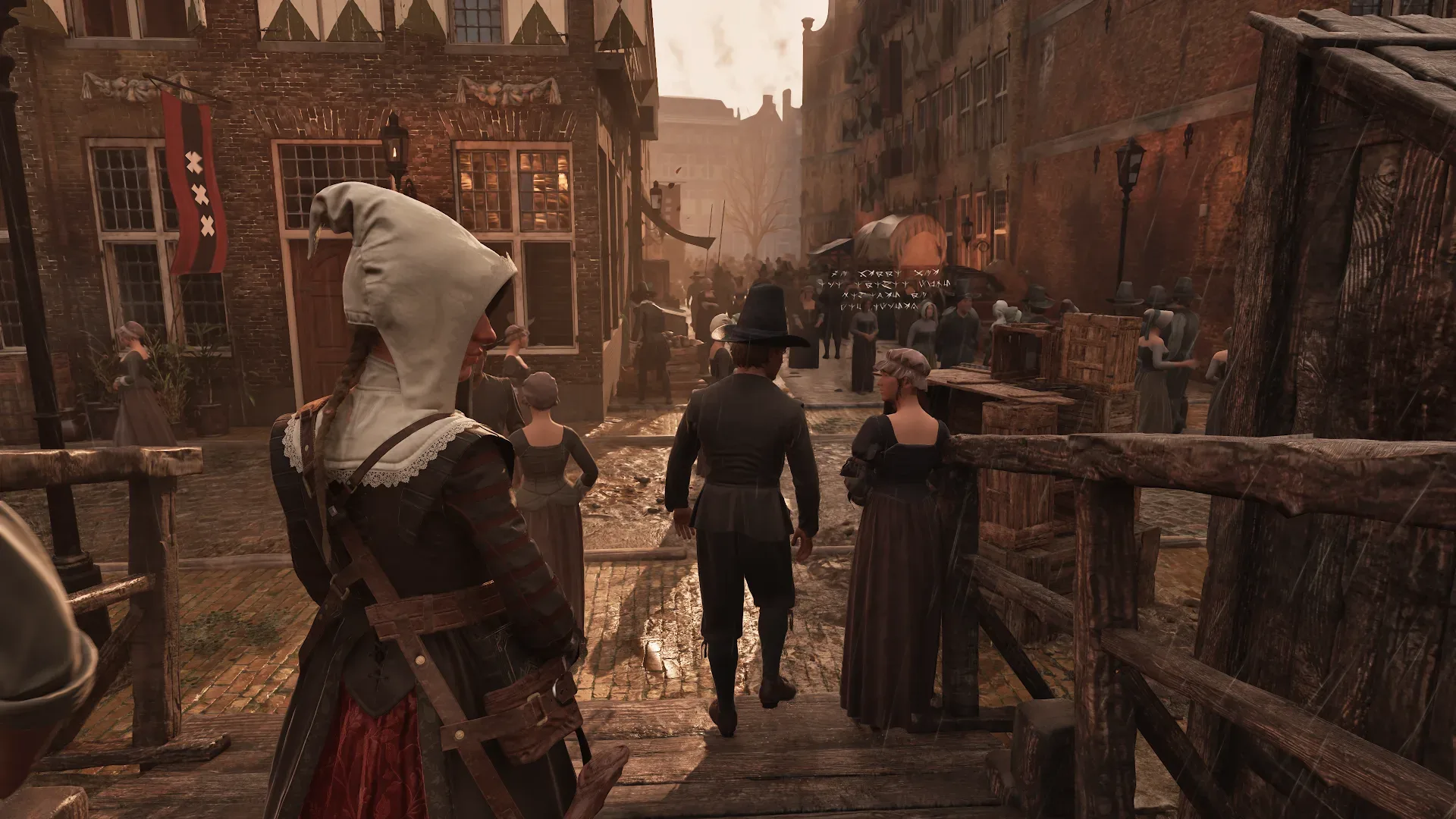
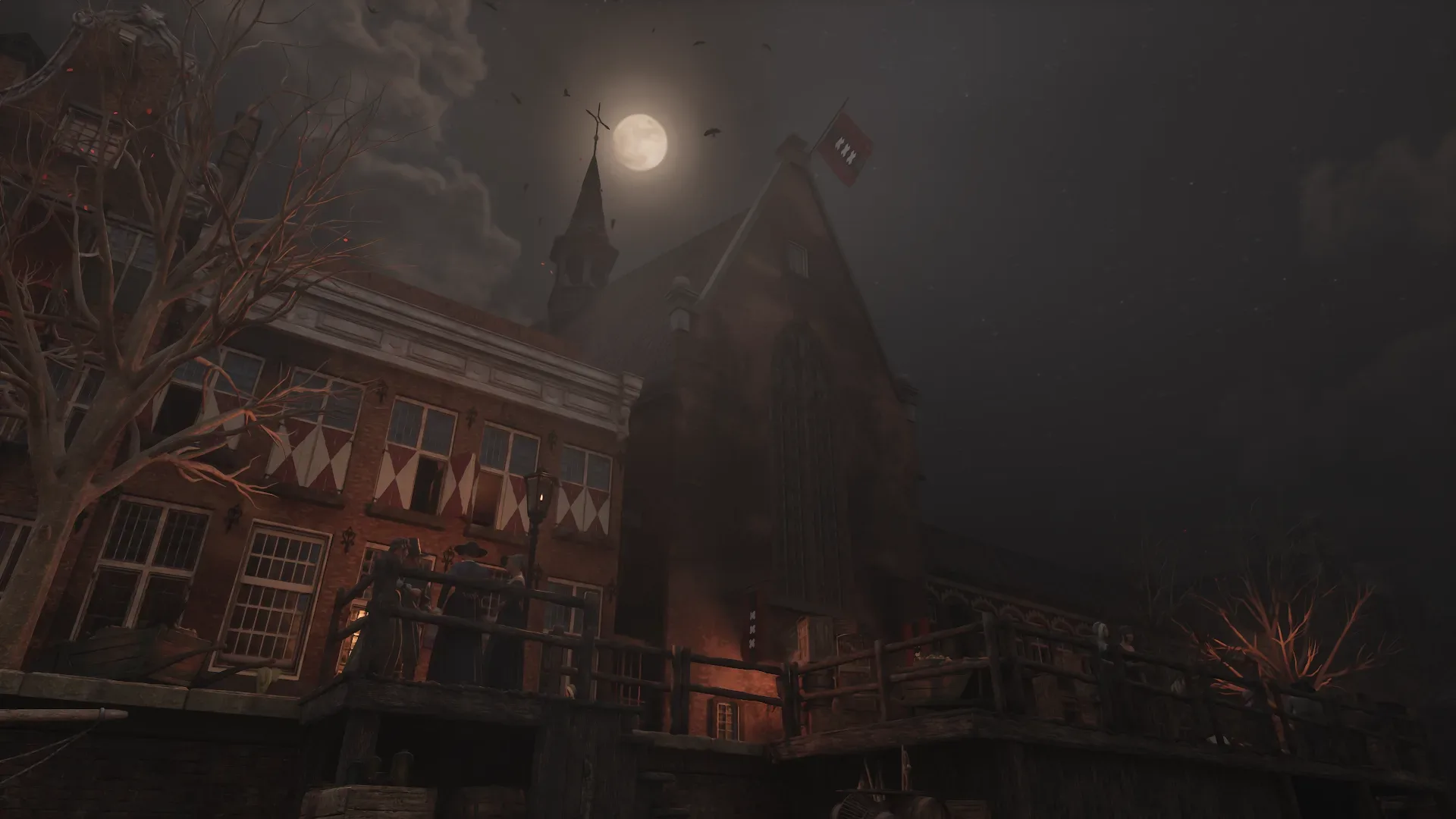
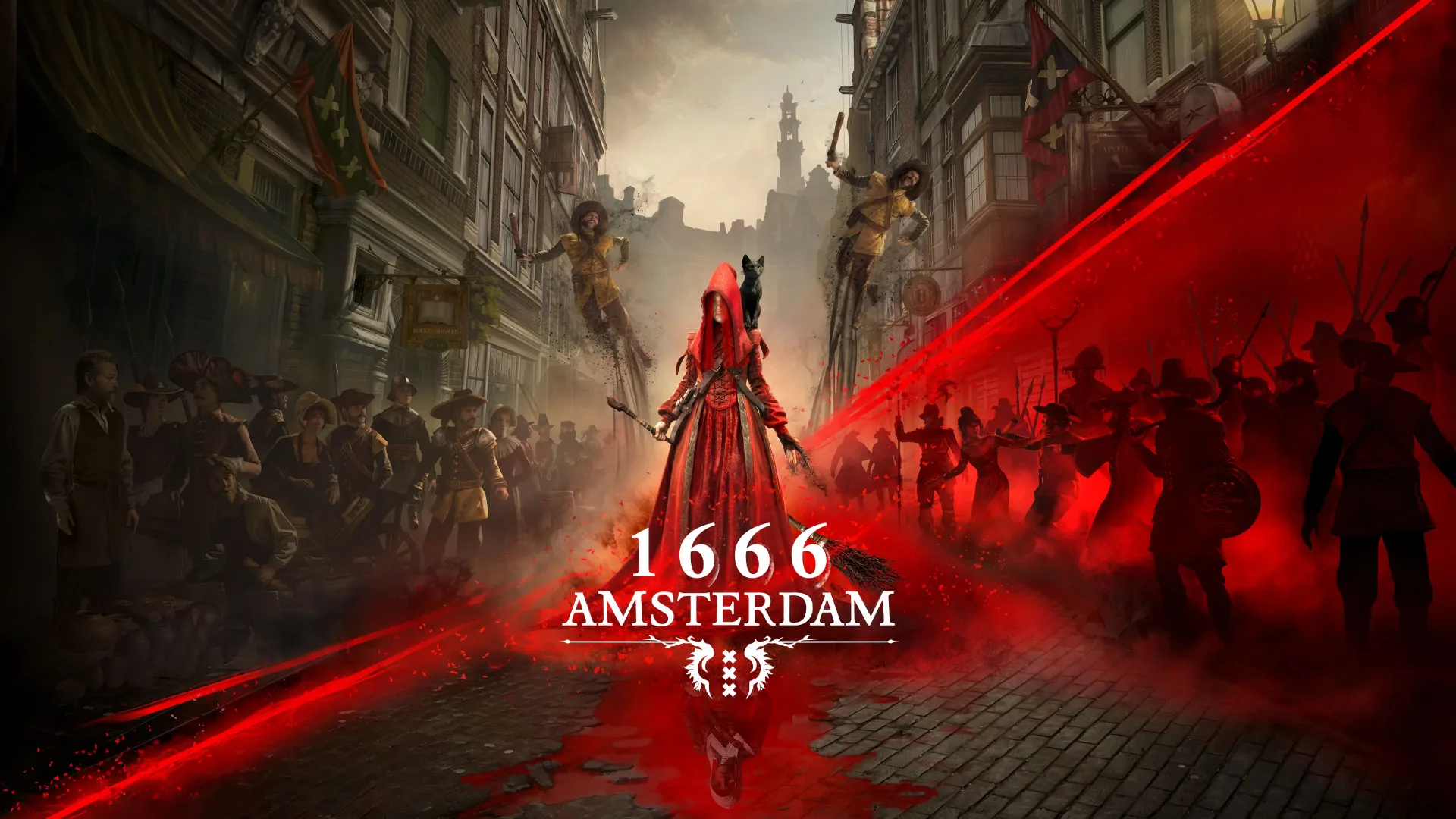
1666: Amsterdam is set in a supernatural interpretation of Amsterdam, where history and occult elements overlap. Players take the role of Noa, a witch assigned to locate the Originals: powerful entities concealed among the city’s residents.
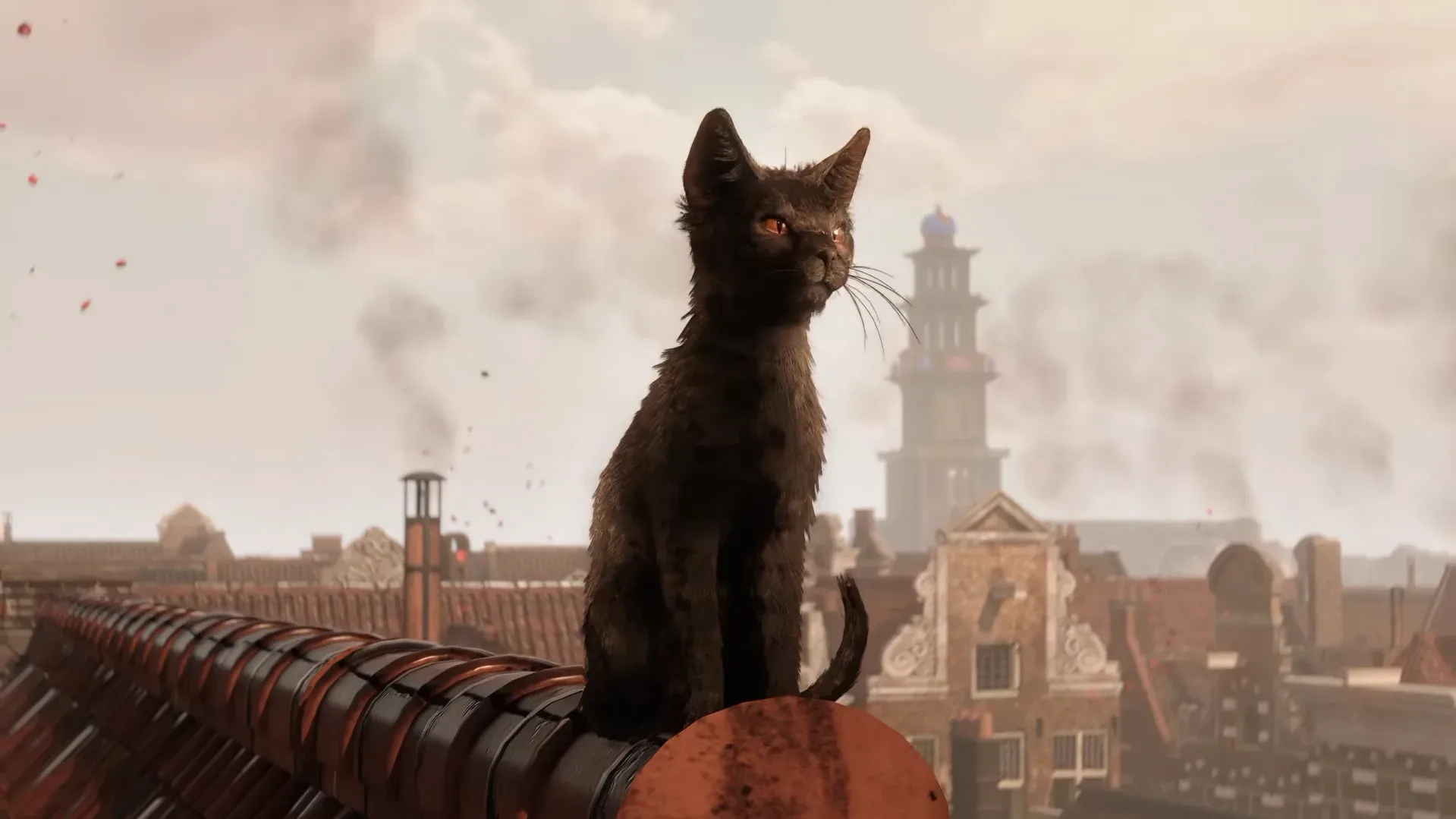
Noa is accompanied by Aaron, her feline companion. The game’s described activities are investigation, exploration and confrontation as the pair searches for those mysterious beings. The premise therefore places the act of finding people and uncovering hidden identities at the center of the experience, rather than treating the supernatural setting as mere decoration.
The term “Originals” is important to the game’s setup. These are not described as ordinary targets; they are powerful entities who are hiding among inhabitants of the city. The core tension is consequently one of discovery as well as confrontation. Players are asked to investigate within a version of Amsterdam where the visible city and a concealed occult reality coexist.
Panache’s visit to Amsterdam, featured in the documentary, also connects the development story to the game’s setting. The available information does not claim that the trip produced any particular game system, location or scene. But its inclusion in a documentary about the road to release signals its place among the project’s significant 2026 milestones.
A document of a studio process, not just a launch accessory
Behind-the-scenes development films often serve two audiences at once. Players who already know the game can gain perspective on its production, while people unfamiliar with it can learn what kind of project the studio is making and why it took the shape it did. Panache’s documentary appears designed to do both by combining interviews and footage from development with the broader story of the company’s formation.
Focusing on Désilets and Panache Digital Games gives the film a human throughline, but the documentary’s subject is larger than one person. The details named in its coverage—lockdown work, sprints, public-reveal preparations, travel and major events—emphasize the collective and operational side of game creation. A development sprint, in this context, refers to a focused period of planned work. Mentioning sprints alongside other challenges points toward the repeated cycles of planning, building and reassessment needed to bring the project forward.
That perspective is useful at a moment when 1666: Amsterdam is available but unfinished. Players can now engage with the game itself, while the documentary supplies a companion piece about the route that led there. It does not replace patch notes, a roadmap or an explanation of future content, and it should not be mistaken for any of those things. Instead, it is a retrospective of the decisions and circumstances that preceded the Early Access debut.
Where to play and what to watch next
1666: Amsterdam is available in Early Access on PC through Steam and the Epic Games Store. The documentary is in French and includes English subtitles, making its development account accessible to viewers who do not speak French.
With Panache planning further content and feedback-led refinement, the meaningful next developments for players will be the game’s updates during its Early Access period. The documentary does not establish when those additions will arrive or what form they will take. Its purpose is to document the path so far: the original idea, the studio’s formation, the difficult production periods, the public-facing milestones, and the moment the game became available to PC players.
For readers following the wider PC release calendar, Joking Joystick’s coverage of World of Warcraft: Forever’s Skyborne offers another look at a separate project evolving through player-facing game development decisions.