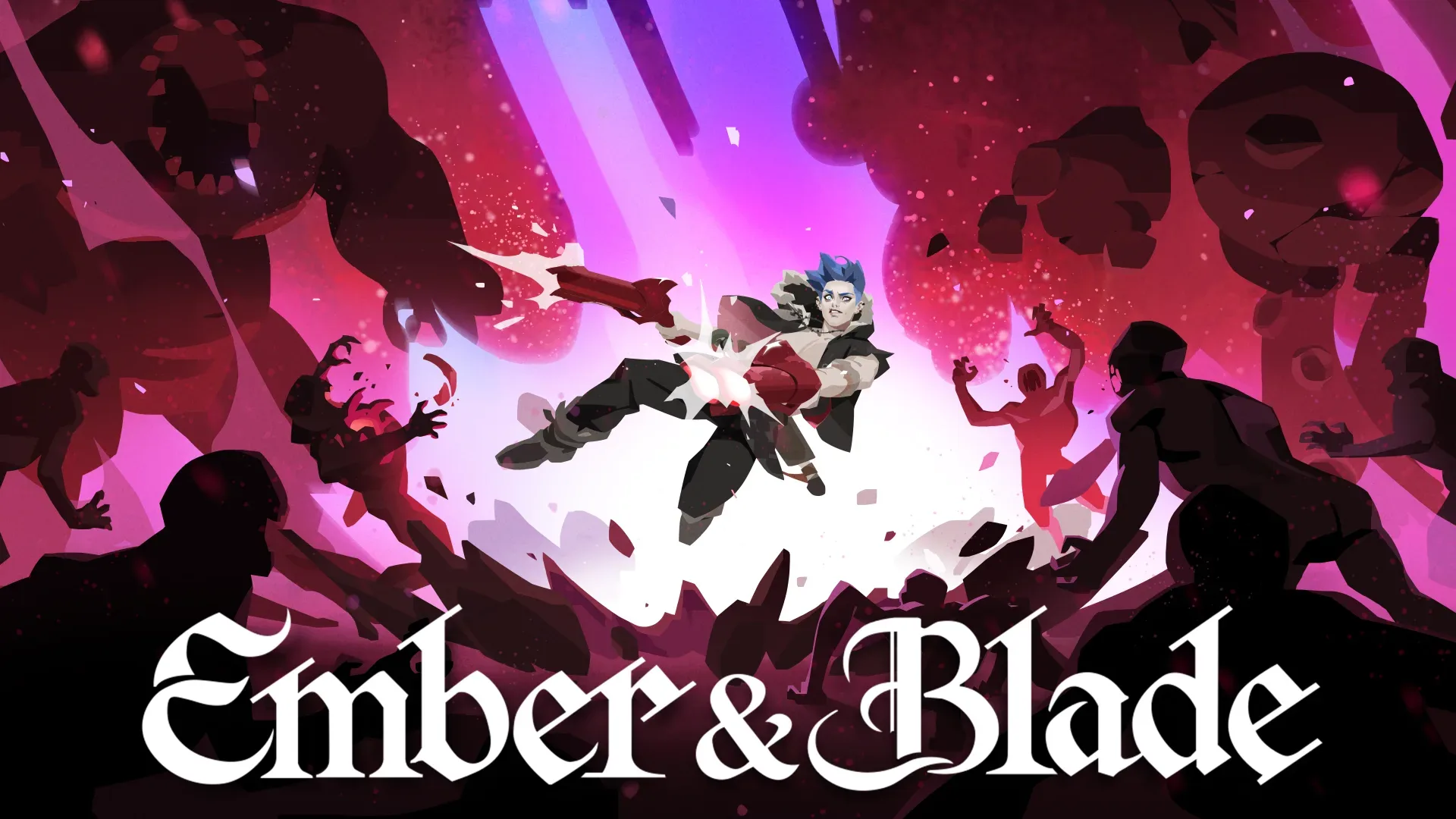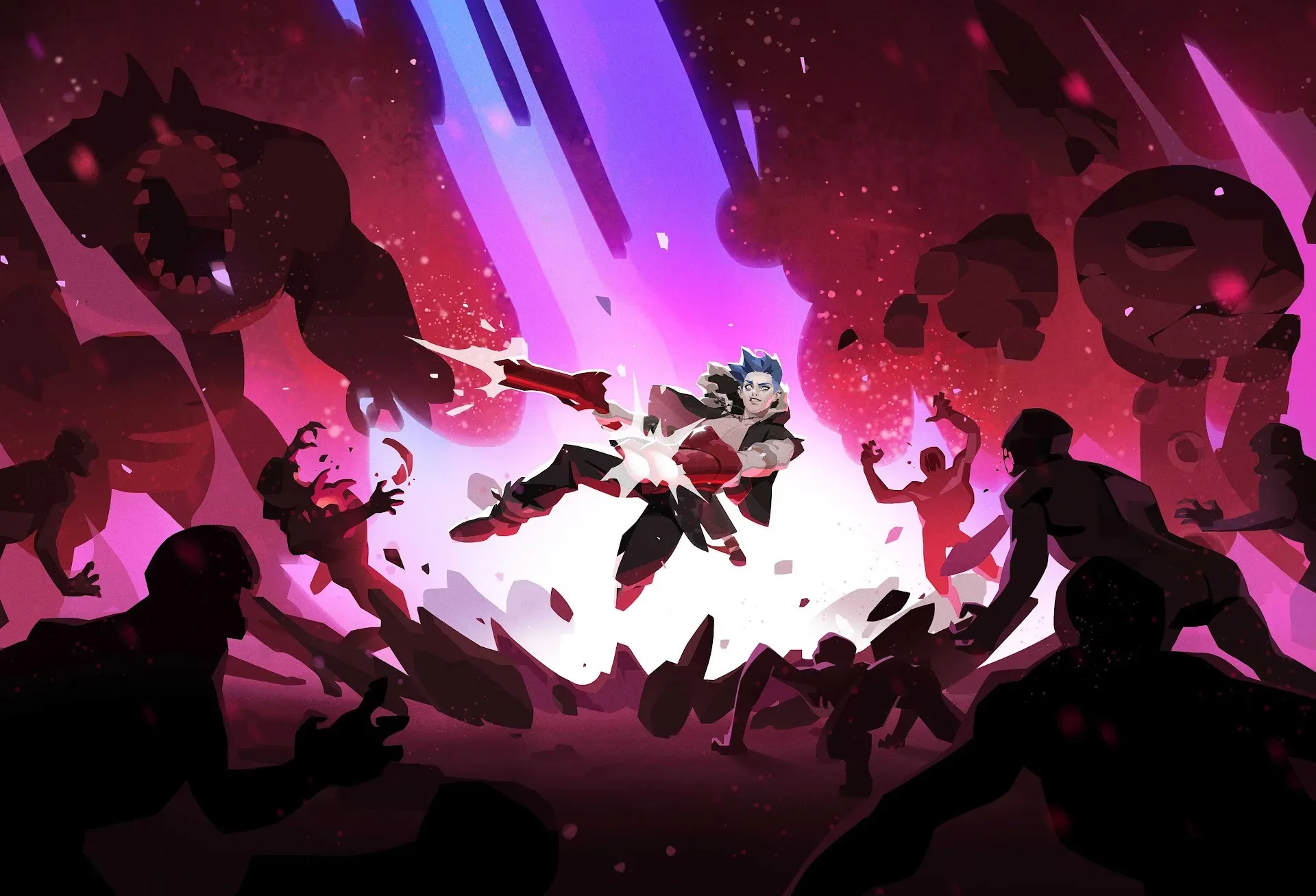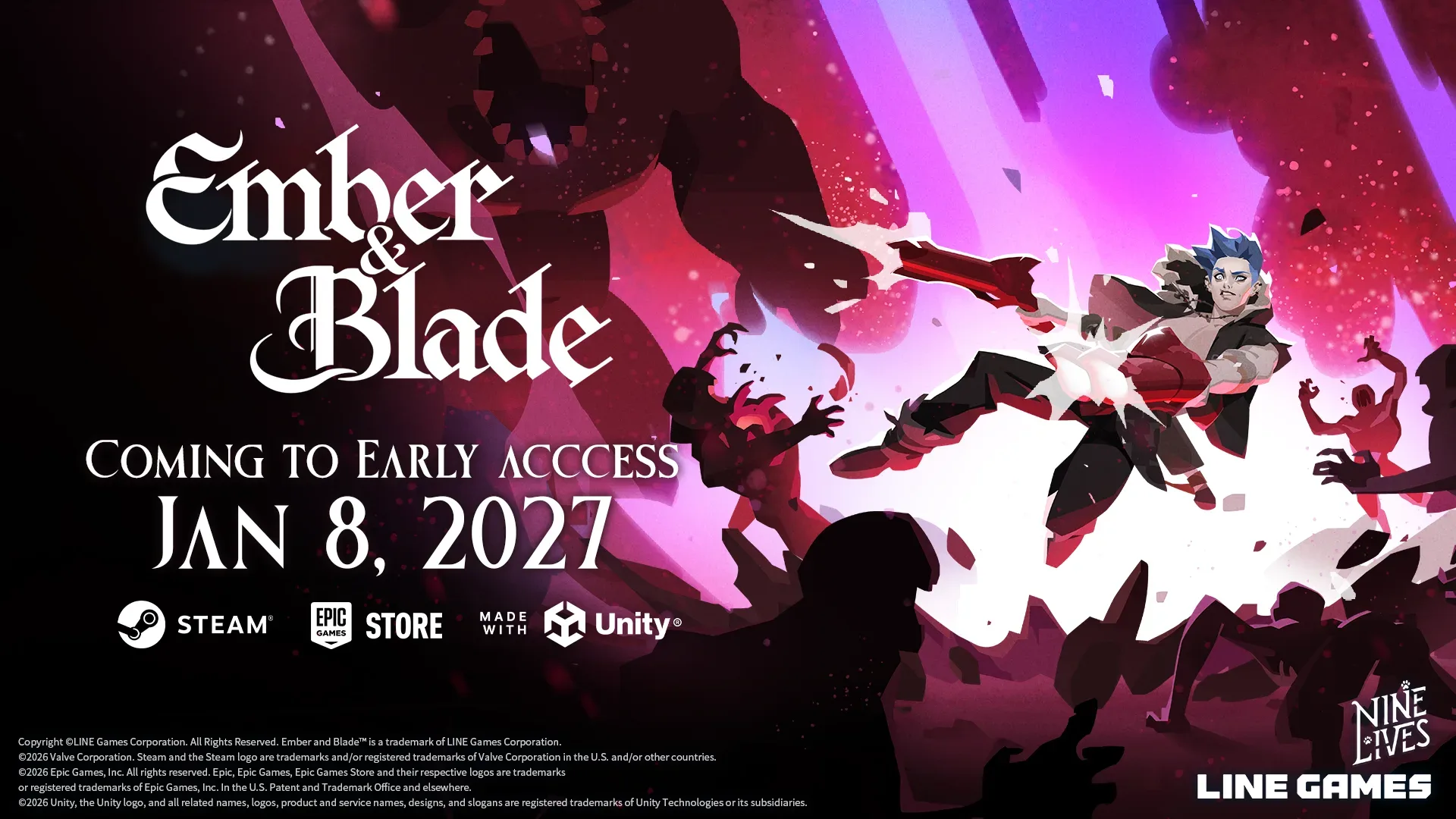
Ember and Blade, the dark fantasy roguelite action RPG from LINE Games, is scheduled to enter Early Access on January 8, 2027. The game is planned for Steam and the Epic Games Store, with the date revealed in a new trailer shown during the Galaxies Showcase.
The announcement arrives after the release of Demo 2.0, a substantial revision that reworks combat while adding weapons, build options, enemy behavior changes and several broader usability improvements. For players considering the game ahead of Early Access, that demo is the clearest currently available look at the direction of its action systems.
Fenrix’s curse is the foundation of Ember and Blade
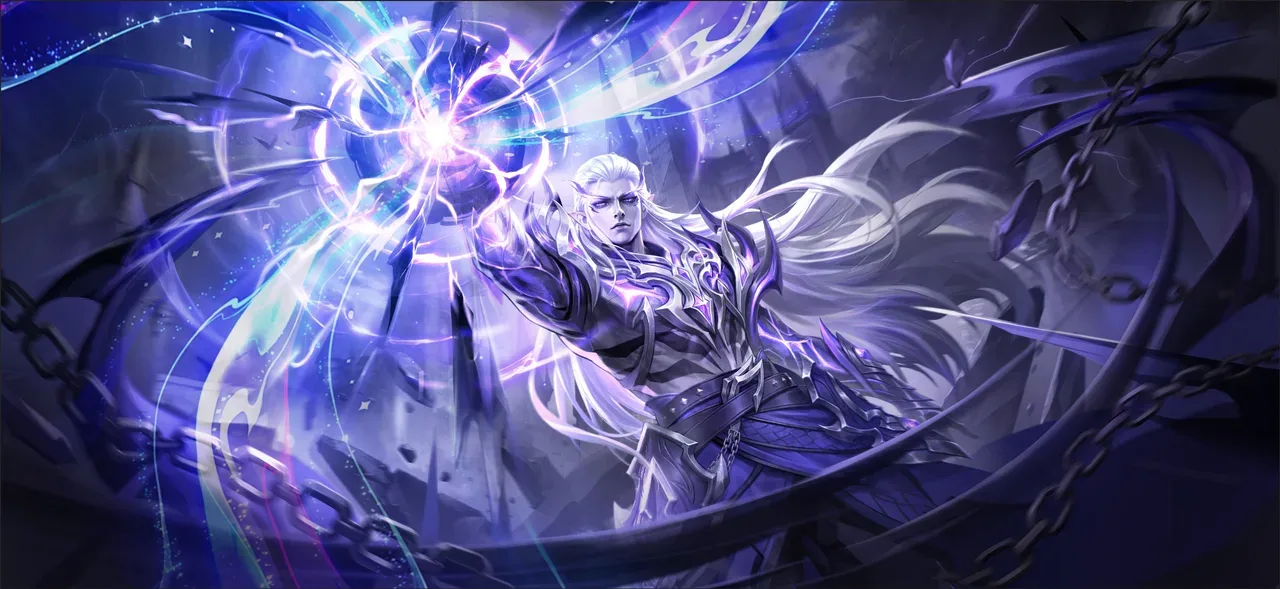
Players control Fenrix, a cursed immortal locked into a repeating pattern of death and rebirth. The premise sends Fenrix into the depths in pursuit of the archdemon Asmodeus, but the central mechanical idea is that the character’s curse can be made useful rather than simply endured.
Ember and Blade frames that power progression around an arsenal of weapons, angelic Blessings, Runes and Arcana. Those systems are intended to let players construct stronger and more individualized builds as they push deeper into the game. In a roguelite, a “build” generally means the particular combination of combat tools and modifiers assembled during play; rather than being just a list of equipment, it defines what attacks are available, how they interact and where a character’s damage or utility comes from.
That matters because the announced systems imply several layers of decision-making. A player may select an arsenal that supports a preferred attack rhythm, then use Blessings to adjust individual moves, while Runes and Arcana add further combinations. The supplied details do not specify every possible interaction or the full roster of weapons and cards, so it remains too early to describe exact optimal setups. But the emphasis on linked attacks and Arcana-driven builds points toward combat where choices between runs—or within a run—should be a major part of the game’s identity.
Demo 2.0 puts combat at the center of the revision
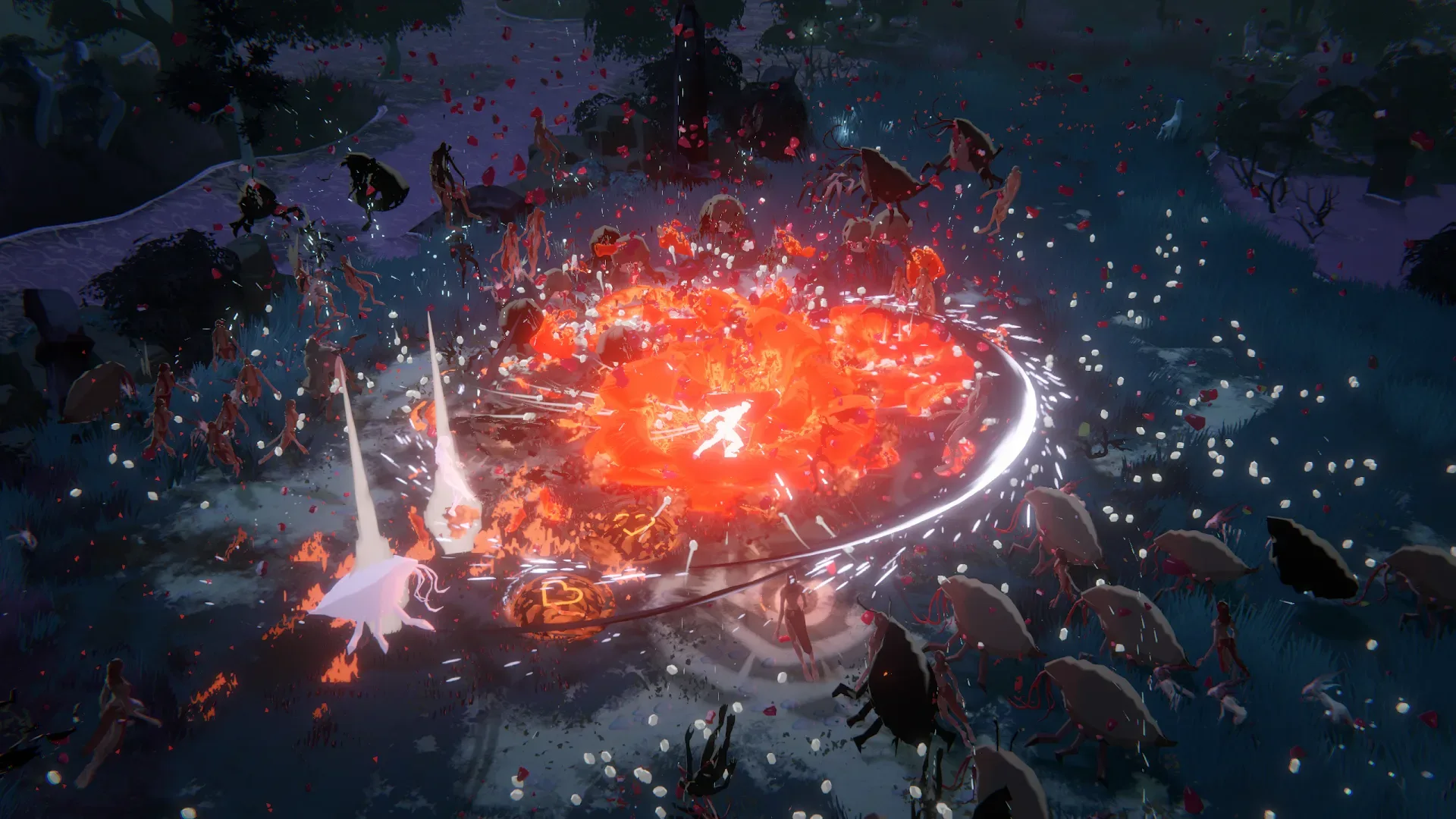
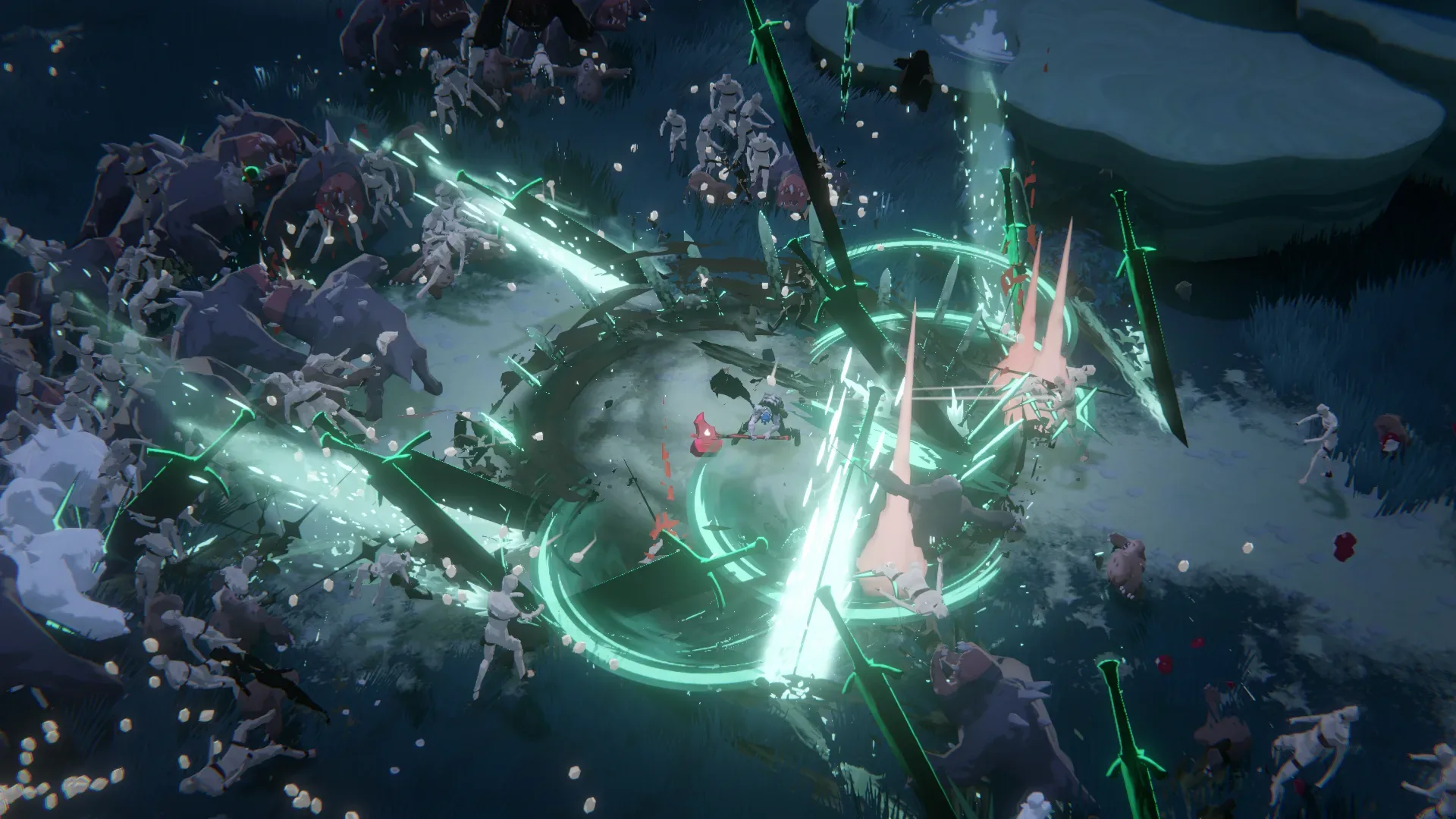
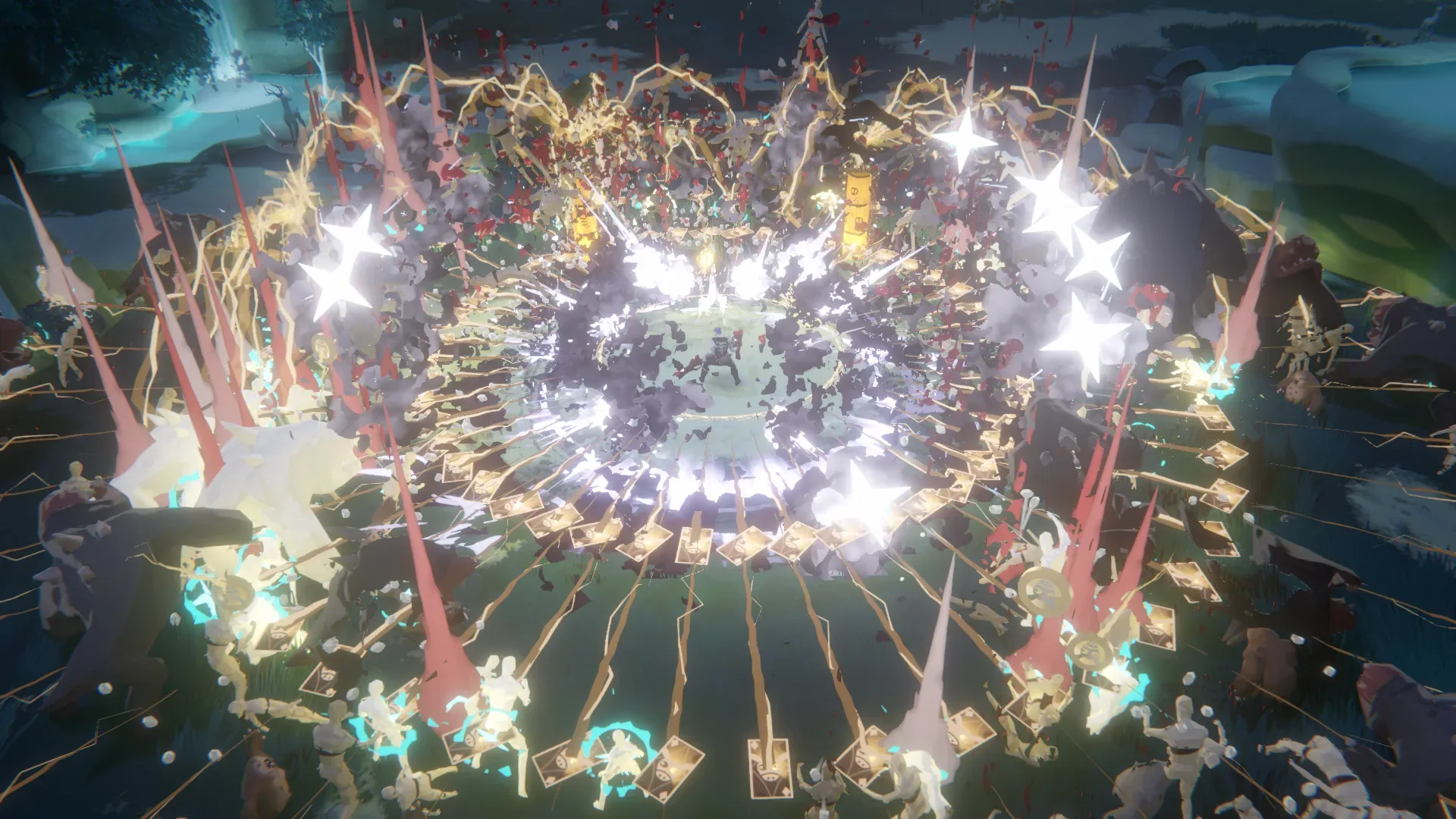
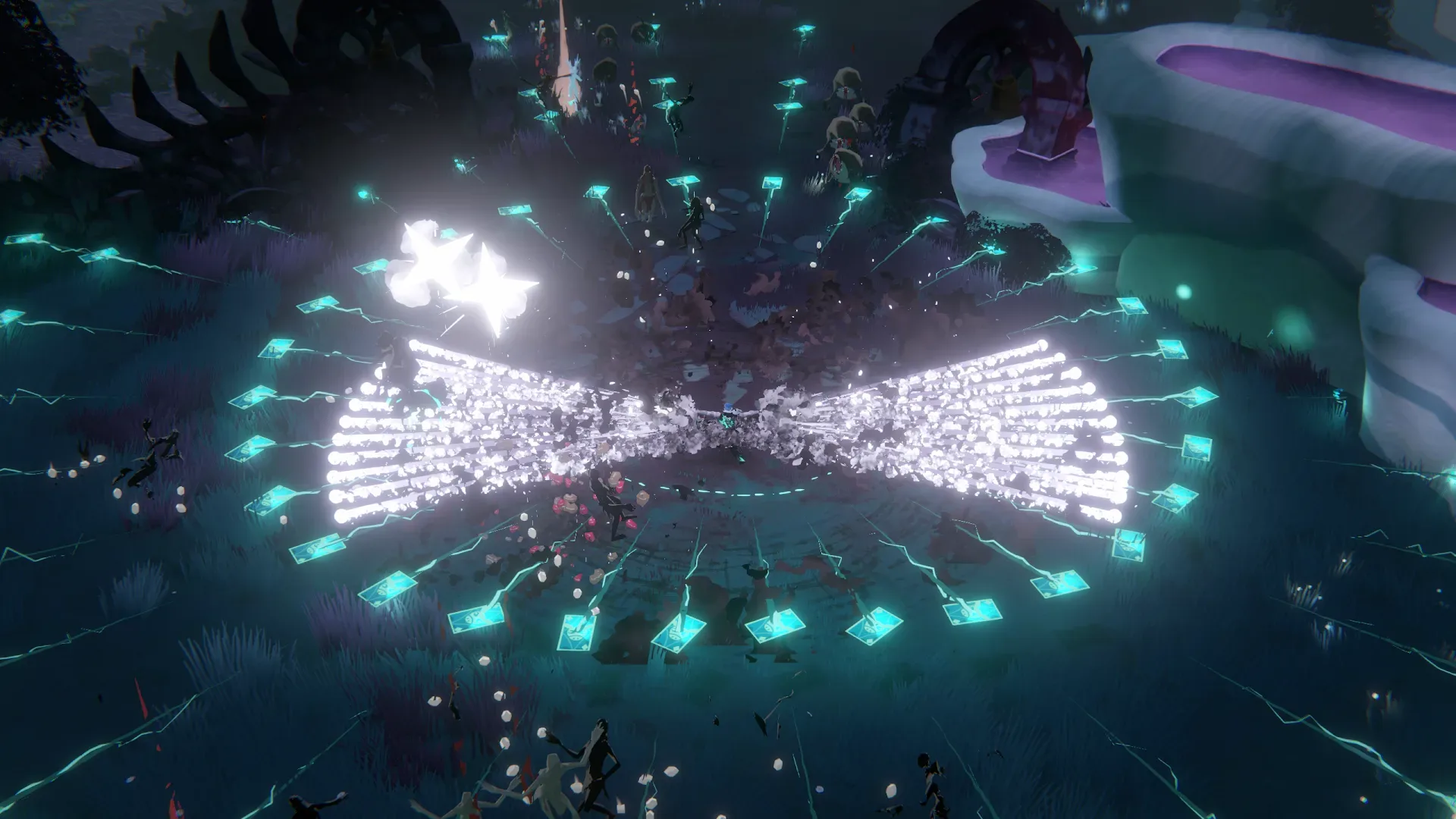
The most consequential Demo 2.0 change is a revised action and stamina system. Light and heavy attacks can be chained into combos, giving the game a clearer stated focus on connecting moves rather than treating every strike as an isolated action.
Stamina is commonly a limited combat resource that constrains repeated actions, forcing a balance between attacking, repositioning and defensive choices. Ember and Blade’s updated design appears to use it as part of the combo and action flow, while the Blessing Link system specifically operates outside that cost: attached Blessings do not consume stamina. That distinction could be important. If basic actions compete for stamina but the attached effects do not, players may have room to shape their attacks without adding another direct drain to the resource economy.
Demo 2.0’s Blessing Link mechanics allow Blessings to be assigned to light attacks, heavy attacks and dashes. A dash is typically a quick movement action used to evade danger or reposition, so linking a Blessing to it suggests that movement can be part of a combat setup rather than only a defensive escape. The exact effects of individual Blessings have not been detailed, but the attachment points themselves are significant: three different action categories can potentially carry a modifier.
The demo also includes Arcana cards, which expand the build system. “Arcana” here refers to the game’s card-based build element, not a separately explained story faction or mode. Alongside Runes and Blessings, the cards give Ember and Blade another stated avenue for tailoring a run. For prospective players, the practical takeaway is not that every build will necessarily be equally viable—there is no evidence yet to make that claim—but that the game is being built around combinations rather than a single fixed combat loadout.
Three weapons are specifically highlighted
Demo 2.0 fully reworks the Sword and Hammer, and it adds a Shotgun. The announcement does not lay out each weapon’s moveset, damage profile or unlock conditions. Still, the selection signals a broad mix of combat styles: a sword, hammer and shotgun are distinct categories of tool, and their inclusion beside the revised stamina and combo systems suggests that weapon choice will be tied closely to how a player approaches encounters.
It is worth separating what has been confirmed from what has not. The game has an overhauled arsenal, two reworked named weapons and one newly added weapon. It has not been established how many total weapons will be available in Early Access, whether the listed items represent every starting option, or how they are acquired. Those questions will need answers closer to the January release.
Enemies and spaces are also changing
Combat revisions in Demo 2.0 extend beyond Fenrix’s toolkit. Monster reactions and environmental interactions have been improved, while a new Break state has been added and Elite combat has been redesigned.
A Break state generally describes a temporary vulnerable condition created when an enemy is staggered or otherwise disrupted. The announcement confirms that Ember and Blade now has such a state, but does not define the trigger, its duration or the exact advantage it provides. Those particulars are important because they determine whether Break rewards aggressive pressure, particular weapon choices, environmental play or another condition entirely.
Likewise, “Elite” usually identifies tougher enemies or encounters set apart from ordinary foes. The redesign means these higher-pressure fights have received attention in the demo update, though there are no specifics on their new behaviors, rewards or encounter structure. The improved monster reactions and environment interactions may make encounters feel more responsive, but their tangible effect will depend on how the systems work together in the Early Access build.
The revised Elevator and dynamically changing Sanctuary round out the update’s structural changes. The Sanctuary features time-of-day variation, while the Elevator has been overhauled. No detailed explanation has been supplied for either feature, so it would be premature to label them progression hubs, matchmaking areas or anything else beyond their names and the stated changes. Their inclusion does indicate that the update is not limited to raw attack balance; it also touches spaces between or around combat.
Control and visibility improvements may matter as much as a new weapon
Demo 2.0 also expands control options and introduces visibility improvements. These can sound less dramatic than a new shotgun or a new combat state, but they are meaningful in a fast action RPG. A game built around light attacks, heavy attacks, dashes, enemy reactions and stamina management needs players to be able to read the action and issue inputs comfortably.
The announcement does not specify which control settings were added or what visibility elements changed. As a result, players should avoid assuming features such as remapping, color options or interface customization until they are explicitly detailed. What is confirmed is narrower but still useful: both areas were part of the demo overhaul.
For anyone keeping an eye on other PC action releases, Joking Joystick has also covered Torchlight: Infinite’s SS14 Tartarus update, another example of how ongoing games can place new systems alongside evolving player progression.
What the January date does—and does not—confirm
January 8, 2027 is an Early Access date, not a confirmed 1.0 launch date. Early Access is a release stage in which a game is made available before its final version, and it should not be treated as confirmation of a completed feature set, a final balance state or a fixed endpoint for development. No full-release date, roadmap, price or console version was provided in the announcement.
The confirmed platform list is also limited to Steam and the Epic Games Store. The current Demo 2.0 is available as of the October 16, 2026 announcement, offering interested players a chance to examine the revised systems before Early Access begins. As always with a demo, it should be viewed as a snapshot rather than proof that every part of the eventual Early Access release will be identical.
For now, Ember and Blade’s strongest pitch is a specific one: a cursed immortal’s descent against Asmodeus, supported by combo-oriented action, a stamina-aware combat loop, weapon revisions and systems designed to let Blessings, Runes and Arcana shape a run. Demo 2.0 makes the coming Early Access launch more than a date on a calendar; it establishes the set of combat and build ideas players can evaluate ahead of January 8.