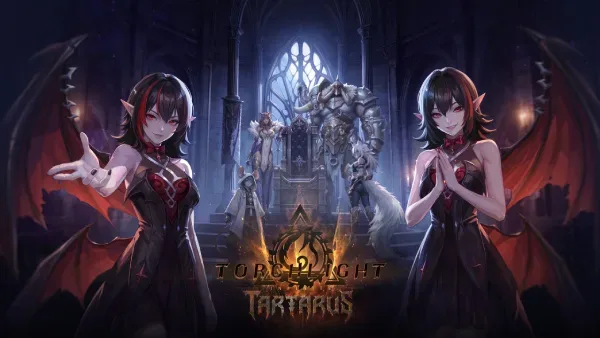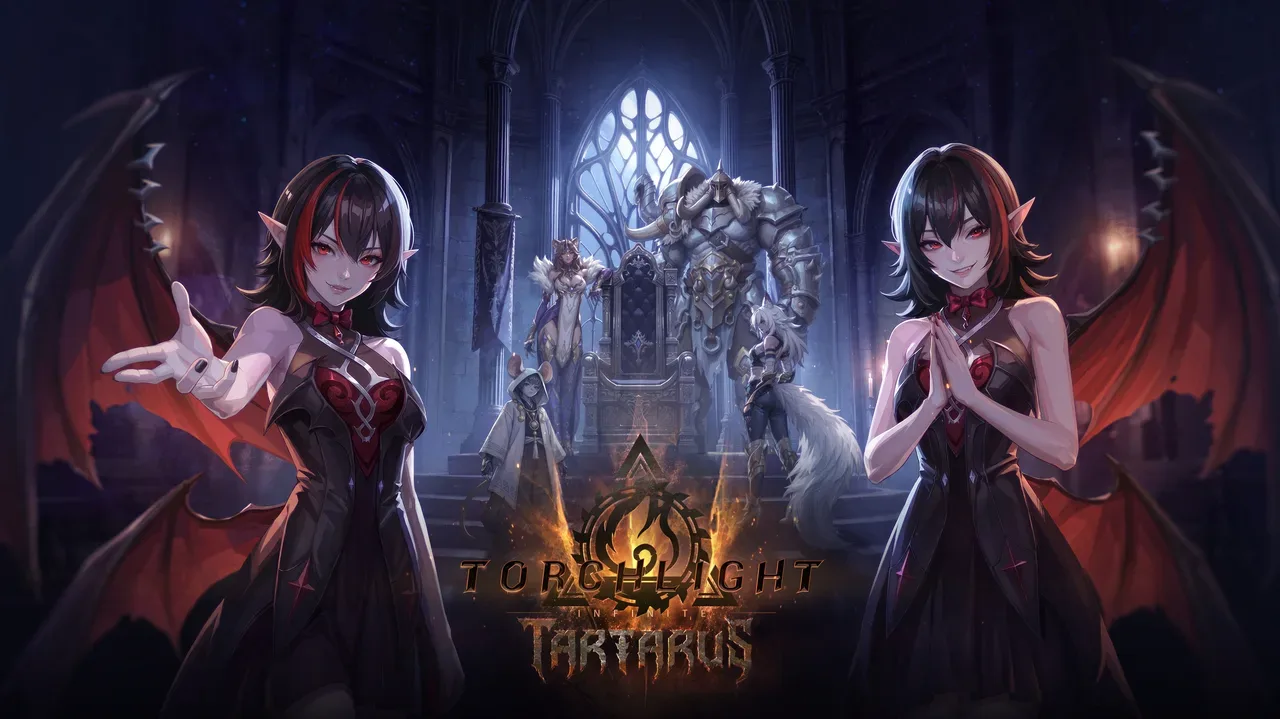
Torchlight: Infinite has launched its SS14 Tartarus season worldwide on PC, iOS and Android. The update’s central addition is Tartarus, a Netherrealm mode that asks players to build a prison roster before turning that very roster into a gauntlet of enemies and bosses.
Rather than presenting a straightforward sequence of battles, Tartarus is structured around preparation, choices and payoff. Players first hunt escaped prisoners for nameplates, then operate a circular prison with 16 cells, and finally fight through the inmates they have accumulated. The season also adds Spacetime Witness Youga, a Hero Trait designed around sustained spellcasting, plus a follower-recruitment progression system built around four animal tribes.
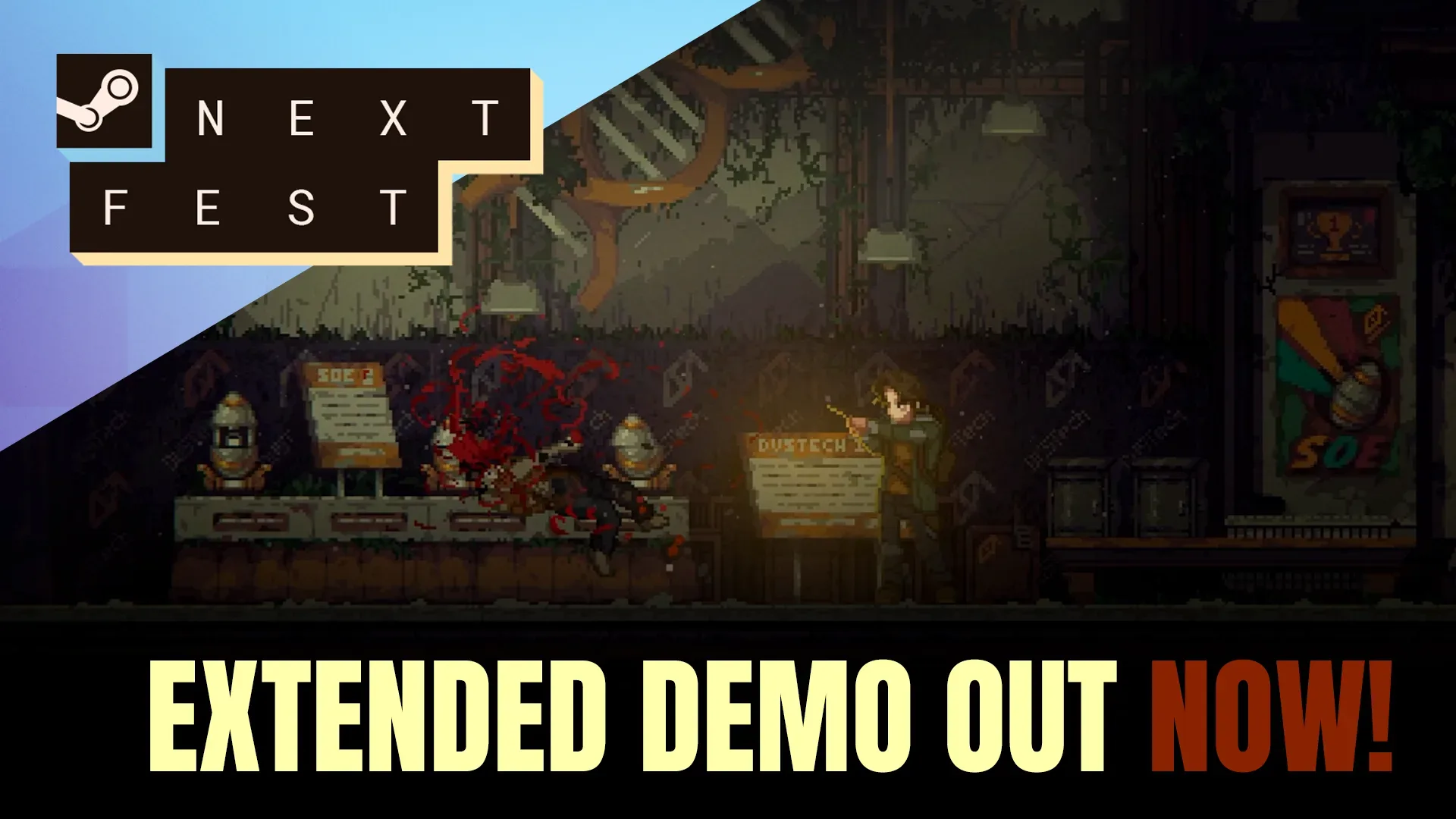
It is a notably self-contained seasonal concept: capture the prisoners, decide how to develop them, then deal with the dangerous result. For players looking over the broader PC release calendar, Joking Joystick has also covered a newly available Steam demo for The Road of Dust and Sorrow.
How the Tartarus mode is structured
Tartarus unfolds across three phases. In the first, players pursue escaped prisoners and defeat them to obtain their nameplates. Those nameplates are the route into the mode’s management layer, leading to the second phase and its 16-cell circular prison.
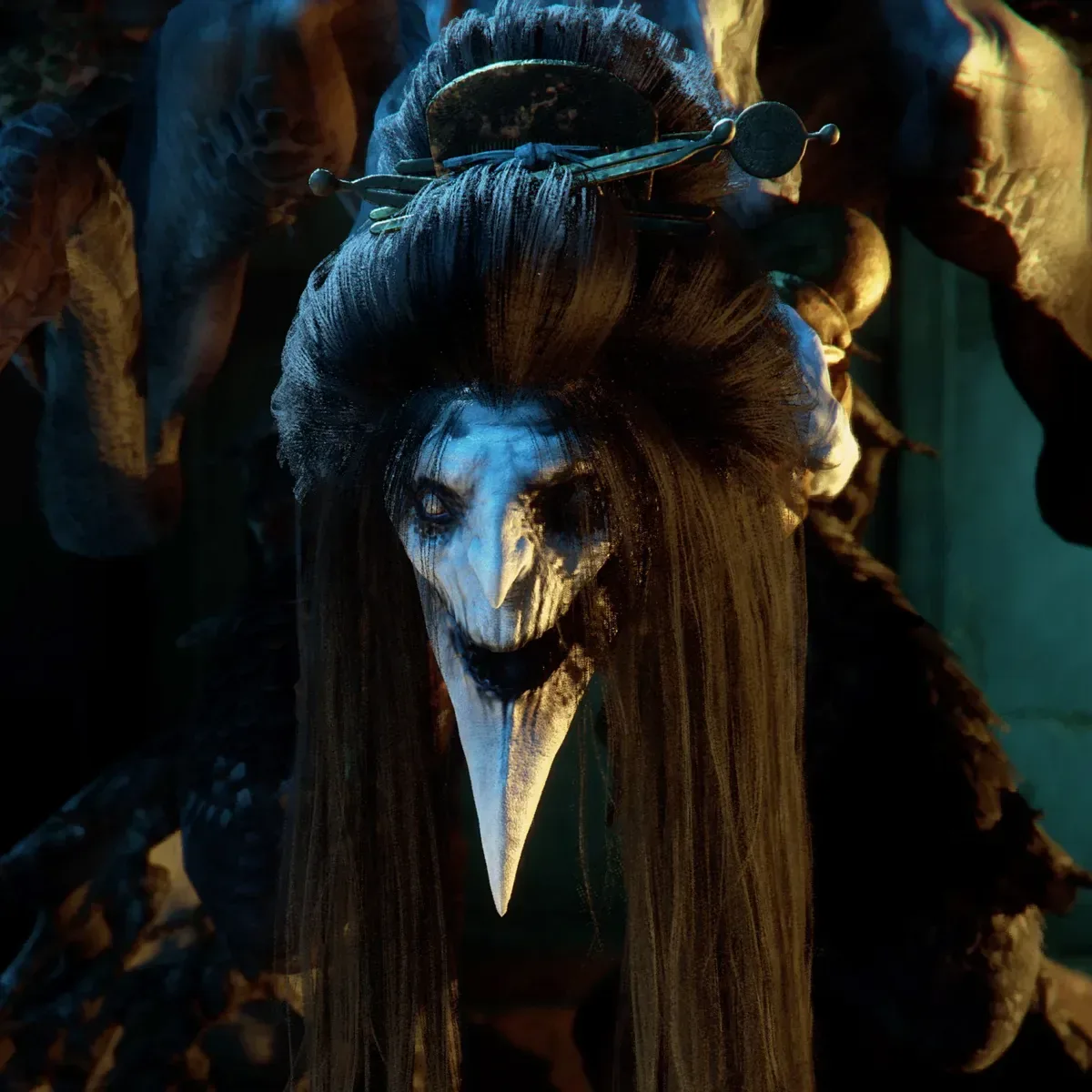
There, players can house inmates and set up strategic fights. Prisoners can be placed into battles against one another or pitted against beasts. The confirmed animal opponents are elephants, lions, wolves and rats. These encounters are not merely incidental fights: they are used to develop the player’s roster before the mode’s final confrontation.
The building phase lasts 20 turns. Once it ends, the relationship between player and roster changes sharply. The collected inmates become the enemies and bosses faced across three prison levels. Tartarus has six difficulty tiers, while rewards are tied to both the quality and the quantity of opponents defeated.
What “roster development” means here
A roster is the group of units a player has gathered or built up for a mode. In Tartarus, it refers to the prisoner lineup developed during the prison-management stage. The key wrinkle is that the roster does not simply remain a friendly collection of units: it is ultimately transformed into the opposition faced in the final phase.
That makes the 20-turn middle section the most consequential part of the loop. Players are not only filling cells; they are making choices that shape the eventual enemy pool. The information provided does not specify every variable that determines an inmate’s strength or rewards, so it is too early to prescribe an optimal setup. The clear practical implication, however, is that preparation and final combat are deliberately connected.
Related coverage includes Torchlight: Infinite SS14 Tartarus Launches on PC and Mobile.
Players who want to learn the system efficiently may find it useful to treat early Tartarus attempts as runs for understanding cause and effect. Pay attention to which prisoners and beast matchups lead to the kind of final encounter a build can handle. Since reward quality and quantity are both linked to defeated enemies, the mode appears to create a balance between ambitious roster development and a manageable final prison.
Spacetime Witness Youga brings continuous spellcasting
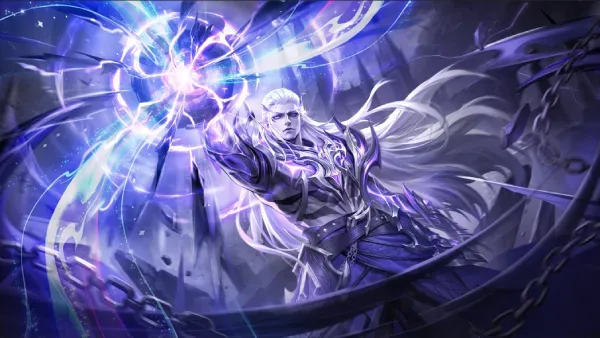
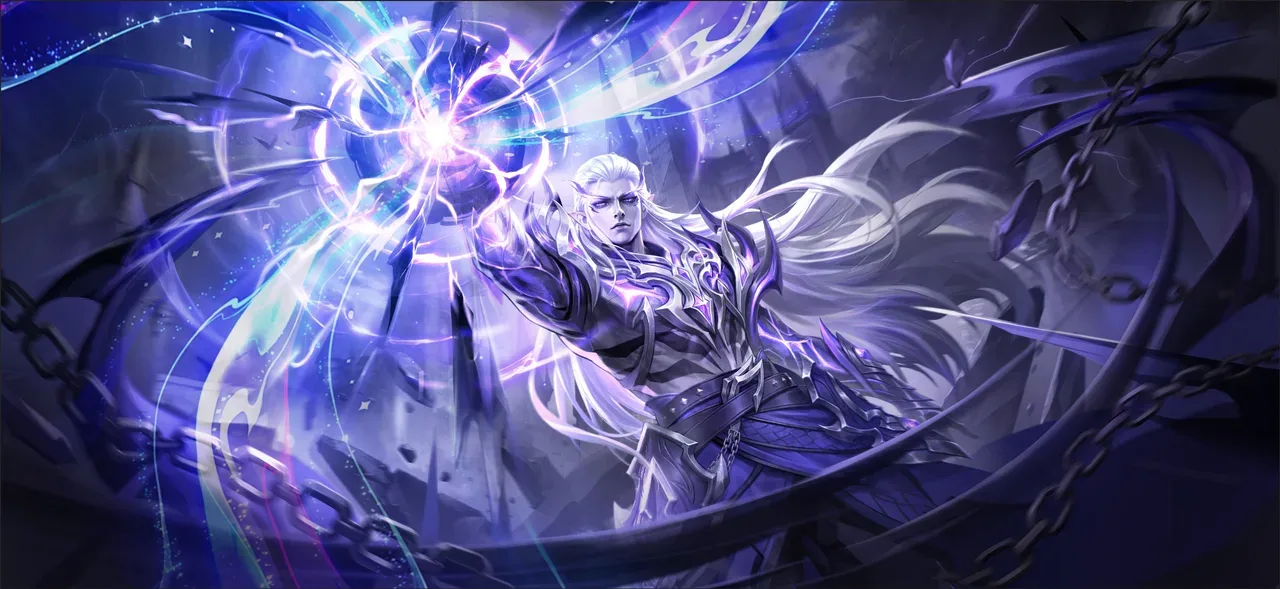
SS14’s new Hero Trait is Spacetime Witness Youga. A Hero Trait is a character-specific framework that steers skills and passive effects toward a particular style of build. In Youga’s case, that style is continuous spellcasting.
The trait’s Clockwork Core can automatically cast Entanglement skills. Automatic casting means an ability can be triggered by the game’s systems rather than requiring every activation to be manually pressed. That can make the relevant skills more consistently present in a rotation, though the supplied details do not establish the exact trigger conditions, timing or limitations of Clockwork Core.
Youga also benefits from critical strikes reducing ability cooldowns. A critical strike is an enhanced hit that occurs when a critical event is triggered, while a cooldown is the period before an ability can be used again. Combining critical strikes with cooldown reduction points toward a feedback loop: successful critical hits can allow abilities to return more quickly, supporting the stated focus on persistent casting.
Three paths, with room to combine them
Spacetime Witness Youga has three development paths. Players can fully specialize in one path or combine elements from multiple paths:
- Spacetime Dictator focuses on projectiles and time manipulation.
- Spacetime Conqueror emphasizes movement and linked damage through Time-Rift Traversal.
- Spacetime Dominator centers on stacking spell enhancements through Spacetime Overload.
Projectiles generally describe attacks or spells that travel through play space toward a target. Linked damage, as described for Conqueror, indicates damage interactions connected through Time-Rift Traversal, though the exact mechanics have not been detailed here. Spell enhancements are effects that improve or alter spells; Dominator’s emphasis is specifically on building those effects through Spacetime Overload.
The option to mix paths matters because it gives Youga a stated degree of flexibility rather than forcing one fixed identity. A player interested in projectile behavior may lean toward Dictator, while one who values movement-oriented gameplay can investigate Conqueror. Dominator is the route explicitly associated with accumulating spell improvements. The most important caveat is that SS14’s high-level descriptions do not provide numerical values, skill lists or complete interaction rules, so a final build hierarchy cannot be established from these details alone.
Followers add another layer of customization
The season’s other major progression addition is a follower system. Players use a new resource, Letters of Introduction, to recruit followers from wolf, rat, lion and elephant tribes. These followers add customization through Active Skills and Support Skills.
Active Skills are usable effects, while Support Skills modify or assist a character’s existing capabilities. In the supplied outline, followers can contribute buffs, protection or debuff support. A buff is a beneficial effect; protection refers to defensive help; and a debuff is an effect that hinders an enemy. The system therefore appears intended to let followers supplement an existing build’s offense, defense or control rather than replace its central Hero Trait.
Higher Netherrealm difficulty tiers unlock access to higher-tier followers. That creates a direct progression path between challenging the mode at greater difficulty and expanding the pool of available companion options. It also means that a player’s follower choices may broaden over time, rather than being fully available at the start of the season.
What SS14 players should keep in mind
Tartarus ties several systems together: prisoner hunting provides nameplates; nameplates feed the prison phase; the prison phase determines a roster; and the roster becomes the final set of threats. The most important strategic question is likely to be how much difficulty a player is willing to cultivate for the prospect of better rewards.
Youga, meanwhile, offers a new spell-focused route with automatic Entanglement casting and cooldown reduction on critical strikes. The three paths provide clear themes, but their mix-and-match structure should be useful to players who prefer to tune around a particular mechanic instead of committing completely to one branch.
Finally, followers give SS14 a progression system separate from the prison roster. Because they can provide buffs, protective effects and debuff support, they may become a practical place to patch a build’s weaknesses or reinforce its preferred strengths. The full season materials also cover additional skills, cosmetics, audiovisual changes, Pactspirits and patch notes, while the live season is now available across PC and mobile platforms.