Action RPGs have spent decades perfecting a familiar ritual: enter a gloomy ruin, vaporize a crowd of enemies, inspect an alarming number of boots, then repeat until the numbers become beautiful. Tarae: The Unbound is entering that established loop, but South Korean developer Boundary is aiming to give it a different cultural and visual foundation. Published by Krafton, the game is currently planned for PC and consoles in 2027.
The immediate mechanical reference point is clear. Tarae is built around weighty real-time fighting, ability keys, dodging, loot drops, selectable skills and the endlessly persuasive pull of making a build a little more efficient. Players can also zoom the camera out to take in much more of the combat space, which should make approaching packs and battlefield pressure easier to read. Those are recognizable action RPG ingredients, and Boundary is not pretending it has invented the concept of clicking on a monster until it regrets being a monster.
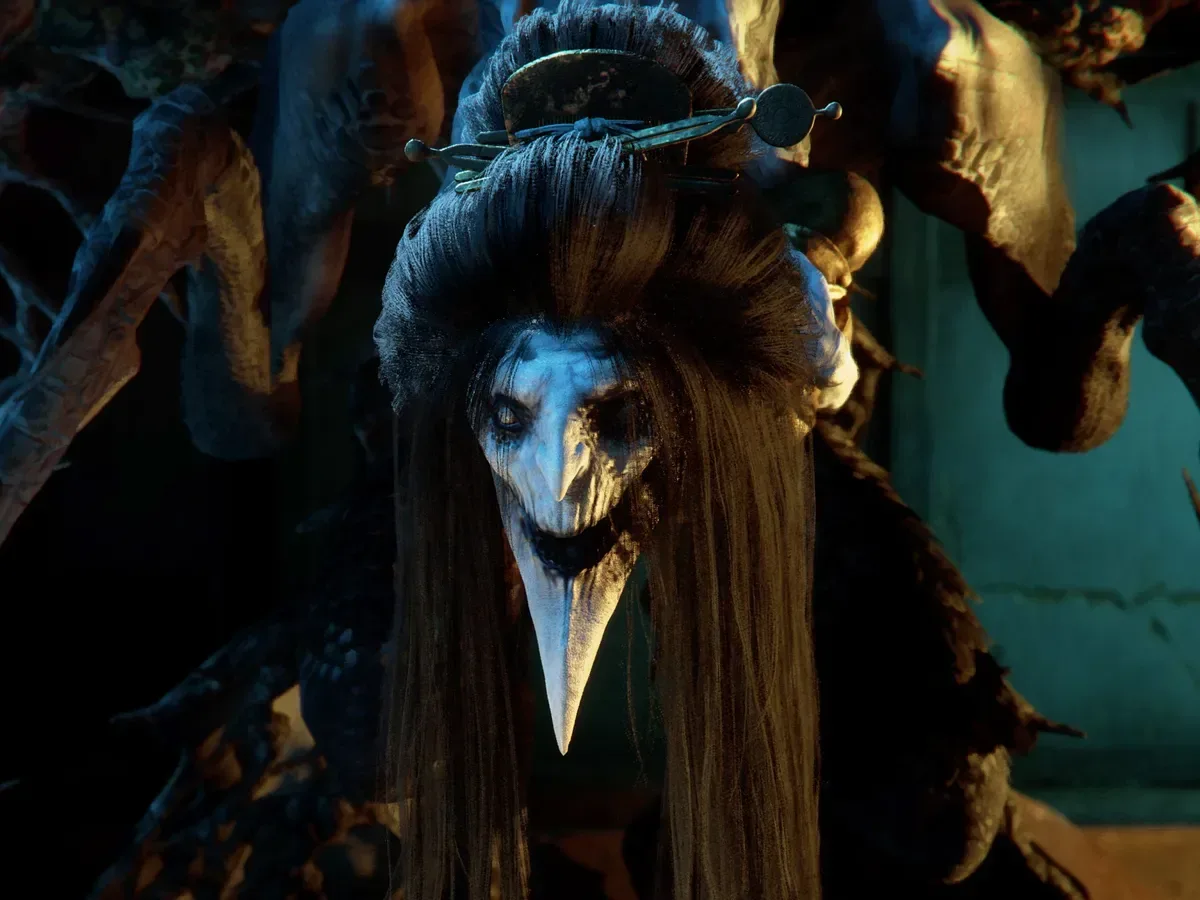
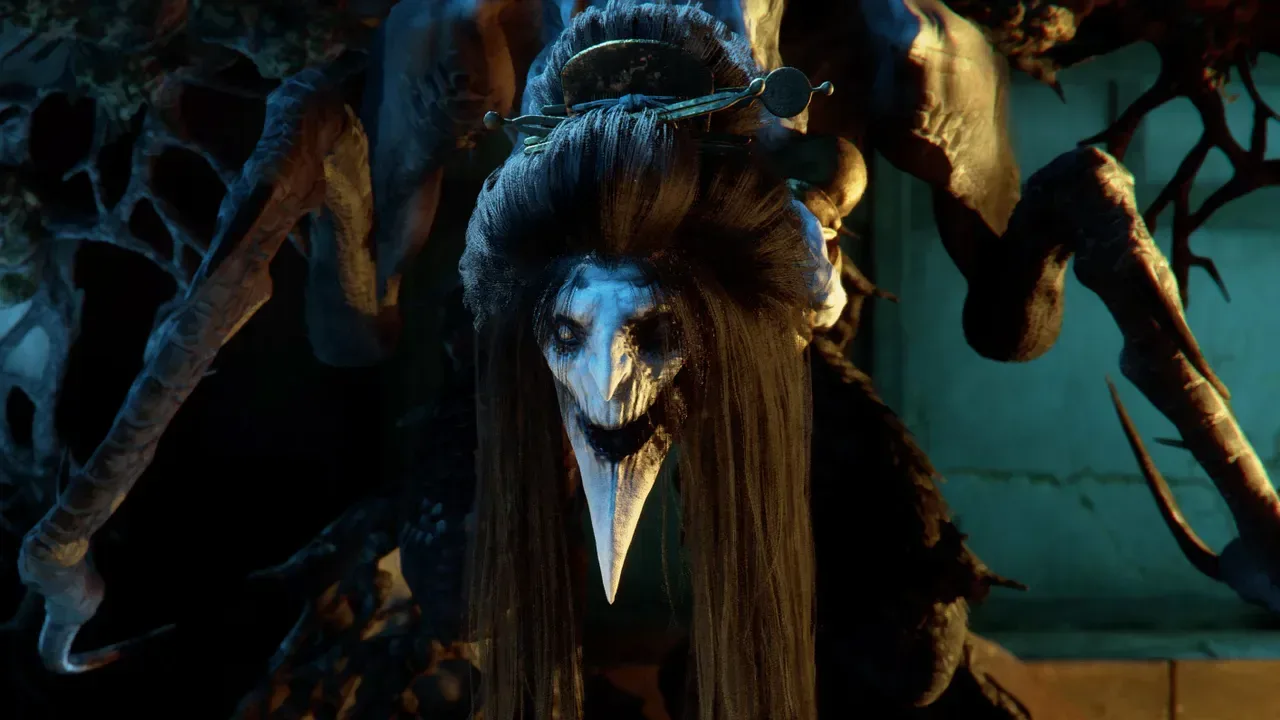
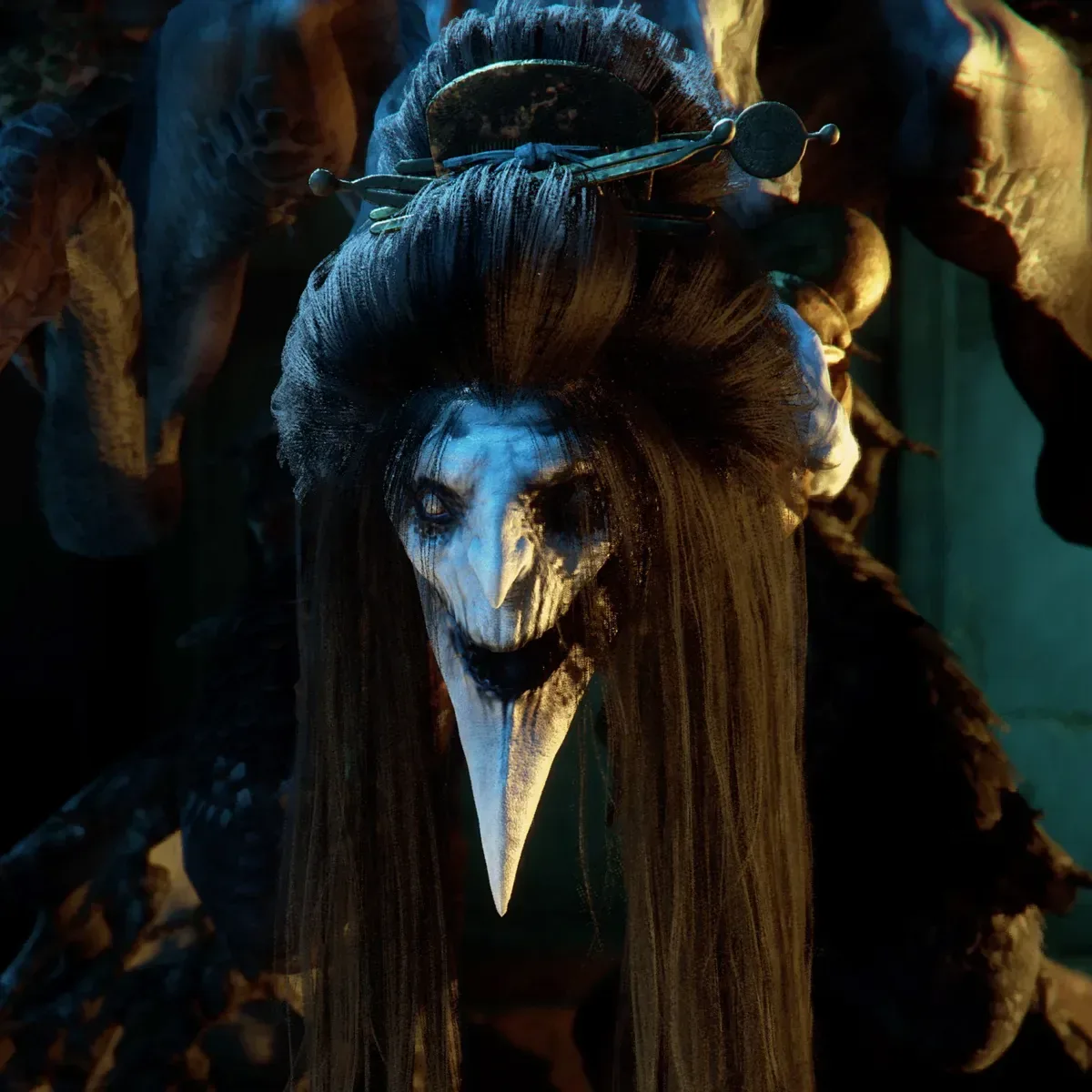
Where the studio sees its opportunity is in the setting, classes, enemy designs and mythology. Rather than leaning on the Western medieval fantasy language that dominates much of the genre, Tarae: The Unbound draws from East Asian aesthetics and folklore. Its historical inspiration spans East Asia from the 15th through the 17th centuries, while its dark-fantasy world combines Chinese, South Korean and Japanese influences. That approach extends to environments, creatures and especially bosses. Boundary says the launch version is intended to include more than 80 boss encounters.
An action RPG built around a different fantasy vocabulary
Genre comparisons can be useful shorthand, particularly for a game with a familiar top-down combat-and-loot framework. But Tarae’s core pitch is not simply that its action works in an expected fashion. It is that the game wants its imagery, mythology and character archetypes to offer something less routinely seen in this corner of the RPG world.
That distinction matters because visual identity can carry a huge share of an action RPG’s personality. Players will spend a lot of time revisiting combat spaces, sorting equipment and watching powers fill the screen. A setting that changes the silhouette of a warrior, the shape of a monster, the texture of a shrine or the theatricality of a boss can make the repetition feel like exploration rather than another lap through the same stone crypt with a fresh hat.
Boundary is grounding that identity in Buddhist cosmology and the six realms of rebirth. The revealed realms include human, Asura, beast, hungry ghost and hell realms. The endgame is said to involve crossing the boundaries between those realms to take on battles beyond the main campaign. This gives Tarae a thematic structure that reaches beyond a generic map of haunted woods and caves, although exactly how the sixth realm is represented and how each area will function have not yet been detailed.
The game also makes yin and yang a central idea. Boundary has described balance between opposing forces as a theme for both story and combat. That combat layer is tied to a god system featuring eight deities that may help or hinder the player. These figures function as modifiers during the journey, potentially changing the terms of an encounter instead of leaving every battle as a simple question of whether a sword has a bigger number attached to it.
Six classes, each with a distinct role
At present, Boundary has identified six playable classes. Their names signal the studio’s desire to reinterpret recognizable action RPG roles through the game’s East Asian cultural framework:
Related coverage includes Tarae: The Unbound Aims to Bring East Asian Dark Fantasy to the Action RPG Arena.
- Samurai: a melee-focused damage dealer.
- Tiger Hunter: uses guns, traps and summoned animals.
- Manshin: a Korean shaman archetype centered on spiritual channeling.
- Geomancer: specializes in area-of-effect damage.
- Kunoichi: a ninja-themed class.
- Warfiend: a brawler.
That roster covers several familiar needs in a party of one: close-range offense, traps, ranged weaponry, summons, spell-like battlefield control, speed and bruising physical force. Yet the individual concepts appear designed to avoid a straightforward medieval-European class sheet. The Manshin is especially notable as a Korean shamanic archetype, while the Tiger Hunter’s combination of firearms, traps and animal summons sounds less conventional than a standard ranger template.
Boundary says the classes are meant to have strongly differentiated playstyles. It also plans to remove a common campaign-replay obstacle: after finishing the story with one character, players will be able to use the other classes in the endgame without progressing each one through the full campaign first. That is an ambitious convenience feature for people who like experimenting with alternate builds but do not always want to redo every narrative step just to discover whether the brawler has better trousers.
The exact progression systems, itemization depth and class customization options remain to be explained. Still, the ability to shift classes after a campaign clear suggests the endgame is being designed as a shared destination rather than six entirely separate tracks.
A structured campaign before the realm-crossing endgame
Tarae: The Unbound will not be an open-world RPG. Boundary is instead planning a linear campaign with six acts, each divided into three or four chapters. A defined route can suit the action RPG format well, allowing the developer to pace its mythology, introduce realms in a deliberate sequence and build bosses around specific environments rather than sending players on a scenic detour to collect seventeen mystical berries.
The act-and-chapter layout also establishes a clear line between the story journey and the longer-term endgame. The campaign is where players will advance through Tarae’s narrative, while the post-campaign structure is intended to let them move between realms and continue fighting with any of the six classes. With more than 80 bosses planned for launch, the boss roster may be one of the principal ways the game distinguishes its regions and folklore influences.
There is a meaningful amount still unknown. Boundary has not outlined a release date within 2027, named the specific console platforms, or provided full details on multiplayer, difficulty options, monetization, seasonal cadence mechanics or the nature of endgame rewards. Those details will be important for a game seeking the attention of players who already have years of characters, collections and habits invested elsewhere in the genre.
Seasonal additions and yearly regional DLC are part of the plan
Boundary has indicated that Tarae is meant to be supported over the long term. Its proposed post-launch model includes seasonal content, with a new character planned for each season, alongside annual DLC that adds a new region. It is a substantial roadmap on paper, and it suggests the six launch classes are intended as the beginning of a larger roster rather than a fixed final lineup.
As with all plans for a game still on the road to release, that support schedule should be treated as an intention rather than a guarantee. Development timelines, scope and player feedback can change the shape of seasonal games quickly. For now, the useful takeaway is that Boundary is framing Tarae: The Unbound as an evolving action RPG with expansions to its playable geography and character selection in mind.
PC is one of the confirmed destinations, and prospective players considering a new desktop setup can also weigh the practical compromises in switching from MacBook to Windows for PC gaming. Tarae’s own PC requirements, controller support and performance targets have not been announced, so there is no reason to turn hardware shopping into a boss battle yet.
Why Tarae’s setting could be its most important differentiator
Loot-driven action RPGs live or die on combat responsiveness, progression clarity and the compelling arithmetic of one more run. Tarae will still need to deliver in all those areas. Its familiar systems invite unavoidable comparisons with leading games in the field, and a strong aesthetic alone cannot support years of build crafting.
But the setting gives Boundary a credible way to stand apart. A game shaped by East Asian folklore, historical inspiration, spiritual archetypes and the six realms of rebirth can offer a different emotional palette from the genre’s well-worn castles, catacombs and armored crusaders. The god system’s beneficial and harmful influences may further reinforce the intended theme of balance, provided those modifiers create meaningful decisions rather than merely surprise paperwork.
For now, Tarae: The Unbound is a 2027 prospect with a promisingly specific identity: a linear six-act dark-fantasy campaign, six culturally distinct class concepts, an eight-god modifier system, realm-based endgame ambitions and an announced total of more than 80 bosses at launch. It clearly speaks the language of the modern action RPG. Boundary’s challenge is ensuring that, when the loot starts raining from the sky, players also remember exactly which world it came from.