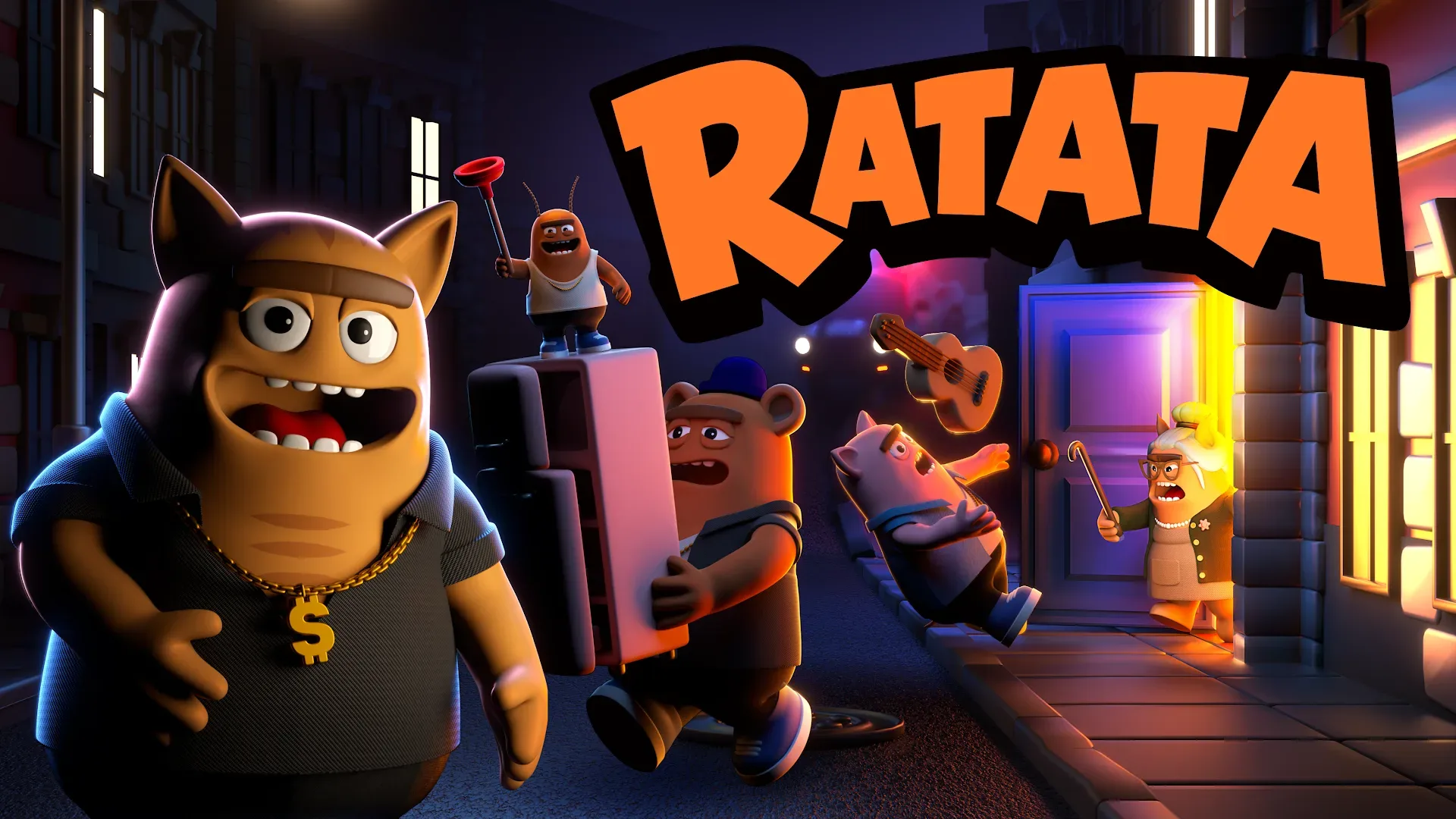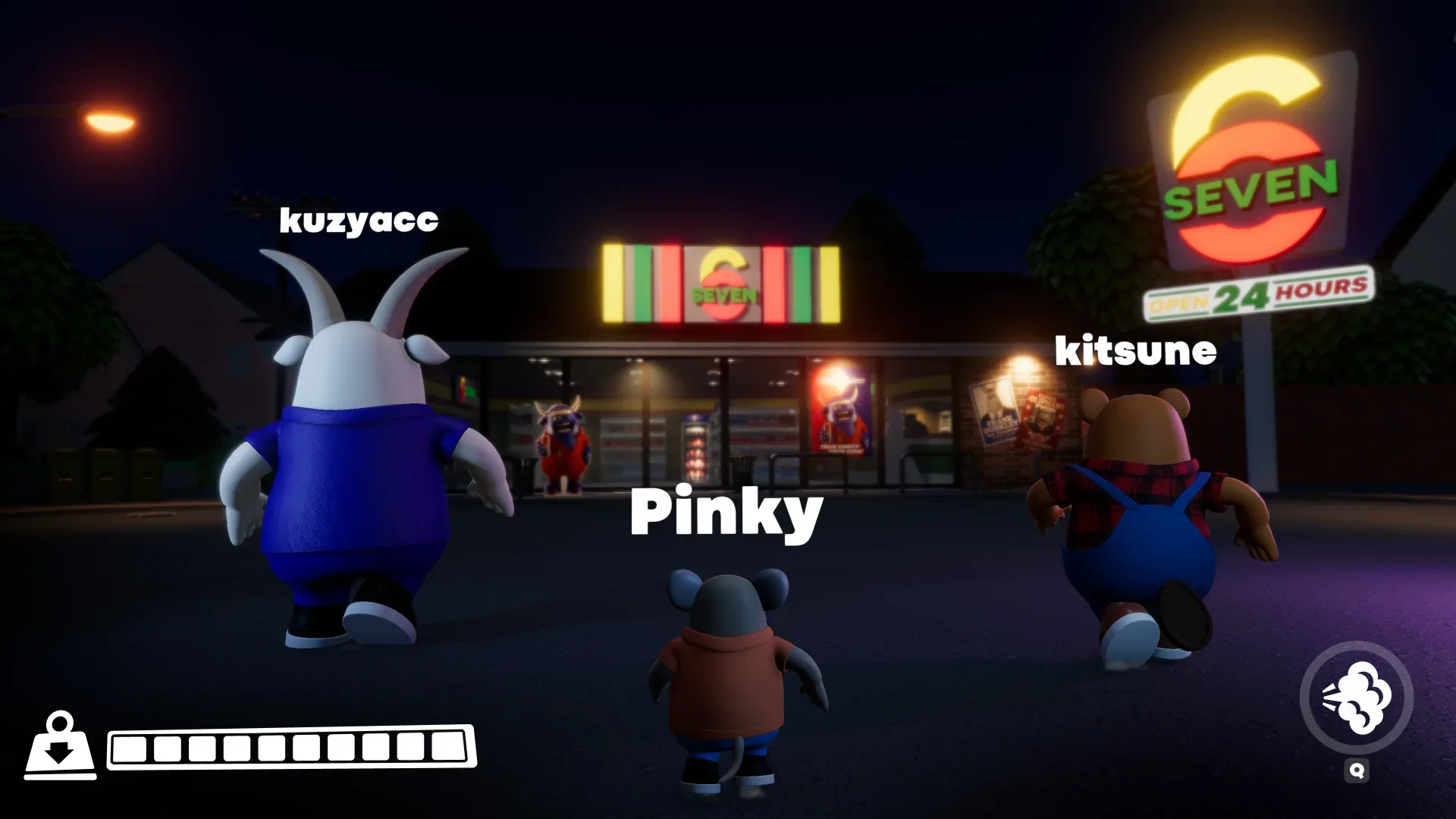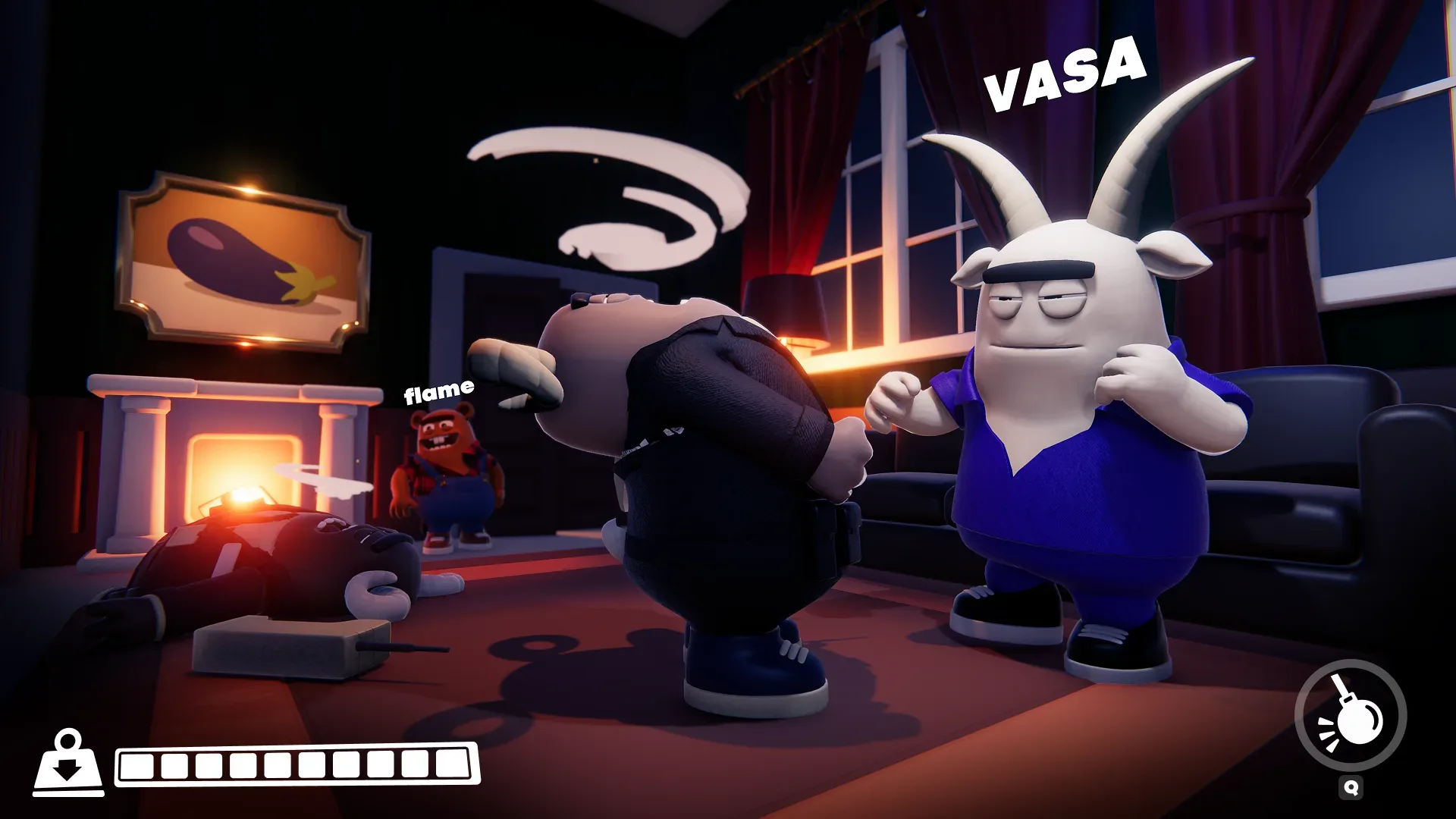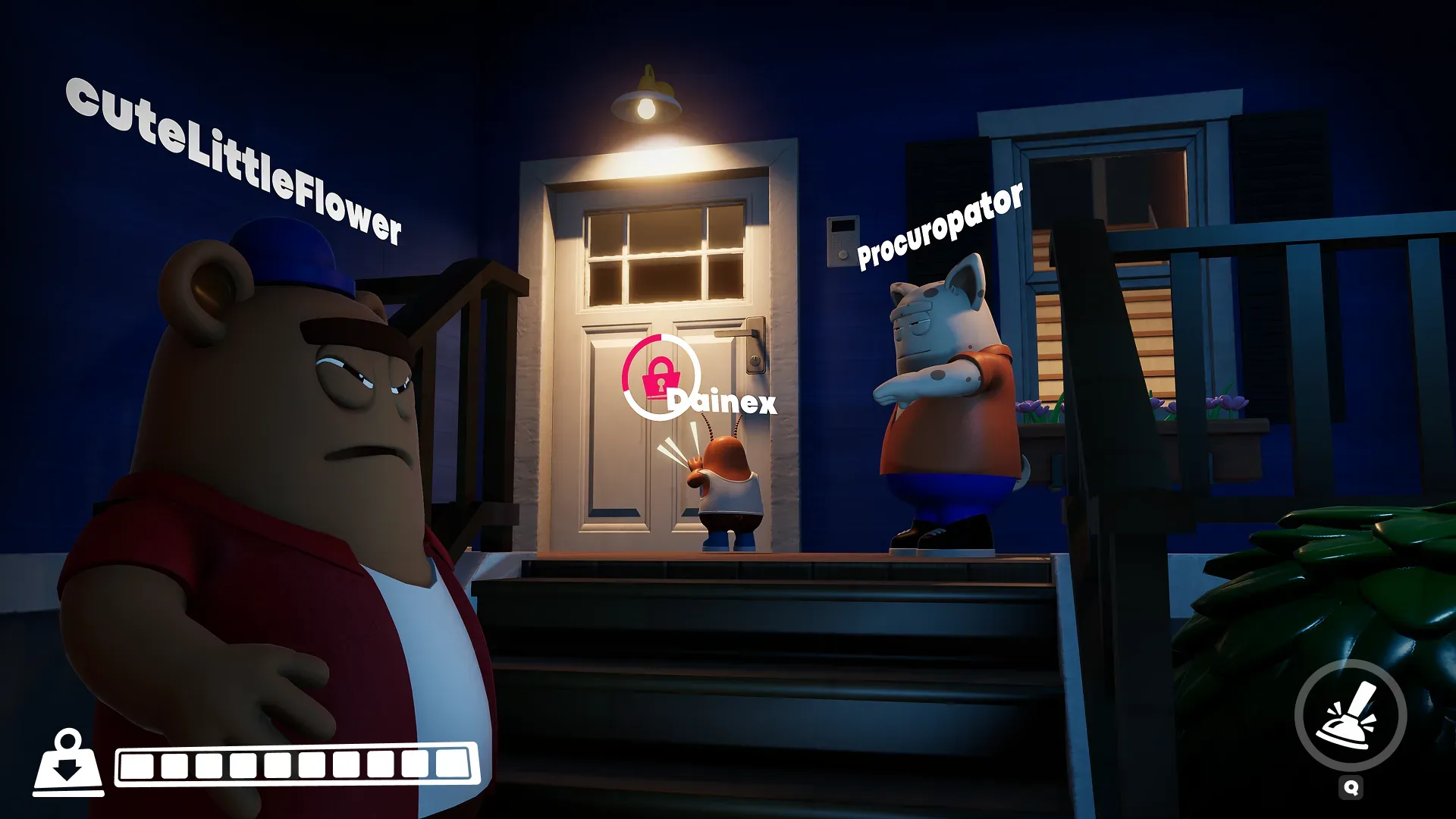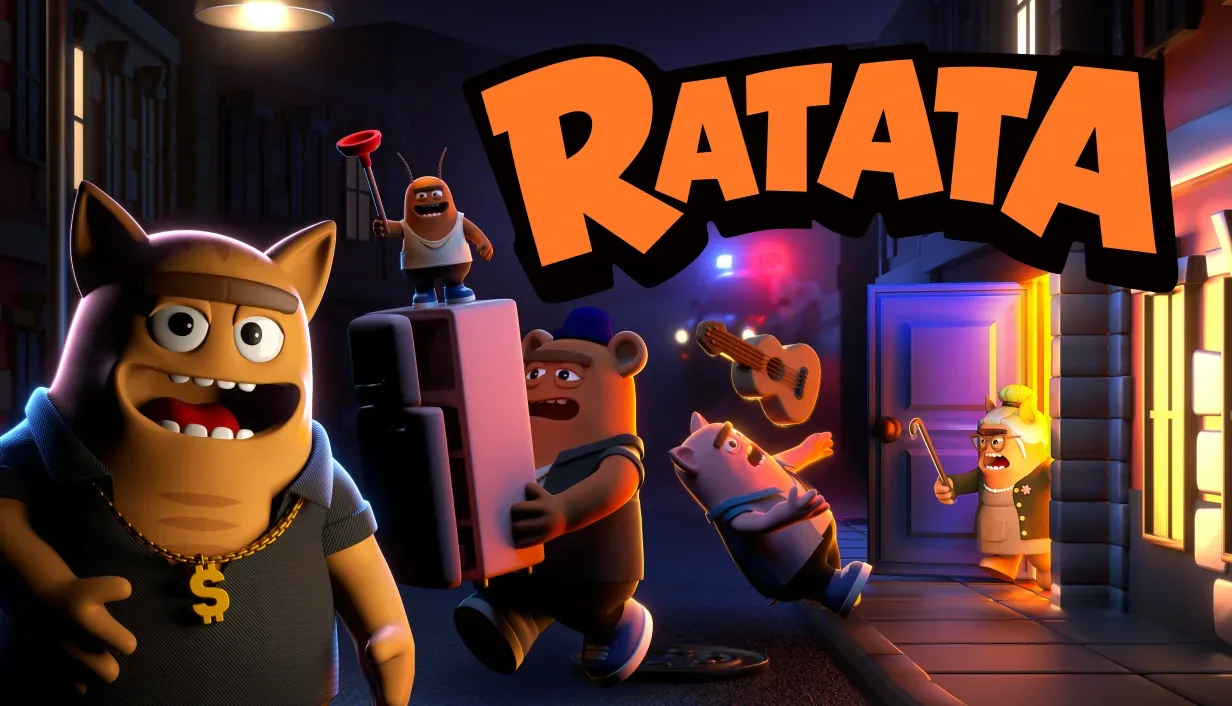
RATATA, a new physics-based co-op crime comedy from independent developer The Kingsdom, has been revealed for PC via Steam. Set in an 1980s-styled criminal animal world, the game supports solo play or online crews of up to four players.
Its central premise is appropriately precarious: players are animals who owe money to a Mafia Boss who happens to be a toad. Repayment does not appear to be a matter of filing paperwork or making a careful bank transfer. Instead, the gang takes on heists, deliveries and stranger jobs for its creditor, handling cargo while evading guards, traps and hostile creatures.
The complication is that the Boss is deliberately unhelpful. Her instruction may amount to telling the crew to bring back “the thing,” leaving players to determine what the requested object actually is, where it can be found and how to transport it. That ambiguity is not merely a plot joke; it is positioned as one of RATATA’s core gameplay problems.
A co-op job with an unclear brief
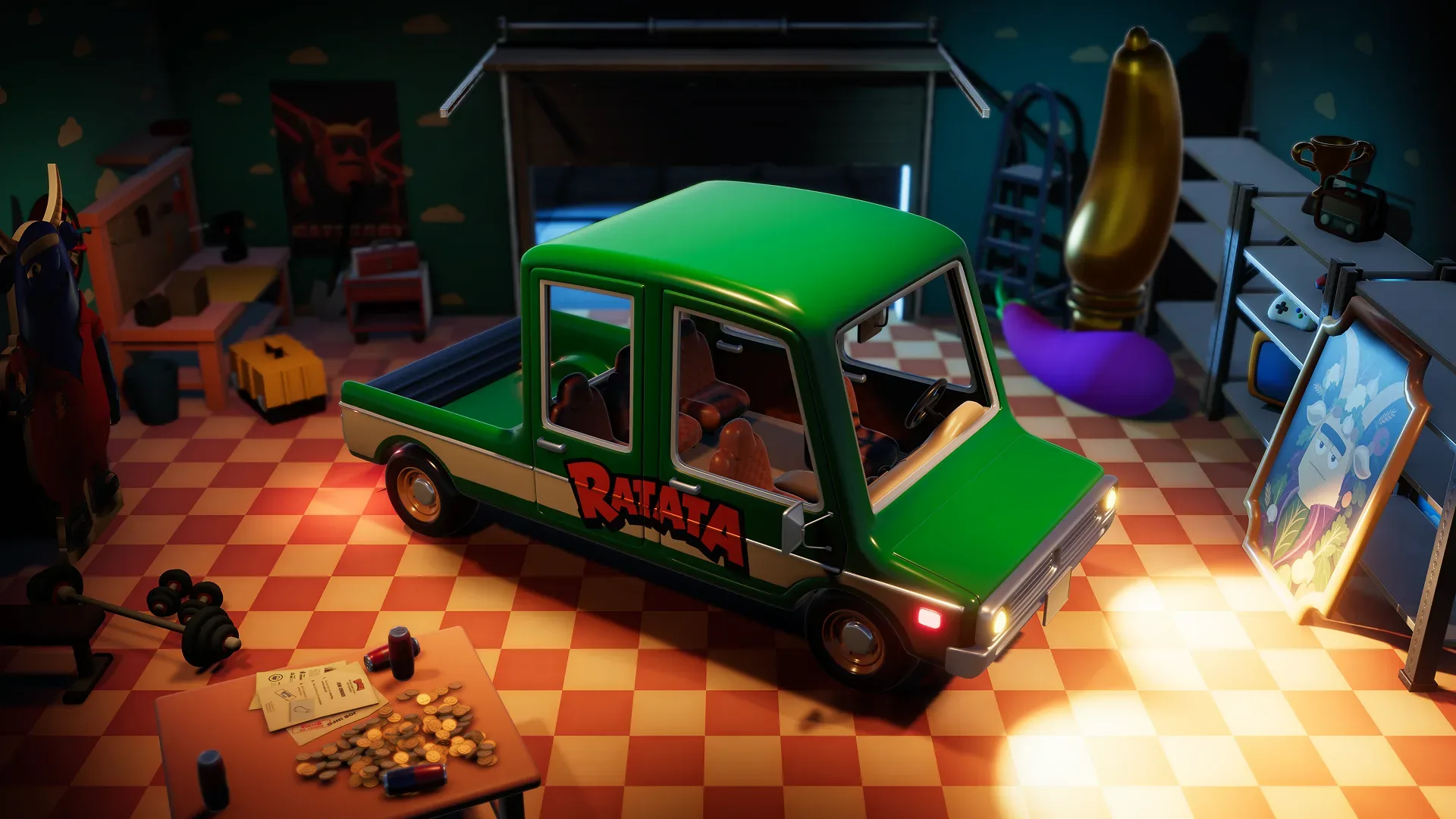
The basic loop described for RATATA asks a team to select its animal crew, choose an appropriate truck, obtain an item, load it, avoid being caught and make the delivery. Each step can be disrupted by the game’s physics-driven systems, hazards and other players.
“Physics-based” generally means that objects and vehicles are expected to behave through simulated weight, motion and collisions rather than moving only through fixed, scripted interactions. In practice, RATATA’s stated focus suggests that carrying an item is part of the challenge rather than an automatic inventory action. Cargo can be damaged, a truck can be wrecked, and teammates themselves can apparently become collateral damage.
That creates the potential for two competing priorities in every assignment. A crew needs to be fast enough to escape trouble, careful enough to keep its load intact, and coordinated enough not to turn a straightforward pickup into a heap of broken cargo and overturned transport. The game frames that potential failure as comedy, but the debt system gives the job results a practical consequence.
RATATA will allow a full online group of four or a single player. The announcement does not detail how solo play adjusts crew management, challenge difficulty or the handling of multi-person tasks. For prospective players, that distinction will be worth watching as more information is shared: a game built around loading, driving and stealing could feel markedly different when one player is responsible for every part of the operation.
Animal selection is meant to matter
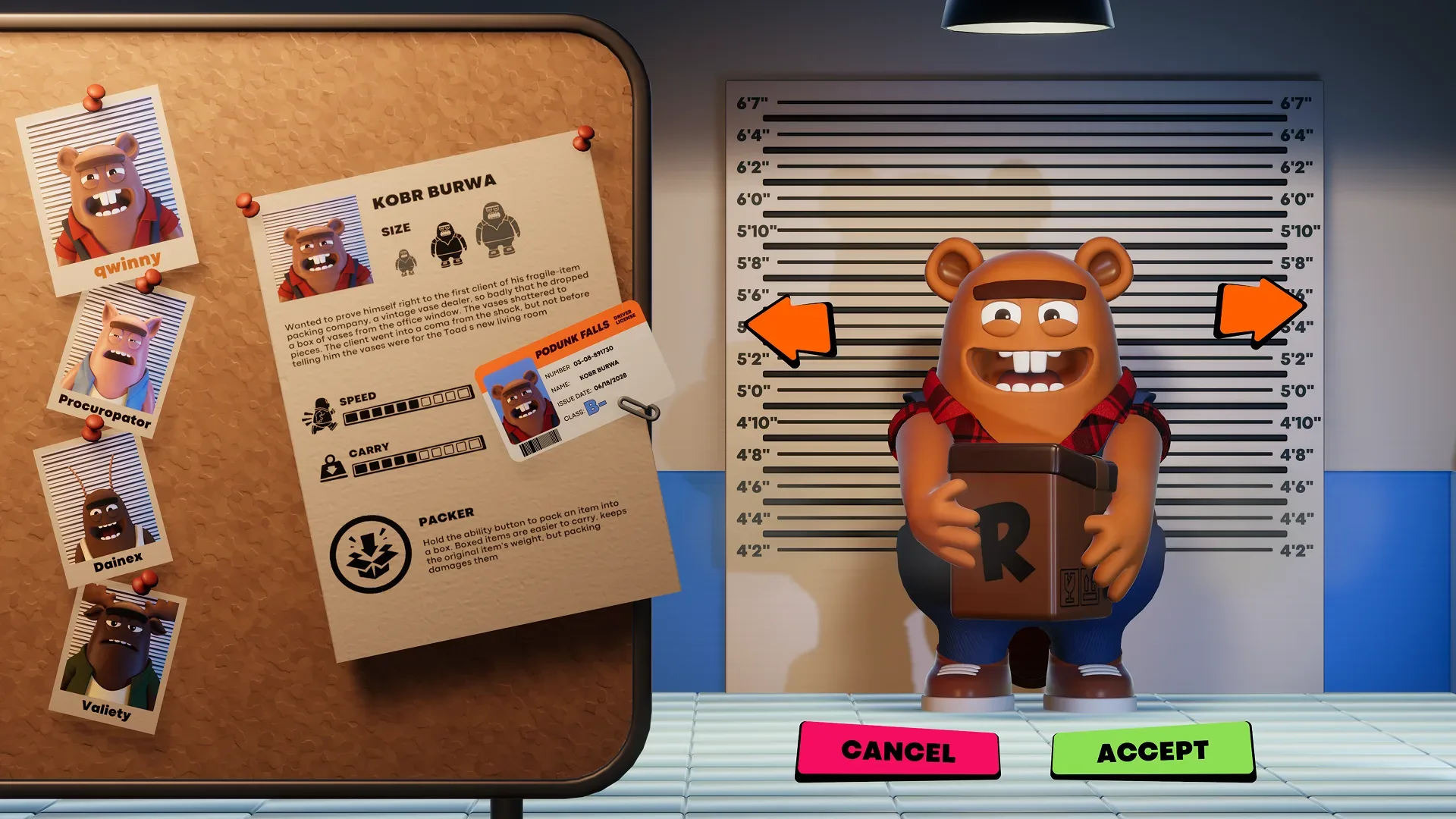
Players will draft and grow a gang of animals with differing size, strength, speed and abilities. This is one of the announcement’s most important mechanical details because it makes crew selection more than a cosmetic choice.
Related coverage includes RATATA Revealed for PC With Four-Player Animal Heists.
A larger or stronger animal could logically be better suited to moving unwieldy cargo, while a faster one may be useful when evasion matters. The developer has not specified individual animals or their exact traits, so those examples remain an interpretation of the stated role differences rather than a confirmed character guide. What is confirmed is that player crews will need to consider the strengths of their selected animals alongside the task and vehicle choice.
That selection layer could make the Boss’s unclear demands more consequential. If a group knows only that it needs to retrieve an unspecified target, the chosen crew may need enough flexibility to cope with different possibilities. A gang optimized solely for speed may find itself short on muscle; one built around strength could struggle when guards, traps or pursuit become the main issue.
The stated roster growth also ties individual jobs to a longer-term gang-building structure. Earnings can be used to recruit more crew members, potentially expanding the range of abilities available for future jobs. The game will additionally let players outfit their animals in 1980s style, bringing an aesthetic layer to the criminal-animal premise without presenting it as a replacement for the ability-based crew system.
Debt drives RATATA’s progression
RATATA’s progression is built around paying down what the gang owes its toad boss. Most payday earnings go straight to her, while what remains can be reinvested in the crew. That leftover money can fund new animal recruits, vehicle upgrades and hideout expansion.
In straightforward terms, a progression system is the structure that lets players improve their options over time. Here, the gang is not simply collecting money for its own sake. It is working under a financial obligation, paying a large share upward, then deciding how to use the smaller portion left behind to become more capable.
The announced upgrades cover both transport and base management. Better vehicles could matter whenever cargo capacity, maneuvering or durability enters a mission, though no particular upgrade effects have been detailed. Expanding the garage or hideout gives the gang a persistent home that grows alongside its operation. The announcement also does not say whether hideout expansion unlocks systems beyond its stated role, so it is best viewed for now as part of the game’s broader gang-development progression.
The debt framing should also put an interesting edge on the game’s slapstick. Breaking cargo, wrecking a truck or making a mess of a job can be funny in a physics co-op game, but a crew trying to pay down an obligation has reason to care about the outcome. RATATA appears to be aiming for that tension: disorder is part of the appeal, yet the gang still has a boss to satisfy and a business to build.
Stealth, pursuit and delivery all share the stage
The announced activity list reaches beyond simple theft. Crews will steal, move and deliver items, while also sneaking past guards, avoiding traps and outrunning hostile creatures. The game therefore presents its assignments as a mix of infiltration, transportation and escape.
That combination matters because each element asks for a different kind of coordination. Sneaking implies restraint and awareness of patrols or detection. Loading cargo demands positioning and control. A getaway rewards quick decisions, especially if the selected truck and the physical condition of the payload both matter. When all of these systems overlap, teams may have to abandon a tidy plan and improvise.
The announcement does not define the structure of missions, the variety of maps, the nature of hostile creatures, or whether jobs can be approached in multiple ways. It also does not establish a release date, pricing, controller support, local multiplayer or console plans. Those are meaningful unknowns rather than omissions players should fill in themselves.
What is clear is the intended fantasy: a debt-ridden band of animals attempting criminal work for a demanding toad, with vague orders turning every job into an argument over what counts as “the thing.” Its ’80s presentation, wardrobe options and garage-centered advancement reinforce that premise, while the physics focus promises that even a correct plan may not survive contact with a cargo hold.
What the reveal establishes
- Platform: PC via Steam.
- Developer: The Kingsdom.
- Modes: Online co-op for up to four players, plus solo play.
- Premise: Animal gang members work for a toad Mafia Boss to repay debt.
- Mission ingredients: Heists, deliveries, cargo handling, traps, guards, hostile creatures and escape.
- Long-term systems: Animal recruitment, vehicle upgrades and garage/hideout expansion.
PC players interested in co-op games where teamwork can unravel into mechanical chaos may also want to keep an eye on ShipShaper’s multiplayer update, another Steam-focused story centered on group play.
For RATATA, the key question will be how its crew roles, vague orders and physics systems connect during a real job. The reveal establishes the ingredients: assemble the right animals, select a truck, identify the target, get it aboard and deliver it before guards, hazards or the gang’s own decision-making turn the assignment into another costly mess.