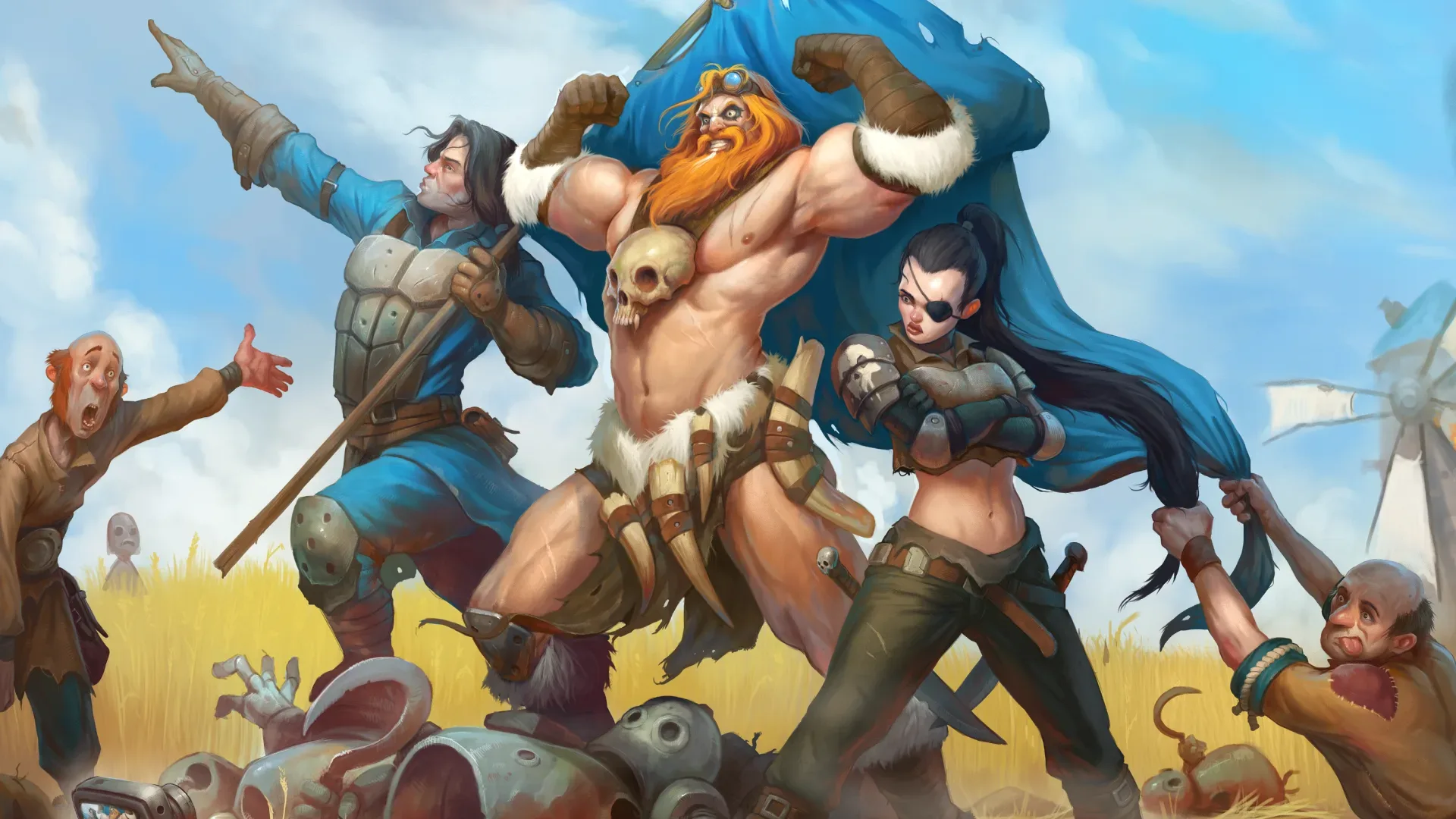
Outcast Tales is now available free-to-play on Steam. Developed by Hardlane Studio and published by Inner Pocket, the game launched on October 26, 2026 with a clear twist on party-based roguelite role-playing: putting a strong crew together is not simply a matter of selecting the three most useful combatants.
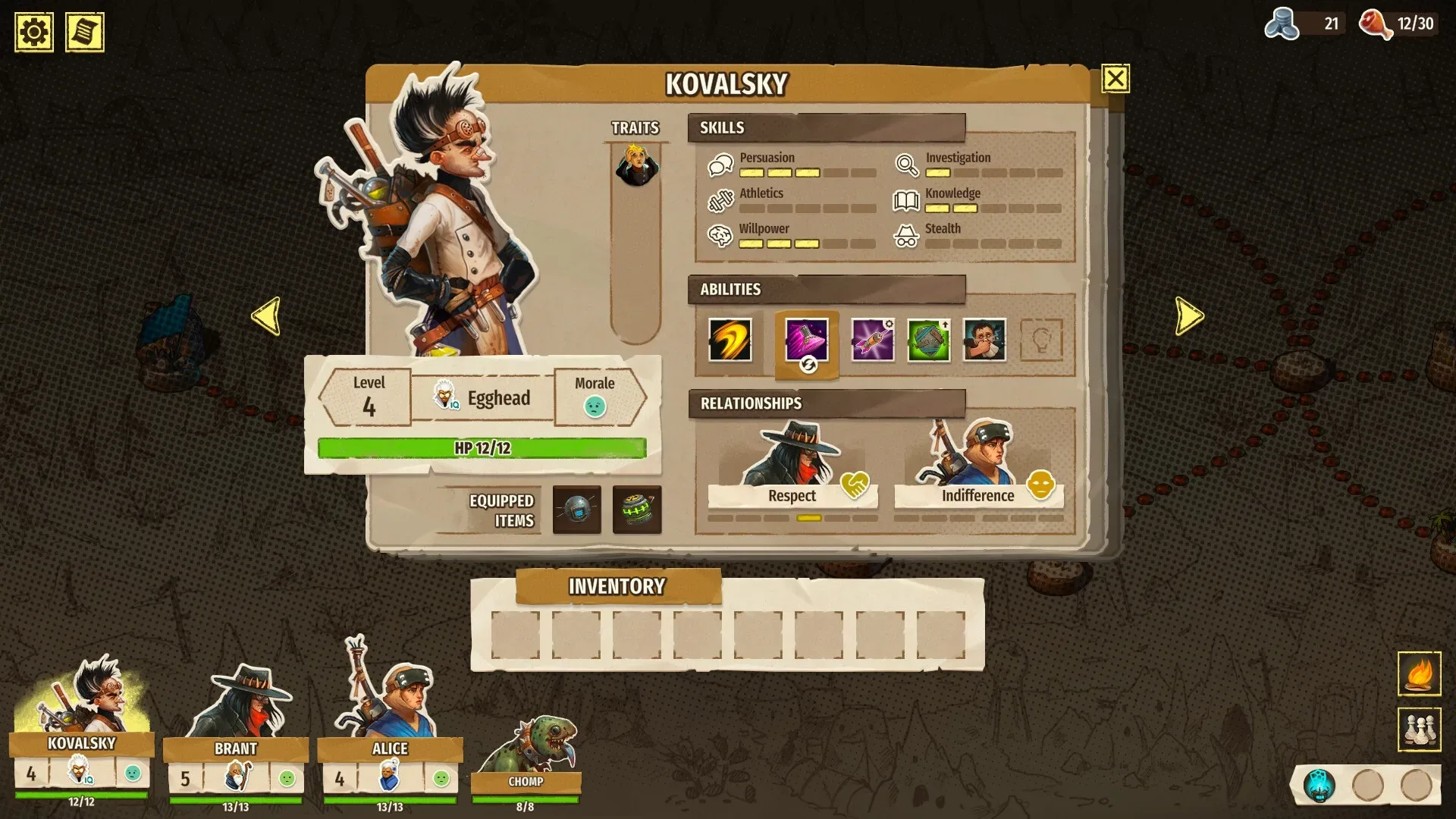
Players form a three-person team from a roster of wasteland wanderers, then assign each hero a personality type. Those personalities are designed to matter in two connected places: story decisions and turn-based encounters. Relationships within the group can produce strong synergies, but they can also become liabilities. Characters may refuse to cooperate, changing the options available when a fight gets difficult.
That makes Outcast Tales a tactical RPG where team chemistry is presented as part of the build. A player is not only asking which skill, character, or upgrade is strongest in isolation. They are also considering whether the people attached to those abilities can work together at all.
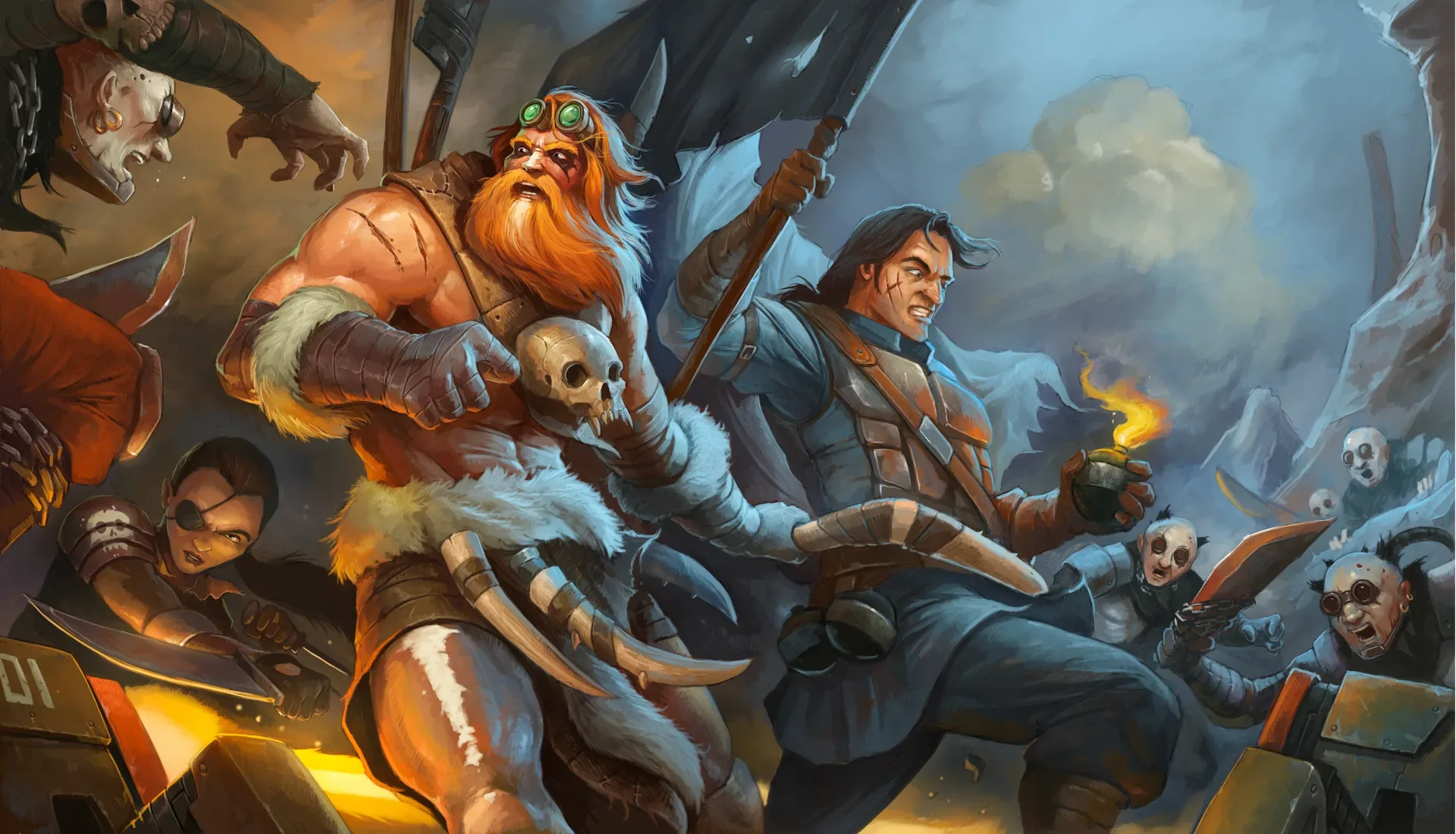
Its setting is a post-apocalyptic frontier, explored through story-focused runs with branching choices. The stated structure combines exploration, decisions, relationship dynamics, upgradeable skills, and tactical battles—elements intended to make experimentation with crews and personalities a core part of overcoming challenges.
A three-person party, with more than three variables
Three-person squads often make every selection immediately meaningful: there is little room for a passenger, and each party member has a larger share of a group’s strengths and weaknesses. Outcast Tales adds another layer by tying personality assignment to the group’s interactions.
In practical terms, a party composition is not just a character lineup. It is a combination of:
- the three characters selected from the available wanderers;
- the personality type given to each character;
- the relationships that develop inside the crew;
- each character’s upgradeable skills; and
- the choices made over the course of a run.
The announcement does not detail every personality type, synergy, refusal condition, or individual skill. But the broad system points to an approach where an apparently sensible lineup may have a social cost, while a less obvious group could become effective because its members complement one another.
That distinction is important. In many tactical games, party experimentation mostly means testing damage output, defensive tools, status effects, positioning, or recovery options. Here, the roster and personality systems suggest that interpersonal compatibility belongs in that same decision-making process. A team can be strategically appealing on paper yet complicated by an unwillingness to cooperate in a key moment.
What “roguelite” means in this context
Roguelite generally describes games built around repeatable attempts—often called runs—where choices, builds, and outcomes can differ between tries. The available details identify Outcast Tales as a party-based roguelite RPG and emphasize branching decisions that shape each run.
For Outcast Tales, the term matters less as a promise of any one specific progression model and more as a description of its repeatable, experiment-friendly structure. The stated focus on changing personalities, crews, and skill upgrades indicates that a run is meant to be shaped by multiple overlapping choices rather than a fixed party and a single route through the frontier.
That could make the game particularly suited to players who enjoy revisiting a tactical challenge with a different setup. Choosing a new trio is one variable; assigning different personalities creates another; story branches and evolving relationships add more points where an attempt can diverge. The outcome is intended to be a changing crew dynamic rather than a party that remains static from one run to the next.
Turn-based tactics with relationship stakes
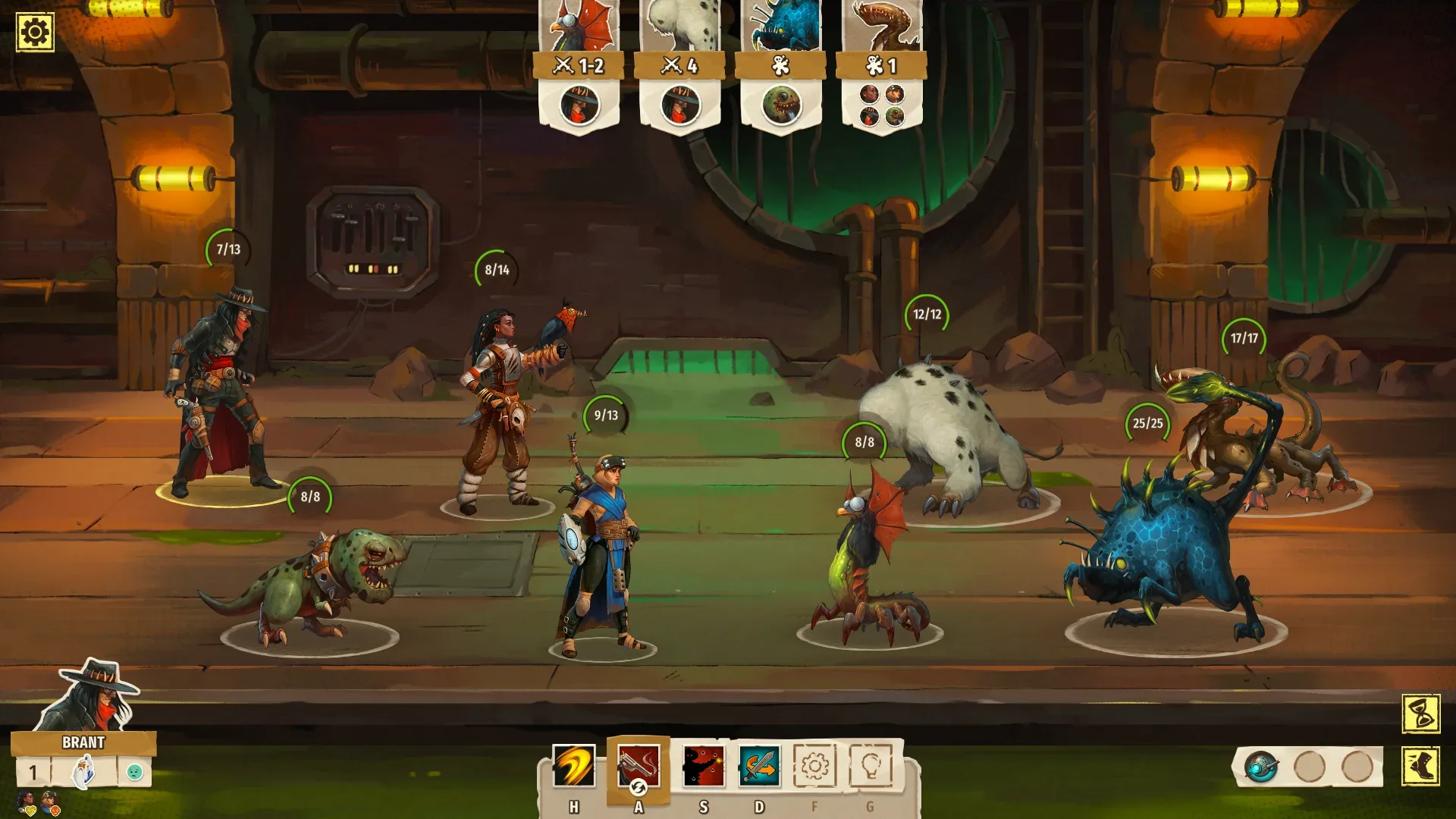
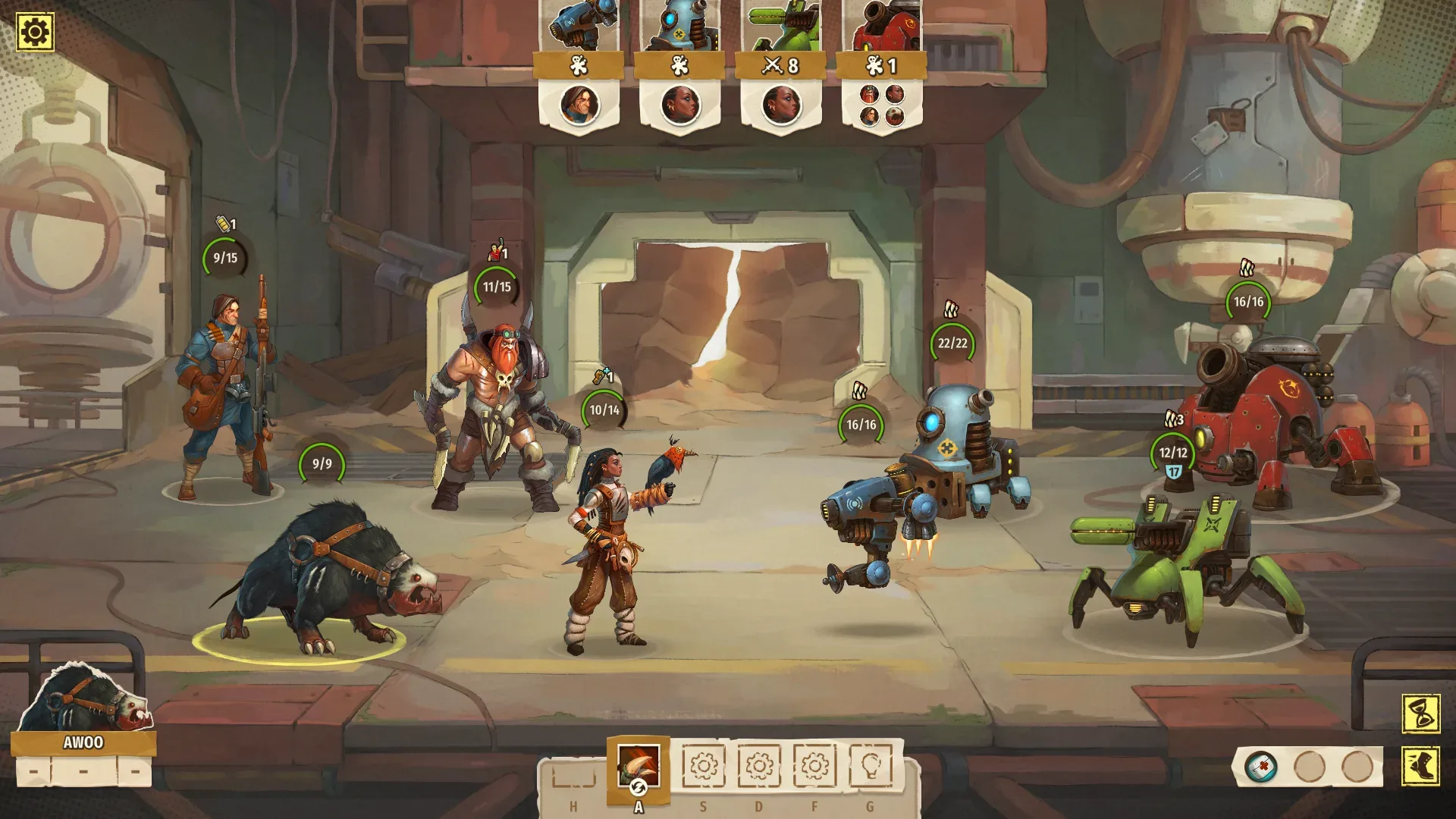
Turn-based tactical combat means battles unfold through discrete decisions rather than continuous real-time action. Players have time to assess the situation and select actions, while skills and their upgrades provide the tools for responding to threats.
Outcast Tales pairs that familiar strategic foundation with its relationship system. The significant detail is that party dynamics are not limited to dialogue or narrative flavor: they can influence combat interactions. When a relationship unlocks a powerful synergy, the effect may change how the squad approaches an encounter. When a character refuses to cooperate, the team’s plan can be disrupted instead.
The result is a design that treats setbacks as part of the party’s story as well as part of its combat puzzle. A refusal to cooperate is not merely a weaker number on a character sheet; it represents a break in the team’s reliability. Conversely, a synergy suggests that a relationship can become a tactical asset.
Because the game also includes upgradeable skills, players will have to weigh how character growth fits a crew’s wider dynamics. Investing in an ability is one thing. Building a crew likely to make that investment useful within a given run is another. The announcement frames that process of trial, adjustment, and recomposition as central to the experience.
Branching choices are part of the build
Outcast Tales describes its exploration as story-rich and its decisions as branching. In this case, branching does not sit apart from the tactical layer. Choices are said to shape both the run and the crew’s dynamics, reinforcing the idea that decisions made outside an encounter can still affect the party that enters the next one.
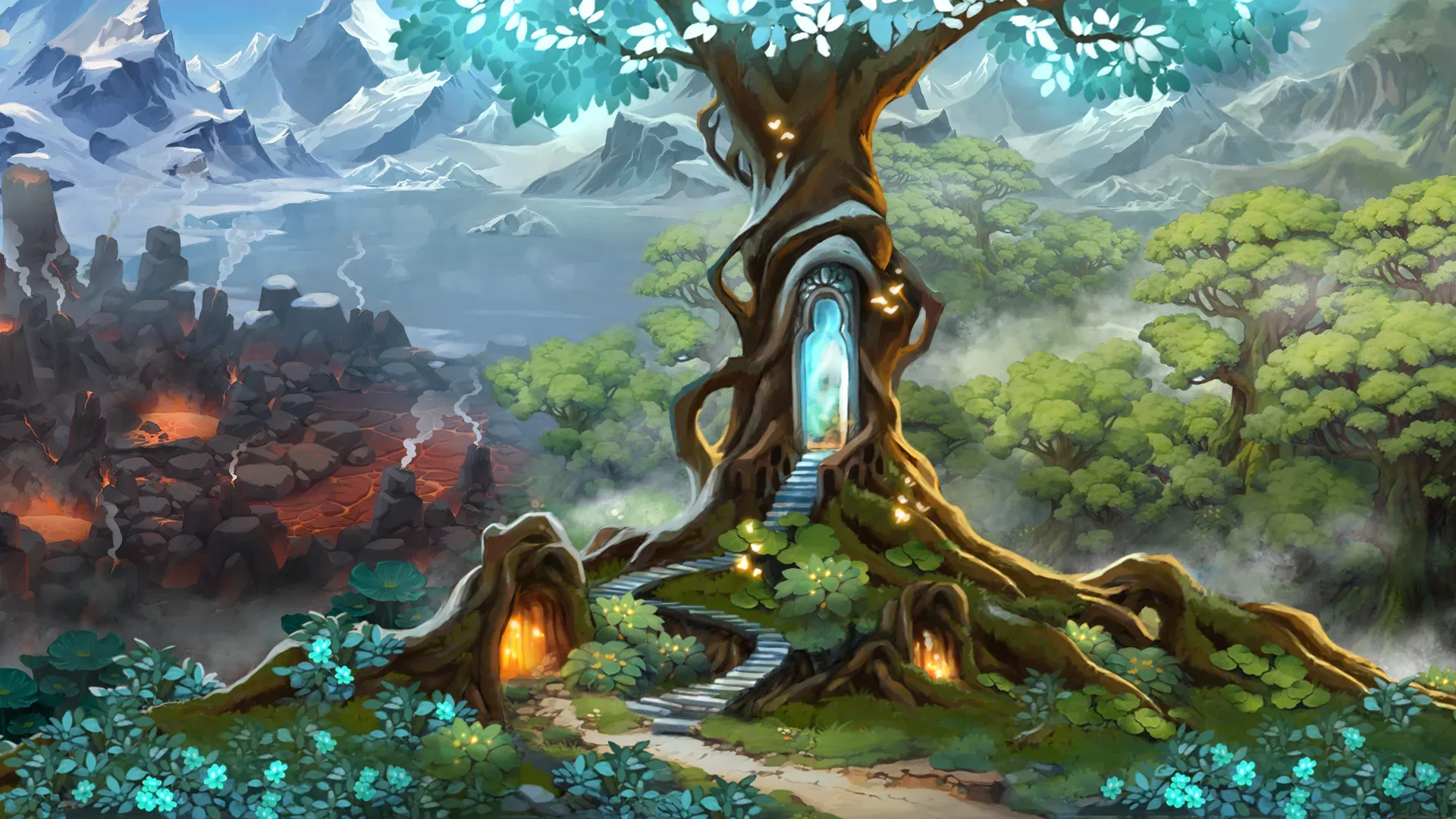
This is a useful distinction for players deciding what kind of RPG it is. The game’s narrative material is not described as a separate campaign pasted around combat. Its branching decisions connect to the relationships that can alter interactions in battle. The frontier setting supplies the space for exploration, while the crew supplies the tension: different wanderers, different personality choices, and different possibilities for cooperation.
Players looking for a fully prescribed party journey may find the emphasis on experimentation notable. Outcast Tales is explicitly built around trying party compositions and personalities. Rather than positioning one crew as the definitive answer, it puts the act of assembling—and sometimes managing—the crew at the center of each attempt.
What is confirmed at launch
The confirmed launch features are a customizable party of three, a cast of distinct wasteland characters, personality selections with story and combat consequences, intraparty synergies and conflicts, turn-based tactical battles, upgradeable skills, branching choices, and exploration of a post-apocalyptic frontier.
Outcast Tales is free-to-play on Steam as of October 26, 2026. An official launch trailer is available, alongside a press kit containing artwork, screenshots, logos, and trailers.
For PC players, Steam remains the game’s confirmed platform. Anyone interested in the wider economics around PC hardware can also see how a console-comparable setup still carries different cost considerations in this look at the price gap between an Xbox Series X and a comparable PC.
For Outcast Tales itself, the central proposition is more immediate: pick three wanderers, define their personalities, develop their skills, and see whether the resulting relationships turn into an advantage—or a very personal tactical disaster.