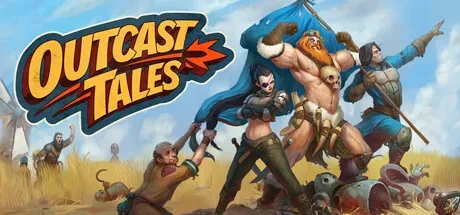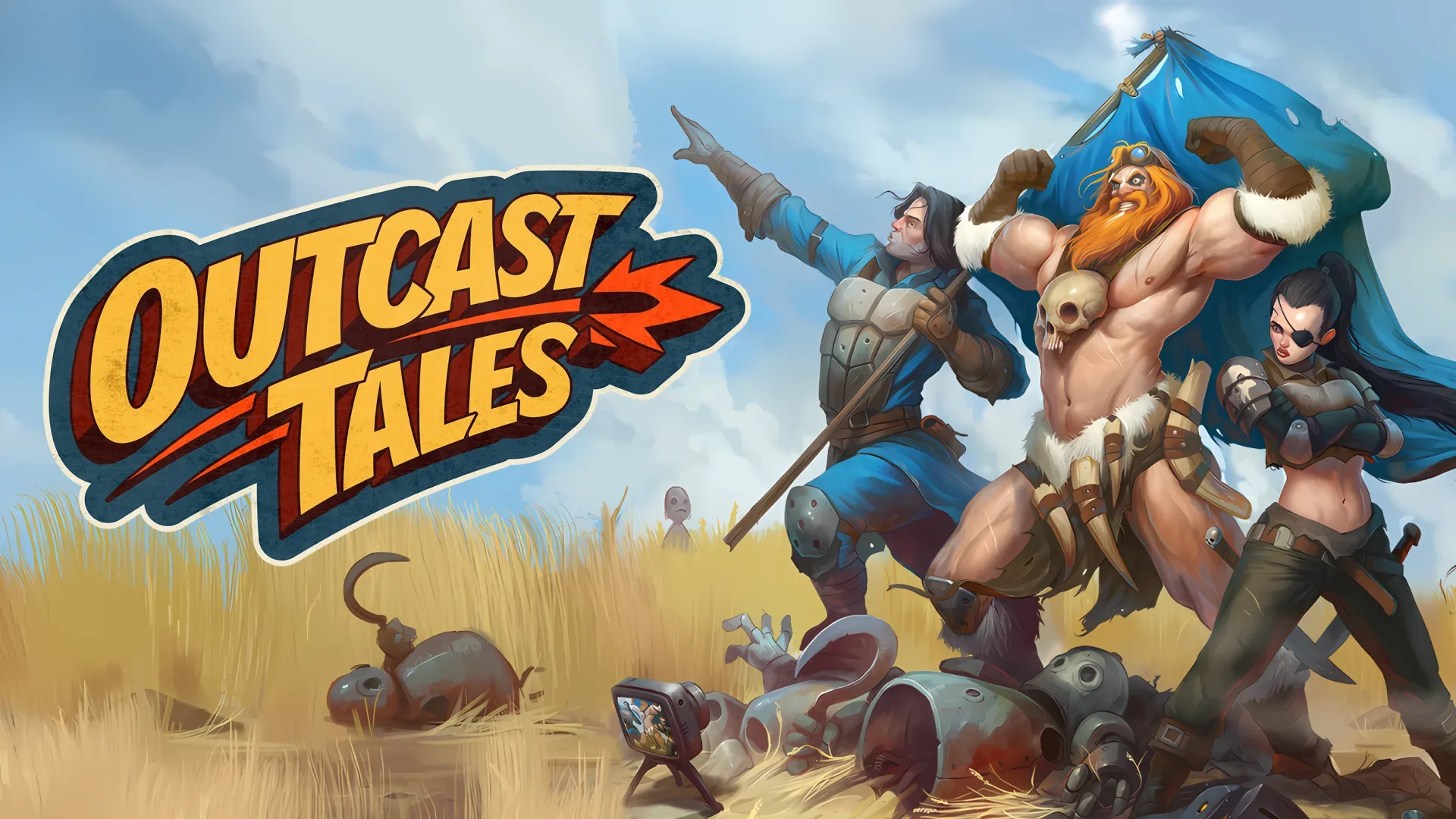
Outcast Tales, a party-based tactical RPG from Hardlane Studio, will launch free for PC through Steam on October 26. The date was revealed during the Convergence Showcase, and a Steam demo is already available for players who want to see how its combat and relationship systems fit together before release.
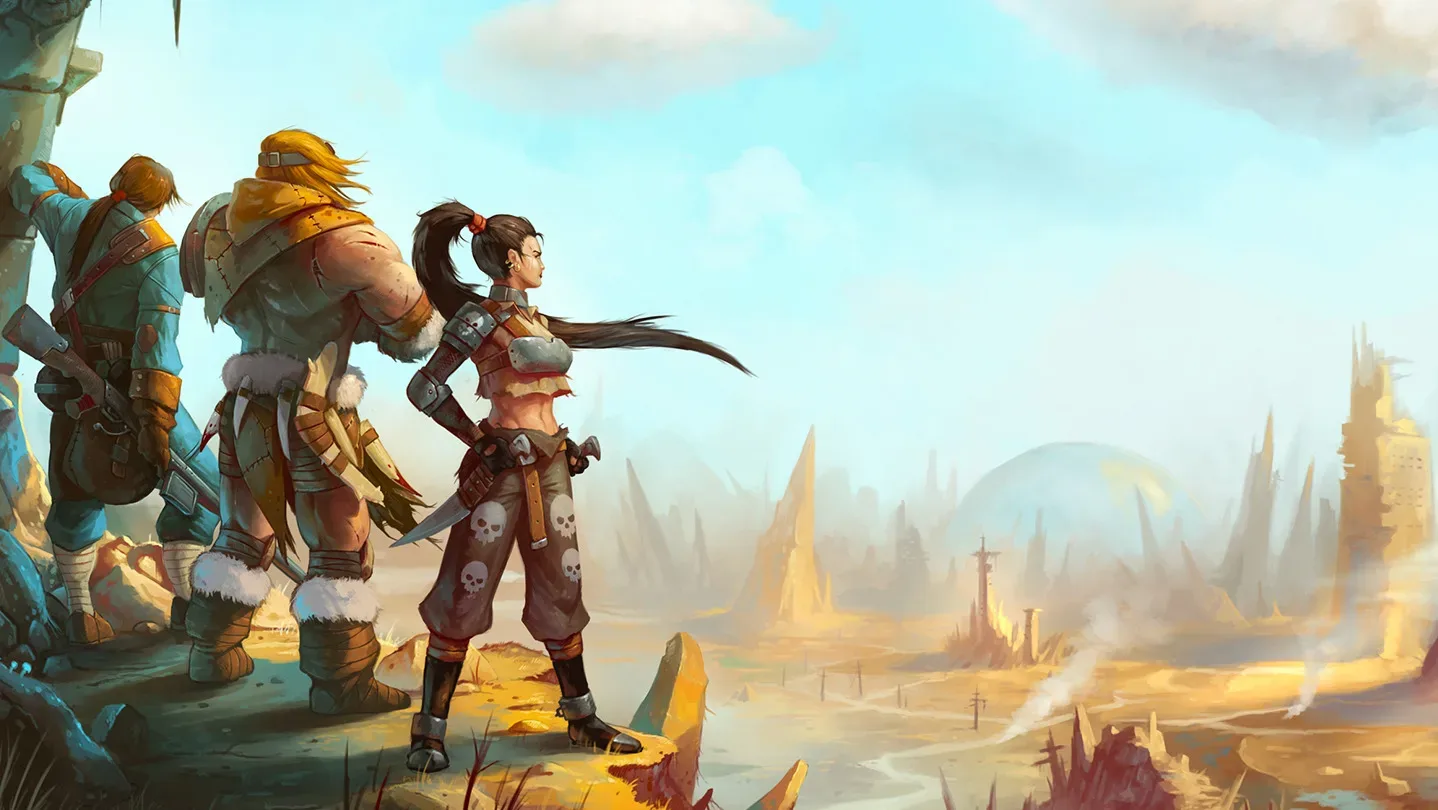
The central pitch is not simply assembling the strongest three-character team. Players choose a gang of three outcasts with their own skills and personality types, then send them into a wasteland populated by mutants and desert raiders. Their individual abilities matter in turn-based fights, but so do the feelings they develop toward one another during a run.
Those bonds can head in sharply different directions. Party members may become friends, fall in love or develop into rivals who hate each other. Hardlane Studio says the relationship outcomes affect gameplay, including narrative events, each character’s outlook and their abilities. In other words, the party composition is presented as both a tactical decision and a social gamble.
A three-person squad where personalities are part of the build
Many tactical RPGs ask players to balance familiar combat roles: damage dealers, defensive characters, healers, support units and specialists. Outcast Tales appears to add a second layer to that selection process. The three fighters have distinct personality types as well as distinct skills, and the interactions between those personalities can change over the course of a run.
That framing makes experimentation a major stated feature. A group that looks powerful on paper may create personal friction, while a less obvious combination may find common ground and unlock a different path through the game’s events. The available information does not specify exactly how individual relationships are measured or which abilities change, so prospective players should not assume a particular romance, friendship or combat bonus is guaranteed. What is clear is that relationships are intended to have consequences beyond flavor dialogue.
For players, that could make each new squad selection meaningful from the outset. Choosing characters becomes a question of more than “which attacks combine well?” It can also be “what kind of group dynamic might this trio produce?” That is a useful distinction for a run-based structure, where revisiting the game with a new party can ideally reveal different outcomes rather than merely reshuffle attacks.
What turn-based tactical combat means here
Turn-based tactical combat means battles proceed through discrete turns instead of requiring constant real-time inputs. Tactical games generally emphasize choices such as attack order, ability timing and positioning or action selection. For Outcast Tales, the announced combat focus is on powerful synergies among squad members.
A synergy is an interaction in which characters or abilities become more valuable in combination than they would be separately. Hardlane Studio has not outlined specific skill pairings, damage formulas or battlefield rules, but the intended design goal is clear: players are meant to consider how a three-person team works together, not treat each combatant as an isolated unit.
Related coverage includes Outcast Tales Brings Relationship-Driven Tactical RPG Action to Steam on October 26.
The relationship system could make that idea especially consequential. Since changing relationships can affect abilities, a party’s combat plan may evolve alongside its interpersonal story. A team might begin a run built around one set of skills and later need to account for altered character outlooks or relationship-driven changes. That possibility is an interpretation of the announced systems rather than a confirmed rule-by-rule breakdown, but it explains why the game’s combat and narrative features are being presented together.
Choices outside battle have a mechanical role
Between fights, players will face difficult moral-conflict choices. These decisions can deepen a relationship or cause it to break down, with effects on friendships, romances and rivalries. They also change narrative events, adding a branching element to the wasteland journey.
This is important because it positions dialogue and decisions as gameplay inputs rather than a detached story layer. A choice is not described merely as a route to alternate scenes; it can influence the party itself. Players who are interested in seeing different character combinations may therefore have reason to pay close attention to decision points, especially if they want to compare how the same character behaves in different groups.
The setting supplies the pressure for those choices. The trio is trying to survive a hostile desert wasteland amid mutants and raiders, so moral conflicts are presented within a harsh environment rather than as abstract personality quizzes. The specific nature of those choices, their frequency and the number of possible outcomes have not been detailed.
Why the run structure matters
Hardlane Studio specifically describes experimentation with personality combinations on each run as a core feature. In this context, a run is one attempt or journey using a selected party, rather than a promise that every group will experience the same sequence of events. The wording suggests replayability will come from changing the three-character lineup and seeing how skills, personalities and decisions interact.
That approach can give players several ways to approach the game:
- Build around the combat skills that seem most complementary.
- Try contrasting personality types to see whether conflict produces different events.
- Revisit characters in a new trio to pursue friendship, romance or rivalry outcomes.
- Make different choices outside combat and observe how they shape the party’s outlook and capabilities.
None of those paths is described as the objectively correct one. The game’s stated premise instead favors testing combinations and accepting that the social consequences may change the tactical picture. For players who enjoy planning a squad but also want characters’ relationships to carry mechanical weight, that blend is the defining idea to watch.
Release details and what is available now
Outcast Tales is scheduled to launch free on Steam for PC on October 26. A demo is available now through Steam. The released information does not provide further details about the game’s business model, so “free” should be read as the announced launch pricing rather than as confirmation of any particular monetization structure.
Hardlane Studio has also made a press kit available with trailers, key art, logos and screenshots. The official trailer can be viewed on YouTube.
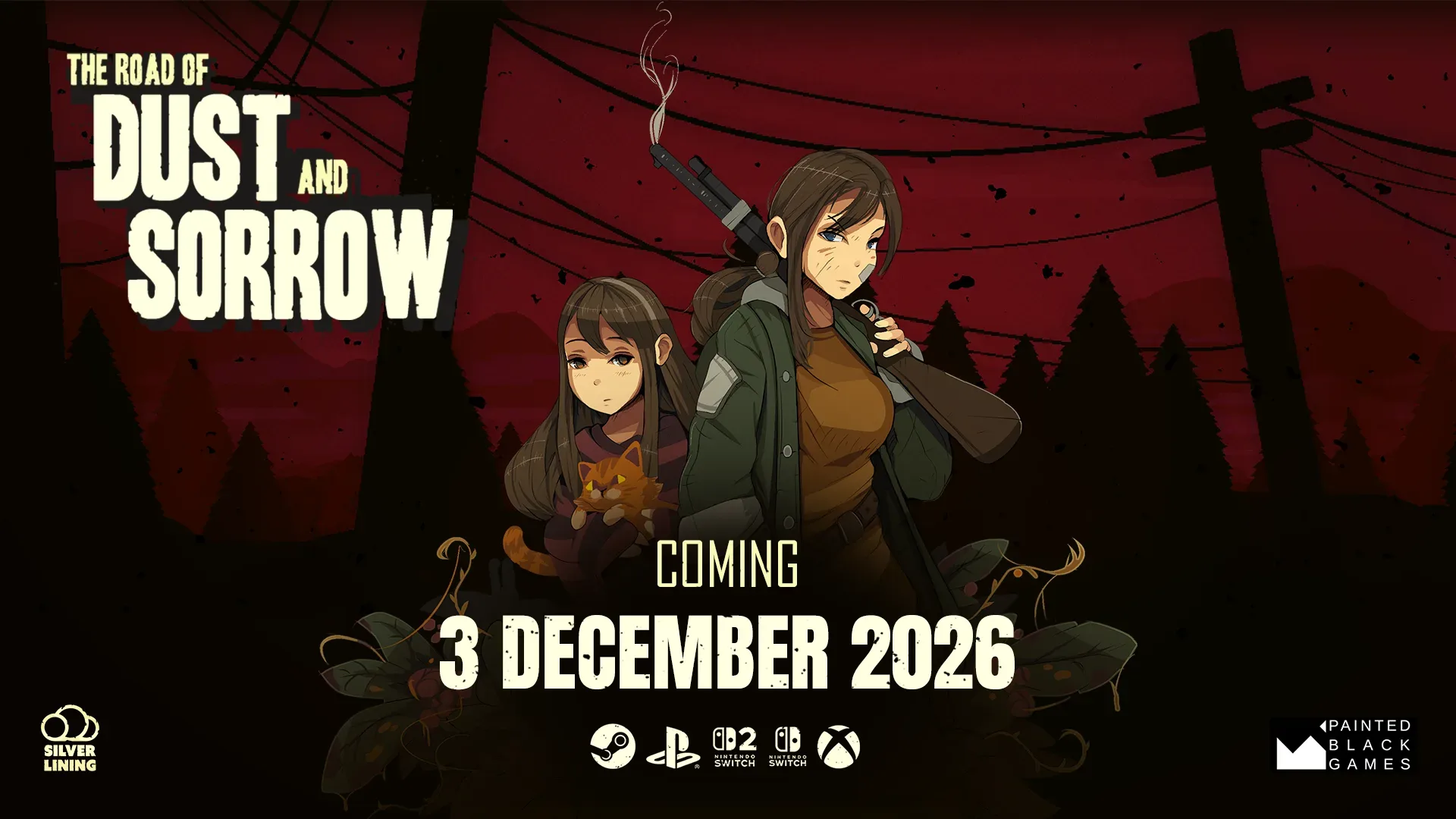
The October PC calendar also includes other journeys through bleak terrain, including The Road Of Dust And Sorrow’s announced release plans. Outcast Tales, however, is staking out its own angle: a three-person tactical RPG where the people selected for the squad may be as decisive as the moves they bring into battle.