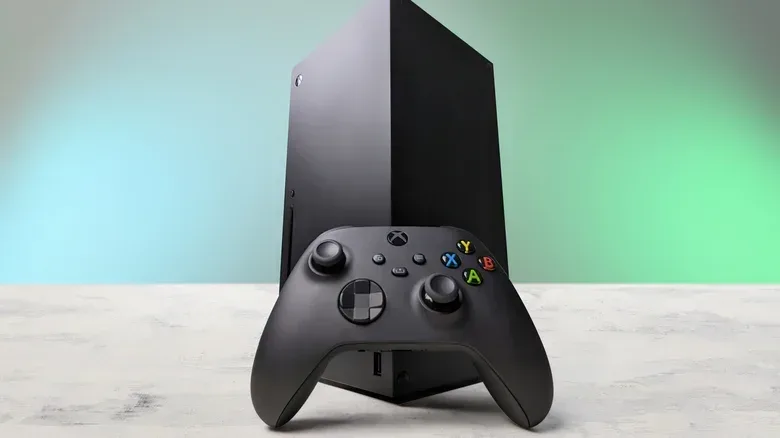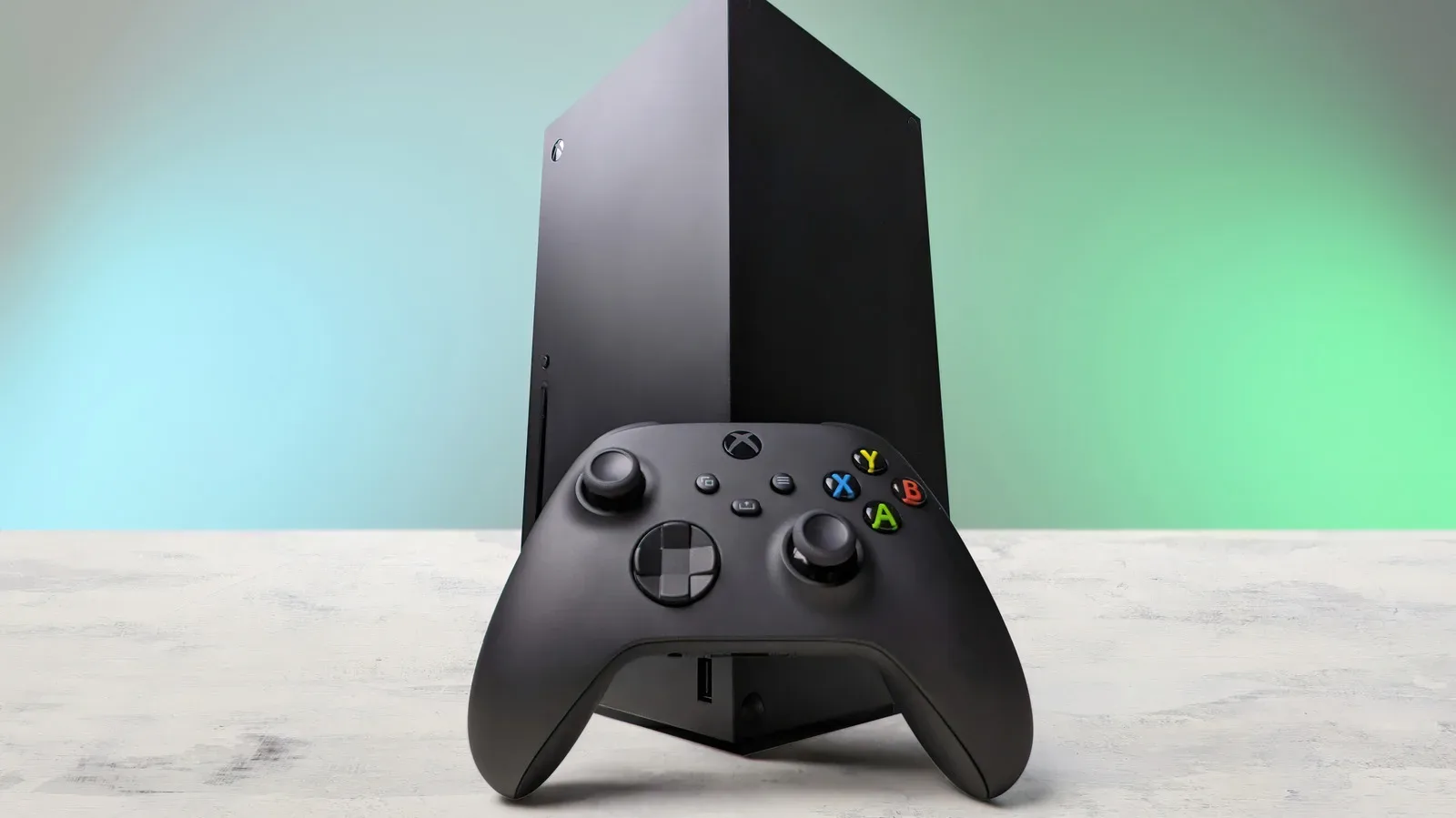
Building a PC that lands in the neighborhood of Xbox Series X performance is no longer the wildly lopsided proposition it was at the console’s 2020 launch. It is still not the cheap alternative, though. With the Xbox Series X now priced at $799.99 in the US, a new-parts PC configuration built around broadly comparable components comes to about $1,012 before an operating system and controller. Add Windows 11 Home and an Xbox controller, and the practical total is roughly $1,200.
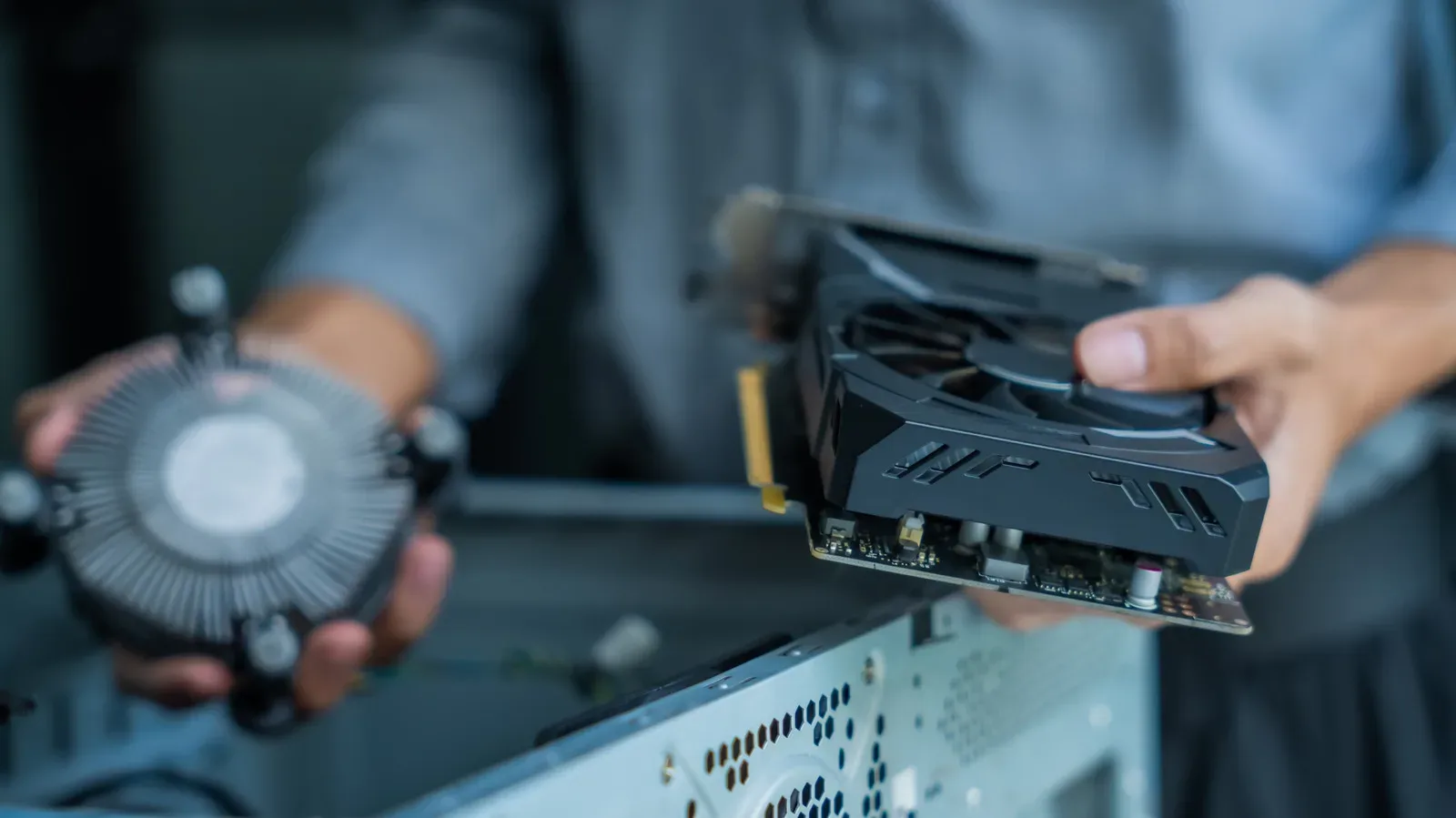
That figure is not a declaration that one machine is universally better than the other. It is a useful reminder that “console-equivalent PC” is an imprecise phrase, and that the sticker price of a graphics card is only one entry on a much longer shopping list. The PC needs a processor, motherboard, memory, storage, cooling, power supply and case before it can display a single frame. The console arrives as a complete gaming machine, with its hardware integration and software environment already handled.
For players who only want the performance and convenience associated with a Series X, the straightforward financial case remains with the console. Microsoft’s Certified Refurbished Series X costs $649.99, undercutting even a used-parts PC estimate while also including a 4K Blu-ray drive. None of the outlined desktop builds include an optical drive.
But a PC does something the Series X is not meant to do: it is a general-purpose computer. That distinction is the entire argument for spending more, rather than an incidental bonus. A desktop can be used for work, web browsing, creative software and PC game storefronts alongside games. An Xbox has Developer Mode, but that mode is intended for app testing and does not run retail games. Buyers should therefore compare the systems based on the jobs they actually need a device to perform, not merely on a theoretical performance match.
Why an exact Series X PC match does not exist
The Xbox Series X uses a custom AMD design rather than a retail graphics card and processor that can simply be placed in a PC shopping cart. Its hardware includes an eight-core AMD Zen 2 CPU operating at 3.8GHz, a GPU rated at 12 teraflops, a 1TB NVMe SSD and 16GB of memory shared between the system and graphics hardware.
Shared memory is particularly important here. Consoles use a unified memory pool: the CPU and GPU draw from the same 16GB allocation. A conventional desktop instead normally has system RAM on the motherboard and separate video memory on the graphics card. A PC with 16GB of DDR4 system memory and a discrete GPU may be a reasonable price-and-performance comparison, but it is not a component-for-component copy of the console architecture.
The 12-teraflop specification should not be treated as a universal performance score, either. A teraflop measures a processor’s capacity for a type of floating-point mathematical calculation. It can offer context within a given architecture, but it does not capture every element affecting game performance: architecture changes, memory behavior, drivers, game engines, resolution settings and upscaling methods all matter. Comparing teraflop totals across distinct hardware designs can produce a very tidy number and a very misleading buying decision.
One useful historical reference point came from a Gears 5 comparison that placed the Series X around Nvidia’s GeForce RTX 2080. Yet the RTX 2080 is no longer in production, and neither it nor the later RTX 30-series provides a simple new-retail answer in 2026. The practical question has changed from “which current premium card matches the console?” to “which available card delivers a sensible approximation at today’s resolutions and settings?”
Related coverage includes What It Costs to Build a PC Comparable to an Xbox Series X in 2026.
The graphics-card choices behind the estimate
For a new-parts build, Intel’s Arc B580 at around $330 provides the central graphics-card estimate. Other new options cited in a similar price territory include an RTX 5050 discounted to $310 and AMD’s RX 7600 at $339. These are not interchangeable in every game or every configuration, but they show why a Series X-like PC no longer requires the kind of expensive GPU that dominated the discussion in 2020.
Performance comparisons also underscore why buyers should look beyond a product name. Across 50 games, the Arc B580 was found to be within 1% of the RTX 4060 at 1080p and 5% ahead at 1440p. The RTX 3060 Ti, meanwhile, was found to be 12% faster than the RTX 4060 at 1080p. Those are aggregate results rather than guarantees for a particular title, but they demonstrate that card generations alone do not establish a neat ladder.
The RTX 4060 is an especially awkward example of the difference between new and used markets. New stock has become scarce enough that the lowest cited new listing was $530, despite used-market averages near $261. An RTX 5060 was listed at $439, up from $359 in mid-August. Neither price movement means that either model has suddenly become a better Series X analogue; it means availability can distort the value of an otherwise ordinary comparison.
For used hardware, recent 12-month sale averages put an RTX 2080 at $195, an RTX 2070 Super at $199, an RTX 3060 Ti at $223 and an RX 6700 XT at roughly $260. These are retrospective averages, not promises that a buyer will find a safe, working card at those exact prices today. The RTX 3060 Ti’s current average asking price was closer to $284, an immediate example of why a parts list based on historical sales can understate a real checkout total.
What a new $1,000 parts list actually contains
A sensible new build estimate uses AMD’s older AM4 platform, principally because current memory pricing makes newer DDR5-based approaches much harder to justify for a value-focused target. The parts total is approximately $1,012 with the $330 Arc B580:
- Intel Arc B580 graphics card: $330
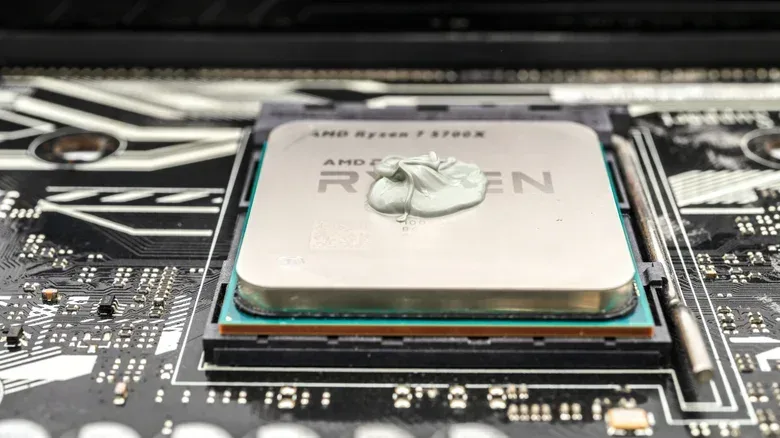
- AMD Ryzen 7 5700X eight-core processor: $209
- CPU cooler: $25, required because the Ryzen 7 5700X does not include one
- B550 motherboard: $70
- 16GB DDR4 memory: $104
- 1TB SSD: $149
- Power supply: $60
- Case: $65
The total is revealing because the GPU is only about one-third of the parts bill. Storage and memory, in particular, are doing more damage to a constrained budget than many shoppers might expect. Memory pricing has moved sharply: a 32GB DDR4 kit that cost $48 a year earlier was around $200 in July, while 16GB of DDR5 was around $249. By comparison, 16GB of RAM cost $64 in a 2020 PC example.
AM4 refers to AMD’s older desktop processor platform, while DDR4 and DDR5 are different generations of system memory. Choosing AM4 and DDR4 here is not about claiming that they are the newest technologies. It is a cost-control decision, pairing an eight-core Ryzen 7 5700X with a B550 motherboard and avoiding the substantially higher DDR5 memory price stated in the available figures.
The $1,012 figure also is not the final ownership cost for someone starting from nothing. Windows 11 Home adds $139 and an Xbox controller adds $65. Those additions raise the approximate all-new total to $1,216. A lower-cost third-party wired controller could reduce that number, and a buyer who already has a transferable Windows license may not need to purchase another one. Both situations are buyer-specific, so neither should be silently assumed in a like-for-like console comparison.
PC players following the platform’s continuing game-market issues may also want to consider the software side of that extra investment. Hardware flexibility does not ensure that every PC release gets equal visibility, a concern explored in the discussion around Steam Next Fest’s crowded 8,000-game field. A PC’s wider ecosystem is a benefit, but it can demand more curation from the person using it.
Used parts can bring the build closer to the console price
Going used changes the calculus, but it does not erase the caveats. A build using a Ryzen 7 3700X, B450 motherboard, 16GB DDR4 kit and RTX 3060 Ti was estimated at around $730 for the core parts and remaining new items. The used component estimates include about $91 for the processor, $49 for the motherboard, $70 for memory and $223 for the GPU; the SSD, power supply, case and cooler remain new in this outline.
That $730 should be understood as a baseline based on averages rather than a dependable shopping-cart price. With the RTX 3060 Ti averaging around $284 in current listings, roughly $800 is the more realistic used-parts expectation. Add Windows and a controller, and the finished used build clears $900.
That is an enormous improvement over the 2020 comparison, when a roughly equivalent PC was calculated at $1,559 against the Series X launch price of $499.99. The gap then was about $1,060; the new-build difference now is about $415 before accounting for Windows and a controller. In other words, desktop hardware has become relatively less extravagant for this performance class, while the console’s price has risen to $799.99 after another US increase on August 1, its third since the start of the prior year.
Still, used hardware is not merely discounted new hardware. Listings can include graphics cards subjected to cryptocurrency mining, parts marked “untested,” AI-generated listing images and components that arrive dead with no workable return route. Some sellers and manufacturers have refused returns for failed graphics cards. The practical implication is simple: a low advertised price is only good value when the buyer can assess the listing, the seller protections and the possibility of failure.
The real decision is purpose, not parity
At $799.99, the Series X is the lower-cost route for someone chiefly seeking its level of console performance. At $649.99 refurbished, it is more decisively so. The $400 refurbished Xbox Series S sits at an even lower entry price, although it delivers substantially less performance than the Series X.
The self-built PC makes sense when its additional roles justify the difference. It can serve as a computer first and a gaming system as well; it can use PC game stores; and it allows the owner to select and replace parts over time. Those benefits come with assembly, software setup, compatibility choices and used-market risk. They are valuable, but they are not free.
The boundary between console and PC may become less rigid. Microsoft has confirmed that its next-generation Project Helix console will play PC games, with alpha hardware planned for developers from 2027. Valve’s Steam Machine, starting at $1,049, is another indication that a console-style PC is now a defined product category rather than a contradiction. Against an $800 console and a $1,049 prebuilt living-room PC, a self-built machine around $1,000 for parts looks less unusual than it did six years ago. It remains a purchase for buyers who need a PC—not a magic way to get a Series X for less.