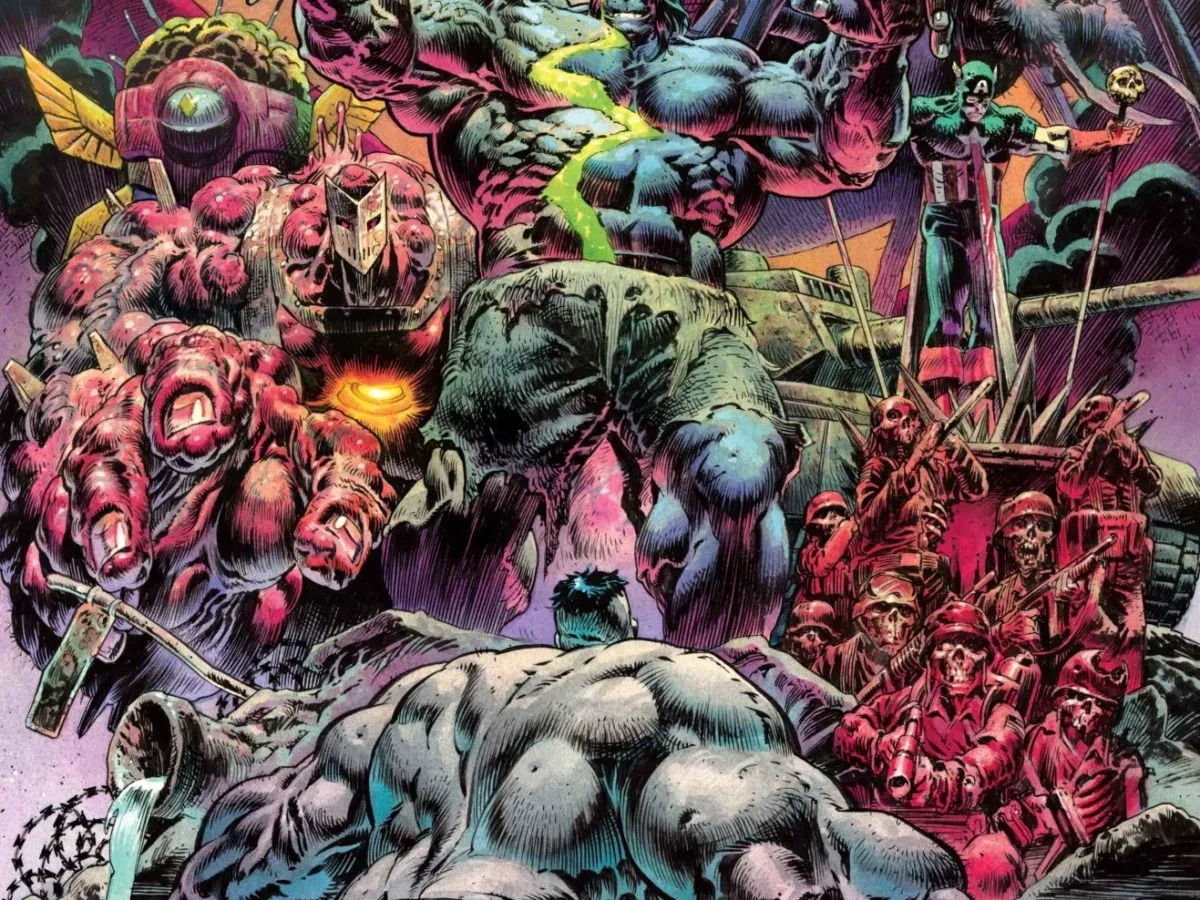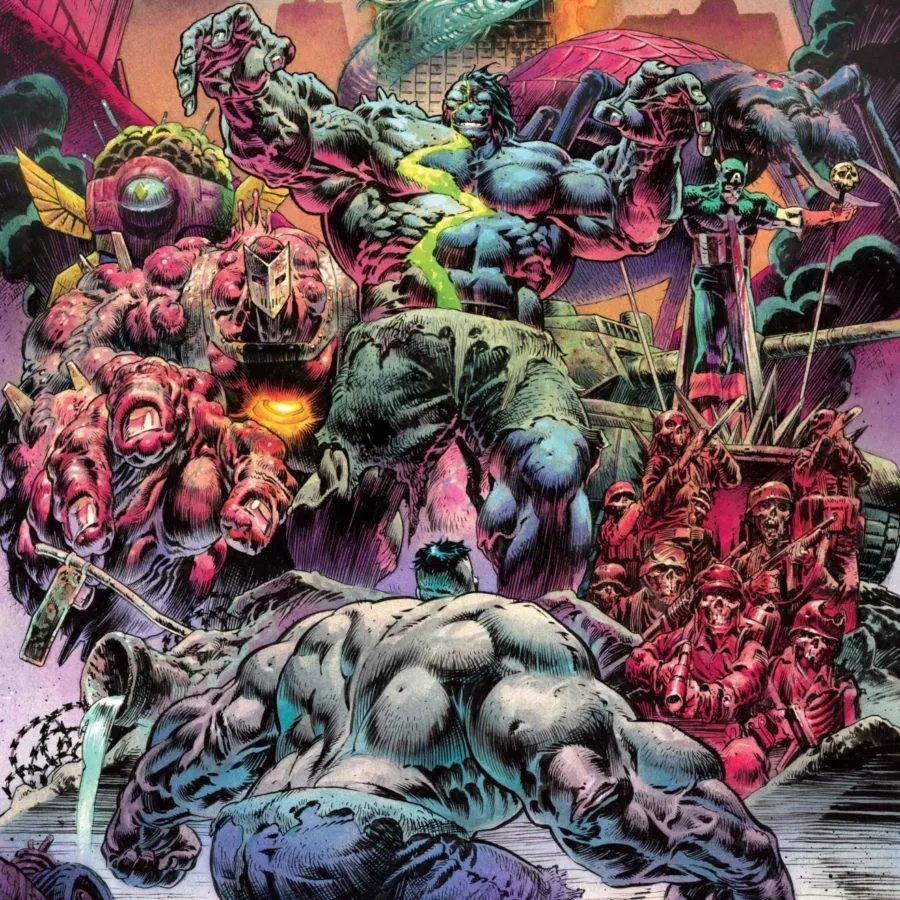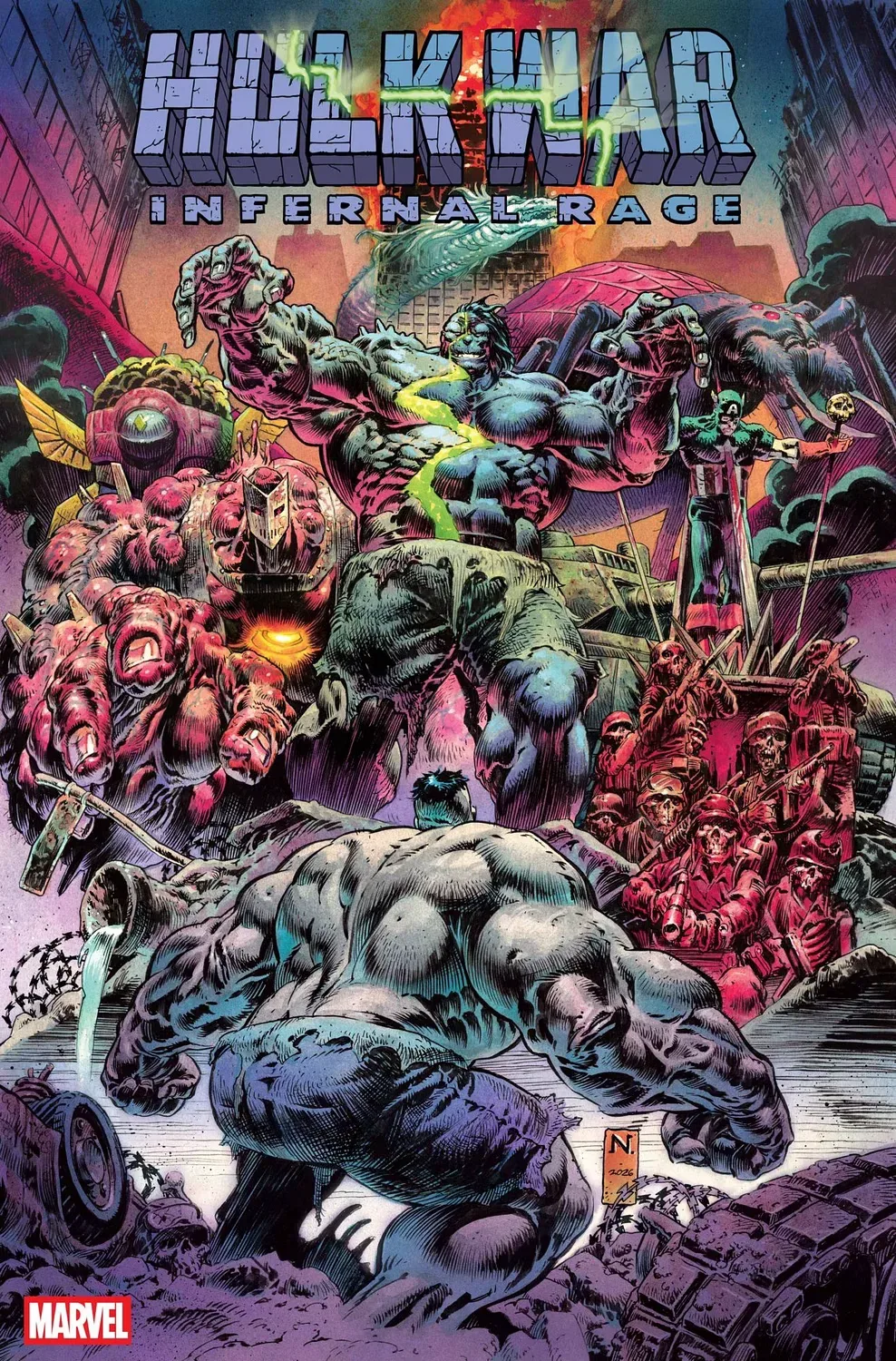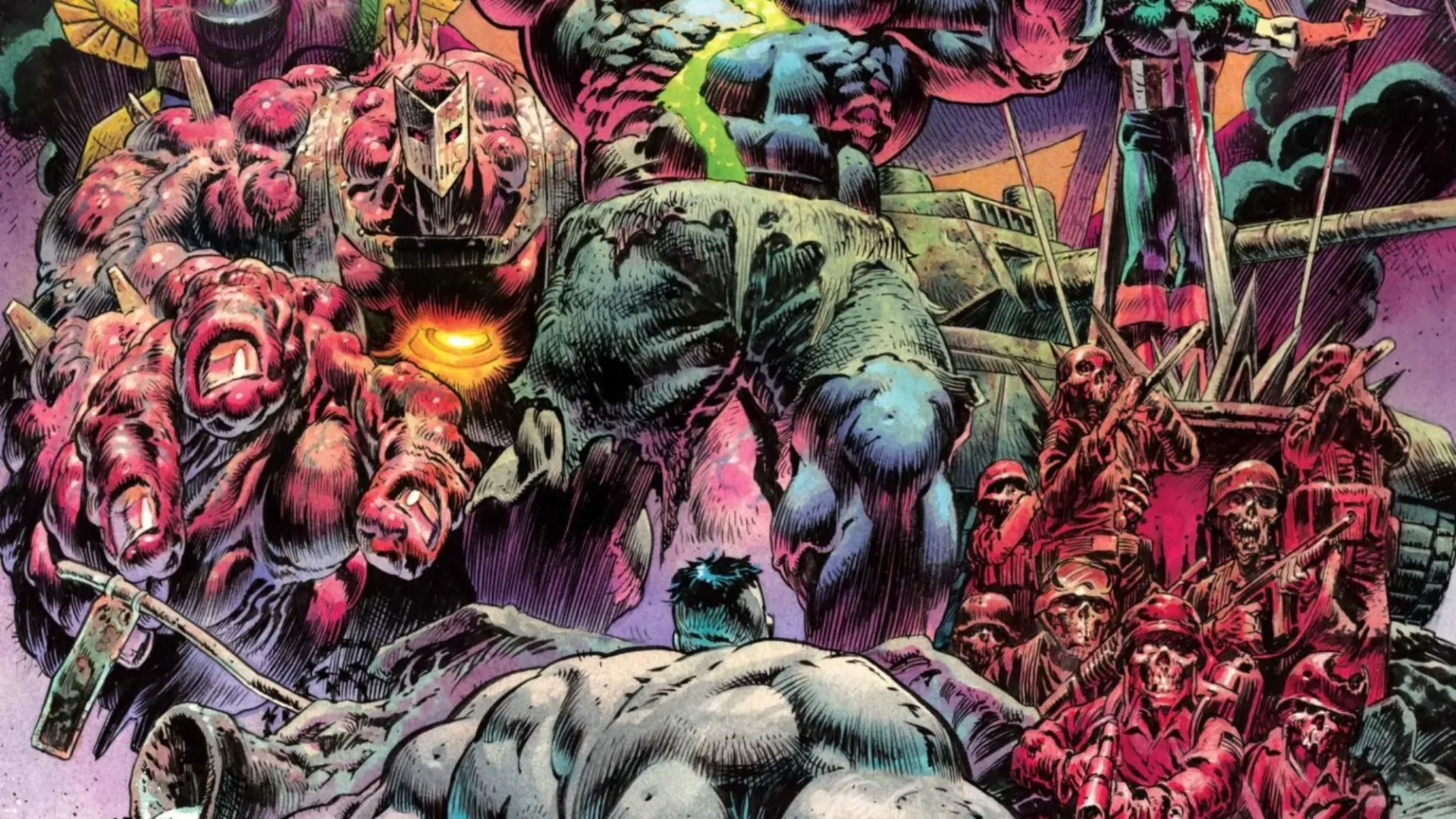
Marvel has set Hulk War: Infernal Rage as the five-issue capstone to writer Phillip Kennedy Johnson and artist Nic Klein’s long-running Hulk story. The event begins in February 2027 and brings the pair’s Infernal Saga, which started with Incredible Hulk #1 in 2023, to its intended final conflict.
The core creative arrangement is especially notable for a comic positioned as a finale: Klein will draw every issue and provide every main cover. The artist had stepped away from later interior work on Infernal Hulk in order to concentrate on the event, and the complete five-issue assignment means the final chapter will have a single visual lead from beginning to end.
That continuity matters in a superhero event built around escalation. The story has moved from an ongoing Hulk narrative into a wider Marvel Universe threat, but its conclusion remains in the hands of the writer and artist who have been building toward it. Johnson writes Hulk War: Infernal Rage, while Klein handles art and covers.
An infernal conquest, not simply another Hulk fight
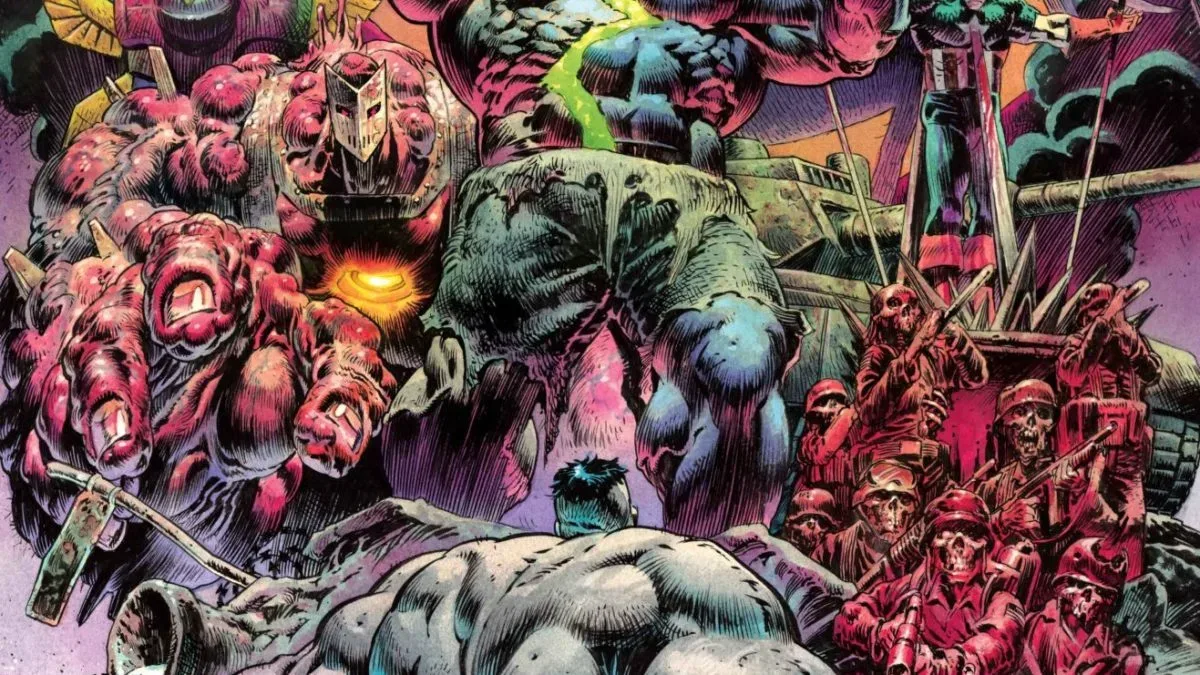
The premise turns on the Eldest, an ancient evil that has seized control of Hulk and remade him as the Infernal Hulk. This is not presented as a temporary power-up or a straightforward rampage. Infernal Hulk is conquering the Marvel Universe, corrupting other heroes and reshaping the world around his rule. He has declared that universe his kingdom, while the heroes still able to resist search for a weapon capable of changing the balance of the war.
There is also a conflict within Hulk’s own mind and beyond it. That point is important because it preserves the character-level stakes beneath the event-scale destruction. “Event” comics commonly widen a problem beyond one title by bringing in multiple heroes, locations, and threats. Here, the external campaign against Infernal Hulk is paired with a struggle over the Hulk himself: an ancient force has taken possession of one of Marvel’s most powerful figures, and the outcome concerns both the world he is attacking and the person trapped within that transformation.
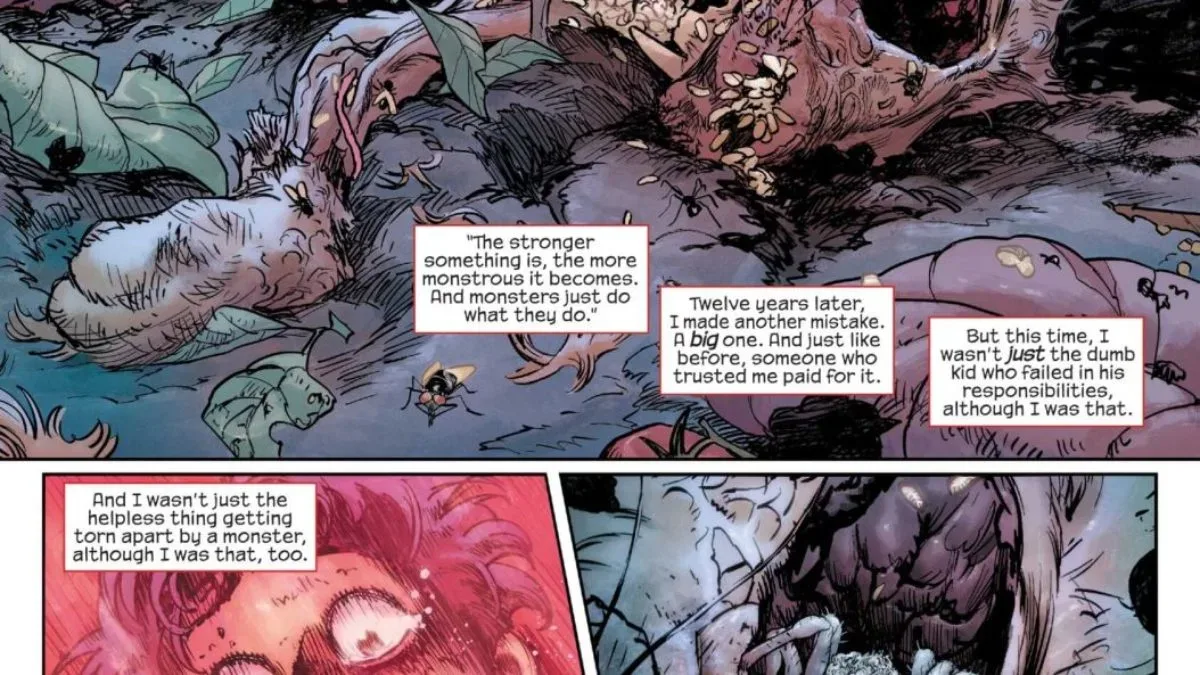
The description of Infernal Hulk as the most horrific and distorted version of the Jade Giant in the character’s history establishes the project’s horror-forward identity. The threat is not limited to physical strength. Corruption is central to the setup, so allies can become threats and familiar superheroes can be made unrecognizable in purpose as well as appearance.
The Infernal Avengers and the road into the event
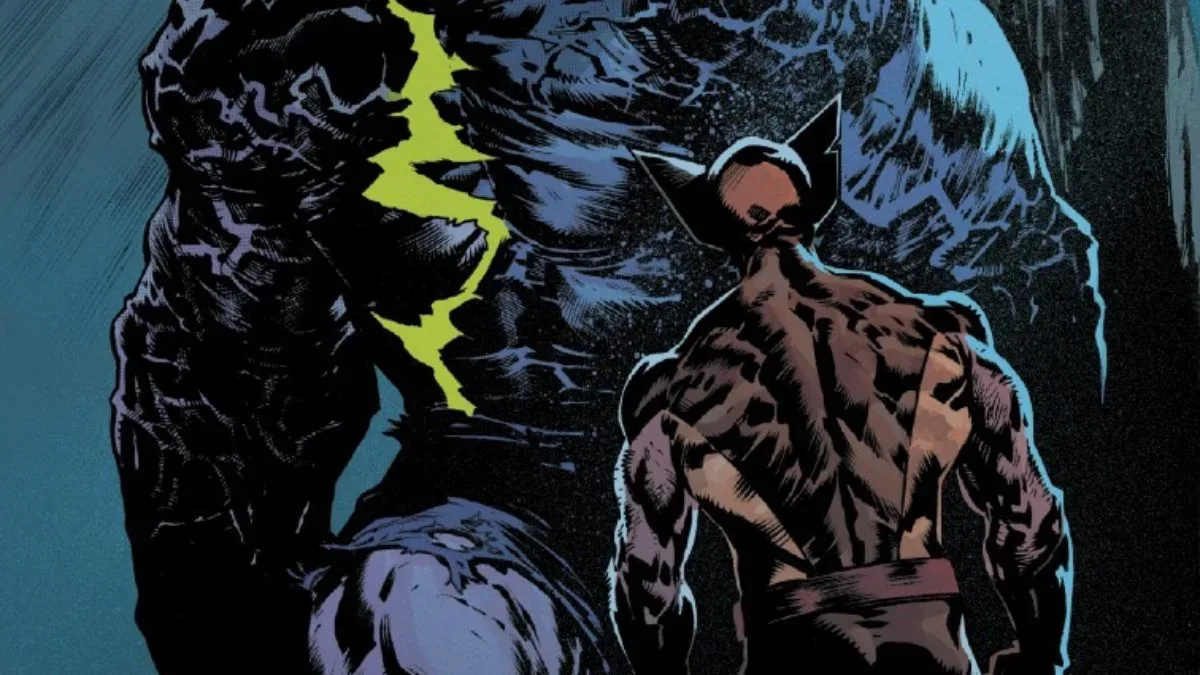
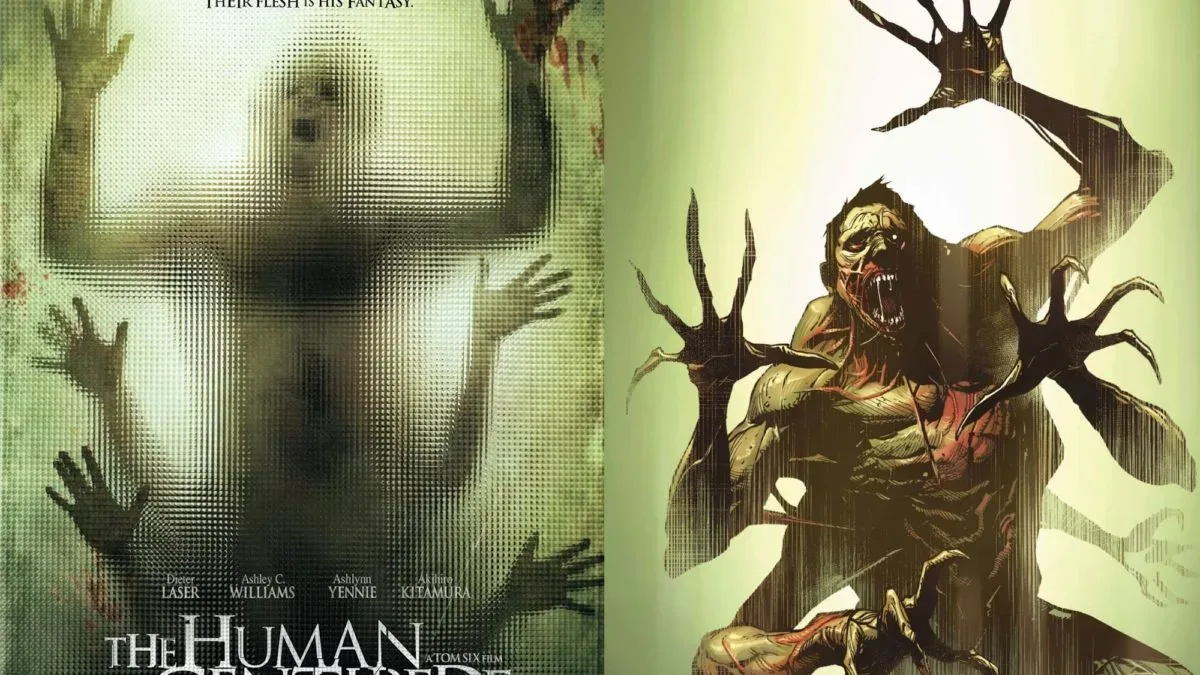
The invasion has already begun to spread through the Infernal Hulk Vs. one-shots featuring Wolverine, the Fantastic Four, Spider-Man, and the Avengers. Those issues depict the early phase of Infernal Hulk’s conquest and his construction of the Infernal Avengers: heroes altered into grotesque reflections of themselves.
For readers, those one-shots function as connective material rather than replacements for the main event. They show the scale of the corruption and put individual corners of Marvel’s superhero line into contact with the same crisis. The five-issue Hulk War: Infernal Rage series is still the declared finale, while the one-shots and anticipated tie-ins broaden the path to it.
The Infernal Avengers themselves were first glimpsed in the 2026 Comics Giveaway Day release that paired Amazing Spider-Man #1000 with Queen in Black. Their emergence makes the threat more complicated than an army of anonymous monsters. Corrupted versions of established heroes bring emotional and tactical pressure to any resistance: the remaining heroes are fighting enemies who may once have been teammates, friends, or symbols of hope.
Marvel has indicated that further tie-in announcements are expected in the months ahead. At this stage, those future connections have not been detailed, so readers should treat the confirmed structure as the five-issue main series, the existing Infernal Hulk Vs. material, and the broader supporting role of Infernal Avengers in the event’s setup.
Why Nic Klein drawing all five issues is a meaningful detail
In serialized comics, an interior artist draws the story pages: the character acting, environments, visual pacing, and action that carry readers from panel to panel. A cover artist creates the principal image used to represent and market an issue. One artist can do both jobs, but major events can also involve rotating interior artists because their schedules are demanding and the casts are large.
Klein is doing both for all five installments of Hulk War: Infernal Rage. That gives the series a clear visual throughline at the point where Johnson’s Hulk saga moves from a largely solo-focused story to one crowded with Marvel heroes and transformed adversaries. Klein has described the shift as a challenge because the earlier work was effectively concentrated around a single lead, whereas this finale asks him to give many characters comparable attention.
“This is the epic finale to Phillip and I’s Hulk run that we started three years ago,” Klein said, calling the project the high point of his artistic journey on the book.
His emphasis on drawing the entire event clarifies why his absence from later Infernal Hulk interiors is significant. It was not a departure from the story’s direction; it was preparation for this conclusion. For readers following the art as closely as the plot, that is a concrete promise of consistency rather than a vague claim about the event’s importance.
Where Hulk War fits in the larger saga
Hulk War: Infernal Rage is described as the third part of Johnson’s Hulk trilogy. The route to it runs from Incredible Hulk, through the ongoing Infernal Hulk series—which is scheduled to conclude with issue #10—and across intervening one-shots. The final event is therefore designed as a payoff to an established narrative rather than a detached crossover that happens to feature Hulk.
That structure offers a practical distinction for prospective readers. The event is the place where the stated endgame occurs: Infernal Hulk’s conquest, the hunt for a weapon to stop him, the fight over his mind, and the fate of the Marvel Universe under the Eldest’s influence. The preceding issues supply the buildup, including how the infernal threat developed and how its damage began to reach other heroes.
There is no confirmed reading-order list beyond those broad components, and no full tie-in slate has been named. Anyone planning to follow the saga should avoid assuming that every future Marvel release will be required. The firm facts are that Infernal Hulk reaches issue #10, the versus one-shots establish parts of the crossover’s wider conflict, and Hulk War: Infernal Rage finishes the arc in five issues.
The event also lands alongside a broader 2027 Marvel slate that includes a separate Immortal Soldiers one-shot built around a post-armageddon mystery. The projects have different stated premises, but together they point to a period where Marvel’s line is making room for large-scale stakes and distinct corners of its universe.
What has been confirmed
- Title: Hulk War: Infernal Rage
- Format: Five-issue limited event series
- Writer: Phillip Kennedy Johnson
- Artist and main cover artist: Nic Klein
- Launch window: February 2027
- Story role: The final act of the Infernal Saga that began in 2023’s Incredible Hulk #1
- Central threat: The Eldest-controlled Infernal Hulk and his conquest of the Marvel Universe
Johnson has said the run has been building toward this conflict and toward consequences across the wider Marvel Universe. The creative team’s stated intent, the five-issue scope, and Klein’s complete art assignment all frame Hulk War: Infernal Rage as a planned endpoint: one where the escalating infernal mythology, Hulk’s internal battle, and the arrival of corrupted heroes are meant to collide rather than simply continue.