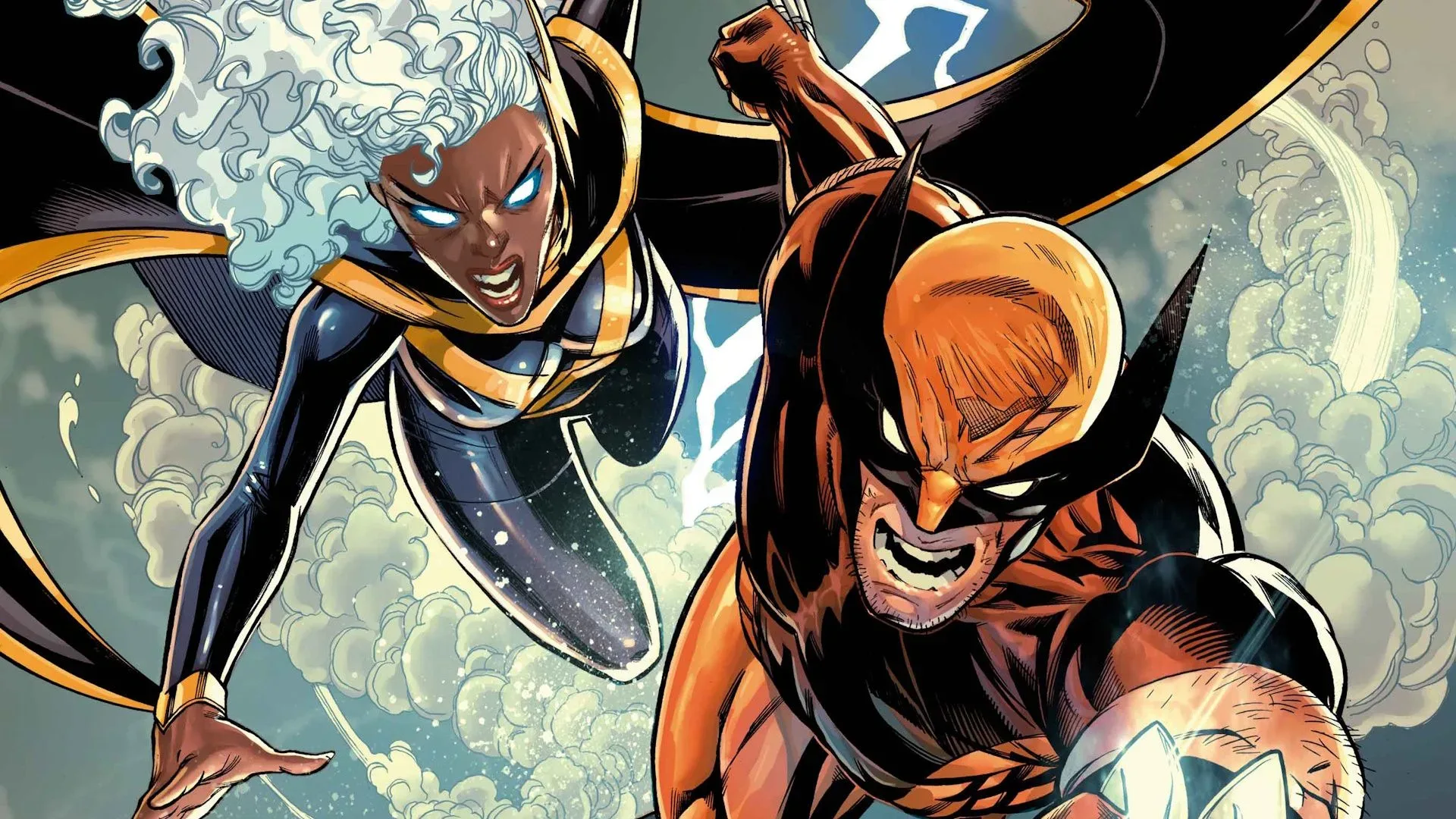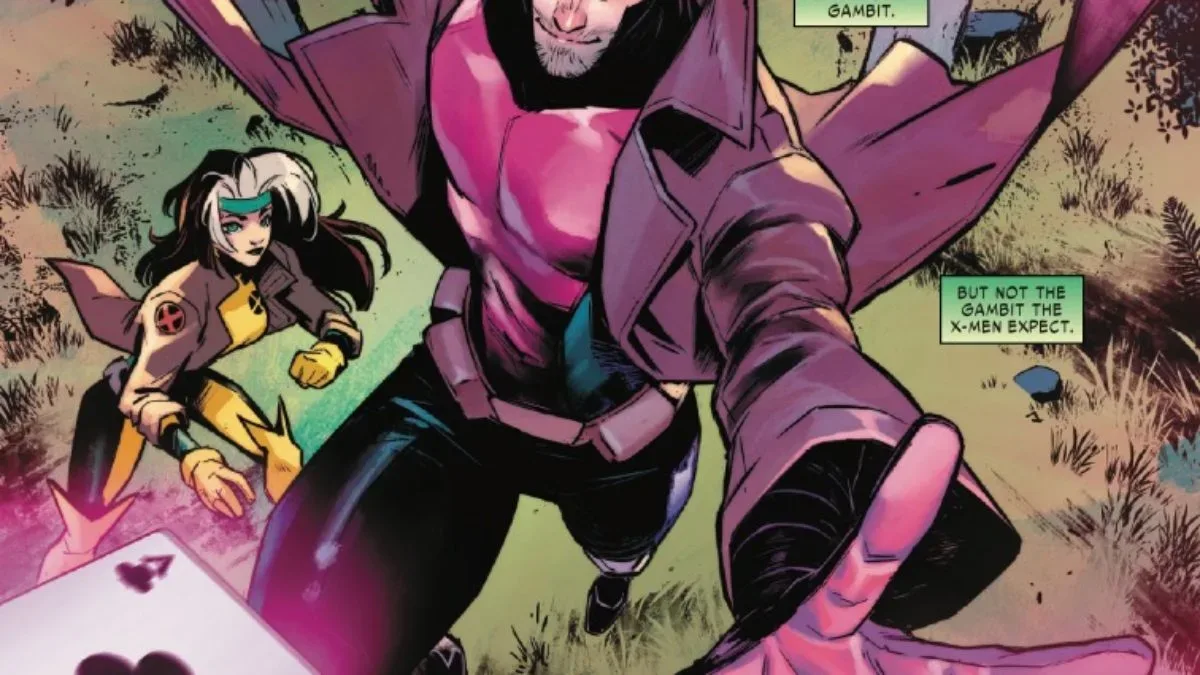
Wolverine and the Hulk have shared plenty of violent history, but Infernal Hulk vs. Wolverine #1 is positioning their next collision as something more unsettling than a routine superhero grudge match. Marvel’s new 32-page issue, on sale September 23, 2026, puts Logan on a rescue mission after the X-Men locate mutants who have allegedly been abducted and corrupted by the Infernal Hulk.
The premise gives the fight an immediate purpose beyond the evergreen appeal of claws versus gamma power. Wolverine is not simply looking for an excuse to brawl with a Hulk-shaped threat; he is trying to free fellow mutants. That distinction matters, particularly when the opposing force is described as the Father of Horrors and the wider storyline is called The March to Hulk War. The language suggests a threat built around transformation, captivity and spreading corruption, rather than one isolated monster attack.
A Hulk conflict with a rescue at its center
The central setup is direct: the X-Men have discovered where the missing mutants are being held, and Wolverine commits to extracting them by extremely violent means. It is a clean mission structure for a Wolverine story. Logan is often at his sharpest when an assignment demands decisive action, especially when vulnerable people are trapped behind an enemy’s defenses.
Here, though, “corrupted” is the word doing much of the dramatic work. It implies the captives are not merely prisoners waiting to be recovered. They may have been altered by the Infernal Hulk’s influence, making rescue morally and physically more complicated. A captive who has been weaponized, infected or changed into an extension of the antagonist creates a very different problem from one Wolverine can solve by cutting through a door.
The supplied premise does not explain precisely what that corruption entails, so readers should treat its mechanics as unknown for now. But its narrative function is clear: the story is setting up stakes that reach beyond whether Wolverine can hurt a nearly indestructible opponent. The issue can ask whether its victims are recoverable, what they may be forced to do, and what Logan is prepared to risk to bring them back.
Who is the Infernal Hulk?
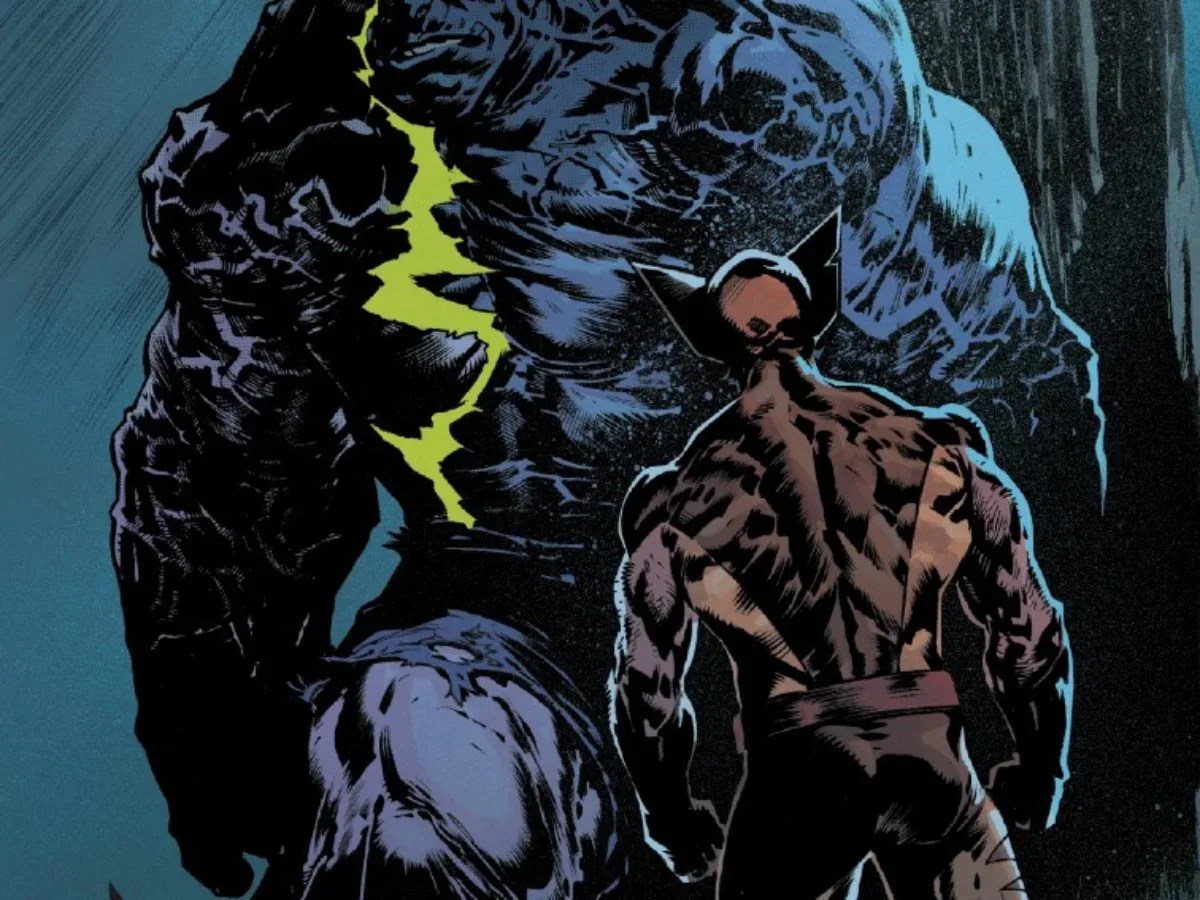
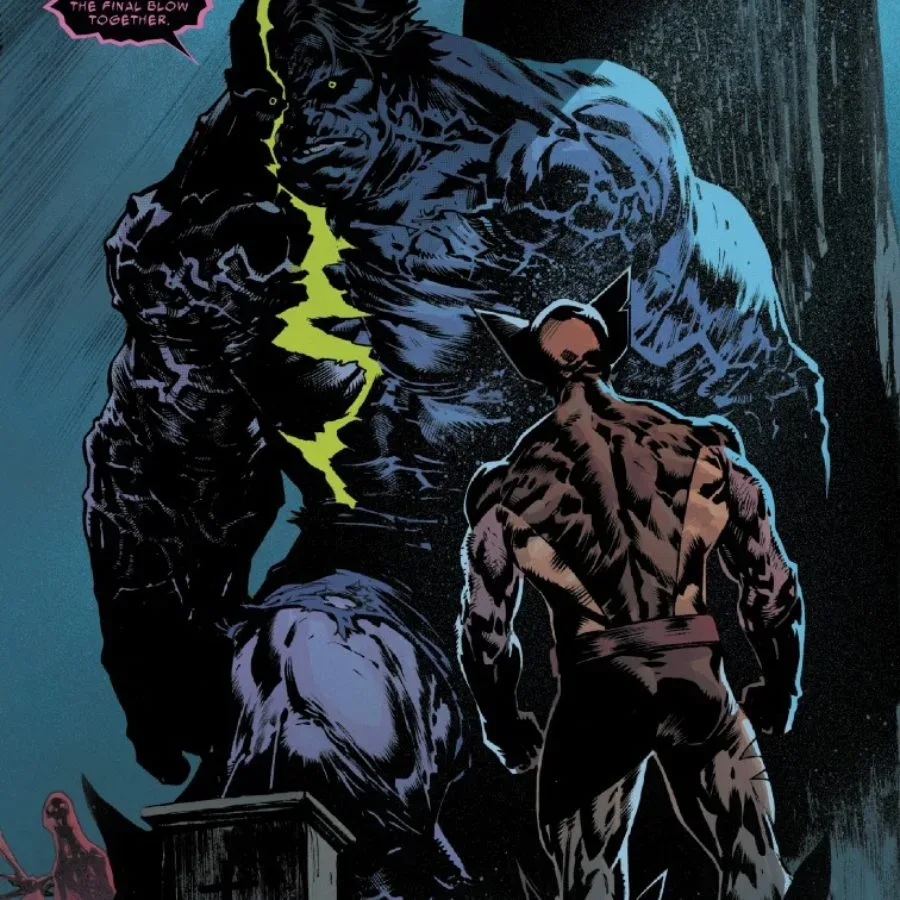
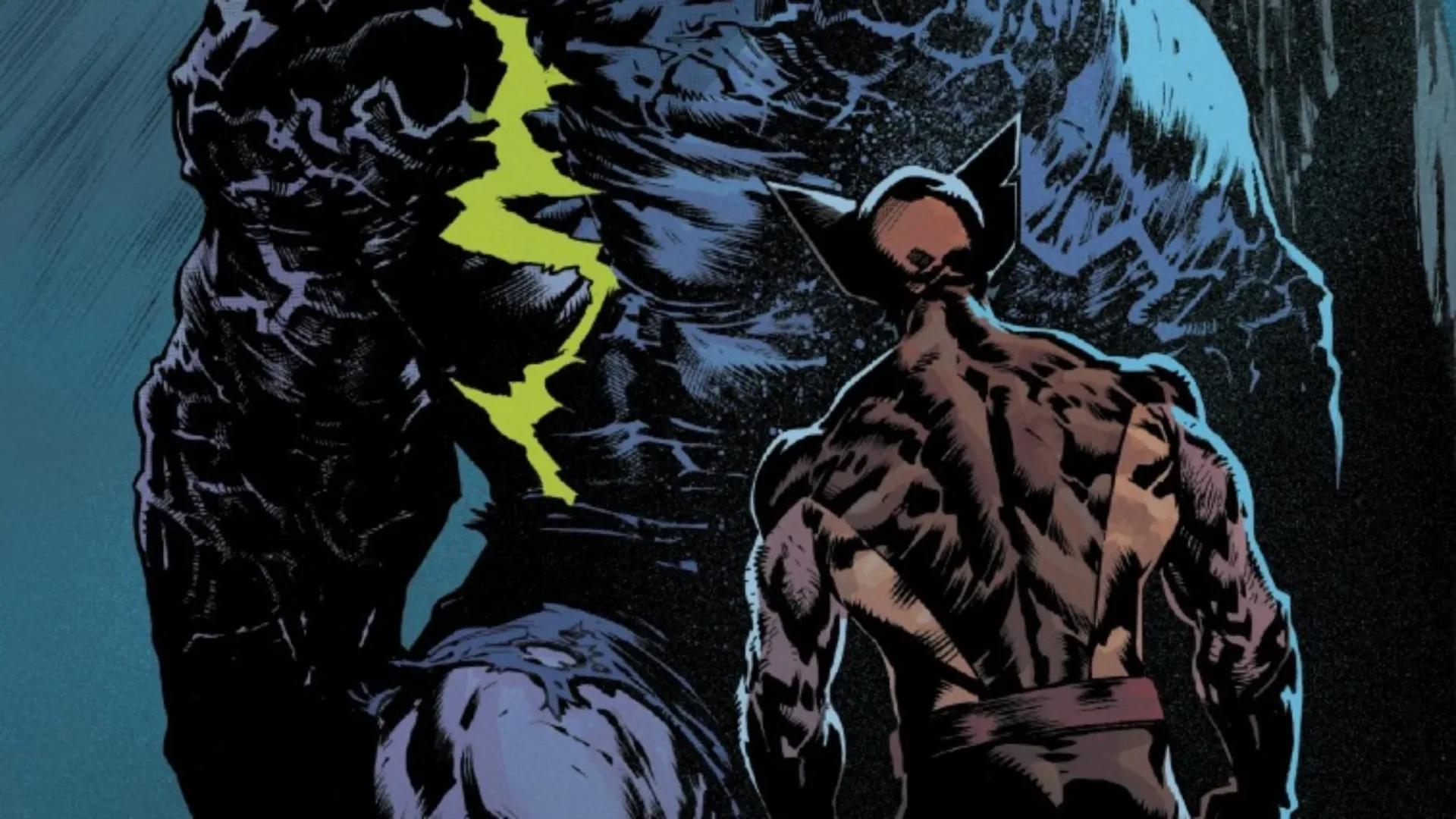
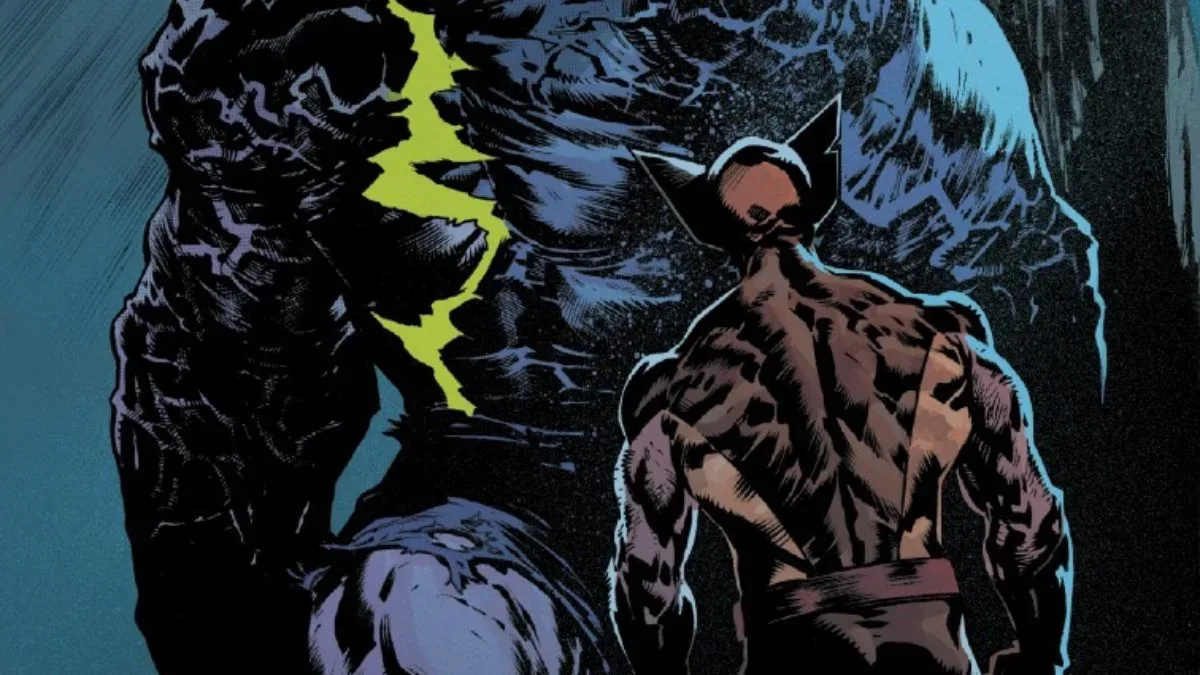
The issue identifies the adversary as Infernal Hulk, also called the Father of Horrors. The promotional material frames him as a corrupted, cosmic-horror-inflected form of Bruce Banner rather than a conventional Hulk incarnation. Preview imagery reportedly places the character on a throne amid spikes and invasive-looking growths, with a purple-black body marked by yellow energy.
“Cosmic horror” is a useful term here, even if the issue’s full mythology remains unrevealed. In genre terms, cosmic horror usually emphasizes forces that feel ancient, overwhelming and difficult for people to comprehend or control. Applied to a Hulk story, that approach changes the expected dynamic. Hulk stories are already associated with immense strength, rage and destruction; adding horror imagery can make the threat feel less like an opponent to outpunch and more like a malign presence that changes everything around it.
The Father of Horrors title also puts emphasis on creation or propagation. The kidnapped mutants are said to have been corrupted, and the villain is presented as something that can extend its influence through others. Whether that influence is physical, supernatural, gamma-based or something else is not specified. Still, the title and setup both point toward a conflict where the danger is not confined to one exceptionally powerful body.
Why Wolverine is the fitting first opponent
Calling Wolverine Marvel’s “perfect killing machine” is familiar promotional shorthand, but it also explains why he is a logical figure to launch this phase of the Hulk story. Logan’s adamantium claws and healing factor make him unusually capable of surviving fights that would instantly end most rescue attempts. His willingness to enter brutal environments is equally important. A threat housed in a ruined, hostile setting does not naturally deter a character who has spent much of his history confronting danger at close range.
That does not mean Wolverine has an easy answer. His claws are formidable, but the supplied preview description depicts them striking the Infernal Hulk without treating that wound as a decisive victory. A Hulk opponent with an altered, horror-driven presentation creates an obvious question: if physical damage is insufficient, what does a rescue operation require besides violence?
That tension could be the issue’s engine. Wolverine’s instincts are clear and immediate. The situation, by design, may not be. He can reach the captives, but freeing them could demand judgment, restraint or knowledge he does not yet possess. The initial confrontation therefore has room to function as both action spectacle and a warning that Logan is entering a much larger conflict.
An old grudge with an uncertain past
The preview also hints at a prior connection between Wolverine and the Father of Horrors, despite Logan claiming he has never met him. The material points toward history in Damascus, though it does not establish the full circumstances, timeframe or consequences of that encounter.
That ambiguity is a useful hook. Wolverine’s long life is one of the character’s most effective storytelling tools: a brief reference can open a door to forgotten missions, unresolved harm and identities that may have changed beyond recognition. In this case, the unanswered question is not merely whether Wolverine recognizes his adversary. It is why an encounter that seems important enough to fuel a grudge would be absent from his understanding of the present threat.
For new readers, the issue’s #1 designation and mission-focused premise should offer an accessible entry point. For regular Hulk and X-Men readers, the apparent Damascus connection supplies a mystery that can sit underneath the immediate combat. The comic is selling a confrontation, certainly, but it is also promising that the combatant across from Logan may have a claim on his past.
The creative team and what is confirmed
Phillip Kennedy Johnson writes Infernal Hulk vs. Wolverine #1, with interior art by Jonas Scharf and colors by Alex Guimarães. The listed creator credits also include Kieran McKeown. Nic Klein provides the main cover.
Scharf and Guimarães have a particularly important task in a story whose premise leans so hard on unsettling transformation. The described preview imagery already favors diseased color contrasts, damaged architecture and a throne-room tableau that frames the Infernal Hulk as more than a physically large foe. Color is especially consequential in horror-inflected superhero art: it can distinguish ordinary gamma imagery from an intentionally sickly or unnatural mood. Here, the purple-black mass and yellow lightning-like fractures signal that this is not meant to be read as a standard green Hulk silhouette.
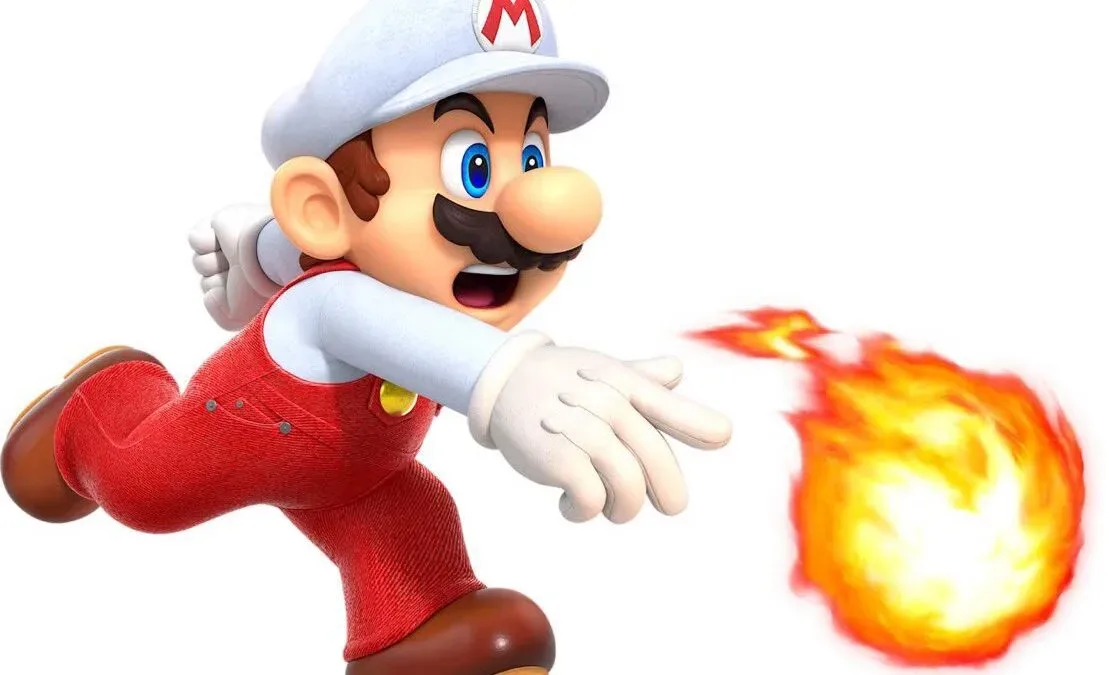
Visual scrutiny is a major part of fan response to iconic character redesigns, whether it is a horror-forward Hulk or a small costume feature in a new character render. That same close attention has surfaced around Mario’s updated Nintendo renders, where even a tiny pocket detail became part of the discussion. With Infernal Hulk, the visual differences are considerably louder: the design is being used to communicate the story’s entire tone.
The March to Hulk War begins here
Marvel is explicitly presenting this issue as the beginning of The March to Hulk War. That phrasing is important because it defines the comic as the opening move of a larger arc rather than a self-contained clash designed only to settle an old rivalry. Wolverine’s mission may be the entry point, but the stakes are framed in Marvel Universe-wide terms.
Readers should not assume details the solicitation does not give. There is no confirmed list of other heroes, no outlined timeline for the event and no explanation yet of exactly how far the Infernal Hulk’s corruption will travel. What is confirmed is that the X-Men are involved through the abducted mutants, that Wolverine takes point on the rescue, and that the issue begins a story branded around an approaching Hulk war.
The immediate practical implication is simple: anyone interested in following the wider arc has a clear starting issue. Readers interested primarily in Wolverine may find a focused, grim rescue story; Hulk readers are being offered a new horror-tinged incarnation and the start of a broader conflict; X-Men readers have a direct stake in the fate of the abducted mutants.
Release details, cover choices and rating
Infernal Hulk vs. Wolverine #1 is scheduled for September 23, 2026. It is a 32-page, Rated T+ comic priced at $4.99 in the U.S. and $6.25 in Canada for the listed editions.
Alongside Nic Klein’s main cover, the announced variants are by Juan Ferreyra, Skottie Young, Ryan Stegman and Leinil Yu. A Marvel Tokon: Fighting Souls variant is also listed. Skottie Young has both a standard variant and a virgin variant; “virgin” in comics collecting generally means a cover version without the usual logo and cover text, placing greater emphasis on the artwork itself.
- Juan Ferreyra variant
- Skottie Young variant
- Skottie Young virgin variant
- Marvel Tokon: Fighting Souls variant
- Ryan Stegman variant
- Leinil Yu variant
The main attraction, however, remains the central question posed by the issue: can Wolverine save mutants already caught in the Father of Horrors’ influence while confronting an enemy tied to a part of his past he may not fully remember? The first chapter’s answer begins with claws out, a hostile territory ahead and a Hulk threat that looks built to turn a simple fight into something far more disturbing.