Marvel has revealed Immortal Soldiers, a one-shot comic intended to open up the next stretch of stories after Avengers: Armageddon. Writer Chip Zdarsky and artist Christian Rosado are attached to the issue, which is scheduled to arrive on January 13, 2027.
The announcement frames the book as a direct consequence of Avengers: Armageddon, rather than a disconnected side mission. Its core premise is a world that no longer trusts superheroes to protect it, even though global threats have not gone away. That puts a blunt question at the center of the one-shot: if the Avengers are no longer seen as dependable guardians, who is going to keep Earth safe?
Marvel is also holding back substantial story and visual specifics until after Avengers: Armageddon #5, the event’s finale. That issue is due in comic shops later this month and is described as the line between the current conflict and the era that follows it. For now, Immortal Soldiers looks less like an epilogue that tidies up an event and more like the first problem created by its ending.
What is confirmed about Immortal Soldiers
- Format: A one-shot, meaning the announced story is a single issue rather than an ongoing series.
- Creative team: Chip Zdarsky writes and Christian Rosado provides the art.
- Release date: January 13, 2027.
- Connection: It spins out of Avengers: Armageddon and helps establish Marvel’s post-Armageddon storytelling direction.
- Cover: Ben Harvey is set to provide the main cover, with more details planned after Avengers: Armageddon #5.
In comics publishing, a one-shot can serve several functions at once. It may tell a complete story, introduce a new status quo, place key characters in motion, or seed questions for other books to answer. In this case, the announced purpose is unusually clear: Immortal Soldiers is a bridge out of a major Avengers event and into a new year of stories.
That does not confirm which titles will follow, which characters will join the cast, or whether the Immortal Soldiers name will continue beyond the issue. Those are all details still being withheld. Readers should be careful not to turn a premise-setting one-shot into a confirmed team series before Marvel says more.
A crisis of faith, not simply another invasion
The stated setup matters because it moves the conflict beyond the familiar question of whether superheroes can defeat an immediate enemy. The issue instead starts from damaged public confidence. Earth still needs defending, but the people living on it no longer automatically believe its costumed defenders should be trusted with that responsibility.
That distinction opens a different kind of Avengers-era tension. A physical threat demands power, coordination and a plan. A legitimacy crisis asks who has the authority to act, whom civilians believe, and whether an emergency response can work when the responders themselves have become part of the argument.
Marvel’s early language indicates that Avengers: Armageddon is not being treated as a final victory. The war may have changed shape rather than ended. Immortal Soldiers therefore appears designed to explore the aftermath as an active battlefield: a world in danger, heroes under suspicion, and unanswered mysteries capable of affecting the wider line.
It is a premise with practical reading implications. Anyone following Zdarsky’s Avengers event will likely find the one-shot relevant because it starts immediately from the event’s consequences. Conversely, the single-issue format may offer a focused entry point for readers who want to see the direction of the post-event setting before committing to whatever comes next.
The Nick Fury and Hydra image remains a teaser mystery
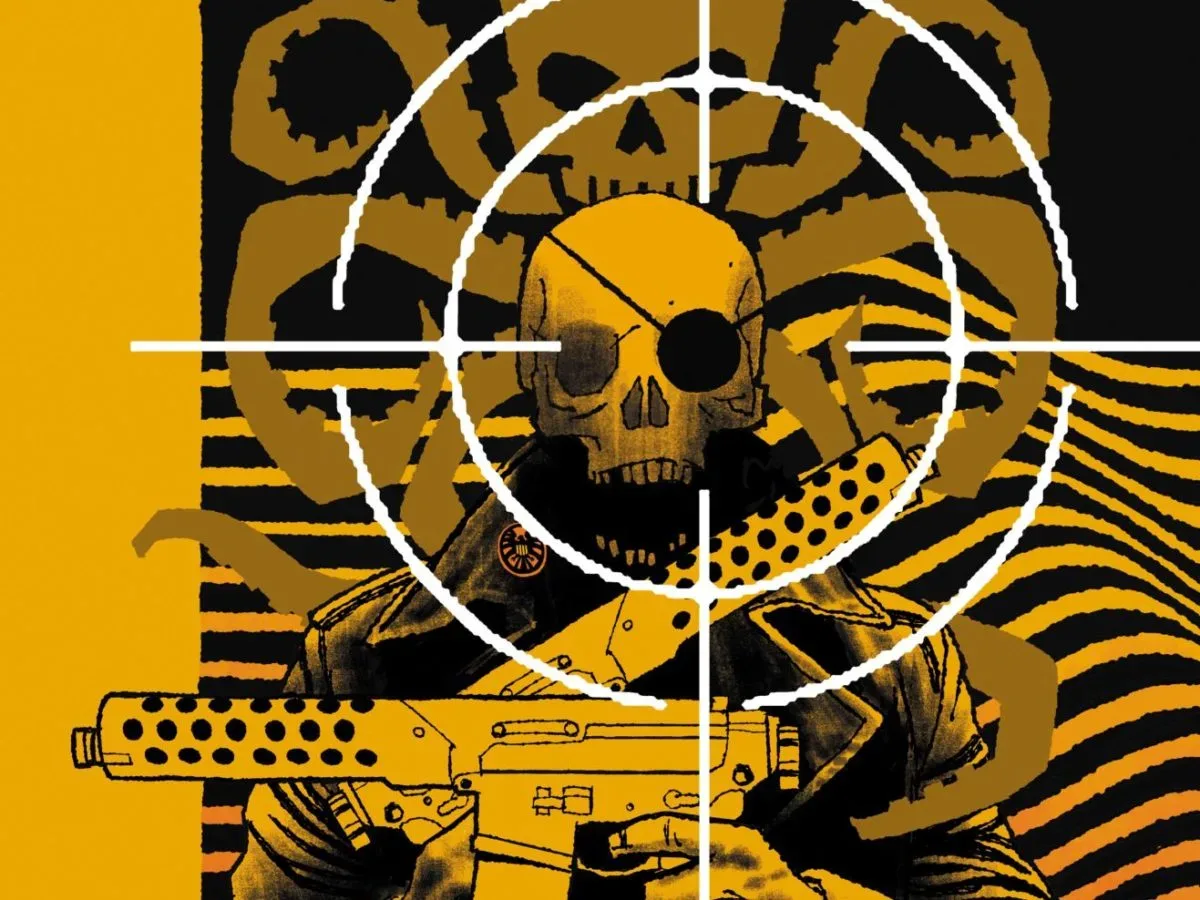
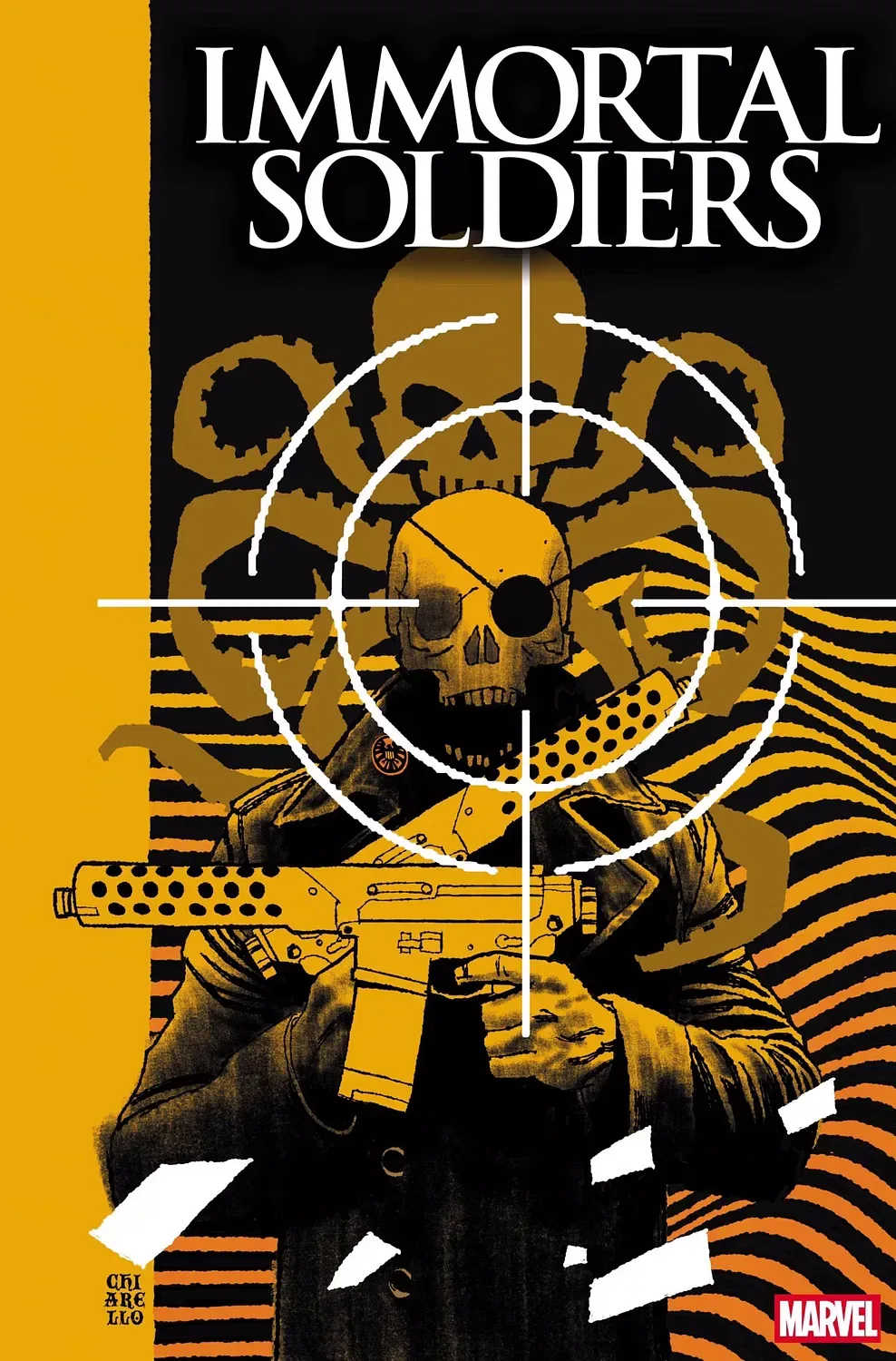
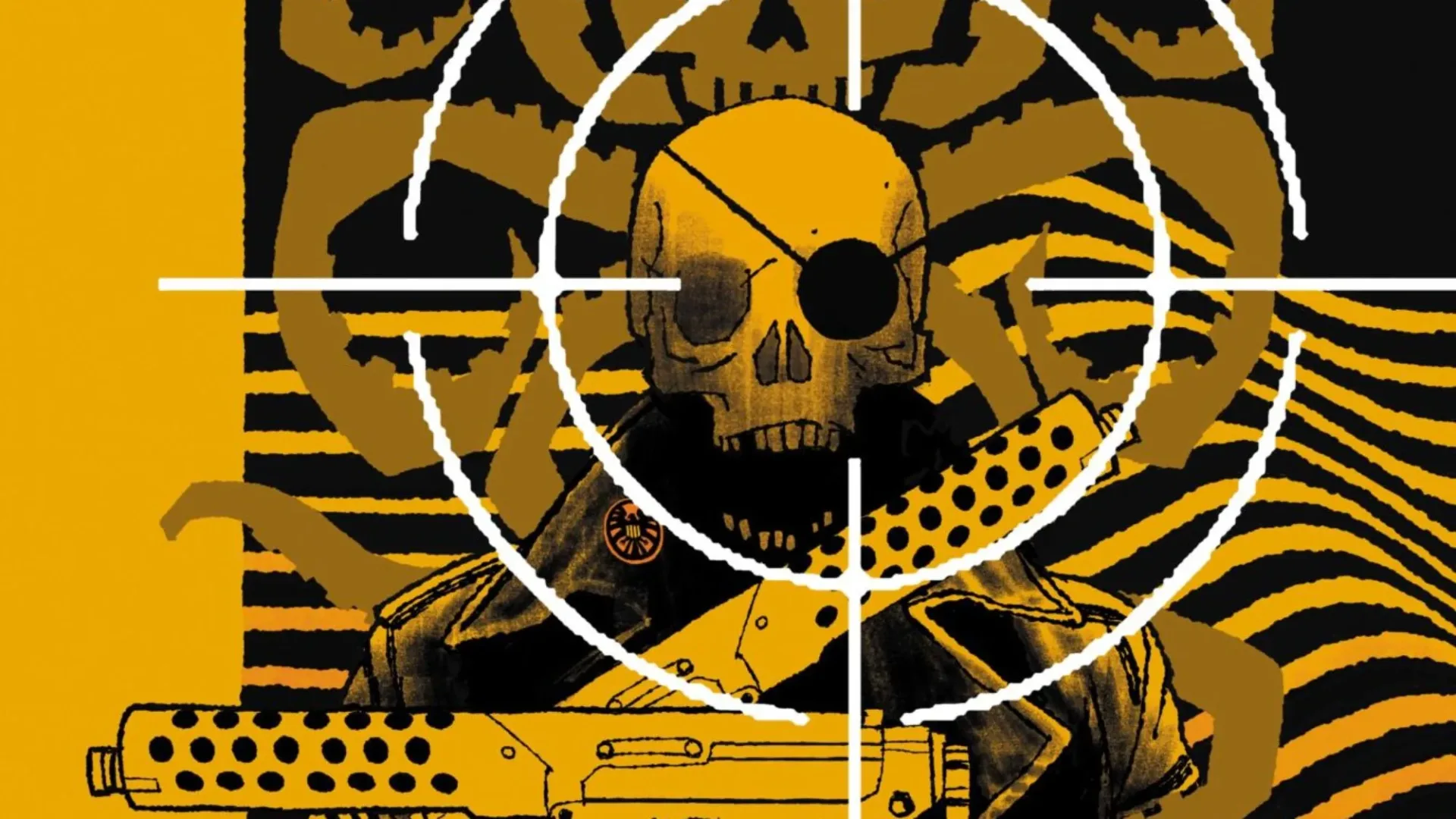
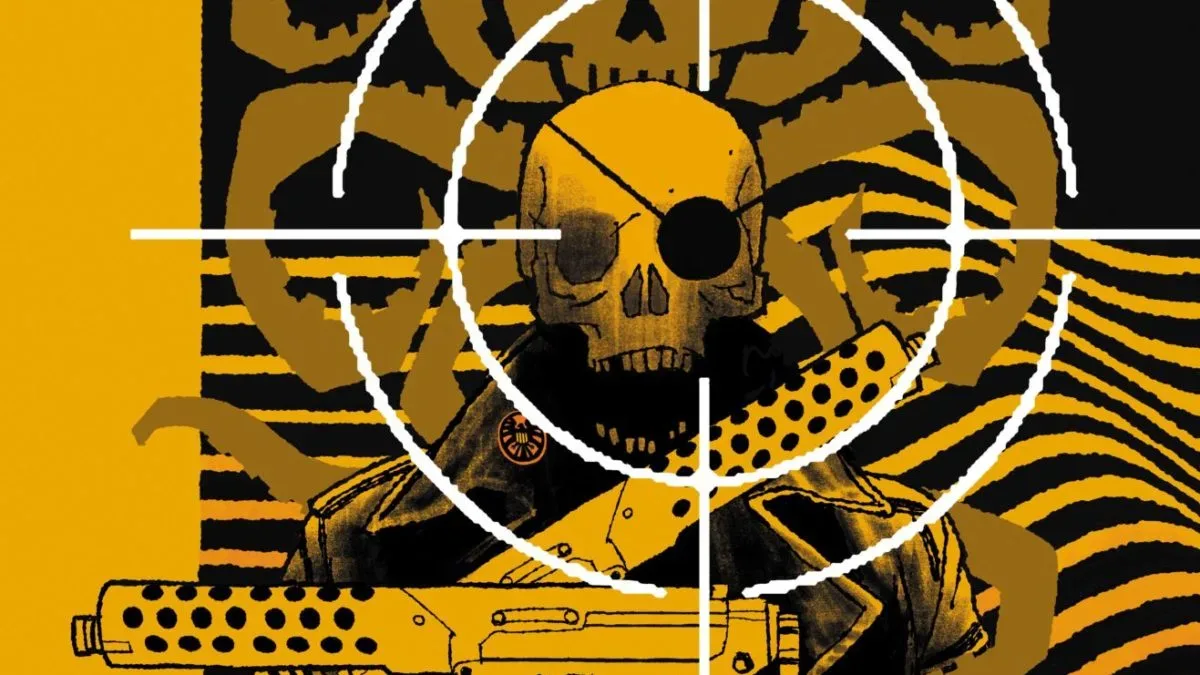
The promotional material has prompted a major question around Nick Fury. It appears to depict Fury’s corpse revived in a zombie-like state and aligned with Hydra. But that is an interpretation of the teaser, not a fully explained plot point. No mechanism, identity confirmation, motive, or story role has been detailed.
That uncertainty is important. In superhero comics, an ominous image can signal many possibilities: a genuine resurrection, an impersonation, an altered body, a deception, or an image meant to be recontextualized by the story. The available information supports saying that the art suggests a disturbing Fury-Hydra connection; it does not support declaring exactly what has happened to him.
Hydra is identified in the material as a Nazi terrorist organization, so the apparent association is meant to read as alarming rather than a routine team-up. If the tease is literal, it would place a deeply unsettling figure at the heart of a story already concerned with who can be trusted to defend the planet. If it is misdirection, the image is still doing useful narrative work by making that trust question feel personal and urgent.
“Avengers: Armageddon didn’t end the war – it started one!”
That line captures the likely function of the teaser. The point may not be only whether a particular character has returned, but what kind of new threat can emerge when the old order has broken down and even the symbols around it are unstable.
Why the timing of Avengers: Armageddon #5 matters
Marvel plans to reveal further details after Avengers: Armageddon #5 lands later this month. That scheduling suggests the finale contains information that would spoil the one-shot’s setup, whether it concerns the world’s changed attitude toward heroes, the outcome of the war, or the identity and purpose of the Immortal Soldiers themselves.
For readers avoiding advance information, the cleanest route is straightforward: read the event finale first, then look for the expanded Immortal Soldiers material. For readers who enjoy following publishing announcements as they develop, the delayed details offer a clear marker that the current teaser is intentionally incomplete.
The reported event structure also explains why the title is being introduced now but released in January. The announcement can establish that the event has consequences, while the finale retains responsibility for showing exactly what those consequences are. It is a familiar serialized-comics handoff: the ending changes the board, and the next special issue asks what the new rules mean.
What has not been announced yet
There is plenty that remains unknown, and separating those gaps from the confirmed elements will make the rollout easier to follow. Marvel has not detailed the full cast, the nature of the Immortal Soldiers, the book’s exact place in the reading order beyond its post-Armageddon status, or whether the concept leads into a subsequent series.
There is also no announced explanation for the apparent Nick Fury imagery. The main Ben Harvey cover has been named, but its full reveal is being saved for later. No price, variant-cover lineup, digital release information, or collected-edition plan has been provided in the available announcement.
Those omissions are not minor bookkeeping. They are central to the comic’s marketing hook. The current reveal gives readers a creative team, a release date, a post-event mission statement, and a provocative image, while reserving the answers that would define the book’s actual battlefield.
Where this fits in Marvel’s broader comics activity
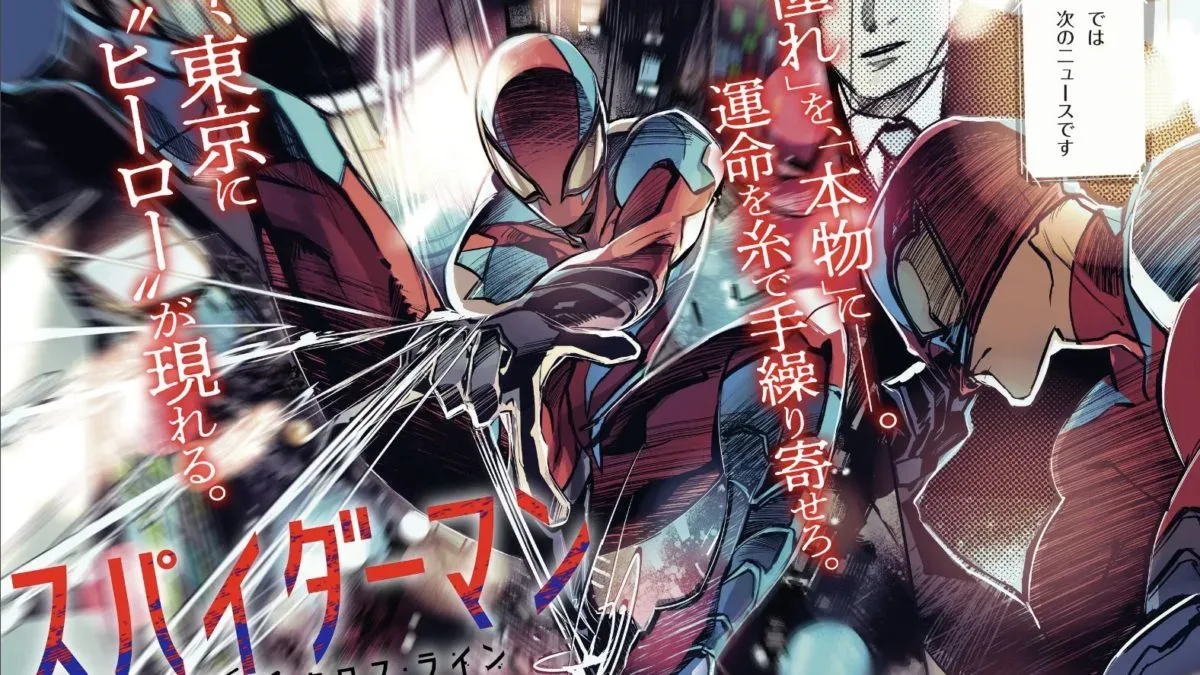
Immortal Soldiers arrives during a period in which Marvel’s characters continue to appear in multiple comics formats and initiatives. For another recent Marvel publishing development, see Spider-Man: Shibuya Cross Line’s Japanese manga launch.
But the new one-shot’s immediate concern is firmly within the superhero continuity established by Avengers: Armageddon. Zdarsky’s involvement on both the event finale and Immortal Soldiers gives the transition a direct authorial throughline, while Rosado’s art will define the first visual look at this unsettled post-event world.
With its January 13, 2027 release date set and its larger answers deliberately pending, Immortal Soldiers is positioned as a mystery-heavy next chapter: the Avengers’ war has changed the world, faith in heroes is fractured, and a troubling Fury-and-Hydra tease is waiting for context.