Potential spoilers for Avengers: Armageddon #4 and classic Marvelman/Miracleman comics follow.
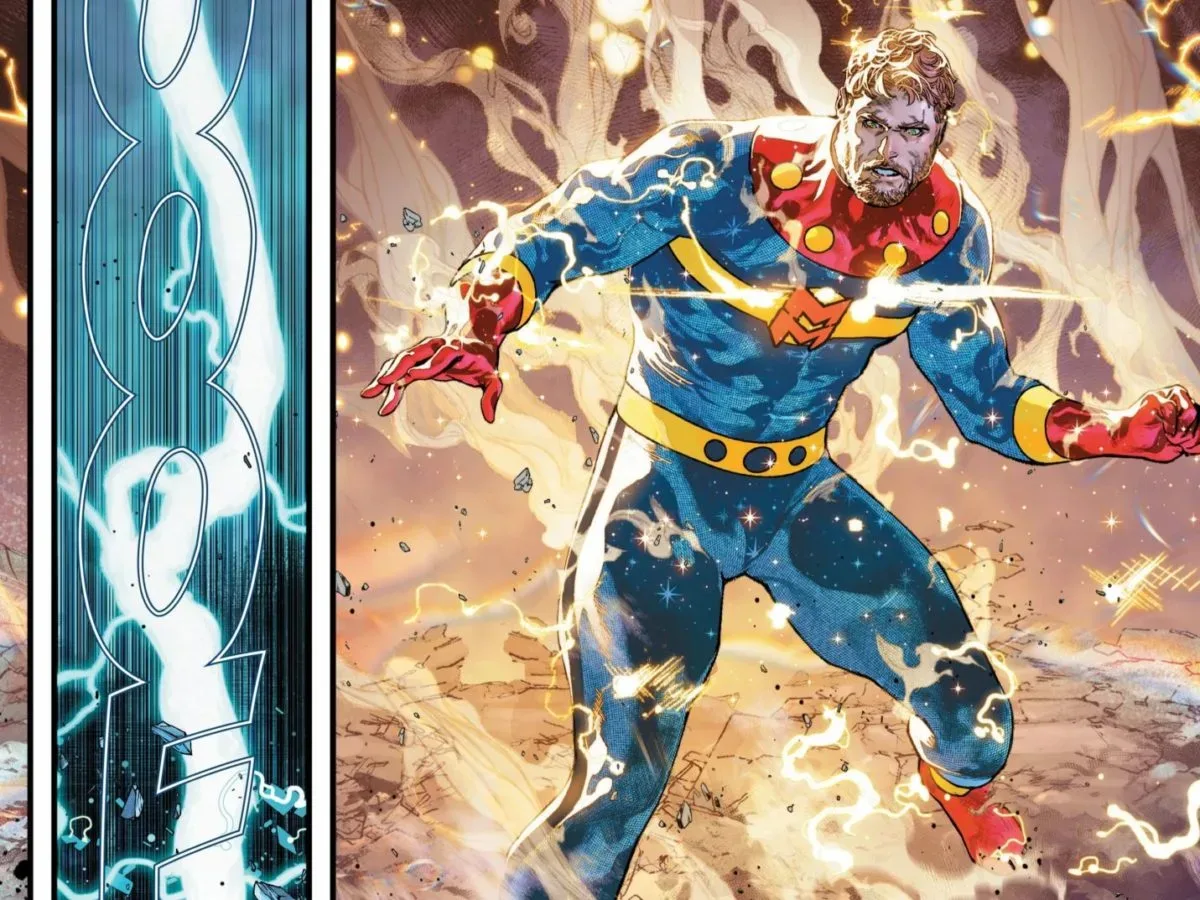
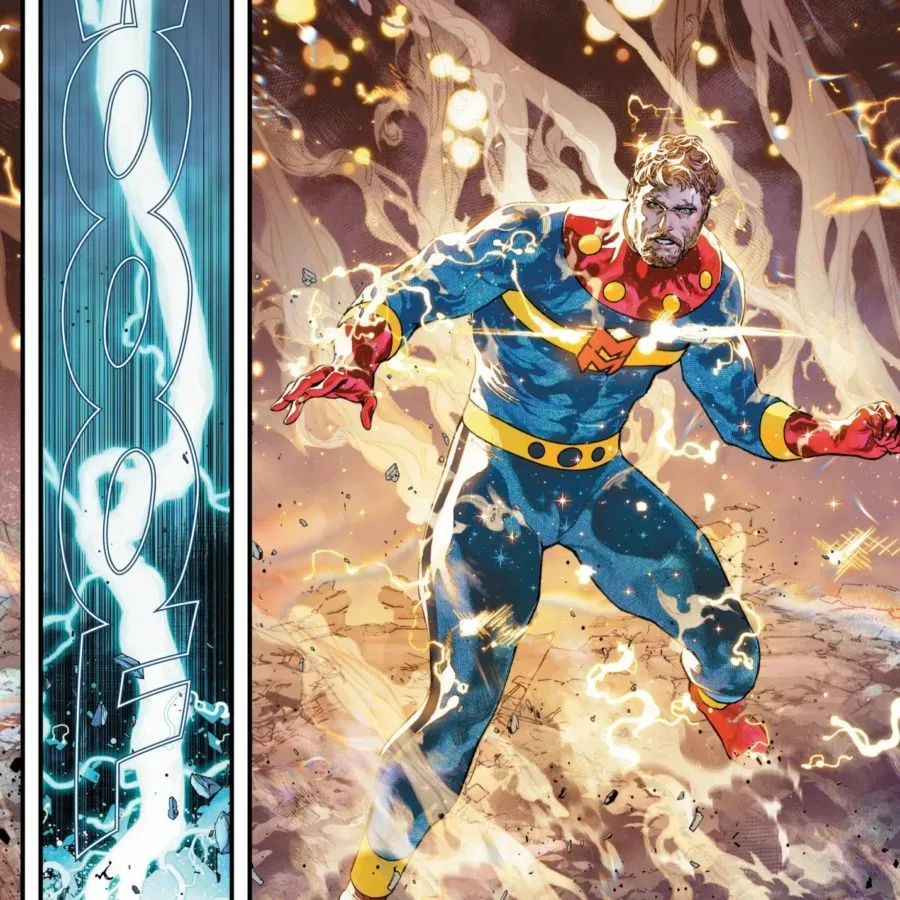
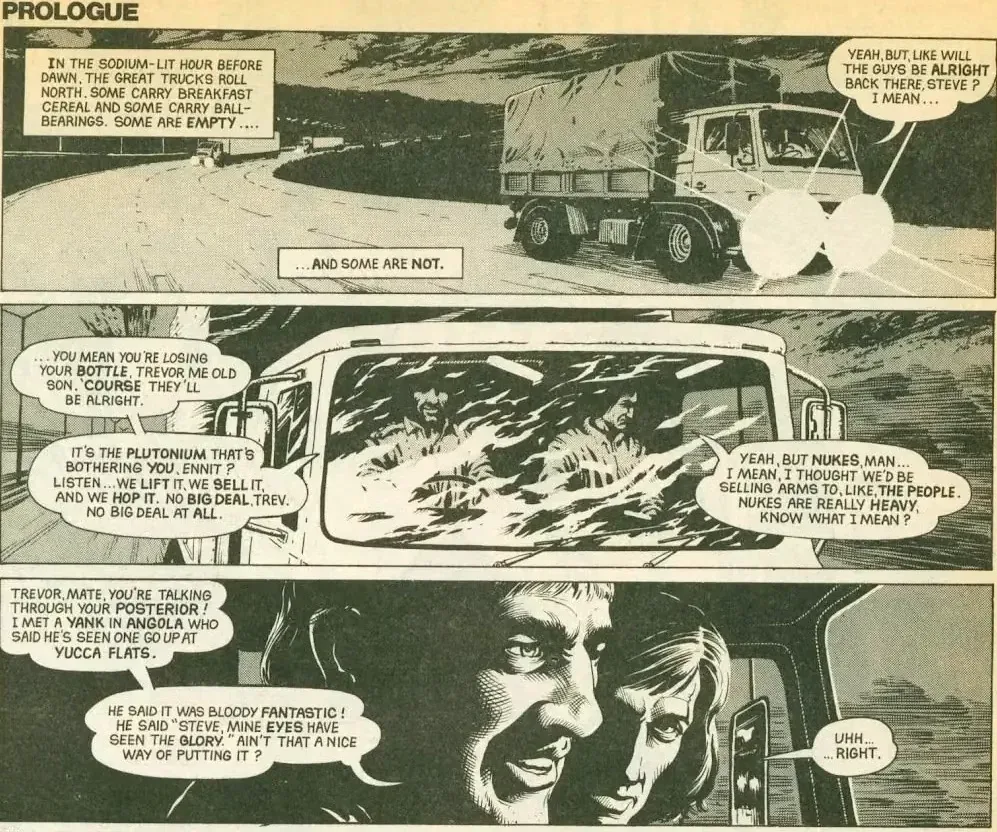
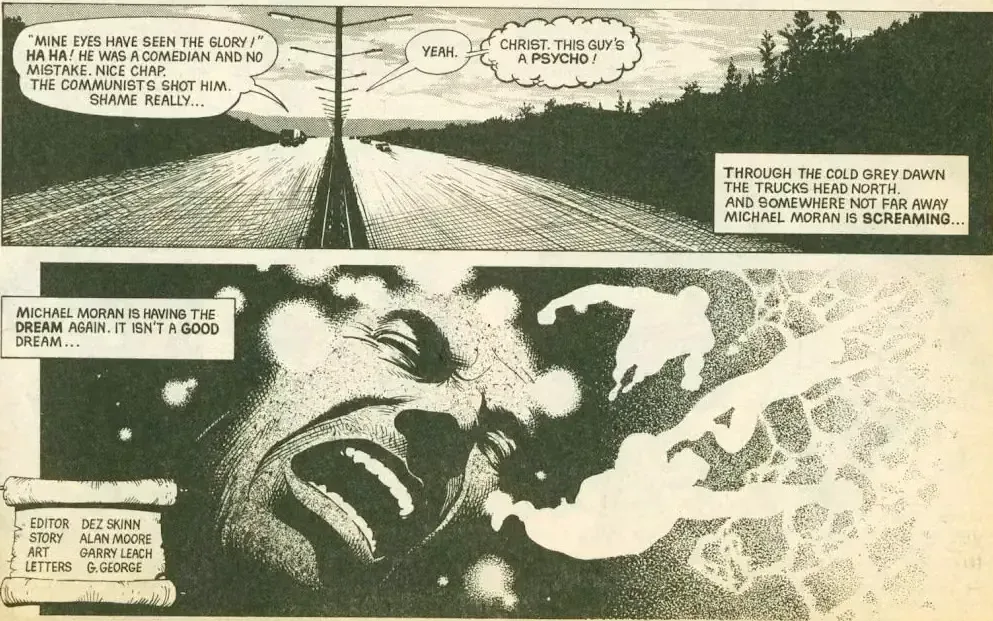
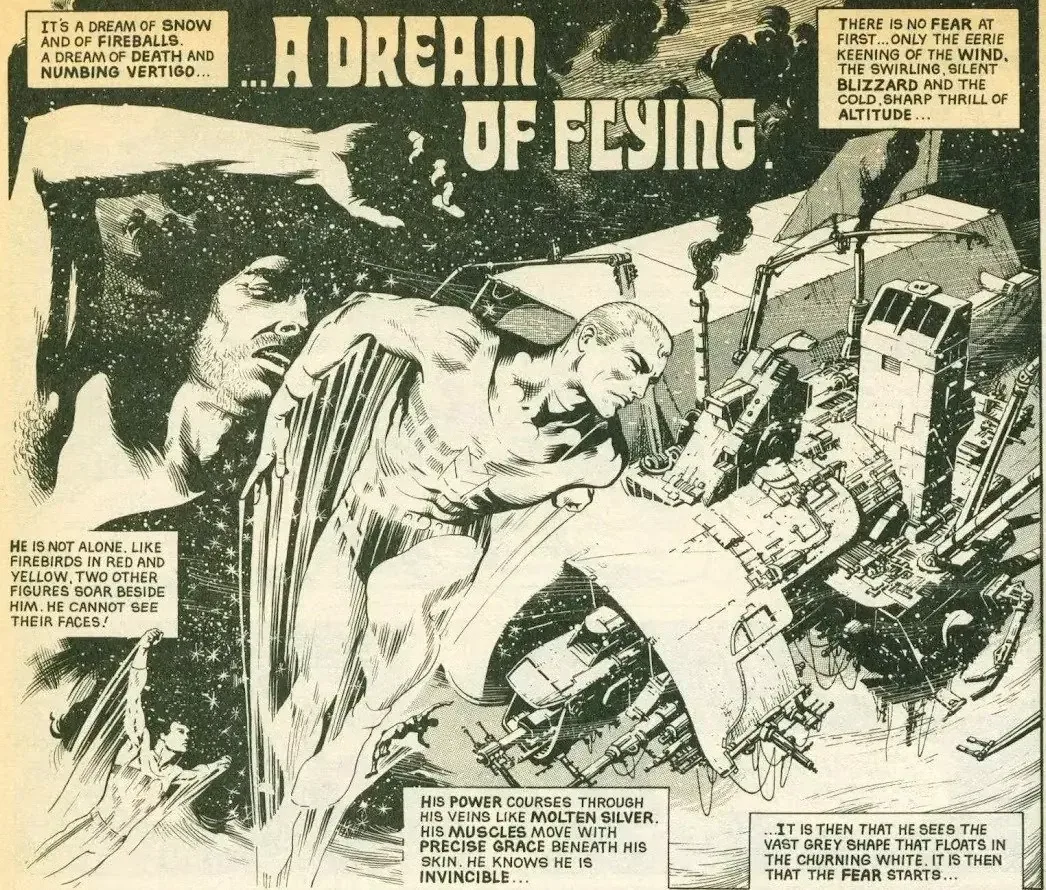
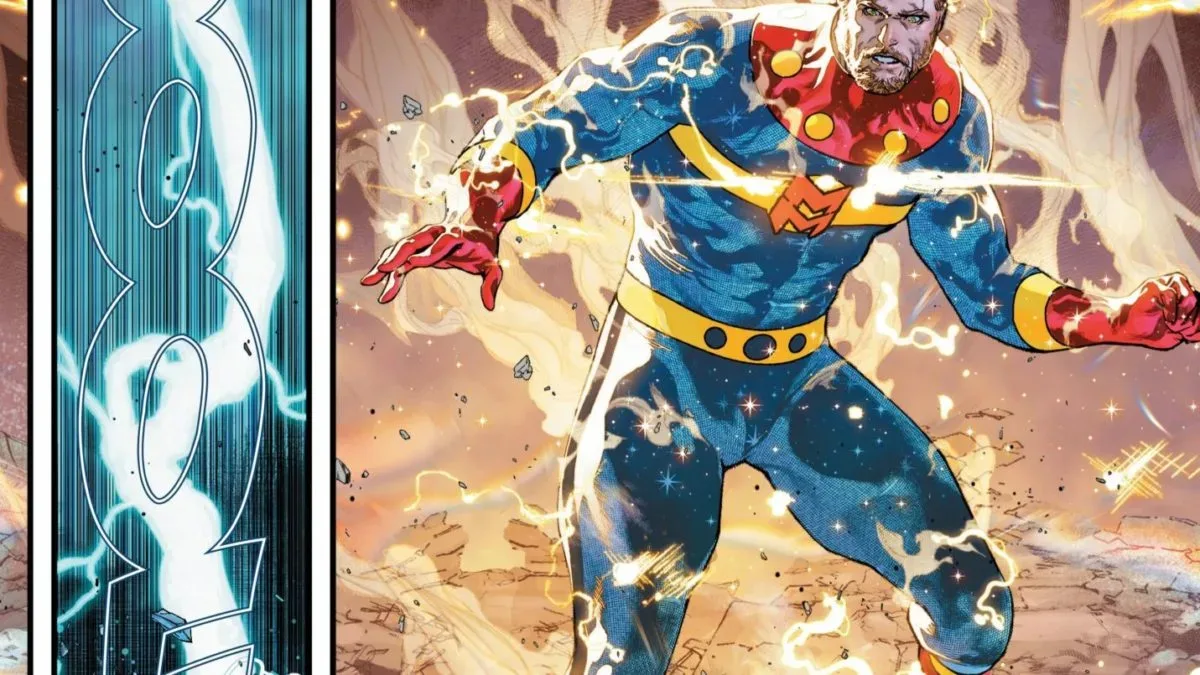
One word can carry an astonishing amount of comic-book baggage. In Avengers: Armageddon #4, David Colton’s apparent transformation after saying “Kimota” has created a striking connection to Miracleman, the character historically known as Marvelman in Britain. The scene is more than a familiar magic-word-style power-up: its surrounding imagery and themes closely echo the opening chapter of the influential 1982 Marvelman revival by Alan Moore and Garry Leach.
That does not settle every continuity question. It remains unclear precisely what David remembers, what the Origin Box has done to him, or how directly the new plot will connect to prior Miracleman lore. But the material points toward an intentional reframing of Miracleman concepts inside Marvel’s core universe, with David Colton—not Mike Moran—occupying the central role.
For an Avengers story built around escalation, that possibility is significant. Miracleman is not simply another extremely powerful hero. The older stories used superhuman transformation to examine memory, military power, secrecy, identity and the frightening consequences of a person who believes they can remake the world. Those are ideas already present in David’s story.
The signals begin before “Kimota”
The most conspicuous clue is the word itself. “Kimota” is “atomic” spelled backward and is tied directly to Marvelman/Miracleman’s transformation mythology. Its use alongside David’s emergence makes the association hard to dismiss as a casual wink. Yet the comparison does not rest on a single word.
The narrative setup around David mirrors several structural beats from the 1982 debut. In that earlier story, Mike Moran is caught between mundane adult life and dreams of a forgotten superhuman past. His memories are fractured. He is drawn toward a military facility, nuclear materials and an unfolding confrontation whose meaning he cannot fully grasp. His eventual rediscovery of “Kimota” changes everything.
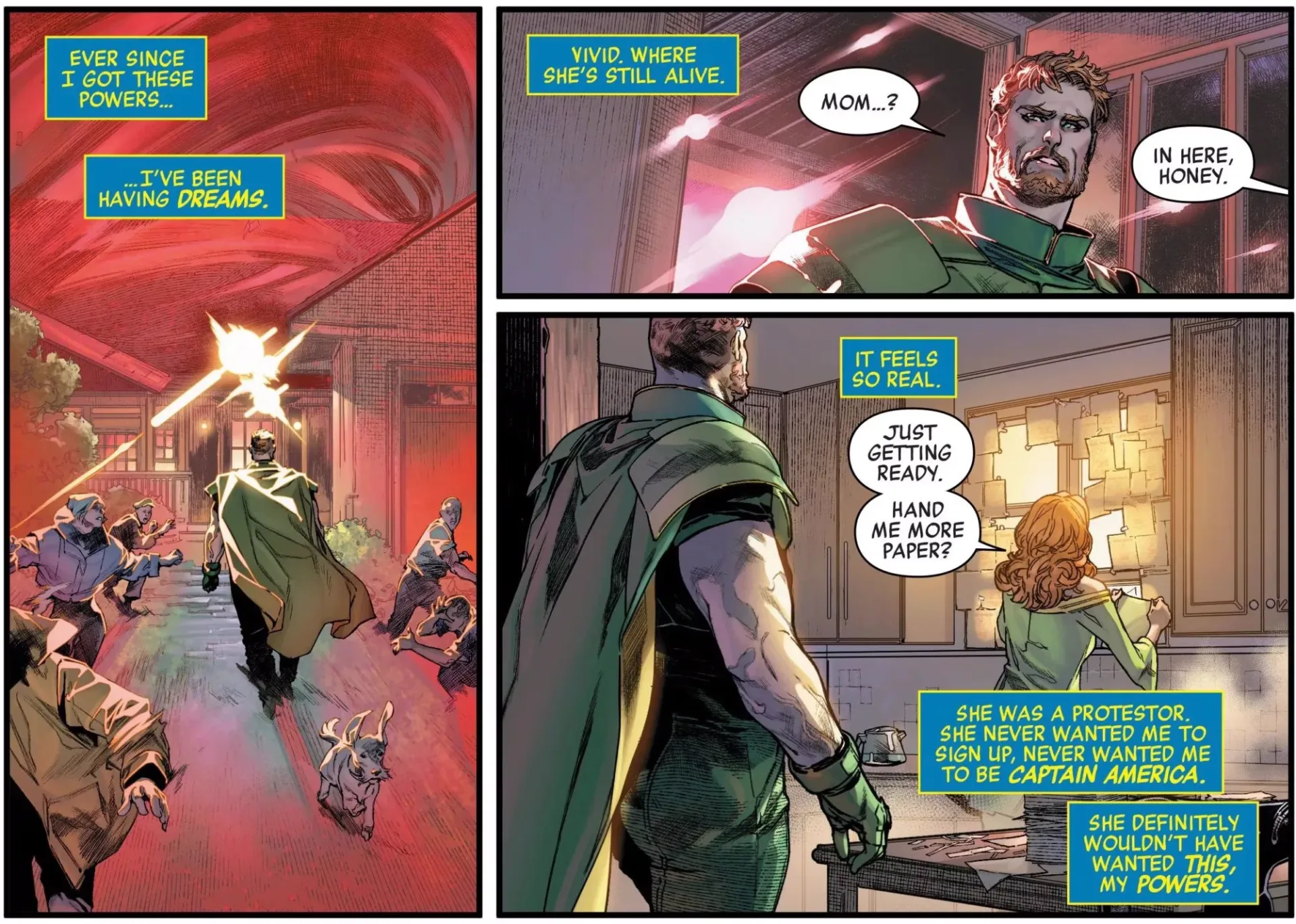
David’s plot similarly combines dreams, military targets, nuclear anxieties and a mounting sense that his body and history have been controlled by forces outside himself. He dreams of his mother and her anti-nuclear campaigning. He pursues military bases and nuclear weapons for ideological reasons rather than personal enrichment. A conflict involving General Ross pushes the story toward an explosive turning point, after which David returns to the dream imagery and reaches the word that triggers the apparent Miracleman connection.
These are not identical stories, and that difference matters. Mike Moran’s rediscovery was rooted in lost childhood identity and a concealed program. David is presented as someone who more knowingly became a government experiment—a weaponized would-be Captain America associated with the Iraq and Afghanistan wars while Steve Rogers remained frozen. The new story appears to be using the old framework to ask a different question: what happens when somebody understands more of the machinery that made him, but still may not know what he has become?
Why nuclear politics are central, not background decoration
The nuclear material in these stories gives the parallel its shape. The 1982 Marvelman opening arrived during a period of prominent British anti-nuclear activism, and it placed ordinary criminal activity, military facilities and public protest in the same space. That setting established an essential tension: superhero fiction’s bright promises of protection were being placed against real fears about state violence and weapons capable of mass destruction.
David’s mother is likewise associated with campaigning against nuclear arms and nuclear power, while David’s actions put him in direct contact with military installations and nuclear weapons. The political inheritance is personal. His transformation is not separated from his mother’s ideals; it emerges amid the same anxieties. That makes David’s apparent Miracleman turn potentially more unsettling than a standard “new hero unlocks bigger powers” reveal.
A nuclear weapon is not merely a valuable object to steal in this setup. It represents a human-made capacity for devastation that governments maintain, protect and threaten to use. A superhuman connected to that conflict must confront power at a global scale. If David wants to change the world, the question is no longer whether he can beat a powerful opponent. It is what authority, if any, he believes he has to reshape the systems surrounding war, weapons and national security.
That is where Miracleman’s history becomes thematically useful. The character’s most consequential stories are associated with world-changing stakes, not simply an ever-larger opponent. The prospect of applying that lens to an Avengers event explains why the David Colton development may matter far beyond one new costume or identity.
Origin Boxes may be the bridge between continuities
The other major piece is the Origin Box. An Origin Box is a device connected to the Ultimate Universe storyline in which The Maker, an alternate Reed Richards, removed the origins of that world’s heroes. Tony Stark then created Origin Boxes intended to restore the destinies that had been taken away. The Maker also made additional boxes for his own purposes.
David received one of those additional boxes to save his life. That fact makes the device more than a convenient power source. It places his transformation in a story about manipulated destinies: people being denied the lives and identities they might otherwise have had, then offered a technological route back toward them.
That premise resonates strongly with Mike Moran’s older story, even if the mechanism is different. The classic Miracleman material eventually explained that Mike and other child subjects had access to superhuman bodies through alien technology. The program involved Nazi scientists recruited by Britain after the war, Cold War objectives, kidnapped children, superhuman bodies held in a pocket dimension, and an eventual belief that the subjects had been killed. In comics terminology, a pocket dimension is a separate contained space outside ordinary reality; here, it served as the location of bodies that could be called upon.
David’s Origin Box does not automatically mean the same explanation now applies to him. It may be an adaptation, an echo, a deliberate fake-out, or a pathway to a new version of the mythology. The available information leaves that unresolved. But it creates a useful conceptual overlap: Mike’s life was shaped by a covert project that partitioned his identity, while David’s life has been shaped by governmental experimentation and a device designed around imposed or restored origins.
In both cases, the superhero is inseparable from an institutional secret. The power is not simply discovered in a cave, inherited from a family line or granted by an accident. It is entangled with agencies and individuals that treated human lives as resources. That is an especially sharp fit for David, whose prior identity already involves the idea of manufacturing a replacement Captain America.
A new role for David Colton, not a simple replacement for Mike Moran
Calling David “Marvelman” or “Miracleman” at this stage may describe a direction rather than a fully explained status quo. The story still has to establish how much David knows about the transformation, whether he has recovered memories that are genuinely his, and what relationship—if any—he has to Mike Moran’s established history.
Those gaps are productive. David’s uncertainty can preserve the psychological tension that powered the older material. A character who wakes up able to do extraordinary things but cannot be sure where the power came from, who built it or which memories can be trusted is in a much more precarious position than a hero who receives a clean origin recap.
It also keeps the transformation from becoming mere branding. David’s established desire to change the world has already placed him on a collision course with conventional superhero governance. Giving that ambition a Miracleman-shaped power base raises the stakes while retaining a moral problem at the story’s heart. Intentions may be ideological and sincerely held; that does not make unilateral power benign.
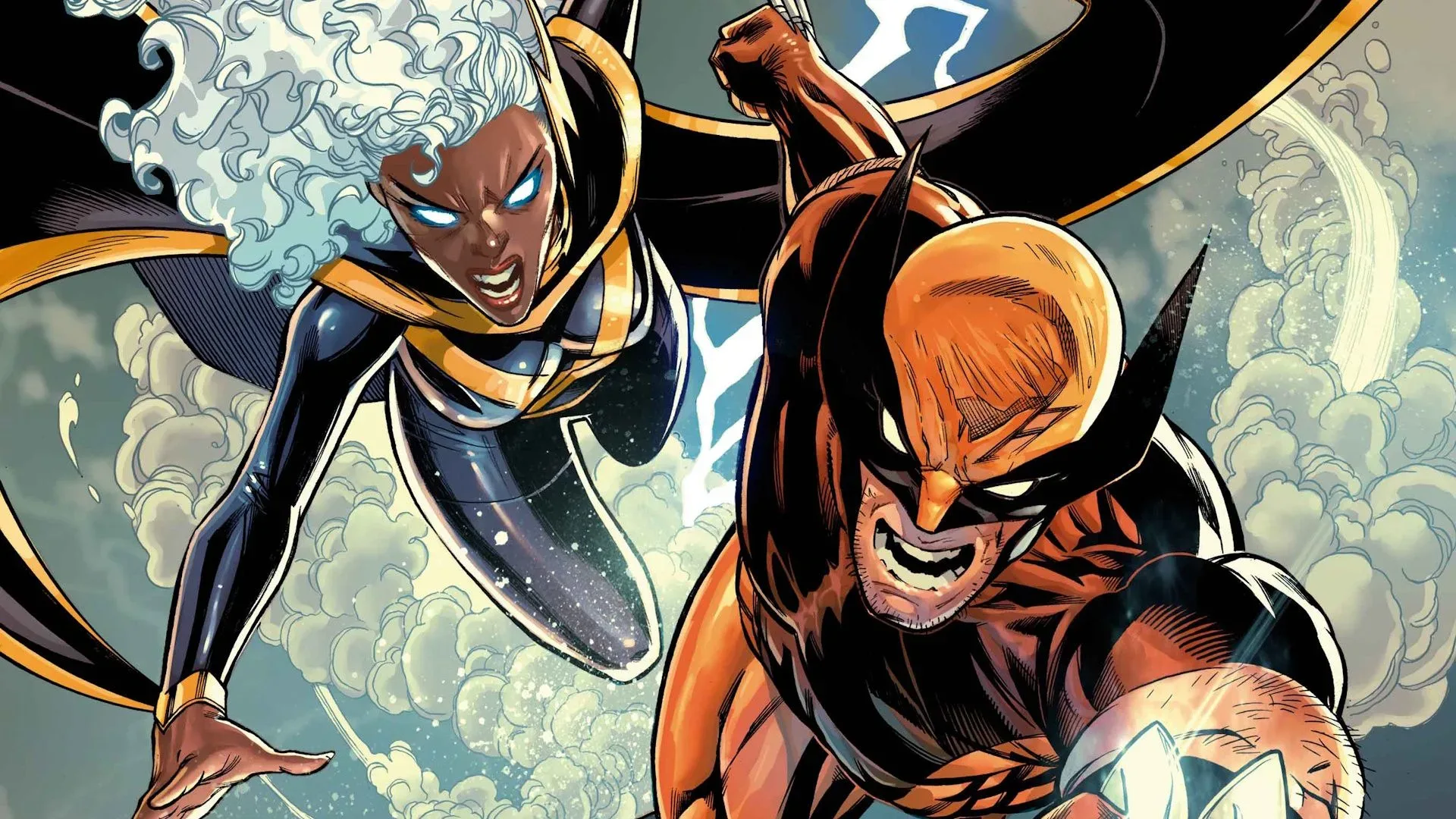
Readers interested in how Marvel is approaching similarly recognizable characters through altered circumstances may also want to read how Wolverine is being tested through a familiar character remix. David’s situation operates on a related principle, but with a far more direct dialogue with another property’s foundational imagery and themes.
What the Avengers implications could be
Promotional discussion around Avengers: Armageddon has emphasized a slow build involving a new Avengers direction, elements seeded through Captain America and Wolverine: Weapons of Armageddon, and Origin Boxes that could change how heroes are understood globally. The promise has been framed in unusually broad terms: an unprecedented force entering the Marvel Universe and a development intended to reconfigure the scale on which heroes operate.
David’s “Kimota” moment offers a plausible reason for that language. Again, it is not confirmation that every later Miracleman storyline—or every detail of Mike Moran’s origin—is being imported untouched. In fact, the differences around David’s service, consent and Origin Box suggest the opposite: a new construction rather than a simple transfer.
What is clear is that the plot is deliberately invoking a character whose legacy is inseparable from the costs of superhuman power. The visual and narrative echoes—dreams, nuclear fear, military secrecy, a lost or transformed self, then “Kimota”—are doing explanatory work before the full explanation arrives.
For now, the strongest reading is also the most cautious one. Avengers: Armageddon #4 appears to position David Colton at the threshold of a Miracleman-inspired identity. The precise mechanics, his memories, and the degree of continuity connection are still open questions. But if the story follows through on the themes it has put on the page, the looming conflict will not be only about whether David can wield enormous power. It will be about whether anyone, Avenger or otherwise, can safely decide how the world should change once that power is in their hands.