Major story spoilers for Marvel’s Wolverine follow, including its ending setup and post-credits implication.
Every long-running superhero character comes with a peculiar burden: people recognize the costume, powers and supporting cast, but they do not necessarily agree on which traits are non-negotiable. That tension is at the center of the reaction to Insomniac’s Marvel’s Wolverine. The game does not simply select a version of Logan from Marvel’s enormous pile of comics, films, animation and alternate timelines. It begins from a deliberately reworked foundation, then asks players to accept the consequences.
Its most striking decision is to build an X-Men-adjacent story without the X-Men’s usual framework. Logan, Sabretooth, Mystique and the telepath Nathanial Essex were members of Team X in this telling. That alone changes the emotional geometry. Characters frequently positioned as opponents in familiar Marvel stories share a formative history here, one that collapses after a catastrophic split within their mutant group.
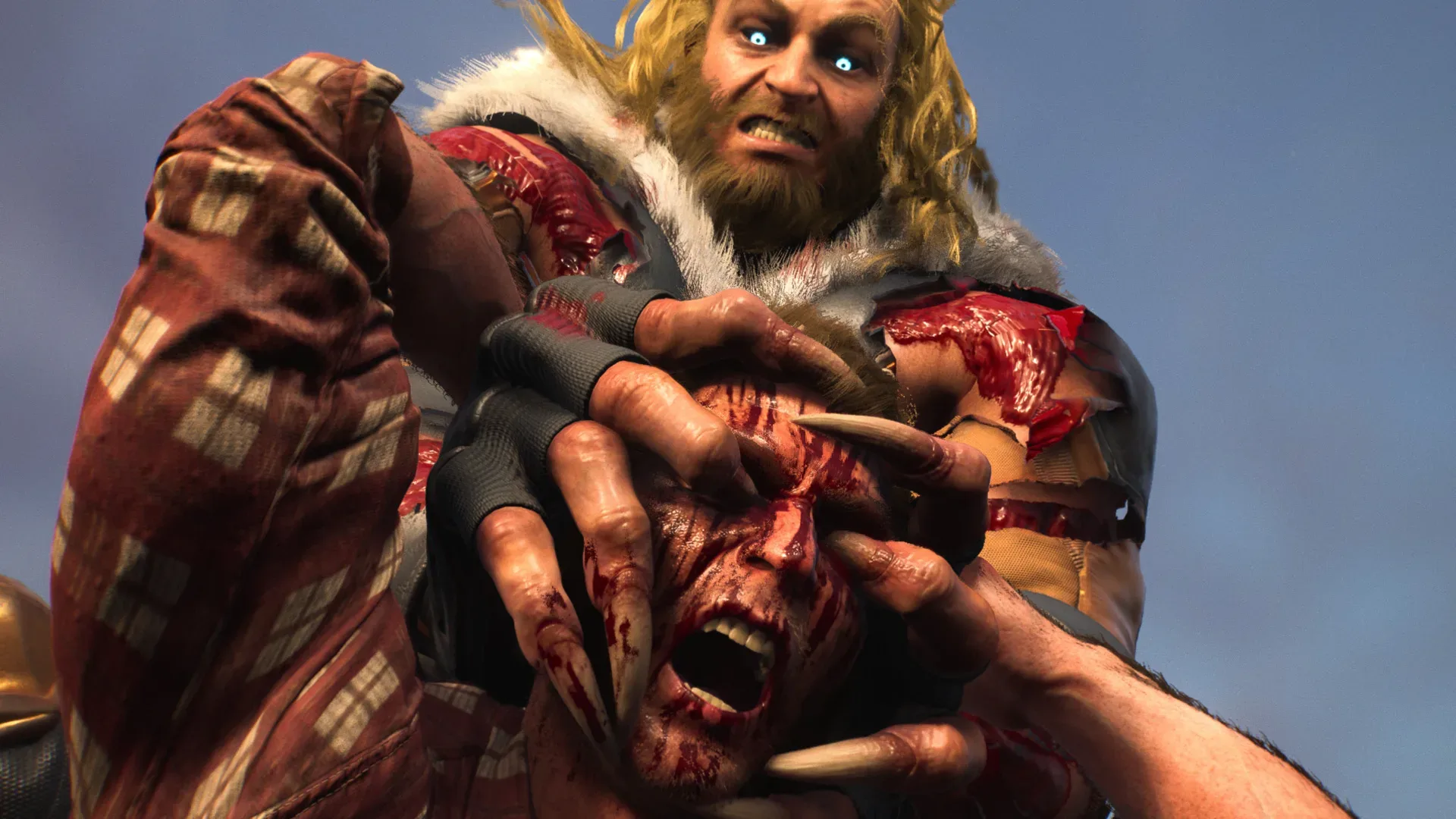
That does not mean the game abandons conflict. Logan and Sabretooth ultimately do face one another on a grand scale, while the post-credits scene points toward the rivalry escalating further if a sequel happens. But the road to that confrontation is fundamentally unlike the standard “eternal enemies from the start” setup. The game is not correcting continuity; it is treating continuity as raw material for a fresh arrangement.
That approach has generated two very different types of criticism. One is based on an invented reading of character dialogue. The other is a genuine debate over adaptation: when a new version changes the circumstances that made a character who they are, does it still retain what fans value about that character?
The Sabretooth dispute is not really about romance
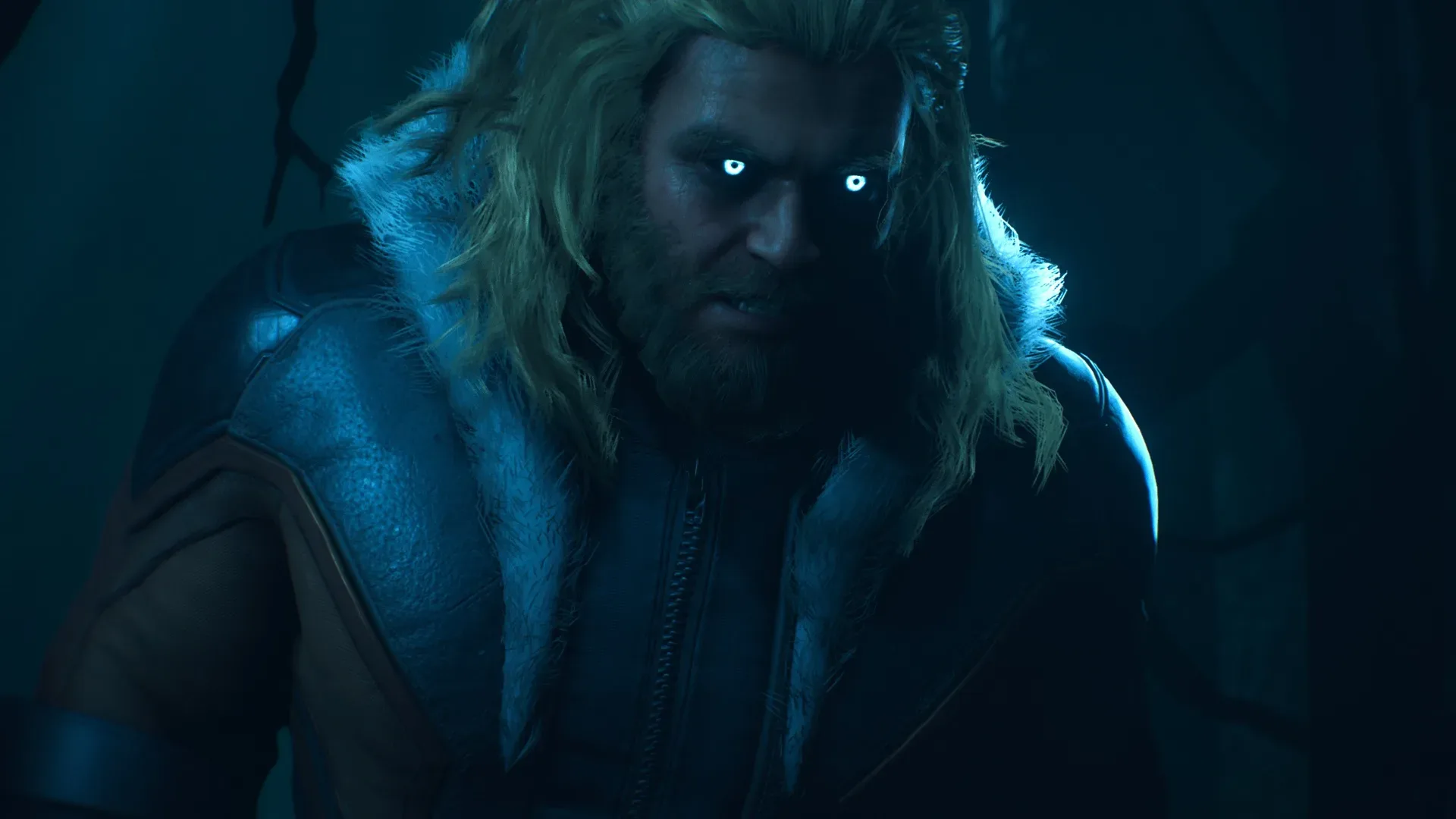
A portion of online reaction has framed the game as a romantic story between Logan and Sabretooth, largely by isolating comments about their sense of “yearning” after Team X breaks apart. That reading was directly denied by Insomniac community director James Stevenson. In the stated narrative context, the yearning concerns a fractured found-family relationship: Logan pulls away from that longing, while Sabretooth responds to the hurt by lashing out.
That distinction matters. Subtext is meaning audiences infer beyond literal dialogue; it can be useful when a work genuinely leaves room for multiple readings. But a reading becomes shaky when it ignores the supplied dramatic circumstances and treats one flexible word as proof of an entirely different plot. “Yearning” can describe grief, regret, belonging, lost comradeship or desire. It is not automatically romantic.
The line “That’s my Wolverine,” spoken by Sabretooth, has similarly been passed around as though it exists in a vacuum. In context, it follows a period in which the two have been estranged after Logan left Team X. Sabretooth is looking for evidence that their earlier bond is not wholly gone. The phrase can be possessive, aggressive and emotionally loaded without changing the story into a romance.
There is a broader practical lesson for players encountering viral clips. A short line, particularly one lifted from post-fight banter, cannot explain a relationship’s history, a scene’s stakes or the speakers’ motives. It may be funny as a meme, but it is poor evidence for an argument about narrative intent. Here, it also risks burying a much more interesting disagreement: whether making Logan and Sabretooth former allies is a compelling use of an alternate history.
Team X changes the characters before the game even starts
In adaptation talk, continuity means the established chain of events and relationships in a fictional universe. A reinterpretation keeps recognizable names, ideas or archetypes while changing elements of that chain. Comic books are especially comfortable with this process, whether through reboots, altered timelines or stories that refocus a character through a different genre lens.
Insomniac’s Team X is not a small continuity patch. It is a new social origin point for multiple figures who are often shaped by their positions around the X-Men, the Brotherhood of Mutants or other familiar Marvel institutions. If Logan, Sabretooth, Mystique and Essex began as comrades rather than as people formed on opposing sides, their loyalties, resentments and definitions of betrayal necessarily change.
The game also mixes concepts usually kept apart. Its post-credits tease suggests Sabretooth and the Horsemen of Apocalypse may intersect, despite Sabretooth never having joined the Horsemen in any continuity. That is the clearest illustration of the project’s method: take durable Marvel ingredients and combine them in a configuration that does not depend on reproducing the expected recipe.
Fans can reasonably find that exciting or alienating. A remix offers surprise precisely because it rejects the destination people know. Yet surprise alone is not the same as a satisfying characterization. The question is not whether a story has permission to alter lore—fiction does not need a permission slip—but whether the changes establish a persuasive cause and effect. Do these new lives produce behavior that feels emotionally coherent? Does the new history illuminate a trait, or does it merely use a famous name as shortcut recognition?
That is why the complaint that these people feel like they have had “completely different lives” is both accurate and incomplete. They have had completely different lives in this version. The more useful next question is whether the game gives those lives enough weight for its versions of the characters to stand on their own.
Jean Grey is where the cost of the remix is clearest
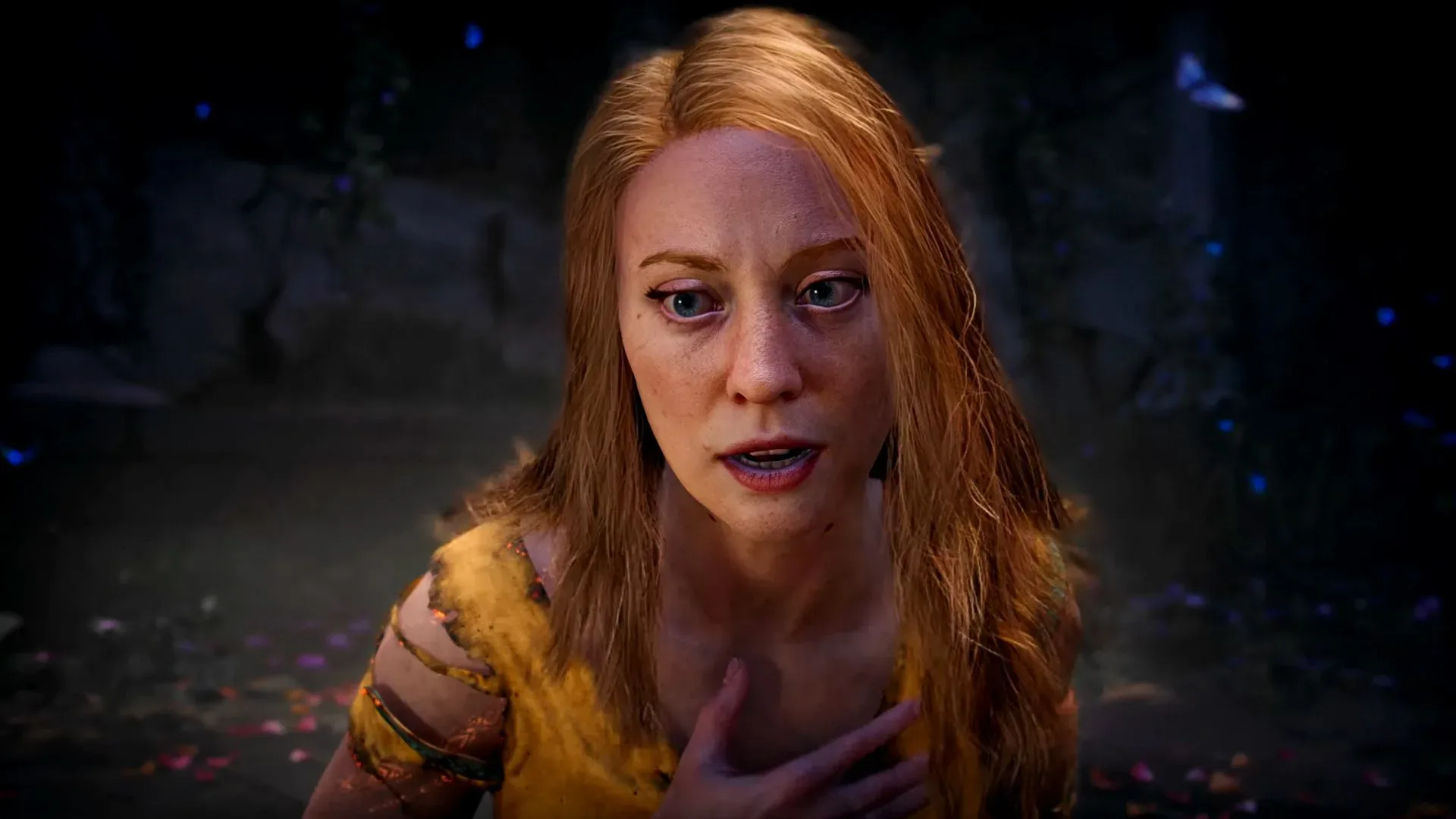
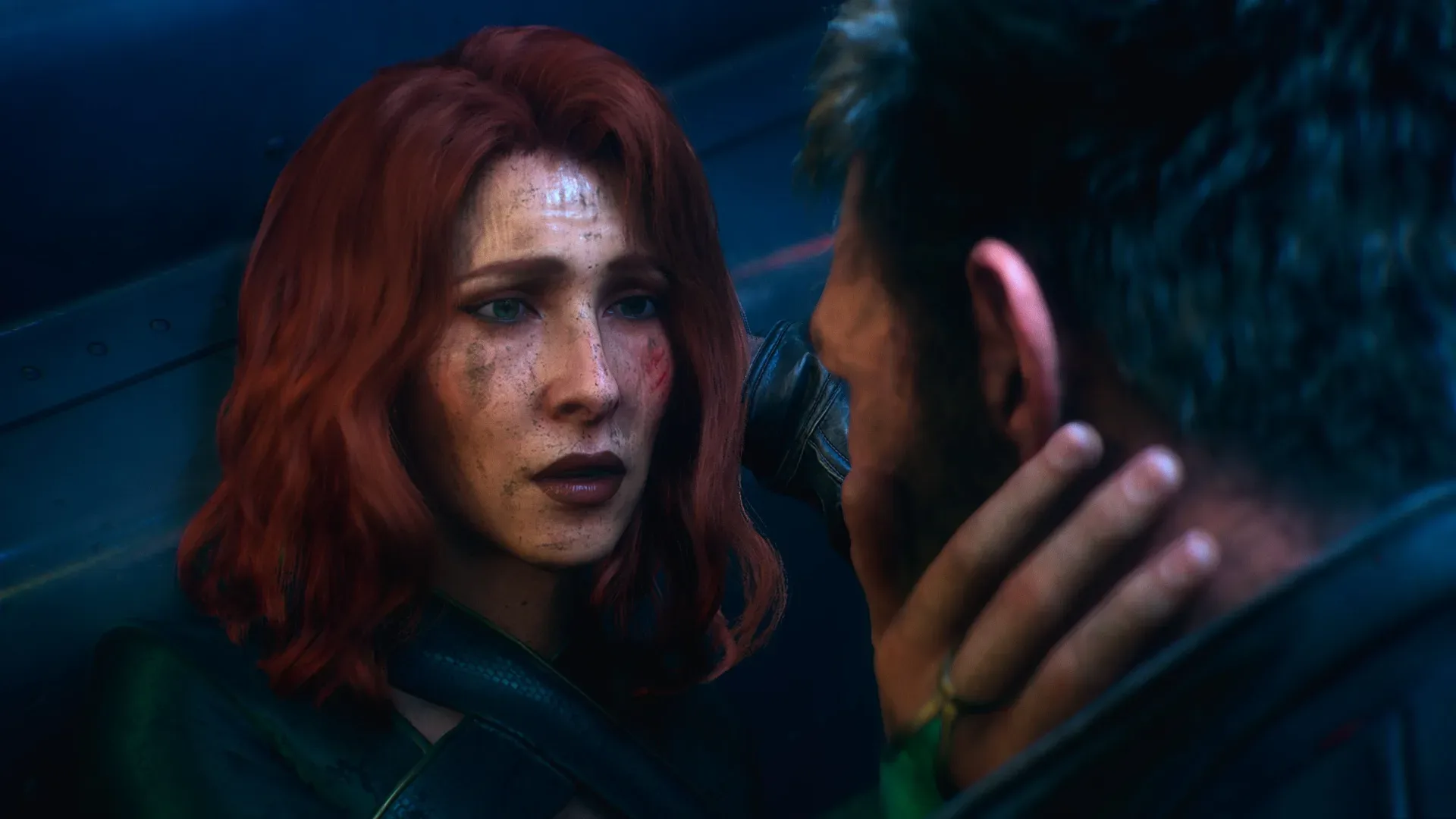
Jean Grey has become one of the game’s most contentious reinterpretations. In many X-Men stories, her relationship with Logan is complicated by Scott Summers, creating a well-known romantic tension among the three. Since Insomniac’s story does not use the conventional X-Men setup, Jean and Scott never meet. Logan and Jean therefore occupy a more straightforward romantic position.
But the game does not stop at removing Scott from the equation. Logan’s immortality and Jean’s repeated rebirths allow their relationship to span centuries. In one of Jean’s lives, Logan is manipulated into killing her. The act contributes to his eventual madness, before memories of that past life are erased.
It is an intentionally melodramatic tragic-romance premise, and there is no requirement that Jean’s stories always follow the same pattern. Still, the criticism from Jean fans is more substantial than a blanket objection to change. Their concern is about narrative agency: whether a character drives consequential choices and has a rich dramatic purpose of her own, rather than primarily functioning as a wound in someone else’s backstory.
When Jean’s rebirth, death and enormous Phoenix-associated significance are organized mostly around explaining Logan’s anguish, the story invites the charge that it has reduced her. A character can be part of a romance and retain agency; tragic relationships are not automatically diminishing. The problem arises if the plot consistently gives one person interiority, decisions and transformation while assigning the other the job of inspiring grief, guilt or rage.
That is also why “different” and “worse” should not be treated as synonyms. A version can discard a familiar relationship dynamic and still make a persuasive case for the replacement. Conversely, a version can retain costumes, codenames and superpowers while losing the dramatic ideas that made a character resonate. The strongest criticism of this Jean Grey is not that she differs from prior versions, but that the story appears to place her exceptional mythic weight in service of Logan’s pain.
What Wolverine’s softer side still tells us about Logan
Logan is also under scrutiny, though the game gives its changes an explicit rationale. His memories have been erased. He was effectively raised within Team X. And his famous rage surfaces mainly as those memories return. This version further identifies him as Apocalypse’s Horseman of Death long before he met Essex and the rest of the Team X group, giving his violence a revised origin.
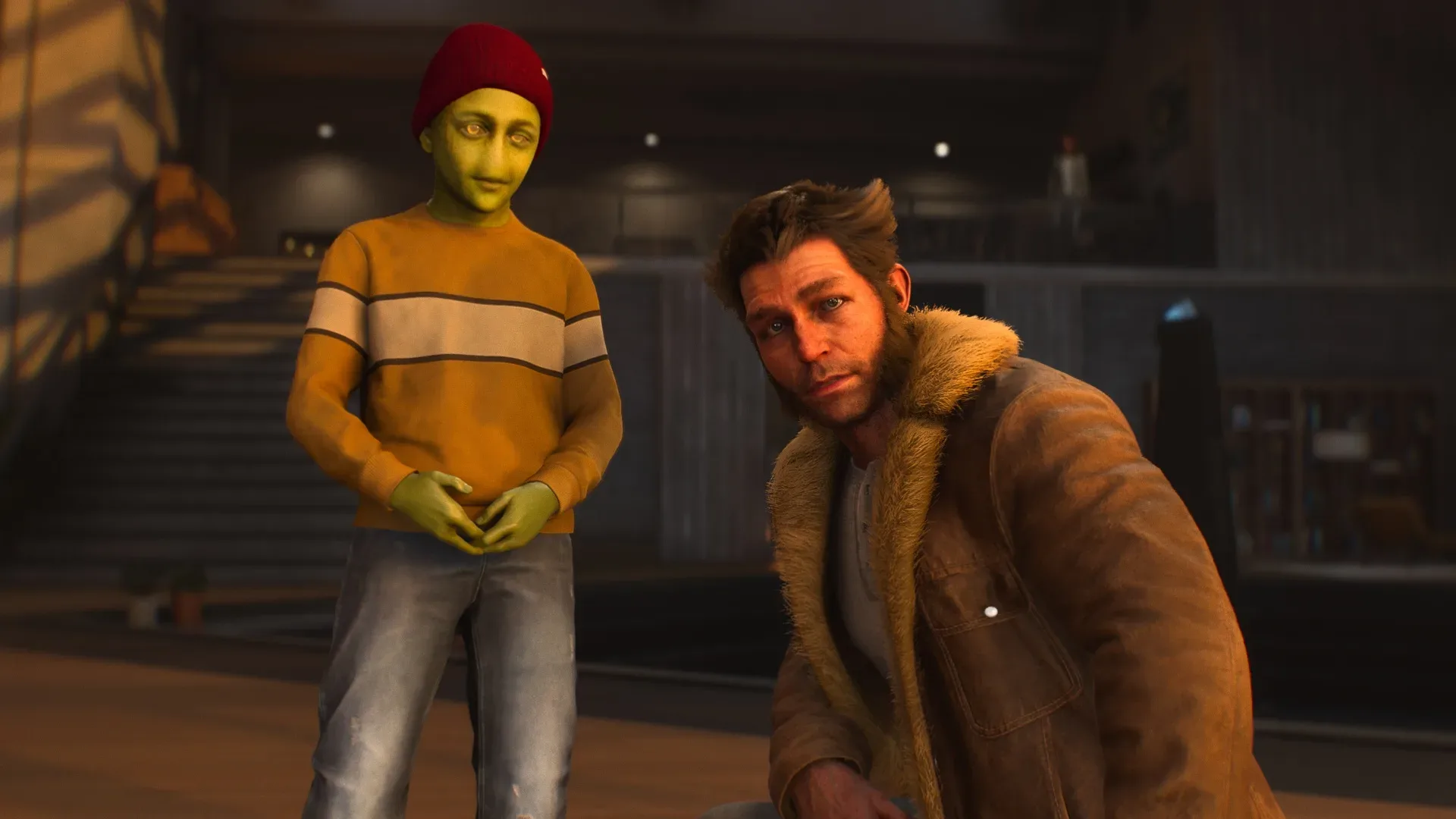
Those are large alterations, but the game retains one especially important piece of Logan’s familiar dramatic balance: his gentleness toward younger characters, including Leech. This is not a contradiction to Wolverine’s brutality. It is the counterweight that makes the brutality meaningful.
The useful shorthand is the “monster with a heart of gold” archetype, but it deserves more precision than the phrase usually gets. Logan’s kindness is not merely a surprise button a writer presses to prove that he is secretly nice. His guardedness, violence and capacity to mentor or protect vulnerable people create a duality. Remove all warmth, and he can flatten into an efficient killing machine. Remove the anger and isolation, and he stops feeling like Wolverine.
Past versions have expressed that balance through his connections with younger mutants such as Kitty Pride and Laura, and through relationships with Rogue and Laura in films. Insomniac does not need to copy those exact bonds to preserve the underlying function. Leech gives its Logan an opportunity to show that the claws and temper are not the entire person. That continuity of emotional function may matter more than whether every biographical detail matches another medium.
Fidelity is about more than matching a wiki
Arguments about “respecting the source” often become unproductive because the phrase can mean several incompatible things. Some people mean visual fidelity: the hero should look and sound recognizably like the version they love. Others mean lore fidelity: major relationships and chronology should stay intact. Others mean thematic fidelity: even with an altered backstory, a character should preserve their fundamental conflicts and moral tensions.
Adaptation fidelity, then, is not a single sliding scale. A game can be highly faithful in one dimension and wildly revisionist in another. Marvel’s Wolverine seems to pursue thematic fragments of recognizable characters while being far less faithful to their standard histories. Logan’s protective side survives, for example, even as Team X, erased memories and the Horseman of Death history reshape much of his life. The game plainly wants its Sabretooth rivalry, but it reframes the rivalry as the painful collapse of a former alliance.
Whether that trade works will depend on which dimension a player considers essential. For someone whose attachment is rooted in the classic X-Men ecosystem, removing that structure may feel like removing the soil from the roots. For someone drawn most to Logan’s internal conflict, the revised biography may be acceptable if the game earns his fury, guilt and reluctant compassion.
It is worth separating that disagreement from reflexive outrage over an imaginary romance. The former asks serious questions about character construction, representation and the responsibility of an adaptation using beloved Marvel names. The latter takes a contextual relationship of loss and turns it into a claim the available information does not support.
A risky approach that makes the next story matter more
The post-credits tease leaves this experiment in an interesting position. If a sequel develops the bigger Sabretooth conflict and its apparent Apocalypse connection, it will have to show why these unusual combinations are more than novelty. The first game can establish that its characters’ pasts differ. A follow-up would need to demonstrate the dramatic payoff unique to those differences.
That is the real standard a remix should meet. Not “does every event resemble the version I first encountered?” and not “is any deviation automatically disrespect?” Instead: has the new arrangement found something that only this arrangement can say?
It is a question that reaches beyond Marvel. Big-budget games frequently rely on familiar worlds because familiarity lowers the barrier to entry, while fresh storytelling requires room for creators to make choices that are not pre-approved by nostalgia. The tension between spectacle, recognizable intellectual property and genuinely new ideas is also at the heart of the wider discussion around AAA games and creative risk.
Insomniac’s Wolverine interpretation is not asking fans to forget the versions that came before. It is asking them to evaluate a parallel construction of these mutants. That construction preserves some key emotional notes, radically relocates others, and exposes a meaningful fault line in the process—particularly in what it asks Jean Grey to be for Logan’s story. The result may be divisive, but the division is most revealing when it is about character agency, thematic identity and earned emotional logic rather than a decontextualized line of dialogue.