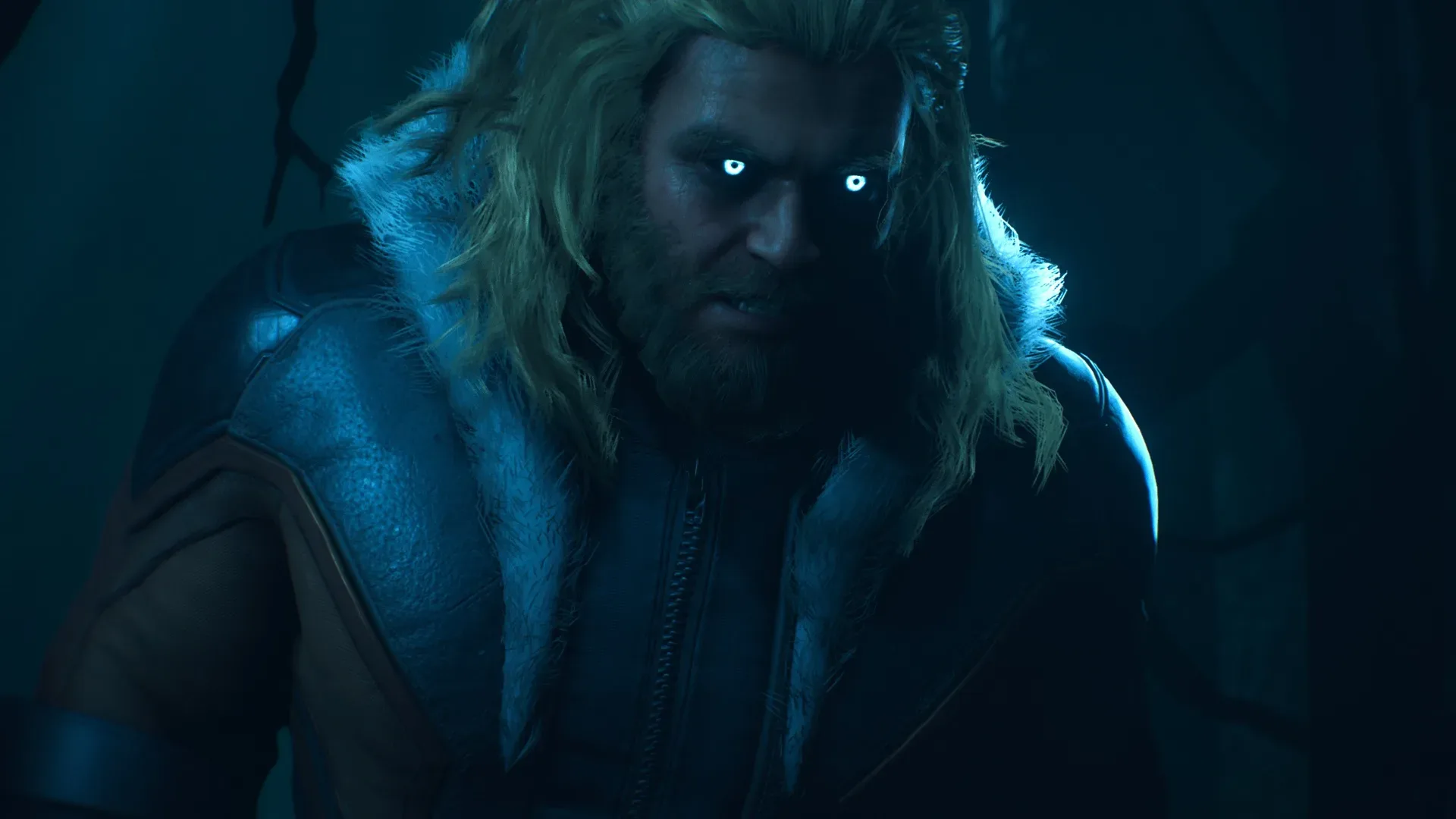
Major spoilers for Marvel’s Wolverine follow, including both post-credits scenes.
Marvel’s Wolverine does not send Logan quietly into the night once its main story ends. Instead, the game saves two crucial pieces of lore for after the credits: one is a clear warning about a familiar X-Men threat getting closer, while the other turns back the clock to expose the emotional history behind Logan and Jean’s connection.
They are very different stingers, but together they make the same point. Logan’s life has been shaped by far more than the memories he can currently access, and the forces that took those memories from him have not gone away. Sabretooth is still moving under Apocalypse’s influence, an intact Helix Engine may be waiting to cause another mutant catastrophe, and Jean represents a remarkably deep part of Logan’s past that he can no longer properly remember.
That leaves Marvel’s Wolverine with plenty of room for another chapter without confirming that one is in development. Here is what both scenes establish, what they borrow from long-running X-Men ideas, and why Logan’s fresh memory loss is such a consequential ending.
How to see both Marvel’s Wolverine post-credits scenes
There are two scenes after the credits, but they do not have the same unlock conditions.
- First post-credits scene: This scene is available to everyone who reaches the end of the game.
- Second post-credits scene: Players must finish the game and earn at least a bronze rank in every Nightmare Door trial.
The distinction matters because the first scene primarily plants a future danger, whereas the Nightmare Door reward provides vital context for Logan and Jean. Players who only see the standard scene still get the big villain tease, but they miss much of the personal history that explains why Jean has such a singular place in Logan’s life.
It is also a smart split in emphasis. The regular ending points outward, toward what could threaten the world next. The additional scene looks inward, toward the old wounds and fractured recollections that define this version of Wolverine.
Sabretooth finds another Helix Engine
The first stinger follows Sabretooth as he discovers what appears to be another Helix Engine. The technology has already been central to the game’s events because it can awaken dormant mutants. One Engine was rebuilt and used over the course of the story, but this newly uncovered device seems to be intact.
That immediately raises the stakes. A functioning Helix Engine is not merely a discarded bit of super-science for the collection shelf; it is a tool with the potential to activate mutants who have not yet manifested. If the game’s earlier Engine was dangerous even after needing reconstruction, an untouched one suggests a new and potentially more immediate source of power.
Sabretooth does not arrive at it by accident. He has been following the voice of Apocalypse, which has lingered in his mind since he used a Helix Engine himself. That detail positions him as more than a rival with claws and a grudge. In this story, he looks to be a person being guided, tempted, or controlled by a much larger presence.
For a character like Sabretooth, who is already a natural dark reflection of Logan, that setup has obvious dramatic potential. Wolverine has struggled with a past he cannot fully grasp and an identity damaged by outside interference. Sabretooth now appears entangled with an ancient voice that may be steering him toward an even wider mutant agenda. One man is trying to piece himself back together; the other may be helping to bring something catastrophic into the present.
Why Apocalypse matters so much
Apocalypse, also known as En Sabah Nur, is among the oldest and most formidable recurring enemies in X-Men fiction. This version of the mythology identifies him as being born in Egypt centuries before the heroes encountered in Marvel’s Wolverine. He has long been regarded as one of the earliest mutants, and his abilities place him in the upper tier of Marvel threats.
His powers include extraordinary physical strength, immense psychic capability, and the ability to alter his own molecular structure. Those traits are important not simply because they make him powerful in a fight. Apocalypse is often frightening because he can change the rules around him: he can reshape himself, transform others, and turn personal weakness or trauma into a weapon.
His voice is heard throughout Wolverine, even if the main game does not pause to provide a complete history lesson on who he is. The post-credits scene makes the implication much clearer. Apocalypse is not just a strange echo left over from the Helix Engine plot. He remains a conscious influence, and Sabretooth’s discovery of a second intact machine gives that influence an obvious avenue to become more dangerous.
There is no formal sequel announcement embedded in the scene, and it would be premature to treat the stinger as confirmation of a second game. But as sequel bait goes, it is unusually direct: an ancient villain has a servant or follower in the field, that follower has located powerful mutant-activating technology, and the hero at the center of the story has just lost much of his understanding of himself.
The Four Horsemen connection
Apocalypse is traditionally associated with four Horsemen, a group modeled after the end-times figures linked to Famine, Death, War, and Pestilence. The identities of the Horsemen have changed repeatedly across X-Men stories and adaptations. That flexibility is part of the appeal: the concept can transform allies, enemies, and victims into agents of Apocalypse’s worldview.
Marvel’s Wolverine strongly suggests Sabretooth is one of the Horsemen in its continuity. The other three have not been identified, so their roles remain entirely open. They could be established X-Men figures, unexpected Marvel characters, or people created specifically for this interpretation of the setting.
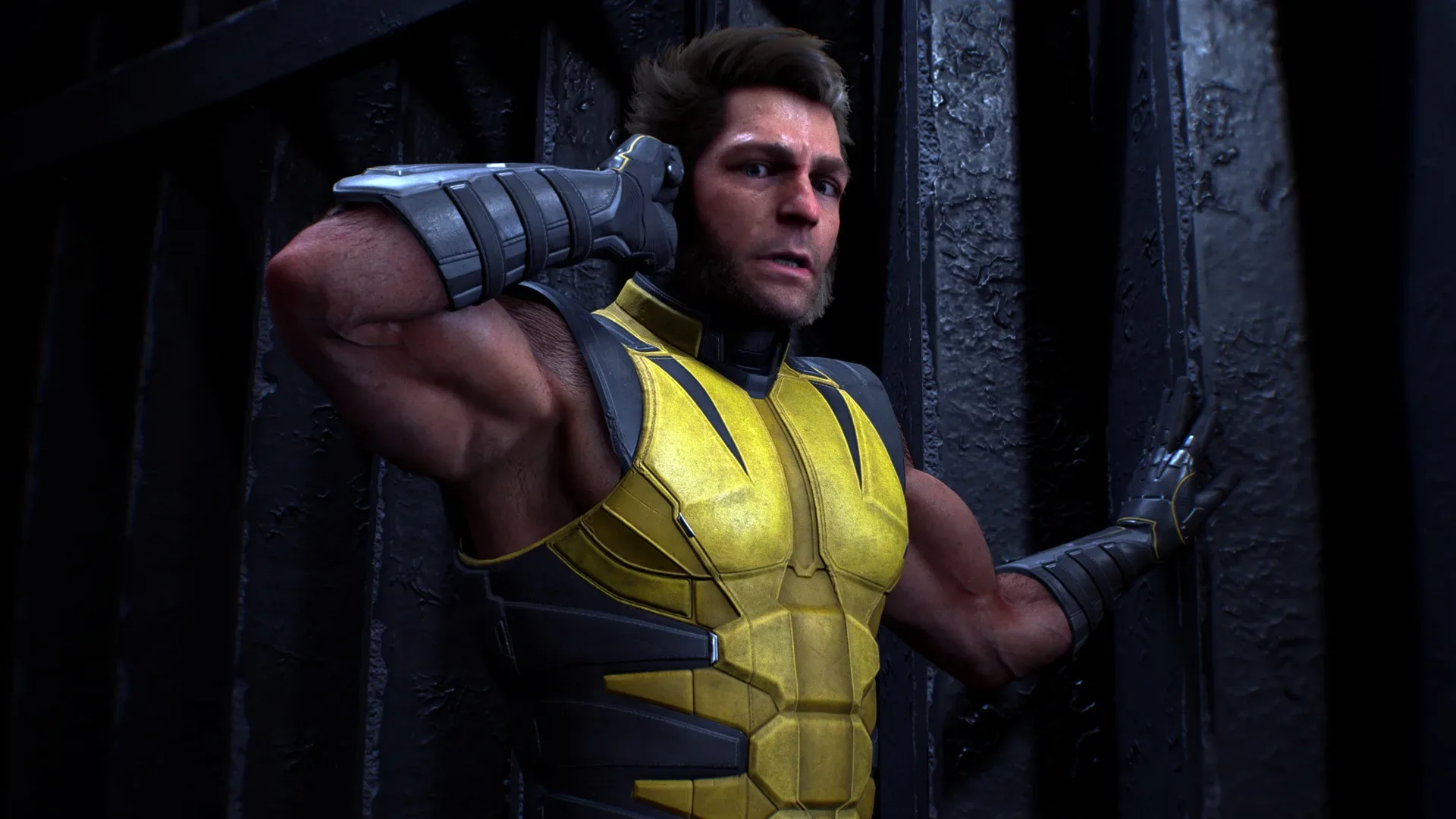
Logan’s personal tie to the Horsemen makes that tease much more than a broad Apocalypse reference. At one point in his long life, he was the Horseman of Death. As the game progresses, he recovers memories connected to that period. He comes close to taking up the mantle again, but Jean removes Apocalypse’s influence from his mind by burning it away. The cost is severe: much of Logan’s other memory goes with it.
That exchange defines the tragedy at the story’s center. Jean saves Logan from being claimed by Death again, but cannot preserve all the experiences that made him Logan in the process. The outcome may have stopped an immediate horror, yet it also strands him in a present where vital parts of his past, relationships, and identity are out of reach.
Sabretooth’s apparent Horseman status sharpens the contrast. Logan escapes Apocalypse’s grip, though damaged by the escape. Sabretooth seems to be moving further into it. If the Horsemen are assembled in a future story, the rivalry between the two could become a conflict over more than who is stronger or more savage. It could also become a struggle over whether Logan can resist the role he once held.
The Nightmare Door scene reveals Jean and Logan’s history
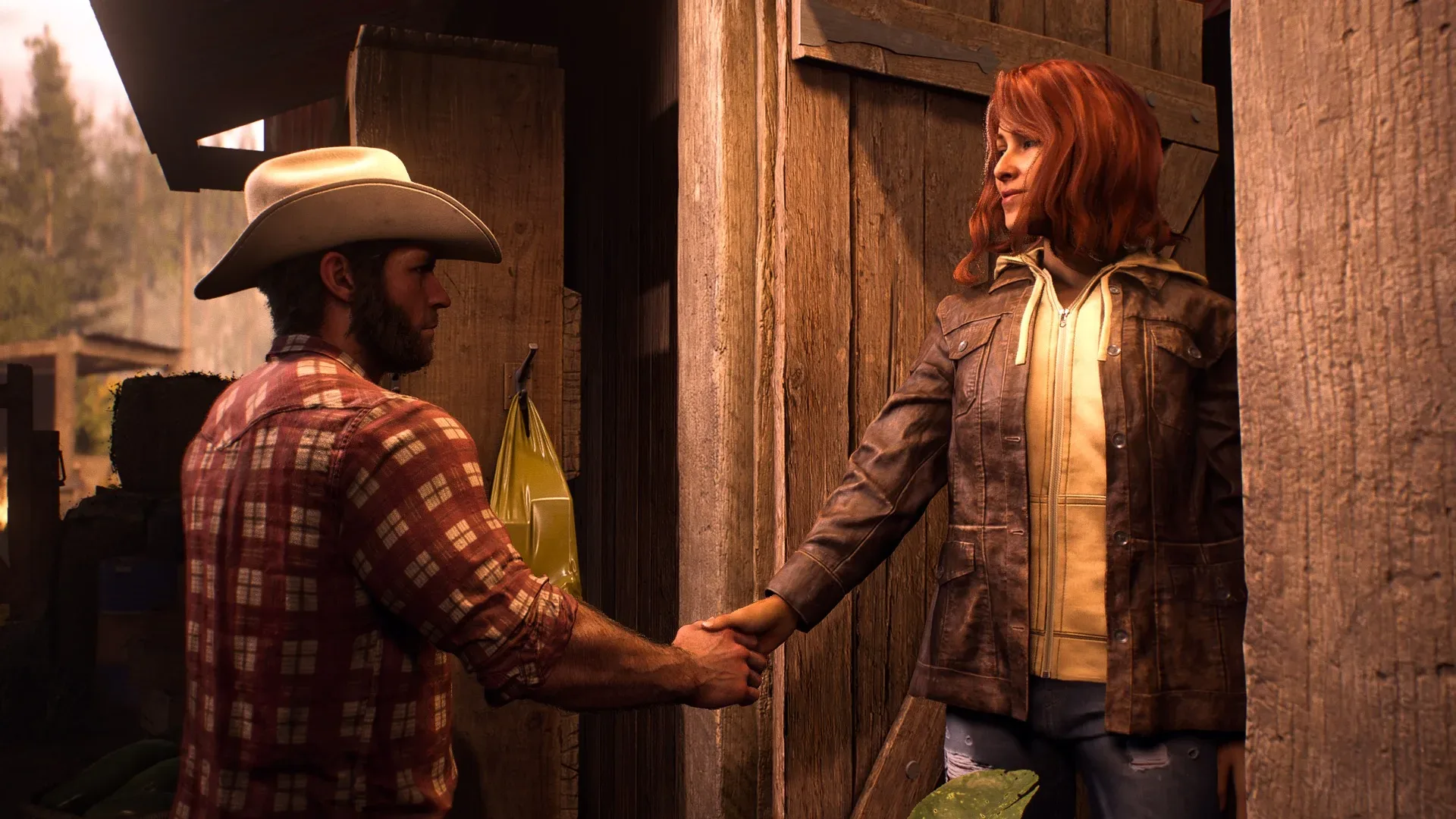
The second post-credits scene takes place 75 years before the main story. Logan walks through the farm where he and Jean once lived, creating a quieter and more intimate counterpoint to Sabretooth’s discovery.
Jean tells the fuller account of how she and Logan first met, and how she initially burned Death out of his mind. The scene establishes that their bond extends far beyond a conventional romance or a brief partnership between fellow heroes. Jean has died and returned multiple times in a phoenix-like cycle, and across those many lives she and Logan have repeatedly found one another again.
That premise makes their farm memory especially affecting. Their time in the cabin is not framed as another bit of background trivia from Logan’s long biography. It is presented as one of the scarce moments of happiness remaining from their shared history. The image of the two entering the cabin together carries more weight precisely because so much loss, rebirth, violence, and memory damage surrounds it.
Jean’s phoenix-like returns are also a meaningful reworking of a familiar X-Men idea. Rather than treating her history as a simple resurrection gimmick, Marvel’s Wolverine uses it to establish an almost mythic timescale for her relationship with Logan. They are people who have survived eras, lost each other, and encountered each other anew. The connection persists even when ordinary continuity, mortality, and recollection do not.
What Logan’s ending means
By the close of Marvel’s Wolverine, Logan has had his memory wiped. He leaves Jean and her friends because he needs to search for himself, with the hope of recovering at least some part of who he was.
That ending does not erase what players learned. The post-credits scenes make sure of that. The audience knows that Logan has been Death, that Apocalypse left a profound mark on him, that Jean saved him at tremendous personal cost, and that their lives have intersected for centuries. Logan, however, cannot hold that complete story in his own mind.
It is a particularly fitting place to leave Wolverine. His most enduring conflicts are often physical, but they are also about memory: what was done to him, what he did while under someone else’s control, and whether a person can choose a better path after living through unimaginable violence. Here, the answers are not settled. He has been freed from Apocalypse’s direct influence, but the price is a fractured self and a road away from the people who know him best.
Meanwhile, Sabretooth’s intact Helix Engine gives the Apocalypse plot a tangible next step. Whether that thread ultimately leads to more Horsemen, newly activated mutants, or another confrontation with Logan remains uncertain. What is clear is that the credits do not merely add a couple of Marvel-style winks. They put the game’s central themes—identity, survival, transformation, and the pull of a terrible past—into sharper focus.
For more stories about the wider entertainment world, visit Joking Joystick’s pop-culture coverage.