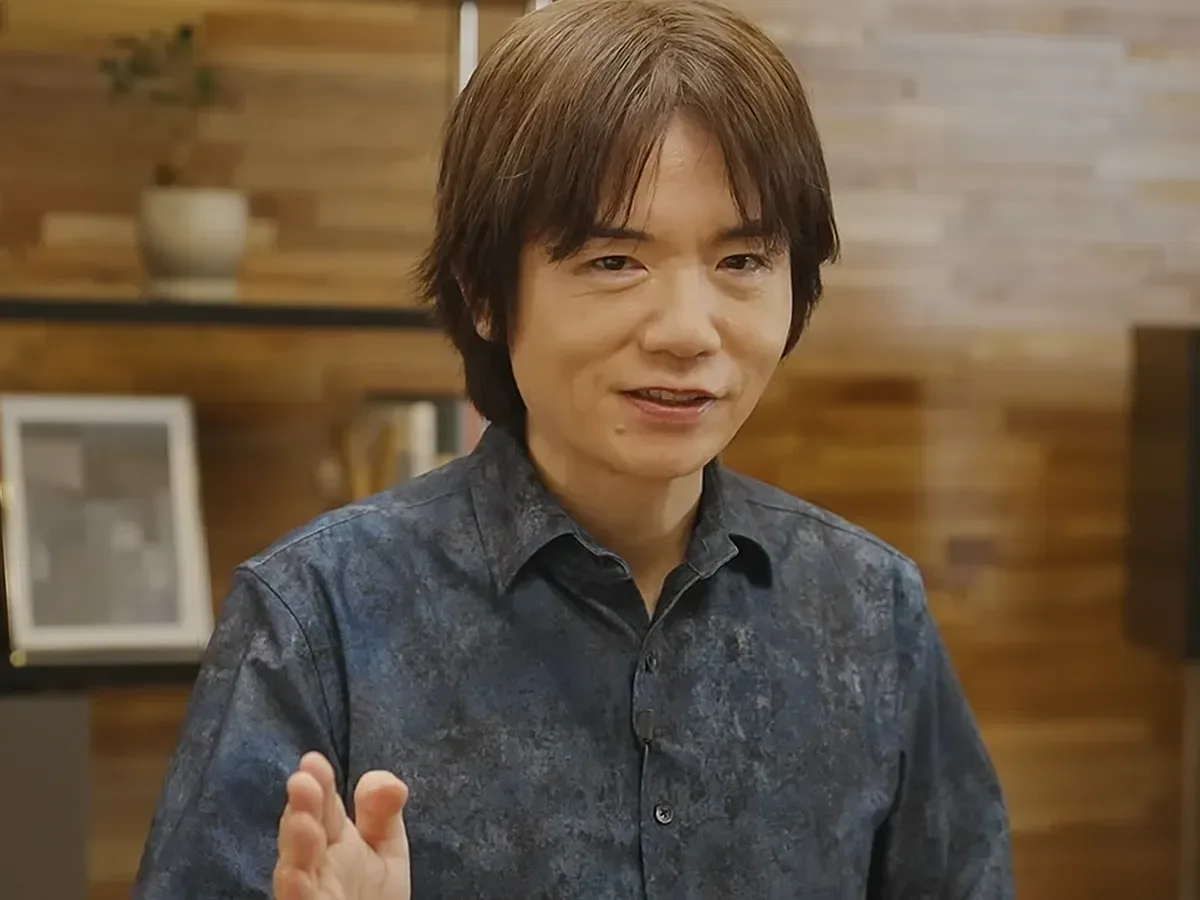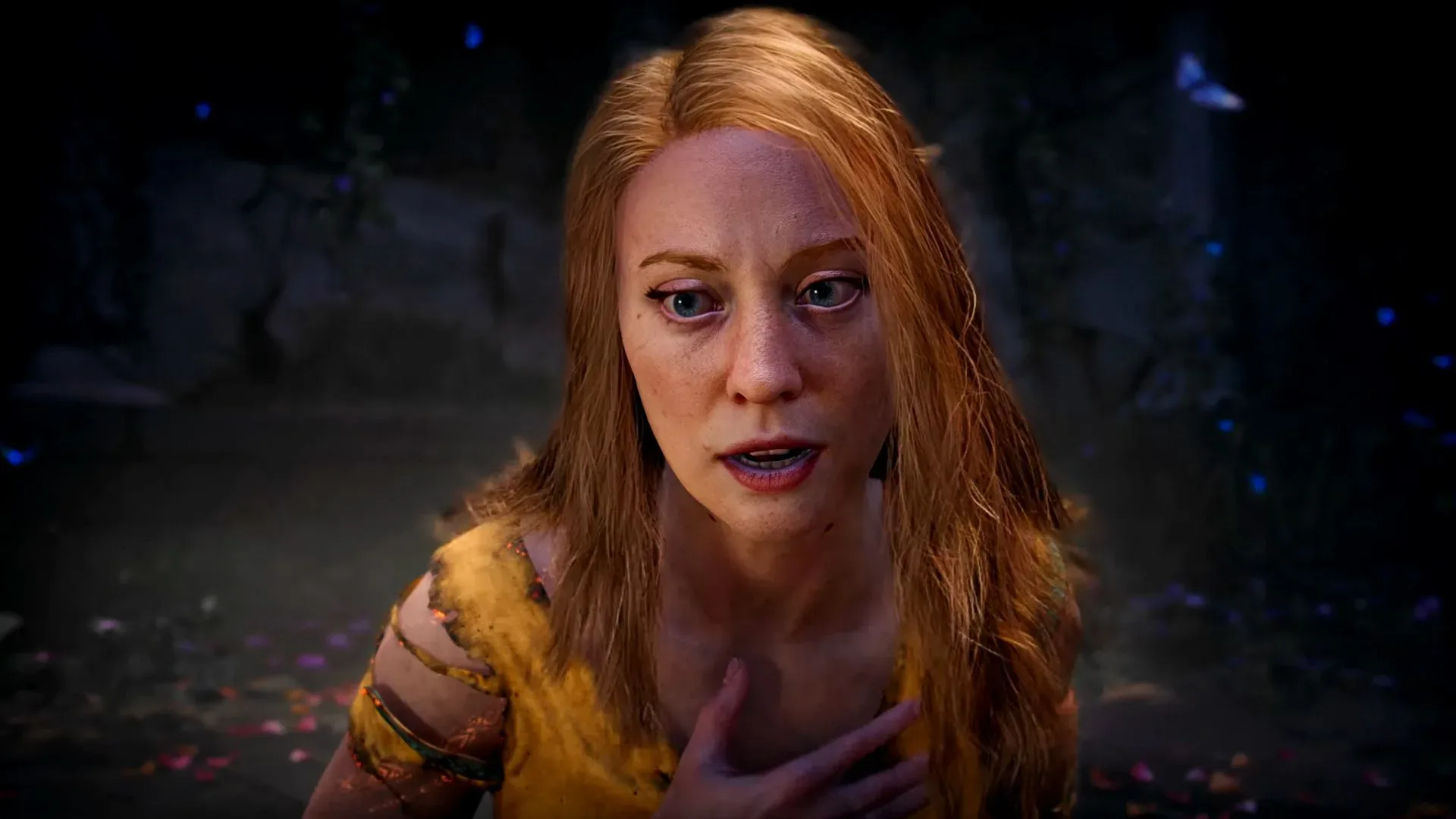
Bruce Straley’s criticism of AAA games is not a dismissal of the people making them, nor is it a claim that big-budget work lacks craft. It is almost the reverse: the former director associated with The Last of Us and Uncharted 4 says the visual accomplishment can be so immense that it throws a tougher question into relief. Once every frame looks extraordinary, what does the player actually get to do?
Straley’s answer is blunt. He says the “verbs and experiences” being delivered in the AAA space have become “boring,” arguing that the format offers too little room to introduce genuinely fresh ideas. That is a meaningful choice of language. In game-design terms, verbs are the core actions a player repeatedly performs: moving, observing, fighting, climbing, talking, solving, building, sneaking, or otherwise interacting with a game’s systems. They are not just button prompts. They shape the rhythm, personality and possibilities of play.
His point, then, is not simply that big games are too long, too cinematic, or too graphically ambitious. It is that a game can be a remarkable technical production and still feel familiar at the level of moment-to-moment interaction. For players, it is a useful distinction: being impressed by presentation and being excited by participation are related reactions, but they are not the same reaction.
Admiration for the frame, skepticism about the play
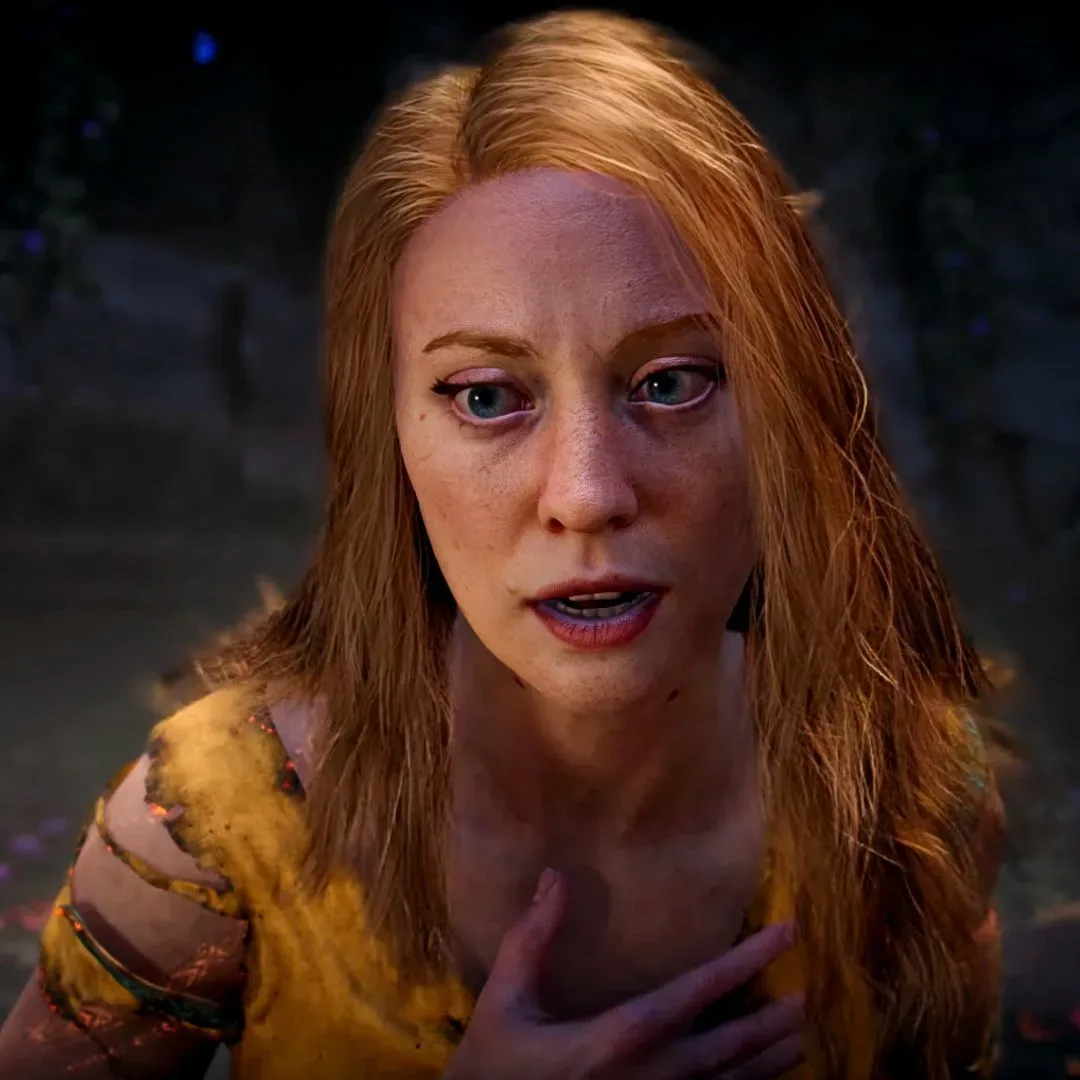
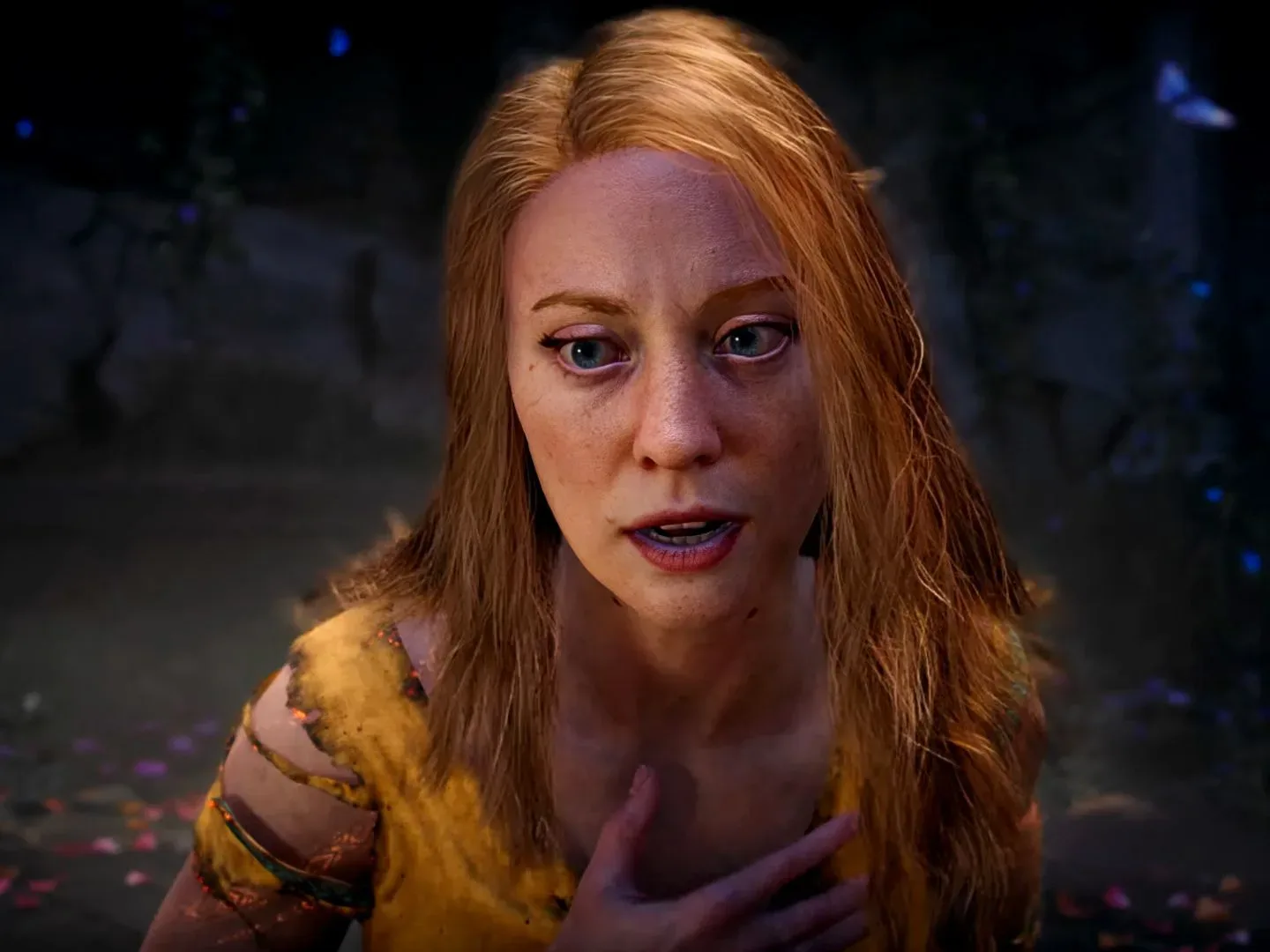
Straley used God of War Laufey as an example of that divide. He praised what he sees as extraordinary work in its imagery, describing the skill and labor invested in each frame as mind-blowing. He also stressed that his lack of excitement is not meant as an attack on the team behind it.
But his criticism lands after the compliment. When he considers what the player is doing in the game, he says he is not excited. That framing matters because it avoids a simplistic “graphics bad, smaller games good” argument. Straley plainly values the artistry of costly production. His concern is that visual refinement can become the most legible measure of ambition, while novel interaction has fewer chances to survive inside the same enormous production structure.
That is an analysis of incentives as much as aesthetics. A large game can demand a vast amount of coordination: detailed environments, animation, performances, effects, interface work and all the other elements needed to make a world feel polished. None of that automatically prevents original design. Yet Straley’s view is that, across AAA development, the room to take creative risks with the actual experience is constrained.
There is a difference between a game having a new setting, a more elaborate story, or better-looking combat, and a game giving its player an unfamiliar relationship to its world. The former changes the surface and scale of an established approach. The latter changes the experience itself. Straley is arguing that AAA games too often prioritize the former.
What “AAA” and “AA” mean in this conversation
AAA is an informal label, not a fixed technical classification. It generally refers to games built with the highest level of resources and production expectations: large teams, premium visual presentation and broad commercial ambitions. It does not identify a genre or guarantee a particular quality level. It describes the scale and expectations around a project more than the game’s creative value.
Related coverage includes Bruce Straley Says AAA Games Need More Room for Fresh Ideas.
Straley’s comments instead point toward what is often called the AA space: projects that sit below the largest productions in scale but can still be polished, substantial and commercially minded. The useful promise of that middle ground is not modesty for its own sake. It is focus. A smaller project may be better positioned to organize itself around one unusual character, a specific mood, a peculiar pace, or a less conventional set of player actions rather than trying to satisfy every blockbuster expectation at once.
That does not mean a smaller budget magically makes a game inventive. Small projects can repeat familiar patterns too, while major studios can certainly make surprising work. The practical implication of Straley’s argument is narrower: when a project does not have to justify itself primarily through overwhelming scale, its developers may have more freedom to make a specific, strange or deliberately unheroic idea central rather than optional.
Players can see why this distinction has appeal. A game need not be trying to outdo the biggest releases in visual density to offer something memorable. Its hook can be its perspective, atmosphere and verbs: a new way of moving through a place, a different reason to care about an object, or a protagonist who does not fit the standard fantasy of saving everyone with ever-larger weapons.
Wildflower Interactive’s answer is a witch, not a blockbuster hero
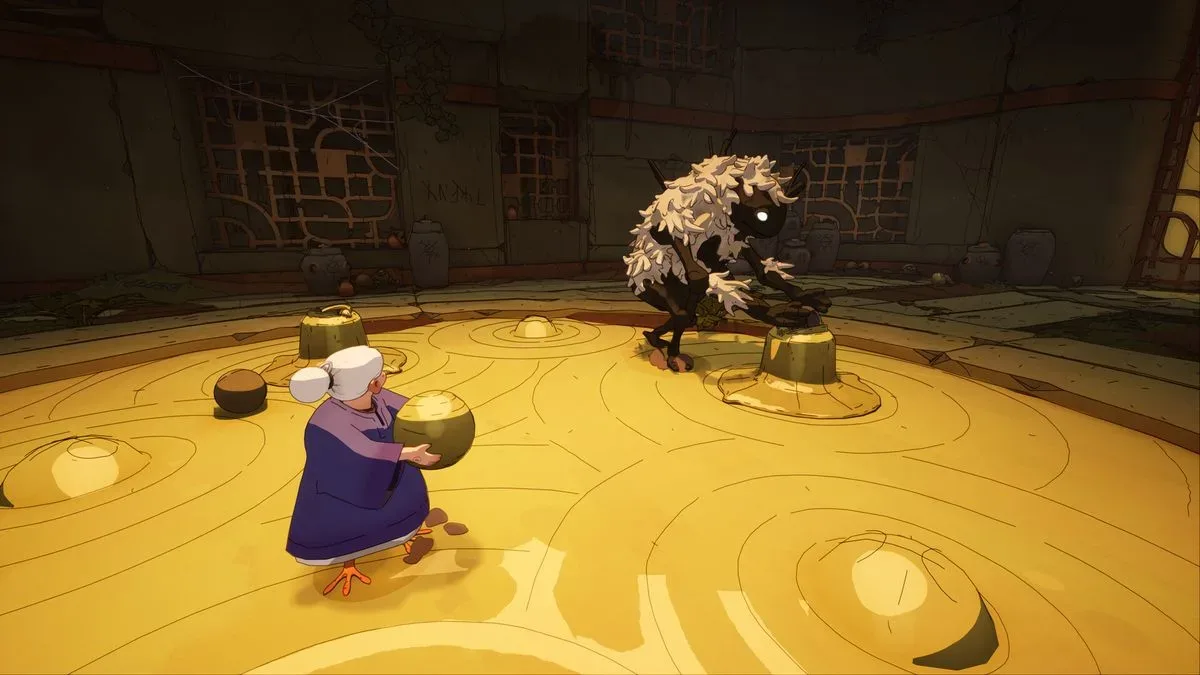
Straley now leads Wildflower Interactive, a studio that describes its own goal as making “small-ish,” creatively charged and distinctly stylized games. Its debut, Coven of the Chicken Foot, gives a concrete shape to the design preference behind his criticism.
The game follows an old witch with chicken feet after heroes have left her land. In the wake of their adventure, the forests are littered with discarded shields and cleaned skeletons, and she has the place to herself alongside a hairy, otherworldly companion. It is a deliberately sideways premise. The setup does not cast the player as the conventionally attractive savior at the center of a monumental conflict. Instead, it looks at the aftermath from the point of view of someone who would normally be background color, a folkloric obstacle or a monster in somebody else’s quest.
That shift in viewpoint is more than a joke about fantasy-game leftovers. It changes the emotional contract proposed by the game. The supplied description emphasizes that the player moves slowly through a semi-open world, does not play the hero and will not be sent on a hunt for an iconic super-weapon. Those details suggest an experience designed around inhabiting a peculiar place rather than escalating toward the expected symbols of power.
Semi-open world is also worth clarifying. It generally suggests a world with room for exploration but not necessarily an unrestricted, giant map. In this case, the term communicates a balance: players may have space to wander and discover, while the experience can retain a curated identity and pace. Based on the information available, it would be premature to infer its combat, progression or quest structure. What is clear is that movement and perspective are being presented as a contrast to standard blockbuster fantasy.
The game’s unusual protagonist may be the most direct response to Straley’s concern about repetitive AAA experiences. Originality does not only reside in an unprecedented mechanic. A familiar action can feel different when the character’s goals, body, speed and relationship to the environment are different. Choosing an old chicken-footed witch in a post-hero landscape creates a design question that a traditional chosen-one story does not: what does this world look like once the famous adventurers have already passed through it?
Why the critique is more constructive than it sounds
There is an easy way to misread Straley’s remarks as a rejection of mainstream games. His comments do not support that interpretation. He repeatedly recognizes the exceptional visual work being done at that level, and he has himself contributed to major franchises since 1999. The force of his critique comes from familiarity with the kind of production he is discussing.
He also says there is an AAA idea he has held onto but believes he will probably never make. That admission adds some melancholy to the argument. It suggests that the issue, in his view, is not a shortage of ideas among experienced developers. It is the difficulty of finding a viable place for certain ideas within a form built around colossal investment and dependable audience expectations.
For studios, Straley’s position is a case for protecting design intent early. If the memorable promise of a project is a specific kind of player action or a singular worldview, that promise has to remain visible as visual goals and production demands accumulate. For players, it is a reminder to ask a slightly sharper question of trailers and screenshots: beyond the fidelity, spectacle and scale, what is the game inviting me to do?
That question is not hostile to big games. It is a request that their immense effort serve experiences that cannot be reduced to their production values. And it is why the appeal of more focused projects has become so clear: a game can be smaller in scope without being smaller in imagination.
There is also room for this perspective alongside enthusiasm for ambitious large-scale releases. Our look at how atmosphere and a focused creative direction can shape a major game’s identity reaches a related point from a different angle. Scale is not the enemy; the concern is whether scale leaves enough room for a distinct reason to play.
A useful standard for the next wave of games
Straley’s proposed alternative is not an abstract manifesto. Coven of the Chicken Foot is being framed around choices that immediately signal its difference: a strange central character, an after-the-heroes setting, a companion creature, a slower pace and a semi-open world. Whether those elements ultimately make for a compelling game is a question only the finished project can answer. No hands-on detail about its systems, platform plans or release timing is established here.
But the principle is already clear. He is looking for games that make a fresh idea felt through the player’s role and actions, rather than merely presenting a familiar role with more expensive detail. The best version of that philosophy does not require every game to abandon combat, cinematic storytelling or lavish visuals. It asks developers to make the central experience as ambitious as the frame around it.
For an industry that often celebrates scale, that may be the harder achievement: not just making every pixel look extraordinary, but making the player’s next verb feel like something worth doing.