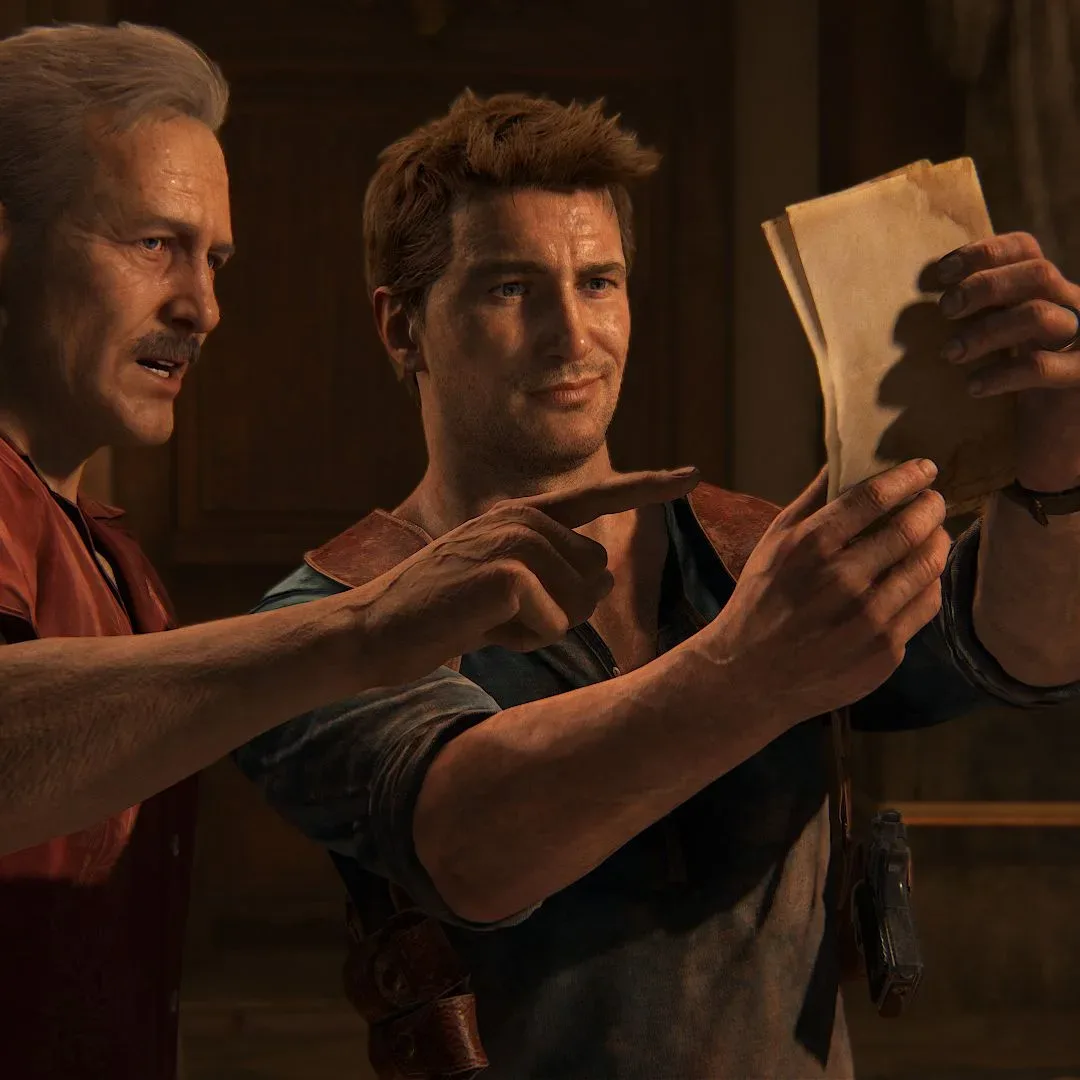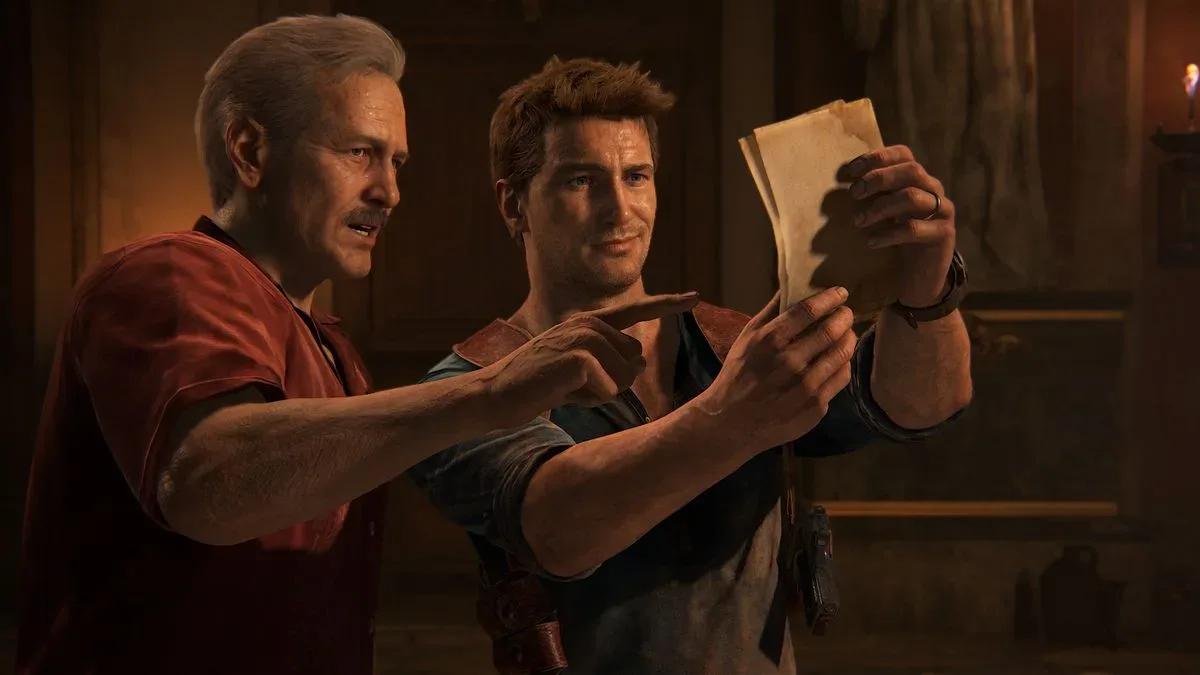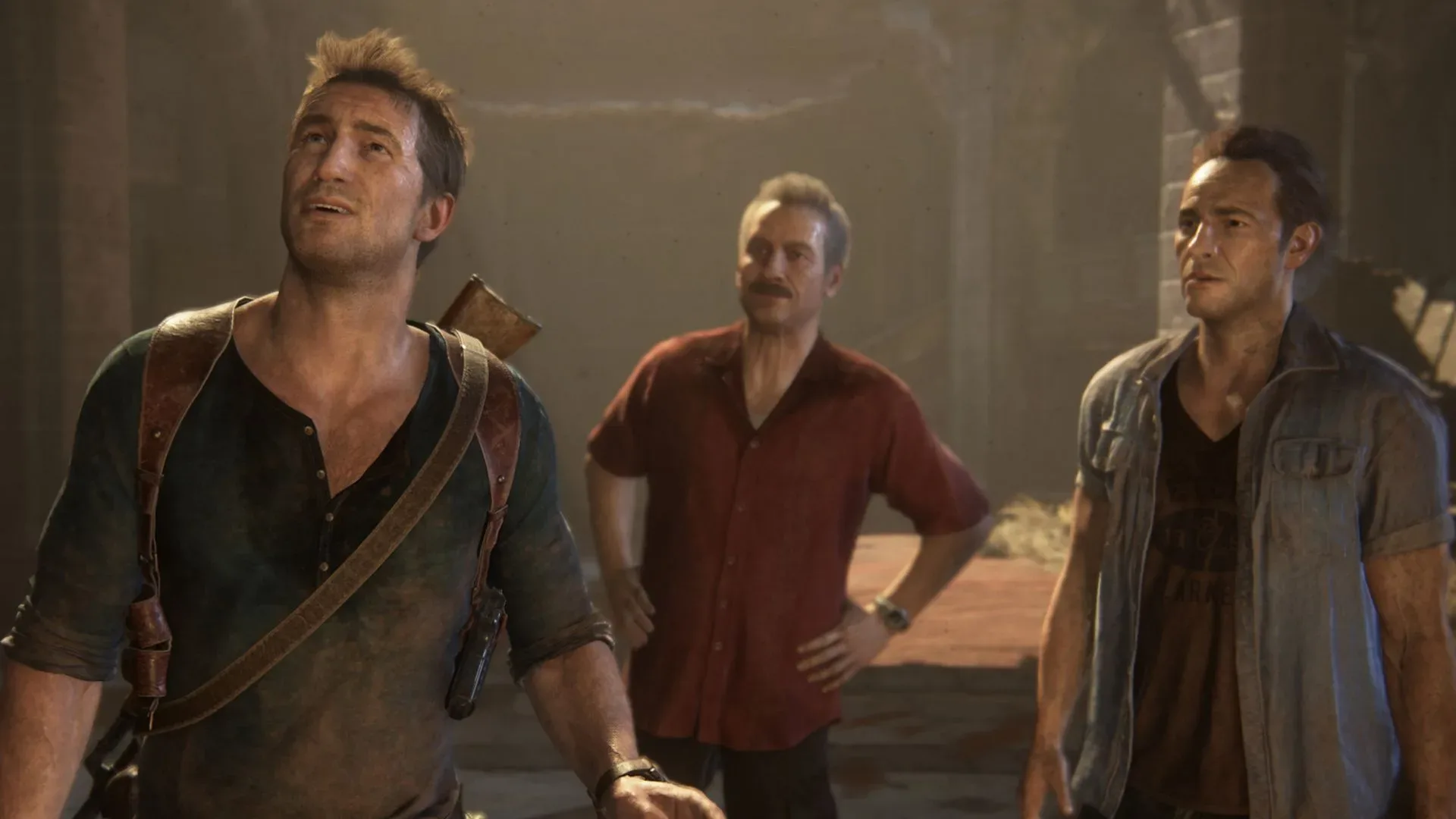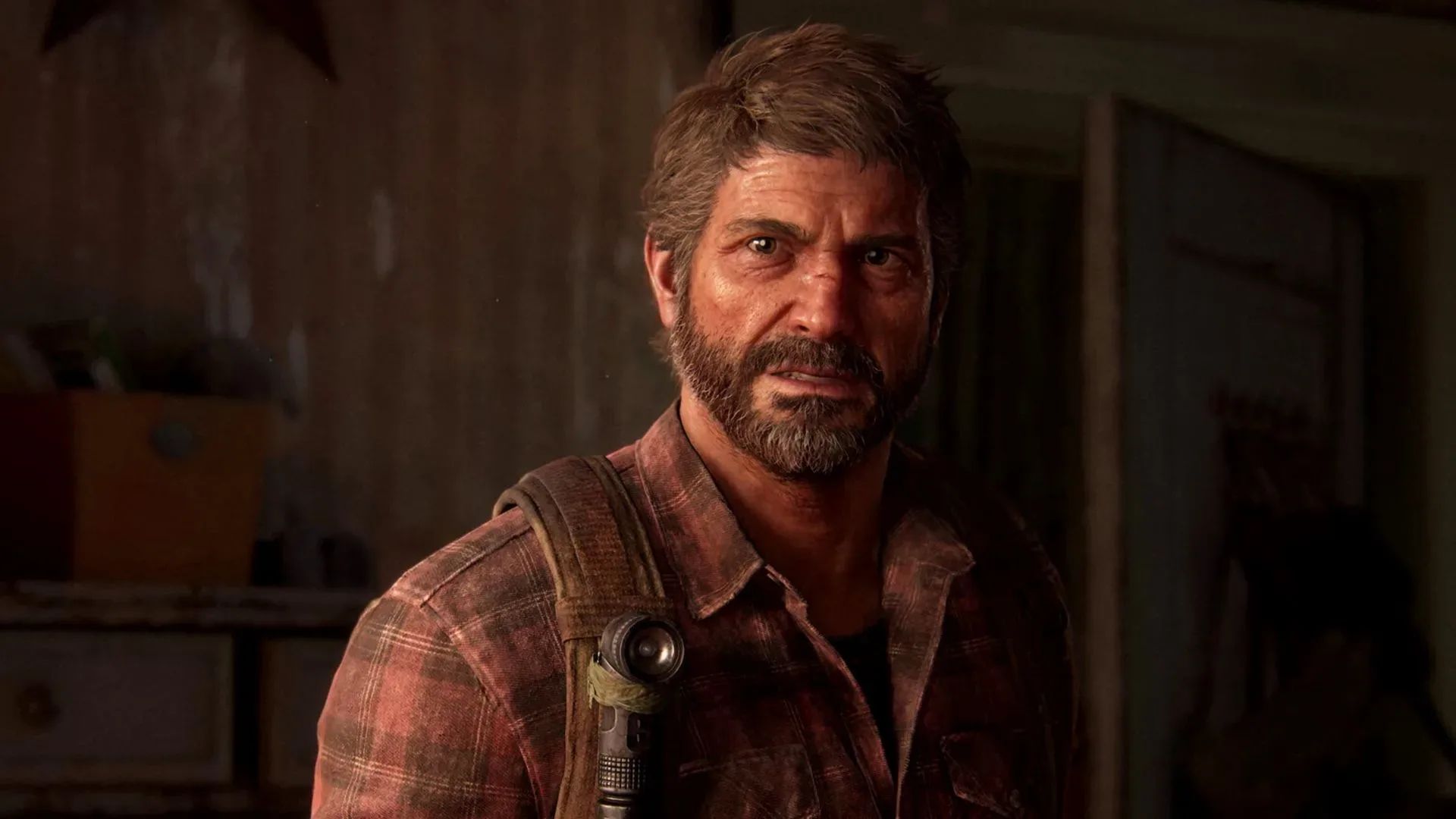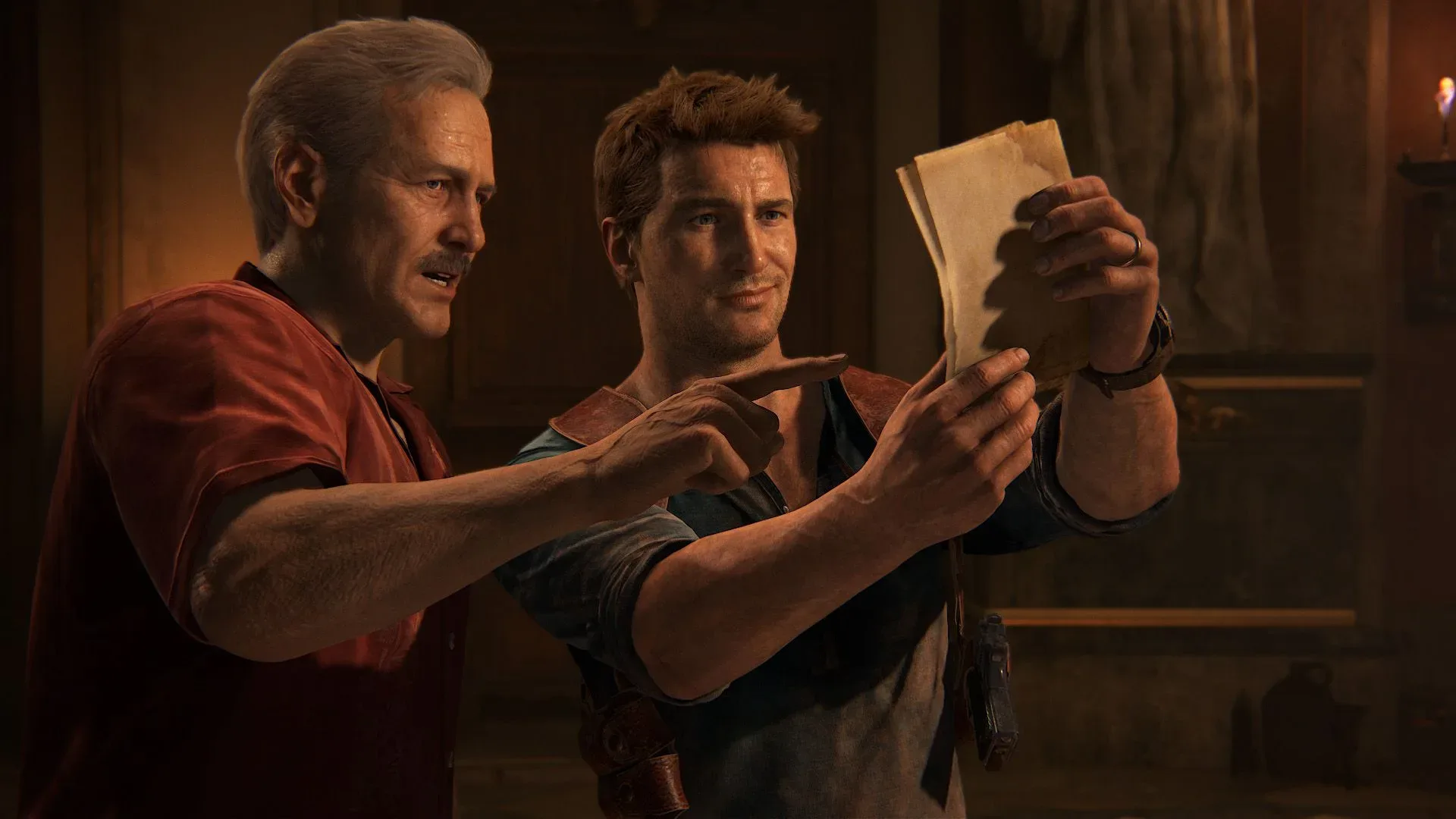
Uncharted 4: A Thief’s End had to find its footing during an unusually difficult stretch of development. Ryan Trowbridge, the character technical director who worked across Uncharted 2, Uncharted 3, and Uncharted 4, has now described how quickly Neil Druckmann moved to establish a revised direction after becoming the fourth game’s creative director.
Trowbridge’s recollection is not that the team simply started from zero. Instead, he says Druckmann assessed material already in place, preserved elements that could serve the project, introduced additions he felt were necessary, and got the team moving again. The striking part of the account is its timeframe: Trowbridge says the rough story outline appeared to come together in only a couple of weeks.
That does not mean every script page, cinematic sequence, gameplay encounter, and production decision was completed in a fortnight. It means the broad creative spine—what the story needed to be and how the project could proceed—was apparently established with notable speed. On a game already in production, that distinction matters enormously.
A leadership change in the middle of production
Amy Hennig left Naughty Dog in early 2014 while Uncharted 4 was in development. Druckmann subsequently took on the creative-director role, while Bruce Straley was the game director. The transition placed them in charge of a major sequel carrying substantial expectations: it was the fourth numbered entry in a prominent adventure series, and it was already underway.
For more context, explore Itch.io’s New ‘No AI’ Filter Gives Players a Way to Shrink the Discovery Firehose.
Trowbridge characterized the assignment as a difficult one: how to make a fourth Uncharted feel newly alive while continuing work on an established production. His account presents Druckmann’s response as efficient and decisive. Rather than allowing uncertainty over direction to linger, Druckmann reportedly consolidated what was usable and provided the team with a renewed plan.
“In my recollection, it seemed like it took him only a couple weeks to regather himself,” Trowbridge said of the transition.
Trowbridge also added an important caveat. Druckmann may have known about the role before it became apparent to colleagues, which could mean he had more time than the visible handover suggests to consider a new story. That uncertainty is worth preserving: the claim is not a precise production timetable, nor is it proof that the entire narrative was conceived in isolation over a two-week period.
Related coverage includes Neil Druckmann Reportedly Reworked Uncharted 4's Story Within Weeks of Taking Creative Lead.
What Trowbridge does describe clearly is a rapid reframing of the project. In his telling, Druckmann “had written a new” plot, while also adjusting what existed rather than discarding everything wholesale.
What a “rough outline” means for a game in development
In game development, a story outline is the high-level structure that helps different disciplines understand what they are building toward. It can establish the principal characters, the emotional trajectory, major locations or chapters, central conflicts, and the broad sequence of events. It is not the same thing as a final script, finished performances, playable levels, or completed animation.
That distinction helps explain how a story direction might be established quickly even when the full game takes far longer to complete. A creative lead can set priorities and narrative shape while writers, artists, designers, technical teams, and production staff continue turning that shape into a finished game. The more specific the work becomes, the more individual decisions follow: dialogue, pacing, scene construction, character animation, encounter design, technical implementation, and revisions made as components are brought together.
Trowbridge’s own role is also relevant. A character technical director works in an area connecting character artistry and technology, helping characters function convincingly in the game rather than existing only as concepts or isolated art assets. That perspective does not make him the sole authority on narrative development, but it does place him close to a production where story choices can affect many teams.
A changed story direction can have practical consequences across a project. New character relationships may require revised scenes and performances. A different setting or sequence can affect environments, animation, gameplay spaces, and cinematics. Conversely, retaining work already completed or in progress can reduce the disruption of a major creative handover. Trowbridge’s description suggests an effort to do both: refocus the game without treating every existing contribution as unusable.
The finished game’s emphasis
Uncharted 4: A Thief’s End ultimately closes its main adventure with an epilogue set 15 years after the central events, showing Nathan Drake in a far more ordinary role as a father. That comparatively domestic ending stands apart from the series’ globe-trotting action and treasure-hunting premise, and it illustrates why the game is often discussed as a more emotionally focused entry.
The game still operates within the large-scale adventure framework associated with Uncharted, but the ending gives added weight to the idea of a life after the chase. From Trowbridge’s account, the direction that supported this finished story was settled rapidly following the leadership change. It is a reminder that an outline can be decisive even before the mountain of detailed production work is complete: it gives a team a shared destination.
That does not erase the contributions of the many developers involved in building the final game, nor does it settle every question about how individual ideas originated. Development credits and creative processes are rarely reducible to one person or one moment. Still, the account offers a useful window into how leadership can work during disruption: identify what remains viable, define what must change, and communicate a path forward quickly enough that a large team can regain momentum.
The controversy around the succession
The creative-director transition has remained a contentious topic in discussion around Naughty Dog. At the time, a report alleged that Druckmann and Straley had forcibly removed Hennig from the project. Naughty Dog denied the allegation, and the report was later formally retracted.
The retraction is essential context whenever the handover is revisited. It means the allegation should not be presented as established fact. What remains supported here is the underlying production change: Hennig departed during development, and Druckmann and Straley took key leadership roles on Uncharted 4.
Because the transition happened on a beloved series and during an active production, public attention around it was intense. Trowbridge’s comments do not attempt to provide a complete history of that period. They are a first-hand recollection focused on the practical creative response he witnessed: a leadership team taking a project with existing work, revising its story direction, and bringing the production back onto a clearer track.
Why the account matters
There is a temptation to treat finished games as though their narrative and identity arrived fully formed. Accounts from developers often show the opposite: even high-profile projects can change direction, particularly when teams and responsibilities shift. The important question is not simply whether changes occurred, but whether the new direction can be translated into actionable work for a large production.
By Trowbridge’s account, the answer for Uncharted 4 was yes. Druckmann moved quickly, reused some of what the team had, added material he considered necessary, and gave the developers a route forward. The final game’s mix of spectacle, personal stakes, and its 15-years-later epilogue is the product audiences received, but the newly discussed detail is how swiftly the broad narrative course may have been reset.
It is also a useful corrective to the assumption that speed necessarily means improvisation or a lack of care. A fast outline can reflect preparation, clarity, or an ability to make decisions under pressure. Trowbridge explicitly allows for the possibility that Druckmann had advance awareness of the role, so the exact extent of prior preparation is unknown. What his recollection does support is that the team experienced the transition as rapid and effective.
For a sequel facing the burden of both continuation and renewal, that kind of decisiveness can be as valuable as a fully detailed plan. Uncharted 4 had to continue a long-running story, work with production already in motion, and make room for a conclusion with a more reflective tone. Trowbridge’s account suggests the project’s revised creative leadership found its compass quickly—even if building the whole expedition still required the work of an entire studio.