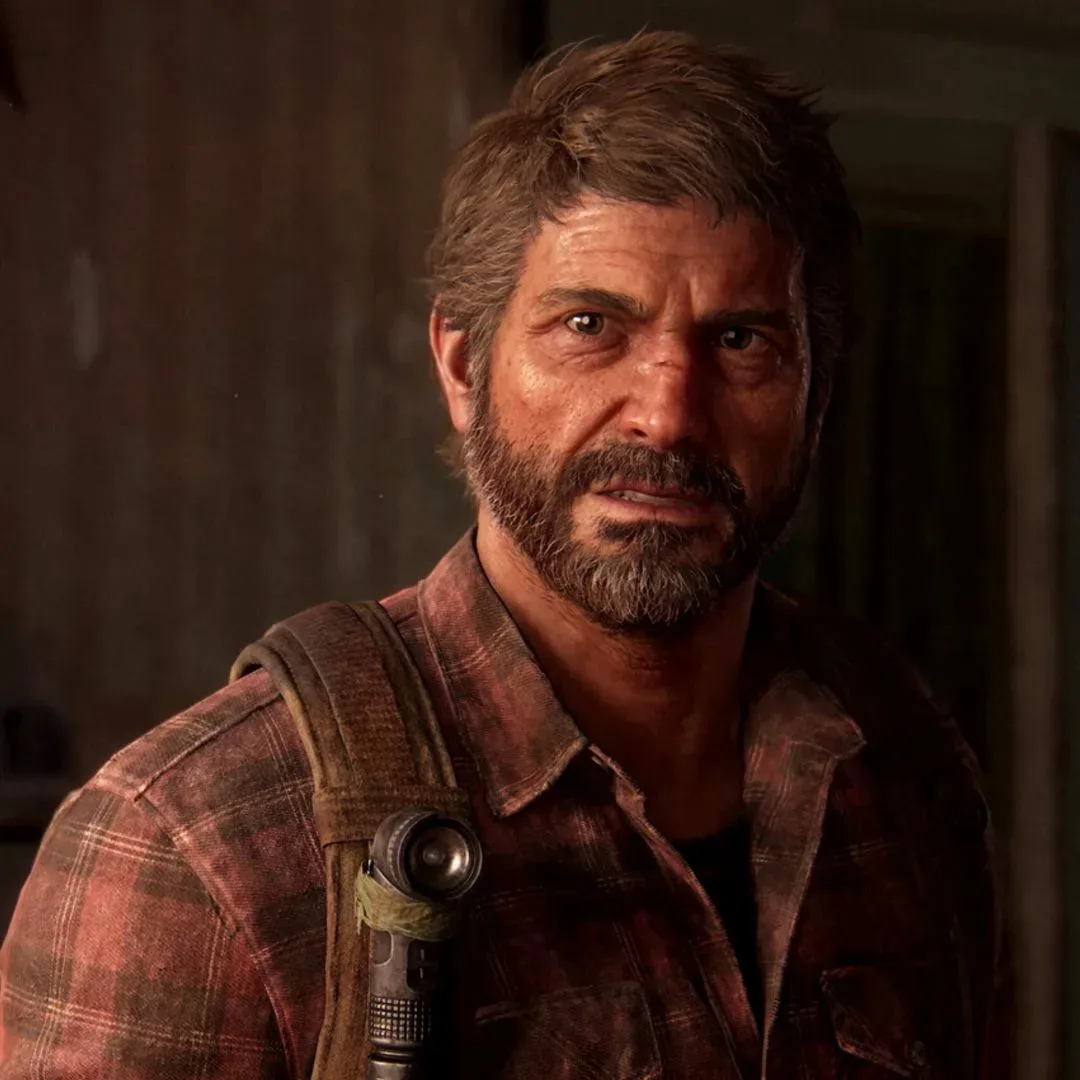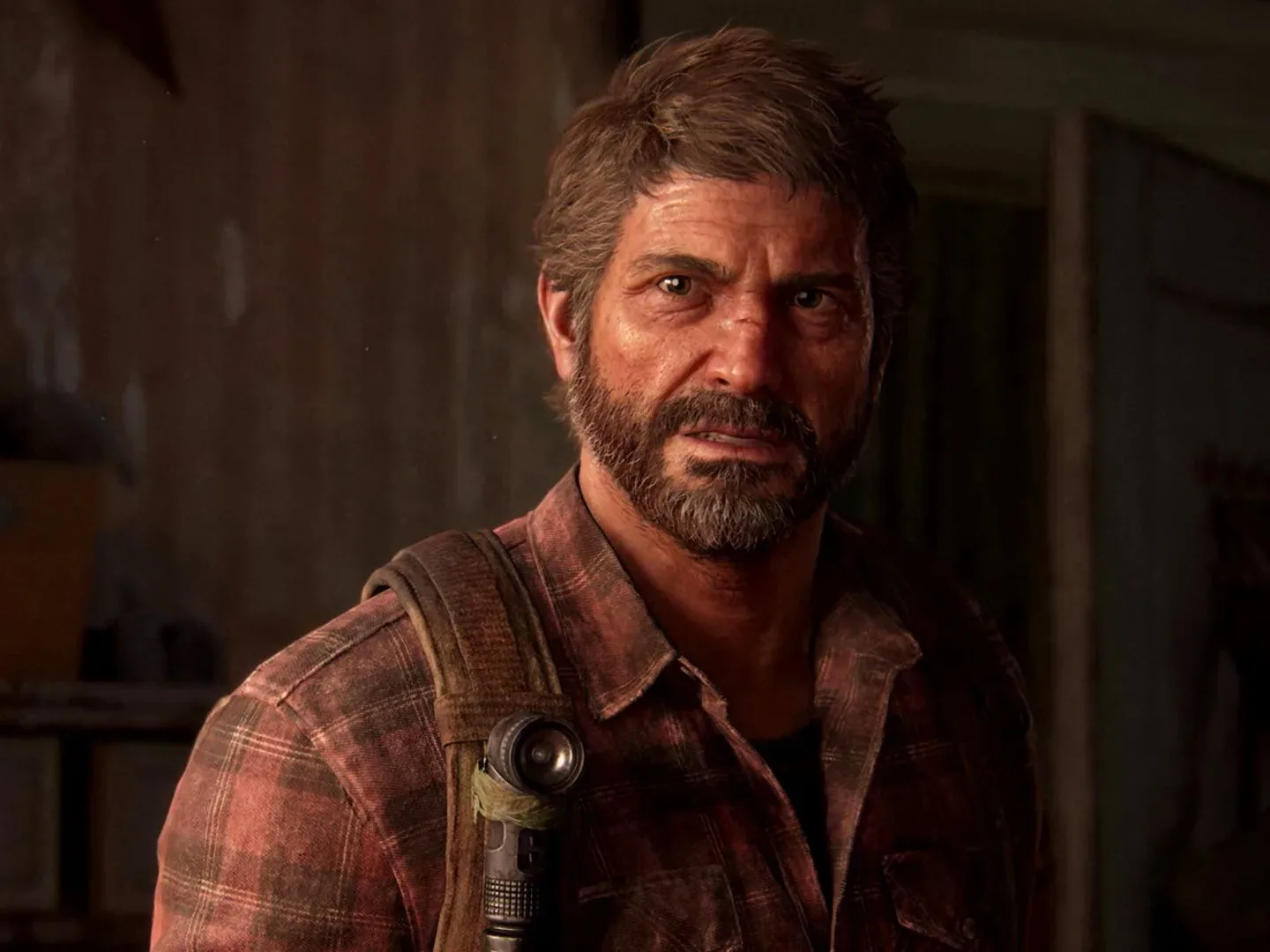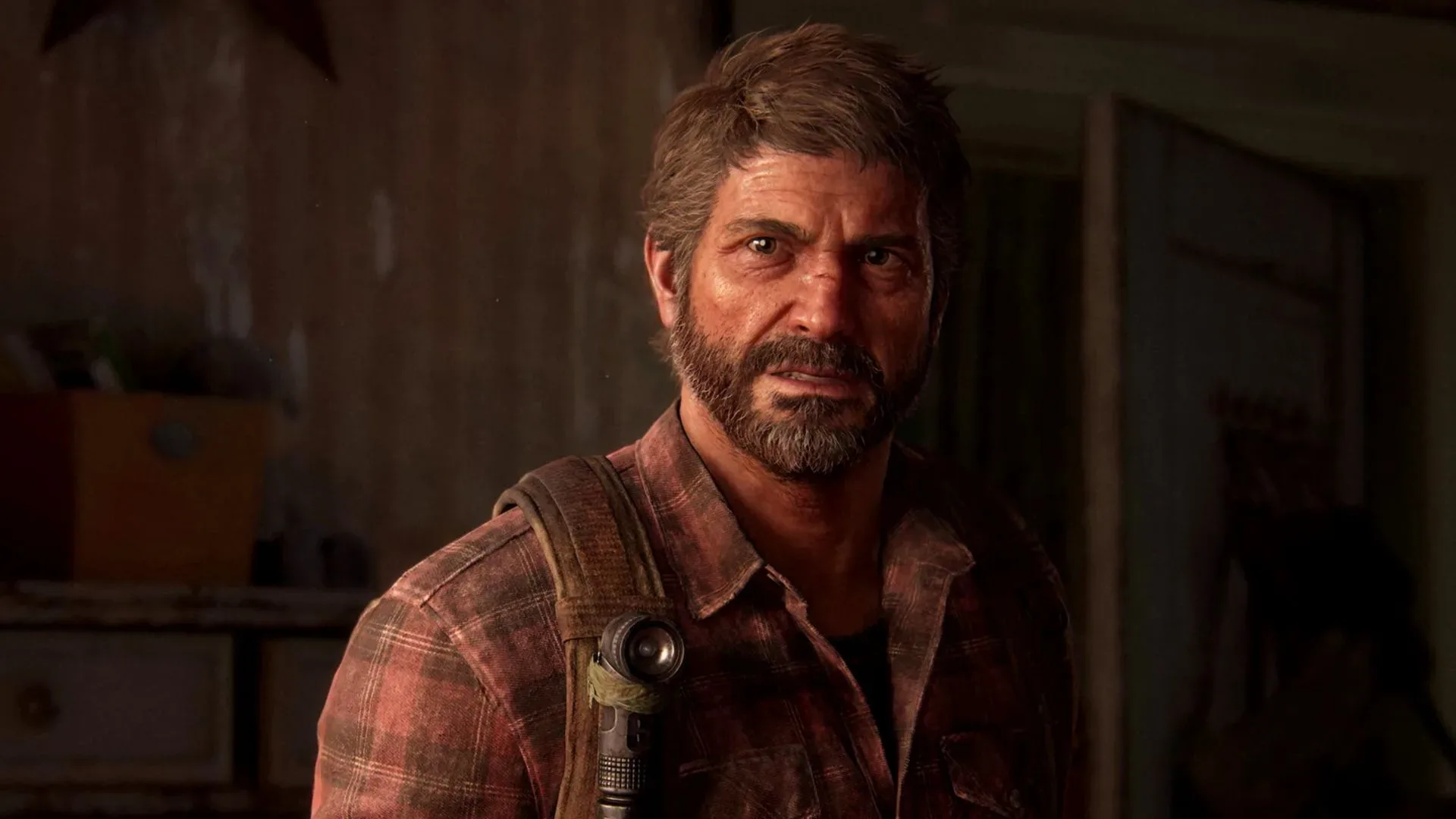
Naughty Dog’s big narrative games may be judged by sales, reviews and player enthusiasm, but former visual-effects artist Matt Radford believes their role inside Sony is broader than the performance of any single release. In an interview, Radford said his understanding was that Naughty Dog exists principally to help sell PlayStation hardware—an arrangement he feels gives the studio room to pursue costly, polished single-player projects that might be harder to justify at companies focused solely on a game’s direct profitability.
Radford worked on The Last of Us and Uncharted 4, two games closely associated with PlayStation’s cinematic, character-led action catalogue. His comments are not an official statement of Sony’s business strategy, and he frames them as his own understanding. Still, they point to a longstanding question around platform holders: why invest so heavily in elaborate games that can take years to make, particularly as AAA development costs rise and companies chase recurring revenue from live-service titles?
The answer, in Radford’s view, is that a flagship game can have value beyond the money made by its own copies. A title that helps a prospective customer choose one console over another is also contributing to the appeal of the platform, its hardware ecosystem and its identity.
What “selling hardware” means in practice
In this context, a first-party game is a game made by, or closely tied to, the company behind the platform. Sony, Microsoft and Nintendo all use first-party releases to give their systems a distinct draw. The central idea is straightforward: if a player believes a particular game, series or style of experience is best available on one machine, that game can influence where they buy their hardware.
That does not mean every first-party title must remain exclusive forever, or that every platform strategy works the same way. The landscape has changed, including Microsoft’s move to bring Halo to PlayStation. But Radford’s argument is about the traditional strategic value of prestige software: a prominent release can make a console feel like the natural home for a certain kind of game.
For PlayStation, franchises including God of War, The Last of Us and Spider-Man have been part of that identity. Naughty Dog’s work fits especially neatly into the category of cinematic action games built around performance, authored environments, story scenes and intensive visual detail. These projects are designed to be remembered as a complete experience, rather than to operate indefinitely as a service updated around a live audience.
That distinction matters because live-service games are generally designed to continue receiving content, events or other reasons for players to return. Their commercial appeal is clear: a game that remains active can potentially keep generating revenue over a long period. A one-and-done single-player game has a different proposition. Its main value is often concentrated in a carefully constructed campaign and in the reputation it builds for the studio and platform.
Radford’s view suggests that a hardware owner may be more willing than an independent publisher to accept that equation. If a game is a persuasive reason to buy into the platform, its contribution is not confined to the sales ledger for that one product.
Related coverage includes Former Naughty Dog Artist Says the Studio's Role Is to Help Sell PlayStation Hardware.
Prestige is useful, but it does not erase the risk
There is an important caution in treating this as a blank cheque for giant budgets. Hardware strategy may explain why a platform holder wants standout software, but it does not make large productions inexpensive or guarantee that they will connect with players. The more time, specialist labor and technical complexity a game requires, the more pressure there is for the finished project to meet a very high standard.
Radford himself focused on this tension. He said he hopes the conditions that enable huge, story-driven action games can continue, while wondering whether the industry may eventually lack the ability or appetite to fund projects at what he described as astronomical levels. He referenced a hypothetical $600 million-scale cost not as a confirmed budget for a specific Naughty Dog game, but as an illustration of how extreme the financial stakes can feel.
That uncertainty changes the conversation around releases that arrive less frequently. Long gaps can frustrate players eager for sequels or fresh projects. Yet the same gaps reflect the ambition of making games with large amounts of bespoke work. If a platform uses such games to represent the quality of its hardware and internal studios, the bar is not simply “release something”; it is “release something worthy of being a flagship.”
That can create a difficult balance. Fewer releases make each one more visible and potentially more valuable to the platform’s image. They also leave less room for a disappointing result. Radford’s comments do not resolve that dilemma, but they offer a useful explanation for why Sony might still value a studio specializing in premium, finite games rather than asking it to become another ongoing-service operation.
The human craft behind a blockbuster game
Radford’s bigger concern is not only financial. He wonders whether players might someday look back at games such as Uncharted 4, The Last of Us Part II and Naughty Dog’s Intergalactic as artifacts of a particular production era—works made through a concentration of human performance, writing, modeling, sculpting and painting that could become rarer.
His comparison is to old cathedrals and architectural landmarks. The point is not that games and centuries-old buildings are identical, nor that newer methods are inherently worse. Instead, he is highlighting how creative methods, skills and organizational circumstances can be specific to their time. A later generation may have different tools and different priorities, even if it can accomplish things that earlier craftspeople could not.
For games, the relevant craft spans multiple disciplines. Modeling is the creation of three-dimensional objects and characters. Sculpting refers to shaping highly detailed digital forms that can inform the final game assets. VFX, or visual effects, covers visual elements used to sell motion, impact, atmosphere and other moments that make an interactive world feel alive. Add acting, animation, writing, lighting, environment art and technical implementation, and the result is a production where a player may not notice every individual contribution but will notice the overall cohesion.
That kind of cohesion is a major part of the appeal of games commonly described as polished. “Polish” is not one graphical setting or a synonym for expensive visuals. It is the accumulated refinement of many choices: how a performance lands, whether an environment guides attention, whether effects support an action clearly, and whether technical systems avoid disrupting the intended mood. Radford’s background in VFX makes his emphasis on the accumulated human labor behind that finish especially notable.
AI is part of the question, not a settled answer
The conversation arrives as Sony has described AI as exciting, useful for synthetic assets and important to its strategy. A synthetic asset generally means content created or assisted through artificial-intelligence techniques rather than made entirely through a traditional manual workflow. The supplied information does not specify how Sony will use AI across individual games or studios, so it would be premature to treat the company’s broad position as a description of a particular Naughty Dog project.
What can be said is that Radford’s concerns make the AI discussion more concrete. The issue is not simply whether a tool can speed up one task. It is what happens to the roles, processes and craft knowledge involved in making a premium game over many years. Tools can alter which work is performed manually, which skills studios hire for, and where artists and developers spend their time. Whether that results in stronger games, leaner productions, different aesthetics or some combination of all three will depend on choices that are not visible from a broad corporate statement alone.
Radford’s thought experiment is therefore less a prediction that hand-crafted blockbuster games will disappear than a reminder to recognize what goes into them. If future production methods change substantially, players may see games from this period differently: not merely as technical showcases, but as examples of a large group of people applying specialized disciplines to a single authored experience.
A strategic case for the single-player flagship
The key takeaway from Radford’s comments is that direct game revenue is only one way to measure the value of a studio owned by a console maker. A high-profile release can strengthen a platform’s reputation, give prospective buyers a reason to choose its hardware and demonstrate the kind of work its internal teams can deliver. That is a strategic rationale for funding ambitious single-player games even as the industry also pursues games with longer-running commercial models.
It is also a rationale with limits. Higher costs, long development cycles and changing technology mean the future availability of projects at this scale is not assured. Sony’s interest in AI adds another variable, especially for teams whose identity is tied to detailed, human-made performances and assets.
For now, Radford’s perspective frames Naughty Dog’s work as more than a sequence of individual releases. The studio’s games can function as PlayStation statements: expensive, painstakingly assembled demonstrations of what the platform wants to be known for. That makes the challenge for future projects unusually sharp. They are expected not only to entertain, but also to justify why a flagship studio and a hardware ecosystem need one another. Broader corporate changes remain a major part of the entertainment business conversation, as seen in this look at recent media-industry restructuring, but Radford’s argument centers on a more specific question: how much a console maker will keep investing in singular games designed to define its brand.