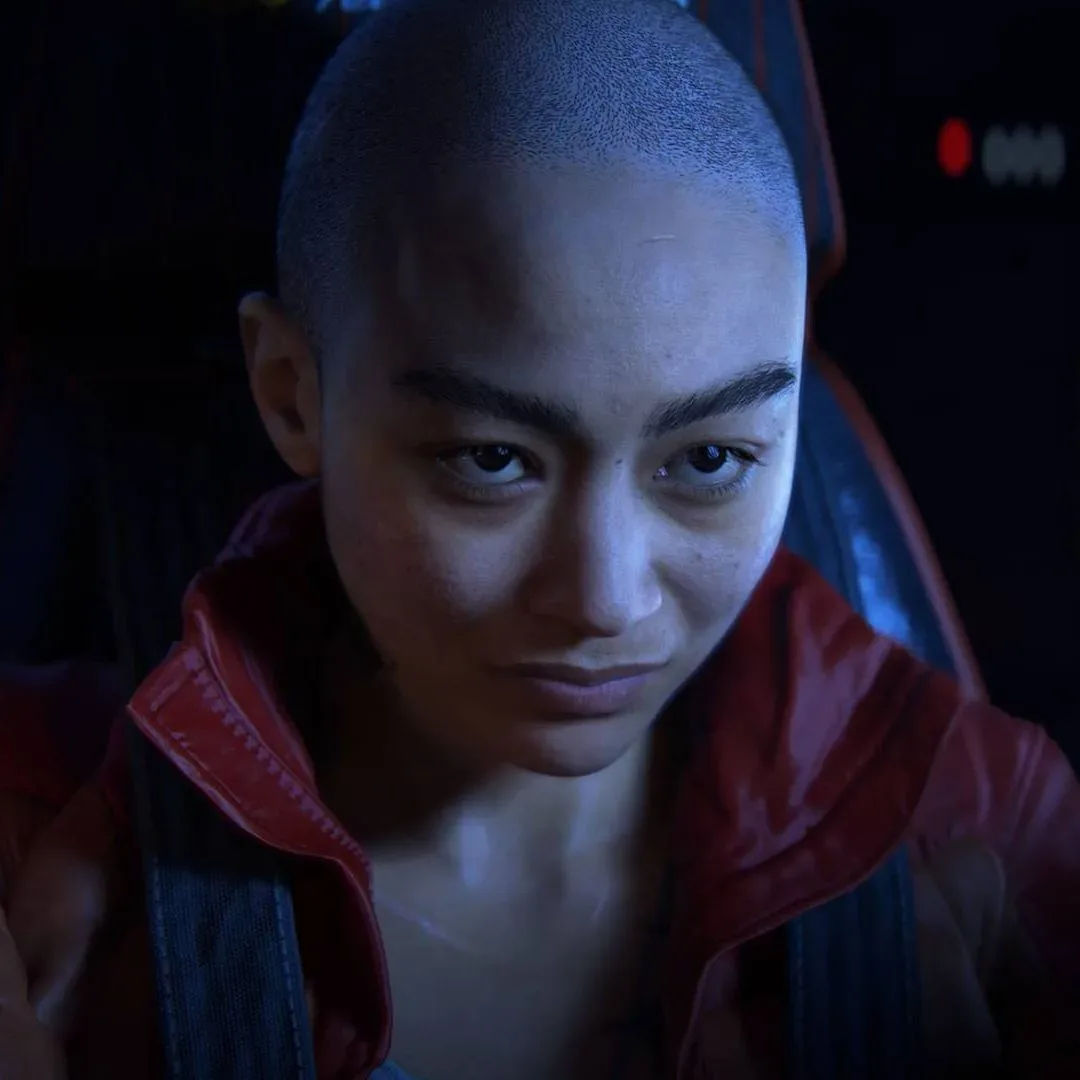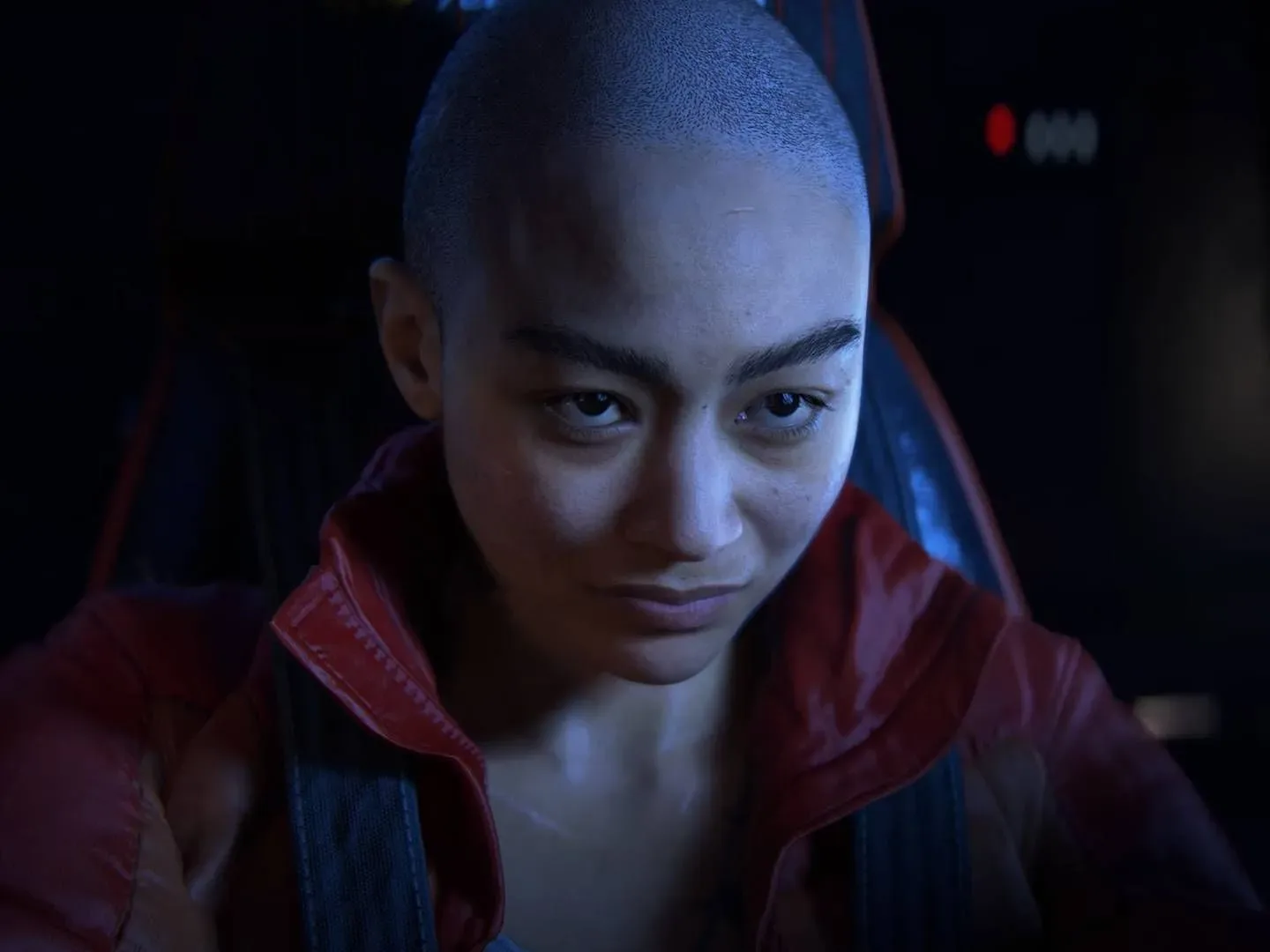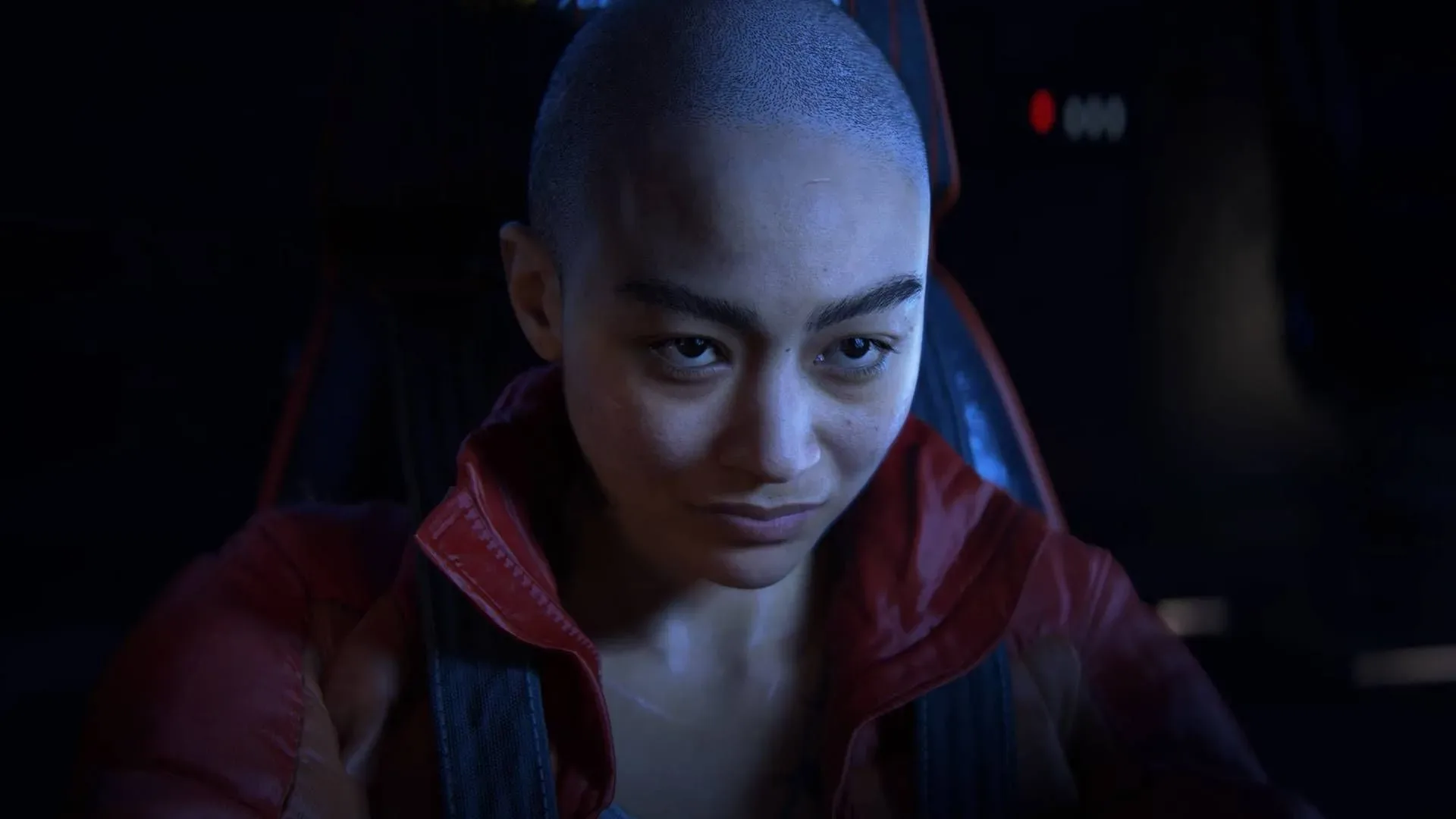
Former Naughty Dog senior VFX artist Matt Radford is looking at Intergalactic: The Heretic Prophet from a more comfortable distance than he could have managed while working inside the studio. Radford, whose credits include The Last of Us and Uncharted 4, says he can now approach a Naughty Dog release as an audience member rather than automatically viewing every scene through the lens of production.
That shift matters to his response to Naughty Dog’s next project. Radford says he has “good and bad” thoughts about Intergalactic, while also arguing that its apparent ambition is worth celebrating. His central point is not that every creative choice must be beyond criticism. It is that a major studio continuing to take conspicuous artistic risks is valuable—particularly at a time when the commercial pressure on large game productions can encourage safer decisions.
“There’s no way there’s not something captivating going on there,” Radford said, adding that he is glad “someone is taking big risks on art like that on a really high level.”
Distance can change how developers play games
Radford described being far enough removed from Naughty Dog that he expects to play Intergalactic: The Heretic Prophet simply to have a good time. It is an understandable divide for people who have worked on games, films, animation, or any highly technical creative work. Knowledge of the machinery behind an experience can make it difficult to see only the finished illusion.
For a visual-effects artist, that machinery can include the construction of a shot, the interaction of lighting and materials, simulations, composition, performance capture, iteration, and the countless compromises required to get a sequence running reliably. VFX, in this context, refers to visual-effects work used to create or enhance imagery within a game. It can encompass dramatic explosions and environmental effects, but it can also cover subtler visual communication: smoke that clarifies an impact, particles that direct attention, or lighting that establishes a scene’s mood.
None of that means a former developer cannot enjoy a game. But it can mean that a player with production experience notices the joins first: how an effect was likely assembled, what constraints may have shaped a scene, or where a team may have had to cut scope. Radford’s comments suggest that his connection to Naughty Dog is now sufficiently in the past for the finished work to take precedence over that internal awareness.
Mixed opinions are not a rejection of the project
The most useful distinction in Radford’s comments is between having reservations and dismissing the value of creative ambition. He did not lay out the specific positive or negative judgments he holds about Intergalactic. That leaves an important boundary: there is no basis here to treat his remarks as a detailed assessment of the game’s story, mechanics, quality, scope, or release plans.
What he did make clear is that he sees something compelling in the work. “Captivating” is a deliberately broad description, but it fits the larger point. Games do not need to be universally embraced at first glance to be artistically consequential. A project can prompt skepticism, enthusiasm, debate, or uncertainty while still representing a meaningful attempt to do something that a publisher might not ordinarily fund.
Related coverage includes Former Naughty Dog VFX Artist Welcomes Intergalactic's Ambition Despite Mixed Personal Views.
That is especially relevant for a studio with Naughty Dog’s profile. Radford characterizes the company as an institution with a strong track record in the triple-A space. Triple-A, or AAA, is an informal industry term generally used for games made with large teams, substantial budgets, major publishing support, and high expectations around production values and sales. It is not a formal quality certification, and it does not guarantee success. It does, however, indicate the scale of the business stakes surrounding a release.
At that scale, risk has a different meaning than it does for a small independent production. More resources can make elaborate creative work possible, but they can also increase scrutiny over schedules, costs, audience expectations, and returns. Radford’s praise is therefore aimed at the willingness to make a substantial creative bet while those pressures exist.
Radford’s view of Naughty Dog’s place within PlayStation
Radford also offered his own interpretation of why Naughty Dog can make those kinds of bets. In his view, the studio’s purpose is tied to selling Sony hardware, positioning its games as flagships for the platform rather than treating each project as a standalone profit engine in the narrowest sense.
That is Radford’s analysis, not a confirmed statement of Sony’s strategy. Still, it describes a familiar platform-holder logic: exclusive or closely associated games can help establish the identity and desirability of a console ecosystem. Under that model, the impact of a prestige game may be measured by more than direct software sales. It can support the perceived value of the hardware and the wider PlayStation brand.
There is a practical implication for players as well. When a platform holder backs a studio known for ambitious, polished productions, the resulting work can have room to prioritize distinction and spectacle alongside commercial considerations. That does not remove financial limits, nor does it mean every experiment will be rewarded. It means the business case can be broader than a single title’s immediate balance sheet.
PlayStation’s creative identity extends beyond game development alone, as shown by related projects such as the delayed Ghost of Tsushima Legends anime. The projects are separate, but together they illustrate why recognizable first-party worlds and prestige productions can carry importance beyond one product category.
Why this perspective carries some industry weight
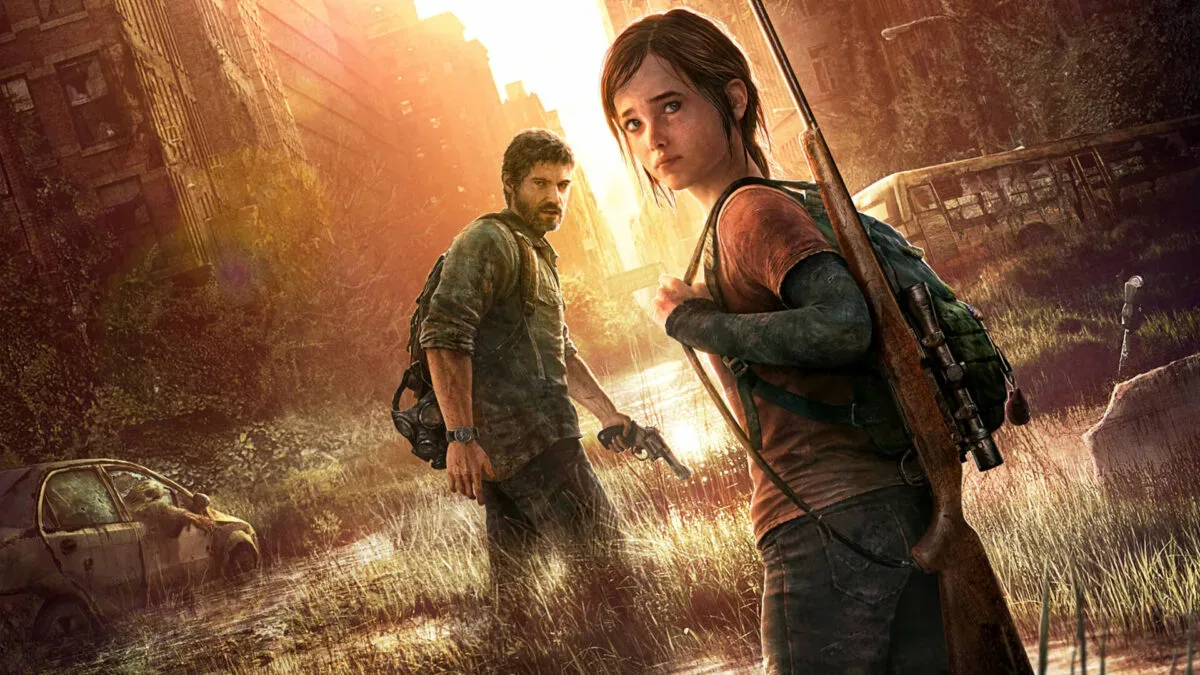
Radford’s comments come from someone whose career has crossed several large game-development environments. Following his work on Nathan Drake’s final adventure and the journey of Joel and Ellie, he also held roles at Sony Santa Monica, Riot Games, and Epic Games. That background does not make his business interpretation definitive, but it provides context for why he is focused on the tension between artistic scope and commercial uncertainty.
He specifically pointed to volatile financial conditions and questions of profitability around major game development. He also cited CD Projekt Red as an example of a studio able to keep making larger games after market success. The comparison is not a claim that every high-budget studio has the same structure or freedom; rather, it highlights the feedback loop Radford is describing. When large releases perform well commercially, a studio may be able to pursue subsequent projects at greater scale. When circumstances change, that flexibility can shrink quickly.
Radford also noted that layoffs have become common throughout the industry and said Naughty Dog is not frequently discussed in connection with potential restructuring. That observation should not be read as a guarantee about the studio’s future. Radford himself left open the question of what may happen as Intergalactic moves forward. It does, however, underline the contrast at the heart of his remarks: expensive creative risk is being discussed against a backdrop of financial caution across the business.
What remains unknown about Intergalactic
There are limits to what can responsibly be inferred from this discussion. Radford’s comments do not establish how Intergalactic: The Heretic Prophet will play, when it will arrive, what platforms it will support, or how audiences will respond. His remarks are principally a view on the value of Naughty Dog attempting something ambitious, not an insider breakdown of the project.
A tease from a The Last of Us actor has separately suggested that the game is testing the boundaries of what Naughty Dog can do, accompanied by the warning that audiences are “not ready.” That language signals confidence and anticipation, but it remains promotional in nature rather than a substitute for concrete details.
For now, the clearest takeaway is narrower and more grounded. A former Naughty Dog artist with experience across major studios believes the team is still capable of producing something compelling, even as he retains personal critiques. In an industry where large projects can be pushed toward familiar formulas, he sees merit in a studio taking a visible swing—before anyone knows exactly where the ball will land.