Naughty Dog has put a clear signpost on the road to Intergalactic: The Heretic Project: the studio intends to fully reveal the sci-fi game in 2027. That is a reveal target, not a launch window. No release date, release period, platforms, gameplay details, or other rollout specifics were included.
The update also brought a separate, unusually consequential confirmation for The Last of Us. The studio has two projects in very early development that will expand the franchise’s canon beyond The Last of Us Part I and Part II. Their formats remain unconfirmed, meaning fans should not presume that either project is a new game.
It is a compact update, but it establishes the boundaries around two major Naughty Dog efforts: a fuller look at its next announced game is planned for next year, while the future of its post-apocalyptic series is real but still too early for meaningful specifics.
What a “full reveal” of Intergalactic means—and what it does not
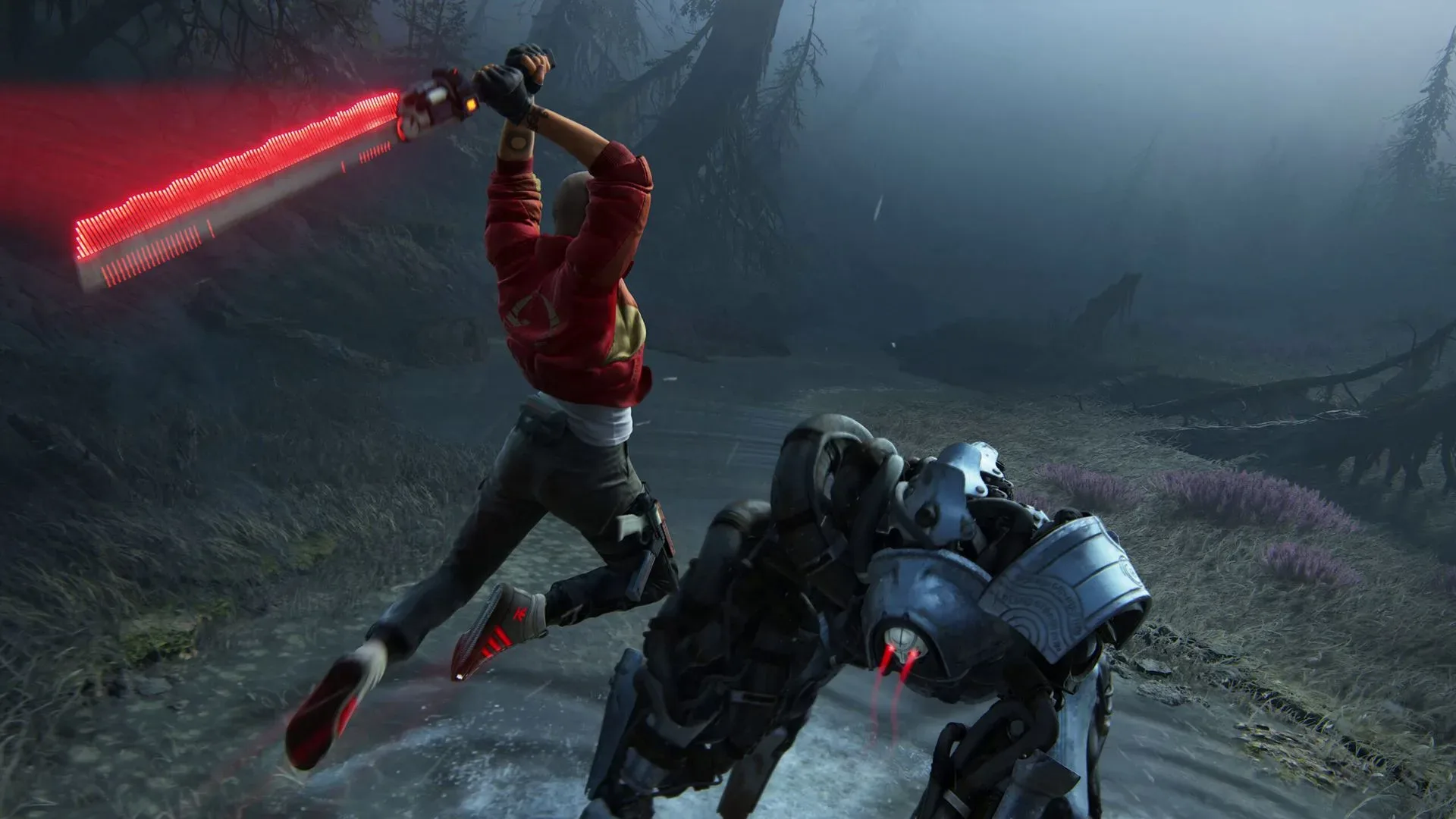
Naughty Dog has described 2027 as the point when it will properly unveil Intergalactic: The Heretic Project and provide a closer look at protagonist Jordan’s sci-fi adventure. The studio also characterized the project as its most ambitious yet, while saying that it needs more time before lifting the curtain.
In industry language, a full reveal generally means the start of a more substantive information phase than a teaser-level introduction. It can involve a longer trailer, a clearer story premise, a closer look at the game’s world or characters, and potentially an explanation of what players actually do. But the wording alone does not guarantee any particular combination of those elements. Nor does it establish when the game will ship.
That distinction matters. A reveal schedule answers the question of when players will learn more; a release window answers the separate question of when they might play it. At present, only the former has been addressed. Anyone treating 2027 as confirmation of a 2027 release would be reading beyond the information provided.
The announcement also appears intended to manage expectations after the game was absent from a recent PlayStation presentation. Rather than filling the remaining months of this year with incremental updates, the studio says it will stay quiet before changing course in 2027. For fans, that makes patience the practical takeaway: there is a stated communication milestone, but no announced reason to begin a release countdown.
Ambition is a signal, not a feature list
Calling a game a studio’s most ambitious project can be meaningful as an expression of creative scale and confidence. It is not, however, a technical specification. The update does not say whether that ambition concerns the size of the world, the scope of its systems, narrative design, production values, combat, exploration, accessibility options, or another part of the game entirely.
That restraint is worth preserving. Players often use “ambitious” as shorthand for a long wishlist of mechanics and scale, but no such features have been confirmed here. The only firm description is that Intergalactic is a sci-fi adventure centered on Jordan. Until the 2027 reveal supplies more detail, gameplay expectations should remain open rather than hardened into assumptions.
There is a broader practical lesson in the studio’s “need to cook” message, too. Public silence is not a reliable measure of whether development is progressing or stalled. Here, Naughty Dog says the project’s pieces are coming together and asks for more time. That is a development-status statement, but not a promise about timing or a guarantee that every eventual feature will look exactly like an early reveal.
For readers keeping an eye on how other studios frame long-term development and player expectations, recent discussion around Cyberpunk 2077’s launch and Phantom Liberty’s sales offers a useful reminder that a project’s eventual reception, updates, and legacy can be more complicated than a single promotional moment.
Two Last of Us projects are confirmed, but their forms are not
The Last of Us portion of the update is deliberately broad. Naughty Dog says it has two exciting projects at very early stages and that both will expand the canon beyond the first two main installments. In this context, canon means material treated as an official part of the fictional continuity: stories that add to the recognized world rather than merely borrowing its setting or themes.
That is an important confirmation, because it establishes that the team sees more story potential in the world. At the same time, it is not confirmation of The Last of Us Part III, a remake, a multiplayer project, a film, a television program, or any other particular format. The studio explicitly did not say what either project is.
There are several questions the announcement leaves unanswered:
- Whether either project is interactive.
- Whether either follows established characters or introduces new ones.
- When the stories take place relative to Parts I and II.
- Whether the projects are connected to one another.
- When development will progress beyond its early stage.
- When, or even how, the projects will be publicly announced.
Those blanks are not accidental omissions that can be filled with rumor. They are the current state of the record. The meaningful confirmation is the commitment to two canon-expanding projects, paired with a stated belief that the team has something worthwhile to add to the setting.
Why the distinction between game canon and adaptation matters
The Last of Us already exists across more than one medium, including its television adaptation. The update notes that the TV adaptation appears set to conclude with its upcoming third season. But the two newly mentioned Naughty Dog projects should not automatically be folded into that adaptation’s plans. Their formats have not been announced, and their relationship to any screen adaptation has not been defined.
This is where the word canon deserves careful handling. A franchise can use the term to identify official story continuity, but that does not tell audiences how every medium will relate to every other one. Until further details arrive, the safest reading is narrow: Naughty Dog intends for these two projects to add official narrative material beyond the stories of the first two games.
For players, that means there is no basis yet for spoiler planning, play-order advice, platform decisions, or a timeline of forthcoming Last of Us releases. The most useful response is simply to separate confirmed information from attractive possibilities. Confirmed: two early-stage projects exist. Unconfirmed: nearly everything else.
A studio update built around restraint
There is another notable detail in the announcement: fans helped raise more than $11,000 for AbleGamers. The acknowledgment places the creative update alongside a concrete community result, while the game news itself emphasizes caution and patience.
That tone is consistent across both franchises. For Intergalactic, Naughty Dog has chosen a 2027 full-reveal target rather than a near-term stream of smaller updates. For The Last of Us, it has confirmed new canon material while resisting the urge to label, date, or oversell projects still in their earliest stages.
It may not satisfy anyone seeking a release calendar, a trailer breakdown, or a definitive answer to what comes next for The Last of Us. But it does create a clearer watchlist. The next major official milestone is the full presentation of Intergalactic: The Heretic Project in 2027. Beyond that, two new Last of Us stories are in development, with their medium, scope, and timing still firmly under wraps.