The Last of Us season 3 is moving forward with a clearer divide between the HBO adaptation and the studio behind the games. Neil Druckmann, who co-created the game series and previously served as a co-showrunner on the television adaptation, has said he was not involved in determining the third season’s creative direction. He also said Naughty Dog itself did not hold a creative role in shaping the new episodes.
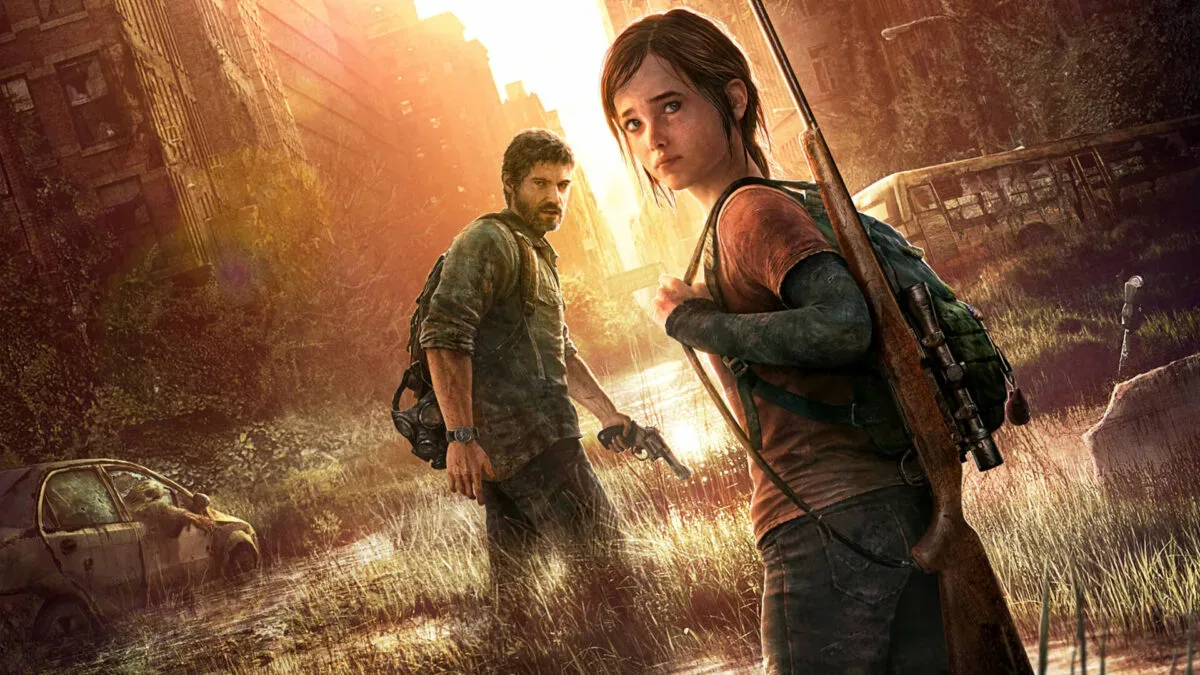
That is a significant clarification for a series whose first two seasons were closely associated with the game’s original creative leadership. The franchise still belongs to Naughty Dog in the broader sense: Druckmann stressed that the studio remains the steward of The Last of Us intellectual property. But stewardship is not the same thing as sitting in the writers’ room, guiding character arcs, or deciding how the show handles the next stretch of its story.
For season 3, Craig Mazin is continuing as the show’s sole showrunner. Druckmann’s latest comments make the arrangement unusually plain: viewers should not assume Naughty Dog’s direct creative input is part of this phase of the adaptation.
A clearer separation for season 3
When the series received its third-season renewal, it was already known that Mazin would continue without Druckmann as co-showrunner. Druckmann has now expanded on that change by saying he did not participate in establishing the season’s creative path and that Naughty Dog did not either.
That does not mean the show is suddenly detached from the games. The television series remains an adaptation of Naughty Dog’s work, and its characters, world, and overall story foundation all grow out of that material. It does mean that the people making the season have a different working structure than they did before. Mazin has responsibility as the sole showrunner, while Druckmann and Naughty Dog are not being presented as active creative architects of this particular season.
It is an important distinction because adaptations often create a fog of assumptions. A creator may be closely involved at one point, provide high-level oversight later, or step away entirely from daily storytelling decisions. Those arrangements can look similar from the outside, especially when the original game studio continues to own and steward the franchise. Druckmann’s wording cuts through much of that ambiguity for season 3.
The change may also help set expectations around future discussion of the show. Questions about scene choices, structural changes, episode priorities, or how the adaptation approaches difficult material belong first with the television production’s leadership rather than Naughty Dog. In short, the game studio remains connected to the property, but it is not being described as a creative participant in the new season’s direction.
Druckmann says the third season will finish the adaptation
Druckmann also described season 3 as the installment that will “wrap up” the television series. That offers a stronger indication of the adaptation’s endpoint after earlier uncertainty about how many more seasons might be needed to complete the story drawn from The Last of Us Part II.
There is still a meaningful difference between knowing that a season is intended to conclude the adaptation and knowing precisely how it will accomplish that. No complete episode-by-episode blueprint is established here, and viewers should be wary of treating game knowledge as a production outline. Television adaptations can reorder events, change emphasis, add context, or find a different rhythm for familiar story beats.
Still, the description of season 3 as the closing chapter makes its creative choices more consequential. It will not simply be another bridge season with unlimited room to defer the major questions. It is positioned as the place where the adaptation brings its current story to an end.
That creates an especially interesting situation for fans who know the games and for audiences who came to the franchise through television. The former may be watching for how the adaptation interprets the game’s structure; the latter will be waiting to see where season 2’s ending leads. Neither group has been given a promise of a one-to-one retelling, but both now have reason to view season 3 as the show’s decisive final movement.
Abby is expected to take center stage
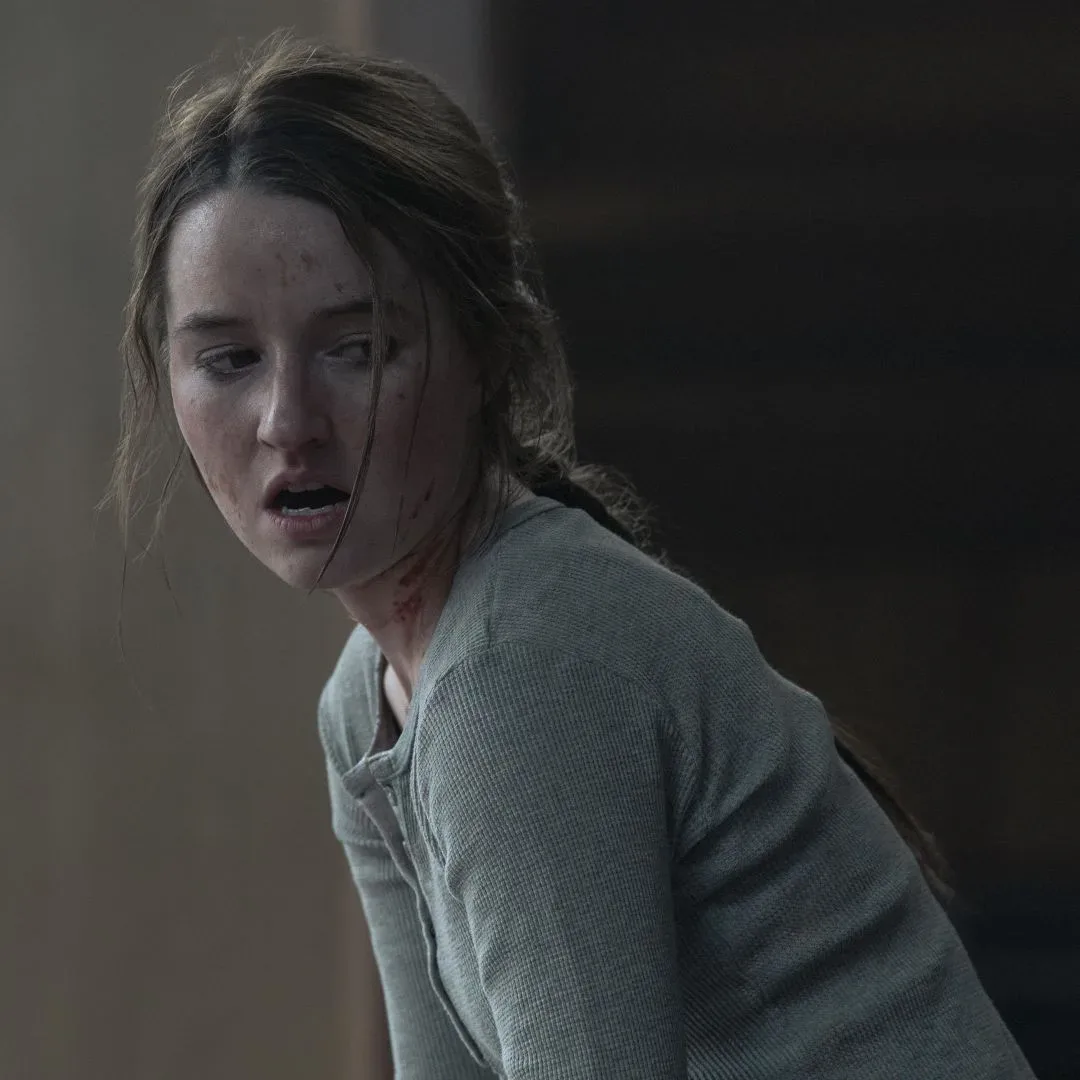
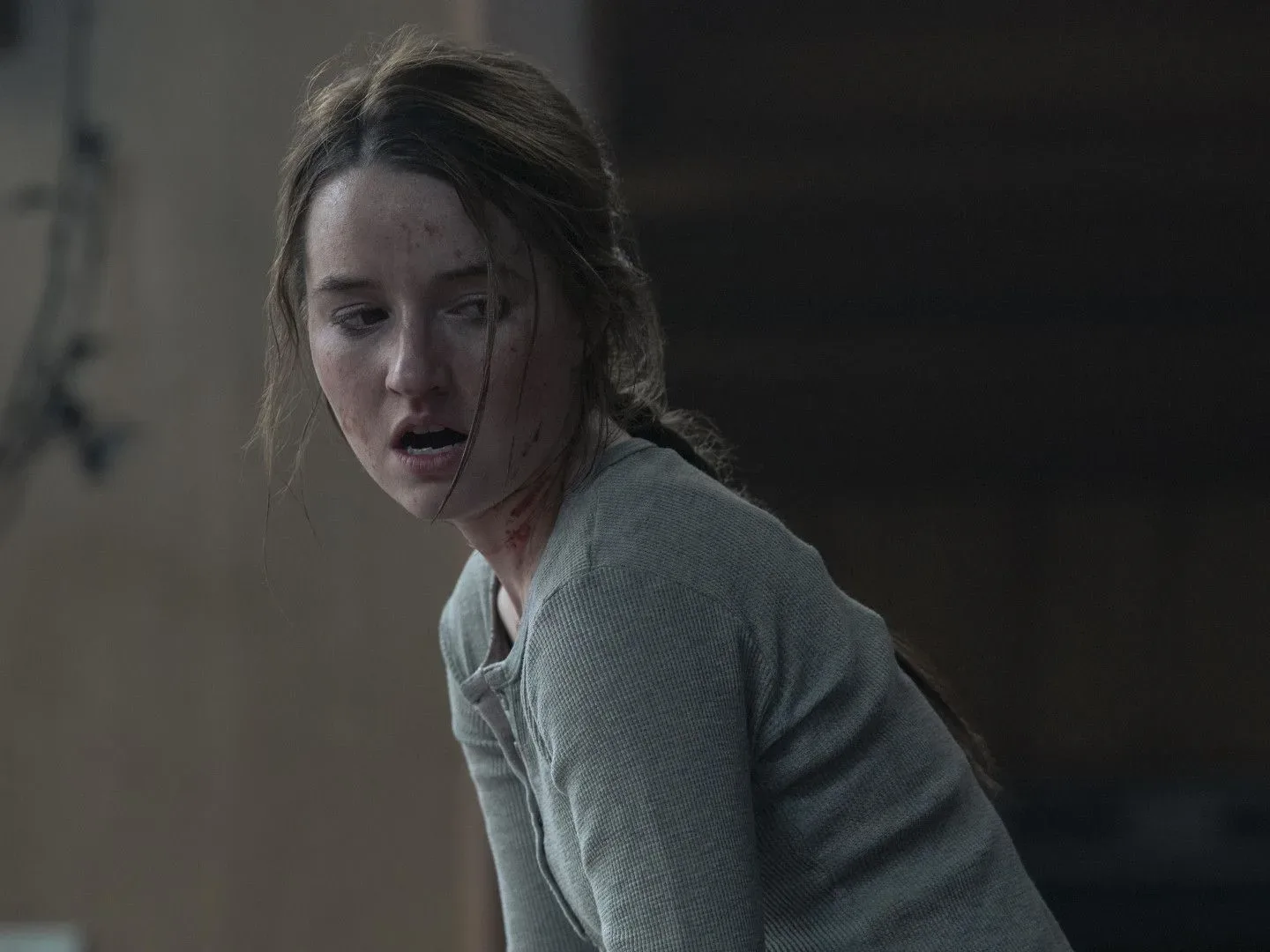
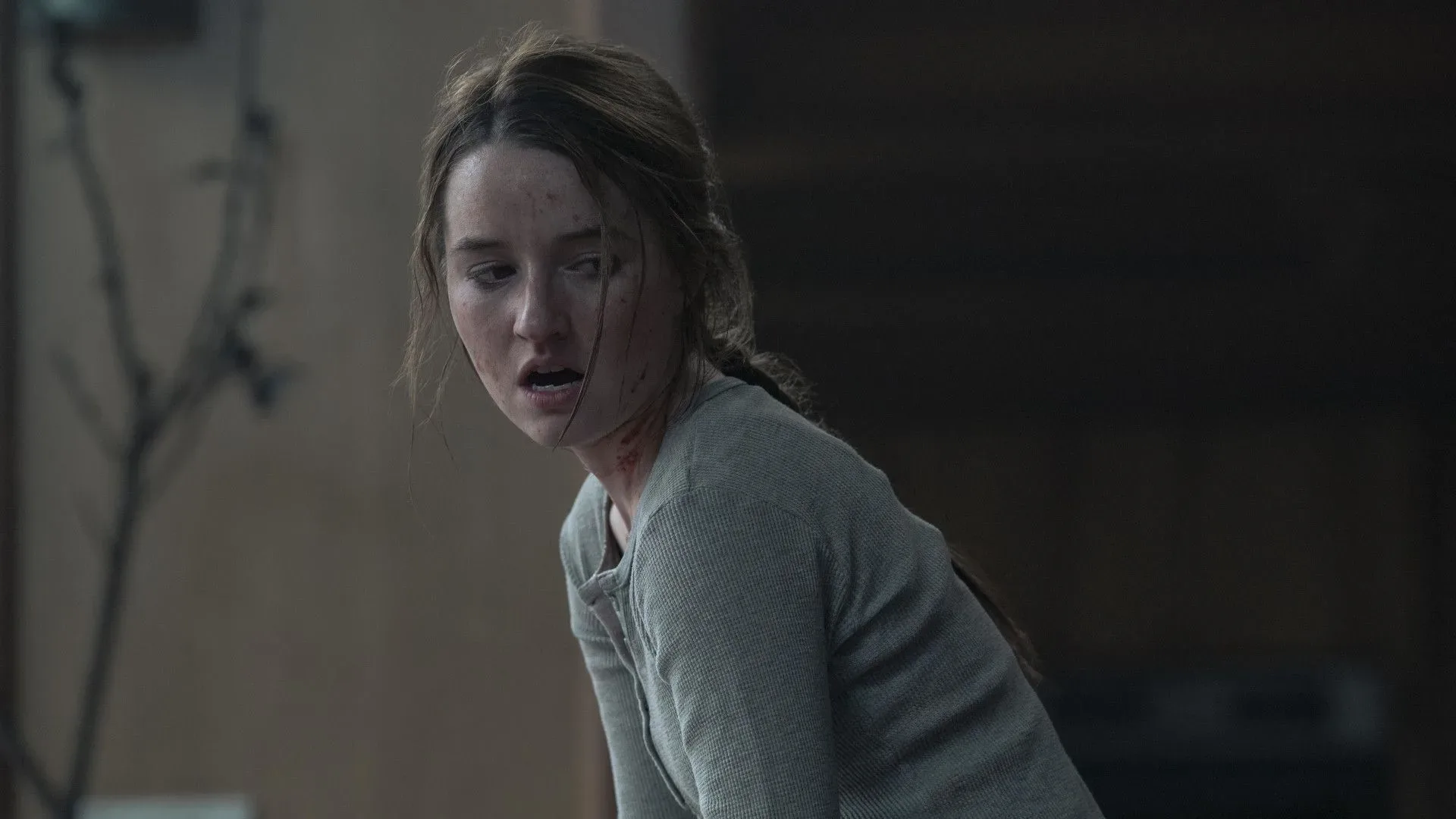
Based on the game material and where the second season ended, Kaitlyn Dever’s Abby Anderson is expected to become the season’s central focus. The anticipated approach involves revisiting portions of the narrative from Abby’s point of view, including events viewers may have already encountered, before bringing the story back toward the present-day thread.
That perspective shift is not a small scheduling adjustment. It is foundational to the emotional design of this portion of The Last of Us. A story can change dramatically when the camera follows a different character through the same conflict, supplies missing context, and asks the audience to reconsider judgments formed from a narrower viewpoint. The games made perspective central to their storytelling; season 3 appears set to confront that challenge on television.
How that is paced, what is repeated, and what is newly emphasized remain questions for the episodes themselves. It would be premature to assume every event will appear exactly as it did in the game. Yet Abby’s expected prominence signals that the show is not sidestepping the difficult narrative turn waiting in the material. It is leaning into it.
That approach also fits a broader truth about game adaptations: they are not merely about reproducing plot. They have to translate player understanding into a format without player control. A game can make perspective feel personal through time spent inhabiting a character. Television has different tools—performance, editing, scene selection, music, and the arrangement of revelations. Season 3’s job will be to use those tools in service of a story many viewers will approach with strong expectations.
For a lighter reminder of how differently games can feel when the people on the couch are involved, revisit the unwritten rules of couch multiplayer. The Last of Us is obviously a very different kind of experience, but the contrast highlights how much medium and context shape the way we meet a game’s characters and decisions.
The returning and newly announced cast
Bella Ramsey is set to return as Ellie. Gabriel Luna returns as Tommy Miller, Isabela Merced returns as Dina, and Young Mazino returns as Jesse. Alongside Dever’s Abby, those returning performers form the core group viewers will be following as the adaptation moves into its final announced season.
Michelle Mao and Kyriana Kratter are joining the cast as Yara and Lev, respectively. Both characters are important to the next portion of the story, and their arrival is another indicator of the territory season 3 is expected to cover.
- Bella Ramsey returns as Ellie.
- Kaitlyn Dever is expected to be a major focus as Abby Anderson.
- Gabriel Luna returns as Tommy Miller.
- Isabela Merced returns as Dina.
- Young Mazino returns as Jesse.
- Michelle Mao joins as Yara.
- Kyriana Kratter joins as Lev.
Cast lists can reveal only so much, particularly for a story built around shifting viewpoints and withheld information. But Mao and Kratter’s casting confirms that Yara and Lev will be part of the adaptation’s next stage rather than remaining game-only figures. Their roles should matter substantially to the direction Abby’s story takes.
Production is underway, but details remain limited
Filming on season 3 began in March and is scheduled to continue through November. Beyond that production window, there is no need to fill the gaps with made-up certainty. There is no release date established here, no complete episode count, and no official beat-by-beat explanation of how the season will handle the remaining story.
That restraint matters. Major television productions create a constant appetite for clues, and a franchise with this much game history practically invites fans to build elaborate road maps. But Druckmann’s comments chiefly clarify management and creative involvement, not every narrative detail. The dependable takeaways are that Mazin is sole showrunner, Druckmann says neither he nor Naughty Dog helped shape season 3 creatively, Abby is expected to lead much of the next chapter, and the season is intended to close out the adaptation.
Druckmann also indicated that the end of this television adaptation should not be confused with the end of The Last of Us as a franchise. He said there are additional projects in development that Naughty Dog is eager to discuss when the time is right. No titles, formats, platforms, or timelines were specified, so those projects remain deliberately undefined for now.
It is a notable reminder that a single adaptation can conclude while the larger property continues. That division is increasingly familiar across entertainment, especially as game worlds branch into series, films, immersive projects, collectibles, and other formats. For a look at how newer technology is also searching for shared experiences and stronger storytelling, see this look at immersive storytelling’s evolving ambitions.
For now, season 3 has a defined leadership setup and a production run that extends into November. The adaptation’s final chapter is being built under Mazin’s sole showrunning role, while Druckmann and Naughty Dog retain their relationship to the franchise without directly steering the season’s creative direction. That is not a small footnote. It is one of the most important pieces of context audiences have heading into the show’s final stretch.